Fibrotic scar 14d after spinal cord injury, red – Col1a1+ perivascular fibroblast derived cells Photo: Daniel Holl
New research has found that scar formation after spinal cord injuries is more complex than previously thought. Scientists at Karolinska Institutet have identified two types of perivascular cells as key contributors to scar tissue, which hinders nerve regeneration and functional recovery. These findings, published in Natural Neuroscience, are also relevant for other brain and spinal cord injuries and could lead to targeted therapies for reducing scarring and improving outcomes.
The central nervous system (CNS) has very limited healing abilities. Injuries or autoimmune diseases like multiple sclerosis often lead to permanent functional deficits.
Regardless of the injury’s cause, the body responds by forming a boundary around the damaged tissue, which eventually becomes permanent scar tissue.
Two contributing cell types
While scar tissue seals the damaged area, it also prevents functional repair. After spinal cord injuries, scar tissue blocks the regeneration of nerve fibers that connect the brain with the body, resulting in paralysis after severe injuries.
The research team led by Christian Göritz at Karolinska Institutet has made significant progress in understanding how scar tissue forms in the CNS. The group now identified two distinct types of perivascular cells, which line different parts of blood vessels, as the major contributors to fibrotic scar tissue after spinal cord injury. Depending on the lesion’s location, the two identified cell types contribute differently.
“We found that damage to the spinal cord activates perivascular cells close to the damaged area and induces the generation of myofibroblasts, which consequently form persistent scar tissue,” explains first author Daniel Holl, researcher at the Department of Cell and Molecular Biology.
By examining the process of scar formation in detail, the researchers hope to identify specific therapeutic targets to control fibrotic scarring.
Zebrafish have a remarkable ability to heal their spinal cord after injury. Now, researchers at Karolinska Institutet have uncovered an important mechanism behind this phenomenon – a finding that could have implications for the treatment of spinal cord injury in humans.
In a new study published in Nature Communications,researchers show that the neurons of adult zebrafish immediately start to cooperate after a spinal cord injury, keeping the cells alive and stimulating the healing process.
“We have shown that the neurons form small channels called gap junctions, which create a direct connection between the neurons and enable the exchange of important biochemical molecules, allowing the cells to communicate and protect each other,” explains Konstantinos Ampatzis, a researcher in the Department of Neuroscience at Karolinska Institutet, who led the study.
The researchers will further investigate the exact mechanisms behind this protective strategy in zebrafish and hope this knowledge will lead to new ways of treating spinal cord injury in humans.
“Spinal cord injuries are a major burden for sufferers and their families,” says Konstantinos Ampatzis. “What if we could get human neurons to adopt the same survival strategy and behave like zebrafish neurons after an injury? This could be the key to developing new effective treatments.”
People who suffer from headaches after experiencing concussions may also be more likely to have higher levels of iron in areas of the brain – a sign of injury to brain cells, according to a preliminary study presented at the American Academy of Neurology’s 76th Annual Meeting.
“These results suggest that iron accumulation in the brain can be used as a biomarker for concussion and post-traumatic headache, which could potentially help us understand the underlying processes that occur with these conditions,” said study author Simona Nikolova, PhD, of the Mayo Clinic in Phoenix, Arizona, and a member of the American Academy of Neurology.
The study involved 120 participants, 60 of whom who had post-traumatic headache (PTH) due to mild traumatic brain injury (mTBI), and 60 healthy controls. The injuries were due to a fall for 45% of the people, 30% were due to a motor vehicle accident and 12% were due to a fight. Other causes were the head hitting against or by an object and sports injuries. A total of 46% of the people had one mild traumatic brain injury in their lifetime, 17% had two, 16% had three, 5% had four and 16% had five or more mild traumatic brain injuries.
Participants underwent 3T brain magnetic resonance imaging (T2* maps). T2* differences were determined using age-matched paired t-tests. For the PTH group, scans were done an average of 25 days after injury. T2* correlations with headache frequency, number of lifetime mTBIs, time since most recent mTBI, and Sport Concussion Assessment Tool (SCAT) severity scale scores,
The researchers observed lower T2* values in PTH participants relative to HC in the right supramarginal area, left occipital, bilateral precuneus, right cuneus, right cerebellum, right temporal, bilateral caudate, genu of the corpus callosum, right anterior cingulate cortex and right rolandic operculum (p < 0.001).
Within PTH subjects, there were positive correlations with iron accumulation between lifetime mTBIs, the time since most recent mTBI and headache frequency in certain areas of the brain. For example, T2* levels in headache frequency with T2* in the posterior corona radiata, bilateral temporal, right frontal, bilateral supplemental motor area, left fusiform, right hippocampus, sagittal striatum, and left cerebellum were associated with headache frequency.
“Previous studies have shown that iron accumulation can affect how areas of the brain interact with each other,” Nikolova said. “This research may help us better understand how the brain responds and recovers from concussion.”
Nikolova said that using the indirect measure of iron burden also means that the change in that measure could be due to other factors such as haemorrhage or changes in tissue water rather than iron accumulation.
The Achilles tendon, although considered the toughest in the body, can rupture, with many such injuries involving sports enthusiasts in their 30s or 40s. Surgery might be required, and a prolonged period of rest, immobilisation, and treatment can be difficult to endure. Researchers in Japan have developed an approach using irradiation with plasma to accelerate healing.
A research team led by Osaka Metropolitan University Graduate School of Medicine’s Katsumasa Nakazawa, a graduate student in the Department of Orthopedic Surgery, Associate Professor Hiromitsu Toyoda, and Professor Hiroaki Nakamura, and Graduate School of Engineering Professor Jun-Seok Oh has focused on non-thermal atmospheric-pressure plasma (the electrically-charged gas such as found in a neon lamp – not blood plasma!) as a treatment method for tendon repair.
Their study, published in PLOS ONE, is the first to show that such plasma irradiation can accelerate tendon repair.
The team ruptured then sutured the Achilles tendon of lab rats. For one group of rats, the sutured area was irradiated with a helium plasma jet.
The plasma-irradiated group exhibited faster tendon regeneration and increased strength at two, four, and six weeks after surgery compared to the untreated group.
“We have previously discovered that irradiation of non-thermal atmospheric-pressure plasma has the effect of promoting bone regeneration. In this study, we discovered that the technology also promotes tendon regeneration and healing, showing that it has applications for a wide range of fields,” Professor Toyoda declared. “Combined with current tendon treatments, it is expected to contribute to more reliable tendon regeneration and shorter treatment time.”
New research indicates that various features assessed through imaging tests can reveal an individual’s risk of developing meniscus tears, which is one of the most common knee injuries.
The study, which is published in the Journal of Orthopaedic Research, was based on the use of radiomics, which unveils imperceptible patterns in medical images. Investigators used magnetic resonance images from 215 people with intact menisci at the start of the study who had 4-year meniscal status data.
Over 4 years, 34 participants developed meniscus tears. Use of radiomics at the start of the study correctly classified 24 of these 34 cases and 172 of 181 controls with a sensitivity of 70.6% and a specificity of 95.0%. Therefore, the technique provides sensitive and quantitative measures of meniscus alterations that could help clinicians know when to intervene to safeguard against meniscus tears.
“Understanding meniscus tear risk through radiomics opens new possibilities for proactive knee health management, offering clinicians a valuable tool to anticipate and prevent such injuries,” said corresponding author Matthew Harkey, PhD, ATC, of Michigan State University.
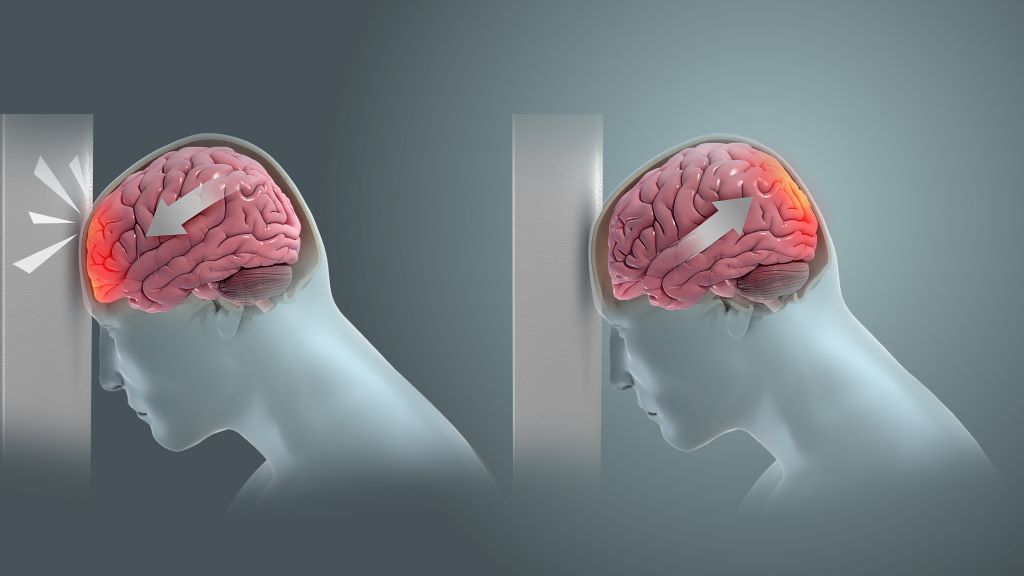
Coup and contrecoup brain injury. Credit: Scientific Animations CC4.0
Important brain structures that are key for signalling in the brain are narrower and less dense in females, and more likely to be damaged by brain injuries, such as concussion. Long-term cognitive deficits occur when the signals between brain structures weaken due to the injury. These structural differences in male and female brains might explain why females are more prone to concussions and experience longer recovery from the injury than their male counterparts, according to a University of Pennsylvania-led preclinical study published in Acta Neuropathologica.
Each year, approximately 50 million individuals worldwide suffer a concussion, also referred to as mild traumatic brain injury (TBI). For more than 15% of individuals who suffer persisting cognitive dysfunction, which includes difficulty concentrating, learning and remembering new information, and making decisions.
Although males make up the majority of emergency department visits for concussion, this has been primarily attributed to their greater exposure to activities with a risk of head impacts compared to females. In contrast, it has recently been observed that female athletes have a higher rate of concussion and appear to have worse outcomes than their male counterparts participating in the same sport.
“Clinicians have observed for a long time that females suffer from concussion at higher rates than males in the same sports, and that they take longer to recover cognitive function, but couldn’t explain the underlying mechanisms of this phenomenon,” said senior author Douglas Smith, MD, a professor of Neurosurgery and director of Penn’s Center for Brain Injury and Repair. “The variances in brain structures of females and males not only illuminate why this disparity exists, but also exposes biomarkers, such as axon protein fragments, that can be measured in the blood to determine injury severity, monitor recovery, and eventually help identify and develop treatments that help patients repair these damaged structures and restore cognitive function.”
Axons connect neurons, allowing communication across the brain. These axons form bundles that make up white matter in the brain and play a large role in learning and communication between different brain regions. Axons are delicate structures and are vulnerable to damage from concussion.
Communication between axons in the brain is powered by sodium channels that serve as the brain’s electric grid. When axons are damaged, these sodium channels are also impaired, which causes loss of signaling in the brain. The loss of signaling causes the cognitive impairment experienced by individuals after concussion.
In this study, researchers used large animal models of concussion to identify differences in brains of males and females after a concussion. They found that females had a higher population of smaller axons, which researchers demonstrated are more vulnerable to injury. They also reported that in these models, females had greater loss of sodium channels after concussion.
“The differences in brain structure not only tell us a lot about how brain injury affects males and females differently but could offer insights in other brain conditions that impact axons, like Alzheimer’s and Parkinson’s disease,” said Smith. “If female brains are more vulnerable to damage from concussion, they might also be more vulnerable to neurodegeneration, and it’s worth further research to understand how sex influences the structure and functions of the brain.”
Severe traumatic brain injury (TBI) is a major cause of hospitalisations and deaths around the world, affecting more than five million people each year. Predicting outcomes following a brain injury can be challenging, yet families are asked to make decisions about continuing or withdrawing life-sustaining treatment within days of injury.
In a new study published in the Journal of Neurotrauma, Mass General Brigham investigators analysed potential clinical outcomes for TBI patients enrolled in the Transforming Research and Clinical Knowledge in TBI (TRACK-TBI) study for whom life support was withdrawn. The investigators found that some patients for whom life support was withdrawn may have survived and recovered some level of independence a few months after injury. These findings suggest that delaying decisions on withdrawing life support might be beneficial for some patients.
Families are often asked to make decisions to withdraw life support measures, such as mechanical breathing, within 72 hours of a brain injury. Information relayed by physicians suggesting a poor neurologic prognosis is the most common reason families opt for withdrawing life support measures. However, there are currently no medical guidelines or precise algorithms that determine which patients with severe TBI are likely to recover.
Using data collected over a 7.5-year period on 1392 TBI patients in intensive care units at 18 US trauma centres, the researchers created a mathematical model to calculate the likelihood of withdrawal of life-sustaining treatment, based on properties like demographics, socioeconomic factors and injury characteristics. Then, they paired individuals for whom life-sustaining treatment was not withdrawn (WLST-) to individuals with similar model scores, but for whom life-sustaining treatment was withdrawn (WLST+).
Based on follow-up of their WLST- paired counterparts, the estimated six-month outcomes for a substantial proportion of the WLST+ group was either death or recovery of at least some independence in daily activities. Of survivors, more than 40%of the WLST- group recovered at least some independence. In addition, the research team found that remaining in a vegetative state was an unlikely outcome by six-months after injury. Importantly, none of the patients who died in this study were pronounced brain dead, and thus the results are not applicable to brain death.
According to the authors, the findings suggest there is a cyclical, self-fulfilling prophecy taking place: Clinicians assume patients will do poorly based on outcomes data. This assumption results in withdrawal of life support, which in turn increases poor outcomes rates and leads to even more decisions to withdraw life support.
The authors suggest that further studies involving larger sample sizes that allow for more precise matching of WLST+ and WLST- cohorts are needed to understand variable recovery trajectories for patients who sustain traumatic brain injuries.
“Our findings support a more cautious approach to making early decisions on withdrawal of life support,” said corresponding author Yelena Bodien, PhD, of the Department of Neurology’s Center for Neurotechnology and Neurorecovery at Massachusetts General Hospital and of the Spaulding-Harvard Traumatic Brain Injury Model Systems. “Traumatic brain injury is a chronic condition that requires long term follow-ups to understand patient outcomes. Delaying decisions regarding life support may be warranted to better identify patients whose condition may improve.”
Read more in the study, published May 13, in the Journal of Neurotrauma.
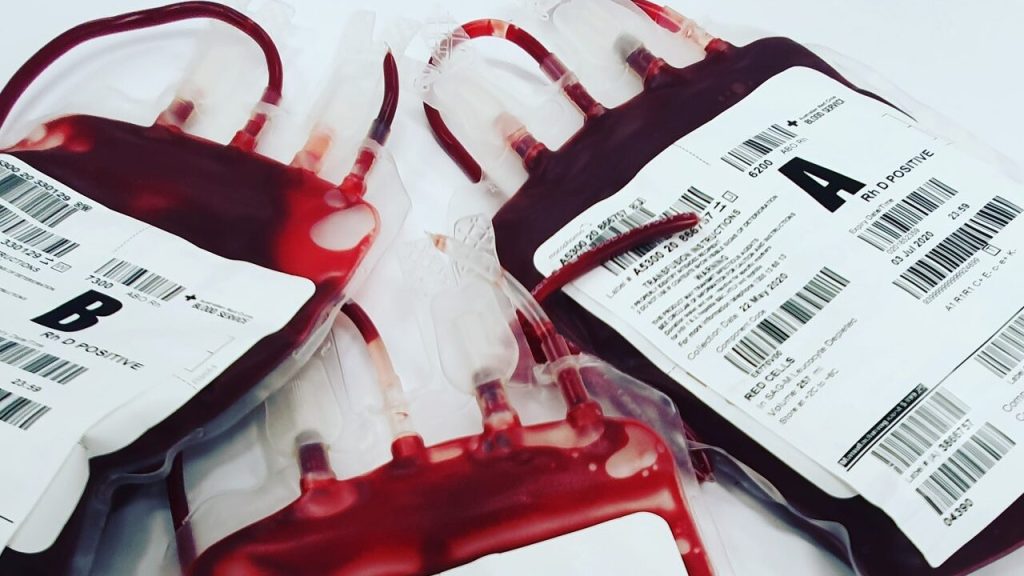
A breakthrough study, published in Science Translational Medicine, features a biomedical engineering innovation with the potential to transform trauma care and surgical practices. The multidisciplinary, multi-university scientific research team developing platelet-like particles that integrate into the body’s clotting pathways to stop haemorrhage.
Addressing a longstanding gap in surgical and trauma care, this advancement holds potential for patient implementation. Patients experiencing acute trauma often require platelet transfusions to manage bleeding; storage constraints restrict their utility in prehospital scenarios. Synthetic platelet-like particles (PLPs) offer a potential alternative for promptly addressing uncontrolled bleeding.
The team has engineered platelet-like particles capable of traveling through the bloodstream and then homing to the site of tissue damage, where they augment the clotting process and then support subsequent wound healing. The approach addresses an unmet clinical need in trauma care and surgical practice. Research team member Andrew Lyon, Founding Dean and Professor of Chapman University’s Fowler School of Engineering, stress the importance of this breakthrough.
“This work represents a pivotal moment in biomedical engineering, showcasing the tangible translational potential of Platelet-Like Particles,” remarked Lyon. “This remarkable collaborative effort has led to a solution that not only addresses critical clinical needs but also suggests a paradigm shift in treatment modalities.”
The study’s comprehensive approach involved rigorous testing in larger animal models of traumatic injury and illustrated that the intervention is extremely well tolerated across a range of models.
Ashley Brown, corresponding author on the study and an associate professor in the joint biomedical engineering program at North Carolina State University and the University of North Carolina at Chapel Hill, said, “In the mouse and pig models, healing rates were comparable in animals that received platelet transfusions and synthetic platelet transfusions and both groups fared better than animals that did not receive either transfusion.”
One of the study’s most significant findings is that these particles can be excreted renally, presenting a breakthrough in elimination pathways associated with injectable, synthetic biomaterials. The remarkable safety profile demonstrated in the study makes it safe and effective in trauma and surgical interventions. This advancement could potentially lead to improved medical treatments and outcomes for patients undergoing such procedures.
Lyon noted, “Given the success of our research and the effectiveness of the synthetic platelets, the team is pushing forward on a path aimed at eventually seeing clinical implementation of this technology.”
Conditions such as diabetes, heart attack and vascular diseases commonly diagnosed in people with spinal cord injuries can be traced to abnormal post-injury neuronal activity that causes abdominal fat tissue compounds to leak and pool in the liver and other organs, a new animal study published in Cell Reports Medicine has found.
After discovering the connection between dysregulated neuron function and the breakdown of triglycerides in fat tissue in mice, researchers found that a short course of the drug gabapentin, commonly prescribed for nerve pain, prevented the damaging metabolic effects of the spinal cord injury – though not without side effects.
Gabapentin inhibits a neural protein that, after the nervous system is damaged, becomes overactive and causes communication problems – in this case, affecting sensory neurons and the abdominal fat tissue to which they’re sending signals.
“We believe there is maladaptive reorganisation of the sensory system that causes the fat to undergo changes, initiating a chain of reactions – triglycerides start breaking down into glycerol and free fatty acids that are released in circulation and taken up by the liver, the heart, the muscles, and accumulating, setting up conditions for insulin resistance,” said senior author Andrea Tedeschi, assistant professor of neuroscience in The Ohio State University College of Medicine.
“Through administration of gabapentin, we were able to normalise metabolic function.”
Previous research has found that cardiometabolic diseases are among the leading causes of death in people who have experienced a spinal cord injury. These often chronic disorders can be related to dysfunction in visceral white fat (or adipose tissue), which has a complex metabolic role of storing energy and releasing fatty acids as needed for fuel, but also helping keep blood sugar levels at an even keel.
Earlier investigations of these diseases in people with neuronal damage have focused on adipose tissue function and the role of the sympathetic nervous system, but also a regulator of adipose tissue that surrounds the abdominal organs.
Instead, Debasish Roy, a postdoctoral researcher in the Tedeschi lab and first author on the paper, decided to focus on sensory neurons in this context. Tedeschi and colleagues have previously shown that a neuronal receptor protein called alpha2delta1 is overexpressed after spinal cord injury, and its increased activation interferes with post-injury function of axons, the long, slender extensions of nerve cell bodies that transmit messages.
In this new work, researchers first observed how sensory neurons connect to adipose tissue under healthy conditions, and created a spinal cord injury mouse model that affected only those neurons – without interrupting the sympathetic nervous system.
Experiments revealed a cascade of abnormal activity within seven days after the injury in neurons – though only in their communication function, not their regrowth or structure – and in visceral fat tissue. Expression of the alpha2delta1 receptor in sensory neurons increased as they over-secreted a neuropeptide called CGRP, all while communicating through synaptic transmission to the fat tissue – which, in a state of dysregulation, drove up levels of a receptor protein that engaged with the CGRP.
“These are quite rapid changes. As soon as we disrupt sensory processing as a result of spinal cord injury, we see changes in the fat,” Tedeschi said. “A vicious cycle is established – it’s almost like you’re pressing the gas pedal so your car can run out of gas but someone else continues to refill the tank, so it never runs out.”
The result is the spillover of free fatty acids and glycerol from fat tissue, a process called lipolysis, that has gone out of control. Results also showed an increase in blood flow in fat tissue and recruitment of immune cells to the environment.
“The fat is responding to the presence of CGRP, and it’s activating lipolysis,” Tedeschi said. “CGRP is also a potent vasodilator, and we saw increased vascularisation of the fat – new blood vessels forming as a result of the spinal cord injury. And the recruitment of monocytes can help set up a chronic pro-inflammatory state.”
Silencing the genes that encode the alpha2delta1 receptor restored the fat tissue to normal function, indicating that gabapentin – which targets alpha2delta1 and its partner, alpha2delta2 – was a good treatment candidate. Tedeschi’s lab has previously shown in animal studies that gabapentin helped restore limb function after spinal cord injury and boosted functional recovery after stroke.
But in these experiments, Roy discovered something tricky about gabapentin: the drug prevented changes in abdominal fat tissue and lowered CGRP in the blood, in turn preventing spillover of fatty acids into the liver a month later, establishing normal metabolic conditions. But paradoxically, the mice developed insulin resistance, a known side effect of gabapentin.
The team instead tried starting with a high dose, tapering off and stopping after four weeks.
“This way, we were able to normalise metabolism to a condition much more similar to control mice,” Roy said. “This suggests that as we discontinue administration of the drug, we retain beneficial action and prevent spillover of lipids in the liver. That was really exciting.”
Finally, researchers examined how genes known to regulate white fat tissue were affected by targeting alpha2delta1 genetically or with gabapentin, and found both of these interventions after spinal cord injury suppress genes responsible for disrupting metabolic functions.
Tedeschi said the combined findings suggest starting gabapentin treatment early after a spinal cord injury may protect against detrimental conditions involving fat tissue that lead to cardiometabolic disease – and could enable discontinuing the drug while retaining its benefits and lowering the risk for side effects.
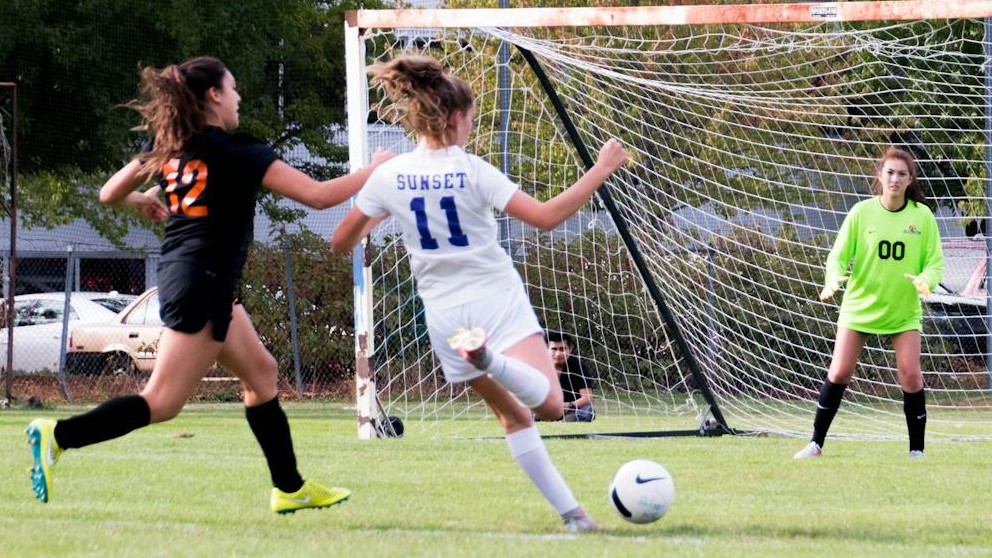
Football players in England’s top-tier WSL were six times more likely to experience a muscle injury in the days leading up to their period compared to when they were on their period, according to a new study published in Medicine & Science in Sports & Exercise.
This the first prospective longitudinal study monitoring menstrual cycles alongside injuries in female footballers. The findings suggest there could be increased injury risk windows at particular times in the cycle.
Despite being a relatively small sample size, the data demonstrates the need to consider the menstrual cycle in elite sports, to reduce injury risk and to support the wellbeing of athletes.
Menstrual cycle symptoms are common and around two thirds of elite athletes feel that these can have negative impacts on their performance. There has been little previous research tracking injuries alongside the menstrual cycle in female sport, despite much speculation and anecdotal evidence suggesting that there may be some key times for increased injury risk. Given the increased professionalism, interest, growth, and investment in women’s sport, the authors say further research in this area is needed.
In this study, researchers at UCL and the University of Bath recorded time-loss injuries and menstrual cycle data for elite female football players across three seasons. All of the players were based at one Women’s Super League (WSL) club, the top tier of women’s football in England. During the study they tracked 593 cycles across 13 390 days, in which time 26 players experienced 74 injuries.
The authors divided each cycle into four main phases in their study. Each phase comes with assumed hormonal changes that have the potential to influence different aspects of a woman’s health and wellbeing.
Ally Barlow, first author of the study from the University of Bath and a physiotherapist at the WSL club, said: “We have been tracking player’s menstrual cycles for a number of seasons to observe trends in terms of symptoms and cycle characteristics. We were interested to learn more about the potential association between injury risk across the menstrual cycle. This study set out to collect specific scientific data so that we could learn more about the menstrual cycle and player’s injury risk.”
Analysis of the data found that players were six times more likely in the pre-menstrual phase (oestrogen and progesterone decrease to bring about the onset of menstruation) and five times more likely in the early-mid luteal phase (after ovulation when both oestrogen and progesterone are assumed to increase and remain high) to experience a muscle injury, compared to when they were in the menstrual phase.
Dr Georgie Bruinvels, senior author of the study from UCL Surgery & Interventional Science and the Institute of Sport, Exercise & Health (ISEH), said: “While these results must be viewed with caution, this data highlights a need to investigate this area further. Given the growth of women’s sport it’s an exciting time to be working in female physiology, but there are a number of known challenges when conducting research with female athletes, in part explaining why there is such a significant sex data gap.
“Conducting large-scale research is complex but must be prioritised to best support female athletes, and we hope studies like this will pave the way for this. Every woman has their own unique physiology, so it’s crucial to support and empower them in the right ways. If future research demonstrates that there are risk windows for certain injury types, we should be proactive in mitigating these risks to enable female athletes to exercise and compete on any given day.”
The authors emphasise that further data collected in a standardised manner is needed before the sports science community can start to look for biological explanations for this increased injury risk.
Dr Jo Blodgett, an author of the study from UCL Surgery & Interventional Science and the Institute of Sport, Exercise & Health (ISEH), said: “Though our sample size for this research was relatively small, we observed clear links between cycle phase and injury prevalence, and the size of the association – six times higher in the premenstrual phase and five times higher in the early-mid luteal phase for muscular injuries – was quite large.
“To better understand the variability in injury risk across the cycle we need more players and teams to continually track injury incidence, menstrual cycle and symptoms in a standardised manner. At the elite level, injuries to your squad can mean the difference between winning and losing, the difference between being crowned champions and runners-up. But perhaps more importantly, it means pain and suffering for players that could perhaps be avoided with better player-centred support.”