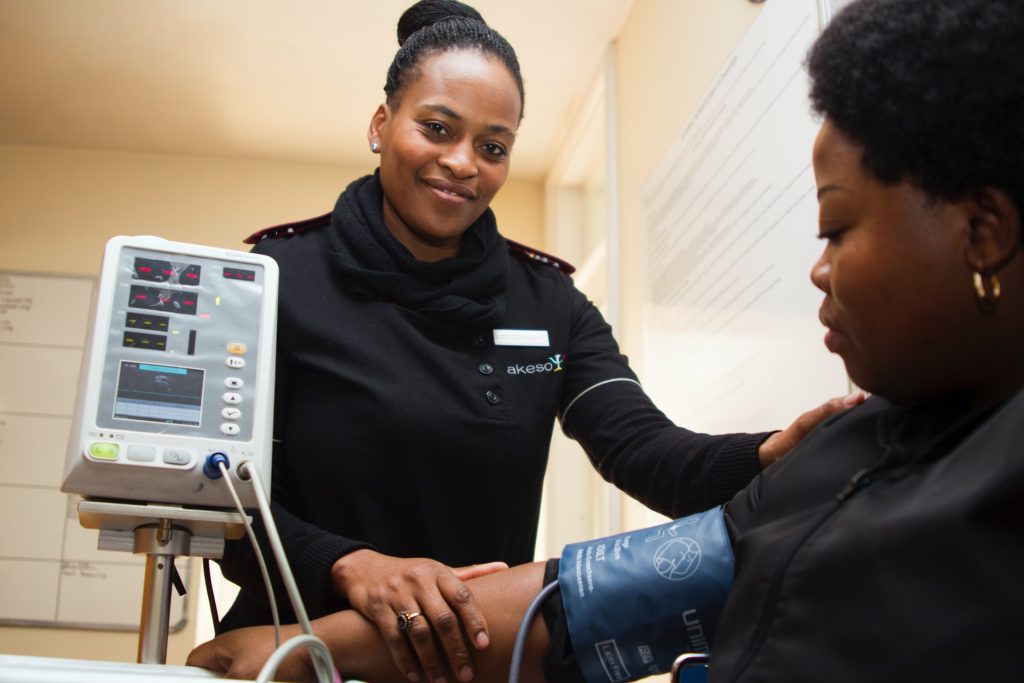
He speaks in measured tones – calm, reflective, deliberate. But when Dr Dumisani Bomela describes the future he envisions, the words carry power. For the CEO of the Hospital Association of South Africa (HASA), healthcare is not just a profession. It is a promise rooted in dignity, equity and access to every South African.
Q: Dr Bomela, what drew you to medicine and what keeps you committed to healthcare in South Africa? A: I have always seen healthcare as an act of service. As a doctor, you learn to see beyond symptoms, to understand the person behind the diagnosis. As a leader at HASA, I take that same approach. Our work is about people. About making sure that every South African can get quality care when they need it.
Q: HASA represents South Africa’s private hospital sector. Why is this sector important to the country’s overall health system? A: Private hospitals are a cornerstone of healthcare in South Africa. We treat millions of patients each year. More than that, HASA members invest heavily in medical training, advanced technology and infrastructure. We are strategic partners in the national system, that makes our sector a vital national asset.
Q: How does HASA contribute to economic development beyond just healthcare? A: Healthcare is a growth engine. HASA members are major employers, from doctors and nurses to technicians and support staff. We support local communities and stimulate investment. When healthcare systems are strong, economies thrive – and so do people.
Q: What is HASA’s stance on universal health coverage? A: We believe every person has the right to choose their provider and to receive high-quality care. That is why we support reforms that strengthen the system and build equity. HASA members are ready to work side by side with the government to make that vision a reality. Our hospital groups bring deep experience, including in some cases from geographies where universal healthcare systems operate, and strong infrastructure to the table.
Q: What kind of leadership do you believe is needed in South African healthcare today? A: We need leaders who listen. Who understand not just policy, but people. Leadership in healthcare must be grounded in compassion and collaboration. At HASA, we strive to lead by example, building trust, fostering partnerships, and always remembering that every system ultimately affects human lives.
Q: How do HASA hospitals stay at the forefront of medical technology and innovation? A: By investing intentionally. Our members understand that modern medicine is not static, it is constantly evolving. We equip our hospitals with advanced diagnostic and treatment tools. But technology alone is not enough. We also invest in people – training nurses, specialists and support teams to lead with excellence.
Q: In a country facing complex health challenges, how do you stay hopeful? A: Hope grows where there is action. Across our hospitals, I see incredible work being done every day – surgeons saving lives, nurses comforting families, teams innovating to improve care. We are proving, together, that with collaboration and commitment, South Africa’s health system can be strong, inclusive and world-class.
Q: What gives you the greatest sense of pride in your work with HASA? A: Honestly, it is seeing the impact private hospitals have. When families walk out of our hospitals healed. When professionals grow into health leaders. When communities feel their well-being is supported. These outcomes remind us why the work matters. My pride does not come from titles; it comes from knowing we are making a real, human difference every single day.
But women doctors in this attire are often misidentified as nurses or medical assistants. And preferences for doctors’ dress strongly influenced by clinical context/medical specialty
Patients are still more likely to trust doctors and consider them more professional when they wear white coats, although women doctors in this attire are often misidentified as nurses or medical assistants, finds a review of the available research on the topic, published in the open-access journal BMJ Open.
But patient preferences for doctors’ attire seem to be strongly influenced by clinical context and medical specialty, with a growing acceptance of scrubs, especially in emergency or high-risk settings, the findings indicate.
In the 19th century, doctors primarily wore black, because medical encounters were viewed as serious and formal occasions. But with the growing emphasis on hygiene and scientific advancements in medicine, white coats represented cleanliness and professionalism and became standard attire for doctors worldwide in the 20th century, note the researchers.
Since the publication of a previous comprehensive review of published research on the impact of doctors’ attire at work, which highlighted the significant role this has in patient satisfaction, trust, and adherence to medical advice, health care practices and societal expectations have evolved, they explain.
The researchers therefore wanted to update those findings, broadening the scope to include diverse clinical contexts, in a bid to gain a deeper understanding of how doctors’ attire might influence interactions with patients and treatment outcomes.
They scoured research databases for relevant studies published between January 2015 and August 2024. From an initial haul of 724 studies, 32 were eligible for inclusion in the review.
Most of the studies were carried out in the U.S. (17); two each came from Japan, China, and Pakistan; and the rest were carried out in Indonesia, India, Ethiopia, Korea, Germany, Malaysia, Saudi Arabia, Singapore and Switzerland.
Clinical setting had some bearing on patient preferences. For example, palliative care doctors’ attire didn’t affect patients’ trust, or assessments of the practitioner’s capabilities, but patients preferred emergency care doctors to wear white coats or scrubs. And they were happy for primary care doctors to be dressed casually and to wear white coats.
Specialty also seemed to influence perceptions, with patient preferences for doctors to wear white coats observed in orthopedics, surgery, dermatology, ophthalmology, and obstetrics and gynecology, for example.
The included studies indicated a distinct preference among patients for male doctors to wear suits. One study indicated that accessories, such as watches and glasses worn by male doctors, significantly enhanced perceived professionalism and trustworthiness, which aligns with the findings of previously published studies, note the researchers.
The UK, however, has implemented a ‘bare below the elbows’ policy, which bans doctors from wearing white coats, watches, ties and long sleeves to minimize infection risks.
And even when male and female doctors wore identical attire, female doctors were still more likely to be misidentified as nurses or medical assistants—a misidentification that was consistently observed across different cultural settings.
But patients preferred white coats over business or casual attire for both male and female doctors, and irrespective of gender, they favored doctors wearing white coats, perceiving these practitioners to be trustworthy, respectful, skilled, communicative and empathetic.
Notably, male surgeons wearing a white coat over scrubs were looked on less favorably than those wearing a suit with a white coat, scrubs, or just a suit. On the other hand, female surgeons in white coats over scrubs were preferred over those in suits or casual attire.
“This preference aligns with recent evidence indicating that female physicians are often judged more on appearance than their male counterparts. The way female physicians dress significantly influences perceptions of competence and professionalism, highlighting the gendered expectations that patients hold,” write the researchers.
“These gender-specific preferences for surgical attire were each supported by a single study and warrant further validation… Nonetheless, gender-related perceptions of physician attire were consistently reported across studies with a low risk of bias, supporting the robustness of this theme,” they add.
A few studies explored doctors’ attire during the COVID-19 pandemic, when numerous doctors reported a preference for wearing scrubs to prioritize hygiene and ease of movement.
These studies consistently reported a shift in patient preference towards practical and hygienic attire, such as scrubs and face masks, reflecting heightened sensitivity to infection control, say the researchers.
The researchers acknowledge various limitations to their findings, in particular the fact that most of the included studies were carried out in the U.S., there were none from South America, and only a few from European, Asian, and African countries. Many of the studies also relied on self-reported data, and none included children or patients with mental health issues.
“While the traditional white coat is seen as a symbol of professionalism and trust, patients have increasingly accepted scrubs, especially in emergency or high-risk settings,” they write.
“The expectations regarding attire are often gendered, particularly affecting the recognition and respect given to female physicians, which highlights the importance of institutional initiatives aimed at reducing bias and fostering equitable perceptions among patients,” they add.
Medical institutions should consider adopting flexible dress codes that align with patient preferences for different clinical environments and medical specialties, they suggest.
As healthcare reform gains momentum in South Africa, value-based care is becoming a hot topic – but meaningful progress has yet to take hold. The biggest hurdle? How care is purchased. Despite clear signs of stagnation, most funders remain committed to the same failed approach and have yet to drive the change that is needed.
“It’s encouraging to see a move away from fee-for-service thinking and a growing focus on value-based care. But to turn that interest into action will require real system reform – starting with strategic approaches to purchasing care that support system reengineering,” says Lungile Kasapato, CEO of PPO Serve, a healthcare management company that has been implementing value-based care in South Africa for more than a decade.
At its core, value-based care flips the script on how private healthcare is purchased in South Africa. Instead of rewarding volume, it prioritises prevention, puts patients at the centre, and ties payment to measurable outcomes. This stands in stark contrast to the dominant fee-for-service model, where doctors and hospitals are incentivised to provide more services rather than focus on delivering effective care.
A leading example of value-based care in practice is The Value Care Team, operationally supported by PPO Serve. This GP-led multidisciplinary programme broadens access while keeping costs in check. Teams are paid a risk-adjusted global fee to provide holistic patient care, along with substantial incentives tied to improved outcomes. The result is a model that aligns payment with patient outcomes – not the volume of services delivered.
To put it simply, Kasapato explains; “With value-based care, you don’t pay for every kilometre run, you pay to cross the finish line. And that finish line means improved health outcomes, prevention, and system efficiency.” For patients, primary healthcare under The Value Care Team looks and feels completely different. With no scheme benefit limits to navigate, patients are supported by a dedicated care coordinator who guides them through decisions made by their nominated GP and allied professionals. Each clinical team member has a complete picture of the patient’s health, working collaboratively rather than competitively to share accountability for delivering better outcomes.
This new approach to delivering primary care in the private sector isn’t just an isolated test run – it’s being developed and refined in real time. “We’re not just talking about value-based care, we’re implementing it,” says Kasapato. “At PPO Serve, we partner with practices to navigate day-to-day challenges, while working with medical schemes to design payment models that enable strategic purchasing. The Value Care Team is proof that value-based contracting isn’t just possible – it’s already happening in South Africa’s healthcare system.”
For this approach to take root and scale, medical schemes and state funders must take the lead by creating the market incentives that encourage providers and hospitals to adopt new ways of working. The Competition Commission’s 2019 Health Market Inquiry warned that without bold reform, South Africa’s private healthcare sector could face collapse – a warning that remains just as relevant today. But there is still an opportunity to change course. By embracing a strategic purchasing role, funders can help drive the system-wide transformation that’s urgently needed.
The Value Care Team is already leading by example, with a presence across Gauteng and KwaZulu-Natal, as well as in Bloemfontein and Gqeberha. Recognised by the World Health Organisation and featured in international peer-reviewed research as a breakthrough case study in emerging markets, the programme is actively driving real change – improving care coordination, cutting waste, and reducing unnecessary hospital admissions. Even so, Kasapato points out, the journey is far from over; “There is still a lot to learn from and with others as we move from talking about value to actually implementing it.”
Pretoria – The Health Ombud, Professor Taole Mokoena, has released the findings of an investigation into the treatment, complications, and deaths of psychiatric patients at the Northern Cape Mental Health Hospital (NCMHH) and the Robert Mangaliso Sobukwe Hospital (RMSH). The investigation revealed that two patients died, and another underwent craniectomy and remains bedridden.
The investigation was initiated following a complaint filed by the Honourable Minister of Health, Dr. Aaron Motsoaledi (MP), regarding the Northern Cape Mental Health Hospitals in October 2024. The reported incidents took place in July and August 2024, during which it was alleged that two patients died at NCMHH, and two others were admitted to RMSH in critical condition.
In response to the Minister’s request, the Health Ombud deployed a team of two investigators in accordance with Section 81(3)(c) of the National Health Amendment Act (NHAA). This investigation report is issued based on Section 81A (11) of the NHAA, 2013 (Act No. 12 of 2013), pertaining to the functions of the Office of Health Standards Compliance and the handling of complaints by the Health Ombud. The report is intended to inform both the complainant and the health establishments as well as the general public of the findings and recommendations derived from the investigation.
ISSUES INVESTIGATED
The investigation was carried out through a detailed analysis and triangulation of information and documentary evidence obtained from the NCMHH and RMSH, as well as through on-site visits. The following issues were identified for investigation based on the analysis of the complaints, allegations, and engagement with both health establishments:
The circumstances surrounding Mr. Cyprian Mohoto’s care at NCMHH and his subsequent death at RMSH;
The circumstances surrounding Mr. Petrus De Bruins’s care at NCMHH and his admission to RMSH;
The circumstances surrounding Mr. Tshepo Mndimbaza’s care and death at NCMHH; and
The circumstances surrounding Mr. John Louw’s care at NCMHH and his admission to RMSH.
The investigation revealed that, at the time of the incidents, NCMHH and several neighbouring health facilities were facing challenges with their electricity supply due to cable theft and vandalism at their power substation. This power loss impacted the communication infrastructure, leaving the hospital without telephone lines.
Electricity supply was restored within days at two of the neighbouring hospitals; however, it took an entire year for the electricity to be restored at NCMHH. The investigation found that the delay in repairing the electricity supply to NCMHH was due to dysfunctional Supply Chain Management processes within the Provincial Department of Health. This delay rendered the hospital’s Heating, Ventilation, and Air Conditioning (HVAC) system nonfunctional, exposing patients and staff to extreme weather conditions during the summer and winter. Additionally, because of the lack of electricity, the available resuscitation equipment was not operational, as it could not be charged, and other necessary equipment was unavailable for use. NCMHH procured poor quality pyjamas and blankets which were inadequate to provide warmth to patients during the severe winter’s cold, especially at night.
It was established that the Clinical Manager at NCMHH had written a complaint letter to the Acting Head of the Provincial Department of Health, detailing the adverse conditions which patients at NCMHH were being subjected to. These circumstances negatively impacted their health and violated their human rights.
FINDINGS
The investigation uncovered several findings regarding the medical care of four patients:
Circumstances surrounding Mr. Cyprian Mohoto’s care and admission to RMSH: The investigation revealed gross mismanagement surrounding Mr. Mohoto’s care, which ultimately led to his death. He was admitted to RMSH on 13 July 2024, with a suspected abdominal or bowel obstruction following complications at NCMHH on 12 July 2024. Admission abdominal X-rays ruled out bowel obstruction while the chest X-ray revealed multi-lobar pneumonia. The pneumonia was never treated during the 3 days that the patient stayed in the Surgical Recovery Unit until his death. His deteriorating clinical status was never attended to by either the nursing personnel nor the doctors. Mr. Mohoto died on 16 July 2024, in the Emergency Centre at the Surgical Recovery Unit at RMSH.
Mr. De Bruin was transferred from NCMHH to the Emergency Centre at RMSH on 30 July 2024, after collapsing and being unresponsive in Ward M2 at NCMHH. He was stabilised and later admitted to the RMSH Medical Recovery Unit for hypoglycaemia, the medical care and investigations conducted in the Emergency Centre were appropriate. However, the monitoring by nursing personnel was found to be inadequate.
The Circumstances Surrounding Mr. Tshepo Mdimbaza’s Death: Mr. Mdimbaza was discovered unresponsive in his bed on 3 August 2024, at NCMHH. The resuscitation process was delayed due to the unavailability, malfunction, or unpreparedness of resuscitation equipment. There was also a lack of monitoring of the patient’s vital signs before and during resuscitation by medical or nursing personnel. Mr. Mdimbaza did not survive the resuscitation attempt. The post-mortem report indicated that he died due to “exposure to the elements” at NCMHH.
The investigation into the circumstances surrounding the care and admission of Mr. John Louw to RMSH revealed that he had an acute subdural haemorrhage. An emergency craniotomy and craniectomy were successfully performed on 07 July 2024 and 23 July 2024, respectively, and he was discharged back to NCMHH on 28 October 2024. Mr. Louw remains bedridden.
The investigation also established additional findings, including leadership instability in the Northern Cape Provincial Department of Health, which negatively affected service delivery, safety, and the quality of patient care at NCMHH and RMSH.
Northern Cape Mental Health Hospital was found to have poor governance and systemic lack of leadership and poor management at all levels, unpreparedness for emergency cases, crumbling infrastructure, poor pharmacy and medicine control management, shortage of staff, poor quality assurance management, non-compliance with patient record keeping, and poor laundry services.
Robert Mangaliso Sobukwe Hospital was found to be experiencing critical staff shortage across the board; lack of oversight with nursing supervision; communication breakdown of reporting systems, non-compliance with guidelines on principles of good record keeping and overcrowding at the hospital emergency centre, aggravated by the absence of a district or regional hospital.
The investigation concluded that the general care provided at the Northern Cape Mental Health Hospital and the Robert Mangaliso Sobukwe Hospital to the patients was substandard, and patients were not attended to in a manner consistent with the nature and severity of their health condition, as required by Regulation 5 (1) of the Norms and Standards Regulations Applicable to Different Categories of Health Establishments, 2018 (Norms and Standards Regulations).
RECOMMENDATIONS
The Health Ombud made clear, actionable recommendations to address the systemic failures observed at both health establishments to improve the overall safety and quality of patient care. Key recommendations include; the Provincial Head of Department of Health must immediately appoint a Task Team to monitor the implementation of the recommendations as outlined in the report, hold accountable officials found to be in breach through formal disciplinary processes, the National Department of Health should initiate a forensic investigation into the procurement processes for the NCMHH, priority should be given to the development, reinstatement, and implementation of an effective and efficient reporting system for continuity of care and effective communication, and the development of comprehensive Standard Operating Procedures (SOPs)/Protocols/Guidelines to guide healthcare personnel in providing healthcare services. The complete set of recommendations is included in the report.
The demands placed on South African frail care and retirement villages are tougher than ever. These establishments must consistently provide high-quality care, while addressing persistent staffing issues and adapting to an increasingly complex regulatory environment.
The limitations of traditional care models heavily reliant on individually employed caregivers can no longer be ignored. In response, a strategic shift towards collaborating with experienced healthcare professional service agencies is gaining momentum, providing a welcome pathway for facilities to greatly enhance care provision, optimise operational workflows, and mitigate potential liabilities.
Addressing the shortcomings of traditional models
Modern senior care facilities face growing challenges that necessitate efficient resource management. Rising operating costs, stricter regulatory demands, and persistent staffing shortages (particularly for specialised roles) create significant operational burdens. To maintain high standards of care and ensure resident well-being, facilities must adopt innovative solutions that address both operational and care-related needs.
Exceptional care can only be built on in personalised attention, and outsourcing allows facilities to raise their care standards by accessing a pool of highly trained and compliant caregivers in collaboration with a reputable healthcare professional staffing services provider. The right agency partner makes it possible for facilities to prioritise personalised care, ensuring each resident receives the attention required for the best outcomes.
Putting personalised care at the top of the quality scale
Caregiving agencies have an important role to play in implementing robust care plans in collaboration with doctors. By placing caregivers that work under the instructions of the facility’s matron or registered nurse, agencies assume responsibility for ensuring care plans are followed diligently, while clinical facilitators provide continuous training that ensures caregivers are competent and confident in their roles. Such a collaborative approach greatly enhances resident wellbeing and safety. With the expertise of such specialist agencies, retirement villages and frail care facilities can be assured that consistent, high-quality care will be delivered, a critical factor in building trust with residents and their families.
Ensuring competency, continuity of care and flexibility
Traditional work models, where facilities directly recruit and employ caregivers, often struggle with operational logistics in continuity of care and training. Here, staffing shortages due to unforeseen absences can greatly disrupt daily routines. In contrast, partnering with a staffing solutions organisation provides access to a reliable pool of caregivers on-demand.
A professional agency partner handles all scheduling requirements, while ensuring extra caregivers are oriented to the facility. This enables quick replacements (often within two hours) to minimise disruptions and maintain consistent care, while such flexibility also gives the facility the room to scale up or down on caregiving resources in direct response to the changing needs of residents without significant cost.
Critically, a key benefit of partnering with a staffing provider is the comprehensive administrative relief they offer. Agencies manage the entire recruitment process, onboarding, payroll, and continuous training, freeing facilities from these burdens. Here, the agency steps in to simplify processes and mitigate risk by handling everything from start to finish, with thorough criminal and reference checks to minimise security risks and comprehensive recruitment processes that ensure caregivers are proficient in English and possess the necessary skills and attributes for the job.
Outsourcing to continually enhance personalised care standards
One of the most compelling advantages to partnering with a staffing services agency is the fact that the facility has guaranteed access to pre-screened, trained, and compliant caregivers who have been through a rigorous upskilling course to ensure they are well-prepared for the frail care environment. The right staffing partner takes time to understand each facility’s unique needs and matches caregivers accordingly, with business unit managers actively participating in the selection process to ensure the perfect fit.
Equipped with comprehensive training on essential skills, including dementia care, palliative care and rehabilitation, these caregivers can address the specific needs of residents with confidence and compassion. Their specialised training relieves pressure on facilities and ensures residents receive appropriate care, which enhances family satisfaction.
The right partner also employs clinical facilitators designated to provide on-site training and support, so that the facility is assured caregivers are up to date with the latest care practices and technologies to continuously enhance the overall quality of care. Facilities benefit from collaborative training opportunities, further upskilling their own staff at no additional cost. Significantly, these specialised care services can supplement the core offerings of the facility to better meet the diverse needs of residents, attract a broader clientele and strengthen their market position.
An essential shift toward high-quality care
For the future of senior care, strategic partnerships with healthcare staffing providers are no longer optional, but essential. These collaborations ensure the long-term success of retirement villages and frail care facilities by optimising staffing, enhancing care, and mitigating risks. They are the foundation for delivering exceptional resident experiences and building a culture of safety and trust. These partnerships will allow facilities to meet the demands of today, while building a forward-thinking model for the dignified and compassionate senior care of tomorrow.
18 July 2025: On a day symbolising service and sacrifice across South Africa, the Moti Cares Foundation honoured Mandela Day by donating 3500 blankets and 1000 loaves of bread for patients, and sweet packs for paediatric patients at the Chris Hani Baragwanath Hospital in Soweto – the largest hospital in Africa.
With a bed capacity of over 3300, the hospital faces an ongoing shortage of essential resources, including blankets for admitted patients. In response, Moti Cares stepped in with a donation that will ensure every patient across every ward receives warmth and comfort this winter, with joy and excitement Dr Nthabiseng Makgana, CEO of Chris Hani Baragwanath Hospital, expressed her sincere gratitude for this donation that helped bring warmth and hope to their patients.
The handover marks one of the most significant moments in the Foundation’s 2025 Winter Blanket Drive, which aims to distribute 20 000 blankets across South Africa during the coldest months of the year. With this event, Moti Cares has now successfully brought the total number of blankets handed out since the beginning of June to 18 000, with just a few weeks left in the campaign.
Mandela Day, celebrated annually on 18 July in honour of the late President Nelson Mandela’s birthday, calls on South Africans to dedicate 67 minutes of their time to doing something for the greater good in commemoration of the 67 years Mandela spent in public service. It is a day of unity, compassion, and action.
Led by Zunaid Moti – investor, philanthropist, and founder of the Moti Cares Foundation – the handover at Baragwanath hospital stood out not just for its scale, but for its special meaning, paying a fitting tribute to Mandela’s legacy.
For Moti, Mandela Day is not a date to be observed passively, but a call to action. Each year, he marks the day with a meaningful act of service for others. In 2024, he gave R6700 to ten individuals, and a further R46 664 to a single recipient – a nod to Mandela’s prison number, 466/64. This year, his focus turned to those spending Mandela Day in hospitals with limited resources, many of them lying in cold beds without the basic comfort of warmth.
“There’s something profoundly vulnerable about being in a hospital,” said Moti. “When you’re ill, all you want is to feel safe and warm. A blanket may seem small, but in that moment, it brings comfort, and it brings dignity. It reminds people that in their time of need, and when they’re feeling particularly weak, they’re not alone.”
The donation was warmly received by hospital management and staff. A spokesperson for Baragwanath Hospital shared: “This act of generosity will have a lasting impact. Many of our patients come from very difficult circumstances and arrive here with very little for medical treatment, and this contribution from Moti Cares has ensured that they will be much more comfortable. On behalf of every patient who will sleep warmer tonight, we extend our heartfelt thanks.”
Moti Cares, a philanthropic initiative established by Moti, is committed to creating lasting, real-world impact through humanitarian efforts. While the Foundation supports various causes throughout the year, including health, education, and crisis response, the annual Winter Blanket Drive has become its most direct and widely recognised intervention.
As the campaign nears its conclusion, weekly activations are continuing to reach new communities, ensuring no one is left behind. The final 2,000 blankets will be distributed in the coming weeks, closing off another season of compassion, care, and shared humanity.
New UCLA research finds that small group professional coaching can reduce physician burnout rates by up to 30%, suggesting that it is more effective than the traditional, and more expensive, one-on-one coaching method.
Nearly half of physicians in the US suffer from burnout, which is marked by emotional exhaustion, depersonalisation and decreased personal accomplishment. These can lead to medical errors and other harmful consequences to the healthcare system and patient outcomes, said lead author Dr Joshua Khalili, director of physician wellness in the UCLA Department of Medicine and assistant clinical professor of medicine at the David Geffen School of Medicine at UCLA.
“Most current evidence related to professional coaching is related to individual coaching and its impact on reducing burnout,” Khalili said. “But individual coaching can be quite costly, which is a barrier to broad implementation.”
Physician burnout is estimated to cost the US healthcare system about $4.6 billion annually, mostly due to costs associated with physician turnover and fewer clinical hours.
The researchers conducted a randomised, wait-list controlled trial with 79 UCLA attending internal medicine physicians for just over a year starting in March 2023. The intervention consisted of six one-hour coaching sessions, with one-third of the group receiving one-on-one coaching via Zoom while another third were coached in small groups consisting of three physicians and one coach. The final third acted as control group, receiving no coaching during the first few months of the trial, and subsequently received six, one-on-one coaching sessions.
The primary outcome the researchers measured was overall burnout. They also examined areas of work life such as workload, control rewards, community, fairness, and values; work engagement such as vigour, dedication, and absorption; self-efficacy, and social support. They measured each of these outcomes before and after the intervention and again six months afterwards.
They found that small group intervention participants experienced a nearly 30% reduction in burnout rate. The burnout rate for the one-on-one coaching fell by 13.5%. By contrast, the control group experienced an 11% increase in burnout rates. Burnout remained stable among the small group participants and continued to fall in the one-on-one group six months after the initial intervention.
Coaching for the one-on-one sessions cost $1000 per participant, compared with $400 for the small group coaching sessions.
“This new, small-group model of professional coaching can make a significant impact in physician burnout and costs much less than the one-on-one model,” Khalili said.
Study limitations include potential selection bias among participants who would most likely benefit from the intervention. The baseline overall burnout rate was higher in the small group coaching arm (70.4%) compared to the one-on-one group (40.0%); however, relative reductions in burnout were similar: 42% in the small group intervention compared to 34% the one-on-one group. In addition, the study was conducted at a large academic centre whose physicians may not be comparable to those in other healthcare institutions.
The researchers are now providing coaching to physicians in the UCLA Department of Medicine and hope that this research encourages other health care institutions and organisations to implement professional coaching, Khalili said.
“By improving physicians’ well-being, engagement, and sense of support, interventions like coaching can enhance the quality of care patients receive, making this a public health priority, not just a workplace issue,” he said.
In just two years, the Gauteng health department’s spending on security has more than tripled. We try to get to the bottom of the ballooning bills and what it means for governance in the department.
The Gauteng Department of Health’s projected R2.54 billion spend on security contracts for 2025/2026 has received the thumbs up, fuelling suspicion in various quarters. It comes as the department claims to lack the funds to fill vacancies, pay all suppliers on time, or continue fulfilling doctors’ overtime contracts.
The R2.54 billion is more than three times the R838 million the department spent two years earlier in 2023/2024. This was revealed at the end of May in response to questions raised in the Gauteng Legislature by the Democratic Alliance (DA), the official opposition in the province. In 2024/2025, the department’s security spending was just over R1.76 billion.
Jack Bloom, the DA’s shadow MEC for health in Gauteng, calls the proposed expenditure “unjustified”, given that the department is failing to meet its health service delivery targets.
According to him, security companies charge R77 million per year for guarding services at Chris Hani Baragwanath Hospital, and over R72 million annually at Charlotte Maxeke Hospital.
At Tara Hospital, the new security contract costs R14 million per year – a sharp increase from the previous year’s R4.2 million contract, which had provided 21 guards for the facility. Bloom says that, according to the department’s own assessment, only five additional guards were needed at Tara Hospital, increasing the total to 26. However, the current contract pays for 46 guards. “This means they are paying about R5 million a year for 20 guards they do not need,” Bloom says. “They could better use this money to fill the vacancies for 13 professional nurses, as Tara Hospital cannot use 50 of its 137 beds because of staff shortages. It is a clear example of excessive security costs squeezing out service delivery,” he says.
“The numbers simply don’t add up,” Bloom says. He points out that the written responses provided in the Gauteng Legislature – signed off by MEC for Health and Wellness, Nomantu Nkomo-Ralehoko – cite an internal security assessment and compliance with Private Security Industry Regulatory Authority (PSIRA) salary increases for guards as reasons for the higher costs. However, the internal assessment has not been shared with either Bloom or Spotlight, despite requests from both.
The PSIRA-approved annual increase is 7.38%. In contrast, the department’s security spending rose by over 100% from 2023/2024 to 2024/2025, and it’s projected to increase by another 40% from 2024/2025 to 2025/2026.
According to a statement released by the Gauteng health department in April 2024, it had 113 security companies under contract at the time, providing a total of 6000 guards across 37 hospitals and 370 clinics and institutions in the province.
‘Very fishy’
Bloom says security guarding contracts have been “very fishy for at least the past 10 years”. He claims: “There are certain security companies that keep popping up. These companies will get two-year contracts, then have their contracts extended for something like 10 years. Then we have these new contracts which have soared in costs. The auditor general has said that there is irregular expenditure. Security contracts have always been suspect and have always been corruption territory.”
In March this year, the DA lodged a complaint with the Public Protector over a R49 million guarding contract for five clinics in Tshwane and the MEC’s offices. The contract was awarded to a company called Triotic Protection Services. The DA alleges that the company was founded by City of Tshwane’s deputy executive mayor, Eugene Modise, who also previously served as its director. When the company was awarded the contract, it was allegedly in the crosshairs of the South African Revenue Service because it owed R59 million in tax over five years. This has raised concerns about the company’s tax compliance status and its eligibility to tender for the contract. Spotlight approached Modise for comment through Samkelo Mgobozi, spokesperson for the office of the executive mayor, but had not received a response by the time of publication.
Other security companies that have contracts with the department have also made headlines for allegedly flouting labour laws. These include not paying guards for months and withholding employees’ pension and provident fund contributions. It leaves questions about due diligence and the proper vetting of companies.
A review underway?
In the weeks since Bloom’s questions were answered in the legislature, he says Nkomo-Ralehoko conceded to a review of the security spend at the province’s hospitals.
However, the Gauteng health department has not announced anything formally and no further details have been provided.
The department has also not responded to Spotlight’s questions or provided supporting documentation of their assessment criteria for the security contracts, the tender requirements, tender processes and how they measure value for money and the impact of increased guarding in improving safety and security for patients, staff and visitors to its hospitals. They have also not made available a list of the companies with successful contracts and what their services entail.
As Spotlight previously reported in some depth (see here and here), there are serious security problems at many health facilities in Gauteng. It ranges from cable theft disrupting hospital operations to healthcare workers being assaulted. The department has also been criticised from some quarters for its plans to train healthcare workers to better handle violent situations.
That steps need to be taken to better secure the province’s health facilities is not controversial. But our previous reporting has also shown a pattern of questionable contract management, with, for example, contracts being extended on a month-to-month basis for years after the original tenders had technically expired. It appears that the widespread use of these month-to-month security contracts came to an end when the department finally awarded a series of new security tenders in 2024 but it also seems likely that these new contracts are driving the department’s ballooning security spending.
‘Has to be justified’
The department’s massively increased security spend must be fully explained and is essential for transparency, say several experts Spotlight spoke to.
“This kind of escalation in cost has to be justified, especially when the department has no money,” says Professor Alex van den Heever, chair of social security systems administration and management studies at the University of Witwatersrand.
He says the specifics of the tender process and the contracts that were awarded need to be publicly available to be openly scrutinised. The processes must meet Treasury’s procurement guidelines and must follow the Public Finance Management Act, which regulates financial management within the national and provincial governments. Where there is wilful non-compliance, Van den Heever says criminal charges should be laid.
“This is a department that has routinely had around R3 billion a year in irregular expenditure. It means procurement procedures have been bypassed. This is not an isolated incident; it’s systematic,” he adds.
The latest Auditor General report into the Gauteng health department was released in September last year for the 2023/24 financial year. It showed that of its R60 billion budget, the department underspent by R1.1 billion, including R590 million on the National Tertiary Service Grant that was meant to help fund specialist services. The report highlighted R2.7 billion in irregular expenditure, which is R400 million more than the previous year, and R17 million in fruitless and wasteful spending – an increase of R2 million from the year before.
Equally damning, the report highlighted the lack of credible information provided. “This is likely to result in substantial harm to the operations of the department as incorrect data is used for planning and budgeting and the effectiveness of oversight and monitoring are reduced as a result of unreliable reported performance information on the provision of primary healthcare services,” wrote the Auditor General.
Van den Heever says the leadership and management within the health department need to be seriously questioned. Questions should be asked of why “bad apples” are not being removed, why there are no consequences for conflicts of interests and collusions, and why webs of enablers within the department are not exposed for insulating wrongdoers, he says.
Van den Heever says that over nine years of monitoring, the Gauteng Health Department’s irregular and wasteful spending ranged between 3.6% and 6.6% of its total budget. In contrast, during the same period, the Western Cape’s irregular spending ranged from 0% to just 0.1%.
Lack of transparency
The Gauteng health department’s spike in security spending demands deeper investigation, says Advocate Stephanie Fick. She is executive director for accountability and public governance at the Organisation Undoing Tax Abuse and serves on the Health Sector Anti-Corruption Forum. This forum was launched in 2019 as an initiative to combat corruption within the healthcare system. It falls under the Special Investigations Unit and brings together a range of stakeholders, including law enforcement agencies, government departments, regulators, and the private sector.
Fick says the health department’s failure to provide easy access to information on tenders, contracts, and contracted companies undermines transparency and accountability. She encourages more people to come forward with insider information.
“We want to see the details right down to line items and who signed off on things. We encourage people to use our protected whistleblower platforms to share information,” Fick says.
“For civil society, there is a growing role to mount strategic challenges to things like this kind of excessive and irregular expenditure; to demand transparency and to expose people who are responsible.
“This must be done so ordinary people can better understand what’s been happening with their tax money and so they choose more carefully when they go to the ballot box, starting with next year’s municipal elections,” she says.
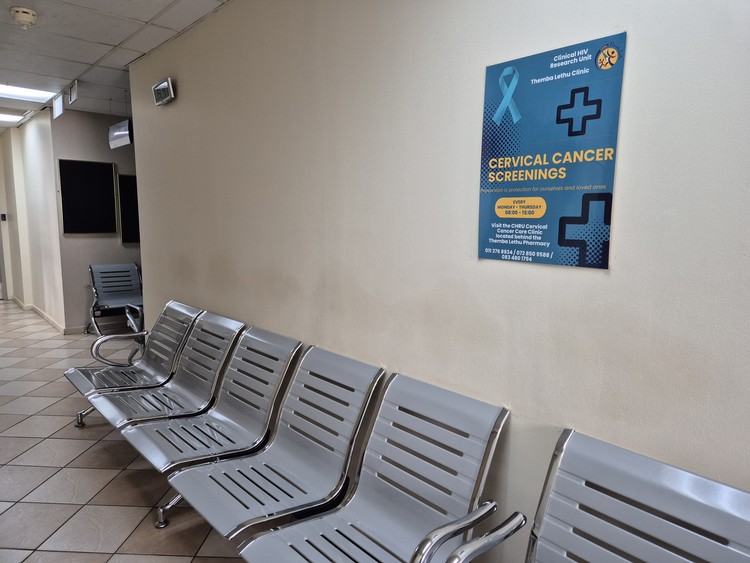
The Cervical Cancer Screening and Prevention Clinic at Helen Joseph Hospital in Johannesburg was forced to shut down in mid-May after losing all its funding from the US President’s Emergency Plan for AIDS Relief (PEPFAR). Photos: Elna Schütz
Hundreds of cervical cancer patients will likely be referred to overburdened hospitals following the closure of the Cervical Cancer Screening and Prevention Clinic at Helen Joseph Hospital in Johannesburg.
Following over 20 years of operations, the clinic was forced to shut down in mid-May after losing all its funding from the US President’s Emergency Plan for AIDS Relief (PEPFAR). It relied on some financial reserves to taper its activities over several months. Most clinic staff have been let go.
The clinic served women who were referred from across Johannesburg and as far as Springs. A significant part of that group lives with HIV.
“Many of these women are from underserved communities with limited access to specialist care,” says Dr Mark Faesen, Specialist Gynaecologist with the Clinical HIV Research Unit (CHRU).
The clinic offered critical cervical cancer screening and follow-up services, including Pap smears and colposcopies – a cervical examination for abnormalities. The clinic was managing around 1,400 patients annually. “It served as a clinical and research hub, preventing many cancers,” Faesen says.
We spoke to Zinhle (name changed) who was screened at the clinic after feeling ill for a year and who sought help at four different hospitals.
“When I got [to this clinic], I was received with a warm welcome,” she says, emphasising that every step of the process was explained to her and she was made to feel comfortable. “Where else are we supposed to go?”
Zinhle says she is deeply upset that she can no longer be treated at the clinic if she needs it again.
Faesen says the clinic’s closure will put immense pressure on other public hospitals offering these services, like Rahima Moosa or Chris Hani Baragwanath. This is likely to lead to longer waiting times for screening, diagnosis and treatments. “Early detection is important,” Faesen says. “Without timely diagnosis, outcomes are far poorer.”
Lorraine Govender, the National Manager of Health Programmes at the Cancer Association of South Africa (CANSA) says they are deeply concerned by the closure, as it is a serious setback in the ongoing fight against the disease.
Cervical cancer is the second most common cancer in women in South Africa, and results in the most deaths. It is curable if diagnosed and treated early. A Human Papillomavirus (HPV) vaccination also reduces the risk of cervical cancer. While low screening rates and backlogs in treatment have been long-standing across the country, Johannesburg appears to be particularly burdened. The shutdown of this clinic adds to a larger shortage of screening and treatment in Gauteng.
The Department of Health has previously stated that while it has improved vaccination efforts against cervical cancer, “screening and treatment are lagging behind”. The national health policy calls for women aged 30 to 50 to be screened at least three times in their lives. Women living with HIV should be screened at least every three years.
Cervical cancer screening services are limited and overwhelmed at most public hospitals, Faesen says. “The funding cuts have a knock-on effect: increasing patient loads at the few remaining colposcopy clinics.”
Lorraine Govender, the National Manager of Health Programmes at the Cancer Association of South Africa (CANSA) says they are deeply concerned by the closure, as it is a serious setback in the ongoing fight against the disease.
“Cervical cancer is both preventable and treatable when detected early, making continued access to screening services vital … The closure of this Johannesburg clinic must be a call to action,” Govender says.
Faesen stresses the urgent need for increased funding for decentralised screening services to fill the gaps created by clinics like the one at Helen Joseph Hospital. “Equipping more public sector sites with colposcopy capability and training personnel is also essential.”
The 5th edition of the Standards for Palliative Healthcare Services has achieved a major milestone: it has secured accreditation from the International Society for Quality in Health Care’s External Evaluation Association (IEEA).
This international endorsement reaffirms the commitment of the Association of Palliative Care Centres (APCC) to deliver world-class palliative care.
As the only internationally accredited framework guiding palliative care institutions in South Africa, these Standards play a crucial role in ensuring quality, safety, and compassionate service delivery. Developed through a long-standing partnership between the Association of Palliative Care Centres (APCC) and COHSASA, the Standards have been shaping palliative care excellence since 2005.
The 5th edition—available for free at APCC’s website—features:
✔A refined presentation structure for easier navigation
✔Removal of outdated or duplicated criteria to streamline compliance
✔Changes in terms of new legislation, particularly as it relates to the POPI act
✔ New essential elements to enhance care quality
Why accreditation matters
According to Warren Oxford-Huggett, National Accreditation Manager for the APCC, earning accreditation requires time, energy and commitment, but the rewards are far-reaching.
He highlights three key benefits:
· Optimal Community Engagement – Accredited palliative service providers gain increased community trust and support, strengthening relationships between institutions, families, and caregivers. “From a patient perspective, knowing that the organisation that is providing care is accredited puts your mind at ease.”
· Better Organisational Performance – Self assessments and internal peer reviews drive higher efficiency, sustainability, credibility and overall service quality. It revolves around the framework that COHSASA sets up.
· A Culture of Excellence – Accreditation fosters a mindset of continuous improvement, embedding best practices within healthcare teams.
Oxford-Huggett also has a role to encourage more palliative care organisations to join APCC’s current 68-member network, particularly as demand grows for structured palliative care in elderly care facilities. Of the five latest institutions that are currently in the process of joining the APCC, four of them are facilities for the aged.
“The market for new APCC members is increasingly swinging to more aged care facilities. What that will mean in terms of cost of care remains to be seen”, says Oxford-Huggett. “Many elderly care institutions advertise or market palliative care, but seldom is anyone adequately trained. It’s early days but we are looking at developing a collaborative model to help these frail care facilities implement structured, high-quality care at an affordable cost. With rising living expenses and an aging population, we must ensure end-of-life care remains accessible without imposing financial strain.”
Mentorship for success
To assist APCC members in meeting these high standards, APCC offers a structured mentorship programme, led by Oxford-Huggett. This initiative guides members through the compliance process, preparing them for COHSASA’s external review and international accreditation.
APCC member, Helderberg Hospice, based in Somerset West, has just achieved their 6th accreditation, with their first accreditation achieved in May 2006. Robert de Wet, the CEO of Helderberg Hospice comments: “In addition to focusing on clinical compliance, the accreditation process assesses criteria across the entire organisation, including areas relating to governance, fundraising, administration, and human resources. Subjecting your organisation to an intensive external accreditation process is important as it serves to both affirm the positive aspects of the work we do and simultaneously makes us aware of areas in which we require more focus.” They achieved a 97% score.
Setting the Standard for Palliative Care
Since 2005, 95 APCC members have undergone COHSASA accreditation, with 117 accreditation decisions issued—ranging from full accreditation to graded recognition.
Palliative care focuses on improving quality of life for patients with serious illnesses such as cancer, HIV/AIDS and TB as well as conditions such as COPD, heart and organ failure. The APCC philosophy of palliative care is the activeholistic care of patients who have received a life-threatening diagnosis. The control of pain, of other symptoms and support for psychosocial and spiritual needs is paramount.
APCC members report that around 90% of palliative care efforts take place in patients’ homes, extending support to loved ones, from diagnosis to after bereavement.
Jacqui Stewart, CEO of COHSASA, affirms:“The international accreditation of this 5th edition confirms that the APCC standards align with global best practices. For over 20 years, the APCC and COHSASA have collaborated to ensure that South Africa’s palliative care remains internationally recognised. COHSASA is committed to driving ongoing improvements in palliative care services.”