Category: Diseases, Syndromes and Conditions

Sex Differences in Nonalcoholic Fatty Liver Disease Explained

Toilet sign male and female
Photo by Tim Mossholder on Unsplash

Investigators may have discovered the reason why fewer women than men develop nonalcoholic fatty liver disease (NAFLD). They published their findings in Nature Communications.

One of the most common disorders globally, NAFLD is a leading cause of death worldwide. Its progressive form, ‘nonalcoholic steatohepatitis’ (NASH), affects about 30% of all NAFLD patients, and can lead to cirrhosis and liver cancer. Despite intensive research, the underlying mechanisms of NAFLD/NASH are still poorly understood and effective treatment is lacking as a result.

However, it is known that NAFLD/NASH is more common among men than women, especially premenopausal women. The reasons for this are still unclear, but evidence so far suggests that oestrogen plays a protective role. On the other hand, the protein formyl peptide receptor 2 (FPR2) is known to play an important role in mediating inflammatory responses in multiple organs. However, no study so far has determined its role in the liver. Could FPR2 be involved in the sex-related differences regarding NAFLD prevalence and severity?

Addressing this question, a research team led by Professor Youngmi Jung of Pusan National University, Korea, recently conducted a study using mice model, shedding light on the role of FPR2 in NAFLD/NASH and its relationship to the observed sex-based differences. This work is among the very few studies on NAFLD that relies on sex-balanced animal experiments rather than the more common male-only designs.

The researchers first found that Fpr2 was highly expressed in healthy livers of female mice. Furthermore, it was expressed differently in the livers of male and female mice that were fed a special NAFLD-inducing diet. Silencing the Fpr2 gene made the male and female mice equally vulnerable to NAFLD, suggesting that FPR2 has a protective effect on the liver.

Interestingly, the researchers also found that FPR2 production in the liver is mediated by oestrogen. Males supplemented with external oestrogen produced more Fpr2 and were more resistant to NAFLD, whereas females that had their ovaries removed exhibited reduced liver Fpr2 levels. “Taken together, our findings suggest that FPR2 is a potential therapeutic target for developing pharmacological agents to treat NAFLD/NASH,” says Prof Jung. “In addition, our results could help in the development of gender-based therapies for NASH.”

This unprecedented discovery of the female-specific production of FPR2 in the liver and its role in providing resistance against NAFLD/NASH will hopefully pave the way not only for novel treatments but also a more comprehensive and sex-aware approach when doing science. Prof Jung remarked on this: “Our research highlights the pressing need for designing and developing better sex-balanced animal experiments, considering that the sex-specific expression of FPR2 in the liver had been completely overlooked in previous studies.”

Source: Pusan National University

An Unexpected Ally: Pathogen Enhances Antifungal Drug

Scanning Electron Micrograph of Pseudomonas aeruginosa.
Credit: CDC/Janice Carr

While pathogens usually work against drug treatments, sometimes, they can actually strengthen them, according to a new University of Maine study published in the journal Infection and Immunity.

Polymicrobial infections, which are a combination of bacteria, viruses, fungi and parasites, are challenging to treat because it is not well understood how pathogens interact during infection and how these interactions affect the drugs treating them.

In a study published in Infection and Immunity, University of Maine researchers examined two common pathogens that often occur at similar sites, particularly in cystic fibrosis and mechanically ventilated patients: Candida albicans and Pseudomonas aeruginosa.

Candida is the fourth most common hospital-acquired pathogen, and many antifungal agents only slow it rather than kill it outright. Meanwhile, P. aeruginosa infects 90% of all adult cystic fibrosis patients. Combined, C. albicans and P. aeruginosa cause more serious disease in cystic fibrosis and ventilated patients.

The researchers investigated the effectiveness of the antifungal drug fluconazole in vitro and then during infection of the zebrafish with both pathogens. Fluconazole slows fungal growth, but Candida can become tolerant to the drug and not only survive, but also evolve tolerance that leads to therapy failure and, potentially, death.

The results showed that P. aeruginosa in fact works with fluconazole to eliminate drug tolerance and clear the C. albicans infection in the culture and the zebrafish.

“Polymicrobial infections are challenging to treat not only because of the lack of understanding of how invading microorganisms interact but also because we don’t know how these interactions affect treatment efficacy. Our work demonstrates that polymicrobial interactions can indeed affect treatment efficacy and, most importantly, it highlights the importance of nutrient availability in the environment -; such as iron in our study -; and how it modulates treatment efficacy,” explained Siham Hattab, lead author of the study.

What’s more, the bacteria also enhance the drug’s ability against a second pathogenic Candida species that tends to be more resistant to the drug.

The increased effectiveness of the drug suggests to the researchers that there is still much more to learn about how current drugs work when targeting these dangerous and complex polymicrobial infections.

Senior study author, Robert Wheeler, associate professor of microbiology said: “We are really excited to have revealed that sometimes drugs against fungal infection can work even better in a more ‘real-world’ situation than in the test tube. There is still a lot to learn about how pathogens interact during infection, and it will be interesting to see how the bacteria manage to work with the drugs to target Candida.”

Source: University of Maine

Boosting the BCG Vaccine by Blocking IL-10

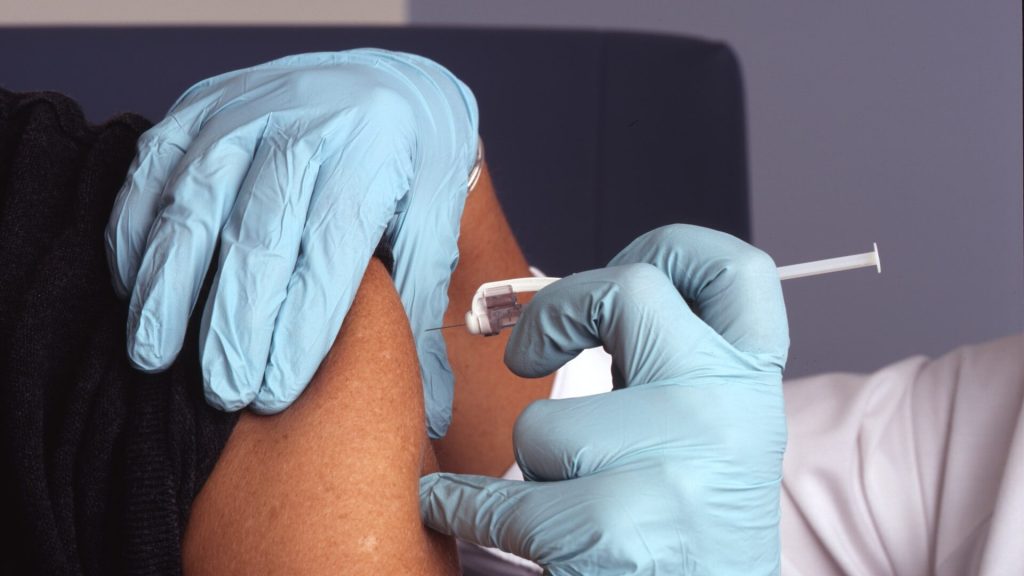
Vaccine injection
Image source: NCI on Unsplash

Briefly blocking interleukin-10 (IL-10) when administering the BCG vaccine for tuberculosis vastly improves long-term protection in mice, researchers reported in the Journal of Immunology. The finding, if it continues to hold true in nonhuman primates and clinical trials, has the potential to save millions of lives.

“We are very excited that we can reverse BCG’s waning effectiveness by combining it with a host-directed therapy into one dose, which makes it very practical for the clinic,” said senior author Joanne Turner, PhD.

The study builds on research showing the effect of IL-10 on TB, which normally helps dampen excessive inflammation during infection, but Dr Turner’s previous work showed that IL-10 overall actually drives infection.

The researchers combined the BCG vaccine with an antibody that blocks IL-10 activity for about one week. Since the antibody targets the host, not the pathogen, that makes it a “host-directed therapy.” They gave the mixture to mice in one shot, waited six weeks to ensure the IL-10 blocker was no longer present and the BCG protection had been generated, and then exposed the mice to TB. Those mice controlled TB infection for nearly a year, which is significant for mice with normal lifespans of about two years. In contrast, mice given only the BCG vaccine lost control of TB infection within two months and had significant inflammation and damage in the lungs. Notably, the mice given the vaccine/IL-10 blocker had higher levels of various long-term memory immune cells, which are critical for ongoing TB control.

“This shows that the early development of an immune response is key for controlling TB infection in the long run, and that IL-10 inhibits the development of that long-term immunity,” Dr Turner said. “But by briefly blocking IL-10 at the same time as giving the vaccine, it allows the vaccine and immune system to do their jobs, creating those long-lasting memory immune cells.”

The researchers plan to move to nonhuman primates and then human clinical trials if those are successful. The team is optimistic, especially since the BCG vaccine is already in widespread use and the IL-10 blocker is being tested against other diseases.

Source: Texas Biomedical Research Institute

Malaria’s Growing Resistance Requires New Insight

Mosquito, a malaria parasite vector
Photo by Егор Камелев on Unsplash

To deal with malaria’s growing resistance to existing drugs, researchers are exploring new areas of the deadly parasite’s life cycle. Research published in PLOS Pathogens has identified key processes the malaria parasite uses to remodel blood cells it hides inside.

Senior author Paul Gilson, an associate professor at Burney University, said the growing resistance to antimalarial medicines needs to be addressed soon to avoid serious treatment failures in the future.

“It’s only a matter of time before resistance becomes so bad that current measures perhaps become worthless,” he said.

“Current drugs tend to target very similar things. By discovering new targets and developing drugs to these, we can hopefully overcome resistance.

“Our research identifies processes in the parasites that are essential for its survival. And the more we understand about those processes, the better position we’re in to develop new treatments to block those processes.”

The research, A/Prof Gilson explains, looked into the nature of malaria parasites, particularly their need to renovate their host blood cells to grow rapidly and to escape the immune system.

The dynamic is analogous to an international arrivals terminal in need of better security.

“The renovations are carried out by special exported proteins made by the parasite that are only allowed to travel into the blood cell if they have the right passport,” he said.

“We used to think that gateways around the parasite called PTEX acted like immigration officers at the airport only allowing exported proteins with the right passports to pass through.

“What this study now shows is that the immigration officers appear to leave the airport and travel inside the parasites to check the exported protein passports not long after they are first made.

“The officers then pair up with their exported proteins and take them to the airport to let them go straight through into the blood cells.”

A/Prof Gilson said that hopefully, a greater understanding of the ways parasite proteins enter and modify blood cells could result in new drugs that block exported proteins from carrying out essential renovations to their blood cells.

The COVID pandemic has disrupted and set back malaria elimination programs in several countries, making the need for new drug developments to combat the disease all the more vital.

“Many countries only have very limited resources, and it’s estimated that there’s been quite a big increase in the number of malaria cases around the world because so much effort has been diverted to combat COVID,” he said.

Even though COVID has taken the global spotlight, A/Prof Gilson said that malaria is still a major issue. In 2020 there were an estimated 241 million cases of malaria worldwide, with an estimated 627 000 deaths, according to World Health Organization figures.

A/Prof Gilson said that over recent years significant inroads have been made in eliminating malaria, pointing out that annual death rates were in the millions at the start of the 21st century.

“We can’t let COVID undermine all the great work that’s been achieved over the years, as we aim to one day totally eliminate malaria.”

“Research into new drugs to combat malaria parasites, which are becoming resistant to existing drugs, is a crucial part of these efforts.”

Source: Burnet Institute

Accuracy of Flu Self-tests Comparable to Clinical Tests

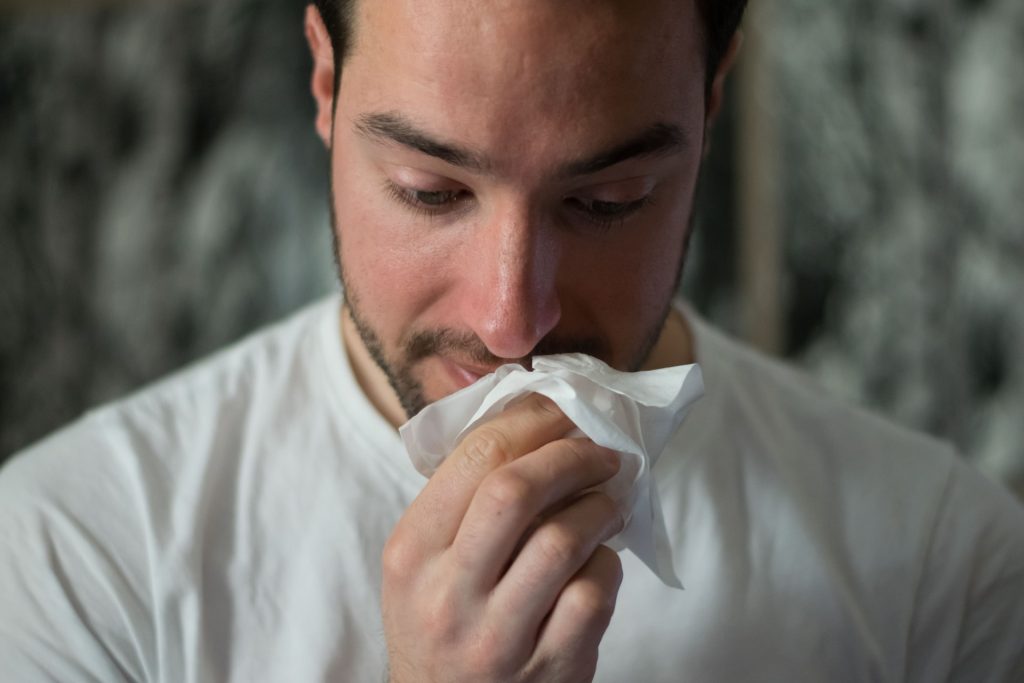
Runny nose and sneezing symptoms
Photo by Britanny Colette on Unsplash

Home-based, self-administered tests for influenza are comparable in accuracy to rapid diagnostic tests in clinical settings, according to a study reported in JMIR Public Health and Surveillance.

“Home tests are a valuable tool to support the management of influenza and other respiratory infections,” explained senior author Matthew J. Thompson, professor at the University of Washington School of Medicine in Seattle.

“The tests facilitate earlier diagnoses and reduce the time from the onset of symptoms to patients seeking appropriate care,” he said.

More than 600 residents in the Seattle area participated in the 2020 study conducted between February and the end of May. Participants received influenza testing kits in the mail. After swabbing their noses, they either recorded the results through an app, or returned the kits to the lab of Lea Starita, assistant professor of genome sciences at the UW School of Medicine and a study co-author.

The researchers found that self-test’s sensitivity and specificity test were comparable with those of influenza rapid diagnostic tests used in clinical settings. They noted that false-negative results were more common when the self-test was administered after 72 hours of the appearance of symptoms, but were not related to inadequate swab collection or severity of illness.

“This study underscores the imperative of expanding access to testing and lowering the costs,” said Barry Lutz, associate professor of bioengineering and another co-author of the paper.

Source: UW Medicine

Guidelines for Cannabinoid Treatments in Drug Resistant Epilepsy

Cannabis plants
Photo by Harrison Haines on Pexels

Due to the sizeable interest in the use of cannabis-based medications in treating drug resistant epilepsy and comparative lack of clinical guidance on prescription, an expert working group in Australia recently developed an interim “consensus advice” for prescribers and published it in the British Journal of Clinical Pharmacology.

The working group was made up of paediatric and adult epilepsy specialists, clinical pharmacists, pharmacologists, and cannabis researchers. Epilepsy occurs in 1–2% of the population, and about one in three people with epilepsy are considered drug resistant to standard antiseizure medications.

Since there are few clinical data available on comparative efficacy of cannabinoids with registered epilepsy treatments, the authors recommend cannabinoids only in drug resistant epilepsy, in carefully selected compliant patients with specific epilepsy phenotypes.

The document provides an overview of the different cannabis medicines currently available for treating epilepsy in children and adults, with information on dose, drug interactions, toxicity, and type and frequency of symptom and seizure relief. The consensus advice will be updated as new evidence emerges and will provide the structure for a more definitive guideline in the future.

“In the absence of a registration dossier, scientific experiments and case reports are helpful to provide some guidance to optimised dosing. However as in this guidance, observational data obtained from clinical practice – which often includes information not included in scientific experiments or even early clinical trial data, such as treating patients with other comorbidities, taking multiple medications, and patient diversity – can be very helpful to clinical practice,” said senior author Jennifer H. Martin, MBChB, MA, PhD, FRACP, a researcher at the University of Newcastle and the Director of the Australian Centre for Cannabis Clinical and Research Excellence.

Source: Wiley

Exacerbating Factors in Persistent Postural-perceptual Dizziness

Woman feeling dizzy and kneeling
Photo by RODNAE Productions from Pexels

Researchers have found that found that patients developing persistent postural-perceptual dizziness (PPPD) are likely to have exacerbating factors soon after the onset of balance disorder symptoms. The results were reported in Laryngoscope Investigative Otolaryngology.

When people experience vestibular symptoms, it can develop into persistent postural-perceptual dizziness (PPPD), a chronic disorder where patients experience dizziness and non-spinning vertigo, particularly during moving, maintaining an upright posture, and when exposed to complex visual stimuli. However, not all individuals suffering from vestibular symptoms go on to develop PPPD, and it unclear whether people showing exacerbating factors for PPPD tend to develop PPPD or not.

Assistant Professor Kayoko Kabaya led a team that analysed medical records of patients who were tested for vestibular symptoms for the first time to identify predictive factors for developing PPPD later on, and to see if the presence of exacerbating factors early on increases the likelihood of developing chronic PPPD. “PPPD is often severe and resistant to treatment. We believe that it is important to provide preventive interventions before PPPD develops, and wanted to identify the characteristics of patients who are prone to PPPD,” explained Dr Kabaya.

In their study, the severity of the symptoms experienced by the patients was scored with a questionnaire which involved questions on the exacerbating factors. Additionally, the perceived handicap due to dizziness was evaluated using a self-assessment scale. There was three months of follow-up, and the symptom scores of patients developing PPPD during the follow-up were compared with that of patients who did not develop PPPD.

More than half of the patients reported experiencing exacerbating factors shortly after the vestibular symptoms. About 10% of these patients developed PPPD during the follow-up period, and the exacerbating factors were found to have a more severe effect on the vestibular symptoms. Notably, the symptom scores of those who developed PPPD were significantly higher than that of those who did not.

“Our results suggest that patients who develop PPPD are likely to have its exacerbating factors at the early stages of the disease following the onset of vestibular symptoms,” said Dr Kabaya.

The researchers believe the results could lead to preventive measures against the disease. “PPPD is a disease that causes long-term social loss and occurs following acute vestibular symptoms. Based on our finding that patients with exacerbating factors during acute vestibular symptom are more likely to develop PPPD, our study could encourage the development of intervention protocols for such patients before they develop PPPD,” said Dr Kabaya.

Source: Nagoya City University

For Reducing Health Risk Behaviours, Seeing is Believing

Doctor shows an X-ray of a foot
Photo by Tima Miroshnichenko on Pexels

It is said that seeing is believing, and researchers have found that using patients’ own medical imaging such as CT scans may discourage risk-related behaviours more than non-visual information. The meta-analysis, which appears in PLOS Medicine, found that when patients see imaging results about their risk of disease, they may be more likely to reduce risky behaviours.

Modifiable behaviours such as smoking, poor diet and physical inactivity are linked to non-communicable disease. Encouraging behavioural changes can help reduce the global burden of such diseases, which account for two-thirds of deaths around the world. The investigators were interested to see whether the growing use of medical imaging technologies could help.

Gareth Hollands and University of Cambridge colleagues conducted a meta-analysis of 21 randomised controlled trials involving over 9000 adult participants. Participants were either shown visual examples of personalised risk information following an imaging procedure, such as computed tomography, ultrasound, or radiography, in addition to health information or advice, or they received health information or advice with no visual feedback. The trials reported on behaviours such as smoking, medication use and levels of physical activity.

The strongest evidence was for smoking reduction, a healthier diet, increased physical activity, and increased oral hygiene behaviours. Single studies also reported increased skin self-examination and foot care following visualised feedback. Improvement in other behaviours examined were not statistically significant. The authors conclude that the growth of medical imaging technology could be capitalised on to help people modify their lifestyles and reduce disease risk.

Hollands said: “Medical imaging scans are used ever more widely by healthcare professionals. By gathering together the existing research, this study suggests that showing the scan results to patients to highlight the state of their health could motivate them to behave in a healthier way.”

Source: Science Daily

Paracetamol May Protect Against Kidney Damage in Malaria

Anatomic model of a kidney
Photo by Robina Weermeijer on Unsplash

Paracetamol may help protect against kidney damage in patients with malaria, according to a study recently published in Clinical Infectious Diseases.

The study found that for patients with severe malaria caused by the malaria parasite Plasmodium knowlesi (the most common cause of malaria in Malaysia), taking paracetamol regularly for 3 days led to improvements in kidney function when tested one week later.

The findings are important because they will help provide the best possible treatment to patients with severe malaria, said study leader Dr Daniel Cooper.

“Even minor kidney injury can have long-term effects, so anything we can do to minimise kidney injury from malaria will be beneficial for these patients’ long-term outcomes,” Dr Cooper said.

In collaboration with international partners, the study involved 396 people with knowlesi malaria in Sabah, Malaysia.

Assistant Professor Bridget Barber said that in severe malaria, red blood cells can rupture, releasing haemoglobin which can have a toxic impact on kidneys, and it is now believed that paracetamol can help to mitigate these toxic effects.

“These results are consistent with other studies conducted in patients with other forms of malaria, including in adults in Bangladesh, and in children in Africa. Importantly, these findings also suggest that paracetamol may help to protect the kidneys in other conditions that are also associated with rupture of red blood cells,” A/Prof Barber said.

Source: MedicalXpress

Candida Glabrata Genome Yields Secrets of Virulence and Drug Resistance

Genetics
Source: Pixabay

A project sequencing the Candida glabrata genome has revealed insights into the pathogenic fungus’s virulence and resistance, which researchers found to have been enhanced by transmission through humans as they travel between continents. The project’s findings appear in Genetics

C. glabrata is an opportunistic human fungal pathogen that causes superficial mucosal and life-threatening bloodstream infections in individuals with a compromised immune system. It most commonly affects the urinary tract, genitals, mouth, and the bloodstream. If it is not caught, these infections can become deadly.  It is also very resistant to certain antifungal drugs, so understanding why resistance occurs is key to knowing how to treat it effectively. 

Using samples from eight hospitals in Scotland to sequence the genome of C. glabrata, new insights on the species were made. This includes information on how it reproduces and its genetic diversity. Genes increasing its infectivity also confer an advantage for survival, and the drug-resistance genes often evolve within patients.

These findings provide scientists with an advantage in treating fungus, allowing research to focus in ways that were not possible before. It also helps aid understanding on how the pathogen spreads, which is important to identifying infections.

Dr Rhys Farrer, one of the Principal Investigators at the MRC Centre for Medical Mycology at the University of Exeter, said: “Our study sheds new light on the genetic diversity of Candida glabrata. We have demonstrated that this deadly human fungal pathogen is being spread between continents, probably by humans, and recombining to form new populations, which is likely contributing to its high virulence and increasing drug resistance.”

Source: University of Exeter