Category: COVID

Wastewater Analysis Shows KZN in Third Wave

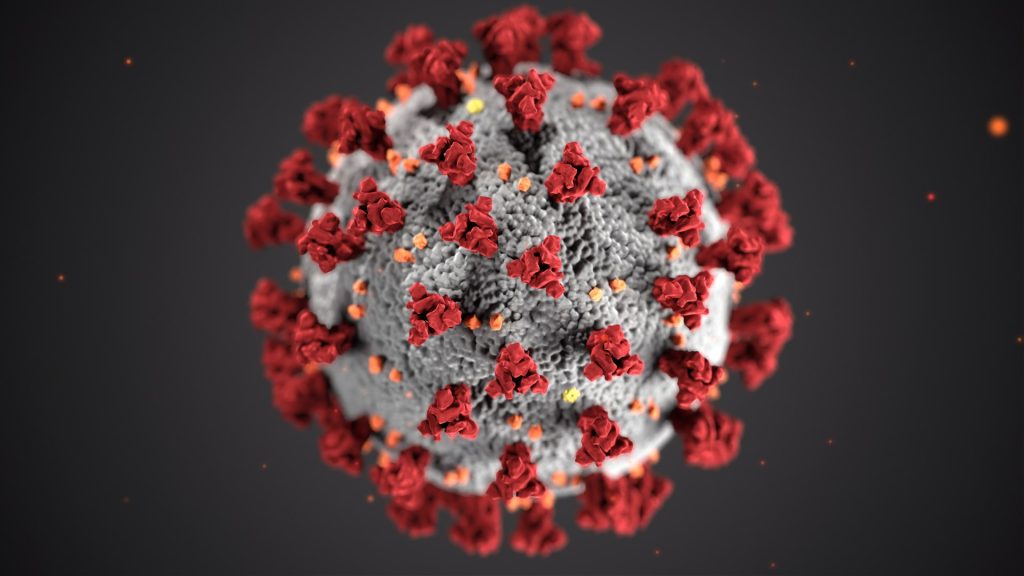
Image source: CDC/Unsplash

Viral load analysis of wastewater suggests that KwaZulu-Natal may already have entered the third wave of COVID infections, according to research by DUT.

The Institute for Water and Wastewater Technology, based at DUT, has been monitoring viral loads of wastewater at the central treatment plant in eThekwini since July 2020, and found a clear correlation between clinical cases and viral loads detected in wastewater.

While clinical cases were reported to be on the increase in KZN since April 20 this year, they had found an increase in wastewater viral load some three weeks earlier.

The Institute for Water and Wastewater noted that the peak of the COVID second wave in South Africa occurred in January with an average of 40 000 cases in KwaZulu-Natal.

Over this period, the researchers measured average viral loads of 4.72 log copies per 100 millilitres at the central wastewater treatment plant. However, over the last four weeks, viral loads have averaged 5.57 log copies per 100 millilitres.

This has led the institute to suggest that there are far more cases than have been reported clinically, with a significant presence of asymptomatic individuals.

A report [PDF] on the third wave by the National Institute for Communicable Diseases indicated that there was a seroprevalence for SARS-CoV-2, a proxy for previous infection, of 30% to 40% after the third wave. This indicates that COVID infections were already widespread, and lends credence to the institute’s notion of extremely widespread asymptomatic cases. Projections for KZN showed a much lower peak for hospital admissions.

Source: Durban University of Technology

South African Variant is Now Called ‘Beta’ Under WHO Naming Scheme

Photo by Markus Winkler on Unsplash

To avoid stigmatisation and simplify discussion, the World Health Organization has announced a new naming system for variants of the COVID virus with important mutations.

In an attempt to remove the country-associated stigma from the emergence of a variant, each will receive a name from the Greek alphabet.

Maria Van Kerkhove, the WHO’s coronavirus lead, said that “no country should be stigmatised for detecting and reporting variants”.

She added that these new labels for VOI/VOC are “simple, easy to say and remember and are based on the Greek alphabet, a system that was chosen following wide consultation and a review of several potential systems”.

In the new naming system, B.1.17., the variant first reported in Kent, England is designated Alpha, B.1351, the variant originating in South Africa is called Beta, the Brazilian variant P.1 is now Gamma and the B.1617.2 variant first reported in India is Delta. The variants of interest run from Epsilon to Kappa. The WHO has provided a table detailing the different names.

These Greek letters will not replace existing scientific names, though there are only 24 letters. If more variants are identified for naming, a new naming scheme will be announced, Ms Van Kerkhove told US-based website STAT News.

“We’re not saying replace B.1.1.7, but really just to try to help some of the dialogue with the average person,” she told the US-based website. “So that in public discourse, we could discuss some of these variants in more easy-to-use language.”

On Monday, a scientific adviser for the UK government said the country was now in the early stages of a third wave of coronavirus infections, in part driven by the Delta variant, which had emerged in India.

It is thought to spread more quickly than the UK’s Alpha variant, which was responsible for the surge in cases in the UK over the winter.

Vietnam has reported what appears to be a combination of those two variants. On Saturday, the country’s health minister stated that it could spread quickly through the air and described it as “very dangerous”.

Source: BBC News

B1617 is Becoming the Globally Dominant COVID Strain

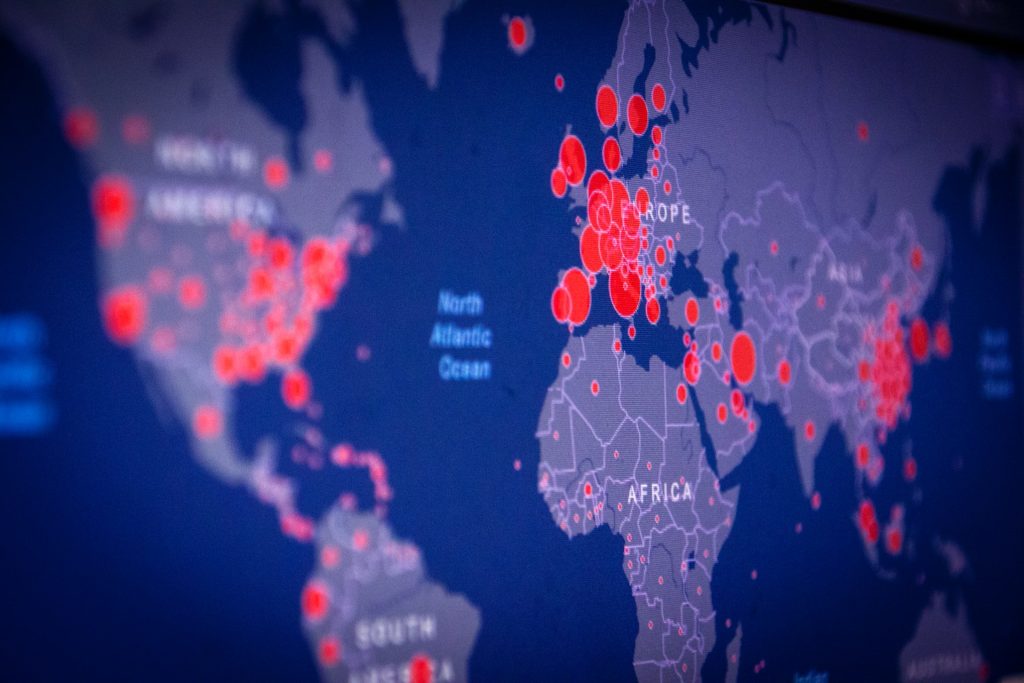
COVID cases map. Photo by Giacomo Carra on Unsplash

The B1617 variant, is becoming increasingly dominant around the world and could worsen the pandemic – especially in countries where low vaccination rates are low. This warning comes from experts in Singapore, who added that there will be more virus mutations to come.

Professor Teo Yik Ying, dean of the National University of Singapore’s (NUS) Saw Swee Hock School of Public Health, said to The Straits Times: “What is frightening is the speed at which this variant is able to spread and circulate widely within the community, often surpassing the capability of contact-tracing units to track and isolate exposed contacts to break the transmission chains.

“It has the potential to unleash a bigger pandemic storm than the world has previously seen.”

Delta has mutated to be more transmissible, and may slightly weaken the protection conferred by vaccines as well as natural infection, experts said. The variant, which was first detected in India in October 2020, is now found around the world. 

WHO chief scientist Soumya Swaminathan said that B1617 is 1.5 times to two times more transmissible than the strain that first appeared in Wuhan 18 months ago.

It is now present in more than 50 countries and is surpassing other strains causing infections in India, such as B117 (now ‘Alpha’, commonly known as the UK variant).

“On clinical severity, it’s a little less clear because there have not been controlled studies which look at patients that you control for multiple factors, and then look at the impact of the strain on the clinical profile,” Dr Soumya said at a recent webinar.

Dr Soumya added that anecdotal evidence seems to indicate that more young people in India had been infected and developed serious illness.

In India, more than 27 million people have been infected with COVID, with over 325 000 deaths.

There are three versions of B1617 – B16171 (Kappa), B16172 (Delta) and B16173. The second version is the most relevant as it has appeared to overtake B1671/Kappa as reported globally. The third version, B16173, is rare and has not yet been given a Greek letter designation by the WHO.

On May 8, the National Institute for Communicable Diseases announced that it had detected five cases of the Delta variant in South Africa; three in Gauteng and two in KwaZulu–Natal. Presently, it is unclear if B1617 causes more severe illness or a higher mortality rate.

The best weapon remains widespread vaccination, Prof Teo said. Vaccinated individuals have less chance of being infected, and are much less likely to develop severe symptoms even if infected, Prof Teo added.

Preliminary US research showed that the Pfizer and Moderna vaccines should still be effective against B1617.

A study by Public Health England also showed that the vaccines by Pfizer-BioNTech and AstraZeneca work against Delta, which has become the dominant strain in the UK.

The study found that the Pfizer-BioNTech shot was 88% effective against the Delta variant two weeks after the second dose, with a 60% effectiveness for the AstraZeneca vaccine.

The pressure is to keep up with the rapidly mutating virus and immunise populations to control it. Unfortunately, most countries’s vaccination programmes are far behind.

On Friday, WHO European director Hans Kluge warned that the pandemic will not be over until at least 70% of people are vaccinated. He deplored the roll-out in Europe, saying that while it was better it was still “too slow”.

The European Centre for Disease Prevention and Control said about 43% of adults in the European Union and European Economic Area have received at least one dose of a COVID vaccine as of Saturday, 29 May.

“Time is against us,” Dr Kluge warned, stressing the need to accelerate the immunisation campaign.

South Africa’s long-delayed vaccination programme is in full swing, but so far only about 1% of the population have received a jab, which is currently being administered to healthcare workers and those over 60.

Globally, the outlook does not seem good. The New York Times reported that more than 1.81 billion vaccine doses had been administered worldwide as at Friday (May 28), but a stark divide remains between countries’ vaccination programmes, with some not even reporting a single dose given.

Global inequity in vaccine supplies and distribution persists, and the opportunity for widespread vaccination remains a privilege for advanced economies, Prof Teo said.

Professor Dale Fisher, chair of the WHO’s Global Outbreak Alert and Response Network, said this means a higher chance of B1617 creeping into countries that had been virtually untouched by COVID.

“These countries, such as Thailand, Cambodia, Laos and Vietnam, are more vulnerable due to the low vaccination rates, leaving them more susceptible to severe disease,” Prof Fisher added.

He urged wealthier nations to lend more support to the WHO-backed Covax programme, a global project to secure and distribute vaccines to poorer countries.

Source: Straits Times

South Africa Moves to Level 2 Lockdown

Image by Quicknews

President Cyril Ramaphosa said on Sunday that he did not know “how long or how severe the third wave will be” as he tightened restrictions in response to rising COVID infections.

In a national address on Sunday, President Cyril Ramaphosa announced that Level 2 COVID restrictions would in place from Monday in response to rising cases, saying that he did not know “how long or how severe the third wave will be”.

The new restrictions mostly target social gatherings as well as moving the night-time curfew forward by one hour to 11pm.

No more than 100 people can attend indoor events, while the number for outside was halved to 250. However, to the relief of the liquor industry and many South Africans, no alcohol restrictions have been put in place. This demonstrates a less economically restrictive approach than the initial lockdowns, which caused the economy to shrink by 7% last year.

COVID hospitalisations increased 17% in recent days and the Free State, the Northern Cape, the North West and Gauteng are already seeing a third wave, Ramaphosa said.

A third wave is considered to be underway when the seven-day moving average of new cases exceeds 30% of the previous wave’s peak, according to the definition used by the SA Covid-19 Modelling Consortium.

“It is only a matter of time before the whole country enters a third wave … gatherings are the biggest source of transmission and we urge South Africans to social distance,” Ramaphosa said.

The daily infection rate is sharply higher than the averages of between 1000 and 1500 for most of the year. 

President Ramaphosa said cases averaged about 3700 in the past week, a 31% increase compared to the previous seven days, which he partly attributed to people’s increasing complacency over following health protocols.

“Because rates of infection have been low for some time, and because we are all suffering from pandemic fatigue, we have tended to become complacent.

“We have not been as vigilant about wearing our masks all the time, we have not been avoiding crowded places, and we have been socialising more,” the president said.

Due to the delay in infections and subsequent COVID testing, it may take several days for the new restrictions to have any noticeable impact on the daily number of new cases reported. The case positivity rate is now 11.9%, according to the most recent statistics for SA, now well above the 10% level which is considered acceptable.

Source: Business Day

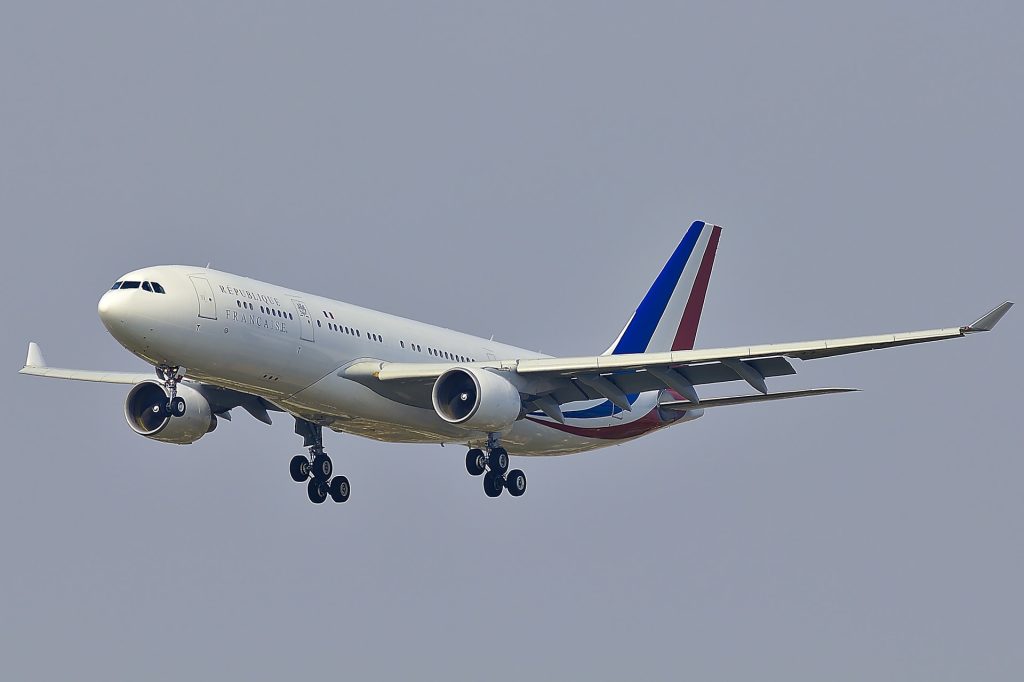
French President Macron in SA for Talks on COVID

French President Emmanuel Macron arrived in South Africa today for talks with President Cyril Ramaphosa on a range of issues including possible technological assistance to aid South Africa’s response to the COVID pandemic.

On the agenda of the visit is the economic, health, research and manufacturing responses to the COVID pandemic.

Arriving from Rwanda, where he acknowledged France’s role in the 1994 genocide, Macron held talks in Pretoria with President Ramaphosa, whom he met last week in Paris at a summit on African economies.

The pair were also due to attend an event to support vaccine production on the continent, sponsored by the European Union, the United States and the World Bank. 

So far South Africa is the country worst hit by COVID on the continent as far available monitoring can determine, and has vaccinated just 1 percent of its population of 59 million people.

South Africa’s immunisation efforts have been hampered by delayed procurement, and then selling off its AstraZeneca vaccines obtained via Covax to other African countries after trial results showed drastically reduced effectiveness against the local B.1.351 variant. Rollout of the replacement Johnson & Johnson vaccine was paused for two weeks in April due to blood clot fears.

Now, along with India, South Africa is campaigning for a waiver of intellectual property rights on COVID vaccines, so that each country may produce its own doses. This effort has met with stiff resistance so far.

Macron has voiced support for a technology transfer to enable vaccine production sites to be set up in poorer countries.

Visit long delayed

Macron’s visit to South Africa has been long delayed due to the COVID pandemic.
The initial purpose for the trip had been to discuss multilateral cooperation with South Africa, an important G20 partner which is also a regular guest at G7 summits.

According to Foreign Policy, the French leader will also seek to establish greater influence in a region that is experiencing greater instability, marked by recent insurgencies in Mozambique.   

Jihadist attacks forced French energy giant Total to suspend work on a multi-billion euro gas project in Cabo Delgado province after a nearby town was targeted.

Before he returns to France, he will pay a visit to the Nelson Mandela Foundation, whose main missions are the fight against AIDS and education in rural areas.

Source: RFI

President Biden Orders Deeper Probe into COVID Origins

Photo by Giacomo Carra on Unsplash


US President Joe Biden has ordered intelligence officials to “redouble” their efforts in investigating the origins of COVID, as well as the theory that it was a ‘lab leak’ in China.

This comes days after details of a US intelligence report emerged in the Wall Street Journal, claiming that three doctors working at the Wuhan Institute of Virology had fallen ill with COVID-like symptoms in November 2019 – about when epidemiologists believe SARS-CoV-2 first began circulating in humans. 

Mr Biden said the US intelligence community was divided on whether it was the result of a lab accident, or from jumping from human to animal. Mr Biden asked the groups to report back to him within 90 days.

China’s embassy in the US made a warning statement posted on its website, without mentioning the president’s remarks. “Smear campaigns and blame shifting are making a comeback, and the conspiracy theory of ‘lab leak’ is resurfacing.
“To politicise origin tracing, a matter of science, will not only make it hard to find the origin of the virus, but give free rein to the ‘political virus’ and seriously hamper international cooperation on the pandemic,” it said.

Authorities linked early COVID cases to a seafood market in Wuhan, leading scientists to theorise the virus first passed to humans from animals.

Why now?

In a White House statement released on Wednesday, President Biden said he had asked for a report on the origins of COVID after taking office, “including whether it emerged from human contact with an infected animal or from a laboratory accident”. He asked for “additional follow-up” on receiving the report.

Mr Biden said most of the intelligence community had “coalesced” around those two scenarios, but “do not believe there is sufficient information to assess one to be more likely than the other”.

The president has now asked agencies to “redouble their efforts to collect and analyse information that could bring us closer to a definitive conclusion”, and report to him within 90 days.

He concluded by saying the US would “keep working with like-minded partners around the world to press China to participate in a full, transparent, evidence-based international investigation and to provide access to all relevant data and evidence”.

Beijing meanwhile has previously suggested a possible US lab origin for COVID. The Chinese embassy said it supported a full investigation into “some secretive bases and biological laboratories all over the world”.

Mr Biden’s statement coincided with a CNN report that the president’s administration earlier this year shut down a state department investigation into a possible lab leak origin.

The ‘lab leak’ theory

When they first arose last year, the laboratory leak allegations were widely dismissed as a fringe conspiracy theory, with many US media outlets describing the claims as debunked or false after then-President Donald Trump said COVID had originated from the Wuhan Institute of Virology.

Two months ago, the World Health Organization (WHO) issued a joint report with Chinese scientists on COVIDs origins, rating the likelihood of an accidental lab release as “extremely unlikely”. However the WHO Director-General Tedros Adhanom Ghebreyesus said that he was not satisfied that the investigation had looked at this possibility enough to rate. The investigation only stirred up more interest in the ‘lab leak’ theory, with 18 scientists signing an open letter calling for more investigation before it could be ruled out.

There is little evidence for the ‘lab leak’ theory in the public domain however, and intelligence reports such as the one the Wall Street Journal based its story on are often of unproven provenance. 

Chief White House medical adviser Anthony Fauci still believes that COVID jumped from animals to humans, though this month he admitted he was no longer confident COVID had developed naturally.
Mounting pressure

Mr Biden’s statement comes the day after Xavier Becerra, US secretary for health and human services, urged the WHO to ensure a “transparent” investigation into the virus’s origins.

“Phase 2 of the Covid origins study must be launched with terms of reference that are transparent, science-based and give international experts the independence to fully assess the source of the virus and the early days of the outbreak,” Mr Becerra said.

On Tuesday, Mr Trump sought to take credit in an emailed statement to the New York Post, saying: “To me it was obvious from the beginning but I was badly criticised, as usual. Now they are all saying: ‘He was right.'”

Source: BBC News

COVID Sniffer Dogs Have a 94% Sensitivity, Study Shows

Image by Foto-Rabe from Pixabay

Quickly and efficiently screening incoming travellers for COVID is currently beyond present technology, but dogs — with their keen sense of smell that has aided humans for thousands of years — may be a solution.

An Ekurhuleni-based company is in the final stages of training dogs to be deployed as COVID sniffers at South African points of entry, just in time for the expected third wave, eNCA reports.

Currently, the most widespread test is the rapid antigen (lateral flow) test, which has been shown to produce more false positives for COVID than real detections in low prevalence situations — such as travellers arriving in a country.

Alternatively, the polymerase chain reaction (PCR) test has the greatest sensitivity but is time-consuming and expensive. And most currently available tests involve nasopharyngeal swabs — an unpleasant experience for most people. 

Dogs, with their keen sense of smell have long been used to sniff out drugs and explosives. In recent years they have also been trained to sniff out certain cancers and malaria, although they are not regularly used for this.
Using medical sniffer dogs has the advantage of being extremely quick and could be used in resource-constrained settings.

In the first months of the pandemic, many wondered whether dogs could in fact smell the disease, and began training dogs to see if it was possible. 
Past studies had already established that the volatile organic compounds (VOCs) released in body odour change during respiratory infections. VOCs associated with COVID infection showed a clear distinction between infected and uninfected individuals, suggestive of a strong, distinctive smell.

Initial trials with trained sniffer dogs at airports in France, Lebanon and FInland found that the dogs were even capable of detecting infection before it could be picked up with clinical tests.

A recent study led by the London School of Hygiene & Tropical Medicine (LSHTM) estimated that a plane with 300 passengers could be screened in 30 minutes with two sniffer dogs, and only those passengers identified by the dogs would be required to take a PCR test.

The study, which is not yet peer-reviewed and which is currently available as a pre-print, found that dogs could be trained to detect COVID in 94.3% (test sensitivity) — comparable to the gold standard of PCR tests with 97.2% sensitivity. They also have a specificity of 92%, meaning that they have a low rate of false positives.

Dr Claire Guest, Chief Scientific Officer at Medical Detection Dogs, which assisted in the study, said: “These fantastic results are further evidence that dogs are one of the most reliable biosensors for detecting the odour of human disease. Our robust study shows the huge potential for dogs to help in the fight against COVID.

“Knowing that we can harness the amazing power of a dog’s nose to detect COVID quickly and non-invasively gives us hope for a return to a more normal way of life through safer travel and access to public places, so that we can again socialise with family and friends.”

Besides simple detection, the dogs could also serve as a visible deterrent to people wanting to travel with fake COVID passports, the authors said.
The findings of their study also provided valuable knowledge which could be applied to future pandemics.
The authors acknowledged the limitation that the dogs were conducting the tests in a controlled environment as opposed to the real world.

Primary source: London School of Hygiene & Tropical Medicine

Secondary source: eNCA

Journal information: Pre-print available online

Vaccine Flops and Shortages Leave SA with no Covax Shots

Image by Quicknews

Nearly six months after South Africa’s first procurement deal was made with the Covid-19 Vaccines Global Access (Covax) programme, but vaccine flops and shortages in supply have left South Africa empty-handed, while Covax struggles to even meet its June delivery goal.

South Africa’s vaccine rollout has been anything but smooth. The first batch of vaccines, produced by the Serum Institute of India (SII), arrived in the country on 1 February but were abandoned a week later after a study found it was ineffective against the 501Y.V2 variant. That first batch of one million doses were sold onto the African Union (AU) and the remainder of the order refunded.

The health department switched to the Johnson & Johnson (J&J) single-dose shot and vaccinated nearly half a million healthcare workers until its use was also halted over blood clot concerns. Phase 2 of the rollout is using the Pfizer vaccine. Fortunately, it has been found that it can be stored at much higher temperatures than its previous ultracold requirements, making it easier to distribute.

However, the failure to join Covax by December 2020 was an early warning sign over the government’s handling of vaccine acquisition. The Covax iniative, led by the Vaccine Alliance (Gavi) and World Health Organization (WHO) to supply vaccines to poorer nations, were expected to kickstart South Africa’s rollout.

Missing that first deadline, the health department and Solidarity Fund confirmed, on 22 December 2020, that a down payment of R283 million had been made to secure doses through Covax.

Vaccine flip-flopping
At first, South Africa was to receive almost 2.5 million doses of AstraZeneca vaccine, but the country’s decision to abandon the use of AstraZeneca caused severe delays. The country’s allocated AstraZeneca doses were taken back into the Covax programme.

“South Africa was allocated 2 426 400 doses of the AstraZeneca vaccine… it has requested to be allocated another vaccine in place of AZ, and will receive allocations of alternative vaccines instead,” Gavi spokesperson Evan O’Connell told Business Insider South Africa.

“It has already been allocated, at this stage, 1,392,300 doses of the Pfizer vaccine, allocated for Q2 2021.”

According to Covax’s first-round schedule,  South Africa was due to receive 117 000 Pfizer doses before April. But Covax’s deliveries are falling behind, putting initiative’s ability to meet its second quarter target.

On 17 May UNICEF Executive Director, Henrietta Fore announced that the Covax facility would shortly have delivered 65 million doses, which should have been 170 million doses by that time.

“By the time G7 leaders gather in the UK next month, and as a deadly second wave of COVID will likely continue to sweep across India and many of its South Asian neighbours, the shortfall will near 190 million doses.”

Covax hamstrung by Indian COVID crisis

India’s COVID crisis has hamstrung Covax’s aim of delivering 237 million doses of AstraZeneca vaccine in the first half of 2021. With India having the world’s highest infection numbers and deaths since April, the SII, which produces AstraZeneca doses for Covax, announced that it would halt foreign supply until December at the earliest.

“We continue to scale up manufacturing and prioritise India,” said SII CEO Adar Poonawalla on 18 May. “We also hope to start delivering to Covax and other countries by the end of the year.”

At only 35% of its targeted vaccine deliveries, Covax is calling for renewed funding and donations from developed nations — who are also accused of hoarding vaccines. WHO director-general Tedros Adhanom Ghebreyesus, criticised wealthy nations for continuing a “scandalous inequity” on Monday.

“We need countries to donate tens of millions of doses of vaccines immediately through Covax, which is the agreed global mechanism for distributing vaccines,” stated Ghebreyesus.

“We need companies to help make donations happen fast, and to give Covax the first right of refusal on all uncommitted doses now, in 2021.”

It’s unclear whether the SII’s decision to halt its supply will result in reallocations of the Pfizer doses, on which SA is depending, and which therefore could result in further delays for its Covax-allocated doses.

Source: Business Insider

Little Traitors: Infection-Enhancing Antibodies in Severe COVID

Osaka University researchers have discovered that infection with SARS-CoV-2 results in not only the production of neutralising antibodies that prevent infection, but also of infection-enhancing antibodies.

Both neutralising antibodies that protect against infection as well as infection-enhancing antibodies that increase infectivity are produced after infection with SARS-CoV-2 by analysing antibodies from COVID patients.

Virus-specific antibodies generally are considered antiviral, playing an important role in the control of virus infections. In some cases however, the presence of specific antibodies can benefit the virus. This activity is known as antibody-dependent enhancement of virus infection, a phenomenon in which virus-specific antibodies enhance the entry of virus, and in some cases the replication of virus, into monocytes/macrophages and granulocytic cells through interaction with Fc and/or complement receptors. 

In COVID infections, antibodies that target the receptor binding site (RBD) of the SARS-CoV-2 spike protein play an important function as neutralising antibodies that suppress SARS-CoV-2 infection by preventing it from binding to the human receptor, ACE2. However, the function of antibodies against other sites of the spike protein was not known.

“We found that when infection-enhancing antibodies bind to a specific site on the spike protein of SARS-CoV-2, the antibodies directly cause a conformational change in the spike protein, resulting in the increased infectivity of SARS-CoV-2. Neutralising antibodies recognise the RBD, whereas infection-enhancing antibodies recognise specific sites of the N-terminal domain (NTD),” explained lead researcher Professor Hisashi Arase. “Furthermore, the production of infection-enhancing antibodies attenuated the ability of neutralising antibodies to prevent infection.”

The study found that patients with severe COVID produced more infection-enhancing antibodies. Non-infected individuals were also found to possibly have small amounts of infection-enhancing antibodies.

Though infection-enhancing antibodies may be involved in the development of severe disease, further research is necessary to determine whether they are in fact involved in the worsening of infection in the body.

A possible benefit would be that by analysing the antibody titer of infection-enhancing antibodies, it would be possible to see who would be prone to severe COVID. The findings are also important for the development of vaccines that do not induce the production of infection-enhancing antibodies.

“It is important to analyse not only neutralising antibodies but also infection-enhancing antibodies. In the future, it may be necessary to develop vaccines that do not induce the production of infection-enhancing antibodies, because infection-enhancing antibodies may be more effective against mutant strains in which neutralising antibodies are not sufficiently effective,” says Professor Hisashi Arase.

Source: Osaka University

Journal information: Yafei Liu et al, An infectivity-enhancing site on the SARS-CoV-2 spike protein targeted by antibodies, Cell (2021). DOI: 10.1016/j.cell.2021.05.032

Risk of COVID Infection Tripled in Healthcare Workers

Photo by Alex Mecl on Unsplash

A study of healthcare workers has shown their likelihood of being infected with COVID during the pandemic was three times higher compared to the general population, with about one in five of those infected workers being asymptomatic and unaware they had COVID.

The study also shows that it was not only frontline staff who faced the higher risk, suggesting that there was transmission between staff and within the wider community. The results are published in ERJ Open Research.

However, health care workers who had been infected were very unlikely to contract COVID a second time in the following six months.

The research was led by Professor James Chalmers, a consultant respiratory physician from the University of Dundee.

“We have always believed that front line health workers face a high risk of contracting COVID and that’s why we’ve tried to ensure they have the PPE needed to protect themselves,” said Prof Chalmers. “But many questions remain about the level of this risk and what other measures we can take to protect staff and reduce transmission of the disease.”

The study recruited 2063 staff working in a wide variety of healthcare roles in the East of Scotland. Between May and September 2020, the participants had blood tests for COVID antibodies, a very accurate indication of prior COVID infection. The researchers also recorded whether any participants developed an infection in subsequent months.

The health care workers results were compared with a randomly selected control group of blood samples taken by local GPs during the same time period.

These blood tests showed that 300 (14.5%) of the healthcare workers had been infected, a rate more than triple the proportion of people infected in the local population. The highest rates of infections among the workers were found in dentistry (26%), health care assistants (23.3%) and hospital porters (22.2%). The rate among admin staff was the same as that of doctors (21.1%).

Rates among people working in areas of the hospital where COVID patients were being treated were somewhat higher than those working in non-COVID areas (17.4% vs 13.5%). However, the majority of infections were in staff who were not working directly with COVID patients, suggesting there was transmission between staff or infections acquired in the community.

Out of the 300 healthcare workers testing positive, 56 (18.7%) did not think that they had ever caught COVID and were totally asymptomatic. This is an important finding, according to the researchers, since people without symptoms are likely to go to work, potentially infecting others.

In the months following their blood tests, 39 workers developed a symptomatic COVID infection, but only one of these was a worker who had previously tested positive. This equates to an 85% risk reduction, similar to the level of protection provided by COVID vaccines.

Prof Chalmers said: “A lot of attention during the pandemic has been around PPE for doctors and nurses but we found that dentists, healthcare assistants and porters were the staff most likely to test positive.

“We continued to monitor staff for up to seven months and found that having a positive antibody test gave 85% protection against a future infection. This is really good news for people who have already had COVID-19, as it means the chances of a second infection are very low.”

The team hopes to continue the research to see how long immunity persists and how vaccination affects infections among healthcare workers.

Professor Anita Simonds, President of the European Respiratory Society and Consultant in Respiratory and Sleep Medicine at Royal Brompton Hospital, UK, was not involved in the research, offered comments.

She said: “This research shows the high levels of COVID infection among all healthcare workers, with the highest evidence of infection in dentists, healthcare assistants and porters. Staff working in critical care, who are likely to have been protected by using personal protective equipment at all times, were not disproportionately affected.

“It should be noted that among administrative staff, 21.1% were found to have been infected with COVID, indicating that all those working directly with patients, and those working in other hospital roles are at risk, and vaccination and risk assessment for appropriate levels of PPE in all these frontline groups are crucial.”

Source: European Respiratory Society