Category: COVID

New Mask Recycling Technology Could Cut Down on Waste

Phot by Artem Podrez on Unsplash

Researchers have developed a way to quickly disinfect and electrostatically recharge used N95 respirators, restoring their effectiveness against COVID and other airborne diseases.

In their study published in Environment Science & Technology, the University of South Florida (USF) team showed their sterilisation technology could restore an N95 respirator’s original filtration efficiency of about 95 percent, even after 15 cycles of treatment. The technology fights coronavirus by using corona discharge, an electrical technique which simultaneously deactivating pathogens on a mask and restoring its electrostatic charges. It doesn’t require heat, or chemicals or contact, making it safe and convenient to use. It is safer than ultraviolet (UV) radiation and uses little electricity.

As well as restoring protection, the corona discharge treatment can reduce the impact of used masks on the environment. In a report by OceansAsia, a marine conservation organisation, 1.56 billion face masks polluted the oceans in 2020 and will likely take more than 450 years to fully decompose. The researchers say the technology will limit mask consumption to dozens each year instead of hundreds.

“It is a reduction of 90 percent for each user. If we assume that 10 percent of the population all over the world takes advantage of corona discharge mask reuse technology, there will be four- five billion fewer masks disposed to the environment,” said project lead Ying Zhong, assistant professor in the USF Department of Mechanical Engineering. “It will reduce at least 24 million tons of plastic pollution and reduce the amount of chemicals used for mask disinfection and avoid their environmental impact.”

“Despite the challenging conditions of the pandemic, this was the most thrilling project that I have ever worked on. We wish our research advances the understanding of how corona discharge disinfection can be turned into products on the market as soon as possible,” said co-project lead Libin Ye, assistant professor in the USF Department of Cell Biology, Molecular Biology and Microbiology.

The researchers are now working to develop this technology into products for hospitals and use by the general public, including handheld sterilisation devices.

Source: EurekAlert!

Micro Clots Explain Some Long COVID Symptoms

Source: Wikimedia CC0

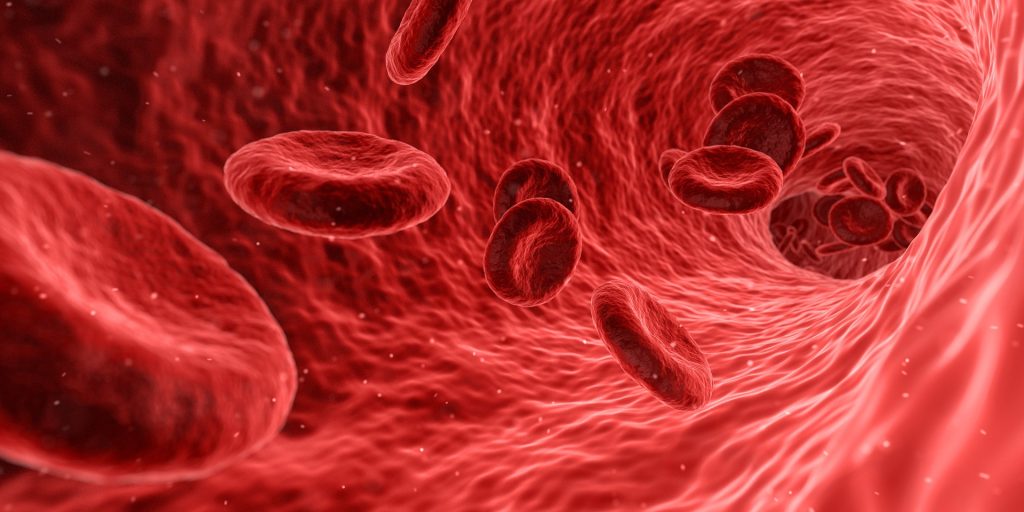
Researchers at Stellenbosch University had discovered that an overload of inflammatory molecules, literally ‘trapped’ inside insoluble microscopic blood clots, might be behind some Long COVID symptoms.

From almost the beginning of the pandemic, blood clots have been reported in COVID patients in various organs besides the lungs.

Prof Resia Pretorius, a researcher at Stellenbosch University (SU), made this finding when she began examining micro clots and their molecular content in blood samples from individuals with Long COVID. The findings were reported in Cardiovascular Diabetology.

“We found high levels of various inflammatory molecules trapped in micro clots present in the blood of individuals with Long COVID. Some of the trapped molecules contain clotting proteins such as fibrinogen, as well as alpha(2)-antiplasmin,” Prof Pretorius explains.

Alpha(2)-antiplasmin prevents blood clot breakdown, while fibrinogen is the main clotting protein. Normally, the body’s plasmin-antiplasmin system maintains a fine balance between blood clotting and fibrinolysis.

With high levels of alpha(2)-antiplasmin in the blood of COVID patients and individuals suffering from Long COVID, the body’s ability to break down blood clots is inhibited.

Dr Maré Vlok, a senior analyst in the Mass Spectrometry Unit, noticed that the blood plasma samples from individuals with acute COVID and Long COVID continued to deposit insoluble pellets at the bottom of the tubes after dilution (a process called trypsinisation).

He alerted Prof Pretorius to this, which she then investigated further, using fluorescence microscopy and proteomics analysis. This marks the first reported detection micro clots in blood samples from those with Long COVID.
“Of particular interest is the simultaneous presence of persistent anomalous micro clots and a pathological fibrinolytic system,” they wrote. This implies that the plasmin and antiplasmin balance may be central to pathologies in Long COVID, and provides further evidence that COVID, and now Long COVID, have significant cardiovascular and clotting pathologies.

Further research is recommended into a regime of therapies to support clotting and fibrinolytic system function in individuals with lingering Long COVID symptoms.

Working with vascular internist and article co-author, Dr Jaco Laubscher from Mediclinic Stellenbosch, they now plan to perform the same analysis on a larger sample of patients. 

Source: Stellenbosch University

COVID Vaccines less Effective in Patients Undergoing Chemotherapy

Photo by National Cancer Institute on Unsplash

New research has found that patients undergoing active chemotherapy had a lower immune response to two doses of the COVID vaccine, although a third dose increased response.

“We wanted to make sure we understand the level of protection the COVID vaccines are offering our cancer patients, especially as restrictions were being eased and more contagious variants were starting to spread,” said Rachna Shroff, MD, MS, University of Arizona Health Sciences.

To find out, Dr Shroff and colleagues looked at 53 Cancer Center patients on immunosuppressive active cancer therapy, such as chemotherapy. They compared the immune response following the first and second dose of the Pfizer-BioNTech COVID vaccine with that of 50 healthy adults. 

After two vaccine doses, most of the cancer patients showed some immune response to the vaccine in that they had produced antibodies for SARS-CoV-2.

“We were pleasantly surprised,” said Deepta Bhattacharya, PhD, professor of immunobiology in the College of Medicine – Tucson. “We looked at antibodies, B cells and T cells, which make up the body’s defense system, and found the vaccine is likely to be at least partially protective for most people on chemotherapy.”

However, this  immune response was much lower than in healthy adults, and a few of the patients had no response to the COVID  vaccine. This translates to less protection against SARS-CoV-2, especially the now-dominant Delta variant.

Twenty patients returned for a third shot, which boosted the immune response for most. The overall group immune response after the third shot reached levels similar to those of people who were not on chemotherapy after two doses.

The results were published in Nature Medicine.

Source: University of Arizona Health Sciences

New Drug Molnupiravir Halves COVID Hospitalisation Risk

Source: Fusion Medical Animation on Unsplash

Merck today announced that their investigational oral antiviral drug molnupiravir significantly reduced the risk of hospitalisation or death in a Phase III trial in at risk patients with mild-to-moderate COVID. 

Interim analysis showed that molnupiravir reduced the risk of hospitalisation or death by approximately 50%; 7.3% of patients randomised to receive molnupiravir were either hospitalised or died through Day 29 following randomisation, compared with 14.1% of placebo-treated patients. Through Day 29, no deaths were reported in patients who received molnupiravir, as compared to 8 deaths in patients who received placebo. Study recruitment is being stopped early due to these positive results, and the company plans to submit an application for Emergency Use Authorisation (EUA) to the U.S. FDA as soon as possible.

Molnupiravir is an oral form of a potent ribonucleoside analog that inhibits the replication of SARS-CoV-2. Molnupiravir has been shown to be active in several preclinical models of SARS-CoV-2, including for prophylaxis, treatment, and prevention of transmission. 

All 775 patients had laboratory-confirmed mild-to-moderate COVID, with symptom onset within 5 days of study randomization and were required to have at least one risk factor associated with poor disease outcome at study entry. Across all key subgroups, molnupiravir reduced the risk of hospitalisation and/or death; efficacy was unaffected by timing of symptom onset or underlying risk factor. Additionally, based on the participants with available viral sequencing data (approximately 40% of participants), molnupiravir demonstrated consistent efficacy across viral variants Gamma, Delta, and Mu.

The incidence of any adverse event was comparable in the molnupiravir and placebo groups, as was incidence of drug-related adverse events, and the drug was well tolerated.

In addition, molnupiravir is being evaluated for post-exposure prophylaxis in MOVe-AHEAD, a global, multicenter, randomised, double-blind, placebo-controlled Phase III study, which is evaluating the efficacy and safety of molnupiravir in preventing the spread of COVID within households. 

Source: Merck

SA Presses UK Over Travel Restrictions as Lockdown Eases

Image by Quicknews

As the country gets back to Level 1 lockdown, pressure is mounting on the UK to revise its travel restrictions for SA.

The drop to Level 1 was announced by President Cyril Ramaphosa on Thursday, September 30. The restrictions include a midnight to 4am curfew, and restaurants to close at 11pm. Alcohol sales are likewise permitted until 11pm, and large events of up to 750 people indoors and 2000 people outdoors can be held.

This is accompanied by a renewed vaccine drive, to reach a goal of vaccinating 70% of the adult population by year end, President Ramaphosa announced.

“To reach our goal we need to administer an additional 16 million vaccine doses this year, which amounts to around 250 000 first dose vaccinations every single workday of every week until mid-December,” he said.

Meanwhile, President Ramaphosa is hopeful that SA will be taken off of the UK’s ‘red list’, which means travellers travelling or returning to the UK must quarantine for ten days in a government-designated hotel at a cost of over £2000 (R40 500). The tourist industry, which has lost half a million jobs, is pressing for SA to be removed from the UK’s red list in time for the festive season, which sees many British travellers coming to enjoy the summer here.

Former UK cabinet minister Peter Hain this week also called on the UK to release SA from its travel red list, calling it a “ludicrous” decision, as it was not backed up by science.

“SA has a low infection rate: just a tenth of the infections in the UK and a similarly low fraction compared with much of Europe.  It has only one variant in circulation, exactly the same variant as in the UK, Delta,” Hain said in a statement on Thursday.

Ramaphosa said that spoke with UK prime minister Boris Johnson on Thursday, and was hopeful of a “positive outcome” in a few days.

“Our greatest priority now is to ensure that the economy recovers as quickly as possible so that we can create jobs and help businesses to get back on their feet,” he said.

Source: BusinessTech

Is There a Wave of Teenage Lockdown Pregnancies in SA?

Image by Quicknews

An article in The Outlier examines whether the spike in teenage pregnancies in Gauteng could signal a tsunami of teenage pregnancies caused by the lockdown and increased sexual assaults.

In August the Gauteng MEC for health, Nomathemba Mokgethi, revealed that 23 226 teenage girls had fallen pregnant in the province between April 2020 and March 2021. This came in a written response to questions from the DA tabled in the Gauteng legislature. Alarmingly, 934 of them were between the ages of 10 and 14, where the age of consent is 16.

There were 20 250 babies born to teenage mothers aged 10 to 19, according to the Gauteng MEC in a response to a question in the Gauteng Legislature; 2976 pregnancies were terminated. From the start of the year to August, 118 babies were abandoned in public hospitals, some of them likely by teenage mothers.

A preliminary understanding of the impact of the pandemic on teen pregnancies can be seen through data from the annual District Health Barometer (DHB) report, which shows the number of deliveries recorded in public health facilities.

An increase in teenage births of 28% when comparing births to teenage mothers in Gauteng reported in the DBH for 2019/2020 with the Gauteng health department’s number, 
The Gauteng health department also provided a monthly breakdown of the teenage deliveries from April 2020 to March 2021. The months with the highest number of deliveries were May, June, July and August: most of these teenage mothers would have fallen pregnant before COVID hit South Africa.

In the early stages of the COVID pandemic, schools were closed on 18 March 2020, with the hard lockdown starting on 26 March, meaning that pregnancies from that time would be delivered around December 2020, which would likely not be reflected in the DBH for 2019/2020.

Catherine Mathews, director in the Health Systems Research Unit of the South African Medical Research Council (SAMRC) said it would take time to assess the full impact school closures had on teen pregnancies.  

“We do know that schools can be an important, safe, protective environment for girls, and when schools close, children are often left unsupervised and can be more at risk of sexual violence.”

Contraception has not been readily available to girls and women, with the District Health Barometer 2019/20 noting persistent stock-outs of contraception have been reported since 2018.

The SAMRC surveyed adolescent girls, aged 15 to 24, between 1 December 2020 and 28 February 2021, to find out how they were affected by the pandemic. The Outlier looked at the results for the 15 to 19 age group. Out of the 264 participants in this age group, 23.5% stated that they were unable to obtain contraceptives, while 18.8% reported challenges in accessing condoms due to the pandemic.

But, to connect the increase in teen pregnancies to the inaccessibility of condoms and contraception alone would be to assume that the 23 226 pregnancies were a product of consensual sex, when that may not always have been the case.

Mathews said: “Violence against women and girls in the country is so pervasive in South Africa and we can’t ignore its impact on teenage pregnancy.”

The MEC Mokgethi said, “Cases of statutory rape are reported by healthcare social workers at hospitals and clinics to the Department of Social Development and SAPS,” adding that no cases of statutory rape were collected by the health department.

Data for 2020/21 for the other eight provinces are not available, so it hasn’t been possible to see if this trend is reflected there,
However, the province with the highest percentage of teenagers of mothers giving birth is the Northern Cape at 18% in 2019/20. The Eastern Cape and KwaZulu-Natal follow with 16.7% and 16.4% respectively. Gauteng’s teenage birth rate was 7.5%, the lowest of the provinces.

According to World Bank data on births among women aged 15 to 19 years, South Africa’s 68 births per 1000 women was lower than other Sub-Saharan African countries, it remains higher than the world average of 42 births per 1000 women in that age group.

Source: The Outlier

Impact of Pandemic Delay to Cardiac Procedures

Photo by Piron Guillaume on Unsplash

A Canadian study found that after the onset of the COVID pandemic, there was a significant decline in referrals and procedures for common cardiac interventions. 

Patients awaiting coronary bypass surgery or stenting were at higher risk of dying while waiting for their procedure compared to before the pandemic, despite wait times not being longer. The study was published in the Canadian Journal of Cardiology.

“In the first wave of the COVID pandemic, we kept hearing stories from patients and other doctors that there were delays in care for patients with heart disease,” explained lead investigator Harindra C. Wijeysundera, MD, PhD, University of Toronto. “We decided to look into these claims using the Ontario database that keeps track of wait lists and wait times for individuals with heart disease who require a procedure or surgery.”

The researchers were able to link multiple population-based administrative data sources and clinical registries. The study looked at adult patients who were referred for four commonly performed cardiac procedures: percutaneous coronary intervention; isolated coronary bypass grafting; valve surgery; or transcatheter aortic valve implantation from January 1, 2014 to September 30, 2020, and the start of the pandemic was put at March 31 2020. Outcomes were defined as death while awaiting procedure and hospitalisation while waiting for procedure.

Of 584 341 patients identified, 37 718 were referred during the pandemic. As expected, a decline in referrals was observed at the outset of the pandemic, although those numbers steadily increased throughout the pandemic period, along with an initial decline in the number of procedures performed. Individuals waiting for coronary bypass surgery or stenting were at higher risk of dying while waiting for their procedure compared to before the pandemic. Mortality rates increased even though wait times did not during the pandemic, suggesting patients may have delayed in presenting to their doctors with symptoms.

“We found that the increase in wait list mortality was consistent across patients with stable coronary artery disease, acute coronary syndrome, or emergency referral,” said Dr Wijeysundera. “Coupled with reduced referrals, this raises concerns of a care deficit due to delays in diagnosis and wait list referral.”

A number of potential explanations were suggested by the researchers for the decline in referrals during the pandemic, from patient factors such as fear of contracting COVID in the hospital or concerns about missing work, to system factors including testing delays and pressures on hospital beds and staffing.

Source: EurekAlert!

More ACE2 Makes Pancreatic Cells a COVID Target

Source: CDC

Researchers have revealed insights into how SARS-CoV-2 attacks the insulin-producing cells of the pancreas.

There is mounting evidence of damage to the pancreas and resulting diabetes attributed to COVID, which is of great concern. The virus targets the angiotensin converting enzyme 2 (ACE2) protein on the surface of those cells, and is the subject of a special presentation at this year’s Annual Meeting of the European Association for the Study of Diabetes, given by the University of Siena’s Professor Francesco Dotta. 

“The SARS-CoV-2 virus attacks specific host tissues because of the presence of viral receptors on the surface of the target cells. As such, virus binding to ACE2 protein is the key determinant for its entry, propagation and transmissibility,” explained Prof Dotta.

“Multiple studies have shown that older adults and those with chronic medical conditions like heart and lung disease and/or diabetes are at the highest risk for complications from SARS-CoV-2 infections. Moreover, impaired blood sugar control is associated with increased risk of severe COVID, suggesting a link between COVID infection and diabetes. Several reports indicate a wide, although variable, distribution of the ACE2 protein among different tissues.”

Prof Dotta and colleagues studied the ACE2 expression pattern in pancreatic tissue samples of non-diabetic multiorgan donors to better understand the molecular link between COVID and diabetes.

In the ‘normal’ pancreas, ACE2 is highly expressed in microvasculature and in ductal cells. “Importantly, we found that ACE2 was expressed in human pancreatic islets, where it is preferentially expressed in insulin producing beta-cells. We also demonstrated that ACE2 levels were increased under pro-inflammatory conditions, thus confirming the link between inflammation and ACE2 also in pancreatic islet beta cells.”

In order to isolate the mechanism involved in the upregulation of ACE2 induced by inflammation, ACE2 levels were measured in human pancreatic islets pre-treated with Jak1/2 and TYK2 inhibitors, which block inflammation in beta cells, and then exposed to pro-inflammatory conditions. 

Prof Dotta said: “We showed that these drugs prevent the ACE2 increase induced by inflammation in human pancreatic islets, demonstrating that SARS-CoV-2 receptor ACE2 is regulated through specific molecular pathways and that its increased expression can be prevented.

“We studied the mechanisms of SARS-CoV-2 virus entry into insulin producing beta cells and we discovered that these cells express the SARS-CoV-2 receptor ACE2.” Other authors have independently confirmed such data.

Of note, additional published data confirmed that SARS-CoV-2 can indeed infect pancreatic insulin-producing cells causing their dysfunction or death. Moreover, during inflammation, ACE2 expression increases several times above standard values.

Prof Dotta concluded: “This means that these insulin-producing beta cells could be even more susceptible to viral infection when inflamed. This finding is also important from a clinical standpoint, since keeping inflammatory status under control in patients with COVID may reduce the expression of ACE2 receptor in beta cells with beneficial effects on blood sugar and metabolic control of patients.”

Source: EurekAlert!

Two Ivermectin Deaths Reported in US State

Source: Unsplash

Two deaths in the US state of New Mexico have been linked to misuse of ivermectin, the anti-parasitic medicine that has repeatedly been used by people as an anti-COVID medication.

The patients were among 14 in the state who had been hospitalised after being poisoned by the use of ivermectin, which has been widely promoted.

Dr David Scrase, the acting head of the state health department, said the two patients who died (38 and 79 years old) had both contracted the coronavirus and attempted to treat it themselves with ivermectin, leading to kidney failure in one patient.

“It’s the wrong medicine for something really serious,” Dr Scrase said.

The American Association of Poison Control Centers reported 1440 cases of ivermectin poisoning up to 20 September, more than three times seen in the same period in 2019 and 2020. A majority of this year’s reports came over the past few months as people sought prescriptions after false claims about the drug’s effectiveness in COVID patients started to circulate on social media, podcasts and talk radio. Many other states are seeing increasing cases of ivermectin poisoning.

Dr Susan Smolinske, the director of the New Mexico Poison and Drug Information Center, said that about half of the reported cases of ivermectin poisoning this year were people who took the drug to prevent COVID.

While certain versions of ivermectin are prescribed to humans to treat head lice and other parasites, other more concentrated formulations are commonly used in the equine and livestock industries to combat worms and parasites.

Previously, Dr Smolinske said, many of the incidents in New Mexico involved children mistakenly taking chewable tablets intended for dogs, however the poison centres had recently seen more instances of people taking concentrated forms of the drug intended for large animals, which may contain other ingredients not intended for human use.

“Most of our cases are of the horse or dewormer or pour-on product, so they’re highly concentrated compared to those tablets for dogs,” said Dr Susan Smolinske, the director of the New Mexico Poison and Drug Information Center.

Dr Smolinske said misuse of the drug can cause drowsiness, dizziness, tremors or even a coma. “It gets into the brain, and if you take a high enough dose, it has difficulty getting out of the brain,” she said.

Source: New York Times

ECG Readings Can Predict Worsening and Mortality in COVID and Influenza

Photo by Towfiqu barbhuiya from Pexels

Specific and dynamic changes on electrocardiograms (ECGs) of hospitalised COVID patients with COVID or influenza can help predict a timeframe for worsening health and death, according to a new Mount Sinai study.

Published in the American Journal of Cardiology, the study shows that shrinking waveforms on these tests can be used to help better identify high-risk patients and provide them more aggressive monitoring and treatment.  

“Our study shows diminished waveforms on ECGs over the course of COVID illness can be an important tool for health care workers caring for these patients, allowing them to catch rapid clinical changes over their hospital stay and intervene more quickly. […] ECGs may be helpful for hospitals to use when caring for these patients before their condition gets dramatically worse,” said senior author Joshua Lampert, MD, Cardiac Electrophysiology fellow at The Mount Sinai Hospital. “This is particularly useful in overwhelmed systems, as there is no wait for blood work to return and this test can be performed by the majority of health care personnel. Additionally, the ECG can be done at the time of other bedside patient care, eliminating the potential exposure of another health care worker to COVID.”

Researchers did a retrospective analysis of ECGs on 140 hospitalised COVID patients across the Mount Sinai Health System in New York City, and compared them with 281 ECGs from patients with laboratory-confirmed influenza A or B admitted to The Mount Sinai Hospital.  
For each patient, the researchers compared three ECG time points: a baseline scan done within a year prior to COVID or influenza hospitalisation, a scan taken at hospital admission, and follow-up ECGs performed during hospitalisation.

They manually measured QRS waveform height on all electrocardiograms – changes in this electrical activity can indicate failing ventricles. The researchers analysed follow-up ECGs after hospital admission and analysed changes in the waveforms according to a set of criteria they designed  called LoQRS amplitude (LoQRS) to identify a reduced signal. LoQRS was defined by QRS amplitude of less than 5mm measured from the arms and legs or less than 10mm when measured on the chest wall as well as a relative reduction in waveform height in either location by at least 50%.

Fifty-two COVID patients in the study did not survive, and 74% of those had LoQRS. Their ECG QRS waveforms reduced approximately 5.3 days into their hospital admission and they died approximately two days after the first abnormal ECG was observed.

Out of the 281 influenza patients studied, LoQRS was identified in 11 percent of them. Seventeen influenza patients died, and 39% had LoQRS present. Influenza patients met LoQRS criteria a median of 55 days into their hospital admission, and the median time to death was six days from when LoQRS was identified. Overall, these results show influenza patients followed a less virulent course of illness when compared to COVID patients.

“When it comes to caring for COVID patients, our findings suggest it may be beneficial not only for health care providers to check an EKG when the patient first arrives at the hospital, but also follow-up ECGs during their hospital stay to assess for LoQRS, particularly if the patient has not made profound clinical progress. If LoQRS is present, the team may want to consider escalating medical therapy or transferring the patient to a highly monitored setting such as an intensive care unit (ICU) in anticipation of declining health,” added Dr Lampert.

Source: The Mount Sinai Hospital / Mount Sinai School of Medicine