Category: COVID

Documents Reveal Funding Attempts for Pre-pandemic Coronavirus Research

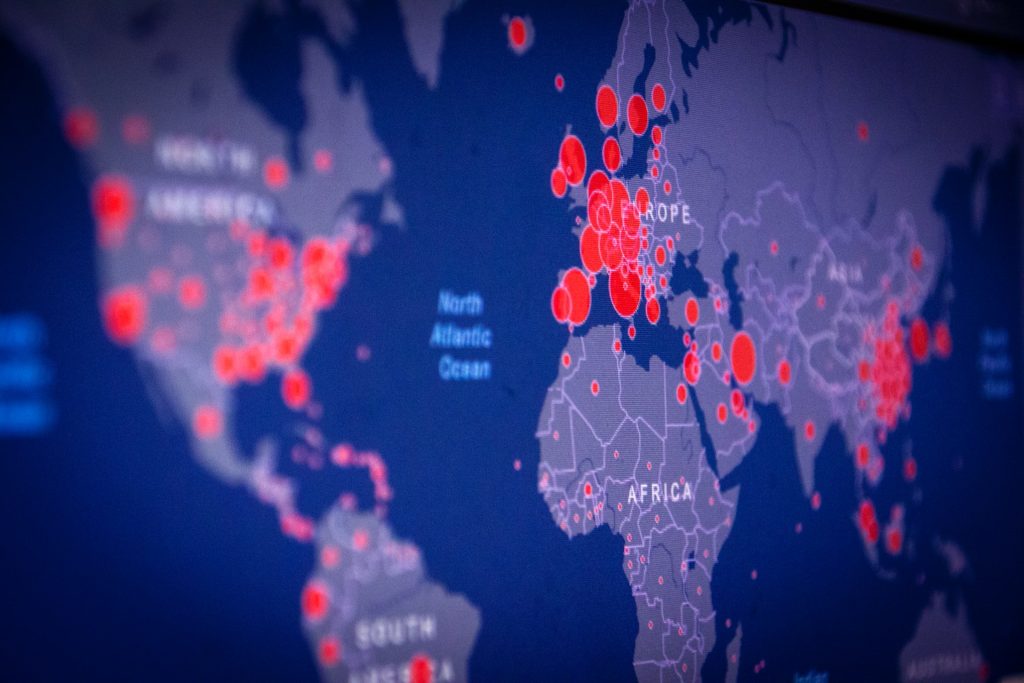
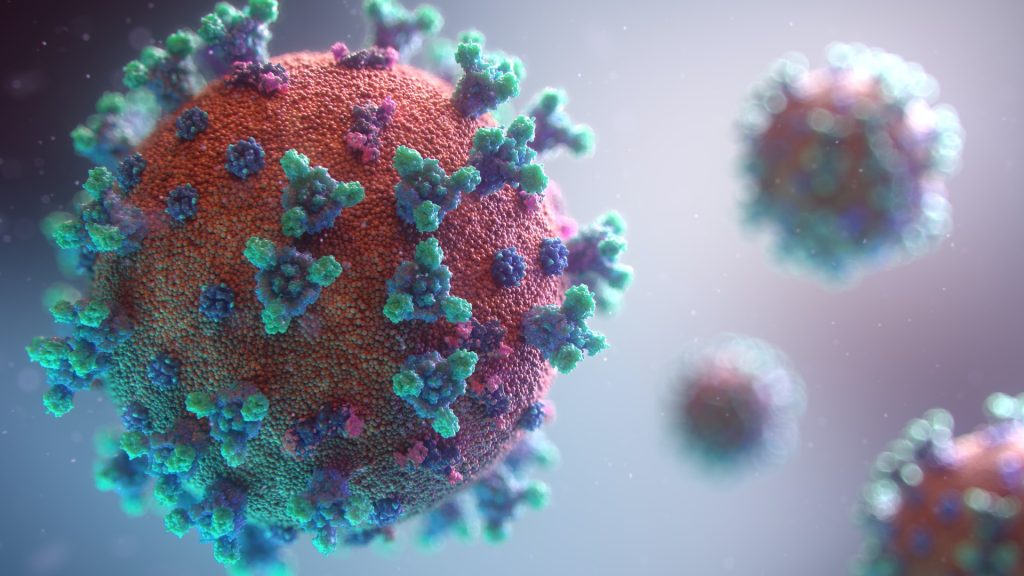
COVID heat map. Photo by Giacomo Carra on Unsplash

A recent article by The Telegraph revealed documents on grant applications by US and Wuhan scientists to conduct coronavirus research in 2018. However, it is important to note that these grants were not funded, and are not direct evidence of a ‘lab leak’ or research-related origin for the coronavirus. 

The documents, obtained by a scientist-activist group calling itself DRASTIC and confirmed as authentic by a member of the Trump administration, detail grant requests for antigen-bearing nanoparticles and aerosols to be released into bat caves to immunise bat populations. Note that “coronavirus particles” as The Telegraph describes them would be immunising nanoparticles which could describe coronavirus vaccines. Another proposal involved adding “human-specific cleavage sites” to bat coronaviruses to facilitate entry into human cells. The Defense Advanced Research Projects Agency (DARPA) however, refused to fund the work, saying it would have “put local communities at risk.”

What is perhaps more concerning were details of an effort for gain of function research in MERS-CoV, which has a 30% fatality rate, something which an anonymous World Health Organization COVID researcher suggests could have resulted in a pandemic that was “nearly apocalyptic.”

Scientists, however, urge continued impartiality and examining all possibilities, even controversial ones. In an article published on Friday, 24 September in The Lancet, authors point out that there is neither solid evidence for either a natural origin or a for a research origin. In the nineteen months since the beginning of the pandemic, no natural origin has been found despite extensive searching, and independent international researchers do not have access to the investigation sites in China, raw data or samples. However, it took several years for the natural origins of SARS-CoV-1 to be discovered.

They also point out that a research origin for the virus cannot be excluded. Optimisation of the receptor binding domain for human ACE2 could occur through selection or cell cultures, without requiring knowledge of it in advance. Although certain genetic engineering techniques leave signatures in the genome, so-called ‘seamless’ techniques exist. 

“On the basis of the current scientific literature, complemented by our own analyses of coronavirus genomes and proteins, we hold that there is currently no compelling evidence to choose between a natural origin (ie, a virus that has evolved and been transmitted to humans solely via contact with wild or farmed animals) and a research-related origin (which might have occurred at sampling sites, during transportation or within the laboratory, and might have involved natural, selected, or engineered viruses).”

Sources: The Telegraph (paywall)The Lancet

SA Daily COVID Vaccination Rate Plummets

Image by Quicknews

The daily COVID vaccination rate in South Africa plunged this week, prompting fears that the vaccination drive may be losing steam. This comes amid criticism around insufficient  information about vaccinations in more remote and impoverished communities.

Just 159 542 doses were administered on 20 September, the lowest weekday total since 13 August, when 147 307 jabs were given, according to government statistics.

That falls short of its target of 300 000 daily doses (which is yet to be obtained), and also the lowest since 18-to-35 year-olds became eligible for vaccines on 1 September.

As of Wednesday, 22 September South Africa has administered 16.56 million doses, but only 8.23 million of the country’s almost 40 million adults are fully vaccinated. Of those fully vaccinated, about 44% are the single-dose Johnson & Johnson vaccines.

To achieve 70% coverage of the adult population by December, a further 18 million adults will need to be vaccinated, noted health minister Dr Joe Phaahla.

In an address to the media on Friday, 17 September, Dr Phaahla said that the government is still focused on adult vaccinations, with the main priority being the 50 and older age group ahead of a possible year-end fourth wave. Dr Phaahla also noted the South African health regulator’s approval of Pfizer’s COVID vaccine for use for children 12 years and older, saying that the policy of vaccination of under 18s would be revisited based on the total number of adults vaccinated by the end of October.

“Even though we know the Pfizer vaccine has been approved [for children], we want to remain focused on the high-risk people as of now.

“If we can reach 70% of the 50+ age group when the next wave comes, our hospitals will not be as overwhelmed as they have been.”

Dr Phaahla added that the government is aware of pressure from schools for vaccinations of children. Other factors to be taken into account are the local government elections on 1 November — a possible super-spreader event — and a surplus vaccine supply to enable targeting under 18s.

“We think it will be very risky to be all over and start just vaccinating people everywhere. Let’s manage the schools,  and keep on pushing the elderly to get vaccinated.”

On Wednesday, 22 September, there were 2967 new COVID cases, with a case positivity rate of 7%. The total number of vaccinations on that day was slightly higher, but only stood at 187 003, short of the government’s goal of 300 000 per day. Of these, 110 847 were fully vaccinated, 45.3% from J&J doses.

Source: BusinessTech

Stockpiling Could Cause 241 Million Vaccine Doses to be Wasted

Image by Mika Baumeister on Unsplash

Analytics company Airfinity estimates the G7 and EU will have an excess of 1 billion vaccine doses by the end of 2021, of which 10% are expected to expire. 

When factoring the time taken to distribute and administer the doses in Lower Income Countries (LICs) and Lower Middle Income Countries (LMICs), the proportion rises. Many of these countries will refuse vaccines that don’t have at least a two month shelf life. Taking into account this two month shelf, 241 million doses could be wasted by the end of 2021, amounting to a quarter of the G7 and EU surplus stock. 

The available vaccines in the G7 and EU, together with already purchased doses and COVAX deliveries, are sufficient for LICs and LMICs to vaccinate 70% of their populations by May 2022. Airfinity estimates that total global COVID cases are likely to exceed 400 million by mid-2022 and immediately redistributing vaccines could potentially avert nearly 1 million deaths from the virus in that time frame. 

“Currently doses tend to get shared in low volumes, at short notice, and with shorter than ideal expiry dates – making it a huge logistical lift to allocate and deliver these to countries able to absorb them,” says Aurélia Nguyen, managing director of the COVAX facility.

Vaccine manufacturers are now making 1.5bn doses every month.

“They’re producing a huge number of doses. It has scaled up immensely over the last three or four months,” Dr Matt Linley, lead researcher at Airfinity, told BBC News.

“I don’t think it was necessarily rich countries being greedy, it’s more that they didn’t know which vaccines would work,” says Dr Linley. “So they had to purchase several of them.”

Airfinity hopes to show governments that there are enough vaccines to fulfil their needs, and thanks to this secure supply they can donate without stockpiling.

“They don’t want to be caught off guard,” said Agathe Demarais. “It’s also about domestic political pressure because part of the electorate would probably be very unhappy to see vaccines being donated, if there is a feeling that they’re still needed at home.”

Co-founder and CEO of Airfinity, Rasmus Bech Hansen said: “The world has witnessed two extraordinary scientific achievements in the pandemic: The fast development of highly effective vaccines and the unprecedented scale up of production.For the world to get the full benefit of this, our data shows, we need a third equally unprecedented achievement: A large scale, rapid, globally coordinated, science driven vaccination campaign.” 

Source: Airfinity

Now Iodine is the In-thing for COVID

A dangerous new trend has emerged on social media, which involves a new COVID ‘cure’ by gargling the widely used antiseptic, povidone-iodine (PVP).

This trend has been sparked by an online video in Thai which has been widely shared on social media, featuring someone who claims to be a doctor. However this has been debunked. The trend is also cause for concern as the PVP may accidentally be swallowed. 

PVP, also sold under the name Betadine, is used for disinfection in surgical procedures and wound treatment. Gargling with 0.5% PVP has been shown to reduce the symptoms of sore throat associated with COVID, but has not been adequately shown to relieve any other symptoms.  
The immediate side effects of ingesting any PVP antiseptic include nausea, vomiting, general weakness, and diarrhoea. In severe cases, PVP ingestion can result in acute renal failure, cardiovascular collapse, liver function impairment, shortness of breath, low blood pressure, and even death.

In one study, researchers assessed the usage of 0.5% povidone-iodine mouthwash in patients as a way of reducing viral load during dental procedures, reducing possible exposure of healthcare workers. However, there is no evidence beyond in vitro testing that it actually reduces viral load in the throat. 

An official statement on the Betadine website reads as follows: “Betadine® Antiseptic First Aid products have not been approved to treat coronavirus. Products should only be used to help prevent infection in minor cuts, scrapes and burns. Betadine Antiseptic products have not been demonstrated to be effective for the treatment or prevention of COVID-19 or any other viruses.”

Source: Newsweek

COVID Variants Evolving to Improved Airborne Transmission

Source: Fusion Medical Animation on Unsplash

A new study found that people infected with SARS-CoV-2 shed significant numbers of virus particles in their breath – and those infected with the Alpha variant put 43 to 100 times more virus into the air than people infected with the original strains. 

The researchers also found that loose-fitting cloth and surgical masks reduced the amount of virus that gets into the air around infected people by about half. The study was published in Clinical Infectious Diseases.

“Our latest study provides further evidence of the importance of airborne transmission,” said Dr Don Milton, Professor, Environmental Health, University of Maryland School of Public Health. “We know that the Delta variant circulating now is even more contagious than the Alpha variant. Our research indicates that the variants just keep getting better at traveling through the air, so we must provide better ventilation and wear tight-fitting masks, in addition to vaccination, to help stop spread of the virus.”

The numbers of airborne virus particles coming from infections with the Alpha variant (the dominant strain circulating at the time this study was conducted) was much more (18 times more) than could be explained by the increased amounts of virus picked up in nasal swabs and saliva. 
Doctoral student Jianyu Lai, a lead author of the study, explained: “We already knew that virus in saliva and nasal swabs was increased in Alpha variant infections. Virus from the nose and mouth might be transmitted by sprays of large droplets up close to an infected person. But, our study shows that the virus in exhaled aerosols is increasing even more.” These major increases in airborne virus from Alpha infections occurred before the arrival of the Delta variant, suggesting that the virus is evolving to have improved airborne transmission.

To test the efficacy of masks in reducing transmission, the researchers measured how much SARS-CoV-2 is exhaled into the air with and without wearing a cloth or surgical mask. They found that face coverings significantly reduced virus-laden particles in the air around the person with COVID by about 50%.

Co-author Dr Jennifer German said, “The take-home messages from this paper are that the coronavirus can be in your exhaled breath, is getting better at being in your exhaled breath, and using a mask reduces the chance of you breathing it on others.” This means that a layered approach to control measures (including improved ventilation, increased filtration, UV air sanitation, and tight-fitting masks, in addition to vaccination) is critical to protect people in public-facing jobs and indoor spaces.

Source: University of Maryland

Menstrual Changes After COVID Vaccinations

Photo by Natracare on Unsplash

In an article in the BMJ, authors argue that menstrual changes after COVID vaccination are plausible and should be investigated. 

Listed common side effects of COVID vaccination include a sore arm, fever, fatigue, and myalgia. However, changes to periods and unexpected vaginal bleeding are not listed, and primary care clinicians and those in the reproductive health field are seeing more and more people who have experienced these events shortly after vaccination.

More than 30 000 reports of these events had been made to the UK;s surveillance scheme for adverse drug reactions by 2 September 2021, across all COVID vaccines currently offered.

Most post-vaccination changes to periods return to normal, and there is no evidence that COVID vaccination adversely affects fertility. In clinical trials, there were similar rates for unintended pregnancies in vaccinated and unvaccinated groups. In fertility clinics, fertility measures and pregnancy rates are similar in vaccinated and unvaccinated patients. The UK’s Medicines and Healthcare Products Regulatory Agency (MHRA) says that there are few reported that 

Menstrual changes have been reported after both mRNA and adenovirus vectored COVID vaccines, suggesting that, if there is a connection, it is likely to be a result of the immune response to vaccination rather than a specific vaccine component. Human papillomavirus (HPV) vaccinations have also been associated with menstrual changes. Indeed, the menstrual cycle can be affected by immune activation from various stimuli, including viral infection: one study found about a quarter of menstruating women with COVID experienced menstrual disruption.

Biologically plausible mechanisms linking immune stimulation with menstrual changes include immunological influences on the hormones driving the menstrual cycle or effects mediated by immune cells in the lining of the uterus, which are involved in the cyclical build-up and breakdown of this tissue. Research may also help understand the mechanism.

Though the period changes are short lived, there is need for adequate research. Vaccine hesitancy among young women is largely driven by false claims that COVID vaccines could harm their chances of future pregnancy. Failing to thoroughly investigate reports of menstrual changes after vaccination is likely to fuel these fears. If a link between vaccination and menstrual changes is confirmed, this information will allow people to plan for potentially altered cycles. Clear and trusted information is particularly important for those who rely on being able to predict their menstrual cycles to either achieve or avoid pregnancy.

In terms of management, the Royal College of Obstetricians and Gynaecologists and the MHRA recommend that anyone reporting a change in periods persisting over several cycles, or new vaginal bleeding after the menopause, should be managed according to the usual clinical guidelines for these conditions.

The authors conclude by stating there is an important lesson in that the effects of medical interventions on menstruation should not be an afterthought in future research. In clinical trials, participants are unlikely to report changes to periods unless specifically asked, so in future trials, information about menstrual cycles and other vaginal bleeding should be actively solicited.

Source: The BMJ

Nasal COVID Vaccines Will Greatly Reduce Transmission

Source: CDC on Unsplash

Though great progress has been made in developing intramuscular COVID vaccines, as yet nothing provides mucosal immunity in the nose, the first barrier against the virus encounters before it travels down to the lungs.

In terms of both immune cell deployment and immunoglobulin production, the mucosal immune system is by far the largest component of the entire immune system, having evolved to provide protection at the main sites of infectious threat: the mucosae.

In iScience, Navin Varadarajan, Professor of Chemical and Biomolecular Engineering, and colleagues, report the development of an intranasal subunit vaccine that provides durable local immunity against inhaled pathogens.

“Mucosal vaccination can stimulate both systemic and mucosal immunity and has the advantage of being a non-invasive procedure suitable for immunization of large populations,” explained Prof Varadarajan. “However, mucosal vaccination has been hampered by the lack of efficient delivery of the antigen and the need for appropriate adjuvants that can stimulate a robust immune response without toxicity.”

To get around this, Prof Varadarajan worked with Xinli Liu, associate professor of pharmaceutics, and an expert in nanoparticle delivery. Prof Liu’s team packaged the agonist of the stimulator of interferon genes (STING) inside liposomal particles to create an adjuvant called NanoSTING. 

“NanoSTING has a small particle size around 100 nanometres, which exhibits significantly different physical and chemical properties to the conventional adjuvant,” said Prof Liu.

“We used NanoSTING as the adjuvant for intranasal vaccination and single-cell RNA-sequencing to confirm the nasal-associated lymphoid tissue as an inductive site upon vaccination. Our results show that the candidate vaccine formulation is safe, produces rapid immune responses—within seven days—and elicits comprehensive immunity against SARS-CoV-2,” said Prof Varadarajan.

Intramuscular vaccines have a fundamental limitation in that they are not designed to elicit mucosal immunity. As shown in previous work with respiratory pathogens like influenza, sterilising immunity to virus reinfection requires adaptive immune responses in the respiratory system.

The nasal vaccine will also help the equitable global distribution of vaccines, according to the researchers. Many smaller countries have only vaccinated a small percentage of their population, and outbreaks continue. These outbreaks and viral spread are known to facilitate viral evolution, ultimately leading to decreased efficacy of all vaccines.

“Equitable distribution requires vaccines that are stable and that can be shipped easily. As we have shown, each of our components, the protein (lyophilised) and the adjuvant (NanoSTING) are stable for over 11 months and can be stored and shipped without the need for freezing,” said Prof Varadarajan.

Source: University of Houston

COVID Hit South Africa Harder Than Expected Despite Preparedness

Image by Quicknews

New research finds African countries, assessed as being least vulnerable to an epidemic were the worst affected by COVID, particularly South Africa.

A team of researchers from the NIHR Global Health Research Unit Tackling Infections to Benefit Africa (TIBA) worked with the World Health Organization (WHO) African Region to identify factors affecting mortality rates during Africa’s first two COVID waves and the timing of the first reported cases. The study, published in the journal Nature Medicine, found that countries with greater urban populations and strong international travel links were worst affected by the pandemic. Mortality rates and levels of restrictions, such as lockdowns and travel bans, were found to be lowest in countries previously thought to be at greatest risk from COVID.

Professor Mark Woolhouse, TIBA Director, who co-led the study, said, “Our study shows very clearly that multiple factors influence the extent to which African countries are affected by COVID. These findings challenge our understanding of vulnerability to pandemics.

“Our results show that we should not equate high levels of preparedness and resilience with low vulnerability.

“That seemingly well-prepared, resilient countries have fared worst during the pandemic is not only true in Africa; the result is consistent with a global trend that more developed countries have often been particularly hard hit by COVID.”

Among 44 countries of the WHO African Region with available data, South Africa had the highest mortality rate during the first wave between May and August 2020, at 33.3 deaths recorded per 100k population. Cape Verde and Eswatini had the next highest rates at 17.5 and 8.6 deaths per 100k, respectively. At 0.26 deaths recorded per 100,000, the lowest mortality rate was in Uganda.

South Africa also recorded the highest mortality rate during the second wave between December 2020 and February 2021, at 55.4 deaths per 100,000. Eswatini and Botswana recorded rates of 39.8 and 17.7 deaths per 100,000, respectively. The lowest rate was in Mauritius, which recorded no deaths during the second wave.

“The early models which predicted how COVID would lead to a massive number of cases in Africa were largely the work of institutions not from our continent. This collaboration between researchers in Africa and Europe underlines the importance of anchoring analysis on Africa’s epidemics firmly here,” said Dr. Matshidiso Moeti, WHO Regional Director for Africa and co-author. “We can no longer focus our understanding of disease transmission purely on the characteristics of a virus—COVID operates within a social context which has a major impact on its spread.”

Countries with high rates of HIV were also more likely to have higher mortality rates. This may be because people with HIV often have other health conditions that put them at greater risk from COVID, the team suggests.

The weak association between mortality rate and the timing or severity of government-imposed social restrictions shows the varied impact and enforcement across the region, making a consistent impact pattern difficult to discern. Restrictions during peaks of infection are well documented to have interrupted transmission in the region.

The findings show that the earliest recorded cases of COVID were in countries where most people live in urban areas, with strong international travel links and greater testing capacity. Algeria was the first of 47 African countries to report a case, on 25 February 2020. Most countries had recorded cases by late March 2020, with Lesotho the last to report one, on 14 May 2020.

Higher death rates were observed during the second wave, compared with the first. The infection peak during the second wave was also higher, with 675 deaths across the continent on 18 January 2021 compared with 323 during the first wave peak on 5 August 2020. Potential under-reporting was accounted for in the analysis.

Source: University of Edinburgh

2-Metre Social Distancing May be Insufficient Indoors

Photo by Paul Wong on Unsplash

A new study found that the two-metre physical distance required to avoid the viral shedding from a person infected with COVID caused by speaking or breathing may be insufficient indoors.

Researchers from the Penn State Department of Architectural Engineering found that indoor distances of two metres may not be enough to sufficiently prevent transmission of airborne aerosols. Their results were published online in Sustainable Cities and Society.

“We set out to explore the airborne transport of virus-laden particles released from infected people in buildings,” said first author Gen Pei, a doctoral student in architectural engineering at Penn State. “We investigated the effects of building ventilation and physical distancing as control strategies for indoor exposure to airborne viruses.”

The researchers looked at three factors: the amount and rate of air ventilated through a space, the indoor airflow pattern associated with different ventilation strategies and the aerosol emission mode of breathing versus talking. They also compared transport of tracer gas, usually used to test leaks in air-tight systems, and human respiratory aerosols ranging in size from one to 10 micrometres, a size that can still carry SARS-CoV-2.

“Our study results reveal that virus-laden particles from an infected person’s talking — without a mask — can quickly travel to another person’s breathing zone within one minute, even with a distance of two meters,” said corresponding author Donghyun Rim, associate professor of architectural engineering. “This trend is pronounced in rooms without sufficient ventilation. The results suggest that physical distance alone is not enough to prevent human exposure to exhaled aerosols and should be implemented with other control strategies such as masking and adequate ventilation.”

Aerosols were found to travel farther and more quickly in rooms with displacement ventilation, where fresh air continuously flows from the floor and pushes old air to an exhaust vent near the ceiling. This is the type of ventilation system installed in most residential homes, and it can result in a human breathing zone concentration of viral aerosols seven times higher than mixed-mode ventilation systems. Many commercial buildings have mixed-mode systems, which bring in outside air to dilute the indoor air and result in better air integration as well as tempered aerosol concentrations, according to the researchers.

“This is one of the surprising results: Airborne infection probability could be much higher for residential environments than office environments,” Prof Rim said. “However, in residential environments, operating mechanical fans and stand-alone air cleaners can help reduce infection probability.”

According to Rim, increasing the ventilation and air mixing rates can effectively reduce the transmission distance and potential accumulation of exhaled aerosols, but ventilation and distance are only two options in an arsenal of protective techniques.

“Airborne infection control strategies such as physical distancing, ventilation and mask wearing should be considered together for a layered control,” Prof Rim said.

The researchers are now applying this analysis technique to other kinds of occupied spaces, such as classrooms and transportation environments. 

Source: Pennsylvania State University

AstraZeneca Vaccine Confers COVID Protection for People with HIV

Image by Ivan Diaz on Unsplash

Interim results from a phase 1B/2A clinical trial conducted by the Wits Vaccines and Infectious Diseases Analytical (VIDA) research unit showed that the AstraZeneca vaccine conferred COVID protection in people living with HIV.

The findings, published in Lancet HIV, show that the AstraZeneca COIVD vaccine is likely to work as well in people living with HIV compared with people who are HIV negative.

These interim findings are vital for informing the clinical management of people with HIV during the COVID pandemic.

In general, clinical trials which evaluate the safety and immunogenicity of COVID vaccines in people living with HIV are limited, and in Africa they are virtually non-existent. This is despite the overwhelming prevalence of HIV infection in Africa, especially South Africa .

“We searched PubMed for peer-reviewed articles published between 1 January 2019 and 29 June 2021, using the terms ‘safety’ and ‘Covid-19’ and ‘vaccine’, but we did not find any reports that evaluated safety and immunogenicity of COVID vaccines in this population,” said Shabir Madhi, Professor of Vaccinology and Director of Wits VIDA, which led the first South African trial for a COVID vaccine in June 2020.

Compared to the general population, people living with HIV have an increased risk of infectious diseases and have a greater mortality risk when hospitalised with severe COVID.

In addition, compared with HIV-negative individuals, people with HIV are at greater risk for infectious diseases, such as influenza, including during antiretroviral therapy (ART).

Risk factors for severe COVID in people with HIV include more advanced stage of HIV/AIDS, the HIV-1 infection not being virally suppressed, and CD4 counts below 500 cells per microlitre.

The study was an interim analysis of a randomised, double-blind, placebo-controlled, phase 1B/2A trial. In 2020, the trial enrolled 104 people living with HIV were enrolled in the trial, HIV-negative people. Eligibility criteria for people with HIV included being on ART for at least three months, with a plasma HIV viral load of less than 1000 copies per microlitre.

The HIV study was a unique addition to the AstraZeneca COVID vaccine clinical trial, and aimed to assess safety and immunogenicity of this vaccine in people with HIV and HIV-negative people in South Africa. The primary endpoint in all participants regardless of HIV status was the safety, tolerability, and reactogenicity profile of the AstraZeneca COVID vaccine.

Reactogenicity refers to a subset of reactions that occur soon after vaccination, and are a physical manifestation of the inflammatory response to vaccination. Such symptoms include pain, redness, swelling or induration for injected vaccines, and systemic symptoms, such as fever, myalgia, headache, or rash. In clinical trials, information on expected signs and symptoms after vaccination is actively sought.

The interim findings show that the AstraZeneca COVID vaccine was well tolerated and showed favourable safety and immunogenicity in people with HIV, including heightened immunogenicity in SARS-CoV-2 baseline-seropositive participants.

Source: University of the Witwatersrand