

Tag: cardiac surgery

Iron Transfusion Before Heart Surgery Reduces Complications and Boosts Recovery

It also saves around 44 units of blood products for every 100 patients treated 
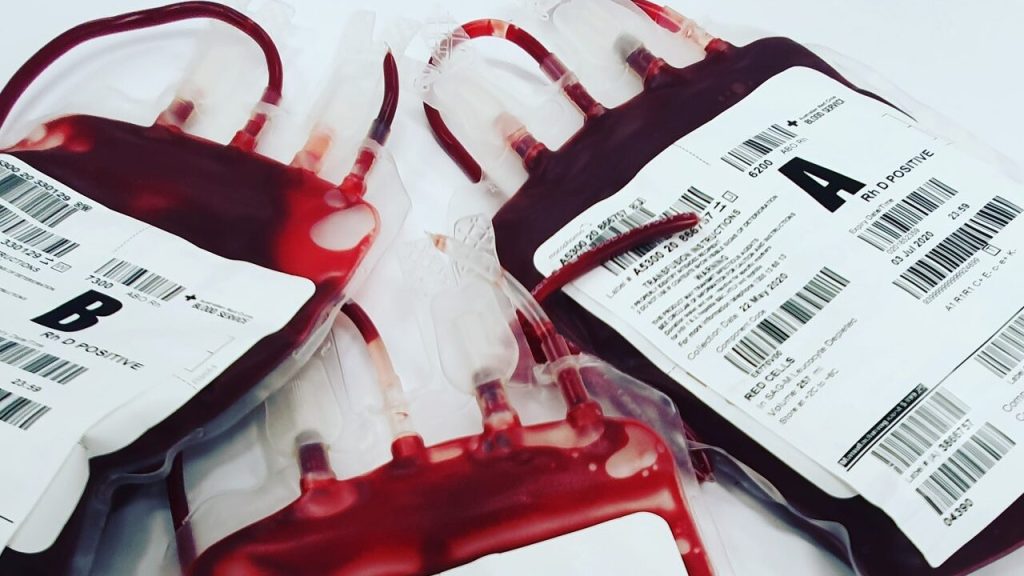
Photo by Charliehelen Robinson on Pexels

Giving intravenous iron to patients with anaemia before heart surgery reduces the need for a red blood transfusion and results in an extra day at home in the first 90 days after surgery, finds a clinical trial published by The BMJ today.

Intravenous iron also saved approximately 44 units of blood products for every 100 patients treated.

A third of patients undergoing cardiac surgery are anaemic and 20-50% receive a blood transfusion after surgery, which is linked to increased risks of complications, longer hospital stays, and death after surgery.

Previous studies suggest that intravenous iron before surgery boosts haemoglobin levels (the protein in red blood cells that carries oxygen around the body) and may reduce the need for transfusion, but there is currently no evidence to show that this improves outcomes that matter to patients.

To address this gap, researchers enrolled 955 adults with anaemia (average age 66 years; 60% male) undergoing elective cardiac surgery across 33 hospitals in 10 countries between 15 July 2016 and 15 December 2023.

Patients with inherited blood disorders, those having kidney dialysis or who had intravenous iron given in the previous four weeks were excluded. Other factors such as age, sex, ethnicity, and pre-existing conditions were also taken into account.

Participants were randomly assigned to either intravenous iron or placebo 1-26 weeks before surgery and the number of days alive and at home up to 90 days after surgery was recorded. Other outcomes included red cell transfusion and postoperative complications.

Of 921 patients assessed, the average number of days alive and at home up to 90 days after surgery in patients assigned to intravenous iron was 81 and in patients receiving placebo was 80.

Red blood cell transfusions were given to 262 patients (61%) in the iron group and 302 patients (68%) in the placebo group during their hospital stay. There were no differences in major complications or length of hospital stay.

The researchers acknowledge several limitations. For example, they enrolled patients with anaemia but did not require confirmation of absolute iron deficiency and say a one day difference in a 90 day recovery period is in itself a very small treatment effect.

However, study strengths included a low drop-out rate and measurement of patient-centred outcomes such as quality of recovery, days at home, and quality of life. Findings were also consistent after further analyses, suggesting they are robust.

As such, they conclude: “This study shows that intravenous iron repletion in patients with anaemia before cardiac surgery increased preoperative haemoglobin concentration, reduced the need for red cell transfusion, and resulted in an extra day at home in the first 90 days after surgery.”

Intravenous iron also saved approximately 44 units of blood products for every 100 patients treated, they add.

Source: The BMJ Group

Impact of Pandemic Delay to Cardiac Procedures

Photo by Piron Guillaume on Unsplash

A Canadian study found that after the onset of the COVID pandemic, there was a significant decline in referrals and procedures for common cardiac interventions. 

Patients awaiting coronary bypass surgery or stenting were at higher risk of dying while waiting for their procedure compared to before the pandemic, despite wait times not being longer. The study was published in the Canadian Journal of Cardiology.

“In the first wave of the COVID pandemic, we kept hearing stories from patients and other doctors that there were delays in care for patients with heart disease,” explained lead investigator Harindra C. Wijeysundera, MD, PhD, University of Toronto. “We decided to look into these claims using the Ontario database that keeps track of wait lists and wait times for individuals with heart disease who require a procedure or surgery.”

The researchers were able to link multiple population-based administrative data sources and clinical registries. The study looked at adult patients who were referred for four commonly performed cardiac procedures: percutaneous coronary intervention; isolated coronary bypass grafting; valve surgery; or transcatheter aortic valve implantation from January 1, 2014 to September 30, 2020, and the start of the pandemic was put at March 31 2020. Outcomes were defined as death while awaiting procedure and hospitalisation while waiting for procedure.

Of 584 341 patients identified, 37 718 were referred during the pandemic. As expected, a decline in referrals was observed at the outset of the pandemic, although those numbers steadily increased throughout the pandemic period, along with an initial decline in the number of procedures performed. Individuals waiting for coronary bypass surgery or stenting were at higher risk of dying while waiting for their procedure compared to before the pandemic. Mortality rates increased even though wait times did not during the pandemic, suggesting patients may have delayed in presenting to their doctors with symptoms.

“We found that the increase in wait list mortality was consistent across patients with stable coronary artery disease, acute coronary syndrome, or emergency referral,” said Dr Wijeysundera. “Coupled with reduced referrals, this raises concerns of a care deficit due to delays in diagnosis and wait list referral.”

A number of potential explanations were suggested by the researchers for the decline in referrals during the pandemic, from patient factors such as fear of contracting COVID in the hospital or concerns about missing work, to system factors including testing delays and pressures on hospital beds and staffing.

Source: EurekAlert!

Cardiac Surgery Guidelines Updated with Emphasis on Patient Blood Management

Photo by JAFAR AHMED on Unsplash

Newly updated multi-society cardiac surgery guidelines have shifted to a comprehensive blood management approach, with no longer simple recommendations on transfusion.

An update to the 2011 recommendations from the Society of Thoracic Surgeons and the Society of Cardiovascular Anesthesiologists, now in collaboration with the American Society of ExtraCorporeal Technology, and the Society for the Advancement of Patient Blood Management (SABM), has been put out. It is available online in the Annals of Thoracic Surgery.

Since the last version, there has been so much new evidence that Pierre R. Tibi, MD, of Yavapai Regional Medical Center in Prescott, Arizona, and colleagues revised or added 23 recommendations and scrapped others.

Probably the biggest change is going from ‘blood conservation’ to the broader ‘patient blood management‘ (PBM) approach, Dr Tibi told MedPage Today.

“Basically we’re considering blood as another vital organ,” he said. “Why that is important is because now we look at a patient’s blood system as an organ that needs to be assessed and treated for the sake of that organ and not simply to decide when or when not to transfuse.”

Recommendations range from preoperative assessment of bleeding risk and anaemia to intraoperative perfusion and blood salvage practices to postoperative treatment with human albumin for volume replacement.

“Most hospitals around the U.S. are acutely aware of patient blood management and, to some degree or another, are implementing many of the things we are talking about,” noted Tibi, who is the most recent past president of SABM. Nationwide, the amount of blood transfused in cardiac surgery has dropped 45% in the past 10 to 15 years but still ranges widely across centres.

A broadly endorsed guideline like this emphasising the importance of a whole-patient strategy should hopefully standardize effective practices and move insurers to cover them, he suggested.

The guideline, for example, gives preoperative assessment of anaemia and its treatment with IV iron and erythropoietin-stimulating agents, if there is time, a class IIA endorsement. Anaemia is widespread, with possibly as many as 40% of patients having it, with one in 10 being under the 8 mg/dL haemoglobin threshold.

“There is a distinct correlation between preoperative anemia and worse clinical outcomes in most studies,” the guidelines note. “Usually, the greater the anemia, the more severe the complications.”

However, preoperative anaemia is “very, very underrecognised and undertested,” Dr Tibi said. While there isn’t always time to reverse anaemia that is found before cardiac surgery, he pointed out that “most of the factors in elective heart surgery have to do with insurance and Medicare. … Oftentimes the treatment for anaemia is not covered by various entities and is too expensive for patients to cover themselves.”

Other notable updates included a class IA recommendation for red blood cell salvage with centrifugation when patients are on cardiopulmonary bypass and the addition of recommendations for the assessment and treatment of patients on anticoagulants.

The guideline, for example, says to withdraw ticagrelor (Brilinta) at least 3 days, clopidogrel (Plavix) 5 days, and prasugrel (Effient) 7 days prior to elective cardiac surgery, while other non-vitamin K oral anticoagulants (NOACs) should be stopped at least 2 days in advance.

“Despite their advantages, NOACs present some periprocedural challenges for operations with a high-risk bleeding profile,” the document says. “Available measurement assays to assess anticoagulation for NOACs are imprecise, and the availability of reversal agents is limited.”

If point-of-care testing with thrombin clotting time is available for dabigatran (Pradaxa), or anti-factor Xa assays for apixaban (Eliquis) and rivaroxaban (Xarelto), in the case of emergent surgery, the guidelines recommend their use.

Source: MedPage Today

Journal information: Tibi P, et al “STS/SCA/AmSECT/SABM update to the clinical practice guidelines on patient blood management” Ann Thor Surg 2021; DOI: 10.1016/j.athoracsur.2021.03.033.