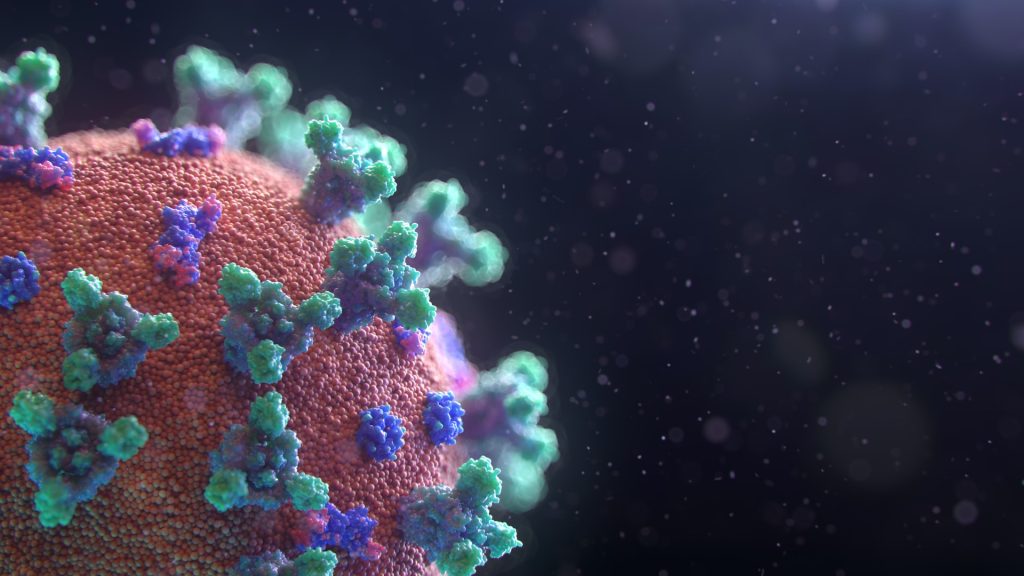
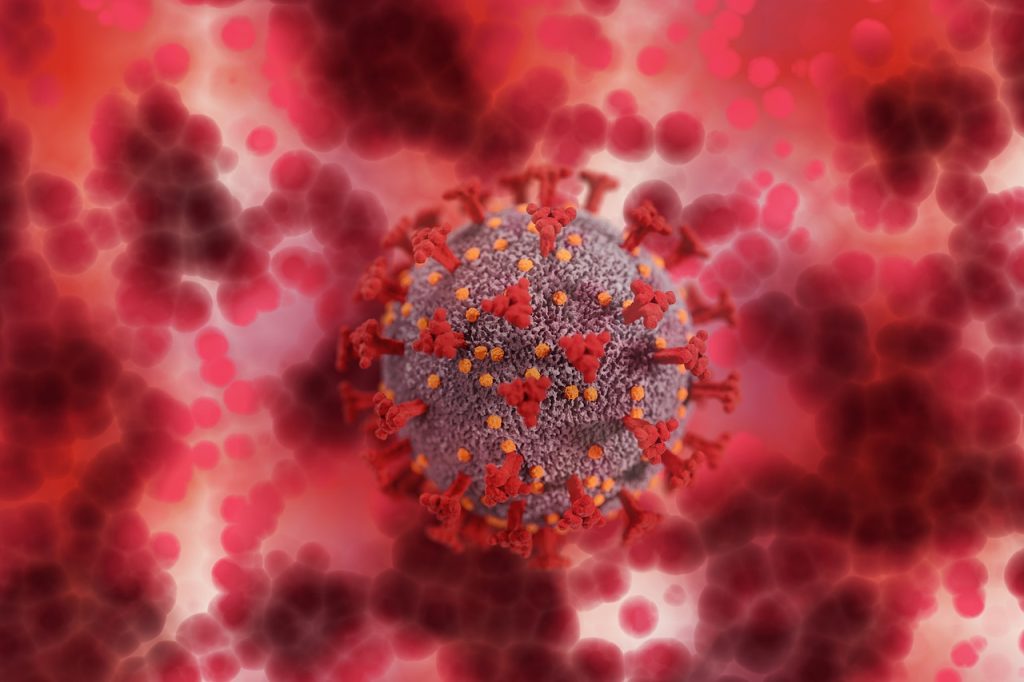
Although new cancer diagnoses largely returned to pre-pandemic levels by 2021, the recovery does not account for the potential missed diagnoses due to delays in screening and other medical care in early 2020. Credit: National Cancer Institute
Cancer incidence trends in 2021 largely returned to what they were before the COVID pandemic, according to a study by researchers at the National Institutes of Health (NIH). However, there was little evidence of a rebound in incidence that would account for the decline in diagnoses in 2020, when screening and other medical care was disrupted, according to findings published in the Journal of the National Cancer Institute. One exception was breast cancer, where the researchers did see an uptick in diagnoses of advanced-stage disease in 2021.
A previous study showed that new cancer diagnoses fell abruptly in early 2020, as did the volume of pathology reports, suggesting that many cancers were not being diagnosed in a timely manner. To determine whether these missed diagnoses were caught in 2021, possibly as more advanced cancers, researchers from NIH’s National Cancer Institute (NCI) compared observed cancer incidence rates for 2021 with those expected from pre-pandemic trends using data from NCI’s Surveillance, Epidemiology, and End Results Program.
A full recovery in cancer incidence should appear as an increase over pre-pandemic levels (also known as a rebound) to account for the missed diagnoses. The researchers looked at cancer overall, as well as five major cancer types that vary in how they are typically detected: through screening (female breast and prostate cancer), due to symptoms (lung and bronchus and pancreatic cancer), or incidentally during other medical procedures (thyroid cancer).
Cancer incidence rates overall and for most specific cancers approached pre-pandemic levels, with no significant rebound to account for the 2020 decline. However, in addition to an uptick in new diagnoses of advanced breast cancer in 2021, the data also provided some evidence of an increase in diagnoses of advanced pancreatic cancer. Also, new diagnoses of thyroid cancers in 2021 were still below pre-pandemic levels.
The researchers concluded that 2021 was a transition year that was still affected by new variants and new waves of COVID-19 cases, which continued to impact medical care. They said the findings highlight the need for ongoing monitoring to understand the long-term impacts of the pandemic on cancer diagnoses and outcomes.
Pro Secure fails in bid to stop Special Investigating Unit going after it to recover millions of rands
Photo by J Castellon on Unsplash
A company accused of unlawfully benefiting from a multi-million rand contract to supply personal protective equipment (PPE) during the Covid pandemic, has failed in a bid to quash a summons issued against it by the Special Investigating Unit to recover the money.
Pro Secure raised several objections to the formulation of the case against it in the papers. But Special Tribunal Judge Kate Pillay has dismissed the company’s objections and ordered the company to pay the costs.
The SIU investigation uncovered irregularities in the Limpopo Department of Health’s appointment of service providers including Pro Secure, Clinipro and Ndia Business Trading, which resulted in about R182-million irregular and wasteful expenditure. The SIU initiated action against Pro Secure, alleging the company had made “secret profits”, and also instituted civil proceedings against the former head of health in the province, Dr Thokozani Florence Mhlongo.
In October 2022, the SIU secured an order from the Special Tribunal, effectively freezing Mhlongo’s pension fund until the outcome of the civil action against her. Mhlongo resigned in June that year while facing disciplinary charges.
In its application to the Tribunal, Pro Secure challenged the SIU’s legal standing, the fact that the Limpopo health department was not a party to the SIU action. Pro Secure also claimed that there was no allegation that its bid for the contract was not lawful.
Judge Pillay found there was no substance to any of the company’s arguments.
She said the particulars of claim in the civil action set out how Pro Secure had received a payment “significantly exceeding their initial bid”.
She said that according to the SIU, the request for quotation sent by the department was for 5000 automated hand sanitisers. Pro Secure had submitted a quote for 5000 white electronic hand disinfectant dispensers and for 5000 liquid sanitisers, the total amount being just over R7-million. Ultimately, the company had delivered 30 000 dispenser holders at R420 per unit and 900 000 litres of hand sanitiser at R170 a litre and had been paid almost R162-million.
In a statement, SIU spokesperson Kaizer Kganyago said: “This ruling supports the SIU’s stance on the irregular procurement of PPE by the Limpopo Department of Health during the pandemic.”
Study analyzed 7 major health themes across 185 countries before and after the COVID-19 pandemic
The COVID-19 pandemic significantly widened existing economic and health disparities between wealthy and low-income countries and slowed progress toward health-related Sustainable Development Goals (SDGs), according to a new study published July 24, 2024, in the open-access journal PLOS ONE by Wanessa Miranda of Federal University of Minas Gerais, Brazil, and colleagues.
The global SDGs were established in 2015 as a wide and integrated agenda with themes ranging from eradicating poverty and promoting well-being to addressing socioeconomic inequalities. However, the COVID-19 pandemic is known to have delivered a devastating blow to global health, with large economic repercussions.
The new study investigated the potential impact of these economic disruptions on progress toward health-related SDGs. The research team used data from the official United Nations SDG database and analysed the associations between well-being, income levels, and other key socioeconomic health determinants. A yearly model was extrapolated to predict trends between 2020 and 2030 using a baseline projection as well as a post-COVID-19 scenario.
The study estimated average economic growth losses in the wake of the COVID-19 pandemic as 42% and 28% for low and lower middle-income countries and 15% and 7% in high- and upper middle-income countries. These economic disparities are projected to drive global health inequalities in the themes of infectious disease, injuries and violence, maternal and reproductive health, health systems coverage and neonatal and infant health. Overall, low-income countries can expect an average progress loss of 16.5% across all health indicators, whereas high-income countries can expect losses as low as 3%. Individual countries, such as Turkmenistan and Myanmar, have estimated a loss of progress which is as much as nine times worse than the average loss of 8%. The most significant losses are seen in Africa, the Middle East, Southern Asia, and Latin America.
The authors conclude that the impact of the pandemic has been highly uneven across global economies and led to heightened inequalities globally, particularly impacting the health-related targets of the 2030 SDG Agenda.
The authors add: “The COVID-19 pandemic significantly widened existing economic and health disparities between wealthy and low-income countries and slowed progress toward health-related Sustainable Development Goals (SDGs). Overall, low-income countries can expect an average progress loss of 16.5% across all health indicators, whereas high-income countries can expect losses as low as 3%.”
In a new clinical trial, a drug commonly used to treat cystic fibrosis, dornase alfa, improved outcomes for patients with severe COVID pneumonia. The results, published in the journal eLife, also suggest that the drug could be used to treat other respiratory infections.
The study, found that the drug reduced hyper-inflammation in COVID pneumonia patients, which occurs when the body’s immune system reacts too strongly and can lead to tissue damage and death.
The next step will be to conduct larger clinical trials, with the ultimate goal of approving dornase alfa for wider use. As well as COVID, dornase alfa has the potential to treat other respiratory infections such as those caused by influenza or bacterial pneumonia, and even other lung diseases such as pulmonary fibrosis.
Since the beginning of the COVID pandemic, the proportion of SARS-CoV-2 infections that result in death has fallen, partly due to increased immunity from prior infection or vaccination, as well as improved treatments such as the steroid dexamethasone, which helps to tackle the hyper-inflammation that was a key factor in many COVID deaths. But this treatment isn’t suitable for some patients and is not always successful in severe cases.
In this study, researchers from UCL, UCLH and the Francis Crick Institute set out to assess whether dornase alfa could be used to improve outcomes for patients admitted to hospital with severe COVID pneumonia who required oxygen.
Out of a total of 39 participants, 30 were randomised to receive twice-daily treatment with nebulised dornase alfa in addition to best available care (BAC) which included dexamethasone, with nine patients randomised to BAC only.
Patients treated with dornase alfa had a 33% reduction in systemic inflammation on top of the reduction provided by dexamethasone, as measured by C-reactive protein (CRP) levels in the blood over seven days or until they were discharged from hospital.
Dr Venizelos Papayannopoulos, senior author of the study from the Francis Crick Institute, said: “Dexamethasone has been highly successful in treating patients with severe COVID-19 pneumonia and is now standard care in the UK. But it isn’t suitable for some patients, such as those with diabetes, those that do not require oxygen, and in very severe cases it may not be enough. Dornase alfa can be used to treat a wider variety of patients and gets right to the heart of the inflammatory response. Based on these results, we think it will be a valuable tool for tackling severe COVID-19 illness.”
Patients treated with dornase alfa were also more likely to need less oxygen and be discharged sooner compared to patients who received BAC. These additional benefits could help to free up beds and resources in the UK’s busy hospitals.
The next step will be to conduct larger clinical trials to ensure dornase alfa is safe and effective for treating severe COVID pneumonia. There is also potential for the drug to be trialled for other respiratory infections and conditions, such as acute exacerbations of pulmonary fibrosis, where inflammation of already scarred lung tissue affects how well oxygen can be absorbed.
American diets may have gotten healthier and more diverse in the months following the start of the COVID-19 pandemic, according to a new study led by Penn State researchers.
The study, published in PLOS ONE, found that as states responded to the pandemic with school closures and other lockdown measures, citizens’ diet quality improved by up to 8.5% and food diversity improved by up to 2.6%.
Co-author Edward Jaenicke, professor of agricultural economics in the College of Agricultural Sciences, said the findings provide a snapshot of what Americans’ diet and eating habits might look like in the nearly complete absence of restaurant and cafeteria eating.
“When dine-in restaurants closed, our diets got a little more diverse and a little healthier,” Jaenicke said. “One post-pandemic lesson is that we now have some evidence that any future shifts away from restaurant expenditures, even those not caused by the pandemic, could improve Americans’ food diversity and healthfulness.”
Prior to the pandemic, the researchers said, the average US diet was considered generally unhealthy. According to the Dietary Guidelines for Americans, eating patterns in the US have remained far below the guidelines’ recommendations, with only slight improvements in the population’s average Healthy Eating Index score between 2005 and 2016.
Also, before the pandemic, the research team was in the midst of a grant-funded project that asked how people would feed themselves after a giant global catastrophe, such as an asteroid strike or nuclear war. In particular, Jaenicke’s team was tasked with investigating how consumers and food retailers might behave during such a disaster.
“At first, the most impactful events we could study using actual, real-world data were hurricanes and other natural disasters,” Jaenicke said. “But then, along came the COVID-19 pandemic, and we realised that this event was an opportunity to study the closest thing we had to a true global catastrophe.”
For the study, the researchers analyzed data from the NielsenIQ Homescan Consumer Panel on grocery purchases, which includes 41,570 nationally representative U.S. households. Data consisted of the quantity and price paid for every universal product code each family purchased during the study period.
Data was gathered from both before the pandemic hit and after the pandemic led to schools, restaurants and other establishments temporarily closing. Because states did not respond to the pandemic simultaneously, the researchers designated each household’s post-pandemic period as the weeks following the date that their county of residence closed schools in 2020.
Jaenicke noted that this allowed the team to show a true causal effect of the pandemic school closures, which generally occurred around the same time that restaurants and other eateries also closed.
“To establish causality, an individual household’s pre- and post-pandemic food purchases were first compared to the same household’s food purchases from one year earlier,” Jaenicke said. “This way, we controlled for the food-purchasing habits, preferences and idiosyncrasies of individual households.”
The researchers found that in the two to three months following pandemic-based school closures (roughly March to June 2020) there were modest increases in Americans’ food diversity, defined as how many different categories of food a person eats over a period of time.
They also found larger, temporary increases in diet quality, meaning the foods purchased were healthier. This was measured by how closely a household’s purchases adhered to the U.S. Department of Agriculture’s (USDA) Thrifty Food Plan, which was designed to meet the requirements of the recommended healthy diet according to the Dietary Guidelines for Americans.
These patterns were found across households with many different demographics; however, those households with young children, lower incomes and without a car exhibited smaller increases in these measures.
“During the COVID-19 pandemic, dine-in restaurants closed, schools and school cafeterias closed, and many supermarket shelves were empty,” Jaenicke said. “Since about 50% of Americans’ food dollars are spent on ‘away from home’ food from restaurants and cafeterias, the pandemic was a major shock to the food system.”
The researchers said there are several possible explanations for these findings. First, because other studies have found that food from restaurants is often less healthy than food made at home, the dramatic decrease of meals eaten at and purchased from restaurants during the pandemic could have contributed to an increase of food diversity and healthfulness at home.
Second, they said it was possible that a global pandemic triggered some consumers to become more health conscious and contributed to them buying healthier, more diverse groceries. Third, because the pandemic caused widespread disruptions to the supply chain, it’s possible that when familiar products were sold out, consumers shifted to newer ones that led to increased diversity and healthfulness.
Finally, school and business closures may have led to many households having more time to cook and prepare foods than they had before, while others – like those with small children – may have had less free time than pre-pandemic.
Jaenicke said that in the future, additional studies could continue to explore how different disasters affect purchasing and eating habits.
Douglas Wrenn, associate professor of environmental and resource economics at Penn State, and Daniel Simandjuntak, research associate at Newcastle University, were also co-authors on the study.
At the start of the COVID pandemic in 2020, scientists quickly recognised that a handful of characteristics, including age, smoking history, high body mass index (BMI) and the presence of other diseases such as diabetes, increased the risk of severe disease and death. But one suggested risk factor remains unconfirmed more than four years later: cannabis use. Evidence has emerged over time indicating both protective and harmful effects.
Now, a new study by researchers at Washington University School of Medicine in St. Louis points decisively to the latter: Cannabis is linked to an increased risk of serious illness for those with COVID.
The study, published in JAMA Network Open, analysed the health records of 72 501 people seen for COVID at Midwestern US health centres during the first two years of the pandemic. The researchers found that people who reported using any form of cannabis at least once in the year before developing COVID were significantly more likely to need hospitalisation and intensive care than were people with no such history. This elevated risk of severe illness was on par with that from smoking.
“There’s this sense among the public that cannabis is safe to use, that it’s not as bad for your health as smoking or drinking, that it may even be good for you,” said senior author Li-Shiun Chen, MD, DSc, a professor of psychiatry. “I think that’s because there hasn’t been as much research on the health effects of cannabis as compared to tobacco or alcohol. What we found is that cannabis use is not harmless in the context of COVID. People who reported yes to current cannabis use, at any frequency, were more likely to require hospitalisation and intensive care than those who did not use cannabis.”
Cannabis use was different than tobacco smoking in one key outcome measure: survival. While smokers were significantly more likely to die of COVID than nonsmokers, a finding that fits with numerous other studies, the same was not true of cannabis users, the study showed.
“The independent effect of cannabis is similar to the independent effect of tobacco regarding the risk of hospitalisation and intensive care,” Chen said. “For the risk of death, tobacco risk is clear but more evidence is needed for cannabis.”
The study analysed deidentified electronic health records of people who were seen for COVID at BJC HealthCare hospitals and clinics in Missouri and Illinois between Feb. 1, 2020, and Jan. 31, 2022. The records contained data on demographic characteristics such as sex, age and race; other medical conditions such as diabetes and heart disease; use of substances including tobacco, alcohol, cannabis and vaping; and outcomes of the illness: specifically, hospitalisation, intensive-care unit (ICU) admittance and survival.
COVID patients who reported that they had used cannabis in the previous year were 80% more likely to be hospitalised and 27% more likely to be admitted to the ICU than patients who had not used cannabis, after taking into account tobacco smoking, vaccination, other health conditions, date of diagnosis, and demographic factors. For comparison, tobacco smokers with COVID9 were 72% more likely to be hospitalized and 22% more likely to require intensive care than were nonsmokers, after adjusting for other factors.
These results contradict some other research suggesting that cannabis may help the body fight off viral diseases such as COVID.
“Most of the evidence suggesting that cannabis is good for you comes from studies in cells or animals,” Chen said. “The advantage of our study is that it is in people and uses real-world health-care data collected across multiple sites over an extended time period. All the outcomes were verified: hospitalisation, ICU stay, death. Using this data set, we were able to confirm the well-established effects of smoking, which suggests that the data are reliable.”
The study was not designed to answer the question of why cannabis use might make COVID worse. One possibility is that inhaling marijuana smoke injures delicate lung tissue and makes it more vulnerable to infection, in much the same way that tobacco smoke causes lung damage that puts people at risk of pneumonia, the researchers said. That isn’t to say that taking edibles would be safer than smoking joints. It is also possible that cannabis, which is known to suppress the immune system, undermines the body’s ability to fight off viral infections no matter how it is consumed, the researchers noted.
“We just don’t know whether edibles are safer,” said first author Nicholas Griffith, MD, a medical resident at Washington University. Griffith was a medical student at Washington University when he led the study. “People were asked a yes-or-no question: ‘Have you used cannabis in the past year?’ That gave us enough information to establish that if you use cannabis, your health-care journey will be different, but we can’t know how much cannabis you have to use, or whether it makes a difference whether you smoke it or eat edibles. Those are questions we’d really like the answers to. I hope this study opens the door to more research on the health effects of cannabis.”
Early in the pandemic, many people who had SARS-Cov-2 infection or COVID began to report that they couldn’t shake off their symptoms even after a month or more – unusually long for a viral infection of the upper respiratory tract – or developed new, persistent symptoms soon after the infection cleared.
Although it’s still not clear what causes post-COVID conditions or “long COVID” (symptoms and conditions that develop, linger, or reoccur weeks or months after SARS-CoV-2 infection), a new study by researchers at Columbia University Vagelos College of Physicians and Surgeons confirms the high burden of long COVID and sheds light on who’s at greatest risk.
The study, published in JAMA Network, found that people with a milder infection – including those who were vaccinated against SARS-CoV-2 and those who were infected with an Omicron variant – were more likely to recover quickly.
Recovery time was similar for subsequent infections.
“Our study underscores the important role that vaccination against COVID has played, not just in reducing the severity of an infection but also in reducing the risk of long COVID,” says Elizabeth C. Oelsner, the study’s lead author and the Herbert Irving Associate Professor of Medicine.
The study found that, between 2020 and early 2023, the median recovery time after SARS-CoV2-infection was 20 days, and more than one in five adults did not recover within three months.
Women and adults with pre-pandemic cardiovascular disease were less likely to recover within three months. Other pre-pandemic health conditions, including chronic kidney disease, diabetes, asthma, chronic lung disease, depressive symptoms, and a history of smoking, were linked to longer recovery times, but these associations were no longer significant after accounting for sex, cardiovascular disease, vaccination, and variant exposure.
“Although studies have suggested that many patients with long COVID experience mental health challenges, we did not find that depressive symptoms prior to SARS-CoV-2 infection were a major risk factor for long COVID.”
Other groups disproportionately affected by long COVID were American Indian and Alaska Native participants, in whom severe infections and longer recovery times were more common.
“Our study clearly establishes that long COVID poses a substantial personal and societal burden,” says Oelsner. “By identifying who was likely to have experienced a lengthy recovery, we have a better understanding of who should be involved in ongoing studies of how to lessen or prevent the long-term effects of SARS-CoV-2 infection.”
A rare autoimmune disease has been newly described as a COVID-related syndrome, following an investigation by the University of California San Diego School of Medicine and Leeds University.
It started when Pradipta Ghosh, MD, a professor in the Departments of Medicine and Cellular and Molecular Medicine at UC San Diego School of Medicine, received an email from Dennis McGonagle, PhD, professor of investigative rheumatology at the University of Leeds in the UK. This was the beginning of an international collaboration, one that uncovered a previously overlooked COVID-related syndrome and resulted in a paper in eBioMedicine, a journal published by The Lancet.
McGonagle asked if she was interested in collaborating on a COVID-related mystery. “He told me they were seeing mild COVID cases,” Ghosh said. “They had vaccinated around 90 percent of the Yorkshire population, but now they were seeing this very rare autoimmune disease called MDA5 – autoantibody associated dermatomyositis (DM) in patients who may or may not have contracted COVID, or even remember if they were exposed to it.”
McGonagle told of patients with severe lung scarring, some of whom presented rheumatologic symptoms – rashes, arthritis, muscle pain – that often accompany interstitial lung disease. He was curious to know if there was a connection between MDA5-positive dermatomyositis and COVID.
“DM is more common in individuals of Asian descent, particularly Japanese and Chinese,” Ghosh said. “However, Dr McGonagle was noting this explosive trend of cases in Caucasians.”
“But that’s the least of the problem,” Ghosh said. “Because he said, ‘Oh, and by the way, some of these patients are progressing rapidly to death.'”
Ghosh is the founding director of the Institute for Network Medicine at UC San Diego School of Medicine, home to the Center for Precision Computational Systems Network (PreCSN – the computational pillar within the Institute for Network Medicine). PreCSN’s signature asset is BoNE – the Boolean Network Explorer, a powerful computational framework for extracting actionable insights from any form of big-data.
“BoNE is designed to ignore factors that differentiate patients in a group while selectively identifying what is common (shared) across everybody in the group,” Ghosh explained. Previous applications of BoNE allowed Ghosh and her team to identify other COVID-related lung and heart-afflicting syndromes in adults and children, respectively.
As a rheumatologist, McGonagle specialises in inflammatory and autoimmune conditions. Ghosh said that McGonagle’s roster of patients, all within the UK’s National Health System (NHS), helped to facilitate the investigation.
“The NHS has a centralised health care database with comprehensive medical records for a large population, making it easier to access and analyse health data for research purposes,” Ghosh explained.
Ghosh and McGonagle put together a team to probe what they found was indeed an entirely new syndrome.
The study began with McGonagle lab’s detection of autoantibodies to MDA5 – an RNA-sensing enzyme whose functions include detecting COVID and other RNA viruses. A total of 25 patients from the group of 60 developed lung scarring, also known as interstitial lung disease. Ghosh noted that the lung scarring was bad enough to cause eight people in the group to die due to progressive fibrosis. She said that there are established clinical profiles of MDA5 autoimmune diseases.
“But this was different,” Ghosh said. “It was different in behaviour and rate of progression – and in the number of deaths.”
Ghosh and the UC San Diego team explored McGonagle’s data with BoNE. They found that the patients who showed the highest level of MDA5 response also showed high levels of interleukin-15.
“Interleukin-15 is a cytokine that can cause two major immune cell types,” she explained. “These can push cells to the brink of exhaustion and create an immunologic phenotype that is very, very often seen as a hallmark of progressive interstitial lung disease, or fibrosis of the lung.”
BoNE allowed the team to establish the cause of the Yorkshire syndrome – and pinpoint a specific single nucleotide polymorphism that is protective. By right of discovery, the group was able to give the condition a name: MDA5-autoimmunity and Interstitial Pneumonitis Contemporaneous with COVID. It’s MIP-C for short, “Pronounced ‘mipsy,'” Ghosh said, adding that the name was coined to make a connection with MIS-C, a separate COVID-related condition of children.
Ghosh said that it’s extremely unlikely that MIP-C is confined to the United Kingdom. Reports of MIP-C symptoms are coming from all over the world. She said she hopes the team’s identification of interleukin-15 as a causative link will jump start research into treatment.
Photoreceptor cells in the retina. Credit: Scientific Animations
The blood-retinal barrier is designed to protect vision from infections by preventing microbial pathogens from reaching the retina where they could trigger an inflammatory response with potential vision loss. But researchers at the University of Missouri School of Medicine have discovered that SARS-CoV-2 can breach this protective retinal barrier with potential long-term consequences in the eye. Their findings are reported in PLOS Pathogens.
Pawan Kumar Singh, PhD, an assistant professor of ophthalmology, leads a team researching new ways to prevent and treat ocular infectious diseases. Using a humanised ACE2 mice model, the team found that SARS-CoV-2, can infect the inside of the eyes even when the virus doesn’t enter the body through the surface of the eyes. Instead, they found that when viruses enter the body through inhalation, it not only infects organs like lungs, but also reaches highly protected organs like eyes through the blood-retinal barrier by infecting the cells lining this barrier.
This finding is important as we increase our understanding of the long-term effects of SARS-CoV-2 infection,” said Singh. “Earlier, researchers were primarily focused on the ocular surface exposure of the virus. However, our findings reveal that SARS-CoV-2 not only reaches the eye during systemic infection but induces a hyperinflammatory response in the retina and causes cell death in the blood-retinal barrier. The longer viral remnants remain in the eye, the risk of damage to the retina and visual function increases.”
Singh also discovered that extended presence of SARS-CoV-2 spike antigen can cause retinal microaneurysm, retinal artery and vein occlusion, and vascular leakage.
“For those who have been diagnosed with COVID-19, we recommend you ask your ophthalmologist to check for signs of pathological changes to the retina,” Singh said. “Even those who were asymptomatic could suffer from damage in the eyes over time because of COVID-19 associated complications.”
While viruses and bacteria have been found to breach the blood-retinal-barrier in immunocompromised people, this research is the first to suggest that the virus that causes COVID-19 could breach the barrier even in otherwise healthy individuals, leading to an infection that manifests inside the eye itself. Immunocompromised patients or those with hypertension or diabetes may experience worse outcomes if they remain undiagnosed for COVID-19 associated ocular symptoms.
“Now that we know the risk of COVID-19 to the retina, our goal is to better understand the cellular and molecular mechanisms of how this virus breaches the blood-retinal barrier and associated pathological consequences in hopes of informing development of therapies to prevent and treat COVID-19 induced eye complications before a patient’s vision is compromised,” Singh said.
There are viruses out there that nobody has on their radar, but they suddenly appear and, like SARS-CoV-2, can trigger major epidemics. They only have a slight genetic difference from before, the exchange of genetic material between different virus species can lead to the sudden emergence of threatening pathogens with significantly altered characteristics. This is suggested by current genetic analyses carried out by an international team of researchers. Virologists from the German Cancer Research Center (DKFZ) were in charge of the large-scale study which appears in PLOS Pathogens.
“Using a new computer-assisted analysis method, we discovered 40 previously unknown nidoviruses in various vertebrates from fish to rodents, including 13 coronaviruses,” reports DKFZ group leader Stefan Seitz. With the help of high-performance computers, the research team, which also includes Chris Lauber’s working group from the Helmholtz Center for Infection Research in Hanover, has sifted through almost 300 000 data sets. According to virologist Seitz, the fact that we can now analyse such huge amounts of data in one go opens up completely new perspectives.
Virus research is still in its relative infancy. Only a fraction of all viruses occurring in nature are known, especially those that cause diseases in humans, domestic animals and crops. The new method therefore promises a quantum leap in knowledge with regard to the natural virus reservoir. Stefan Seitz and his colleagues sent genetic data from vertebrates stored in scientific databases through their high-performance computers with new questions. They searched for virus-infected animals in order to obtain and study viral genetic material on a large scale. The main focus was on so-called nidoviruses, which include the coronavirus family.
Nidoviruses, whose genetic material consists of RNA (ribonucleic acid), are widespread in vertebrates. This species-rich group of viruses has some common characteristics that distinguish them from all other RNA viruses and document their relationship. Otherwise, however, nidoviruses are very different from each other, i.e. in terms of the size of their genome.
One discovery is particularly interesting with regard to the emergence of new viruses: In host animals that are simultaneously infected with different viruses, a recombination of viral genes can occur during virus replication. “Apparently, the nidoviruses we discovered in fish frequently exchange genetic material between different virus species, even across family boundaries,” says Stefan Seitz. And when distant relatives “crossbreed,” this can lead to the emergence of viruses with completely new properties. According to Seitz, such evolutionary leaps can affect the aggressiveness and dangerousness of the viruses, but also their attachment to certain host animals.
“A genetic exchange, as we have found in fish viruses, will probably also occur in mammalian viruses,” explains Stefan Seitz. Bats, which — like shrews — are often infected with a large number of different viruses, are considered a true melting pot. The SARS-CoV-2 coronavirus probably also developed in bats and jumped from there to humans.
After gene exchange between nidoviruses, the spike protein with which the viruses dock onto their host cells often changes. Chris Lauber, first author of the study, was able to show this by means of family tree analyses. Modifying this anchor molecule can significantly change the properties of the viruses to their advantage – by increasing their infectiousness or enabling them to switch hosts. A change of host, especially from animals to humans, can greatly facilitate the spread of the virus, as the corona pandemic has emphatically demonstrated. Viral “game changers” can suddenly appear at any time, becoming a massive threat and – if push comes to shove – triggering a pandemic. The starting point can be a single double-infected host animal.
The new high-performance computer process could help to prevent the spread of new viruses. It enables a systematic search for virus variants that are potentially dangerous for humans, explains Stefan Seitz. And the DKFZ researcher sees another important possible application with regard to his special field of research, virus-associated carcinogenesis: “I could imagine that we could use the new High Performance Computing (HPC) to systematically examine cancer patients or immunocompromised people for viruses. We know that cancer can be triggered by viruses, the best-known example being human papillomaviruses. But we are probably only seeing the tip of the iceberg so far. The HPC method offers the opportunity to track down viruses that, previously undetected, nestle in the human organism and increase the risk of malignant tumours.”