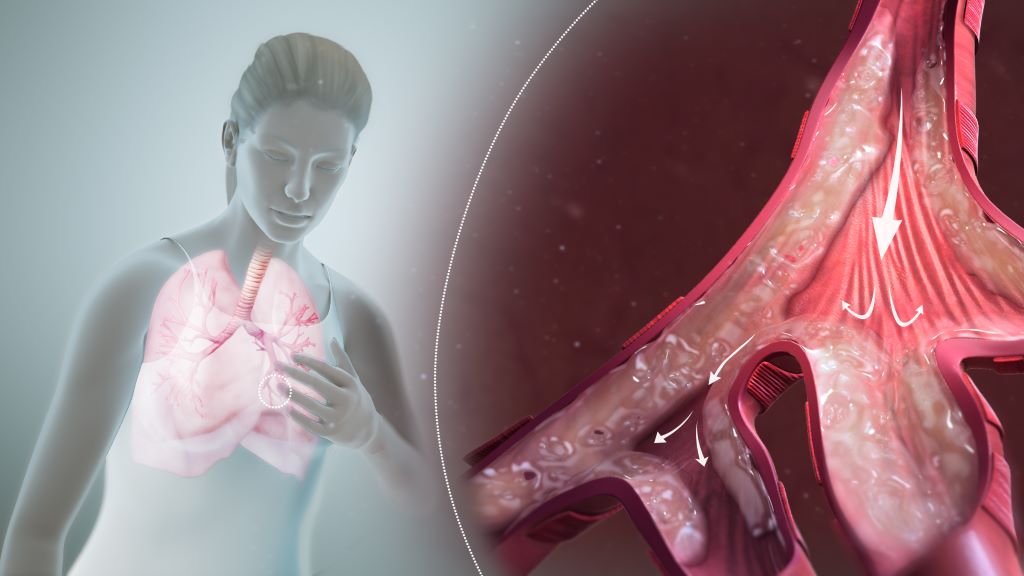
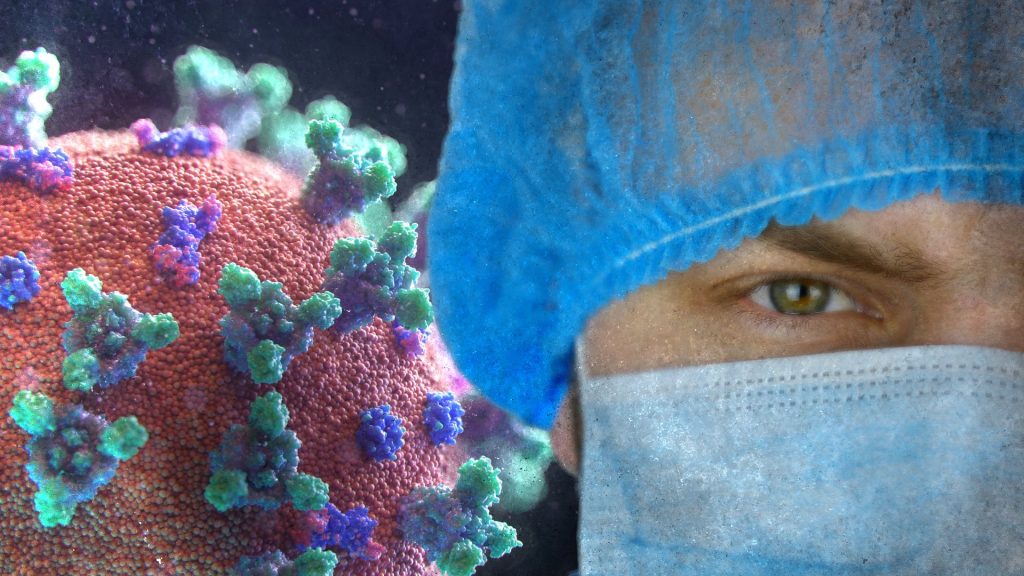
People who have had COVID are at increased risk of developing certain inflammatory diseases of the airways, such as asthma, hay fever and chronic sinusitis. However, vaccination against the SARS-CoV-2 virus appears to reduce the risk, according to a comprehensive epidemiological study led by researchers at Karolinska Institutet.
The international research team used an electronic health database in the United States, TriNetX, to investigate the link between COVID and so-called type-2 inflammatory diseases, a group of chronic conditions in which the immune system overreacts to allergens or infections.
The researchers compared 973 794 people who had had COVID with 691 270 people who had been vaccinated against the SARS-CoV-2 virus and 4 388 409 healthy controls with no documented infection or vaccination.
Inflammation in the airways
The results are presented in The Journal of Allergy and Clinical Immunology. People who had had COVID had a 66% higher risk of developing asthma, a 74% higher risk of chronic sinusitis and a 27% higher risk of hay fever compared with healthy controls. However, no increased risk was seen for the skin disease atopic eczema or for eosinophilic oesophagitis, an inflammation of the oesophagus.
“Our results suggest that COVID-19 can trigger type-2 inflammation in the airways, but not in other organs,” says Philip Curman, a physician and researcher at the Department of Medical Epidemiology and Biostatistics at Karolinska Institutet, Sweden, who led the research.
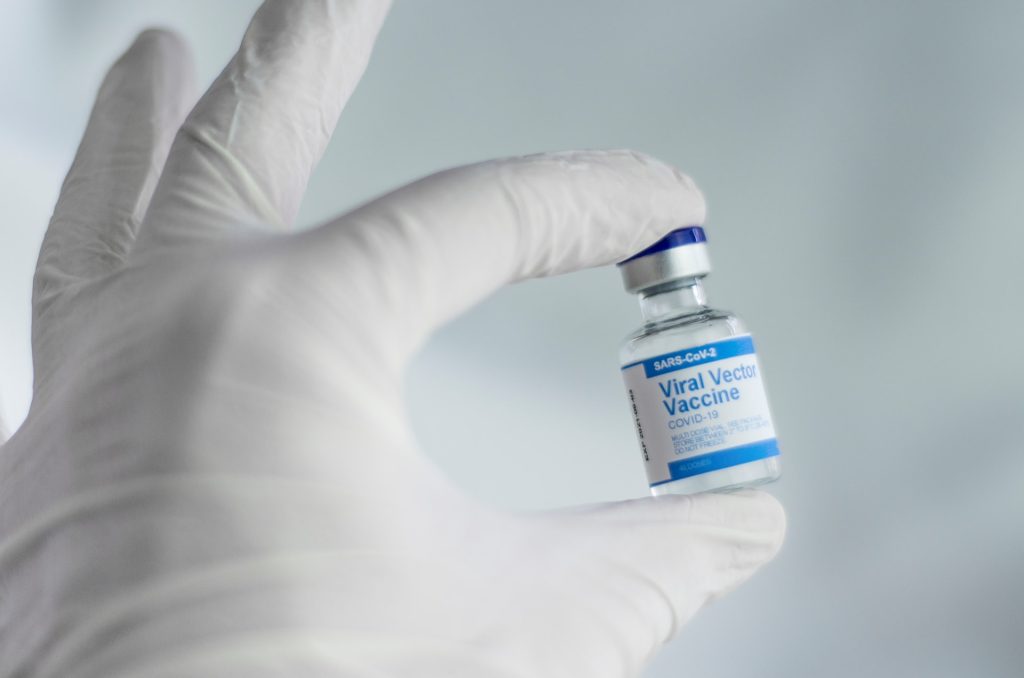
Vaccination against the virus had the opposite effect. The risk of asthma was 32% lower among vaccinated individuals compared with healthy unvaccinated individuals. The risk of sinusitis and hay fever was also slightly lower.
More than twice the risk
When people who had had COVID were compared with vaccinated individuals, an even clearer effect was seen. Infected individuals had more than twice the risk of developing asthma or chronic sinusitis and a 40% higher risk of developing hay fever compared with those who had been vaccinated.
“It is interesting to see that vaccination not only protects against the infection itself, but also appears to provide good protection against certain respiratory complications,” says Philip Curman.
The study is retrospective, i.e. based on data that has already been collected. This means that the researchers cannot draw any firm conclusions about causal links. Another limitation is that some infections may have gone undiagnosed, especially if they were detected through self-testing.
The research was conducted in close collaboration with the University of Lübeck and the Lübeck Institute of Experimental Dermatology in Germany, the Technical University of Madrid in Spain and Bar-Ilan University in Israel. It was mainly funded by the German Research Foundation (Deutsche Forschungsgemeinschaft), Region Stockholm and Karolinska Institutet. Two researchers received travel grants from TriNetX, which provides the database used in the study, and one of the authors is employed by the company.
Thanks to vaccinations against SARS-CoV-2 in the period 2020-2024, 2.533 million deaths were prevented at the global level, one death was avoided for every 5400 doses of vaccine administered. The 82% of the lives saved by vaccines involved people vaccinated before encountering the virus, 57% during the Omicron period, and 90% involved people aged 60 years and older. In all, vaccines have saved 14.8 million years of life (one year of life saved for 900 doses of vaccine administered).
These are some of the data released in an unprecedented study published in the journal Jama Health Forum and coordinated by Prof Stefania Boccia, Professor of General and Applied Hygiene at Università Cattolica, with contributions from Dr Angelo Maria Pezzullo, Researcher in General and Applied Hygiene, and D. Antonio Cristiano, a medical resident in Hygiene and Preventive Medicine. The two researchers spent a period at Stanford University, collaborating directly with the group of Professor John P.A. Ioannidis, director of the Meta-Research Innovation Center (METRICS), in the context of the project “European network staff eXchange for integrAting precision health in the health Care sysTems- ExACT” funded by the European Research Excellence Programme RISE project-Marie Slodowska Curie and coordinated by Professor Stefania Boccia.
Professor Boccia and Dr Pezzullo explain: “Before ours, several studies tried to estimate lives saved by vaccines with different models and in different periods or parts of the world, but this one is the most comprehensive because it is based on worldwide data, it also covers the Omicron period, it also calculates the number of years of life that was saved, and it is based on fewer assumptions about the pandemic trend.”
The experts studied worldwide population data, applying a series of statistical methods to figure out who among the people who became ill with COVID did either before or after getting vaccinated, before or after Omicron period, and how many of them died (and at what age). ‘We compared this data with the estimated data modeled in the absence of COVID vaccination and were then able to calculate the numbers of people who were saved by COVID vaccines and the years of life gained as a result of them,’ Dr Pezzullo explains.
It also turned out that most of the saved years of life (76%) involved people over 60 years of age, but residents in long-term care facilities contributed only with 2% of the total number. Children and adolescents (0.01% of lives saved and 0.1% of life years saved) and young adults aged 20-29 (0.07% of lives saved and 0.3% of life years saved) contributed very little to the total benefit.
Professor Boccia concludes: ‘These estimates are substantially more conservative than previous calculations that focused mainly on the first year of vaccination, but clearly demonstrate an important overall benefit from COVID-19 vaccination over the period 2020-2024. Most of the benefits, in terms of lives and life-years saved, have been secured for a portion of the global population who is typically more fragile, the elderly’.
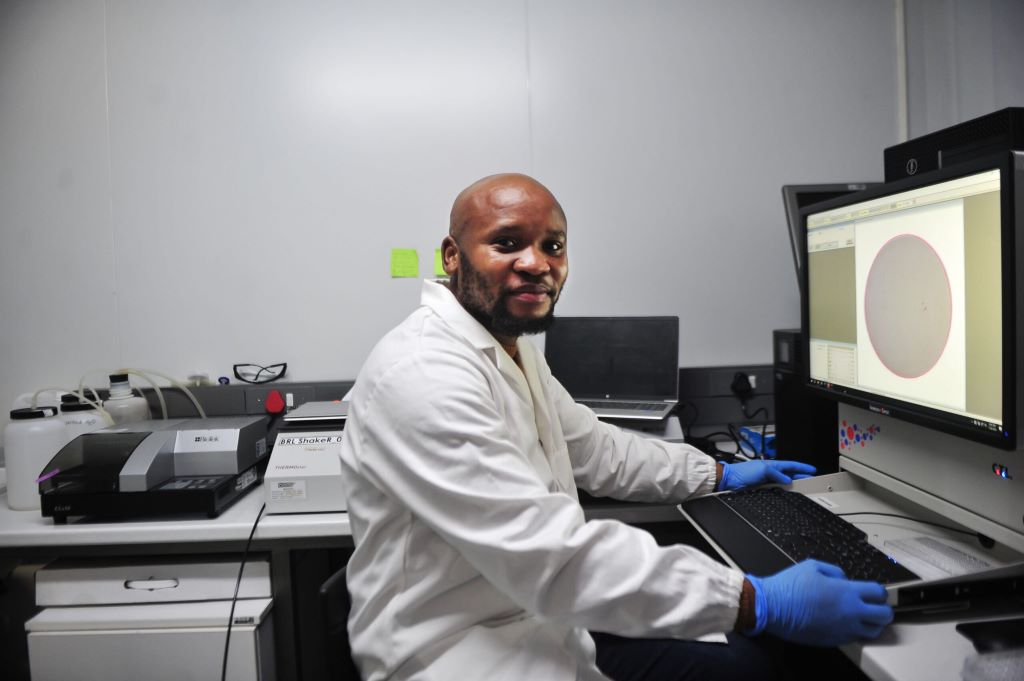
During South Africa’s COVID-19 hard lockdown, Dr Sandile Cele became the first to successfully grow the beta variant of SARS-CoV-2 in the lab. PHOTO: Rosetta Msimango/Spotlight
In a Durban laboratory in 2020, there was dancing and scientists jumping with joy when Dr Sandile Cele realised they had finally successfully “grown” the SARS-CoV-2 Beta variant. It was the holiday season and Cele and a few colleagues had sacrificed their Christmas to continue research at an otherwise deserted laboratory.
The Beta variant (501Y.V2) was first detected in the Eastern Cape in October 2020 and was announced to the public on 18 December that year.
“It was December 2020 and Tulio [Professor Tulio de Oliveira] had just flagged the beta variant and we had been struggling trying to grow it, really struggling for about two weeks,” says Cele. “But then as a scientist, you have to think outside the box and eventually it [the virus] did catch on. I was with Professor Alex Sigal that day in the laboratory. We were so excited. There was a lot of dancing in the lab, jumping up and down…”
The 35-year-old’s work on the Beta and Omicron variants helped propel South Africa to the forefront of COVID-19 research. Cele is the scientist credited with growing both Beta and Omicron in record time as the world reeled under lockdown pressure. Last year, he was awarded a special ministerial Batho Pele excellence award for his contribution to COVID-19 research in South Africa.
The moment of greatest fulfilment
Speaking to Spotlight, Cele says growing the beta variant was the moment of greatest fulfilment in his career so far.
“It was just a crazy, crazy moment. Like, you know when you are with your superior, usually you meet on a basis of respect. I mean, you talk seriously. They ask a question, you answer, and so on. But [at] that moment, all that got thrown out the window. We were celebrating. So yes, it was really special.”
At the time, they were leaping with joy inside PPE (personal protective equipment), including specialised masks, double gloves, plastic sleeves, and boots. Cele points out that due to all the safety measures in place, infection risk was smaller in their lab than at an average mall.
He was working inside a state-of-the-art biosafety level 3 (BSL-3) laboratory at the Africa Health Research Institute (AHRI). The laboratory is on the third floor of the University of KwaZulu-Natal’s medicine building. In the same eight-storey glass and face brick building, on the first floor, de Oliveira had been studying virus samples for genetic clues at KRISP, the KwaZulu-Natal Research and Innovation Sequencing Platform, from where the discovery of Beta and Omicron was first announced.
How he did it – growing the beta variant
Cele explains that viruses are isolated or “outgrown” by infecting cells in the laboratory, using swab samples from infected individuals.
“Growing a virus simply means isolating it from an infected host (humans) and making more of it in the lab for research purposes,” Cele explains. “You cannot study a virus within an infected person, especially a new virus. You need to have it in the lab for identification and clarification. Usually, you get small quantities from an infected person, thus you have to expand or grow – or make more of it – for research.”
Photo by Shvets Production on Pexels
However, the beta variant had not responded like previous SARS-CoV-2 variants. At the time, Cele found a creative solution using both human and monkey cell lines. First, he infected human cell lines with the beta variant, incubating the assay for four days. Then he used the infected human cell lines to infect monkey cell lines, which successfully lead to production of the virus.
Their moment of triumph arrived when they noticed the monkey cell lines starting to die, meaning that the virus was growing. The isolated virus could then be used in the laboratory to run experiments, like testing vaccine efficacy.
“Looking at the cells under the microscope, you can see them starting to die,” he says. “That they’re not happy. That they have been infected, which then obviously needed to be confirmed.”
While Cele’s Durban mentors – de Oliveira and Sigal – kept the public abreast of research developments, the young scientist kept his head down, pouring over his microscopes. “The world was going crazy, everything was crazy, but I had work to do,” he says.
‘a rising star’
During the interview, Cele readily shares anecdotes and laughs often.
From Ndwedwe, a rural area forty kilometres north of Durban, Cele joined Sigal’s laboratory team at the AHRI in 2014, where he studied HIV drug resistance and later COVID-19. His PhD obtained from UKZN in 2021, focused specifically on understanding the beta variant and its escape from antibodies.
“Actually, Professor Alex Sigal really took a chance on me,” he says. “Because on that post for a laboratory technologist, they stipulated that they wanted someone with three years experience. And I had only been doing my internship [at the Technology Innovation Agency] for eight months.”
But Sigal’s faith paid off, and he subsequently praised Cele in national press interviews on COVID-19. “Sandile is a rising star who spent all his holidays in a laboratory,” Sigal told journalists in January 2021.
Last year, the Bill and Melinda Gates Foundation invited Cele to present his findings at the Grand Challenges Annual Meeting in Brussels. This was his first time abroad. “It was my first time traveling outside South Africa and my first time talking in front of so many people. I presented my go-to talk – based on a paper I did on COVID-infection and HIV – and it went well,” he says.
Earlier this year, Cele was named one of Mail & Guardian’s 200 trailblazing young South Africans in the technology and innovation category. At the time, he could not attend the gala event as he was at the University of Nairobi in Kenya for training relating to a project involving HIV research for the Aurum Institute. Cele started a new job at the Aurum Institute in Johannesburg in March.
Over Zoom, Cele is speaking from his new home in Johannesburg. He is wearing a fluffy blue robe over his clothes, laughing as he says how cold Johannesburg is coming from Durban.
A sudden death
In Ndwedwe, Cele was one of ten boys born to his father, who was away from home often for work. Describing his mother as “a busy lady”, Cele says she was the one who shaped his young everyday life. Growing up in a mud hut without electricity and running water, he recalls how his mother would get up early every morning to prepare vetkoek, which she sold at a local school, and to boil water so her children could have a bath before leaving for school.
In the afternoons, he would look after his father’s goats and play soccer. He says that as a child he preferred herding goats to cows, as goats grazed for only about five hours, whereas cows took all day to eat their fill. From Grade 9 on, he attended school in Durban, at Overport Secondary School.
A childhood memory that inspired him? “Before my mother died, she sat us down and said one day I will be gone and I want you to know there are no shortcuts in life. Work hard and look after one another and you will be okay.”
His mother’s death was sudden, following complications from minor surgery.
“Like, I came back from school on a Friday only to find my father wasn’t around and had left a note… On the Saturday morning, I found out my mother had passed. And I think she went for, I don’t know, an operation or something. But as a kid, I guess they didn’t tell us because they thought it was something minor; that she would get operated [on], then go back home. I’m not really sure what happened. So, yes, it was a sudden death.”
The year after his mother died, Cele’s matric marks suffered. He says his final grade 12 marks had been 48% for maths, 53% for physics, and 66% for biology.
“I wasn’t really studying, I couldn’t really concentrate,” he says. “There was a lot going on when I was doing my matric. My mother passing away… and also the move from a rural school to the city where we were taught in English, everything in English.”
Cele came to study biology quite at random. He applied to study at UKZN only in October of his matric year – with admissions to most of the university’s courses having closed the previous month. He picked one of the last remaining options, which had been biology.
Soon, the young student started excelling. Cele obtained his BSc Biomedical Sciences degree with a Dean’s commendation and his Honours in Medical Microbiology, summa cum laude. He completed his Masters in Biochemistry with an upper-class pass.
To the Mail and Guardian, he shared advice he would give to his younger self: “Do not be afraid, you are a force to be reckoned with.”
Cele’s driving passion is to advance public healthcare, which he will continue to do at the Aurum Institute – an organisation that amongst others does research into Africa’s tuberculosis and HIV response. Cele has a ten-year-old son who lives in Durban.
Note:The Bill and Melinda Gates Foundation is mentioned in this article. Spotlight receives funding from the foundation, but is editorially independent – an independence that the editors guard jealously. Spotlight is a member of the South African Press Council.
Detail from Small’s reprocessed cryo-EM data zooming in on an unoccupied area of the SARS-CoV-2 NiRAN domain. (Courtesy of Campbell lab)
The COVID pandemic illustrated how urgently we need antiviral medications capable of treating coronavirus infections. To aid this effort, researchers quickly homed in on part of SARS-Cov-2’s molecular structure known as the NiRAN domain – an enzyme region essential to viral replication that’s common to many coronaviruses. A drug targeting the NiRAN domain would likely work broadly to shut down a range of these pathogens, potentially treating known diseases like COVID as well as helping to head off future pandemics caused by related viruses.
In 2022, scientists (Yan et. al.) published a structural model describing exactly how this domain works. It should have been a tremendous boon for drug developers.
But the model was wrong.
“Their work contains critical errors,” says Gabriel Small, a graduate fellow in the laboratories of Seth A. Darst and Elizabeth Campbell at Rockefeller. “The data does not support their conclusions.”
Now, in a new study published in Cell, Small and colleagues demonstrate exactly why scientists still don’t know how the NiRAN domain works. The findings could have sweeping implications for drug developers already working to design antivirals based on flawed assumptions, and underscore the importance of rigorous validation.
“It is absolutely important that structures be accurate for medicinal chemistry, especially when we’re talking about a critical target for antivirals that is the subject of such intense interest in industry,” says Campbell, head of the Laboratory of Molecular Pathogenesis. “We hope that our work will prevent developers from futilely trying to optimise a drug around an incorrect structure.”
A promising lead
By the time the original paper was published in Cell, the Campbell and Darst labs were already quite familiar with the NiRAN domain and its importance as a therapeutic target. Both laboratories study gene expression in pathogens, and their work on SARS-CoV-2 focuses in part on characterizing the molecular interactions that coordinate viral replication.
The NiRAN domain is essential for helping SARS-CoV-2 and other coronaviruses cap their RNA, a step that allows these viruses to replicate and survive. In one version of this process, the NiRAN domain uses a molecule called GDP to attach a protective cap to the beginning of the virus’s RNA. Small previously described that process in detail, and its structure is considered solved. But the NiRAN domain can also use a related molecule, GTP, to form a protective cap. Determined to develop antivirals that comprehensively shut down the NiRAN domain, scientists were keen to discover the particulars of the latter GTP-related mechanism.
In the 2022 paper, researchers described a chain of chemical steps, beginning with a water molecule breaking a bond to release the RNA’s 5′ phosphate end. That end then attaches to the beta-phosphate end of the GTP molecule, which removes another phosphate and, with the help of a magnesium ion, transfers the remaining portion of the GTP molecule to the RNA, forming a protective cap that allows the virus to replicate and thrive.
The team’s evidence? A cryo-electron microscopy image that showed the process caught in action. To freeze this catalytic intermediate, the team used a GTP mimic called GMPPNP.
Small read the paper with interest. “As soon as they published, I went to download their data,” he says. It wasn’t there. This raised a red flag—data is generally available upon release of a structural biology paper. Months later, however, when Small was finally able to access the data, he began to uncover significant flaws. “I tried to make a figure using their data, and realized that there were serious issues,” he says. Small brought his concerns to Campbell and Darst.
They agreed. “Something was clearly wrong,” Campbell says. “But we decided to give the other team the benefit of the doubt, and reprocess all of their data ourselves.”
An uphill battle
It was painstaking work, with Small leading the charge. Working frame by frame, he compared the published atomic model to the actual cryo-EM map and found something striking: the key molecules that Yan and colleagues claimed to have seen, specifically, the GTP mimic GMPPNP and a magnesium ion in the NiRAN domain’s active site, simply were not there.
Not only was there no supporting image data, but the placement of these molecules in the original model also violated basic rules of chemistry, causing severe atomic clashes and unrealistic charge interactions. Small ran additional tests, but even advanced methods designed to pick out rare particles turned up empty. He could find no evidence to support the model previously produced by Yan and colleagues.
Once the Rockefeller researchers validated their results, they submitted their findings to Cell. “It was very important that we publish our corrective manuscript in the same journal that published the original model,” Campbell says, noting that corrections to high-profile papers are often overlooked when published in lower tier journals.
Otherwise, this confusion in the field could cause problems that reach far beyond the lab bench, Campbell adds – a costly reminder that rigorous basic biomedical research is not just academic, but essential to real-world progress. “Companies keep their cards close to their chests, but we know that several industry groups are studying this,” she says. “Efforts based on a flawed structural model could result in years of wasted time and resources.”
COVID-19 has largely dropped out of the headlines, but the virus that causes it is still circulating. We ask what we should know about a new variant of SARS-CoV-2, the state of the COVID-19 pandemic in 2025, and the lack of access to updated vaccines in South Africa.
In the leafy Johannesburg suburb of Sandringham, the National Institute for Communicable Diseases (NICD) bears a deceptive facade. Do not be fooled by its sleepy campus, clustered face brick buildings and shade-cloth parking, this government facility is home to state-of-the-art biosafety laboratories and some of South Africa’s top virologists, microbiologists and epidemiologists. Here, 71 scientists are tasked daily with laboratory-based disease surveillance to protect the country from pathogen outbreak events.
On 5 March 2020, then health minister Dr Zweli Mkhize announced South Africa’s first COVID‑19 infection at an NICD press briefing. At the time, the NICD was an obscure acronym for many – but that quickly changed as the institution became central to the country’s pandemic response.
While the COVID-19 pandemic may have waned, the NICD hasn’t stopped monitoring.
That is because there remains a global public health risk associated with COVID-19. The World Health Organization (WHO) states: “There has been evidence of decreasing impact on human health throughout 2023 and 2024 compared to 2020-2023, driven mainly by: 1) high levels of population immunity, achieved through infection, vaccination, or both; 2) similar virulence of currently circulating JN.1 sublineages of the SARS-CoV-2 virus as compared with previously circulating Omicron sublineages; and 3) the availability of diagnostic tests and improved clinical case management. SARS-CoV-2 circulation nevertheless continues at considerable levels in many areas, as indicated in regional trends, without any established seasonality and with unpredictable evolutionary patterns.”
Thus, while SARS-CoV-2 is still circulating, it is clearly not making remotely as many people ill or claiming nearly as many lives as it did four years ago. Asked about this, Foster Mohale, spokesperson for the National Department of Health, says “there are no reports of people getting severely sick and dying due to COVID-19 in South Africa at the current moment”.
‘Variant under monitoring’
As SARS-CoV-2 circulates, it continues to mutate. The WHO recently designated variant NB.1.8.1 as a new variant under monitoring. There is however no reason for alarm. Professor Anne von Gottberg, laboratory head at the NICD’s Centre for Respiratory Diseases and Meningitis, tells Spotlight that NB.1.8.1 is not a cause for panic, particularly not in South Africa.
Von Gottberg says no cases of the new variant has been detected in South Africa. She refers to her unit’s latest surveillance of respiratory pathogens report for the week of 2 to 8 June 2025. It states that out of 189 samples tested, 41 (21.7%) cases were influenza, another 41 (21.7%) cases were respiratory syncytial virus (RSV), and three (1.6%) cases were earlier strains of SARS-CoV-2.
These figures suggest much greater circulation of influenza and RSV in South Africa than SARS-CoV-2. Over the past six months, 3 258 samples were tested, revealing 349 (10.7%) cases of influenza, 530 (16.3%) cases of RSV, and 106 (3.3%) cases of SARS-CoV-2. Since most people who become sick because of these viruses are not tested, these figures do not paint the whole picture of what is happening in the country.
As of 23 May 2025, the WHO considered the public health risk of NB.1.8.1 to be “low at the global level”, with 518 iterations of the variant submitted from 22 countries, mainly around Asia and the Pacific islands.
The WHO report states: “NB.1.8.1 exhibits only marginal additional immune evasion over LP.8.1 [first detected in July 2024]. While there are reported increases in cases and hospitalisations in some of the WPR [Western Pacific Region] countries, which has the highest proportion of NB.1.8.1, there are no reports to suggest that the associated disease severity is higher as compared to other circulating variants. The available evidence on NB.1.8.1 does not suggest additional public health risks relative to the other currently circulating Omicron descendent lineages.”
Combating misinformation
Von Gottberg says that the NICD plays a critical public health communication role in combating misinformation and warns against alarmist and inaccurate online depictions of NB.1.8.1, the Omicron-descendent lineage dubbed “Nimbus” by some commentators.
“There’s fake news about NB.1.8.1 going around on social media,” she says. “For example, supposed symptoms. I have been trying to look for articles and have not seen anything from [reliable sources],” she says. “In fact, there is no information about whether there are any differences in symptoms, because there are so few cases and it is not causing more severe disease.”
Von Gottberg implores members of the public to check information sources. “We try hard – and the Department of Health does the same – to put media releases out so that accurate information is shared. What we ask is that all our clients, the public, verify information before they start retweeting or resending.”
COVID-19 vaccines in South Africa
The WHO recommends that countries ensure continued equitable access to and uptake of COVID-19 vaccines. They also note that the currently approved COVID-19 vaccines are expected to remain effective against the new variant. But contrary to WHO advice, newer COVID-19 vaccines are not available in South Africa and continued access to older vaccination seems to have ceased. When Spotlight called two branches of two different major pharmacy retailers in Cape Town asking for available COVID-19 vaccines, the answer at both was that they have none.
Several recently approved COVID-19 vaccines are being used in other countries but are not available in South Africa. These include Moderna’s updated mRNA boosters, approved in the United States and parts of Europe, Novavax’s Nuvaxovid vaccine, approved in the United States, and Arcturus Therapeutics’s self-amplifying mRNA vaccine Zapomeran, approved in Europe. Self-amplifying mRNA vaccines has the additional capacity to induce longer lasting immune responses by replicating the spike-proteins of SARS-CoV-2.
None of these vaccines are under review for registration in South Africa, according to the South African Health Products Regulatory Authority (SAHPRA). Vaccines may not be made available in the country without the green light from SAHPRA. “It may be advisable to contact the owners of the vaccines to obtain clarity on whether they intend to submit for registration,” says SAHPRA spokesperson Yuven Gounden.
Spotlight on Friday sent questions to Moderna, Novavax, and Arcturus, asking whether they plan to submit their vaccines for registration with SAHPRA, and if not, why not. None of the companies responded by the time of publication.
Von Gottberg explains that vaccines can only become available in South Africa if their manufacturers submit them to SAHPRA for approval. “So, if a vaccine provider, a vaccine manufacturer, does not want to sell in our country because they do not see it as a lucrative market, they may not even put it forward for regulation so that it can be made available.”
Professor of Vaccinology at the University of the Witwatersrand, Shabir Madhi, says the major concern with the lack of licensed SARS-CoV-2 vaccines in South Africa is that “high-risk individuals remain susceptible to severe COVID-19, as there is waning of immunity”.
“High-risk individuals should receive a booster dose every 6-12 months, preferably with the vaccine that is updated against current or most recent variants,” he says.
Von Gottberg has similar concerns. “My hope as a public health professional is that these vaccine manufacturers take us seriously as a market in South Africa and in Africa, very importantly, and put these vaccines and products through our regulatory authorities so that they can be made available both in the public and in the private sector for all individuals who are at risk and should be receiving these vaccines,” she says.
Gounden notes that should a public health need arise, “SAHPRA is ready to respond in terms of emergency use approval.”
Concerns over vaccine expert dismissals in the United States
Earlier this month in the United States, Health and Human Services (HHS) Secretary Robert F. Kennedy Jr. fired all 17 members of the Advisory Committee on Immunisation Practices (ACIP) – an expert body responsible for recommending vaccines for 60 years. He then appointed eight new members, some known for vaccine skepticism.
Commenting on this, Von Gottberg says: “I am hoping there will be those who will think about what he [Kennedy] is doing and question it. It is an unusual situation in the United States, you cannot call it business as usual.”
In an article published in the Journal of the American Medical Association, former ACIP members voice grave concerns over the dismissals. “Vaccines are one of the greatest global public health achievements. Vaccine recommendations have been critical to the global eradication of smallpox and the elimination of polio, measles, rubella, and congenital rubella syndrome in the US. They have also dramatically decreased cases of hepatitis, meningitis, mumps, pertussis (whooping cough), pneumonia, tetanus, and varicella (chickenpox), and prevented cancers caused by hepatitis B virus and human papilloma viruses. Recent scientific advancements enabled the accelerated development, production, and evaluation of COVID-19 vaccines…,” they write.
The article also questioned the announcement by Kennedy Jr. on X that he had signed a directive to withdraw the recommendation for COVID-19 vaccination in healthy children and healthy pregnant people.
“[R]ecent changes to COVID-19 vaccine policy, made directly by the HHS secretary and released on social media, appear to have bypassed the standard, transparent and evidence-based review process. Such actions reflect a troubling dis-regard for the scientific integrity that has historically guided US immunisation strategy,” the authors warn.
Von Gottberg adds: “We hope that this anti-vax, the denialism of vaccines and the good they do, won’t come to South Africa.”
In addition, she cautions public healthcare professionals to take heed of this discourse. “We must take seriously that people have questions, and that they want to see us doing things correctly, transparently, always telling people of our conflicts of interest, being very upfront when things are controversial, when it’s difficult to make decisions,” she says. “So I think what this teaches us is not to be complacent in the way we talk and write about vaccines, discuss vaccines, and we must take our clients, the public out there seriously and hear their voices, listen to their questions.”
A new study from researchers at the George Washington University has found that certain bacteria living in the nose may influence how likely someone is to get a COVID-19 infection. Published in EBioMedicine, the research reveals that certain types of nasal bacteria can affect the levels of key proteins the virus needs to enter human cells, offering new insight into why some people are more vulnerable to COVID-19 than others.
“We’ve known that the virus SARS-CoV-2 enters the body through the respiratory tract, with the nose being a key entry point. What’s new – and surprising – is that bacteria in our noses can influence the levels of proteins that the virus uses to infect cells,” said Cindy Liu, associate professor of environmental and occupational health at the GW Milken Institute School of Public Health.
In the study, Liu and her team analysed nasal swab samples from over 450 people, including some who later tested positive for COVID-19. They found that those who became infected had higher levels of gene expression for two key proteins: ACE2 and TMPRSS2. ACE2 allows the virus to enter nasal cells, while TMPRSS2 helps activate the virus by cleaving its spike protein.
Those with high expression for these proteins were more than three times as likely to test positive for COVID-19, while those with moderate levels had double the risk. The study also found that people who became infected had more unstable levels of gene expression, with the sharpest increases just days before testing positive, suggesting rising expression levels may signal increased vulnerability to the virus.
Notably, while women generally had higher gene expression levels of these proteins – consistent with previous studies showing higher COVID-19 infection rates in women – men with higher levels were more likely to get infected, indicating elevated protein levels may present a greater risk for men.
Nasal Bacteria May Play a Role in COVID-19 Risk
To understand what could impact the expression levels of these viral entry proteins, the researchers turned to the nasal microbiome – the diverse community of bacteria that naturally reside in the nose. They found that certain nasal bacteria may affect the expression levels of ACE2 and TMPRSS2, influencing the respiratory tract’s susceptibility to COVID-19.
The study identified three common nasal bacteria – Staphylococcus aureus, Haemophilus influenzae, and Moraxella catarrhalis/nonliquefaciens – that were linked to higher expression levels of ACE2 and TMPRSS2 and increased COVID-19 risk. On the other hand, Dolosigranulum pigrum, another common type of nasal bacteria, was connected to lower levels of these key proteins and may offer some protection against the virus.
“Some bacteria in your nose may be setting the stage – or even holding the door open – for viruses like SARS-CoV-2 to get in,” said Daniel. Park, a senior research scientist at GW and the first author of the study.
While some of the high-risk bacteria were less common, 20% of participants carried enough S. aureus to nearly double their risk for having elevated ACE2 and TMPRSS2 expression, making it a major nasal microbiome risk factor for increasing individuals’ risk for COVID-19 infection.
Why This Matters
The findings offer new potential ways to predict and prevent COVID-19 infection. The study suggests that monitoring ACE2 and TMPRSS2 gene expression could help identify individuals at higher risk for infection. The research also highlights the potential of targeting the nasal microbiome to help prevent viral infections.
“We’re only beginning to understand the complex relationship between the nasal microbiome and our health,” said Liu. “This study suggests that the bacteria in our nose – and how they interact with the cells and immune system in our nasal cavity – could play an important role in determining our risk for respiratory infections like COVID-19.”
The team plans to explore whether modifying the nasal microbiome, such as through nasal sprays or live biotherapeutics, could reduce the risk of infection – potentially paving the way for new ways to prevent respiratory viral infections in future pandemics.
SARS-COV-2 has been very good at mutating to keep infecting people – so good that most antibody treatments developed during the pandemic are no longer effective. Now a team led by Stanford University researchers may have found a way to pin down the constantly evolving virus and develop longer-lasting treatments.
The researchers discovered a method to use two antibodies, one to serve as a type of anchor by attaching to an area of the virus that does not change very much and another to inhibit the virus’s ability to infect cells. This pairing of antibodies was shown to be effective against the initial SARS-CoV-2 virus that caused the pandemic and all its variants through omicron in laboratory testing. The findings are detailed in the journal Science Translational Medicine.
“In the face of an ever-changing virus, we engineered a new generation of therapeutics that have the ability to be resistant to viral evolution, which could be useful many years down the road for the treatment of people infected with SARS-CoV-2,” said Christopher O. Barnes, the study’s senior author, an assistant professor of biology.
An overlooked option
The team led by Barnes and first author Adonis Rubio, a doctoral candidate in the Stanford School of Medicine, conducted this investigation using donated antibodies from patients who had recovered from COVID-19. Analysing how these antibodies interacted with the virus, they found one that attaches to a region of the virus that does not mutate often.
This area, within the Spike N-terminal domain, or NTD, had been overlooked because it was not directly useful for treatment. However, when a specific antibody attaches to this area, it remains stuck to the virus. This is useful when designing new therapies that enable another type of antibody to get a foothold and attach to the receptor-binding domain, or RBD, of the virus, essentially blocking the virus from binding to receptors in human cells.
An illustration of the bispecific antibodies the Stanford-led research team developed to neutralise the virus that causes COVID-19. Named “CoV2-biRN,” these two antibodies work together by attaching to different areas of the virus.The bispecific antibodies target two areas of the virus: One attaches to the “NTD,” or Spike N-terminal domain, an area on the virus that does not change very much. This allows the second antibody to attach to the “RBD,” or receptor-binding domain, essentially preventing the virus from infecting human cells. | Christopher O. Barnes and Adonis Rubio using Biorender stock images
The researchers designed a series of these dual or “bispecific” antibodies, called CoV2-biRN, and in laboratory tests they showed high neutralisation of all the variants of SARS-CoV-2 known to cause illness in humans. The antibodies also significantly reduced the viral load in the lungs of mice exposed to one version of the omicron variant.
More research, including clinical trials, would have to be done before this discovery could be used as a treatment in human patients, but the approach is promising – and not just for the virus that causes COVID-19.
Next, the researchers will work to design bispecific antibodies that would be effective against all coronaviruses, the virus family including the ones that cause the common cold, MERS, and COVID-19. This approach could potentially also be effective against influenza and HIV, the authors said.
“Viruses constantly evolve to maintain the ability to infect the population,” Barnes said. “To counter this, the antibodies we develop must continuously evolve as well to remain effective.”
Researchers following nearly 1000 people with post-COVID-19 syndrome found few changes to their symptoms in the second year of illness
Photo by Usman Yousaf on Unsplash
Two-thirds of people with post-COVID-19 syndrome have persistent, objective symptoms – including reduced physical exercise capacity and reduced cognitive test performances – for a year or more, with no major changes in symptom clusters during the second year of their illness, according to a new study published January 23rd in the open-access journal PLOS Medicineby Winfried Kern of Freiburg University, Germany, and colleagues.
Self-reported health problems following SARS-CoV-2 infection have commonly been described and may persist for months. However, the long-term prognosis of post-COVID-19 syndrome (PCS) is unknown.
In the new study, researchers studied 982 people aged 18 to 65 who had previously been identified as having PCS, as well as 576 controls. All participants visited one of several university health centers in southwestern Germany for comprehensive assessments, including neurocognitive, cardiopulmonary exercise, and laboratory testing.
The predominant symptom clusters among people with PCS were fatigue/exhaustion, neurocognitive disturbances, chest symptoms/breathlessness, and anxiety/depression/sleep problems. Nearly 68% of people who originally reported PCS still struggled with symptoms in the second year. Exercise intolerance with post-exertional malaise was reported by 35.6% of people with persistent PCS, and these people had worse outcomes and more severe symptoms. People with lower educational attainment, obesity, or more severe illness during the initial COVID-19 infection were also at higher risk of prolonged symptoms.
When they looked at objective measures of health and cognition, the team found that people with persistent PCS had significant reductions in handgrip strength, maximal oxygen consumption, and ventilatory efficiency. Patients with persistent PCS and post-exertional malaise scored lower than control patients on cognitive tests measuring memory, attention, and processing speed; however, the researchers point out that they had no data on cognition before acute COVID-19 infection. The team was not able to identify differences in cardiac function or laboratory values, including tests of viral persistence.
“The results call for the inclusion of cognitive and exercise testing in the clinical evaluation and monitoring of patients with suspected PCS,” the authors say. “Observational studies with longer follow-up are urgently needed to evaluate factors for improvement and non-recovery from PCS.”
The authors add, “Grave symptoms with mental and physical exercise dysfunction, but no laboratory markers in Long Covid/post-Covid syndrome.”
A fascinating new study, published in the Journal of Clinical Investigation, has revealed an unexpected potential benefit of severe COVID infection: it may help shrink cancer.
This surprising finding, based on research conducted in mice, opens up new possibilities for cancer treatment and sheds light on the complex interactions between the immune system and cancer cells – but it certainly doesn’t mean people should actively try to catch COVID.
The data outlining the importance of the immune system in cancer is considerable and many drugs target the immune system, unlocking its potential, an important focus of my own research.
The study here focused on a type of white blood cell called monocytes. These immune cells play a crucial role in the body’s defence against infections and other threats. However, in cancer patients, monocytes can sometimes be hijacked by tumour cells and transformed into cancer-friendly cells that protect the tumour from the immune system.
What the researchers discovered was that severe COVID infection causes the body to produce a special type of monocyte with unique anti-cancer properties. These “induced” monocytes are specifically trained to target the virus, but they also retain the ability to fight cancer cells.
To understand how this works, we need to look at the genetic material of the virus that causes COVID. The researchers found that these induced monocytes have a special receptor that binds well to a specific sequence of COVID RNA. Ankit Bharat, one of the scientists involved in this work from Northwestern University in Chicago explained this relationship using a lock-and-key analogy: “If the monocyte was a lock, and the COVID RNA was a key, then COVID RNA is the perfect fit.”
Remarkable
To test their theory, the research team conducted experiments on mice with various types of advanced (stage 4) cancers, including melanoma, lung, breast and colon cancer. They gave the mice a drug that mimicked the immune response to a severe COVID infection, inducing the production of these special monocytes. The results were remarkable. The tumours in the mice began to shrink across all four types of cancer studied.
Unlike regular monocytes, which can be converted by tumours into protective cells, these induced monocytes retained their cancer-fighting properties. They were able to migrate to the tumour sites – a feat that most immune cells cannot accomplish – and, once there, they activated natural killer cells. These killer cells then attacked the cancer cells, causing the tumours to shrink.
This mechanism is particularly exciting because it offers a new approach to fighting cancer that doesn’t rely on T cells, which are the focus of many current immunotherapy treatments.
While immunotherapy has shown promise, it only works in about 20% to 40% of cases, often failing when the body can’t produce enough functioning T cells. Indeed it’s thought that the reliance on T cell immunity is a major limitation of current immunotherapy approaches.
This new mechanism, by contrast, offers a way to selectively kill tumours that is independent of T cells, potentially providing a solution for patients who don’t respond to traditional immunotherapy.
It’s important to note that this study was conducted in mice, and clinical trials will be necessary to determine if the same effect occurs in humans.
Maybe aspects of this mechanism could work in humans and against other types of cancer as well, as it disrupts a common pathway that most cancers use to spread throughout the body.
While COVID vaccines are unlikely to trigger this mechanism (as they don’t use the full RNA sequence as the virus), this research opens up possibilities for developing new drugs and vaccines that could stimulate the production of these cancer-fighting monocytes.
Few would have imagined that there’d be an upside to COVID. Photo by Kelly Sikkema on Unsplash
Trained immunity
The implications of this study extend beyond COVID and cancer. It shows how our immune system can be trained by one type of threat to become more effective against another. This concept, known as “trained immunity”, is an exciting area of research that could lead to new approaches for treating a wide range of diseases.
However, it’s crucial again to emphasise that this doesn’t mean people should seek out COVID infection as a way to fight cancer, and this is especially dangerous as I have described. Severe COVID can be life-threatening and has many serious long-term health consequences.
Instead, this research provides valuable insights that could lead to the development of safer, more targeted treatments in the future. As we continue to grapple with the aftermath of the COVID pandemic, new infections and long COVID, studies like this remind us of the importance of basic scientific research.
Even in the face of a global health crisis, researchers are finding ways to advance our understanding of human biology and disease. This work not only helps us combat the immediate threat of COVID, but also paves the way for breakthroughs in treating other serious conditions such as cancer.
While there’s still much work to be done before these findings can be translated into treatments for human patients, this study represents an exciting step forward in our understanding of the complex relationship between viruses, the immune system and cancer. It offers hope for new therapeutic approaches and underscores the often unexpected ways in which scientific discoveries can lead to medical breakthroughs.
While the lockdowns associated with the COVID pandemic led many families to eat more meals at home, they had an additional benefit: an increase in the quality of family time during those dinners, according to research published by the American Psychological Association.
The study, published in the journal Couple and Family Psychology: Research and Practice, found that families who ate together more often during the pandemic also had more positive interactions, shared news and information, and even embraced technology such as videoconferencing to connect with distant family members.
“The predominance of past research on family dinners has focused on frequency as the key predictor of benefits for children and adolescents,” said lead author Anne Fishel, PhD, a clinician and researcher in family therapy at Massachusetts General Hospital. “This study highlights the importance of examining both frequency and quality to understand the full picture of how shared meals can impact families.”
Researchers examined data from a survey of 517 ethnically and socioeconomically diverse parents across the United States, administered in May 2021. Their aim was to investigate changes in family dinner frequency and quality during the COVID pandemic.
Participants were asked about dinner frequency, quality and post-pandemic expectations. The survey included questions about positive and negative interactions, family support and incorporation of the outside world. They were asked questions such as, “During the pandemic, did all or most of the people living in your home eat dinner together less, about the same, or more than compared to before the pandemic?” Participants then provided answers ranging on a scale of 1–5, 1 being “much less” and 5 being “much more.”
Over 60% of respondents reported eating dinner together more often during the pandemic compared with pre-pandemic times. There was also a significant increase in positive interactions (e.g, expressing gratitude, laughing or feeling connected) during family meals.
“Specifically, 56% said they increased talking about their days during dinner, 60% said they increased talking about their identity as a family, 60% said they increased expressing gratitude, 67% said they increased laughing together and 59% said they felt more connected to each other around the dinner table,” said Fishel. This positive association was evident across income levels, education, age, gender and race.
The pandemic introduced new aspects to family dinners, including remote dining with extended family members and more discussions about current events, according to Fishel. Many families turned to videoconferencing to connect with extended family, potentially strengthening a sense of belonging to a larger family unit. Most parents who increased the use of technology for remote dinners during the pandemic reported that they plan to continue this practice as the pandemic subsides.
The researchers also found an increase in families incorporating news and information from the outside world into their dinner conversations, potentially offering a safe space for children to discuss anxieties and questions with their parents.
Overall, this study suggests that the increased frequency of family dinners during the pandemic may have had lasting positive effects on family dynamics, according to Fishel.