Category: COVID

Rapid Blood Assay to Test for COVID Immunity

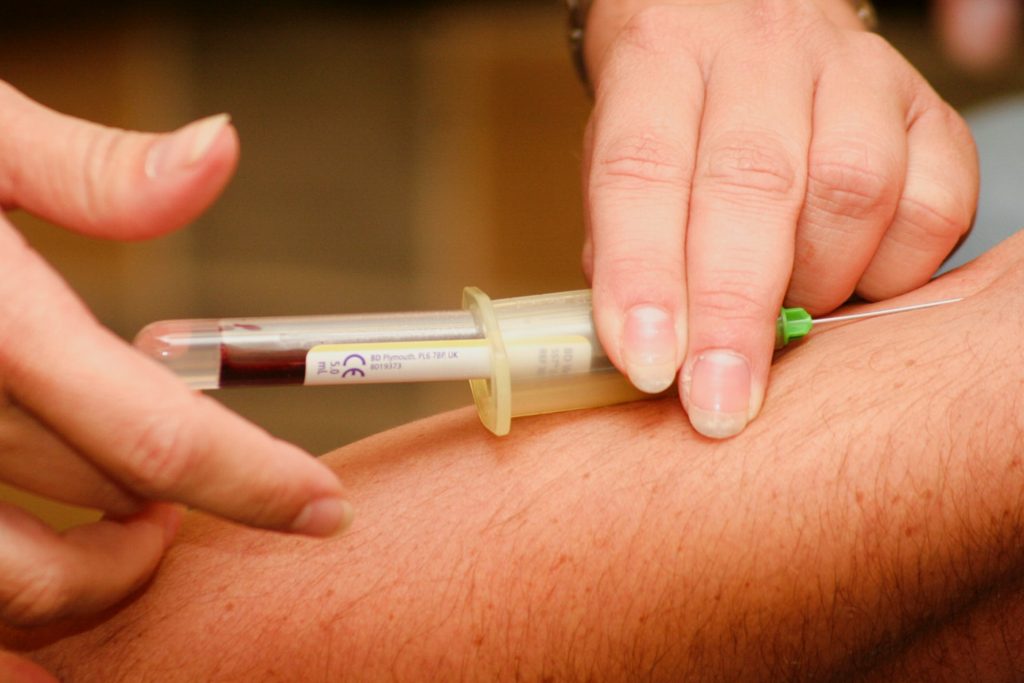
Blood sample being drawn
Photo by Hush Naidoo Jade Photography on Unsplash

Researchers have developed a rapid blood assay that measures the strength and duration of an individual’s immunity to SARS-CoV-2. This test will allow population-scale monitoring immunity and vaccine effectiveness. This will help to design revaccination strategies for vulnerable immunosuppressed individuals, according to a study published by the researchers from Mount Sinai in Nature Biotechnology.

The test, which measures the activation of T cells, is performed in under 24 hours and can be scaled up significantly.

“The assay we have created has the ability to measure the population’s cellular immunity and broadly test the efficacy of novel vaccines,” said one of the study’s senior authors, Ernesto Guccione, PhD, Professor at Mount Sinai. “We know that vulnerable populations don’t always mount an antibody response, so measuring T cell activation is critical to assess the full extent of a person’s immunity. Additionally, the emergence of SARS-CoV-2 variants like Omicron, which evade most of the neutralising ability of antibodies, points to the need for assays that can measure T cells, which are more effective against emerging variants of concern.”

Long-term protection from viral infection is mediated by both antibodies and T cell response. Many recent studies point to the importance of determining T cell function in individuals who have recovered from or been vaccinated against COVID to help design vaccination campaigns. However, before this study, measurement of T cell responses has been rarely performed because of the associated technical challenges.

Researchers optimised qPCR-based assays that had the potential to be globally scalable, sensitive, and accurate tests. They then selected the two assays that offered the most scalability. One, the qTACT assay, was accurate and sensitive but had a relatively longer processing time of 24 hours per 200 blood samples, a moderate price, and a medium level of technical skill. The other, the dqTACT assay, was accurate and had a reduced processing time and cost, and required minimal lab experience, making it easy to implement.

The dqTACT assay has recently received the European CE-IVD (in vitro diagnostics) certification, while U.S. Food and Drug Administration and European Medicines Agency clinical validation is ongoing.

“The assays presented here are based on the ability of SARS-CoV-2 T cells to respond to peptides covering different proteins of the virus,” said another senior author, Jordi Ochando, PhD, Assistant Professor at Mount Sinai. “With the possibility of using different peptide pools, our approach represents a flexible strategy that can be easily implemented to detect the presence of T cells responding to different viral proteins. These T cells have an important role in protection from emerging mutant strains, thus immediately gauging the impact that viral mutations might have on cellular immunity.”

Megan Schwarz, a graduate student at Icahn Mount Sinai and first author of the study, added: “Precise measurement of cellular responses underlying virus protection represents a crucial parameter of our levels of immune defence.”

Source: EurekAlert!

New Vaccines Could Focus on T Cell Response – Without Antibodies

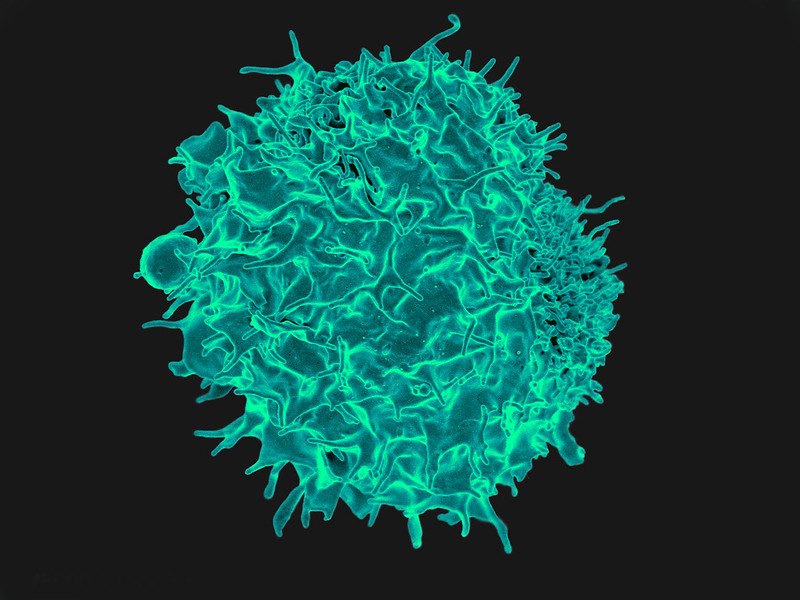
T cell
Scanning Electron Micrograph image of a human T cell. Credit: NIH/NIAID

In a groundbreaking new study, scientists report training T cells to protect against SARS-CoV-2 even without an antibody response. This could open the way to more broadly effective vaccines.

The study’s findings appear in the Proceedings of the National Academy of Sciences.

Current vaccines prompt the creation of antibodies and immune cells that recognise the spike protein. However, these vaccines were developed using the spike protein from an older variant of SARS-CoV-2, reducing their effectiveness against newer variants. Researchers have found that immune cells called T cells tend to recognise parts of SARS-CoV-2 that don’t mutate rapidly. T cells coordinate the immune system’s response and kill cells that have been infected by the SARS-CoV-2 virus.

A vaccine that prompted the body to create more T cells against SARS-CoV-2 could help prevent disease caused by a wide range of variants. To explore this approach, a research team led by Dr Marulasiddappa Suresh from the University of Wisconsin studied two experimental vaccines that included compounds to specifically provoke a strong T-cell response in mice.

The team tested the vaccines’ ability to control infection and prevent severe disease caused by an earlier strain of SARS-CoV-2 as well as by the Beta variant, which is relatively resistant to antibodies raised against earlier strains.

When the researchers vaccinated the mice either either nasally or by injection, the animals developed T cells that could recognise the early SARS-CoV-2 strain and the Beta variant. The vaccines also caused the mice to develop antibodies that could neutralise the early strain. However, they failed to create antibodies that neutralised the Beta variant.

The mice were exposed to SARS-CoV-2 around 3 to 5 months after vaccination. Compared to the controls, vaccinated mice had very low levels of virus in their lungs and were protected against severe illness, which was true of infection with the Beta variant too. This showed that the vaccine provided protection against the Beta variant despite failing to produce effective antibodies against it.

To understand which T cells were providing this protection, the researchers selectively removed different types of T cells in vaccinated mice prior to infection. When they removed CD8 (killer) T cells, vaccinated mice remained well protected against the early strain, although not against the Beta variant. When they blocked CD4 T (helper) cells, levels of both the early strain and Beta variant in the lungs and severity of disease were substantially higher than in vaccinated mice that didn’t have their T cells removed.

These results suggest important roles for CD8 and CD4 T cells in controlling SARS-CoV-2 infection. Current mRNA vaccines do produce some T cells that recognize multiple variants. This may help account for part of the observed protection against severe disease from the Omicron variant. Future vaccines might be designed to specifically enhance this T cell response.

“I see the next generation of vaccines being able to provide immunity to current and future COVID variants by stimulating both broadly-neutralising antibodies and T cell immunity,” Dr Suresh predicted.

Source: National Institutes of Health

Social Distancing in a Shack: Lessons of the Pandemic for SA

Lock with an SA flag

As falling infection rates are beginning to indicate the end of the fifth wave, a paper in the South African Journal of Sciences asks the question – how was it ever feasible for marginalised South Africans to be able to engage in social distancing?

According to a recent seroprevalence study, the vast majority of people in South Africa now have antibodies against COVID in their blood, many acquired through infection and not immunity. The editorial review by Professors Jonathan Jansen and Shabir Madhi, at Stellenbosch University and Wits University, explores the realities of the majority of the population as they struggled under the lockdown.

Just over two years ago, SA garnered praise for instituting one of the harshest lockdowns in the world. In late 2021, while the world panicked over emergence of the Omicron variant, SA led the way with a sharp change in thinking: there was no way now to practically contain COVID with social distancing measures, so it was best to return to as close to normal as possible. This came with an admission that lockdown in SA had failed, and was it doomed from the start with its structural inequalities. SA’s lauded lockdown came with the grotesque spectacle of soldiers forcing people back into their shacks, after all.

Jansen and Madhi considered that a joint UK–SA study found that difficulty adhering to lockdowns or outright noncompliance was largely reported by black Africans in temporary housing. Such conditions entailed lack of savings and access to basic amenities such as private toilets, making lockdown adherence virtually impossible.

Jansen and Madhi observed that inequities were readily apparent, with in-hospital COVID mortality rates being 1.2- to 1.3-fold higher in black African patients, coloured patients and patients of Indian descent compared to white patients. Patients were also 1.5 times more likely to die in public healthcare as opposed to private healthcare, with greater likelihood of ICU admission and mechanical ventilation.

Looking at the impact of gender, voices of experts were mostly (70%) male, Jansen and Madhi noted, and researchers found that COVID had disproportionate impacts on female academics.

The pandemic also brought the ethical question of vaccine mandates, where it was argued that it was permissible for the greater good. But there was a stumbling block of how would consent for enrolment be gained? The SISONKE trial showed that, even among healthcare professionals, informed consent was a problem. Most (71.5%) participated for access to the vaccine, but nearly a third (32%) did not realise that breakthrough infections and adverse events had to be reported two years on.

“Despite the numerous lockdowns and restrictions in South Africa,
the benefits thereof are questionable.”

Overall, studies challenged the benefit of the lockdown. Jansen and Madhi argue that, “Despite the numerous lockdowns and restrictions in South Africa, the benefits thereof are questionable.” Even before the Omicron wave, 73% of South Africans were estimated to have been infected at least once.

SA nevertheless was able to leverage its skills and resources to enter into COVID vaccine manufacture and knowledge sharing, but sustainability ultimately depends on commitment to vaccine programmes in Africa.

Jansen and Madhi stress that the economic costs of the lockdown are ongoing, an by 2021 only 42% of the working population remained employed in SA. Modelling shows that employment might only return to 2018 levels by around 2024 to 2026.

“Consequently, the full societal impact of the COVID-19 pandemic is yet to materialise; and imposing and retaining ongoing regulations under the pretence of trying to prevent SARS-CoV-2 infections, when all indications are that they have failed dismally in the South African context, warrant immediate abandonment.”

End of the Road for Ivermectin as COVID Treatment in South Africa

Stop sign

South Africa’s medicines regulator has officially terminated the special dispensation to use Ivermectin as a treatment for COVID, stating that “there is currently no credible evidence to support a therapeutic role for Ivermectin” in the treatment of the disease.

On Monday 30 May, the South African Health Products Regulatory Authority (SAHPRA) officially withdrew its authorisation [PDF], bringing to end something of a saga which saw vocal proponents pitched against the scientific and regulatory establishment.

The antiparasitic Ivermectin gained considerable notoriety as the COVID pandemic went on, based on preliminary studies that seemed to demonstrate its effectiveness. Pressure born out of desperation for some kind of treatment led to SAHPRA – amidst its own apparent misgivingsgranting compassionate use authorisation under strict guidelines in January 2021. Use was allowed under Section 21 guidelines without having to wait for Section 21 authorisation, which was misinterpreted as full authorisation by some media sources.

The social media furore and misinformation surrounding Ivermectin led to dangerous instances of COVID self-treatment, with hospitalisations and even deaths reported.

In its terribly botched response to COVID, Brazil adopted Ivermectin on a mass scale, and essentially became a living laboratory for its effectiveness. Despite even administering Ivermectin as prophylaxis, Brazil’s health system was overwhelmed with COVID patients during the surge caused by the Gamma variant.

Studies turned up scant evidence in favour of Ivermectin’s effectiveness, with serious flaws and even outright data fabrication were picked up in a number of studies that seemed to show a significant benefit – even flying right through the peer review process only to be picked up at a later stage. This lead to a major meta-analysis by Hill et al. showing a effectiveness instead being retracted, which SAHPRA noted in its decision.

Finally, the I-TECH and the Together randomised clinical trials of 2021 showed no effect. Like hydroxychloroquine before it, Ivermectin prescribing was found to be driven by political interests. Thus, Ivermectin quietly disappeared from the media as viable antivirals such as Paxlovid came into the market.

The termination comes after a distinct decline in demand for Ivermectin use in South Africa, with no new applications for importation of unregistered Ivermectin products place since August 2021. SAHPRA also noted a marked decline in the number of health facilities applying for permission to hold bulk stock after August 2021.

Furthermore, no individual named patient applications have been approved since December 2021. Finally, there was little in the way of reporting of outcomes achieved by the treating healthcare providers.

Loss of Smell Went Unnoticed as Delta Wave Symptom

Woman smelling jasmine
Photo by Elly Johnson on Unsplash

The loss of smell and taste with a COVID infection during the delta wave was a prevalent symptom and wasn’t prevented by vaccination, suggests a new study is published in the journal Med.

The small Ohio State University study also found that some people with the earliest COVID infections were continuing to experience loss of these senses months later without realising it.

In participants with active infections during the delta surge, a majority (22 of 25) had been vaccinated. Objective screenings found that 100% were experiencing a diminished or lost sense of smell – but only 54.5% self-reported any problem with odour detection.

“We’re getting this quick communication out as an early warning. We need to continue to take a closer look at COVID infection’s impact on smell and taste,” said Dr Kai Zhao, associate professor of otolaryngology in Ohio State’s College of Medicine and senior author of the study. “Even if COVID doesn’t cause death or hospitalisation, it can have long-lasting effects on some of our sensory functions.

“A lot of people are potentially suffering, which is probably not appreciated by society.”

Data for this study emerged from an earlier project the researchers started to test the use of hard candy as a screening tool for the loss of taste and smell in populations at risk for exposure to the SARS-CoV-2 virus.

As part of that work, the team used an existing objective screening tool to collect sensory function data from 123 never-infected control participants and 65 people who had previous or active COVID infections. During the delta surge, the researchers became alarmed by what they found.

“At that time, there were a lot of speculations about whether smell loss is associated with the delta variant and whether the vaccine could protect against these symptoms. So we decided to do this interim data analysis,” Dr Zhao said.

In addition, about three-fourths of participants whose mostly mild COVID infections had occurred before delta’s dominance reported no ongoing smell and taste losses – however, over half of those participants were found by the objective screening, conducted between 102 and 785 days after their infection diagnosis, to have a loss of smell. 

“Many people who had COVID in the past, probably with the original variants of the virus,  underwent some degree of smell loss, even if they didn’t think they did,” said co-author Susan Travers, professor of biosciences in Ohio State’s College of Dentistry. “This suggests the long-term impact on sensory function isn’t captured by self-reporting.”

Beyond these silent smell and taste losses, there were also people who reported that they hadn’t regained taste or smell function for longer than six months, said first author Kym Man, a graduate student in food science and technology. 

“We’re still collecting data on these long haulers, some of whom have been experiencing smell and taste loss for over a year,” she said. 

Effects on the senses include diminished or complete loss of smell and/or taste, disordered smell and/or taste and, least common, smelling odors that are not present at all. 

The sensory function screenings were conducted with a National Institutes of Health tool consisting of a 9-item scratch-and-sniff odour identifier and an intensity rating of bitterness in a sip of quinine. The odour-detection results were adjusted for age – in general, smell sensitivity declines with age, Dr Zhao said. 

Beyond affecting the quality of life, the loss of smell and taste has health ramifications that include negative effects on nutrition intake and a reduced ability to detect danger – such as a fire or spoiled food.

“The disease’s impact on smell and taste is underreported. This is a public health concern that there may potentially be some broader impacts of COVID that we don’t realise are there,” Dr Zhao said. 

Source: Ohio State University

COVID Patient Study Could Change Future Heart and Lung Treatment

Photo by Stephen Andrews on Unsplash

A ground-breaking study into the effects of COVID on ICU patients in has confirmed evidence that the virus is associated with impaired function of the right side of the heart.

According to the study investigations, these findings could play a vital role in not only saving the lives of COVID patients, but also help in treating potentially fatal heart and lung issues generally. The findings will also help preparations for any possible future pandemic.

The first of its kind, the COVID-RV study aimed to help improve future care and outcomes for those most at risk from COVID, by gaining a better understanding of the impact the virus has on the sickest patients who require invasive ventilation.

The study was carried out in 10 ICUs across Scotland, examining 121 critically ill patients who were receiving treatment on ventilators due to the impact of SARS-CoV-2 on their system.

The findings revealed that about a third of the patients in the study showed evidence of abnormalities in the right side of the heart – the area that pumps blood to the lungs.

The study’s lead author Dr Philip McCall said that “A combination of factors create the perfect storm for COVID” to damage the right side of the heart, with possibly fatal outcomes as the lungs are unwilling to receive blood due to the infection.

“This is a very difficult condition to spot, unless you are specifically looking for it. That is why the results of this study are so important. We now know that COVID is a problem associated with not just ventilation, but can affect the heart.”

Chief Investigator of the study Dr Ben Shelley said: “The study has revealed that there is no doubt COVID affects the heart and has a major impact on outcomes for the patient.

“However, now that we know this actually happens, and have a better understanding of how it affects people, we can plan for the future and put in place new care plans and treatments to help combat this.

“For example, ultrasound scans can be used differently to focus in on early warning signs and areas we now know to be at risk.

“If we are able to see these warning signs early enough, clinicians can explore the causes of any complications and start new treatments as soon as possible, potentially improving outcomes for the sickest COVID patients.

“This kind of knowledge is invaluable, not only in combatting any future waves of COVID but in planning for future pandemics to allow people to be treated more effectively. These findings also have several fascinating areas which could be expanded on to help care for other lung conditions in general.”

Nearly half of ventilated patients in the study (47%) died because of COVID, a figure that is comparable to national and international death rates. Experts leading the COVID-RV study from NHS Golden Jubilee said that the overall condition of a person’s heart can have a significant impact on how seriously you will be affected by the potentially deadly virus.

Source: University of Glasgow

No Difference in BA.1 and BA.2 Omicron Severity

Image from Pixabay

In a study published in Nature, a research team has shown that the BA.2 subvariant of omicron is similar to BA.1 in both the severity of illness it causes and in its ability to cause infection.

BA.2 is the dominant subvariant of Omicron in nearly seven dozen countries. The study’s findings stand in contrast to an earlier study that relied on recombinant virus bearing spike proteins from BA.1 and BA.2.

“That study indicated BA.2 may be more pathogenic than BA.1,” said Prof Yoshihiro Kawaoka, who led the present study. “But when we used authentic virus, we found that BA.2 is not more pathogenic.”

Prof Kawaoka and research associate professor and co-author Peter Halfmann, said that their findings suggest that other parts of the omicron virus may attenuate the pathogenicity of its spike proteins alone.

Relying on rodent models for the disease, researchers and their collaborators tested viruses isolated from human samples. Both subvariants of omicron caused less severe illness compared to earlier strains, including delta and the original wild strain of the virus.

The study team also found that existing therapeutic monoclonal antibodies and antiviral drugs remain effective against BA.2.

However, plasma from vaccinated people and from people who recovered from earlier infections was less effective at neutralising both subvariants of omicron compared to earlier virus strains, and plasma from people infected with BA.1 was less effective at neutralising BA.2.

But the researchers also found that plasma from people who were vaccinated and then infected with BA.1 or earlier variants exhibited a smaller decrease in effectiveness against BA.2.

“If you’re vaccinated and then infected, you’re protected against many different variants,” said Prof Kawaoka, especially compared to prior infection alone or vaccination alone.

The researchers are now testing the newest sub-variants of omicron, including BA.2.12.1, which has begun to rapidly spread in New York state.

Source: University of Wisconsin

Did a Flu Vaccine Reduce Severe COVID Risk by 89%?

Vaccine injection
Image source: NCI on Unsplash

In a study of more than 30 000 health-care workers in Qatar, those who got a flu jab were 89% less likely to develop severe COVID over the next few months.

The study, which is published in Nature, was conducted in late 2020, before COVID vaccines were rolled out. Its findings align with previous work suggesting that ramping up the immune system using influenza vaccines and other jabs could help the body to fend off the coronavirus SARS-CoV-2.

In the early months of the pandemic, there was great interest as to whether existing vaccines could confer some protection against SARS-CoV-2. But collecting strong evidence for such an effect is difficult, because people who sought out vaccination for other diseases could also make lifestyle choices that reduce the odds of catching COVID.

To reduce this ‘healthy-user effect’, a team led by Laith Jamal Abu-Raddad, an infectious-disease epidemiologist at Weill Cornell Medicine–Qatar in Doha, analysed the health records of 30 774 medical workers in the country. There is probably less variation in health-related behaviour among such workers than in the general population, reducing (but not eliminating) bias, Abu-Raddad said.

The researchers tracked 518 workers who tested positive for SARS-CoV-2 and matched them to more than 2000 study participants who had tested negative for the virus. Those who had received an influenza vaccine that season were 30% less likely to test positive for SARS-CoV-2, and 89% less likely to develop severe COVID, compared with workers who had not (although the number of severe cases was small in both groups). The study was posted on the medRxiv preprint server on 10 May.

Günther Fink, an epidemiologist at the University of Basel in Switzerland, said that the Qatar analysis makes it less likely that other studies reporting the same link were a fluke. His team reported that flu vaccines were associated with lower mortality in hospitalised COVID patients in Brazil.

“This is an important piece of evidence,” says Mihai Netea, an infectious-disease specialist at Radboud University Medical Center in Nijmegen, the Netherlands. The observation that influenza vaccines are linked to a reduction in not just SARS-CoV-2 infections, but also disease severity, strongly suggests that the protection is genuine, he adds.

How long this protection lasts is unclear. Among those in the Qatar study who had the flu jab and later contracted COVID, Abu-Raddad’s team recorded SARS-CoV-2 infections occurring, on average, about six weeks after vaccination. “I don’t expect to see this effect lasting long at all,” he says. Netea guesses that the benefits last for between six months and two years.

Exactly why flu vaccines, which are inactivated viruses, would also protect against COVID is unclear. Vaccines teach the immune system about specific pathogens, but they also stimulate broad-acting antiviral defences, said Netea, who has found signs of such responses in flu-vaccine recipients.

Netea’s team is also working to better quantify the benefits of vaccines targeting influenza and other diseases against COVID. His team has launched a randomised, placebo-controlled trial in Brazil that will test whether influenza and measles–mumps–rubella vaccines can protect against COVID, fully excluding the healthy-user effect.

Knowing that vaccines for flu and other diseases can offer protection against COVID, even if only partial and for a limited period, could limit the damage caused by a future pandemic before a vaccine for that disease is developed, Netea argues. “If you have something in the beginning, you could save millions of lives.”

Source: Nature

Omicron-derived Immunity Protects Less against Other Variants

Image from Pixabay

In unvaccinated individuals, omicron-derived immunity provides little long-term immunity against other variants, according to new research in the journal Nature.

In experiments using mice and blood samples from omicron-infected, the team found that the omicron variant induces only a weak immune response. In vaccinated individuals, this weak response helped strengthen overall protection against a variety of COVID strains. In contrast, the immune response in unvaccinated individuals failed to confer broad, robust protection against other strains.

“In the unvaccinated population, an infection with omicron might be roughly equivalent to getting one shot of a vaccine,” said Melanie Ott, MD, PhD, director of the Gladstone Institute of Virology and co-senior author of the new work. “It confers a little bit of protection against COVID, but it’s not very broad.”

A weaker infection

When it emerged in late 2021, omicron infection was soon observed to cause less severe disease, but whether it conferred broad, long-term immunity was not known.

“When the omicron variant first emerged, a lot of people wondered whether it could essentially act as a vaccine for people who didn’t want to get vaccinated, eliciting a strong and broad-acting immune response,” said Irene Chen, co-first author of the new study and graduate student in Ott’s lab.

To find the answer, the team of researchers first examined the effect of omicron in mice. In the omicron-infected mice, despite the milder symptoms, the immune system still generated the T cells and antibodies typically seen in response to other viruses.

“We demonstrated in this study that the lower pathogenicity of omicron is not because the virus cannot take hold,” said Nadia Roan, PhD, an associate investigator at Gladstone.

This means the difference in symptoms and immune response due to other reasons, such as lower replication or the type of antibodies that are generated.

No cross-variant protection

The researchers took blood samples from mice infected with the ancestral, delta, or omicron variants of SARS-CoV-2 and measured the ability of their immune cells and antibodies to recognise five different viral variants – ancestral (WA1), alpha, beta, delta, and omicron.

Blood from uninfected animals was unable to neutralise any of the viruses. Samples from WA1-infected animals could neutralise alpha and, to a lesser degree, the beta and delta virus – but not omicron. Samples from delta-infected mice could neutralise delta, alpha and, to a lesser degree, the omicron and beta virus.

Blood from omicron-infected mice could only neutralise the omicron variant.

The team confirmed these results using blood from ten unvaccinated people who had been infected with omicron, and found their blood was unable to neutralise other variants. When they tested blood from 11 unvaccinated people who had been infected with delta, the samples could neutralise delta and, as had been seen in mice, the other variants to a lesser extent.

When they repeated the experiments with blood from vaccinated people, the results were different: vaccinated individuals with confirmed omicron or delta breakthrough infections all showed the ability to neutralize all the tested variants, conferring higher protection.

“When it comes to other variants that might evolve in the future, we can’t predict exactly what would happen, but based on these results, I’d suspect that unvaccinated people who were infected with omicron will have very little protection,” said Ott. “But on the contrary, vaccinated individuals are likely to be more broadly protected against future variants, especially if they had a breakthrough infection.”

mRNA Vaccines Perform Better against Variants of Concern

Image from Pixabay

A comparison of vaccinations has demonstrated that mRNA vaccines perform better against variants of concern (VOCs) than viral vector vaccines. Although they all effectively prevent severe disease by VOCs, the research published in PLOS Medicine suggests that people receiving a viral vector vaccine are more vulnerable to infection by new variants.

The Pfizer-BioNTech and Moderna are mRNA vaccines, which deliver genetic code to the bodies’ cells, whereas Oxford/AstraZeneca and J&J are viral vector vaccines which uses a modified virus to deliver instructions. J&J is delivered as a single dose while the rest are administered two weeks apart.

Marit J. van Gils at the University of Amsterdam, Netherlands, and colleagues, took blood samples from 165 healthcare workers, three and four weeks after first and second vaccination respectively, and for J&J at four to five and eight weeks after vaccination. Samples were collected before, and four weeks after a Pfizer-BioNTech booster.

Four weeks after the initial two doses, antibody responses to the original SARS-CoV-2 viral strain were highest in recipients of Moderna, followed closely by Pfizer-BioNTech, and were substantially lower in those who received viral vector vaccines. Tested against the VOCs Alpha, Beta, Gamma, Delta and Omicron, neutralising antibodies were higher in the mRNA recipients than the viral vector recipients. Neutralisation ability against VOCs was reduced in all vaccine groups, with the greatest reduction against Omicron. The Pfizer-BioNTech booster increased antibody responses in all groups with substantial improvement against VOCs, including Omicron.

The researchers caution that their AstraZeneca group was significantly older, because of safety concerns for the vaccine in younger age groups. As immune responses tend to weaken with age, this could affect the results. This group was also smaller because the Dutch government halted use for a period.

Source: EurekAlert!