Category: COVID

COVID Patient Study Could Change Future Heart and Lung Treatment

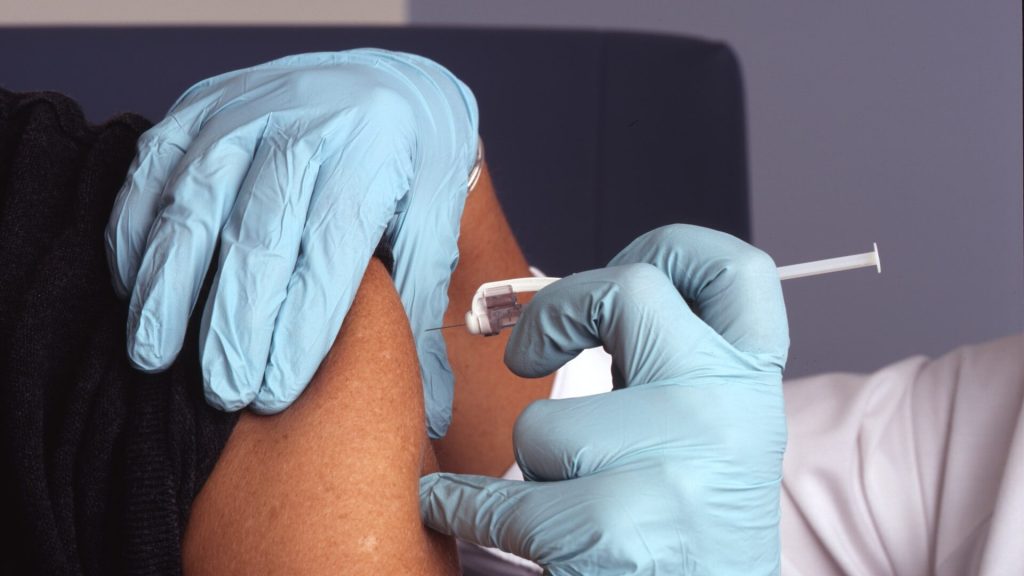
Photo by Stephen Andrews on Unsplash

A ground-breaking study into the effects of COVID on ICU patients in has confirmed evidence that the virus is associated with impaired function of the right side of the heart.

According to the study investigations, these findings could play a vital role in not only saving the lives of COVID patients, but also help in treating potentially fatal heart and lung issues generally. The findings will also help preparations for any possible future pandemic.

The first of its kind, the COVID-RV study aimed to help improve future care and outcomes for those most at risk from COVID, by gaining a better understanding of the impact the virus has on the sickest patients who require invasive ventilation.

The study was carried out in 10 ICUs across Scotland, examining 121 critically ill patients who were receiving treatment on ventilators due to the impact of SARS-CoV-2 on their system.

The findings revealed that about a third of the patients in the study showed evidence of abnormalities in the right side of the heart – the area that pumps blood to the lungs.

The study’s lead author Dr Philip McCall said that “A combination of factors create the perfect storm for COVID” to damage the right side of the heart, with possibly fatal outcomes as the lungs are unwilling to receive blood due to the infection.

“This is a very difficult condition to spot, unless you are specifically looking for it. That is why the results of this study are so important. We now know that COVID is a problem associated with not just ventilation, but can affect the heart.”

Chief Investigator of the study Dr Ben Shelley said: “The study has revealed that there is no doubt COVID affects the heart and has a major impact on outcomes for the patient.

“However, now that we know this actually happens, and have a better understanding of how it affects people, we can plan for the future and put in place new care plans and treatments to help combat this.

“For example, ultrasound scans can be used differently to focus in on early warning signs and areas we now know to be at risk.

“If we are able to see these warning signs early enough, clinicians can explore the causes of any complications and start new treatments as soon as possible, potentially improving outcomes for the sickest COVID patients.

“This kind of knowledge is invaluable, not only in combatting any future waves of COVID but in planning for future pandemics to allow people to be treated more effectively. These findings also have several fascinating areas which could be expanded on to help care for other lung conditions in general.”

Nearly half of ventilated patients in the study (47%) died because of COVID, a figure that is comparable to national and international death rates. Experts leading the COVID-RV study from NHS Golden Jubilee said that the overall condition of a person’s heart can have a significant impact on how seriously you will be affected by the potentially deadly virus.

Source: University of Glasgow
No Difference in BA.1 and BA.2 Omicron Severity

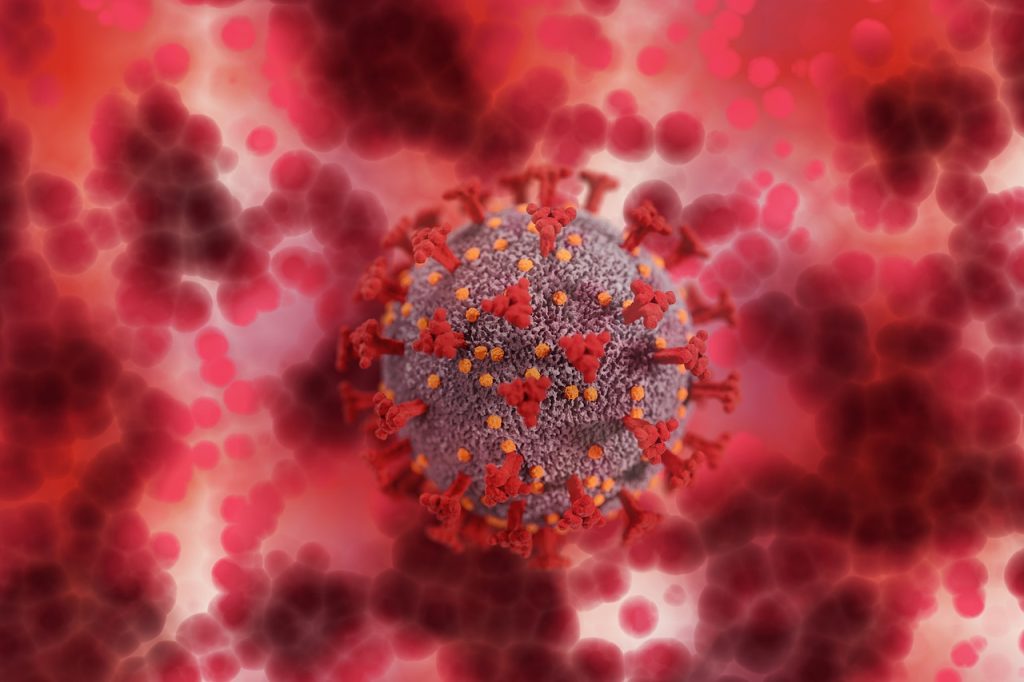
Image from Pixabay

In a study published in Nature, a research team has shown that the BA.2 subvariant of omicron is similar to BA.1 in both the severity of illness it causes and in its ability to cause infection.

BA.2 is the dominant subvariant of Omicron in nearly seven dozen countries. The study’s findings stand in contrast to an earlier study that relied on recombinant virus bearing spike proteins from BA.1 and BA.2.

“That study indicated BA.2 may be more pathogenic than BA.1,” said Prof Yoshihiro Kawaoka, who led the present study. “But when we used authentic virus, we found that BA.2 is not more pathogenic.”

Prof Kawaoka and research associate professor and co-author Peter Halfmann, said that their findings suggest that other parts of the omicron virus may attenuate the pathogenicity of its spike proteins alone.

Relying on rodent models for the disease, researchers and their collaborators tested viruses isolated from human samples. Both subvariants of omicron caused less severe illness compared to earlier strains, including delta and the original wild strain of the virus.

The study team also found that existing therapeutic monoclonal antibodies and antiviral drugs remain effective against BA.2.

However, plasma from vaccinated people and from people who recovered from earlier infections was less effective at neutralising both subvariants of omicron compared to earlier virus strains, and plasma from people infected with BA.1 was less effective at neutralising BA.2.

But the researchers also found that plasma from people who were vaccinated and then infected with BA.1 or earlier variants exhibited a smaller decrease in effectiveness against BA.2.

“If you’re vaccinated and then infected, you’re protected against many different variants,” said Prof Kawaoka, especially compared to prior infection alone or vaccination alone.

The researchers are now testing the newest sub-variants of omicron, including BA.2.12.1, which has begun to rapidly spread in New York state.

Source: University of Wisconsin

Did a Flu Vaccine Reduce Severe COVID Risk by 89%?

Vaccine injection
Image source: NCI on Unsplash

In a study of more than 30 000 health-care workers in Qatar, those who got a flu jab were 89% less likely to develop severe COVID over the next few months.

The study, which is published in Nature, was conducted in late 2020, before COVID vaccines were rolled out. Its findings align with previous work suggesting that ramping up the immune system using influenza vaccines and other jabs could help the body to fend off the coronavirus SARS-CoV-2.

In the early months of the pandemic, there was great interest as to whether existing vaccines could confer some protection against SARS-CoV-2. But collecting strong evidence for such an effect is difficult, because people who sought out vaccination for other diseases could also make lifestyle choices that reduce the odds of catching COVID.

To reduce this ‘healthy-user effect’, a team led by Laith Jamal Abu-Raddad, an infectious-disease epidemiologist at Weill Cornell Medicine–Qatar in Doha, analysed the health records of 30 774 medical workers in the country. There is probably less variation in health-related behaviour among such workers than in the general population, reducing (but not eliminating) bias, Abu-Raddad said.

The researchers tracked 518 workers who tested positive for SARS-CoV-2 and matched them to more than 2000 study participants who had tested negative for the virus. Those who had received an influenza vaccine that season were 30% less likely to test positive for SARS-CoV-2, and 89% less likely to develop severe COVID, compared with workers who had not (although the number of severe cases was small in both groups). The study was posted on the medRxiv preprint server on 10 May.

Günther Fink, an epidemiologist at the University of Basel in Switzerland, said that the Qatar analysis makes it less likely that other studies reporting the same link were a fluke. His team reported that flu vaccines were associated with lower mortality in hospitalised COVID patients in Brazil.

“This is an important piece of evidence,” says Mihai Netea, an infectious-disease specialist at Radboud University Medical Center in Nijmegen, the Netherlands. The observation that influenza vaccines are linked to a reduction in not just SARS-CoV-2 infections, but also disease severity, strongly suggests that the protection is genuine, he adds.

How long this protection lasts is unclear. Among those in the Qatar study who had the flu jab and later contracted COVID, Abu-Raddad’s team recorded SARS-CoV-2 infections occurring, on average, about six weeks after vaccination. “I don’t expect to see this effect lasting long at all,” he says. Netea guesses that the benefits last for between six months and two years.

Exactly why flu vaccines, which are inactivated viruses, would also protect against COVID is unclear. Vaccines teach the immune system about specific pathogens, but they also stimulate broad-acting antiviral defences, said Netea, who has found signs of such responses in flu-vaccine recipients.

Netea’s team is also working to better quantify the benefits of vaccines targeting influenza and other diseases against COVID. His team has launched a randomised, placebo-controlled trial in Brazil that will test whether influenza and measles–mumps–rubella vaccines can protect against COVID, fully excluding the healthy-user effect.

Knowing that vaccines for flu and other diseases can offer protection against COVID, even if only partial and for a limited period, could limit the damage caused by a future pandemic before a vaccine for that disease is developed, Netea argues. “If you have something in the beginning, you could save millions of lives.”

Source: Nature

Omicron-derived Immunity Protects Less against Other Variants

Image from Pixabay

In unvaccinated individuals, omicron-derived immunity provides little long-term immunity against other variants, according to new research in the journal Nature.

In experiments using mice and blood samples from omicron-infected, the team found that the omicron variant induces only a weak immune response. In vaccinated individuals, this weak response helped strengthen overall protection against a variety of COVID strains. In contrast, the immune response in unvaccinated individuals failed to confer broad, robust protection against other strains.

“In the unvaccinated population, an infection with omicron might be roughly equivalent to getting one shot of a vaccine,” said Melanie Ott, MD, PhD, director of the Gladstone Institute of Virology and co-senior author of the new work. “It confers a little bit of protection against COVID, but it’s not very broad.”

A weaker infection

When it emerged in late 2021, omicron infection was soon observed to cause less severe disease, but whether it conferred broad, long-term immunity was not known.

“When the omicron variant first emerged, a lot of people wondered whether it could essentially act as a vaccine for people who didn’t want to get vaccinated, eliciting a strong and broad-acting immune response,” said Irene Chen, co-first author of the new study and graduate student in Ott’s lab.

To find the answer, the team of researchers first examined the effect of omicron in mice. In the omicron-infected mice, despite the milder symptoms, the immune system still generated the T cells and antibodies typically seen in response to other viruses.

“We demonstrated in this study that the lower pathogenicity of omicron is not because the virus cannot take hold,” said Nadia Roan, PhD, an associate investigator at Gladstone.

This means the difference in symptoms and immune response due to other reasons, such as lower replication or the type of antibodies that are generated.

No cross-variant protection

The researchers took blood samples from mice infected with the ancestral, delta, or omicron variants of SARS-CoV-2 and measured the ability of their immune cells and antibodies to recognise five different viral variants – ancestral (WA1), alpha, beta, delta, and omicron.

Blood from uninfected animals was unable to neutralise any of the viruses. Samples from WA1-infected animals could neutralise alpha and, to a lesser degree, the beta and delta virus – but not omicron. Samples from delta-infected mice could neutralise delta, alpha and, to a lesser degree, the omicron and beta virus.

Blood from omicron-infected mice could only neutralise the omicron variant.

The team confirmed these results using blood from ten unvaccinated people who had been infected with omicron, and found their blood was unable to neutralise other variants. When they tested blood from 11 unvaccinated people who had been infected with delta, the samples could neutralise delta and, as had been seen in mice, the other variants to a lesser extent.

When they repeated the experiments with blood from vaccinated people, the results were different: vaccinated individuals with confirmed omicron or delta breakthrough infections all showed the ability to neutralize all the tested variants, conferring higher protection.

“When it comes to other variants that might evolve in the future, we can’t predict exactly what would happen, but based on these results, I’d suspect that unvaccinated people who were infected with omicron will have very little protection,” said Ott. “But on the contrary, vaccinated individuals are likely to be more broadly protected against future variants, especially if they had a breakthrough infection.”

mRNA Vaccines Perform Better against Variants of Concern

Image from Pixabay

A comparison of vaccinations has demonstrated that mRNA vaccines perform better against variants of concern (VOCs) than viral vector vaccines. Although they all effectively prevent severe disease by VOCs, the research published in PLOS Medicine suggests that people receiving a viral vector vaccine are more vulnerable to infection by new variants.

The Pfizer-BioNTech and Moderna are mRNA vaccines, which deliver genetic code to the bodies’ cells, whereas Oxford/AstraZeneca and J&J are viral vector vaccines which uses a modified virus to deliver instructions. J&J is delivered as a single dose while the rest are administered two weeks apart.

Marit J. van Gils at the University of Amsterdam, Netherlands, and colleagues, took blood samples from 165 healthcare workers, three and four weeks after first and second vaccination respectively, and for J&J at four to five and eight weeks after vaccination. Samples were collected before, and four weeks after a Pfizer-BioNTech booster.

Four weeks after the initial two doses, antibody responses to the original SARS-CoV-2 viral strain were highest in recipients of Moderna, followed closely by Pfizer-BioNTech, and were substantially lower in those who received viral vector vaccines. Tested against the VOCs Alpha, Beta, Gamma, Delta and Omicron, neutralising antibodies were higher in the mRNA recipients than the viral vector recipients. Neutralisation ability against VOCs was reduced in all vaccine groups, with the greatest reduction against Omicron. The Pfizer-BioNTech booster increased antibody responses in all groups with substantial improvement against VOCs, including Omicron.

The researchers caution that their AstraZeneca group was significantly older, because of safety concerns for the vaccine in younger age groups. As immune responses tend to weaken with age, this could affect the results. This group was also smaller because the Dutch government halted use for a period.

Source: EurekAlert!

Oestrogen from Hormone Replacement Therapy Reduces COVID Mortality

Older woman smiling
Photo by Ravi Patel on Unsplasj

A new study in Family Practice reported that receiving oestrogen in the form of hormone replacement therapy within six months of a recorded diagnosis of COVID was associated with a reduction in mortality from the disease.

While men and women are equally susceptible to the infection, men tend to have more severe disease, with higher rates of hospitalisation and mortality. A recent 38-country review of sex differences in COVID found men to have a 1.7 times higher mortality rate than women. Younger women or those with higher oestrogen levels are less likely to experience COVID complications.

Earlier studies have also shown that women have faster and greater immune responses to viral infections. Similar trends has been observed in previous pandemics, including the SARS-CoV (Severe Acute Respiratory Syndrome Corona Virus) and MERS-CoV (Middle East Respiratory Syndrome Corona Virus) outbreaks.

The reason for these sex differences is uncertain. Limited recent observational data suggest that oestrogen may reduce the severity of COVID disease. This study investigated the association between hormone replacement therapy or combined oral contraception use, and the likelihood of death in women with COVID. Researchers investigated combined oral contraception, which contains oestrogen, because some Recent observational data suggests that women taking oral contraceptives have a lower risk of acquiring COVID.

Investigators used a retrospective cohort with medical records from the Oxford-Royal College of General Practitioners Research and Surveillance Centre primary care database. They identified a group of 1 863 478 women over 18 from 465 general practices in England.  There were 5451 COVID cases within the cohort. Hormone replacement therapy was associated with a 22% reduction in all-cause mortality in COVID.

This suggests that oestrogen may well contribute a protective effect against COVID severity. This may explain why fewer women compared to men have been hospitalised, admitted to ICU, or died due to COVID during the pandemic.

“This study supports the theory that oestrogen may offer some protection against severe COVID,” said Christopher Wilcox, one of the paper’s authors. “We hope that this study can provide reassurance to patients and clinicians that there is no indication to stop hormone replacement therapy because of the pandemic.”

Source: EurekAlert!

Scientists Pry Open Secrets of a Potent Antibody against COVID

Even as the structure of SARS-CoV-2 changes with different variants of the virus (grey), the J08 antibody (blue) can still bind it, Scripps researchers showed. Credit: Scripps Research

Scientists have revealed the secrets of a potent antibody against SARS-CoV-2 that was discovered in COVID survivors. The antibody has a broadly neutralising effect, and is able to retain its efficacy against a wide range of variants – though not Omicron.

In 2021, Scripps Research and Toscana Life Sciences scientists screened the blood of 14 COVID-19 survivors to find the most potent antibodies against the SARS-CoV-2 virus. One of the most promising finds, now in stage II/III trials, was an antibody dubbed J08, which seemed to be capable of both preventing and treating COVID. 

Now, the same group has visualised exactly how J08 binds to different SARS-CoV-2 variants in different conformations, explaining what makes the monoclonal antibody so potent. The research, published in Proceedings of the National Academy of Sciences, suggests that the J08 antibody’s flexibility will likely keep it effective against future COVID variants.

“Even though we can’t predict what variants of COVID will emerge next, understanding the details of J08 reveals what works against the virus, and perhaps how we can engineer antibodies to be even more potent,” explained senior author Andrew Ward, PhD at Scripps Research.

On exposure to a virus like SARS-CoV-2, the body creates a variety of antibodies that bind to different sections of the virus to clear it from the body. There is considerable interest in why certain naturally produced antibodies such as J08 more effective than others. In the months after Ward and his collaborators first identified J08, it became clear that the antibody, unlike many others, was potent against a variety of COVID variants.

The researcher mapped the three-dimensional structure of J08 as it bound to the spike protein of SARS-CoV-2. J08 was confirmed to successfully attach to the Alpha, Beta, Gamma and Delta variants, preventing replication. However, J08 attached to the Omicron variant about 7 times more slowly, and then quickly detached. About 4000 times more J08 was needed to fully neutralise Omicron SARS-CoV-2 compared to the other variants.

“With variants other than Omicron, this antibody binds quickly and doesn’t come off for hours and hours,” says co-first author Gabriel Ozorowski, a senior staff scientist in the Ward lab at Scripps Research. “With Omicron, we were initially happy to find that it still binds, but it falls off very quickly. We identified the two structural changes that cause this.”

The team showed that, for all the variants, J08 binds to a very small section of the virus – a section that generally stays the same even as the virus mutates. Moreover, J08 could attach in two completely different orientations, like a key that manages to unlock a door whether it is right side up or upside down. 

“This small, flexible footprint is part of why J08 is able to withstand so many mutations – they don’t impact the antibody binding unless they happen to be in this one very small part of the virus,” said co-first author Jonathan Torres, lab manager of the Ward lab at Scripps Research.

The Omicron variant of SARS-CoV-2, however, had two mutations (known as E484A and Q493H) that changed the small area of the virus that directly interfaces with J08, anchoring it in place. Ward and his collaborators found that if just one of these mutations is present, J08 can still bind and neutralise the virus strongly, but mutations in both are what make it less effective against the Omicron variant.

The researchers said the new results support the continued clinical trials of the monoclonal antibody based on J08.

“I think we’re pretty confident that future variants won’t necessarily have both of these two critical mutations at the same time like Omicron,” remarked Ozorowski, “so that makes us hopeful that J08 will continue being very effective.”

Source: Scripps Research

Steroids after Severe COVID Reduces One-year Mortality by 51%

Photo by Stephen Andrews on Unsplash

Researchers have shown that severe inflammation during hospitalisation for COVID increases post-recovery mortality risk by 61% – but this risk is reduced again by 51% if anti-inflammatory steroids are prescribed upon discharge. We need to think of COVID as a potentially chronic disease that requires long-term management, argue the authors, whose results are published in Frontiers in Medicine.

Evidence continues to gather that ‘long COVID’, that is, continued negative health impacts months after apparent recovery from severe COVID, is an important risk for some patients. For example, researchers showed last December that hospitalised patients who seemingly recovered from severe COVID run more than double the risk of dying within the next year, compared to those with only mild COVID or who never had COVID.

Now, the same research team shows that among patients hospitalised for COVID who seemingly recovered, severe systemic inflammation during their hospitalisation is a risk factor for death within one year.

“Here we show that the stronger the inflammation during the initial hospitalisation, the greater the probability that the patient will die within 12 months after seemingly ‘recovering’ from COVID.”

Professor Arch G Mainous III

“COVID is known to create inflammation, particularly during the first, acute episode. Our study is the first to examine the relationship between inflammation during hospitalisation for COVID and mortality after the patient has ‘recovered’,” said first author Professor Arch G Mainous III at the University of Florida Gainesville.

“Here we show that the stronger the inflammation during the initial hospitalisation, the greater the probability that the patient will die within 12 months after seemingly ‘recovering’ from COVID.”

Prof Mainous and colleagues analysed electronic health records of 1207 adults hospitalised with COVID in 2020 or 2021 within the University of Florida health system, with at least a one year follow-up after discharge. As a proxy for the severity of systemic inflammation during hospitalisation, they used a common and validated measure: C-reactive protein (CRP), secreted by the liver in response to a signal by active immune cells.

Widespread inflammation in the body

As expected, the blood concentration of CRP during hospitalisation was strongly correlated with the severity of COVID: 59.4mg/L for patients not needing supplemental oxygen, 126.9 mg/L for those who needed extra oxygen without mechanical ventilation, and 201.2 mg/L for the most severe cases, who required ventilation through a ventilator or through ECMO.

After correcting for risk factors, patients with the highest CRP concentration measured their during their hospital stay had a 61% greater risk of all-cause mortality within one year of discharge than patients with the lowest CRP concentration.

Prof Mainous said: “Many infectious diseases are accompanied by an increase in inflammation. Most times the inflammation is focused or specific to where the infection is. COVID is different because it creates inflammation in many places besides the airways, for example in the heart, brain, and kidneys. High degrees of inflammation can lead to tissue damage.”

Importantly, the authors showed that the increased all-cause mortality risk associated with severe inflammation was reduced again by 51% if the patient was prescribed anti-inflammatory steroids after their hospitalisation.

These results mean that the severity of inflammation during hospitalisation for COVID can predict the risk of subsequent serious health problems, including death, from ‘long COVID’. They also imply that current recommendations for best practice may need to be changed, to include more widespread prescription of orally taken steroids to COVID patients upon their discharge.

COVID as a chronic disease?

The authors propose that COVID should be seen as a potentially chronic disease.

“When someone has a cold or even pneumonia, we usually think of the illness being over once the patient recovers. This is different from a chronic disease, like congestive heart failure or diabetes, which continue to affect patients after an acute episode. We may similarly need to start thinking of COVID as having ongoing effects in many parts of the body after patients have recovered from the initial episode,” said Prof Mainous.

“Once we recognise the importance of ‘long Covid’ after seeming ‘recovery’, we need to focus on treatments to prevent later problems, such as strokes, brain dysfunction, and especially premature death.”

Source: Frontiers

Diabetes Almost Doubles COVID Mortality Risk

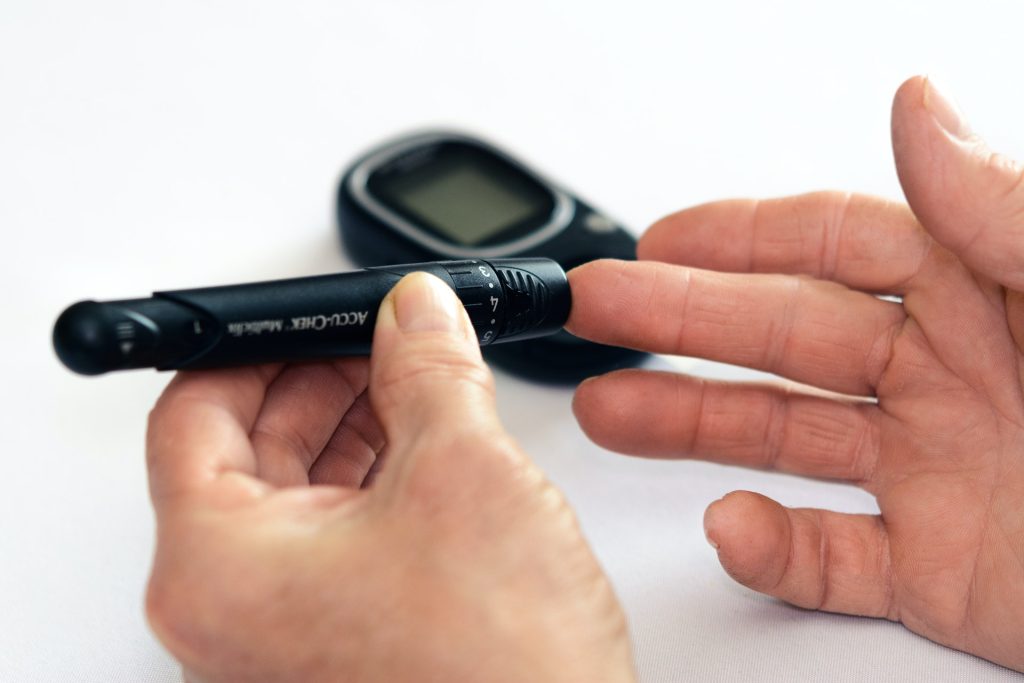
Diabetes - person measures blood glucose
Photo by Photomix Company from Pexels

Compared to those without diabetes, the COVID mortality risk for people with diabetes is almost double, with almost three times the risk of being critically or severely ill, according to a review of research by researchers from the University of Aberdeen.

Fortunately, the review study, which is published in Endocrinology, Diabetes and Metabolism, also found that good management of the condition can mitigate against the risks.

Specifically, it was found that while diabetes presents a significant risk of severe illness and death with COVID, good glycaemic control in these patients can mitigate this risk.

The researchers reviewed findings from 158 studies, encompassing more than 270 000 participants from around the world to determine COVID’s impact on people with diabetes.

The pooled results showed that people with diabetes were 1.87 times more likely to die with COVID, 1.59 times more likely to be admitted to ICU, 1.44 times more likely to require ventilation, and 2.88 times more likely to be classed as severe or critical, when compared to patients without diabetes.

This is the first time a study has looked at the risks of COVID in patients with diabetes while factoring in the patients’ location and thereby highlighting potential healthcare resources available as well as possible ethnic differences and other societal factors.

Patients in China, Korea and the Middle East were found to be at higher risk of death than those from EU countries or the US. This, they suggested, may be the result of differences in healthcare systems and affordability of healthcare which may explain the finding that maintaining optimal glycaemic control, significantly reduces adverse outcomes in patients with diabetes and COVID.

Stavroula Kastora, who worked on the study explained: “We found that following a COVID infection, the risk of death for patients with diabetes was significantly increased in comparison to patients without diabetes.

“Equally, collective data from studies around the globe suggested that patients with diabetes had a significantly higher risk of requiring an intensive care admission and supplementary oxygen or being admitted in a critical condition in comparison to patients without diabetes.

“However, we found that the studies that reported patient data from the EU or US displayed less extreme differences between the patient groups. Ultimately, we have identified a disparity in COVID outcomes between the eastern and western world. We also show that good glycaemic control may be a protective factor in view of COVID-related deaths.

“In light of the ongoing pandemic, strengthening outpatient diabetes clinics, ensuring consistent follow up of patients with diabetes and optimising their glycaemic control could significantly increase the chances of survival following a COVID infection.”

Source: University of Aberdeen

Excess Deaths from COVID Nearly 15 Million – WHO

Source: Pixabay CC0

The World Health Organization (WHO) estimates that the full death toll associated directly or indirectly with the COVID pandemic (described as “excess mortality”) was approximately 14.9 million, with a range of 13.3 million to 16.6 million.  

“These sobering data not only point to the impact of the pandemic but also to the need for all countries to invest in more resilient health systems that can sustain essential health services during crises, including stronger health information systems,” said Dr Tedros Adhanom Ghebreyesus, WHO Director-General. “WHO is committed to working with all countries to strengthen their health information systems to generate better data for better decisions and better outcomes.”

Excess mortality is calculated as the difference between the number of deaths that have occurred and the number that would be expected in the absence of the pandemic based on data from earlier years. 

Excess mortality includes deaths directly associated with COVID (due to the disease) or indirectly (due to the pandemic’s impact on health systems and society). Deaths linked indirectly to COVID are attributable to other health conditions for which people were unable to access prevention and treatment because health systems were overburdened by the pandemic. Excess death numbers can be influenced also by deaths averted during the pandemic due to lower risks of certain events, such as car accidents or occupational injuries. 

The estimate for a 24-month period (2020 and 2021) finds that the excess deaths (84%) are largely concentrated in South-East Asia, Europe, and the Americas. Some 68% of excess deaths are concentrated in just 10 countries globally. Middle-income countries account for 81% of the 14.9 million excess deaths (53% in lower-middle-income countries and 28% in upper-middle-income countries) over the 24-month period, with high-income and low-income countries each accounting for 15% and 4%, respectively. 

The estimates confirm that the global death toll was higher for men than for women (57% male, 43% female) and higher among older adults. A better picture of COVID mortality data comes from excess deaths per 100 000 instead of mortality counts, which can seem skewed due to population size.

“Measurement of excess mortality is an essential component to understand the impact of the pandemic. Shifts in mortality trends provide decision-makers information to guide policies to reduce mortality and effectively prevent future crises. Because of limited investments in data systems in many countries, the true extent of excess mortality often remains hidden,” said Dr Samira Asma, Assistant Director-General for Data, Analytics and Delivery at WHO. “These new estimates use the best available data and have been produced using a robust methodology and a completely transparent approach.”

The production of these estimates is a result of a global collaboration supported by the work of the Technical Advisory Group for COVID-19 Mortality Assessment and country consultations. 

Source: World Health Organization