Category: Cancer

Prostate Cancer Therapy Improved with Focused Ultrasound

Credit: Darryl Leja National Human Genome Research Institute National Institutes Of Health

Combining an existing small-molecule protein therapy called tumour necrosis factor related apoptosis-inducing ligand (TRAIL) with focused ultrasound (FUS) can significantly reduce tumour size and burden in prostate cancer models, according to a new study published in Advanced Science by researchers at Rice University and Vanderbilt University.

Around the world, about 10 million people die of cancer each year. This collaborative study, led by Michael King, bioengineering professor at Rice, and Charles Caskey, associate professor in radiology and radiological sciences at Vanderbilt, is the first to demonstrate that low-intensity mechanical force in combination with TRAIL can treat cancers.

The study sheds new light on how low-intensity focused ultrasound and soluble TRAIL specifically destroy cancer cells within the compact environment of a primary prostate cancer lesion.

Urgency for safe, effective therapy for prostate cancer

“There is urgent need to improve how we treat advanced and recurrent prostate cancer, which is the second-leading cause of death among men in the United States and is the most frequently diagnosed cancer in more than 100 countries,” said King, who is a Cancer Prevention and Research Institute of Texas Scholar. “We have now found a safe, effective and noninvasive way to enhance the antitumor effects of a specific cancer drug (TRAIL), a promising finding which we are hopeful can soon be translated for clinical care.”

Current standard-of-care prostate cancer treatments are associated with severe adverse effects. In recent years, FUS-based therapies have been gaining attention since they can be localised specifically to tumour tissue, resulting in fewer off-target effects.

Mechanical stimuli amplify anticancer effects of TRAIL via Piezo1

TRAIL protein specifically induces the death of cancer cells without harming nearby healthy cells. However, despite promising results in lab studies, only a few cancer patients have shown improvements with intravenous administration of TRAIL in clinical trials. This is because TRAIL has a very short half-life (~30 minutes) and remains in blood circulation only briefly before it gets destroyed.

Thus, to effectively eliminate cancer cells, TRAIL therapy needs to be administered multiple times per day, which is not only inconvenient but also increases the risk of unwanted side effects.

“Previously, we had found certain mechanical forces like fluid shear stress (FSS) could amplify the anticancer effects of TRAIL with an influx of calcium and activation of a protein called Piezo1 that triggered cell death,” King said.

However, FSS is not clinically applicable for solid tumours because it is only present in the circulatory and lymphatic systems and thus only effective against circulating tumour cells, which are often observed at later stages of malignancy.

“The field is still lacking a straightforward and effective clinical approach that combines the application of mechanical force with soluble TRAIL as a localised therapeutic to treat primary prostate tumours effectively before they metastasise to different locations, which prompted us to undertake this preclinical study to examine if FUS might be a good candidate to be developed into a combination therapy for prostate cancer,” King said.

Low-intensity FUS acts synergistically with TRAIL to reduce prostate tumours in lab

Using prostate cancer cell lines, Abigail Fabiano and Malachy Newman – graduate students mentored by King and Caskey respectively – performed several experiments to refine and optimise several operational parameters of in vitro FUS.

Their initial goal was to ensure that the nearby healthy cells remained unharmed by the mechanical shear forces. Next, they found that combination therapy of FUS and TRAIL was much more effective in reducing the number of cancer cells and size of tumours than FUS or TRAIL alone, supporting the idea that the synergistic action of TRAIL and FUS-mediated Piezo1 activation is key to achieving maximum tumour reduction.

“This foundational study provides crucial preclinical insights that can be used to develop a novel combination therapy for prostate cancer,” King said. “Furthermore, it opens the doors to many new avenues for using mechanotherapy in medicine and has far-reaching implications in how FUS and other mechanical therapies can be combined with small-molecule protein therapy and other drugs to effectively treat various types of cancers with fewer adverse effects in the future.”

Source: Rice University

Hope Blooms in Durban – A Spring High Tea with Purpose

Photo by Joanna Kosinska on Unsplash

October is Breast Cancer Awareness Month, and what better way to celebrate than with floral elegance, an exquisite high tea, motivational speakers, and a live auction – all in the spirit of hope and healing.

On Saturday morning, 25th October 2025, at 11 am, PinkDrive will host their Hope Blooms High Tea at the Radisson Blu Hotel, Durban Umhlanga, a time of spring celebration and impactful fundraising.  And you’re invited!

PinkDrive is a non-profit organisation (NPO) committed to prolonging lives through early detection of gender-related cancers. They operate mobile health units – those iconic pink trucks – that travel to rural and township areas to provide essential screenings to those who lack or have limited access to adequate healthcare.

Recent Rio Tinto outreach statistics highlight the urgent need for such interventions. In just one week in KwaZulu-Natal, 2251 health services were rendered, including 146 mammograms and 141 clinical breast examinations.

PinkDrive receives no government funding, relying entirely on donations, corporate partnerships, and community support to sustain its essential work. Among these partners is Lee-Chem Laboratories through their Mandy’s brand.

“This cause is deeply important to us – we’ve proudly supported PinkDrive for many years as a long-term corporate partner because of the difference they make in communities that need it most,” says Bhavna Sanker, Marketing Manager at Lee-Chem Laboratories. “It is a privilege to stand alongside them in their efforts to promote early detection and prolong lives. The Hope Blooms fundraiser perfectly reflects our shared commitment to raising awareness, providing crucial screening, and ultimately bringing hope where it’s needed most,” she explains. “We therefore want to encourage the public to also get involved by purchasing a ticket and enjoying an uplifting morning in support of PinkDrive’s vital work.

According to Janice Benecke from PinkDrive, corporate sponsors and partnerships, like that of Mandy’s, enable them to deliver this essential community service. “Mandy’s has been a proud supporter of PinkDrive for many years, generously providing branding, hampers, and product samples, along with an annual donation,” she says. “Through sponsored events like Hope Blooms, we hope to inspire further partnerships and support for our mission.”

Dr Marion Algar, Clinical Oncologist at Hopelands Cancer Centre specialising in breast cancer treatment, and Advocate Pria Hassan, founder of Women of Africa and champion of accessible healthcare through initiatives like iBreast, will share their insights as guest speakers. The elegant affair will be hosted by the lovely Delia Kroll, Mrs SA 2024 finalist, and attendees can also look forward to a welcome drink, networking opportunities, raffle prizes, gift bags, and an exciting live auction. Proceeds will go towards supporting PinkDrive’s free services, including clinical breast examinations, education, pap smears, and funding toward a new mammogram truck. Last year’s event raised R25 000; this year’s goal is to double that amount through your support.

“Hope Blooms reflects the courage, resilience, and renewal that come with a breast cancer journey,” notes Benecke. “Just like flowers that bloom after winter, it’s a reminder that through awareness, support, and love, hope always finds a way to grow.”

She concludes: “We want everyone to leave with this key message, and it’sa motto that I live by: ‘Only Believe, All Things Are Possible.’ Just look at me, I am a walking miracle.”

Tickets are R695 per person with a floral dress code. 10% of proceeds go directly to PinkDrive, and bookings can be made at info.durban.umhlanga@radissonblu.com. So why not consider purchasing a corporate table, inviting members from your sports or social club, or coming along with friends to enjoy a morning of elegance and purpose?

We look forward to welcoming you.

Global Study Challenges Age-Based Treatment Decisions in Leukaemia

Study of 2,800 patients suggests moving beyond chronological cut-offs in cancer care

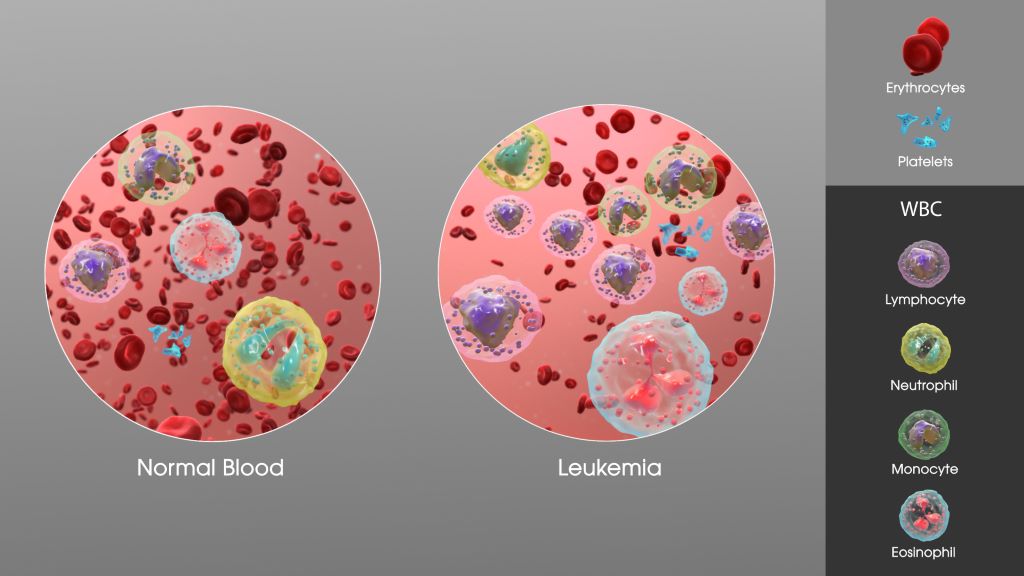
SAG Leukaemia. Credit: Scientific Animations CC0

An international study conducted by the Alliance for Clinical Trials in Oncology and the Acute Myeloid Leukemia Cooperative Group reveals that age-based classifications in the treatment of acute myeloid leukaemia (AML) may be outdated and overly simplistic.

AML is a fast-growing cancer of the blood and bone marrow that disproportionately affects older adults. Historically, age has been a key factor in determining treatment intensity, eligibility for clinical trials, and access to targeted therapies. However, this new research suggests that age alone is not a reliable indicator of disease biology or prognosis.

“Our findings support a more flexible, biology-driven approach to AML treatment and trial design. Age alone should not be a gatekeeper to potentially life-saving therapies,” said Alliance researcher and lead author Ann-Kathrin Eisfeld, MD, associate professor of Internal Medicine and director of the Clara D. Bloomfield Center for Leukemia Outcomes Research at The Ohio State University. “Our results suggest reconsidering age-based eligibility criteria for treatments. By focusing on molecular and genetic profiles rather than chronological age, clinicians may better tailor treatments to individual patients, improving outcomes and expanding access to novel therapies.”

Published in Leukemiathe study analysed data from 2823 adult AML patients treated in the setting of large cooperative group frontline trials across the United States (CALGB/Alliance) and Germany (AMLCG), uncovering nuanced age-related trends in genetic mutations and survival outcomes that challenge current clinical practices. This research is the first large-scale, cross continental study to analyse the mutational patterns and outcomes among patients of all age groups with AML.

The analysis included patients treated with frontline cytarabine-based chemotherapy between 1986 and 2017. Molecular profiling was conducted using targeted sequencing platforms, and survival outcomes were assessed using the 2022 European LeukemiaNet (ELN) genetic-risk classification.

The study found no clear age threshold that could biologically or prognostically separate patients into distinct groups. Instead, genetic mutations and survival outcomes varied continuously across the age spectrum. This challenges the long-standing practice of using arbitrary age cut-offs, such as 60 or 65 years, to guide treatment decisions.

Survival outcomes also declined steadily with age, even among patients classified as having favourable genetic risk. For example, patients aged 18 to 24 with favourable-risk AML had a five-year overall survival rate of 73%, while those aged 75 and older had a survival rate of just 21%. This trend was consistent across all risk categories, indicating that age negatively impacts prognosis regardless of genetic classification.

“This research arrives at a critical moment in oncology, as precision medicine continues to transform cancer care,” added Dr Eisfeld. “Most targeted treatment options are still only available for patients above a certain age threshold that is dictated by corresponding inclusion criteria of pivotal clinical trials, even though patients outside of that age range might equally benefit from these often less toxic treatments.”

Source: Alliance for Clinical Trials in Oncology

Acidic Tumour Environment Promotes the Survival and Growth of Cancer Cells

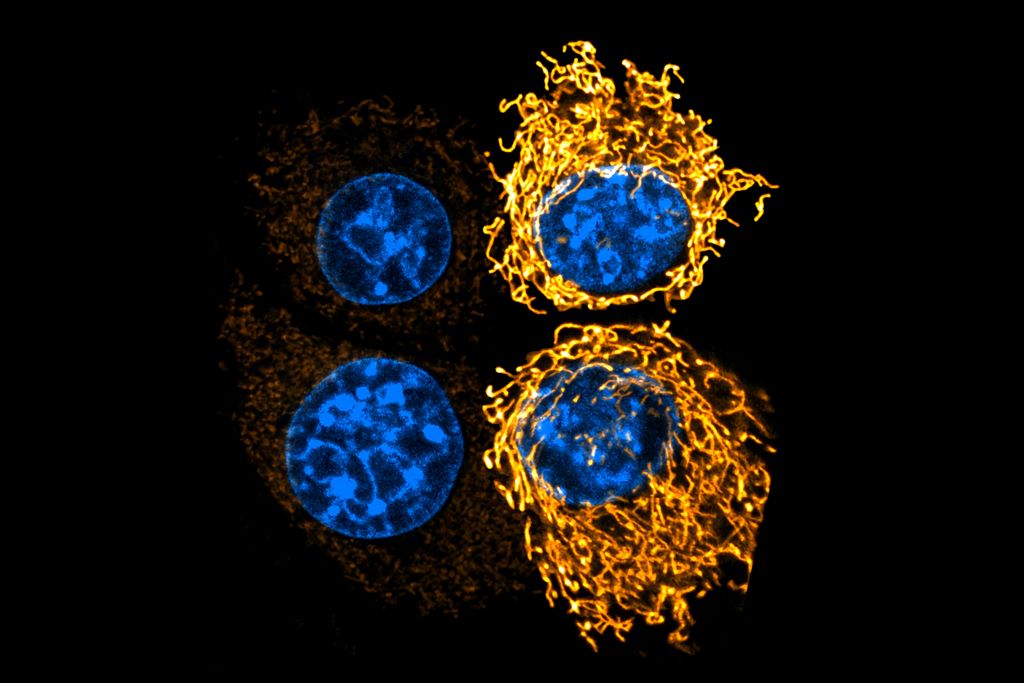
Cancer cells reshape their mitochondria (stained yellow) when exposed to acidosis. The composed image shows two cells under neutral pH (left) compared to an acidic environment (right), where mitochondria form elongated networks.

Tumours are not a comfortable place to live: oxygen deficiency, nutrient scarcity, and the accumulation of sometimes harmful metabolic products constantly stress cancer cells. A research team from the German Cancer Research Center (DKFZ) and the Institute of Molecular Pathology (IMP) in Vienna has now discovered that the acidic pH value in tumour tissue – known as acidosis – is a decisive factor in how pancreatic cancer cells adapt their energy metabolism to survive these adverse conditions. The results were published in the journal Science.

Poor blood circulation and increased metabolic activity often create hostile conditions in tumours: typical symptoms include a lack of oxygen, glucose, and other nutrients, the accumulation of sometimes harmful metabolites, and acidification of the tumour environment, known as acidosis.

The team led by Wilhelm Palm from the DKFZ and Johannes Zuber from the IMP investigated how cancer cells adapt to these harsh conditions. First, the researchers systematically switched off each gene individually in pancreatic cancer cells using the CRISPR-Cas9 gene editing tool and then tracked how its loss affected the survival and growth of the cells under defined stress conditions. These experiments were initially conducted in culture dishes. The genes identified using this approach were then specifically switched off in mice with pancreatic cancer, and the effects were compared with the results from the cell culture.

The comparative analysis of hundreds of such genes relevant to cancer cell growth under stress conditions surprisingly showed that the metabolism of cancer cells in the mouse model was strongly influenced by adaptations of their energy balance to tumour acidosis. The metabolism of cancer cells within a tumour differs significantly from that in conventional cell culture and can best be replicated by an acidic environment.

“It is not just the lack of oxygen or nutrients that changes the metabolism in the tumour – it is primarily the acidification of the tumour environment,” explains Wilhelm Palm. Acidosis helps cancer cells switch from sugar-based energy production (glycolysis) to more efficient energy production through respiration in the mitochondria. These cell structures, known as organelles, are also referred to as the “powerhouses of the cell.”

The researchers were able to show that the acidic pH value triggers profound changes in the mitochondria. Normally, they are present in cancer cells as small, fragmented structures. Under acidic conditions, however, they merge into extensive networks that are significantly more efficient.

This is possible because acidosis inhibits the activity of the signalling protein ERK. Overactivation of this signalling pathway normally causes mitochondria in cancer cells to repeatedly divide into many small fragments. If this fragmentation does not occur as a result of tumour acidosis, mitochondria can use various nutrients more efficiently for energy production. If genetic intervention prevents the mitochondria from fusing, cancer cells lose their metabolic flexibility and grow much more slowly in the acidic environment of a tumour.

“Our results show that acidosis is not simply a by-product of tumour metabolism, but an important switch that controls the energy supply and survival strategies of cancer cells,” explains co-study leader Johannes Zuber. In the long term, these findings could open up new avenues for therapies that specifically target the energy metabolism of tumours.

Source: German Cancer Research Center

New One-hour, Low-cost HPV Test Could Transform Cervical Cancer Screening

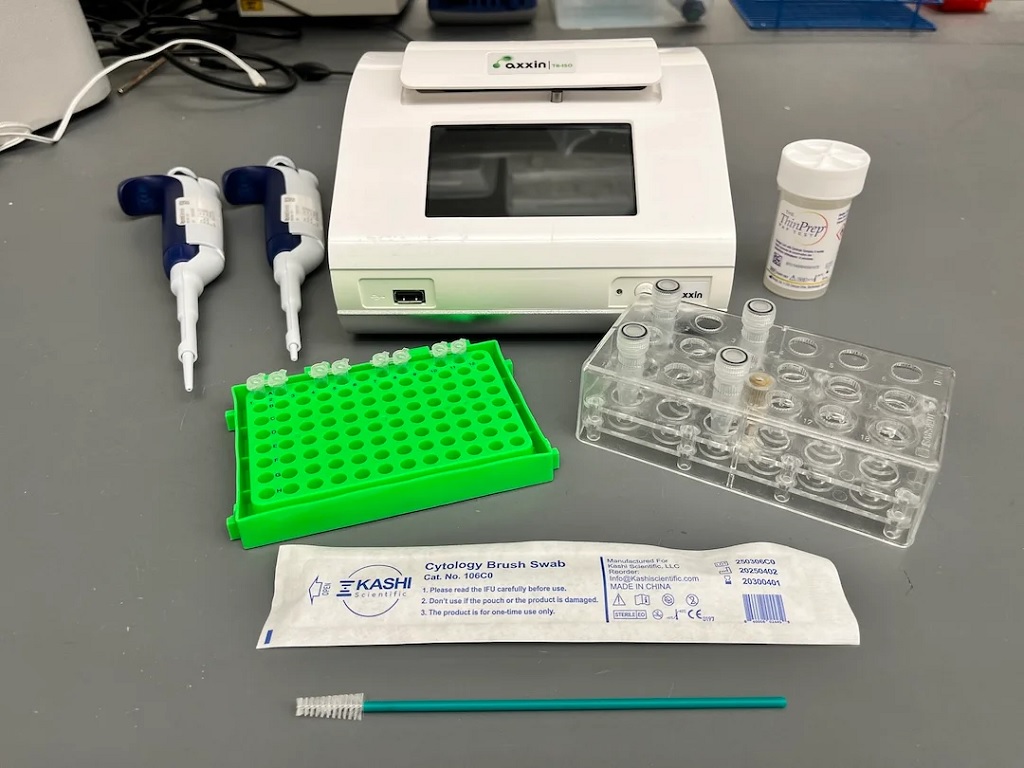
Materials used to run the HPV LAMP assay. A cytology brush is used to collect a cervicovaginal swab sample into ThinPrep buffer. Samples are lysed in screw-on tubes and lysate is added to LAMP reagents in PCR tubes. The assay is run on the Axxin T8-ISO heater/fluorimeter.

A team of researchers led by Rice University, in collaboration with colleagues in Mozambique and the US, has developed a simple, affordable human papillomavirus (HPV) test that delivers results in less than an hour with no specialised laboratory required. The breakthrough could provide an option for women in low-resource settings to be screened and treated for cervical cancer in a single clinic visit, a step that global health experts say could save countless lives. The research was recently published in Nature Communications.

Cervical cancer is considered easily preventable, yet it remains one of the deadliest cancers for women worldwide. According to the World Health Organization (WHO), each year more than 350 000 women die from the disease, and nearly 90% of those deaths occur in low- and middle-income countries where access to regular cervical cancer screening is limited. Persistent infection with high-risk types of HPV causes nearly all cases of cervical cancer. While vaccines are helping reduce HPV infections globally, most women at risk today are adults who did not get the vaccine in childhood. For them, regular and reliable screening is the only path to early detection and lifesaving treatment.

“Cervical cancer is almost entirely preventable, yet it still claims hundreds of thousands of lives each year,” said first author Maria Barra, a bioengineering graduate student at Rice. “Our goal was to build a test accurate enough to guide treatment, fast enough to use during a clinic visit and inexpensive enough to scale. This assay meets all three goals.”

The WHO recommends HPV DNA testing as the gold standard for cervical cancer screening, but existing HPV DNA tests often require expensive lab equipment and trained laboratory technicians – barriers that make widespread use in low-resource settings unattainable. As a result, many women are not screened for cervical cancer. Even where screening programs exist, results may take days or weeks to return. Patients leave to await results. However, where care facilities are remote, few in number and difficult to access, patients are often unable to return for treatment, leaving precancerous lesions to progress unchecked. A faster test without reliance on a lab could provide results and prompt treatment during the same patient visit.

“This is the kind of pragmatic innovation we focus on when engineering for global health – fewer steps, lower cost, higher impact,” said Rebecca Richards-Kortum, Professor of Bioengineering and co-director of the Rice360 Institute for Global Health Technologies at Rice. “Our data show you can bring lab-grade molecular screening to almost any setting without sacrificing reliability. Providing accurate results quickly enables clinicians to start treatment without delay.”

The new test uses a method called loop-mediated isothermal amplification (LAMP), which simplifies DNA detection by running at a single temperature. Instead of requiring DNA extraction – a complicated step in many existing tests – this process is extraction-free. A swab sample is chemically lysed, added directly to the LAMP reagents and incubated for about 45 minutes in a portable heater then read by fluorescence.

The test detects three of the most dangerous HPV types (HPV16, HPV18 and HPV45), which together cause about 75% of all cervical cancers. It also includes a built-in cellular control to ensure that the sample was collected properly.

In clinical studies, the test showed 100% agreement with the reference standard in 38 samples from Houston and 93% agreement in 191 samples from Maputo, Mozambique. The cost of the test is projected to be less than $8 each, and the portable device it runs on is battery-operated, making it ideal for clinics without consistent electricity.

“High mortality rates from cancer are closely associated with delays in diagnoses and limited access to early treatment,” said Cesaltina Lorenzoni, head of the National Cancer Control Program at the Mozambican Ministry of Health, director of science and teaching at Maputo Central Hospital and professor of pathology at the Eduardo Mondlane University Faculty of Medicine. “Point-of-care technologies that can aid clinicians in identifying cancer and guide treatment options in a single patient visit could be lifesaving in clinical settings in Maputo. This assay performed very well in our clinical setting and holds promise of delivering the kind of rapid, specific, cost-effective cancer detection that would meaningfully improve outcomes for women in our country.”

The WHO has set ambitious targets to screen 70% of women worldwide by 2030 as part of its public health campaign to eliminate cervical cancer. Meeting that goal will require screening millions of women in various global settings that lack advanced lab equipment or resources.

By cutting out expensive instruments, minimising sample handling and delivering rapid, accurate results, the LAMP assay represents a significant step toward realistically achieving the WHO goal. Critically, it opens the door to “screen-and-treat” strategies, where if a positive result is found, the patient can be treated on the same medical visit, reducing treatment delays and loss to follow-ups.

The team is currently working to expand the test to cover additional high-risk HPV types and is also working on lyophilised (freeze-dried) reagents that don’t require refrigeration, further increasing the test’s usability in rural or resource-limited areas. The team also plans to conduct usability studies with frontline health workers to refine the design before larger clinical rollouts.

“Our goal is a complete, field-ready kit that community clinics can use anywhere,” Richards-Kortum said. “If we can help health systems move to same-day screen-and-treat, we can move towards a future where cervical cancer can be eliminated globally.”

Source: Rice University

Certain Fatty Acids can ‘Supercharge’ T-Cells’ Antitumour Immunity

A research team at the LKS Faculty of Medicine of the University of Hong Kong (HKUMed) discovered that certain dietary fatty acids can supercharge the human immune system’s ability to fight cancer. The team found that a healthy fatty acid found in olive oil and nuts, called oleic acid (OA), enhances the power of immune γδ-T cells, specialised cells known for their cancer-fighting properties.

Conversely, they found that another fatty acid, called palmitic acid (PA), commonly found in palm oil and fatty meats, diminishes the ability of these immune cells to attack tumours. This groundbreaking study, published in the academic journal Signal Transduction and Targeted Therapy, offers an innovative approach using dietary OA supplementation to strengthen the antitumour immunity of γδ-T cells.

Dietary fatty acids and cancer immunotherapy

Dietary fatty acids are essential for health, helping with growth and body functions. They may also play a role in cancer prevention and treatment, but understanding how they affect cancer is challenging because of the complexity of people’s diets and the lack of detailed studies. Recently, scientists have learned that fatty acids can influence the immune system, especially in how it fights cancer. Specialised immune cells, called γδ-T cells, are particularly good at attacking tumours. These cells, once activated, have helped some lung and liver cancer patients live longer. However, this therapy is not effective for all patients, partly because the variation of the metabolic status, such as fatty acid metabolism, can influence its efficacy in the patients.

Oleic acid may improve cancer treatment outcomes

The research team identified a correlation between PA and OA levels and the efficacy of cancer therapies. ‘Our research suggests that dietary fatty acid supplementation, particularly with foods rich in OA, such as olive oil and avocados, could enhance γδ-T cell immunosurveillance, leading to more effective cancer treatments,’ said Professor Tu Wenwei from the Department of Paediatrics and Adolescent Medicine, School of Clinical Medicine, HKUMed, who led the study.

The team also discovered that another fatty acid, called PA, can weaken these immune cells and how OA can counteract this. ‘The results indicate that cancer patients should avoid PA and consider OA supplementation in their diets to improve clinical outcomes of γδ-T cell-based cancer therapies,’ added Professor Tu.

Significant impact from simple dietary changes

Professor Tu said, ‘This study is the first to show that the fatty acids we eat can directly affect how well our immune cells fight cancer.’ It reveals how PA can harm these cells and how OA helps them through a specific process involving a protein called IFNγ. By analysing blood samples, the researchers confirmed that the levels of these fatty acids are linked to the outcome of cancer immunotherapy.

‘For cancer patients, this discovery suggests simple changes, like eating more foods rich in OA (such as olive oil, avocados and nuts) and cutting back on PA (found in processed foods, palm oil and fatty meats), could improve the effectiveness of cancer treatments. The study also points to novel strategies, like combining dietary changes with specific drugs to further boost the immune system,’ added Professor Tu.

This study demonstrates that personalised nutrition may serve as an effective strategy to enhance immune function and support cancer treatment. It also suggests that new drugs targeting the processes affected by these fatty acids could enhance the power of γδ-T cell therapies. By integrating nutritional interventions with immunotherapy, this discovery could help more cancer patients achieve better outcomes.

Source: University of Hong Kong

Unique Immunotherapy Could be the ‘Holy Grail’ for a Wide Range of Cancers

Next step is testing ‘holy grail’ therapy’s safety and effectiveness in patients

Squamous cancer cell being attacked by cytotoxic T cells. Image by National Cancer Institute on Unsplash

A new, highly potent class of immunotherapeutics with unique Velcro-like binding properties can kill diverse cancer types without harming normal tissue, University of California, Irvine cancer researchers have demonstrated.

A team led by Michael Demetriou, MD, PhD, reported that by targeting cancer-associated complex carbohydrate chains called glycans with binding proteins, they could penetrate the protective shields of tumor cells and trigger their death without toxicity to surrounding tissue.

Their biologically engineered immunotherapies – glycan-dependent T cell recruiter (GlyTR, pronounced ‘glitter’) compounds, GlyTR1 and GlyTR 2 – proved safe and effective in models for a spectrum of cancers, including those of the breast, colon, lung, ovaries, pancreas and prostate, the researchers reported in the journal Cell.

“It’s the holy grail – one treatment to kill virtually all cancers,” said Demetriou, a professor of neurology, microbiology and molecular genetics at the UC Irvine School of Medicine and the paper’s corresponding author. “GlyTR’s velcro-like sugar-binding technology addresses the two major issues limiting current cancer immunotherapies: distinguishing cancer from normal tissue and cancer’s ability to suppress the immune system.”

The researchers were awarded a Cancer Moonshot Initiative grant from the National Cancer Institute in 2018 for this study.

Landmark research

The study’s publication, the culmination of a decade of research, is a watershed moment and source of pride for UC Irvine and the UCI Health Chao Family Comprehensive Cancer Center.

“This landmark study is a paradigm shift with the very real potential to change how we treat cancer patients,” said Marian Waterman, PhD, former deputy director of research at the cancer centre and champion of the project since Demetriou and his then-postdoctoral fellow, Raymond W. Zhou, the study’s first author, began working on the concept in 2015.

Added Richard A. Van Etten, MD, PhD, director of the cancer centre and also an early supporter of the GlyTR project, “This novel technology may, for the first time, allow the widespread application of targeted T-cell therapy to solid tumours, which is the ‘holy grail’ in the immuno-oncology field.”

Current treatments, such as chimeric antigen receptor (CAR) T therapy, use the body’s white blood cells to attack cancer. They have largely worked only for blood cancers, such as leukaemia. The GlyTR technology also proved effective in targeting leukaemia, the study shows.    

Unorthodox approach

While many cancer researchers have sought protein biomarkers for specific cancers, Demetriou and Zhou aimed at a more abundant target, the unique coating of glycans that surround cancer cells but are found in very low density in normal cells.

These complex sugar chains are the most widespread cancer antigens known, but were generally ignored by researchers because they are inert to the immune system.

To solve this problem, Demetriou and Zhou engineered the GlyTR compounds to attach themselves, Velcro-like, to glycan-dense cancer cells while ignoring low-glycan-density normal cells. Once attached, the GlyTR compounds identify the cancer cells as targets for killing by the body’s immune system.   

In contrast, current cancer  immunotherapies attack cells based on specific proteins regardless of their glycan density and thereby fail to distinguish tumour cells from healthy tissue.

A second impediment to developing broadly active cancer immunotherapies is the shield glycans form around solid tumours.

By targeting glycans and blanketing the tumour cells with the Velcro-like compounds, the GlyTR technology overcomes both obstacles.  

Human trials

The next step will be testing the therapy’s safety and effectiveness in humans. Clinical grade GlyTR1 protein manufacturing is already being developed at the NCI Experimental Therapeutics program labs in Maryland, Demetriou said.

That will enable the launch of a phase 1 clinical trial, which could begin within about two years. It will test the therapy in patients with a range of metastatic solid cancers. The highest glycan density is typically seen in patients with refractory/metastatic disease, a population that also has the greatest unmet need for treatment.

Source: University of California – Irvine

Could Reducing Inflammation Help Combat Fatigue in Early-stage Breast Cancer?

Study links blood levels of inflammatory markers with different aspects of cancer-related fatigue.

Photo by Karolina Grabowska on Pexels

New research reveals that inflammatory responses may play a role in different types of fatigue experienced by many people with cancer. The findings are published by Wiley online in CANCER, a peer-reviewed journal of the American Cancer Society.

Cancer-related fatigue can be a distressing and persistent burden that causes patients to feel physical, emotional, and/or cognitive tiredness or exhaustion. Activation of inflammatory responses by the tumour itself and/or by cancer treatment is thought to be a key biological driver of this symptom, but inflammatory activity across the cancer continuum has not been thoroughly examined.

To investigate, researchers at the University of California, Los Angeles (UCLA) analysed protein markers of inflammation in 192 women with early-stage breast cancer who were examined before radiation or chemotherapy and throughout the 18 months after treatment. At each assessment, women reported on different dimensions of fatigue (general, physical, mental, and emotional) and provided blood that was tested for protein markers of inflammation. These included two pro-inflammatory cytokines (TNF-α and IL-6) and two downstream markers of their activity (sTNF-RII and CRP).

Higher levels of TNF-α, sTNF-RII, and IL-6 were linked with greater general fatigue, which involves feelings of tiredness and exhaustion. These effects remained even after accounting for age, race, education, body mass index, and cancer stage. Similarly, there was a positive association between physical fatigue, which involves feelings of physical weakness and heaviness, and TNF-α, sTNF-RII, and CRP. Conversely, higher levels of TNF-α and sTNF-RII were associated with lower levels of emotional fatigue. No significant associations between mental (or cognitive) fatigue and inflammatory markers were found.

“Our findings indicate that inflammation plays a role in some aspects of cancer-related fatigue, but not others, and that these effects persist well after treatment,” said lead author Julienne E. Bower, PhD, of UCLA. “This is critical for developing targeted treatments for this common and disabling symptom.”

Source: Wiley

Rooibos Extracts Demonstrate Protective Effects in Preliminary Breast Cancer Research

Photo by TeaCora Rooibos on Unsplash

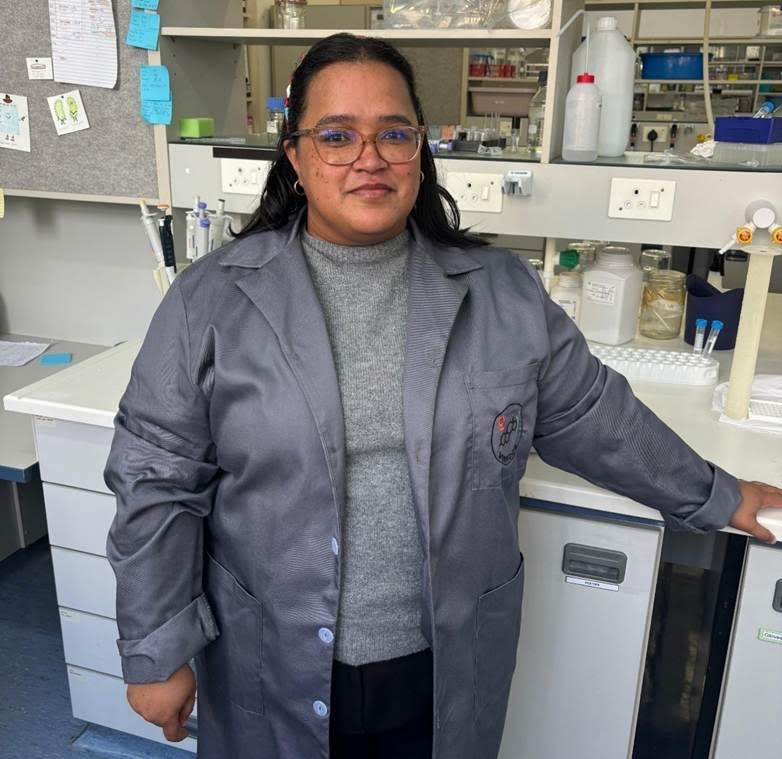
Rooibos, South Africa’s beloved herbal tisane, with proven benefits for the heart, diabetes management and brain health, is now revealing even more potential in preliminary breast cancer research led by Dr Nicky Verhoog, senior lecturer of biochemistry at Stellenbosch University.

Caption: Dr Nicky Verhoog, senior lecturer of biochemistry at Stellenbosch University.

Oestrogen’s role in breast cancer

While the research is still in its early stages, initial findings suggest that Rooibos extracts may counteract the activity of oestrogen in breast cancer cells – a discovery that has prompted the South African Rooibos Council (SARC) and the Department of Science, Technology and Innovation (DSTI) Sector Innovation Fund Programme to continue to support the work of Dr Verhoog with further studies in animal models scheduled to begin next year.

Oestrogen is often described as a kind of driver of breast cancer growth, because many breast cancer tumours carry receptors that respond to it. Although oestrogen doesn’t always start the cancer, it can speed up its growth once the disease has developed. Some newer studies also show that it may sometimes play a more direct role in triggering changes in cells that lead to cancer. Because so many breast cancers are sensitive to oestrogen, the possibility that Rooibos might help block its effect makes these findings especially significant.

Breast cancer in South Africa

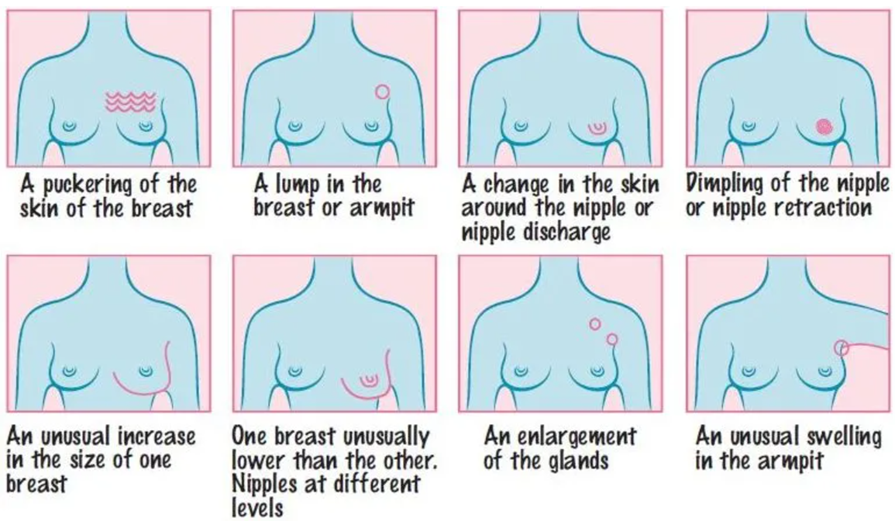
Breast cancer remains a major health concern in the country. According to the latest statistics, between 11 000[1] and 15 000[2] women are diagnosed with breast cancer annually and the disease accounts for approximately 24% of all cancer cases in South African women. Early detection is critical – when identified at an early stage, breast cancer survival rates can exceed 90%, highlighting the importance of regular screening and self-examination.

Caption: Warning signs of breast cancer. Source: CANSA (cansa.org.za)

Rooibos under the microscope

Against this backdrop, Dr Verhoog’s team conducted an in vitro (cell) study to examine whether Rooibos could influence oestrogen receptor-positive breast cancer cells. In the past, there has been some uncertainty about whether Rooibos might interact with oestrogen in ways that could affect women with hormone-sensitive breast cancer. This study set out to clarify its role – whether Rooibos could potentially act like estrogen or conversely, help block its activity – and to assess whether it influences cancer cell behaviour.

“To better understand how Rooibos interacts with natural hormones like estrogen, our team wanted to gather clearer scientific evidence,”

Dr Verhoog explains. “We also looked at whether Rooibos could influence the growth and spread of cancer cells, which is especially important for women with hormone-sensitive breast cancer.”

In the laboratory, the researchers worked with well-known breast cancer cell models that carry two types of estrogen receptors: one that can encourage tumour growth (ERα) and another that helps to suppress it (ERβ). They then added Rooibos extracts to see how the cells would respond – in terms of growth, movement and spread.”

The results were encouraging. The extracts acted against oestrogen, in a way similar to fulvestrant, a treatment commonly used to block oestrogen activity in breast cancer treatment. Rooibos slowed down oestrogen-induced cell growth and prevented the cells from spreading. Interestingly, the extracts showed a preference for activating ERβ, the receptor associated with tumour suppression.

“Rooibos appears to act in a protective way against oestrogen-driven breast cancer cells in the lab. It doesn’t mimic oestrogen, but rather inhibits its action. Importantly, we also found that it didn’t interfere with the effect of tamoxifen, a standard breast cancer therapy, which suggests Rooibos could be safely consumed by women undergoing treatment. Of course, this needs confirmation through in vivo (animal) studies.”

Next steps: pre-clinical trials in 2026

While the findings are promising, Dr Verhoog stresses the limitations of in vitro research.

“Lab studies involve single cell types and don’t replicate the complexity of the human body,” she says. “We need to see how Rooibos behaves when metabolised in the body, which is why our next step is pre-clinical trials planned for 2026.”

The next phase of research will move beyond cell studies to look at how Rooibos behaves in a pre-clinical model system. This step is important to confirm its safety for women with oestrogen-sensitive breast cancer and to better understand its effects in the body. The aim is not to test Rooibos as a treatment, but to ensure that it can be safely enjoyed alongside conventional therapies.

Rooibos’s broader health benefits

Rooibos is already celebrated for its wide range of health benefits. Rich in antioxidants and free from caffeine and added sugars, it is a popular alternative to sugary drinks, contributing to overall hydration and general wellness. Previous studies have also highlighted its potential protective effects against other cancer types, including prostate, liver and colon cancers, thanks to its potent antioxidant properties.

“While we are still in the early stages, our research adds to the growing evidence of Rooibos’ multifaceted biological actions. It’s a step toward understanding how this uniquely South African tisane may support health in a variety of ways,” emphasises Dr Verhoog.

Experts stress that these findings should not be interpreted as evidence that Rooibos can prevent or treat breast cancer. Rather, they reinforce its safety for consumption and provide a foundation for future research.

With October recognised as Breast Cancer Awareness Month, the study also underscores the urgent need for continued scientific investigation into the disease, while reminding women that regular screening, awareness of family history and early detection remain the most effective strategies for reducing breast cancer risk and improving outcomes.


[1] https://www.nicd.ac.za/wp-content/uploads/2025/04/NCR_ASR_tables_2023.pdf According to the National Cancer Registry (NCR), 10 980 cases of breast cancer were recorded in 2023. However, CANSA has highlighted significant underreporting, particularly in rural and under-serviced communities, suggesting that the actual number of cases is likely much higher. The available figures are based on pathological diagnoses.

[2] https://pmc.ncbi.nlm.nih.gov/articles/PMC10881925/

The statistics provided by the International Agency for Research on Cancer (IACR) differ from those reported by the South African NCR, with the number of new breast cancer cases in 2020 being much higher in the IACR data than in the NCR data (15,491 versus 9259). These differences are due to the different strategies used to tally the statistics. The NCR is a collection of pathology-based cancer surveillance figures based on the curation of cancer diagnosis data from histology, cytology and bone marrow aspirate and trephine samples; these samples have been collected, analysed and then reported on annually [4]. The IACR data are based on the South African NCR and Eastern Cape Province Cancer Registries.

Missing First Mammogram Raises Breast Cancer Death Risk

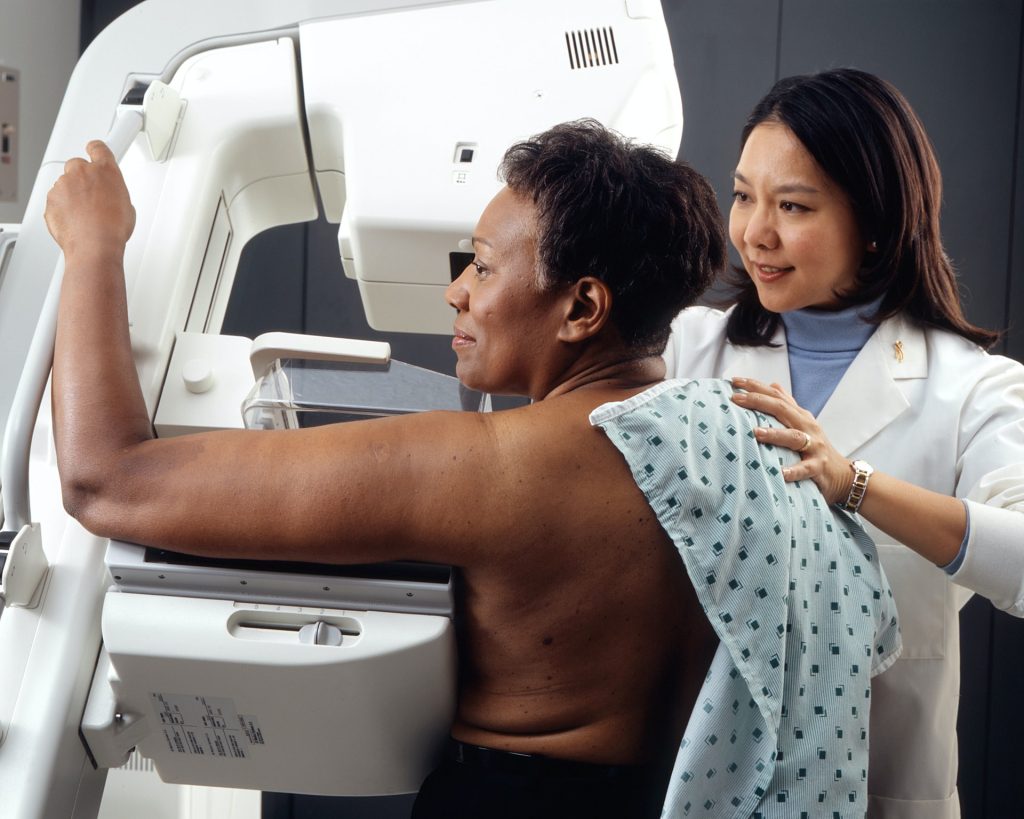
Photo by National Cancer Institute on Unsplash

Women who miss their first mammogram run a higher risk of being diagnosed with advanced breast cancer and dying from the disease. This is shown in a new study from Karolinska Institutet published in The BMJ.

Since the early 1990s, women in Sweden have been offered regular mammograms, which has contributed to a decrease in breast cancer mortality. Despite this, a significant proportion choose not to attend their first examination. The researchers behind the new study wanted to investigate the long-term consequences of this. 

The study is based on data from the Swedish mammography screening program and national health registries, and covers almost 433 000 women in Stockholm between 1991 and 2020, with follow-up for up to 25 years. 

The results show that 32% of all women who were invited to their first screening declined. These women were also less likely to participate in future examinations, which often led to a later diagnosis and poorer prognosis.

“Skipping the first mammogram is a strong indicator of who is at risk of late detection and higher mortality. Our results show that missing the first mammogram is not just a one-time choice, but often marks the beginning of a long-term pattern of not attending check-ups,” says the study’s first author, Ziyan Ma, a doctoral student at the Department of Medical Epidemiology and Biostatistics, Karolinska Institutet.

Were detected at a more advanced stage

When women who skipped their first screening were later diagnosed with breast cancer, the disease was more often detected at a more advanced stage. The risk of developing stage III cancer was approximately 1.5 times higher, and for stage IV, the risk was as much as 3.6 times higher compared to those who participated in the first mammogram. Over a 25-year follow-up period, almost 1 percent of those who did not participate had died of breast cancer, compared with 0.7 percent among the participants – a difference that corresponds to a 40 percent higher risk of dying from the disease. 

However, the total proportion of women who developed breast cancer was almost the same in both groups, approximately 7.7%. According to the researchers, this shows that the increased mortality is mainly due to delayed detection rather than more cases of the disease.

“Family history is a well-known, unchangeable risk factor for breast cancer. Our study shows that missing the very first screening examination carries a similar mortality risk – but unlike family history, this is a behaviour that we can change. Since over 30 percent of women skip their first screening, increased participation could save many lives. Since this group can be identified early, decades before deaths occur, healthcare providers have a chance to intervene with reminders or support to encourage participation, says the study’s last author, Kamila Czene, professor at the Department of Medical Epidemiology and Biostatistics, Karolinska Institutet

Source: Karolinska Institutet