
Category: Cancer

Right to Life Hangs in the Balance for Two SA Girls This World Children’s Day
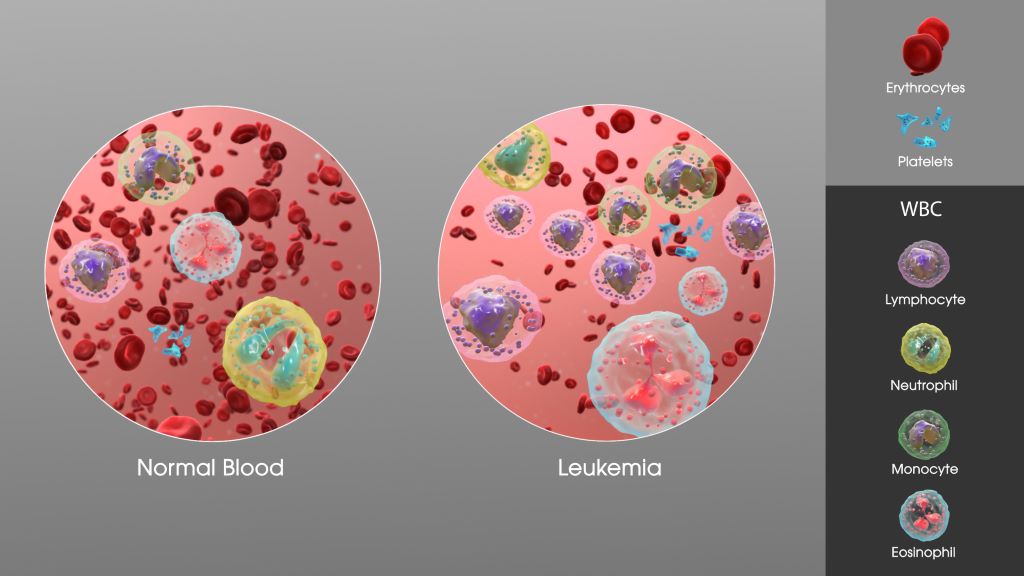
SAG Leukaemia. Credit: Scientific Animations CC0

At four years old, a child’s world should be full of crayons, playgrounds, and fairy tales. For Dianty and Nqobimpi, it has become a world of chemotherapy, blood transfusions, and sterile hospital rooms. As the world observes World Children’s Day on 20 November and its theme of “My day, my rights,” their fight for the basic right to life casts a light on the most critical need of all: a second chance, which can only come from a matching stem cell donor.

A Donor for Dianty

Hailing from Randfontein, Dianty is a bright and joyful four-year-old whose smile can light up any room. Yet, behind her cheerful spirit lies a harrowing health battle. It began last year with inexplicable fevers and stomach pains, initially dismissed as a sinus issue and later as growing pains. When Dianty suddenly lost the ability to walk, her mother, Claudine, knew something was terribly wrong.

After she was admitted to the hospital, blood tests revealed the devastating truth: Dianty had leukaemia. Chemotherapy began immediately. “The ups and downs were relentless,” Claudine explains. Despite initial progress, Dianty relapsed just after her fourth birthday this year, forcing her family back to square one.

The search for a stem cell donor has been fraught with disappointment. With no suitable match found within her family, Dianty’s hope now rests on the public registry. “You never think it will happen to you until it does,” says Claudine. “I encourage every single person to go and do the cheek swab… You can save the life of a little child. You can give them a second chance.”

Nqobimpi Needs a Match

Nqobimpi from Pretoria is facing a similarly terrifying reality. Her journey began with persistent nosebleeds and terrifying episodes of vomiting blood, which left her weak and pale. Her mother rushed her to a clinic, which led to a referral and eventually a diagnosis of T-Cell Acute Lymphoblastic Lymphoma (T-Cell ALL).

Expressing the shock that rocked their family, her mother shares, “I wasn’t aware children could get cancer.” Nqobimpi was pulled out of crèche, and her life became a cycle of month-long hospital stays for treatment. The strain has rippled through their family, affecting her siblings’ ability to focus at school as they worry constantly about their baby sister. All Nqobimpi wants is to return home and play with her dolls, a simple childhood pleasure now dependent on finding a selfless stranger willing to register as a donor.

The Power to Save a Life

“For children like Dianty and Nqobimpi, a stem cell transplant from a matching donor is their only hope for a cure,” highlights Palesa Mokomele, Head of Community Engagement and Communications at DKMS Africa. Every new person who registers brings fresh hope to them and the many other patients waiting for a lifeline.”

“On this World Children’s Day, as we reflect on the rights of every child, consider giving the ultimate gift: the right to life,” she concludes.

Register today at https://www.dkms-africa.org/save-lives.

Pancreatic Cancer Forms ‘Synapses’

Immunofluorescence image of pancreatic cancer cells that invade nerves: nerve cells appear in green, tumor cells in red.

Pancreatic cancer is one of the deadliest types of tumours. A team at the Technical University of Munich (TUM) has discovered that pancreatic tumours exploit the body’s nervous system by forming so-called pseudosynapses. Through a specific receptor, the cancer cells take up the neurotransmitter glutamate, which drives tumour growth. The researchers now hope to identify drugs that can block this process in patients.

It has been known for some time that the nervous system can affect cancer development. For example, nerve cells from healthy tissue can grow into tumors, a phenomenon known as “neural invasion,” which is typically linked to a poor prognosis.

About six years ago, a US research group discovered a new mechanism in the brain: tumours can form their own synapses, co-opting neuronal communication for their benefit. Professor Ekin Demir, a clinician scientist at the Department of Surgery at the TUM University Hospital, and his team built on this finding to investigate whether tumours outside the brain might form similar structures.

Searching for “tumour synapses”

Pancreatic tumours often show neural invasion. Thus, if such synapse-like structures existed outside the brain, this was the most likely place to find them. The researchers searched pancreatic tumour tissue for clusters of receptors specialised for specific neurotransmitters. In some samples, they did indeed find a strong concentration of NMDA receptors – the receptors that bind glutamate. Then came the successful search for the characteristic structures of synapses, carried out in the classic way under the electron microscope Owing to subtle physiological differences compared with typical neuronal synapses, the researchers refer to these structures as pseudosynapses.

Calcium waves promote tumour growth

What advantage do pancreatic tumours gain by forming pseudosynapses? Like other glands, the pancreas is regulated by the nervous system. Depending on the body’s needs healthy pancreatic cells receive the neurotransmitter glutamate through their synapses. This triggers a series of processes. Pseudosynapses exploit this natural mechanism. “When glutamate binds to the cancer cells’ NMDA receptors, a channel opens and calcium flows into the cell,” explains Professor Demir. “This influx triggers molecular signalling cascades that drive tumour growth and metastasis.” The team observed that the cancer cells generate characteristic slow, long-lasting calcium waves that drive tumour growth in a sustained way.

Yet this remarkable mechanism may open up a path to new cancer therapies. In mouse experiments, the researchers successfully blocked the NMDA receptors on tumour cells with a drug. The result: pancreatic tumours grew more slowly, developed fewer metastases, and the animals lived longer.

“We are currently using bioinformatic methods to identify approved drugs that, in addition to their primary effects, can also block these specific NMDA receptors in pancreatic cancer cells,” says Professor Ekin Demir. “Therapies targeting the interface between the nervous system and tumours could open up entirely new treatment options.” The team suspects that other tumour types may also form pseudosynapses to accelerate their growth.

The study is published in Cancer Cell.

Source: Technical University of Munich

GLP-1 Drugs May Also Reduce Risk of Death from Colon Cancer

Photo by Haberdoedas on Unsplash

A new University of California San Diego study offers compelling evidence that GLP-1 receptor agonists may do more than regulate blood sugar and weight. In an analysis of more than 6800 colon cancer patients across all University of California Health sites, researchers found that those taking glucagon-like peptide-1 (GLP-1) medications were less than half as likely to die within five years compared to those who weren’t on the drugs (15.5% vs 37.1%).

The study, led by Raphael Cuomo, PhD, used real-world clinical data from the University of California Health Data Warehouse to assess outcomes across the state’s academic medical centres. After adjusting for age, body mass index (BMI), disease severity and other health factors, GLP-1 users still showed significantly lower odds of death, suggesting a strong and independent protective effect.

The survival benefit appeared most pronounced in patients with very high BMI (over 35), hinting that GLP-1 drugs may help counteract the inflammatory and metabolic conditions that worsen colon cancer prognosis. Researchers believe several biological mechanisms could explain the link. Beyond regulating blood sugar, GLP-1 receptor agonists reduce systemic inflammation, improve insulin sensitivity and promote weight loss – all factors that can dampen tumour-promoting pathways. Laboratory studies also suggest that GLP-1 drugs may directly prevent cancer cell growth, trigger cancer cell death and reshape the tumour microenvironment. However, the study authors emphasise that more research is needed to confirm these mechanisms and determine whether the survival benefit observed in this real-world analysis represents a direct anti-cancer effect or an indirect result of improved metabolic health.

Cuomo notes that while these results are observational, they underscore an urgent need for clinical trials to test whether GLP-1 drugs can improve cancer survival rates, especially for patients with obesity-related cancers.

The study appeared in Cancer Investigation on November 11, 2025.

Source: University of California – San Diego

Plant-based Nutrient Improves Immune Cells’ Cancer-Fighting Power

Researchers find that zeaxanthin, best known for protecting vision, can also strengthen the cancer-fighting activity of immune cells.

Zeaxanthin is a carotenoid, a type of yellow-orange pigment found in plants. It is found in food such as yellow peppers and maize. Photo by Daniel Dan on Unsplash

In a new study, researchers from the University of Chicago discovered that zeaxanthin, a plant-derived carotenoid best known for protecting vision, may also act as an immune-boosting compound by strengthening the cancer-fighting activity of immune cells. The findings, which were published in Cell Reports Medicine, highlight the potential of zeaxanthin as a widely available supplement to improve the effectiveness of cancer immunotherapies.

“We were surprised to find that zeaxanthin, already known for its role in eye health, has a completely new function in boosting anti-tumour immunity,” said Jing Chen, PhD, Professor of Medicine and senior author of the study. “Our study show that a simple dietary nutrient could complement and strengthen advanced cancer treatments like immunotherapy.”

How does this nutrient work?

The study builds on years of work by Chen’s lab to better understand how nutrients influence the immune system. By screening a large blood nutrient library, the team identified zeaxanthin as a compound that directly enhances the activity of CD8+ T cells, a crucial type of immune cell that kills tumour cells. These cells rely on a molecular structure called the T-cell receptor (TCR) to recognise and destroy abnormal cells.

The researchers found that zeaxanthin stabilizes and strengthens the formation of TCR complex on CD8+ T cells upon interacting with the cancer cells. This, in turn, triggers more robust intracellular signaling that boosts T-cell activation, cytokine production, and tumour-killing capacity.

Zeaxanthin improves immunotherapy effects

In mouse models, dietary supplementation with zeaxanthin slowed tumour growth. Importantly, when combined with immune checkpoint inhibitors – a type of immunotherapy that has transformed cancer treatment in recent years – zeaxanthin significantly enhanced anti-tumour effects compared to immunotherapy alone.

With more research, we may discover natural compounds that make today’s cancer therapies more effective and accessible.

Jing Chen, PhD

To extend the findings, the researchers tested human T cells engineered to recognise specific tumour antigens and found that zeaxanthin treatment improved these cells’ ability to kill melanoma, multiple myeloma, and glioblastoma cells in laboratory experiments.

“Our data show that zeaxanthin improves both natural and engineered T-cell responses, which suggests high translational potential for patients undergoing immunotherapies,” Chen said.

A safe and accessible candidate

Zeaxanthin is sold as an over-the-counter supplement for eye health, and is naturally found in vegetables like orange peppers, spinach, and kale. It’s inexpensive, widely available, well-tolerated and, most importantly, its safety profile is known – which means it can be safely tested as an adjunct to cancer therapies.

The study also reinforces the importance of a balanced diet. In their previous research, Chen’s group discovered that trans-vaccenic acid (TVA), a fatty acid derived from dairy and meat, also boosts T-cell activity – but through a different mechanism. Together, the findings suggest that nutrients from both plant and animal sources may provide complementary benefits to immune health.

Clinical applications of zeaxanthin

Although the results are promising, the researchers stress that the work is still at an early stage. Most of the findings come from laboratory experiments and animal studies. Thus, clinical trials will be needed to determine whether zeaxanthin supplements can improve outcomes for cancer patients.

“Our findings open a new field of nutritional immunology that looks at how specific dietary components interact with the immune system at the molecular level,” Chen said. “With more research, we may discover natural compounds that make today’s cancer therapies more effective and accessible.”

The study, “Zeaxanthin augments CD8+ effector T cell function and immunotherapy efficacy,” was supported by grants from the National Institutes of Health, the Ludwig Center at the University of Chicago, and the Harborview Foundation Gift Fund.

Source: The University of Chicago

Radiotherapy After Mastectomy Can Be Avoided

Photo by Jo McNamara

Radiotherapy can be safely omitted as a treatment for many breast cancer patients who have had a mastectomy and are taking anti-cancer drugs, as shown in a study published in the New England Journal of Medicine. An international trial found that patients with early-stage breast cancer who underwent a mastectomy had similar 10-year survival rates whether or not they received radiotherapy.

Experts say the findings should help guide treatment discussions, as many patients who currently qualify for radiotherapy after mastectomy under existing guidelines may not actually need it.

Outdated practice

For many patients with early-stage breast cancer treated by mastectomy and anti-cancer drugs, chest wall radiotherapy has long been standard to kill any remaining cancer cells and lower the risk of recurrence. 

The practice is based on trials from the 1980s, now considered outdated, leaving uncertainty about its benefit and leading to variation in use worldwide.

The SUPREMO trial (Selective Use of Postoperative Radiotherapy after Mastectomy), led by the University of Edinburgh, studied the impact of chest wall radiotherapy in patients at intermediate risk of breast cancer returning. 

International trial

The group included women from 17 countries with one to three affected lymph nodes, as well as those with none but who had other tumour features of aggressive behaviour that increase the chance of recurrence.

All 1607 patients in the study underwent mastectomy, axillary surgery – removing lymph nodes from the armpit – and modern anti-cancer therapy. They were randomly assigned to chest wall radiotherapy (808 women) or no radiotherapy (799).

Little benefit

There was no difference in overall survival of patients after ten years of follow up – 81.4% of those who received radiotherapy were still alive, compared with 81.9% of those who did not.

Radiotherapy also had no impact on disease-free survival – the length of time without any cancer returning – or on the cancer spreading from the breast around the body, the study found.

Radiotherapy had minimal impact on cancer recurring at the site of mastectomy. Nine patients who received the treatment saw their breast cancer return on the chest wall, compared with 20 who did not. Side effects from radiotherapy were mild with no excess deaths reported from cardiac causes.

Improved drugs

Experts attribute radiotherapy providing less benefit than previously thought to progressive improvements in treatment, particularly better drug treatments, which continue to reduce the chances of the cancer returning, and boost survival rates.

The research team caution that the study only looked at those with intermediate-risk breast cancer. Patients with a higher risk of their cancer returning could possibly benefit from chest wall radiotherapy, they add.

The SUPREMO trial provides no evidence to support the continued use of radiotherapy to the area of the chest wall in most patients with intermediate-risk breast cancer who have undergone a mastectomy if they are also treated with modern anti-cancer drug treatment.

 Professor Ian Kunkler Institute of Genetics and Cancer, University of Edinburgh

Although reported toxicity in the trial was mild, we know that almost all patients experience some side effects of radiotherapy, that can even develop even some years after treatment. Avoiding unnecessary irradiation will reduce both treatment burden and, for example, the detrimental effects on breast reconstruction for these mastectomy patients.

 Dr Nicola Russell Netherlands Cancer Institute and study coordinator on behalf of the EORTC

The international research team included scientists from the UK, Netherlands, Australia and China.

Source: University of Edinburgh

New Nanomedicine Turns Toxic Chemo Drug into a Cancer Assassin

By restructuring a common chemo drug, scientists boost its power by 10 000-fold

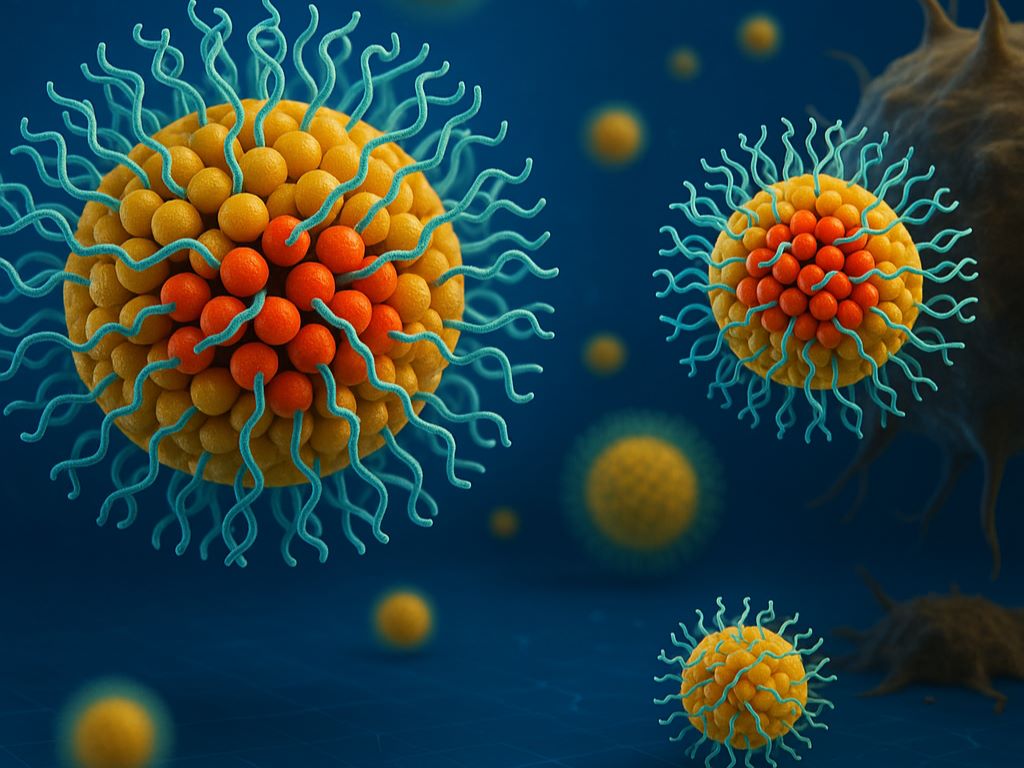
Spherical nucleic acid. Credit: Northwestern University

In a promising advance for cancer treatment, Northwestern University scientists have re-engineered the molecular structure of a common chemotherapy drug, making it dramatically more soluble and effective and less toxic.

In the new study, the team designed a new drug from the ground up as a spherical nucleic acid (SNA): a nanostructure that weaves the drug directly into DNA strands coating tiny spheres. This design converts a poorly soluble, weakly performing drug into a powerful, targeted cancer killer that leaves healthy cells unharmed.

After developing the new therapy, the team tested it in a small animal model of acute myeloid leukaemia (AML), a fast-moving, difficult-to-treat blood cancer. Compared to the standard chemotherapy drug, the SNA-based drug entered leukaemia cells 12.5 times more efficiently, killed them up to 20 000 times more effectively and reduced cancer progression 59-fold – all without detectable side effects. 

This work is another example of the potential of structural nanomedicine, a new field in which scientists use precise structural, as well as compositional, control to fine-tune how nanomedicines interact with the human body. With seven SNA-based therapies currently in clinical trials, the new approach could lead to potent vaccines and treatments for cancers, infectious diseases, neurodegenerative diseases and autoimmune diseases. 

The study was published in the journal ACS Nano. 

“In animal models, we demonstrated that we can stop tumors in their tracks,” said Northwestern’s Chad A. Mirkin, who led the study. “If this translates to human patients, it’s a really exciting advance. It would mean more effective chemotherapy, better response rates and fewer side effects. That’s always the goal with any sort of cancer treatment.” 

For the new study, Mirkin and his team focused on the traditional chemotherapy drug 5-fluorouracil (5-Fu), which often fails to reach cancer cells efficiently. And, because it also attacks healthy tissue, 5-Fu causes myriad side effects, including nausea, fatigue and, in rare cases, even heart failure. 

According to Mirkin, the drug itself is not the problem – it’s how the body processes it. 5-Fu is poorly soluble, meaning less than 1% of it dissolves in many biological fluids. Most drugs need to dissolve in the bloodstream before they can travel through the body to enter cells. If a drug is poorly soluble, it clumps or retains a solid form, and the body cannot absorb it efficiently. 

“We all know that chemotherapy is often horribly toxic,” Mirkin said. “But a lot of people don’t realise it’s also often poorly soluble, so we have to find ways to transform it into water soluble forms and deliver it effectively.” 

To develop a more effective delivery system, Mirkin and his team turned to SNAs. Invented and developed by Mirkin at Northwestern, SNAs are globular nanostructures with a nanoparticle core surrounded by a dense shell of DNA or RNA. In previous studies, Mirkin discovered that cells recognise SNAs and invite them inside. In the new study, his team built new SNAs with the chemotherapy chemically incorporated into the DNA strands. 

“Most cells have scavenger receptors on their surfaces,” Mirkin said. “But myeloid cells overexpress these receptors, so there are even more of them. If they recognise a molecule, then they will pull it into the cell. Instead of having to force their way into cells, SNAs are naturally taken up by these receptors.” 

As Mirkin and his team suspected, the structural redesign completely changed how 5-Fu interacted with the cancer cells. Unlike with free-floating, unstructured chemotherapy molecules, the myeloid cells easily recognised and absorbed the SNA form. Once inside, enzymes broke down the DNA shell to release the drug molecules, which killed the cancer cell from within. 

In the mouse experiments, the therapy eliminated the leukaemia cells to near completion in the blood and spleen and significantly extended survival. And, because the SNAs selectively targeted AML cells, healthy tissues remained unharmed. 

“Today’s chemotherapeutics kill everything they encounter,” Mirkin said. “So, they kill the cancer cells but also a lot of healthy cells. Our structural nanomedicine preferentially seeks out the myeloid cells. Instead of overwhelming the whole body with chemotherapy, it delivers a higher, more focused dose exactly where it’s needed.” 

Next, Mirkin’s team plans to test the new strategy in a larger cohort of small animal models, then move to a larger animal model and, eventually, in human clinical trials, once funding is secured. 

Source: Northwestern University

Key Mechanism Behind Chemotherapy-induced Nerve Damage Uncovered

Study reveals how targeting a cellular pathway could protect cancer patients from peripheral neuropathy

Photo by Tima Miroshnichenko on Pexels

Scientists at Wake Forest University School of Medicine, in collaboration with researchers at Weill Cornell Medicine, have made a breakthrough in understanding why many cancer patients develop nerve damage after chemotherapy. Their new study, published in Science Translational Medicine, reveals that a stress response inside certain immune cells can trigger this debilitating side effect. This discovery could open the door to new ways to prevent or treat nerve damage in cancer patients.

Chemotherapy-induced peripheral neuropathy is a common and often severe side effect of cancer treatment, especially with drugs like paclitaxel. It can cause tingling, numbness and pain in the hands and feet, sometimes forcing patients to stop life-saving treatment early. Up to half of all patients receiving chemotherapy may experience this condition, but until now, the exact cause has remained a mystery.

To better understand this nerve toxicity that could be painful, scientists used a well-established mouse model that closely reflects the nerve problems experienced by people undergoing cancer treatment. This model allowed researchers to observe how a specific immune cell pathway, known as IRE1α, contributes to triggering inflammation that led to neurotoxicity and pain. By blocking the IRE1α pathway in the immune cells of these mice, either through genetic techniques or with an IRE1a inhibitor, the team was able to prevent the development of nerve damage, pain and toxic inflammation.

The researchers also studied a group of patients from Atrium Health Wake Forest Baptist’s National Cancer Institute-designated Comprehensive Cancer Center. The patients were receiving chemotherapy for gynecological cancers, collecting blood samples before and after treatment to measure IRE1α activity in their immune cells. They found that patients with higher IRE1α activation were more likely to develop severe neuropathy due to chemotherapy, directly linking the mouse model findings to patient outcomes.

Key Findings

  • Chemotherapy activates a stress sensor (IRE1α) in immune cells, triggering inflammation and nerve damage.
  • Blocking this sensor in mice prevented nerve pain and damage, suggesting a new treatment target.
  • In patients, higher activation of this stress sensor in blood cells was linked to more severe nerve symptoms and also to the initiation of neuropathy symptoms.

“Our research shows that a stress response inside immune cells is a key contributor to chemotherapy-induced neuropathy that could be painful and debilitating. By targeting this pathway, we may be able to protect patients from one of the most challenging side effects of cancer treatment,” said E. Alfonso Romero-Sandoval, MD, PhD, professor of anaesthesiology at Wake Forest University School of Medicine and the study’s corresponding author. “Our study opens the opportunity to further explore if this pathway could be used to predict what patients will develop this condition and therefore could help clinicians implement patient-tailored treatments,” Romero-Sandoval said.

The discovery could lead to new drugs that block this pathway, helping patients stay on their cancer treatment without suffering from painful side effects.

According to Romero-Sandoval, who is a member of the Atrium Health Wake Forest Baptist Comprehensive Cancer Center, this is the first study to show that the IRE1α stress sensor in immune cells is directly linked to nerve damage from chemotherapy.

The team plans to conduct larger clinical studies to confirm these findings and test whether the IRE1α pathway could be used as a biomarker for disease progression and if drugs that block this stress sensor can safely prevent or reduce nerve damage in cancer patients. They also hope to explore whether this approach could help with other types of nerve pain. Interestingly, an IRE1a inhibitor is currently in clinical trials to improve anti-cancer effects of chemotherapy, including paclitaxel.

Source: Wake Forest University

Beyond the Diagnosis: The Financial Toll of Cancer in SA

Cancer is one of the fastest-growing health challenges in South Africa, with over 100 000 new cases diagnosed annually, according to the National Cancer Registry. While most conversations focus on the physical and emotional impact, the financial strain of the disease often goes unspoken.

According to the South African Medical Journal, treatment costs for cancer can exceed R1 million per year, particularly when advanced therapies and prolonged care are required. This leaves many families facing difficult decisions that extend far beyond the hospital ward. With medical aid often falling short and with only 16% of South Africans covered by medical schemes, as reported by the Council for Medical Schemes the financial burden of cancer can be as devastating as the diagnosis itself.

“Medical aid alone often isn’t enough to cover the full cost of treatment, especially when it comes to critical illnesses like cancer,” says Matthew Green, Product Portfolio Manager at FNB Life. “We’ve seen firsthand how having the right insurance can make a real difference.”

The true impact of cancer is often measured in rands and cents: savings depleted, debt accumulated, and households forced to sacrifice essentials to pay for treatment. Myths about affordability and a lack of awareness mean that too many people enter this battle unprepared. The result is a financial shock that can be as devastating as the diagnosis itself. Beyond the direct medical expenses, families often face a range of additional costs from transport to and from treatment centres, specialised nutrition, home modifications, and caregiving support, to lost income due to time off work. Critical illness cover is designed to help bridge these financial gaps, providing a lump-sum payout that can be used not only for treatment, but also for these broader, often overlooked expenses that impact the entire household.

“Against this backdrop, insurers are under growing pressure to offer support that reflects the lived realities of ordinary South Africans. FNB Insure is among those stepping in to help close the gap – focusing on making financial protection more accessible, flexible, and relevant to everyday needs,” says Green.

Rather than positioning insurance cover as a luxury, the emphasis is on practical tools that help households navigate the rising costs of treatment and the economic strain that often follows a serious diagnosis. Whether it’s support during hospital stays, assistance with unexpected medical shortfalls, or a payout that enables immediate action after a diagnosis, the goal is to empower customers to focus on recovery – not financial survival.

This is evident from our customer feedback, where individuals have shared how timely access to cover helped them act quickly, avoid financial delays, and prioritise their health during some of life’s most difficult moments. “And its stories like this underline the importance of early financial planning and the role of accessible insurance in giving families space to focus on recovery rather than financial survival,” says Green.

With October marking Breast Cancer Awareness Month and November bringing the spotlight on men’s health through initiatives like Movember, FNB Insure is adding its voice to the broader call for awareness. “The message is clear: cancer doesn’t only affect health; it reshapes every aspect of life. Building resilience means preparing not just medically, but financially too,” concludes Green.

No Increased Childhood Cancer Risk near UK Nuclear Sites, Study Finds

Photo by Vladyslav Cherkasenko on Unsplash

Children living near nuclear power stations in the UK are not at increased risk of childhood cancers, according to a new analysis.

The research was led by scientists at Imperial College London and University of Bristol and commissioned by the UK Committee on the Medical Aspects of Radiation in the Environment (COMARE). The results, published in International Journal of Epidemiology, found no evidence of increased risk of childhood cancers among children living near 28 nuclear installations between 1995 and 2016.

Researchers analysed cancer incidence data for nearly 50 000 cases of childhood leukaemia, non-Hodgkin’s lymphoma (LNHL), central nervous system (CNS) tumours, and other solid tumours in children aged 0–14 years.

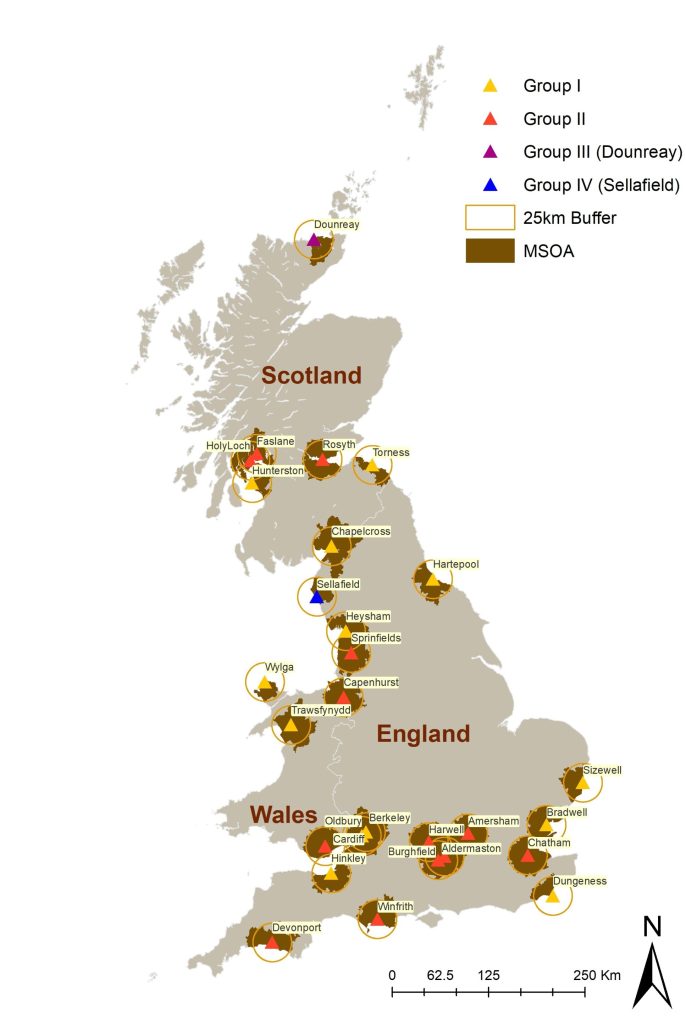
They looked at data for communities living within 25 kilometres of installations, including those which have been linked to historical concerns about potential health impacts – such as Sellafield in Cumbria and Dounreay in northern Scotland.

The analysis found no evidence of increased risk of childhood cancers among children living near 28 nuclear installations between 1995 and 2016.
(Credit: Davies, B. et al. Int J Epidemiol, 2025)

Using these data and advanced statistical modelling, they found no increased incidence of childhood cancers in these areas compared to national averages.[1] They also found no evidence that cancer risk increased the closer children lived to the nuclear sites.

Dr Bethan Davies, from Imperial’s School of Public Health and lead author of the study, said: “For many years there have been public concerns about the potential health impacts of living near nuclear installations. Our analysis suggests that children living near these sites today are not at increased risk.”

The latest study builds on decades of research following reports in the 1980s of clusters of cancer cases near nuclear facilities in England, Scotland and Germany[2] – following which, the UK Government set up COMARE to advise on the health effects of radiation.

Early investigations confirmed clusters of cases of some cancers near nuclear installations, particularly LNHL.

However, subsequent studies failed to show any direct link between these cases and radiation exposure from nuclear facilities.

In 2016, a COMARE report[3] suggested other potential explanations for these case clusters, including infections introduced due to population mixing in the areas.

The new findings come at a time of renewed interest in nuclear energy as part of the UK’s strategy to meet net-zero carbon targets and the government committing £14.2bn to build a new nuclear power station in Suffolk and develop small modular reactors.

The researchers say that while their study offers reassurance, they support COMARE’s recommendations for ongoing surveillance of cancer incidence near nuclear sites.

The authors acknowledge a number of limitations with their study, including the use of residential address at diagnosis as a proxy for exposure.

They were also unable to account for individual-level risk factors – such as genetic or medical conditions. However, they emphasise that the study’s design and comprehensive data make it one of the most detailed assessments to date.

Dr Davies added: “As the UK government announces a multibillion-pound investment for new nuclear energy infrastructure, our findings should provide reassurance that the historical clusters of childhood cancers reported near sites such as Sellafield and Dounreay are no longer evident.”

Professor Mireille Toledano, Mohn Chair in Population Child Health in Imperial’s School of Public Health, said: “These findings are both timely and important. As the UK and other countries expand their nuclear energy capacity, it’s vital that public health remains a central consideration. It’s reassuring that our study found that the historic case clusters have resolved, but it remains important we continue to monitor public health data around such sites across the UK for any emerging trends of concern.”

The full study, published today in the International Journal of Epidemiology, was supported by funding from the National Institute for Health and Care Research (NIHR), Health Data Research UK (HDRUK) and the UK Medical Research Council (UK Research and Innovation (UKRI)).

The work was carried out through the NIHR Health Protection Research Unit in Chemical and Radiation Threats and Hazards – a partnership between the UK Health Security Agency (UKHSA) and Imperial College London.

The work was also supported by the NIHR Imperial Biomedical Research Centre, a translational research partnership between Imperial College Healthcare NHS Trust and Imperial College London.

–

[1] Researchers obtained national incident cases of cancer diagnosed between 1995 and 2016 in children under 15 years of age from NHS England (formerly Public Health England), Welsh Cancer Intelligence and Surveillance Unit and Health Protection Scotland.

[2] A cluster of cases of leukaemia in children living close to the Sellafield nuclear plant was reported in 1983. An Independent Advisory Group confirmed the cluster and the UK government established COMARE to advise on the health effects of radiation. Subsequent studies identified increased risks of cancers in children and young adults living near Sellafield, Dounreay (Scotland), and Hamburg (Germany) nuclear installations.

[3] Committee on Medical Aspects of Radiation in the Environment (COMARE) – Seventh report (2016) https://assets.publishing.service.gov.uk/media/5a7f70ed40f0b6230268f83c/COMARE_17th_Report.pdf

Source: Imperial College London

Altron HealthTech Set to Pilot South Africa’s First Oncology Companion App

ThriveLink to connect patients, doctors, caregivers, and medical schemes in a seamless digital platform

The last thing someone dealing with a life-threatening disease wants is the pain of endless administrative paperwork and confusion that arises when aspects of their care are not easily coordinated. Altron HealthTech is set to pilot a solution designed to minimise these burdens by integrating various aspects of care management into one solution.   

The company announced today that it will soon begin piloting ThriveLink, South Africa’s first platform to connect patients, doctors, caregivers, and medical schemes in one integrated digital space. The oncology companion app is designed to help cancer patients flourish during a trying time by providing seamless care coordination, access to key information and educational content and removal of administrative obstacles. 

“We’ve built this tool with the ultimate goal of making life easier for cancer patients to be empowered throughout managing their treatment journey,” says Altron HealthTech MD Leslie Moodley. “They’ll receive appointment tracking, medication reminders, and secure communication with their care team – all customised for their unique treatment plan in one digital space – so they can focus on what matters most: their health and wellbeing.” 

Addressing a growing crisis

The development team was inspired to create ThriveLink after frontline agents logged an alarming increase in cancer diagnoses. Cancer cases in South Africa are projected to nearly double from 62 000 in 2019 to 121 000 nationally by 2030 based on data compiled by the SA Journal of Oncology, driven by an aging population and increased lifestyle risks. 

“We have insight into anonymised and aggregated data, and were shocked at the increase in cancer volumes,” says Moodley. “We realised there was value in developing a tool that could span the entire healthcare value chain and all the various touchpoints, to solve for a very real issue. This insight sparked a critical question: how can we make it easier for oncologists, our key stakeholders, to focus on what matters most – patient care? 

ThriveLink brings together data from specialists, medical aids, pharmacies, and other relevant sources to coordinate care to connect healthcare providers. Beyond appointment tracking and medication reminders, the app offers educational content, emotional support tools, and secure communication channels. 

“The solution enables these data points to collaborate in a technical sense to coordinate care,” explains Moodley. “Our response was to build a technology-driven platform that not only streamlines authorisations and treatment protocols but also enables real-time interoperability. This empowers oncologists to coordinate care more efficiently, track treatment pathways, and adapt plans based on patient-specific outcomes. Patients won’t have to worry about burdensome details and will get reminded when it’s time to take their medication or schedule a follow-up.” 

Built on medical expertise and security

The app serves as the vital link in a complex ecosystem, ensuring secure information flow, informed decision-making, and trust at every stage.  

Altron HealthTech consulted widely with oncologists, patients, and other medical professionals before beginning development. A base application was rolled out to specialists about a year ago, and feedback from that pilot informed the expanded platform now ready for patient testing. 

The app has been built on secure, cloud-based software-as-a-service architecture in compliance with the Protection of Personal Information Act and all relevant regulatory requirements. Patients must provide informed consent before signing up. 

Beyond supporting patients directly, ThriveLink is designed to help control healthcare costs. Cancer is among the most expensive therapeutic burdens, with the Cancer Alliance having predicted that this disease will cost the public sector an additional R50 billion between 2020 and 2030. 

“By streamlining processes and integrating claims, authorisations, and clinical data, we remove duplication and costs from the system,” says Moodley. “This can indirectly help keep medical aid premiums down, benefiting all medical scheme patients.” 

Altron HealthTech is in early-stage discussions with medical aid schemes interested in integrating the app into their mobile solutions.