Author: ModernMedia

Starting HIV Treatment Early may be Key to Remission
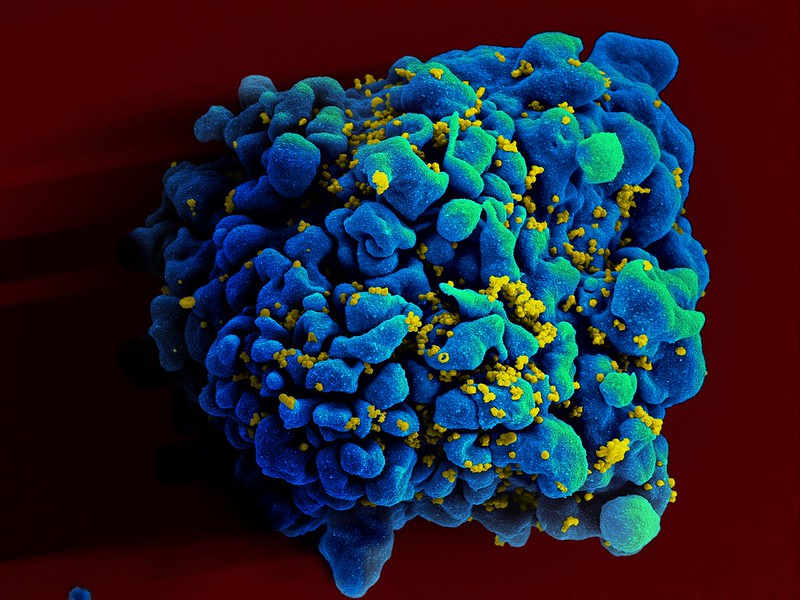
Colourised scanning electron micrograph of HIV (yellow) infecting a human T9 cell (blue). Credit: NIH

Some people with HIV, known as “post-treatment controllers,” have been able to discontinue their antiretroviral treatment while maintaining an undetectable viral load for several years. Starting treatment early could promote long-term control of the virus if treatment is discontinued.

Scientists from the Institut Pasteur and other institutes used an animal model to identify a window of opportunity for the introduction of treatment that promotes remission of HIV infection. The findings, published in Nature Communications, suggest that starting treatment four weeks after infection promotes long-term control of the virus following the interruption of treatment after two years of antiretroviral therapy.

These results highlight how important it is for people with HIV to be diagnosed and begin treatment as early as possible.

Research on the VISCONTI cohort, composed of 30 post-treatment controllers, has provided proof of concept of possible long-term remission for people living with HIV. These individuals received early treatment that was maintained for several years.

When they subsequently interrupted their antiretroviral treatment, they were capable of controlling viraemia for a period lasting more than 20 years in some cases. At the time (in 2013), the team leading the VISCONTI study suggested that starting treatment early could promote control of the virus, but this remained to be proven.

In this new study, the scientists used a primate model of SIV1 infection which allowed them to control all the parameters (sex, age, genetics, viral strain, etc.) that may have an impact on the development of immune responses and progression to disease.

They compared groups that had received two years of treatment, starting either shortly after infection (in the acute phase) or several months after infection (in the chronic phase), or no treatment.

The reproducible results show that starting treatment within four weeks of infection (as was the case for most of the participants in the VISCONTI study) strongly promotes viral control after discontinuation of treatment.

This protective effect is lost if treatment is started just five months later.

“We show the link between early treatment and control of infection after treatment interruption, and our study indicates that there is a window of opportunity to promote remission of HIV infection,” comments Asier Sáez-Cirión, Head of the Institut Pasteur’s Viral Reservoirs and Immune Control Unit and co-last author of the study.

The scientists also demonstrated that early treatment promotes the development of an effective immune response against the virus.

Although the antiviral CD8+ T immune cells developed in the first weeks after infection have very limited antiviral potential, the early introduction of long-term treatment promotes the development of memory CD8+ T cells, which have a stronger antiviral potential and are therefore capable of effectively controlling the viral rebound that occurs after treatment interruption.

“We observed that early treatment maintained for two years optimises the development of immune cells. They acquire an effective memory against the virus and can eliminate it naturally when viral rebound occurs after discontinuation of treatment,” explains Asier Sáez-Cirión.

These results confirm how important it is for people with HIV to be diagnosed and begin treatment as early as possible.

“Starting treatment six months after infection, a delay that our study shows results in a loss of effectiveness, is already considered as a very short time frame compared with current clinical practice, with many people with HIV starting treatment years after infection because they are diagnosed too late,” notes Roger Le Grand, Director of IDMIT (Infectious Disease Models for Innovative Therapies) and co-last author of the study.

“Early treatment has a twofold effect: individually, as early treatment prevents diversification of the virus in the body and preserves and optimises immune responses against the virus; and collectively, as it prevents the possibility of the virus spreading to other people,” adds Asier Sáez-Cirión.

Finally, these results should guide the development of novel immunotherapies targeting the immune cells involved in the remission of HIV infection.

These are the initial results of the p-VISCONTI study, which began in 2015 in collaboration with the institutions cited above and received funding from MSD Avenir and the support of ANRS Emerging Infectious Diseases as part of the RHIVIERA consortium.

1 SIV: simian immunodeficiency virus only affects non-human primates. SIV infection of animals recapitulates the key features of human HIV infection.

Source: Institut Pasteur

People with Gluten Sensitivity have Negative Effects – Even When Eating a Placebo

Photo by Mariana Kurnyk

Symptoms of gluten sensitivity are partly to do with people’s expectations, if celiac disease and wheat allergy have been excluded as causes. Recent research at the universities of Maastricht and Leeds shows that the expectation that gluten causes gastrointestinal complaints plays a crucial role in whether or not people experience these symptoms. These results, published in The Lancet Gastroenterology and Hepatology, indicate a direct involvement of the interaction between the brain and the intestines – the ‘gut-brain axis’ – in the experience of complaints after ingesting gluten.

Fear of gluten

A growing number of people are reducing their gluten intake due to self-reported digestive complaints, despite the fact that celiac disease and wheat allergy have been ruled out. The cause of their symptoms is often unclear. The researchers therefore wanted to investigate the effects of expectations on symptoms experienced after gluten intake. More than 80 subjects with self-reported gluten sensitivity took part in a psychological study and were divided into four groups. The results were unequivocal: people who thought they were eating food containing gluten reported more symptoms, while those who thought their food was gluten-free reported fewer symptoms.

In reality, the food given to half of each group contained gluten, while for the other half it was gluten-free. In all of the groups people’s expectations played a prominent role in whether or not they reported symptoms after eating. “In our research, we see a so-called nocebo effect when people eat gluten,” says researcher Marlijne de Graaf. “If people expect gluten to produce negative effects, they experience symptoms, even if it turns out afterwards that they weren’t actually eating gluten. Although the cause is partly ‘in the mind’, this doesn’t mean that the symptoms are not real.”

Gut-brain axis

The results of this study indicate a clear involvement of the interaction between the brain and the intestines in gluten sensitivity, a subject on which knowledge is as yet limited. The researchers therefore now want to concentrate on unravelling the mechanisms that determine the importance of expectation and exposure along the gut-brain axis. ‘Due to the influence of interactions between the brain and the intestines, people can genuinely experience symptoms such as stomach ache, bloating or diarrhoea after eating gluten,’ says Daisy Jonkers, professor of Intestinal Health at Maastricht University. ‘But the cause of these complaints is not only eating gluten, so a gluten-free diet isn’t the only solution.’

To treat this problem, the researchers want to conduct further studies on the influence of the brain on the development of bowel complaints. ‘For example, we’d like to know exactly which areas in the brain are involved,” says Jonkers, “and we also want to find out what substances play a role in the communication between the brain and the gut, and whether people might respond differently to them. It’s also quite possible that some people can’t tolerate wheat products because of substances in wheat other than gluten, and that there is indeed something in wheat that can lead to overstimulation of the immune system, for example, or excessive production of gas by the gut flora. This is also something we’d like to investigate.”

Source: Maastricht University

Acute Back Pain is Easily Treated but When Recovery Slows, can Become Persistent

Photo by Sasun Bughdaryan on Unsplash

A systematic review published in the Canadian Medical Association Journal revealed that while people had good odds of recovering from short term back pain, but if it becomes persistent, then the chances of recovery are greatly reduced. This has important implications for the treatment of chronic back pain, as it points to the pain from the original injury being replaced by pain hypersensitivity.

“The good news is that most episodes of back pain recover, and this is the case even if you have already had back pain for a couple of months,” University of South Australia Professor Lorimer Moseley says.

“The bad news is that once you have had back pain for more than a few months, the chance of recovery is much lower. This reminds us that although nearly everyone experiences back pain, some people do better than others, but we don’t completely understand why.”

The systematic review and meta-analysis, conducted by an international team of researchers, included 95 studies with the goal of understanding the clinical course of acute (< 6 weeks), subacute (six to less than 12 weeks) and persistent (12 to less than 52 weeks) low back pain.

For people with new back pain, pain and mobility problems lessened significantly in the first six weeks, but then recovery slowed.

This study filled a gap in a 2012 paper from the same research team, with new findings showing that many people with persistent low back pain (more than 12 weeks) continue to have moderate-to-high levels of pain and disability.

“These findings make it clear that back pain can persist even when the initial injury has healed,” Prof Moseley says.

“In these situations, back pain is associated with pain system hypersensitivity, not ongoing back injury. This means that if you have chronic back pain – back pain on most days for more than a few months – then it’s time to take a new approach to getting better.”

He notes that there are new treatments based on training both the brain and body that “focus on first understanding that chronic back pain is not a simple problem, which is why it does not have a simple solution, and then on slowly reducing pain system sensitivity while increasing your function and participation in meaningful activities.”

The authors state that identifying slowed recovery in people with subacute low back pain is important so that care can be escalated and the likelihood of persistent pain reduced.

Further research into treatments is needed to help address this common and debilitating condition, and to better understand it in people younger than 18 and older than 60 years.

Source: University of South Australia

Financial Stress Linked to Worse Biological Health

Photo by Alex Green on Unsplash

People who experience stressful life events or circumstances are more likely to have worse biological health, as indicated by biomarkers involved in the interaction between our immune, nervous and endocrine systems, according to a new study by UCL researchers.

The study, published in the journal Brain, Behavior and Immunity, found that not only major stressful experiences such as bereavement but chronic challenges such as financial strain were detrimental to the healthy interaction of these systems.

Communication between our immune, nervous, and endocrine systems is necessary to maintain good health. Disruption of these processes is linked to a wide range of mental and physical illnesses, from cardiovascular disease to depression and schizophrenia.

When a threat like stress occurs, signals between the immune, nervous, and endocrine systems are activated and spur physiological and behavioural changes.

In this new study, the researchers analysed blood concentrations of four biomarkers in 4934 people aged 50 and over who were participants of the English Longitudinal Study of Ageing. Two of these were proteins involved in the innate immune response to inflammation (C-reactive protein and fibrinogen), and two were hormones involved in the physiology of the stress response (cortisol and IGF-1).

The team used a sophisticated statistical technique, latent profile analysis, to identify clusters of biomarker activity. Three groups were identified and labelled as low risk to health, moderate risk, and high risk. The researchers then looked at how earlier exposure to stressful circumstances might affect people’s likelihood of being in the high-risk group.

They found that exposure to stressful circumstances overall, ranging from being an informal carer to experiencing a bereavement or divorce in the last two years, was linked to a 61% increase in likelihood of belonging to the high-risk group four years later.

Separately, the effect was also cumulative, as the likelihood of belonging to the high-risk group increased by 19% for each stressor experienced, for those who experienced more than one stress-inducing circumstance.

People who reported only financial strain – the perception that they may not have enough financial resources to meet their future needs – were 59% more likely, four years later, to belong to the high-risk group.

Lead author, PhD candidate Odessa S. Hamilton (UCL Institute of Epidemiology & Health Care), said: “When the immune and neuroendocrine systems function well together, homeostasis is maintained and health is preserved. But chronic stress can disrupt this biological exchange and lead to disease.

“We found that financial stress was most detrimental to biological health, although more research is needed to establish this for certain. This may be because this form of stress can invade many aspects of our lives, leading to family conflict, social exclusion, and even hunger or homelessness.”

Experiencing stress over a prolonged period of time can disturb the communication between the immune and neuroendocrine systems. That is because our response to stress is similar to our response to sickness, activating some of the same pathways (for instance, both responses trigger the production of immune system signals called pro-inflammatory cytokines).

The researchers also looked at genetic variants previously found to influence our immune-neuroendocrine response and found that the association between stressful life circumstances and belonging to the high-risk group four years later remained true irrespective of genetic predisposition. 

Source: University College London

What Makes Men Opt for Active Surveillance in Low-risk Prostate Cancer

Credit: Darryl Leja National Human Genome Research Institute National Institutes Of Health

Because low-risk prostate cancer is unlikely to spread or impact survival, experts and guidelines recommend active surveillance, which involves regular monitoring and thus avoid or delay treatment like surgery or radiation therapy and their life-changing complications. A new study examined the rates of active surveillance use and evaluated the factors associated with selecting this management strategy over surgery or radiation, with a focus on underserved Black patients who have been underrepresented in prior studies. The findings are published by Wiley online in CANCER, a peer-reviewed journal of the American Cancer Society.

For the study, called the Treatment Options in Prostate Cancer Study, Jinping Xu, MD, MS, of Wayne State University, and her colleagues analysed data from metro-Detroit, Michigan, and Georgia cancer registries, focusing on patient self-reported information related to Black and White patients who were newly diagnosed with low-risk prostate cancer in 2014–2017.

Among 1688 patients, 57% chose active surveillance (51% of Black patients and 61% of White patients) over other treatments. After adjusting for other influencing factors, the strongest determinant of active surveillance uptake was a urologist’s recommendation to choose this option. Other factors linked with the decision to undergo active surveillance included a shared patient-physician treatment decision and greater knowledge about prostate cancer. Also, participants living in metro-Detroit were more likely to choose active surveillance than those living in Georgia.

Conversely, men were less likely to try active surveillance if their considerations were strongly influenced by the desire to achieve a “cure” or they expected to “live longer” with treatment, or if they perceived that their low-risk prostate cancer diagnosis was more “serious.”

Education and interventions for patients and especially urologists that address these factors may increase the use of recommended active surveillance among individuals with low-risk prostate cancer.

“I am glad to see that the majority of our study participants selected active surveillance, which indicates that acceptance has improved over the last decade; however, there is room for greater acceptance. Our study findings shed new light on potentially modifiable factors that can help further increase active surveillance use among patients with newly diagnosed low-risk prostate cancer to avoid unnecessary invasive treatment and improve their quality of life,” said Dr Xu.

Source: Wiley

Low-frequency Ultrasound Improves Blood Oxygenation

Source: CC0

Research conducted by a team of scientists from Kaunas universities, Lithuania, revealed that low-frequency ultrasound influences blood parameters. The findings suggest that ultrasound’s effect on haemoglobin can improve oxygen’s transfer from the lungs to bodily tissues.

The research was undertaken on 300 blood samples collected from 42 pulmonary patients.

The samples were exposed to six different low-frequency ultrasound modes at the Institute of Mechatronics of Kaunas University of Technology (KTU). The calculations were made at the KTU Artificial Intelligence Centre.

Improved oxygen circulation and reduced blood pressure

KTU professors Vytautas Ostasevicius and Vytautas Jurenas say that the ongoing research papers are related to blood platelet aggregation.

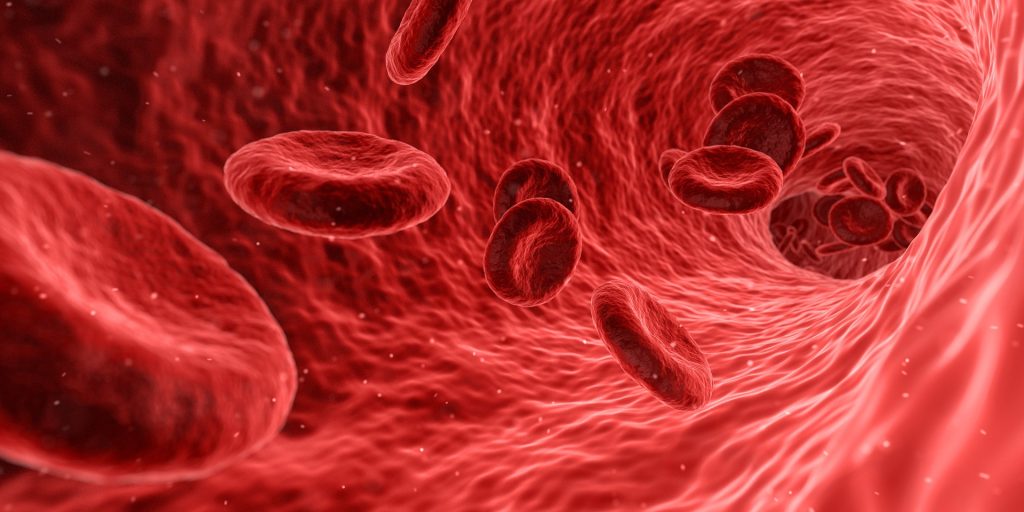
The research of the KTU team revealed that the ultrasound affects not only platelet count but also red blood cells (RBC), which can result in better oxygen circulation and lowered blood pressure.

“During exposure to low-frequency ultrasound, aggregated RBCs are dissociated into single RBCs, whose haemoglobin molecules interact with oxygen over the entire surface area of RBCs, which is larger than that of aggregated RBCs and improves oxygen saturation in blood. The number of dissociated single RBCs per unit volume of blood decreases due to the spaces between them, compared to aggregates, which reduces blood viscosity and affects blood pressure,” explains Prof Ostasevicius, the Head of KTU Institute of Mechatronics.

The scientists claim that the effect of ultrasound on the haemoglobin in RBCs was higher than its impact on platelet aggregation, which is responsible for blood clotting.

Their findings have been supported by an additional analysis made at the LSMU Laboratory of Molecular Cardiology.

“This means that low-frequency ultrasound can be potentially used for improving oxygen saturation in lungs for pulmonary hypertension patients. Keeping in mind the recent COVID-19 pandemic, we see a huge potential in exploring the possibilities of our technology further,” says Prof Ostasevicius.

Partnership between medical and engineering scientists

In medicine, high-frequency ultrasound from 2 to 12MHz is used for both diagnostic and therapeutic purposes.

“Acoustic waves emitted by high-frequency ultrasound have a limited penetration depth into the body, so external tissues are more affected by high-frequency ultrasound than internal organs. Low-frequency ultrasound acoustic waves, penetrate deeper into the internal organs with a more uniform sound pressure distribution,” explains Prof Jurenas.

There are numerous applications for ultrasound in medical settings.

“For example, focused ultrasonic waves are used to break kidney stones, and to kill cancer cells. Maybe ultrasound can be used to activate certain medications. Or, to alleviate the delivery of antibiotics to the inflamed areas?” says Prof Jurenas.

The technology used in the above-described study is only one illustration of many successful working partnerships between engineers and physicians.

For example, just recently, the researchers of KTU Institute of Mechatronics have created the frame for immobilising the Gamma Knife radiosurgery patients at the Clinics of the Lithuanian University of Health Sciences.

“We believe, that using the know-how of different areas one can achieve greater results,” say KTU researchers about interinstitutional and interdisciplinary cooperation.

Source: Kaunas University of Technology

Could Bizarre Visual Symptoms Be a Telltale Sign of Alzheimer’s?

Photo by Mari Lezhava on Unsplash

A team of international researchers, led by UC San Francisco, has completed the first large-scale study of posterior cortical atrophy, a baffling constellation of visuospatial symptoms that present as the first signs of Alzheimer’s disease. These symptoms occur in up to 10% of cases of Alzheimer’s disease.

The study, which appears in The Lancet Neurology,  includes data from more than 1000 patients at 36 sites in 16 countries.

Posterior cortical atrophy (PCA) overwhelmingly predicts Alzheimer’s, the researchers found. Some 94% of the PCA patients had Alzheimer’s pathology and the remaining 6% had conditions like Lewy body disease and frontotemporal lobar degeneration. In contrast, other studies show that 70% of patients with memory loss have Alzheimer’s pathology.

Unlike memory issues, patients with PCA struggle with judging distances, distinguishing between moving and stationary objects and completing tasks like writing and retrieving a dropped item despite a normal eye exam, said co-first author Marianne Chapleau, PhD, of the UCSF Department of Neurology, the Memory and Aging Center and the Weill Institute for Neurosciences.

Most patients with PCA have normal cognition early on, but by the time of their first diagnostic visit, an average 3.8 years after symptom onset, mild or moderate dementia was apparent with deficits identified in memory, executive function, behaviour, and speech and language, according to the researchers’ findings.

At the time of diagnosis, 61% demonstrated “constructional dyspraxia,” an inability to copy or construct basic diagrams or figures; 49% had a “space perception deficit,” difficulties identifying the location of something they saw; and 48% had “simultanagnosia,” an inability to visually perceive more than one object at a time. Additionally, 47% faced new challenges with basic math calculations and 43% with reading.

We need better tools and training to identify patients

“We need more awareness of PCA so that it can be flagged by clinicians,” said Chapleau. “Most patients see their optometrist when they start experiencing visual symptoms and may be referred to an ophthalmologist who may also fail to recognise PCA,” she said. “We need better tools in clinical settings to identify these patients early on and get them treatment.”

The average age of symptom onset of PCA is 59, several years younger than the typical memory symptoms of Alzheimer’s. This is another reason why patients with PCA are less likely to be diagnosed, Chapleau added.

Early identification of PCA may have important implications for Alzheimer’s treatment, said co-first author Renaud La Joie, PhD, also of the UCSF Department of Neurology and the Memory and Aging Center. In the study, levels of amyloid and tau, identified in cerebrospinal fluid and imaging, as well as autopsy data, matched those found in typical Alzheimer’s cases. As a result, patients with PCA may be candidates for anti-amyloid therapies, like lecanemab (Leqembi), approved by the U.S Food and Drug Administration in January 2023, and anti-tau therapies, currently in clinical trials, both of which are believed to be more effective in the earliest phases of the disease, he said.

“Patients with PCA have more tau pathology in the posterior parts of the brain, involved in the processing of visuospatial information, compared to those with other presentations of Alzheimer’s. This might make them better suited to anti-tau therapies,” he said.

Patients have mostly been excluded from trials, since they are “usually aimed at patients with amnestic Alzheimer’s with low scores on memory tests,” La Joie added. “However, at UCSF we are considering treatments for patients with PCA and other non-amnestic variants.”

Better understanding of PCA is “crucial for advancing both patient care and for understanding the processes that drive Alzheimer’s disease,” said senior author Gil Rabinovici, MD, director of the UCSF Alzheimer’s Disease Research Center. “It’s critical that doctors learn to recognise the syndrome so patients can receive the correct diagnosis, counseling and care.

“From a scientific point of view, we really need to understand why Alzheimer’s is specifically targeting visual rather than memory areas of the brain. Our study found that 60% of patients with PCA were women – better understanding of why they appear to be more susceptible is one important area of future research.”

Source: University of California San Francisco

Few Patients Successfully Treat their Type 2 Diabetes Through Weight Loss

People with the most weight loss in the first year were most likely to achieve sustained remission

Photo by Andres Ayrton on Pexels

A new study finds that very few patients diagnosed with type 2 diabetes are able to achieve normal blood glucose levels through weight loss alone. A team led by Andrea Luk of the Chinese University of Hong Kong, report these findings January 23rd in the open access journal PLOS Medicine.

Clinical trials suggest that people with type 2 diabetes can control their blood glucose levels without medication if they lose weight and keep it off. However, it is unknown how many patients can achieve remission through weight loss alone under real-world conditions. In the new study, researchers looked at 37 326 people in Hong Kong who were newly diagnosed with type 2 diabetes to see whether – and low long – patients could control the disease through weight loss.

The researchers discovered that only 6% of people achieved diabetes remission solely through weight loss by about eight years after diagnosis. For people who initially achieved remission, two-thirds had elevated blood glucose levels by three years after diagnosis. These rates are significantly lower than in clinical trials, where remission occurred in up to 73% of patients at one year post-diagnosis. People with the greatest weight loss in the first year were most likely to have sustained remission.

The study shows that controlling type 2 diabetes through sustained weight loss is possible in real-world settings, but that few patients will achieve normal blood glucose levels through weight management alone, especially over the long-term. One reason for the discrepancy with clinical trials is that trial participants receive intensive lifestyle interventions, including holistic support for dietary changes, physical exercise and mental health. The researchers conclude that patients should receive early weight management interventions as a way to increase the odds that they will achieve sustained remission. Furthermore, the data suggest that early weight management interventions increase the odds of sustained remission and that sustained lifestyle changes are likely to be paramount.

Luk adds, “Greater weight loss within the first year of diabetes diagnosis was associated with an increased likelihood of achieving diabetes remission. However, the incidence of diabetes remission was low with only 6% of people achieving remission over 8 years, and half of those with initial remission returned to hyperglycaemia within 3 years indicating poor sustainability of diabetes remission in real-world setting.”

New Nanoparticle-based Oral Insulin could be Ready for Human Trials Next Year

Photo by Nataliya Vaitkevich on Pexels

Scientists have developed a ‘smart’ insulin which can be taken orally. The insulin is encapsulated within tiny nano-carriers, 1/10 000th the width of a human hair. The results of its testing in baboons were recently published in Nature Nanotechnology.

“This way of taking insulin is more precise because it delivers the insulin rapidly to the areas of the body that need it most. When you take insulin with a syringe, it is spread throughout the body where it can cause unwanted side effects,” explains Professor Peter McCourt at UiT Norway’s Arctic University. He is one of the researchers behind the study.

Delivered insulin to where it’s needed

It was researchers at the University of Sydney and Sydney Local Health District who, in collaboration with UiT, discovered many years ago that it was possible to deliver medicines via nano-carriers to liver. The method has then been further developed in Australia and in Europe.

Many medicines can be taken orally, but until now people have had to inject insulin into the body. McCourt explains that the problem with insulin with a nano-carrier is that it breaks down in the stomach and thus does not get to where it is needed in the body. This has been a major challenge for developing a diabetes medicine that can be taken orally.

But now the researchers have solved this challenge.

“We have created a coating to protect the insulin from being broken down by stomach acid and digestive enzymes on its way through the digestive system, keeping it safe until it reaches its destination, namely the liver,” says McCourt, who is a liver biologist.

The coating is then broken down in the liver by enzymes that are active only when the blood sugar levels are high, releasing the insulin where it can then act in the liver, muscle, and fat to remove sugar from the blood.

“This means that when blood sugar is high, there is a rapid release of insulin, and even more importantly, when blood sugar is low, no insulin is released,” says Nicholas J. Hunt at the University of Sydney who, together with Victoria Cogger, leads the project.

He explains that this is a more practical and patient-friendly method of managing diabetes because it greatly reduces the risk of a low blood sugar event occurring, namely hypoglycaemia and allows for the controlled released of insulin depending on the patient’s needs, unlike injections where all the insulin is released in one shot.

Fewer side effects

The new method works similarly to how insulin works in healthy people. The pancreas produces insulin which first passes through the liver where a large portion of it is absorbed and maintains stable blood sugar levels. In the new insulin method, the nano-carrier releases insulin in the liver, where it can be taken up or enter the blood to circulate in the body.

When insulin is injected subcutaneously, far more of it goes to the muscles and to adipose tissues that would normally happen if it was released from the pancreas, which can lead to fat accumulation. It can also lead to hypoglycaemia.

With the new method, there will be fewer such side effects, and no need for injection – or refrigeration.

Tested on baboons

The oral insulin has been tested on nematodes, on mice and rats. And lastly, the medicine has now been tested on baboons in the National Baboon Colony in Australia.

“In order to make the oral insulin palatable we incorporated it into sugar-free chocolate, this approach was well received” says Hunt.

He says that 20 baboons have taken part in this study. When they received the medicine, their blood sugar was lowered.

The baboons were normal, healthy baboons, but the oral insulin have also been tested on mice and rats that actually have diabetes. The mice and rats did not have hypoglycaemic events, gain weight or fat accumulation in the liver overcoming current challenges with injectable and other oral insulins.

What remains now is to test the new method on humans.

Ready for use in 2-3 years

“Trials on humans will start in 2025 led by the spin out company Endo Axiom Pty Ltd. Clinical trials are performed in 3 phases; in the phase I trial we will investigate the safety of the oral insulin and critically look at the incidence of hypoglycaemia in healthy and type 1 diabetic patients. Our team is very excited to see if we can reproduce the absent hypoglycaemia results seen in baboons in humans as this would be a huge step forward. The experiments follow strict quality requirements and must be carried out in collaboration with physicians to ensure that they are safe for the test subjects” says Hunt.

Source: UiT The Arctic University of Norway

Overactive Complement System Causes Long Covid

Photo by Andrea Piacquadio: https://www.pexels.com/photo/woman-in-gray-tank-top-3812757/

A new study from the University of Zurich (UZH) has revealed that the complement system plays an important role in Long Covid, a common sequela of SARS-CoV-2 infection. The findings, published in Science, show that the complement system ends up damaging tissue and blood cells even after the original infection has ended.

A significant proportion of individuals infected with SARS-CoV-2 develop long-lasting symptoms with a wide range of manifestations. The causes and disease mechanisms of Long Covid are still unknown, and there are no diagnostic tests or targeted treatments.

Part of the immune system active for too long

A team of researchers led by Onur Boyman, professor of immunology at UZH and Director of the Department of Immunology at the University Hospital Zurich (USZ), has implicated the complement system. It is part of the innate immune system and normally helps to fight infections and eliminate damaged and infected body cells.

“In patients with Long Covid, the complement system no longer returns to its basal state, but remains activated and, thus, also damages healthy body cells,” says Boyman.

Continued activation of complement system damages tissue and blood cells

The researchers followed 113 COVID patients for up to one year after their acute SARS-CoV-2 infection and compared them with 39 healthy controls.

After six months, 40 patients had active Long Covid disease.

More than 6500 proteins in the blood of the study participants were analysed both during the acute infection and six months later.

“The analyses of which proteins were altered in Long Covid confirmed the excessive activity of the complement system. Patients with active Long Covid disease also had elevated blood levels indicating damage to various body cells, including red blood cells, platelets and blood vessels,” explains Carlo Cervia-Hasler, a postdoctoral researcher in Boyman’s team and first author of the study.

Bioinformatics recognises protein patterns

The measurable changes in blood proteins in active Long Covid indicate an interaction between proteins of the complement system, which are involved in blood clotting and the repair of tissue damage and inflammation.

In contrast, the blood levels of Long Covid patients who recovered from the disease returned to normal within six months.

Active Long Covid is therefore characterised by the protein pattern in the blood.

The blood markers were discovered using bioinformatics methods in collaboration with Karsten Borgwardt during his time as a professor at ETH Zurich.

“Our work not only lays the foundation for better diagnosis, but also supports clinical research into substances that could be used to regulate the complement system. This opens up new avenues for the development of more targeted therapies for patients with Long Covid,” Onur Boyman said.

Source: University of Zurich