Natural products have unique chemical structures and biological activities and can play a pivotal role in advancing pharmaceutical science. In a pioneering study, researchers from Shinshu University discovered Inaoside A, an antioxidant derived from Laetiporus cremeiporus mushrooms. This breakthrough, published in the journal Heliyon, sheds light on the potential of mushrooms as a source of therapeutic bioactive compounds.
The search for novel bioactive compounds from natural sources has gained considerable momentum in recent years due to the need for new therapeutic agents to combat various health challenges. Among a diverse array of natural products, mushrooms have emerged as a rich reservoir of bioactive molecules with potential pharmaceutical and nutraceutical applications. The genus Laetiporus has attracted attention for its extracts exhibiting antimicrobial, antioxidant, and antithrombin bioactivities. The species Laetiporus cremeiporus, spread across East Asia, has also been reported to show antioxidant properties. However, the identification and characterisation of specific antioxidant compounds from this species have not been conducted.
In a groundbreaking study, researchers led by Assistant Professor Atsushi Kawamura from the Department of Biomolecular Innovation, Institute for Biomedical Sciences, Interdisciplinary Cluster for Cutting Edge Research, Shinshu University, along with Hidefumi Makabe from the Department of Agriculture, Graduate School of Science and Technology, Shinshu University, and Akiyoshi Yamada from the Department of Mountain Ecosystem, Institute for Mountain Science, Interdisciplinary Cluster for Cutting Edge Research, Shinshu University, recently discovered the antioxidant compound derived from L. cremeiporus.
The researchers collected fresh fruiting bodies of L. cremeiporus from the Ina campus of Shinshu University. The obtained extracts were concentrated and partitioned between water and ethyl acetate. After this, the extracts were subjected to advanced chromatographic techniques, which led to the successful isolation of Inaoside A, a new antioxidant phenolic compound, along with three other well-characterised bioactive compounds, i.e., 5′-S-methyl-5′-thioadenosine (MTA), nicotinamide, and adenosine.
“Our study marks the pioneering discovery of Inaoside A from an extract of the edible mushroom Laetiporus cremeiporus. To date, there has been only one prior report on the biological function of an extract of L. cremeiporus. We are the first to uncover the isolation of an antioxidant compound from L. cremeiporus,” states Professor Kawamura, highlighting the breakthrough research.
Next, the researchers wanted to determine the structure of the newly found antioxidant compound. For this, they utilised one and two- dimensional NMR and other spectroscopic analyses. The structure of Inaoside A revealed a planar configuration. With a molecular formula of C17H24O7, the compound was found to feature a distinctive ribose moiety, identified as α-ribofuranoside through stereochemical analysis. Subsequent investigation into the absolute stereochemistry confirmed the D-ribose configuration, thereby reinforcing the planar structure of this compound.
The mushroom extracts were then isolated into fractions to determine the antioxidant activities of the four isolated bioactive compounds. These fractions were then examined by DPPH radical scavenging and superoxide dismutase assays. The findings were noteworthy as the DPPH radical scavenging activity exhibited by Inaoside A was significant, showing 80% inhibition at 100μg/mL, indicative of its significant antioxidant properties. The IC50 value of Inaoside A was determined to be 79.9μM, further highlighting its efficacy as an antioxidant agent.
What are the objectives of the researchers following the discovery of Inaoside? Professor Kawamura reveals, “We are now focusing on investigating the chemical compositions and biological properties of natural compounds obtained from mushrooms. Our goal is to uncover the potential of edible mushrooms as functional foods through this discovery.”
The identification of Inaoside A as an antioxidant from Laetiporus cremeiporus marks a significant breakthrough in natural product research, highlighting the potential of mushrooms as a source of therapeutic bioactive compounds. These findings may lead to the development of novel antioxidant-based therapies for various health conditions. Further studies should focus on synthetic research and detailed investigations into the biological activity of Inaoside A, aiming to harness its potential as a pharmaceutical lead compound.
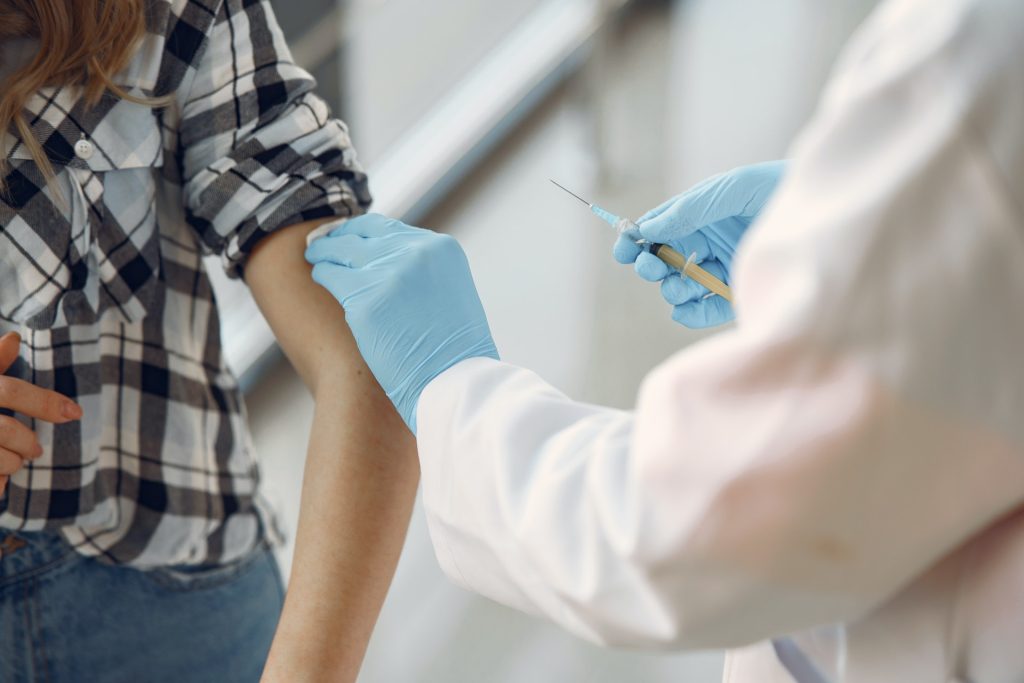
Simply asking patients to get the flu vaccine, and combining it with helpful video and print messages, is enough to persuade many who visit emergency departments to roll up their sleeves, according to a new study published in NEJM Evidence.
Researchers led by UC San Francisco found a 32% vaccine uptake in patients who were asked if they’d be interested in getting the flu shot and told their health providers would be informed.
They saw a 41% uptake for those who were asked about receiving a flu shot and received a pamphlet, watched a three-minute video of a physician with a similar ethnic background discussing the vaccine and were told about the benefits of the vaccine.
The researchers say this type of systematic approach could lead to more underserved people receiving vaccines, especially those whose primary health care occurs in emergency departments.
Flu can be fatal
Annual mortality rates from flu are typically in the tens of thousands in the U.S., especially when combined with pneumonia – but vaccination is particularly low among underserved populations and those whose primary care occurs in emergency departments.
Such patients often face general vaccine hesitancy or a lack of opportunities for the flu shot.
“This research arose from our desire to address the health disparities that we see every day in our emergency department, especially among homeless persons, the uninsured and immigrant populations,” said first author, Robert M. Rodriguez, MD, a professor of Emergency Medicine with the UCSF School of Medicine.
The researchers designed the clinical trial to span a single flu season between October 2022 and February 2023.
Investigators in the study created flu vaccine messaging – including a brief video, flyer and a scripted health provider question, “Would you be willing to accept the influenza vaccine?” – and assessed their effectiveness among nearly 800 patients in five cities: San Francisco, Houston, Philadelphia, Seattle and Durham, North Carolina.
The median age was 46, and more than half the participants in the trial were Black or Latino, 16 % lacked health insurance, nearly a third had no primary care and 9% were homeless or living in severely inadequate housing. These demographic characteristics are similar to patient populations often served by urban emergency departments.
“Overall, our study adds to the growing body of knowledge showing that a number of important public health interventions can and should be delivered to underserved populations in emergency departments,” said Rodriguez, whose previous research has found the effectiveness of delivering similar COVID-19 vaccine messaging to emergency department patients.
Just as you can’t make an omelette without breaking eggs, scientists at Albert Einstein College of Medicine have found that you can’t make long-term memories without DNA damage and inflammation in the brain. Their surprising findings were published online today in the journal Nature.
“Inflammation of brain neurons is usually considered to be a bad thing, since it can lead to neurological problems such as Alzheimer’s and Parkinson’s disease,” said study leader Jelena Radulovic, MD, PhD, professor of psychiatry and behavioural sciences at Einstein. “But our findings suggest that inflammation in certain neurons in the brain’s hippocampal region is essential for making long-lasting memories.”
The hippocampus has long been known as the brain’s memory centre. Dr Radulovic and her colleagues found that a stimulus sets off a cycle of DNA damage and repair within certain hippocampal neurons that leads to stable memory assemblies, ie clusters of brain cells representing past experiences.
From shocks to stable memories
The researchers discovered this memory-forming mechanism by giving mice brief, mild shocks sufficient to form an episodic memory of the shock event. Then, they analysed neurons in the hippocampal region and found that genes participating in an important inflammatory signalling pathway had been activated.
“We observed strong activation of genes involved in the Toll-Like Receptor 9 (TLR9) pathway,” said Dr Radulovic, who is also director of the Psychiatry Research Institute at Montefiore Einstein (PRIME). “This inflammatory pathway is best known for triggering immune responses by detecting small fragments of pathogen DNA. So at first we assumed the TLR9 pathway was activated because the mice had an infection. But looking more closely, we found, to our surprise, that TLR9 was activated only in clusters of hippocampal cells that showed DNA damage.”
Brain activity routinely induces small breaks in DNA that are repaired within minutes. But in this population of hippocampal neurons, the DNA damage appeared to be more substantial and sustained.
Triggering inflammation to make memories
Further analysis showed that DNA fragments, along with other molecules resulting from the DNA damage, were released from the nucleus, after which the neurons’ TLR9 inflammatory pathway was activated; this pathway in turn stimulated DNA repair complexes to form at an unusual location: the centrosomes. These organelles are present in the cytoplasm of most animal cells and are essential for coordinating cell division. But in neurons – which don’t divide – the stimulated centrosomes participated in cycles of DNA repair that appeared to organise individual neurons into memory assemblies.
“Cell division and the immune response have been highly conserved in animal life over millions of years, enabling life to continue while providing protection from foreign pathogens,” Dr. Radulovic said. “It seems likely that over the course of evolution, hippocampal neurons have adopted this immune-based memory mechanism by combining the immune response’s DNA-sensing TLR9 pathway with a DNA repair centrosome function to form memories without progressing to cell division.”
Resisting inputs of extraneous information
During the week required to complete the inflammatory process, the mouse memory-encoding neurons were found to have changed in various ways, including becoming more resistant to new or similar environmental stimuli. “This is noteworthy,” said Dr Radulovic, “because we’re constantly flooded by information, and the neurons that encode memories need to preserve the information they’ve already acquired and not be ‘distracted’ by new inputs.”
“This is noteworthy,” said Dr Radulovic, “because we’re constantly flooded by information, and the neurons that encode memories need to preserve the information they’ve already acquired and not be ‘distracted’ by new inputs.”
Importantly, the researchers found that blocking the TLR9 inflammatory pathway in hippocampal neurons not only prevented mice from forming long-term memories but also caused profound genomic instability, ie, a high frequency of DNA damage in these neurons.
“Genomic instability is considered a hallmark of accelerated aging as well as cancer and psychiatric and neurodegenerative disorders such as Alzheimer’s,” Dr Radulovic said.
“Drugs that inhibit the TLR9 pathway have been proposed for relieving the symptoms of long COVID. But caution needs to be shown because fully inhibiting the TLR9 pathway may pose significant health risks.”
PhD Student Elizabeth Wood and Ana Cicvaric, a postdoc in the Radulovic lab, were the study’s first authors at Einstein.
In women, a low resting heart rate is associated with a slightly raised incidence of criminal offending as well as of unintentional injuries, in a large all-female study published March 27 in the open-access journal PLOS ONE by Sofi Oskarsson of School of Behavioural, Social and Legal Sciences, Örebro University, Sweden, and colleagues. This is the first time such an association has been shown in women, although it is well established in studies of men.
Intervention efforts for crime tend to focus on structural and social factors as well as personality traits and behaviors. Less is known about biological factors, although there is an established association between the autonomic nervous system – a network of nerves that regulates unconscious body processes like breathing and heartbeat – and criminal offending in men. Sofi Oskarsson and colleagues from Örebro University, Sweden, wanted to see if the same is observed in women.
Using population registers, the team identified 12 500 Swedish women who volunteered for military service at around 18 years old, where physical assessments recorded resting heart rate and blood pressure. They also tracked records for violent and nonviolent criminal offences and unintentional injuries for up to 40 years.
Female conscripts with the lowest resting heart rates (under 69bpm) had 35% higher risk for any criminal conviction compared to those with rates above 83bpm. However, no significant associations were found for violent crime. Lower resting heart rate was associated with an increased risk of unintentional injuries, which in past research has been interpreted as potentially reflecting fearlessness and stimulation seeking tendencies. The team found a significant association between blood pressure and violent crime, but no significant association was found for non-violent crime.
The authors state that low autonomic nervous system arousal might drive stimulation-seeking tendencies, but that their findings should be interpreted with caution. They saw lower rates of criminal offending compared to women who had not done military service, and a higher rate of unintentional injuries, so further work is needed to establish whether the same is seen in wider cohorts. If replicated by further research, this finding could have the potential to serve as a predictor of criminal offending, in women as well as men.
The authors add: “Our research reveals a compelling link between lower resting heart rate and an elevated risk of criminality and unintentional injuries among female conscripts. This association, previously underscored primarily in men, paves way for innovative strategies predicting crime risk among women.”
Experiencing puberty earlier, compared to same-age peers, may be one of the mechanisms through which childhood risk factors influence adult cardiometabolic health issues, according to a study published March 27, 2024 in the open-access journal PLOS ONE by Maria Bleil from the University of Washington, USA and colleagues.
Adverse experiences in childhood are frequently linked to poor health in adulthood. Most of the conceptual models describing adversity-related changes that may be adaptive to stress in the short-term but are risky to long-term health don’t specifically include puberty, which links childhood and adulthood and is itself also sensitive to the child’s environment. Earlier onset of puberty is often linked to factors like race (with Black and Latina girls developing earlier than White girls), mother’s age at her first period, infant weight gain and childhood obesity, and adverse experiences like childhood socioeconomic disadvantage, stressful parent-child relationships, and other stressful life events.
Here, Bleil and colleagues modeled pubertal timing and health risks in a cohort of women who had participated in the 30-year NICHD Study of Early Child Care and Youth Development prospective study of children and their families. Participants were followed from birth to adolescence (1991–2009) to examine trajectories of child health and development, with an additional in-person study follow-up (2018–2022) among participants ages 26 to 31 to capture social, behavioural, and health status information in adulthood. The authors fit models to data from the full sample of 655 women.
The authors found that later pubertal onset (later breast development, pubic hair onset, and first period) predicted lower adulthood cardiometabolic risk. These puberty indicators were also found to mediate the effects of factors like mother’s age at her first period, race, BMI percentile, and childhood socioeconomic status on adult cardiometabolic risk.
It’s important to note that this study maps predictive relationships between childhood risk factors, timing of puberty, and adulthood cardiometabolic risks, but cannot prove causation. That said, the pattern of results provides strong longitudinal evidence for the role of puberty onset as a pathway linking early life exposures and adulthood cardiometabolic health – and suggests targeting puberty onset may improve health more broadly in at-risk girls. The authors hope future studies will both replicate their findings and better characterise the nature of the links identified here.
The authors add: “This study suggests the timing of pubertal development in girls is an important pathway through which early life risk factors, such as prepubertal body mass index and socioeconomic position, influence cardiometabolic health in adulthood. The implications of this work are that pubertal development and its timing should be considered, and potentially targeted, in efforts to improve cardiometabolic health.”
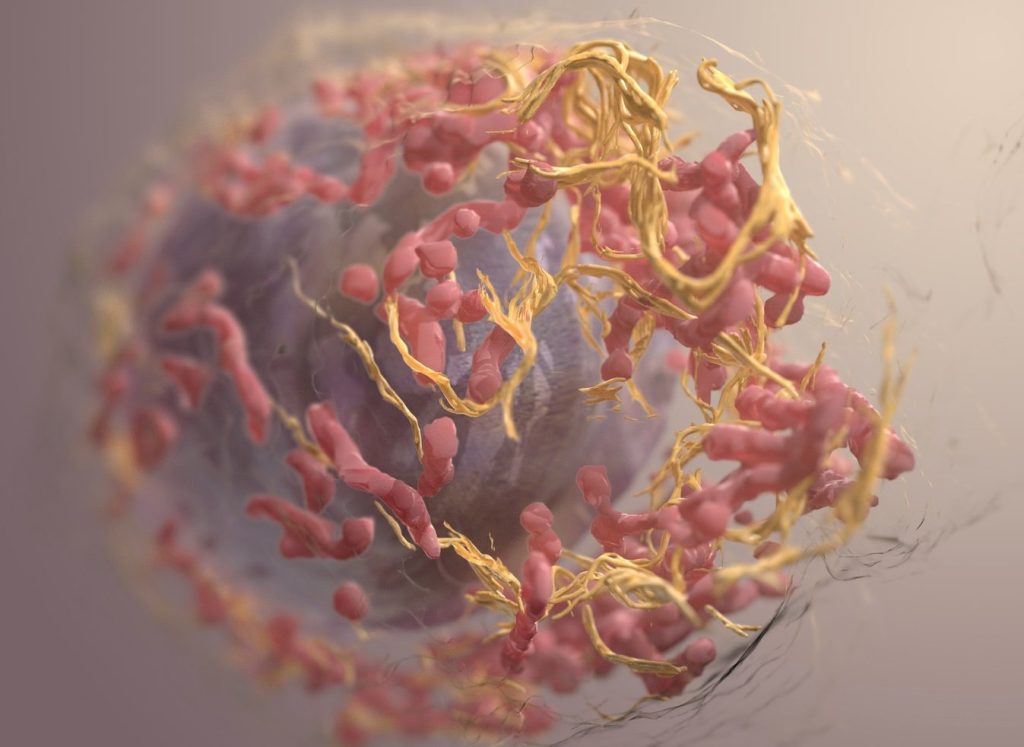
3D structure of a melanoma cell derived by ion abrasion scanning electron microscopy. Credit: Sriram Subramaniam/ National Cancer Institute
A mobile app that uses artificial intelligence, AI, to analyse images of suspected skin lesions can diagnose melanoma with very high precision. This is shown in a study led from Linköping University in Sweden where the app has been tested in primary care. The results have been published in the British Journal of Dermatology.
“Our study is the first in the world to test an AI-based mobile app for melanoma in primary care in this way. A great many studies have been done on previously collected images of skin lesions and those studies relatively agree that AI is good at distinguishing dangerous from harmless ones. We were quite surprised by the fact that no one had done a study on primary care patients,” says Magnus Falk, senior associate professor at the Department of Health, Medicine and Caring Sciences at Linköping University, specialist in general practice at Region Östergötland, who led the current study.
Melanoma can be difficult to differentiate from other skin changes, even for experienced physicians. However, it is important to detect melanoma as early as possible, as it is a serious type of skin cancer.
There is currently no established AI-based support for assessing skin lesions in Swedish healthcare.
“Primary care physicians encounter many skin lesions every day and with limited resources need to make decisions about treatment in cases of suspected skin melanoma. This often results in an abundance of referrals to specialists or the removal of skin lesions, which in the majority of cases turn out to be harmless. We wanted to see if the AI support tool in the app could perform better than primary care physicians when it comes to identifying pigmented skin lesions as dangerous or not, in comparison with the final diagnosis,” says Panos Papachristou, researcher affiliated with Karolinska Institutet and specialist in general practice, main author of the study and co-founder of the company that developed the app.
And the results are promising.
“First of all, the app missed no melanoma. This disease is so dangerous that it’s essential not to miss it. But it’s almost equally important that the AI decision support tool could acquit many suspected skin lesions and determine that they were harmless,” says Magnus Falk.
In the study, primary care physicians followed the usual procedure for diagnosing suspected skin tumours. If the physicians suspected melanoma, they either referred the patient to a dermatologist for diagnosis, or the skin lesion was cut away for tissue analysis and diagnosis.
Only after the physician decided how to handle the suspected melanoma did they use the AI-based app. This involves the physician taking a picture of the skin lesion with a mobile phone equipped with an enlargement lens called a dermatoscope. The app analyses the image and provides guidance on whether or not the skin lesion appears to be melanoma.
To find out how well the AI-based app worked as a decision support tool, the researchers compared the app’s response to the diagnoses made by the regular diagnostic procedure.
Of the more than 250 skin lesions examined, physicians found 11 melanomas and 10 precursors of cancer, known as in situ melanoma. The app found all the melanomas, and missed only one precursor. In cases where the app responded that a suspected lesion was not a melanoma, including in situ melanoma, there was a 99.5% probability that this was correct.
“It seems that this method could be useful. But in this study, physicians weren’t allowed to let their decision be influenced by the app’s response, so we don’t know what happens in practice if you use an AI-based decision support tool. So even if this is a very positive result, there is uncertainty and we need to continue to evaluate the usefulness of this tool with scientific studies,” says Magnus Falk.
The researchers now plan to proceed with a large follow-up primary care study in several countries, where use of the app as an active decision support tool will be compared to not using it at all.
Women experiencing fear tended to prioritise smaller short-term gain compared to men
Photo by Monstera on Pexels
Fear may affect women’s decisions in choosing immediate rewards versus larger delayed ones, while men’s decisions appear unaffected by emotion, according to a study published March 20, 2024 in the open-access journal PLOS ONE by Eleonora Fiorenzato, Patrizia Bisiacchi, and Giorgia Cona from the University of Padua, Italy.
Decision making is complex and still not fully understood, especially when weighing short- versus long-term benefits or costs. The known phenomenon “delay discounting” describes the common tendency to prefer an immediate reward rather than a later one, even if the later reward is significantly greater. In this study, Fiorenzato and colleagues examined how emotions like fear and joy, along with gender, affect decision making, especially when weighing immediate versus later rewards.
The authors recruited 308 participants (63% women, 37% men) via a social media survey. Survey participants were shown a brief standardised and validated movie clip intended to induce an emotional state – for the fear group, this was a scary movie, like The Sixth Sense or Silence of the Lambs; for the joy group, this was a positive documentary clip with subjects like forests or waterfalls; the neutral affect group watched a documentary clip on urban environments. Then, the subjects were asked hypothetical reward questions such as: “Would you rather have €20 000 today or €40 000 after 3 years?”
Women in the fear group were significantly more likely to use “delay discounting” when choosing financial rewards (selecting the immediate, smaller amount) compared to men in the fear group or women in the joy or neutral movie groups. There were no significant gender differences for decisions made across the joy or neutral movie groups, and men’s decision-making on monetary rewards appeared to be unaffected by their emotional state. The findings suggest that fear specifically might provoke different types of time-bound decision making for women versus men – the authors speculate these may be due to either differences in evolutionary strategies around safety versus risk, or different emotion-regulation approaches in stressful situations.
The authors note that the sample size and range of emotions studied here is relatively small compared to the real world. However, the suggestion that emotions (particularly negative ones such as fear) and gender do interact with regard to intertemporal choices warrants further investigation.
The authors add: “Women are more prone to choose immediate rewards when in a fearful emotional state than when in joyful one. Our research underscores the importance of gender as an influential factor in the interaction between emotions and decision-making processes.”
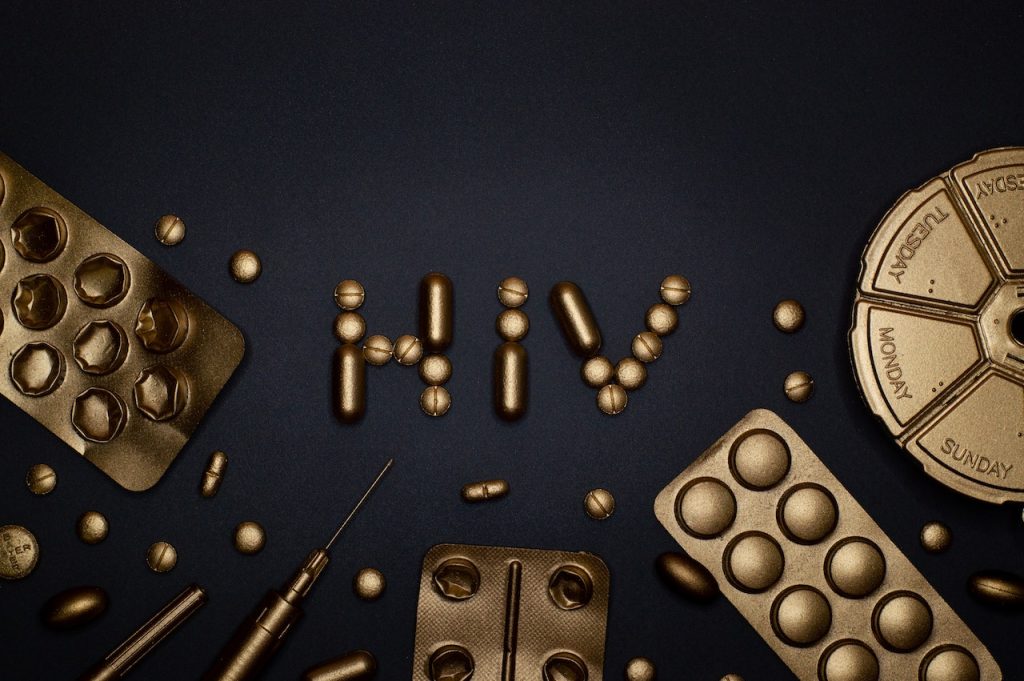
Photo by Miguel Á. Padriñán: https://www.pexels.com/photo/syringe-and-pills-on-blue-background-3936368/
Over the last four years South Africa has taken large strides in making HIV prevention pills available at public sector clinics, but uptake has not been as good as some may have hoped. Thabo Molelekwa asks several experts why this might be.
HIV prevention pills, also referred to as oral pre-exposure prophylaxis (PrEP), contain a combination of two antiretroviral medicines. They are highly effective at preventing HIV infection when taken as prescribed by someone not living with HIV.
But while the pills are now available through most public sector clinics in the country, not as many people are using them as one might have expected. According to the most recent estimates from Thembisa, the leading mathematical model of HIV in South Africa, only around 4% of sexually active adolescent girls and young women used PrEP in 2022. This is a substantial improvement on 0.6% in 2020, but given that the rate of new HIV infections in adolescent girls and young women has remained stubbornly high, one may have expected this number to be higher by now.
“So the rates of uptake are definitely increasing in South Africa, but not to the point that we would hope. There’s still definitely a gap between people who would benefit from being on PrEP or alternative HIV prevention methods and those who are actually accessing the biomedical daily oral prevention,” says Cheryl Hendrickson, a Senior Researcher at the Health Economics and Epidemiology Research Office (HE²RO) at the University of the Witwatersrand.
Ongoing stigma
One explanation for uptake not being better is the ongoing impact of HIV-related stigma. A recent study conducted among young people in Gauteng found that stigma and a lack of confidentiality continue to impede PrEP adoption. The researchers identified several barriers for PrEP-naive participants, including limited knowledge, negative staff attitudes, and misconceptions about side effects. Structural factors like healthcare provider bias and a lack of culturally sensitive interventions were also found to hinder PrEP uptake. The research was conducted by HE²RO – Hendrickson was a co-author.
“Participants were worrying about their families or friends thinking they were taking ARVs,” says Constance Mongwenyana-Makhutle, a research associate and co-author of the study.
Professor Linda-Gail Bekker, CEO of the Desmond Tutu HIV Centre, also emphasises the persistent role of stigma. “People don’t want to be associated with HIV, HIV risk or any misconception that they may be living with HIV and on antiretroviral therapy,” she tells Spotlight.
The perception around PrEP, says Dr Fareed Abdullah, Director of AIDS and TB Research at the South African Medical Research Council, is similar to that of contraception. “Basically, a young person would consider it an admission that they are sexually active and consider themselves to be at risk of HIV; thereby inviting judgement and stigma from others, especially healthcare workers,” he says.
Not enough awareness?
Closely related to the issue of stigma is awareness. Here COVID-19 may have played a role. As the provision of PrEP through public sector clinics gained momentum in 2020, many potential PrEP users would have stayed away from clinics due to pandemic-related restrictions and fear of contracting SARS-CoV-2. The pandemic also meant that any plans to build awareness of PrEP would have had a hard time finding purchase, at least in 2020 and 2021.
Reflecting on past HIV awareness campaigns, Bekker stresses the need for increased public demand creation for PrEP
“I think we have not had enough public demand creation- if you think of the campaigns for getting people to take up COVID vaccines….then we really haven’t done enough in this regard. It is a new concept- a pill a day to prevent HIV ……and so people need to have the idea socialised and normalised so that there is also a reduction in stigma,” she says.
What happens at the clinic
Another barrier to PrEP uptake is likely that while PrEP is being made available through public sector clinics, not everyone feels welcome at, or like to visit, their local clinic.
Bekker says youth complain that government clinics are often a barrier for them to access PrEP. “Their hours, their long queues, their discrimination and sometimes the prejudicial attitudes drive young people away,” she says.
Bekker argues that some of these barriers would be removed if HIV prevention measures was taken outside of health facilities and into community spaces.
“PrEP for young people in the public sector is free. If they want to use private pharmacies though, they would need to pay currently. I think more can be done to make PrEP and other sexual and reproductive health services more readily available so that young people, in a way, have no excuses not to make sure they are using them … colleges, universities and even secondary schools could also reach more young people. If we want to reduce STIs and unintended pregnancies in our adolescents, we are going to have to be sure there are very few barriers to these contraceptive and prophylactic services,” says Bekker.
Hendrickson points out that there are several projects around the country that are looking at alternative service delivery methods. “There’s a project that’s looking at prep delivery in pharmacies. Currently, they are providing oral prep, and hopefully soon, they will provide injectable prep within several pharmacies in Gauteng and the Western Cape,” she says. According to her, the pharmacy model appeals especially to men.
Healthcare worker attitudes and training
Related to the issue of visiting public healthcare facilities to access PrEP, healthcare worker attitudes and training has also been flagged as a concern.
Bekker says some health care professionals are not trained to deal with young people in their diversity. “Adolescents are a very distinct population – they can be offended, they value their privacy, and they can make health choices and decisions but need supportive, empathic and tailored information that they can use,” she says.
Abdullah makes a similar point. If some health care workers are properly trained, can identify people at high-risk and understand the efficacy of the intervention, then the vast majority would follow and offer the service in a professional manner, he says.
Ritshidze, a community-based healthcare monitoring group, say they have observed an increase in the number of healthcare facilities where staff say they prioritise offering PrEP to members of key populations such as young women and adolescent girls or men who have sex with men. Of 394 clinic staff surveyed earlier this year, 97% said they prioritise young women and adolescent girls.
But when Ritshidze asked users of healthcare facilities whether they’ve been offered PrEP, the numbers were much lower. “Compared to data collected in 2022, our 2023 data report a lower percentage of people saying they have been offered PrEP for most population groups,” Ritshidze say in a recent report. Complaints about negative staff attitudes have been a running theme in Ritshidze’s reports on public sector healthcare facilities over the last three years.
Actual and perceived risk
Abdullah suggests another barrier to PrEP uptake. There is a perception that HIV is no longer an urgent priority and that the risk of infection is low. This, he says, has led to lower public awareness of the importance of behaviour change and the need for young people at risk to protect themselves.
Recent data from a Human Sciences Research Council survey and the District Health Barometer indicate that condom use is declining in South Africa. While the reasons for the decline are not clear, one theory is that it is driven by the perceived risk of HIV infection having reduced over time.
Will more choice help?
Currently only oral PrEP is routinely available in the public sector, but PrEP in the form of a two-monthly injection and a monthly vaginal ring have been approved by the South African Health Products Regulatory Authority and is being offered to people taking part in pilot projects. It is likely that the prevention injection will become much more widely available once its price drops sufficiently – which is anticipated to happen once generic manufacturers enter the market in around three years’ time. Products that combine PrEP and a contraceptive into a single pill or injection are also under development.
Mitchell Warren, director of Avac, a global HIV advocacy organisation, is optimistic about people being offered a choice between the three types of PrEP. While condoms were widely available in public clinics in the 1990s, Warren says he noted the desire of people to buy condoms from spaza shops, shebeens, or pharmacies. This didn’t replace clinic supplies, he clarifies, but it did bring into sharper focus the importance of providing choice to people.
“But even with three different PrEP options, what we clearly have known for many years now is that PrEP is not only about the products, PrEP is really a programme, helping people identify not just their personal risk, but their desires, what they want and need out of relationships,” he says.
Government perspective
Foster Mohale, spokesperson for the National Department of Health, says the department is aware of reports of youth experiencing problems accessing PrEP at healthcare facilities.
Mohale maintains that healthcare workers are sufficiently trained to provide comprehensive HIV prevention services to all groups of people. He says that clinicians, counsellors, health promotors and peer educators have access to online training platforms. “These training modules are availed offline on flash drives to facilitate access to facilities and health care providers that do not have easy access to wifi or data to access the online version of the training materials,” he says.
Photoreceptor cells in the retina. Credit: Scientific Animations
In Korea, it is taboo to consume seaweed soup before exams since it there is a belief that the slippery nature of seaweed can lead to slipping up in the exam and failing. The slick surface of seaweeds is attributed to alginate, a mucilaginous carbohydrate substance. Now, Korean researchers have made use of this substance in the treatment of retinal detachment.
The result is an artificial vitreous body for treating retinal detachment, based on alginate from seaweed.
The research findings were recently published in Biomaterials, an international journal of biomaterials published by Elsevier. The work was a collaborative effort between Professor Hyung Joon Cha from the Department of Chemical Engineering and the School of Convergence Science and Technology and Dr. Geunho Choi from the Department of Chemical Engineering at Pohang University of Science and Technology (POSTECH), and Professor Woo Jin Jeong, Professor Woo Chan Park, and Professor Seoung Hyun An from the Dong-A University Hospital’s Department of Ophthalmology.
The vitreous body is a gel-like substance that occupies the space between the lens and retina, contributing to the eye’s structural integrity. Retinal detachment occurs when the retina separates from the inner wall of the eye and moves into the vitreous cavity, leading to detachment and potentially resulting in blindness in severe cases.
While a common approach involves removing the vitreous body and substituting it with medical intraocular fillers like expandable gas or silicone oil, these fillers have been associated with various side effects. To address these concerns, the research team employed a modified form of alginate, a natural carbohydrate sourced from algae.
Alginate, also known as alginic acid, is widely utilised in various industries, including food and medicine, for its ability to create viscous products. In this research, the team crafted a medical composite hydrogel based on alginate, offering a potential alternative for vitreous replacement.
The hydrogel has high biocompatibility and optical properties akin to authentic vitreous body, preserving the vision of patients post-surgery. Its distinctive viscoelasticity effectively regulates fluid dynamics within the eye, contributing to retinal stabilisation and the elimination of air bubbles.
To validate the hydrogel’s stability and effectiveness, the team conducted experiments using rabbit eyes, which closely resemble human eyes in structure, size, and physiological response.
Implanting the hydrogel into rabbit eyes demonstrated its success in preventing the recurrence of retinal detachment, maintaining stability, and functioning well over an extended period without any adverse effects.
Professor Hyung Joon Cha of the POSTECH who led the study remarked, “There is a correlation between retinal detachment and severe myopia and the prevalence of retinal detachment is increasing, particularly in young people. The incidence of retinal detachment cases in Korea rose by 50% in 2022 compared to 2017.” He expressed the team’s commitment by saying, “Our team will enhance and progress the technology to make the hydrogel suitable for practical use in real-world eye care through ongoing research.”
Professor Woo Jin Jeong from the Dong-A University Hospital stated, “The worldwide market for intraocular fillers is expanding at a rate of 3% per year.” He added, “We anticipate that the hydrogel we’ve created will prove beneficial in upcoming vitreoretinal surgeries.”
There were multiple unsafe sleep practices at play in more than three-quarters of Sudden Unexpected Infant Deaths reported in 23 U.S. jurisdictions between 2011 and 2020, according to a new study published in Pediatrics. The researchers say the findings underscore the need for more comprehensive safe-sleep education for new parents, including from healthcare providers.
Of 7595 infant deaths reviewed, almost 60% of the infants were sharing a sleep surface, such as a bed, when they died.
This practice is strongly discouraged by sleep experts, who warn that a parent or other bed partner could unintentionally roll over and suffocate the baby.
Infants who died while sharing a sleep surface were typically younger (less than 3 months old), non-Hispanic Black, publicly insured, and either in the care of a parent at the time of death or being supervised by someone impaired by drugs or alcohol.
These infants were typically found in an adult bed, chair or couch instead of the crib or bassinet recommended by sleep experts.
“The large number of hazardous sleep practices for both infants who were sharing a sleep surface and sleeping alone at the time of death is alarming,” said researcher Fern Hauck, MD, MS, a safe-sleep expert at UVA Health and the University of Virginia School of Medicine.
“These are known risk factors for SUID [Sudden Unexpected Infant Death], and tells us that we need to do a better job of working with families to increase acceptance of the recommendations to create safer sleep spaces for their infants.”
Sudden Unexpected Infant Deaths
To better understand the factors contributing to SUID and improve safe-sleep messaging, Hauck and her collaborators analysed data from the federal Centers for Disease Control and Prevention’s SUID Case Registry.
The researchers obtained important insights on the prevalence of practices such as prenatal smoking, a known risk factor for SUID, and breastfeeding, which is thought to have a protective benefit.
More than 36% of mothers of infants who died had smoked while pregnant. This percentage was higher among moms who bed shared than those who didn’t, 41.4% to 30.5%. Both bed sharers and non-bed sharers had breastfed at similar rates.
The researchers note that it was rare for bedsharing to be the only risk factor present during a child’s death.
The findings highlight the need for better public education about safe-sleep practices, and for care providers to take a more active role in teaching new parents about the practices, the researchers say.
“Our findings support comprehensive safe sleep counselling for every family at every encounter beyond just asking where an infant is sleeping,” the researchers wrote
In addition to helping parents understand safe-sleep practices, care providers should take steps to ensure parents can follow those practices once they leave the hospital.
For example, some families may not have the means to purchase a crib or bassinet; a hospital might direct them to resources to help with that.
“SUID deaths in the U.S. are still higher than in most other countries, and this is unacceptable,” Hauck said.
“Clinicians and others caring for infants need to have thoughtful conversations with families at risk to understand the barriers to following safe-sleep guidelines and find ways to work together to overcome them.”