Author: ModernMedia

Implantable LED Device Uses Light to Treat Deep-seated Cancers

Certain types of light have proven to be an effective, minimally invasive treatment for cancers located on or near the skin when combined with a light-activated drug. But deep-seated cancers, surrounded by tissue, blood and bone, have been beyond the reach of light’s therapeutic effects.

This miniature, implantable LED device fights cancer with light.

To bring light’s benefits to these harder-to-access cancers, engineers and scientists at the University of Notre Dame have devised a wireless LED device that can be implanted. In combination with a light-sensitive dye, the device not only destroys cancer cells, but also rallies the immune system’s cancer-targeting response. The research was published in Photodiagnosis and Photodynamic Therapy.

“Certain colours of light penetrate tissue deeper than other ones,” said Thomas O’Sullivan, associate professor of electrical engineering and co-author on the paper. “It turns out that the kind of light – in this case green – that doesn’t penetrate as deeply has the capability of producing a more robust response against the cancer cells.”

Before the light can be effective in destroying cancer cells, a dye with light-absorbing molecules must be administered to the cells. The device turns on, the dye transfers the light into energy and that energy makes the cells’ own oxygen toxic – in effect, turning the cancer cells against themselves.

While other treatments also weaponise the cells’ own oxygen, this device causes a particularly serendipitous form of cell death.

“Working together, biochemistry graduate student Hailey Sanders and electrical engineering graduate student SungHoon Rho perceptively noted that the treated cells were swelling, which is the hallmark of a kind of cell death, pyroptosis, that’s particularly good at triggering the immune response,” said Bradley Smith, the Emil T. Hofman Professor of Science and co-author on the paper.

“Our goal is to induce just a little bit of pyroptotic cell death, which will then trigger the immune system to start attacking the cancer.”

In future studies, the device will be used in mice to see whether the cancer-killing response initiated in one tumour will prompt the immune system to identify and attack another cancerous tumour on its own.

O’Sullivan noted that the device, which is the size of a grain of rice, can be injected directly into a cancerous tumour and activated remotely by an external antenna. The goal is to use the device not only to deliver treatment but also to monitor the tumour’s response, adjusting signal strength and timing as needed.

Source: University of Notre Dame

Two Reasons I’m Sceptical About Psychedelic Science

Photo by Marek Piwnicki

Michiel van Elk, Leiden University

Since I was young, I have been intrigued by altered states of consciousness, such as out-of-body experiences, paranormal phenomena and religious visions. I studied psychology and neuroscience to gain a better understanding of how these experiences come about. And in my scientific career, I have focused on the question of why some people are more prone to having these experiences than others.

Naturally, when I came across psychedelic science a couple of years ago, this field also sparked my academic interest. Here was an opportunity to study people who had a psychedelic experience and who claimed to have had a glimpse of ultimate reality. I started to research psychedelic experiences at Leiden University and founded the PRSM lab – a group of scientists from different academic backgrounds who study psychedelic, religious, spiritual and mystical experiences.

Initially, I was enthusiastic about the mind-transforming potential of psychedelics. These substances, when administered correctly, appear to be capable of enhancing people’s mental and physical wellbeing. They also increase feelings of connectedness to and concern for the environment.

Psychedelic therapy appeared to offer great potential for treating a wide variety of disorders, including depression, anxiety, addiction and post-traumatic stress disorder. This enthusiasm about the potentially transformative effects of psychedelics was reflected in positive media attention on this topic over the past few years. Michael Pollan, an American author and journalist, has brought psychedelics to an audience of millions with his book and Netflix documentary.

However, my initial optimism about psychedelics and their potential has changed into scepticism about the science behind much of the media hype. This is due to a closer scrutiny of the empirical evidence. Yes, at face value it seems as if psychedelic therapy can cure mental disease. But on closer inspection, the story is not that straightforward.

The main reason? The empirical evidence for the efficacy of and the working mechanisms underlying psychedelic therapy is far from clear.

Two issues

I wrote a critical review paper with my colleague Eiko Fried in which we listed the problems with the current clinical trials on psychedelic therapy. The main concern is called the “breaking blind problem”. In psychedelic studies, patients easily figure out if they have been randomly assigned to the psychedelic or the placebo group, simply because of the profound mind-altering effects of psychedelic substances.

This breaking-of-the-blind can actually result in placebo effect in patients in the psychedelic group: they finally get the treatment they’d been hoping for and they start feeling better. But it can also result in frustration and disappointment in patients assigned to the control group. They were hoping to get a miracle cure but now find out they will have to spend six hours on a placebo pill with their therapist.

As a consequence, any difference in therapeutic outcomes between the psychedelic and the placebo group is largely driven by these placebo and nocebo effects. (A nocebo effect is when a harmless treatment causes side-effects or worsening of symptoms because the person believes they may occur or expects them to occur.)

Knowing who received what also affects the therapists, who may be motivated to get more out of the therapy session if their patient got the “real deal”. And this problem is impossible to control for in so-called randomised controlled trials – still the gold standard in evaluating the effectiveness of drugs and treatments.

Also, non-clinical research on psychedelics faces problems. You may recall the graphic of a brain on psilocybin compared to one on a placebo (see below). Psilocybin increases the connections between different brain areas, which is represented in a colourful array of connecting lines.

This has become known as the “entropic brain hypothesis”. Psychedelics make your brain more flexible such that it returns to a child-like state of openness, novelty and surprise. This mechanism in turn has been hypothesised to underlie psychedelic therapy’s efficacy: by “liberating your brain” psychedelics can change entrenched and maladaptive patterns and behaviour. However, it turns out the picture is much more complicated than that.

Psychedelics constrict the blood vessels in your body and brain and this causes problems in the measurement of brain signals with MRI machines.

The graphic of the entropic brain may simply reflect the fact that the blood flow in the brain is dramatically altered under psilocybin. Also, it is far from clear what entropy exactly means – let alone how it can be measured in the brain.

A recent psilocybin study, which is yet to be peer-reviewed, found that only four out of 12 entropy measures could be replicated, casting further doubt on how applicable this mechanism of action is.

Although the story about psychedelics freeing your mind is compelling, it does not yet square well with the available empirical evidence.

These are just two examples that illustrate why it is important to be really cautious when you evaluate empirical studies in psychedelic science. Don’t trust findings at face value, but ask yourself the question: is the story too good or too simple to be true?

Personally, I have developed a healthy dose of scepticism when it comes to psychedelic science. I am still intrigued by psychedelics’ potential. They offer great tools for studying changes in consciousness. However, it is too early to conclude anything definite about their working mechanisms or their therapeutic potential. For this, we need more research. And I’m excited to contribute to that endeavour.

Michiel van Elk, Associate Professor, Cognitive Psychology, Leiden University

This article is republished from The Conversation under a Creative Commons license.

Read the original article.

Hepatitis C Leaves “Scars” in Immune Cells Even After Successful Treatment

Study reveals epigenetic changes in regulatory T cells of hepatitis C patients post-treatment

A new study published in the Journal of Hepatology has revealed the lasting effects of chronic Hepatitis C virus (HCV) infection on the immune system, even after the disease has been successfully treated. The researchers discovered that traces of “epigenetic scars” remain in regulatory T cells and exhibit sustained inflammatory properties long after the virus is cleared from the body.

Chronic hepatitis C, can lead to severe complications such as liver cirrhosis and liver cancer. The advent of highly effective direct-acting antivirals (DAAs) has resulted in high cure rates for this chronic viral infection. However, it has been reported that the immune system of patients does not fully recover even after being cured.

The study examined patients with chronic HCV infection who achieved sustained virologic response (SVR) after DAA treatment. SVR means that the HCV virus is not detected in blood for 12 weeks after treatment, which is a strong indicator that the virus has been eradicated from the body. The researchers found that the frequency of activated TREG cells remained elevated during treatment and continued to be high even after the virus was eliminated.

The researchers then performed comprehensive analyses, including RNA sequencing and ATAC-seq, which revealed that the transcriptomic and epigenetic landscapes of TREG cells from HCV patients remained altered even after eradication of the virus. Inflammatory features, such as increased TNF signaling, were sustained in TREG cells, indicating long-term immune system changes induced by the chronic infection. These activated TREG cells from HCV patients continued to produce inflammatory cytokines like TNF, IFN-γ, and IL-17A even after clearance of the virus. The researchers followed the patients for up to six years after achieving SVR and found that inflammatory features still persisted.

The study’s results have significant implications for the long-term management of patients who have been treated for chronic HCV infection. Despite successful viral clearance, the persistence of inflammatory features in TREG cells suggests that these patients may be at risk for ongoing immune system dysregulation. This could potentially lead to chronic inflammation and related health issues.

Director Shin Eui Cheol, leader of the study, explained: “Our findings highlight the need for ongoing monitoring even after HCV has been cleared. By understanding the underlying mechanisms of these persistent immune changes, we can develop more effective strategies to ensure complete recovery and improve the quality of life for HCV patients.”

The research team is now focusing on further investigating the mechanisms behind the sustained inflammatory state of TREG cells. They aim to explore potential therapeutic interventions that could reverse these epigenetic and transcriptomic changes.

“We are now interested in seeing whether other chronic viral infections also cause long-lasting epigenetic changes in our immune systems,” said Director Shin. “One of our goals is to identify clinical implications of these persistent immune alterations.”

Source: Institute for Basic Science

Many Youths Continue to Take Post-surgery Opioids for Months

Photo by Danilo Alvesd on Unsplash

A multi-institutional study found that 1 in 6 youths fill an opioid prescription prior to surgery, and 3% of patients were still filling opioid prescriptions three to six months after surgery, indicating persistent opioid use and possible opioid dependence. The study underscores that more guidance is needed to steer clinicians away from prescribing opioids when they are not likely to be needed and recognising patient-specific risk factors for persistent opioid use. The findings were recently published by the journal JAMA Network Open.

Approximately 1.4 million youths undergo surgery in the United States each year, and there is concern that they remain highly susceptible to opioid-related harms. While significant strides have been made in reducing prescriptions for opioids, it is important for clinicians to consider adolescent patients who may be at risk for developing an addiction to opioids due to a range of genetic, neurobiological and social vulnerabilities.  Prior to this study, little was known about risks for persistent opioid use among adolescents and the timing of initial and refill of opioid prescriptions.

“While prior analyses have shown a decline in opioid prescriptions in general, following surgical opioid prescribing recommendations remains a critical issue, especially for adolescents who are more inclined to engage in risk-taking behaviour,” said first study author Tori N. Sutherland, MD, MPH, an attending anaesthesiologist at Children’s Hospital of Philadelphia. “Our study found that these patients are still filling prescriptions that are either not recommended or are in excess of what they may need. They are also filling prescriptions up to two weeks before surgeries not associated with severe pre-operative pain, putting young patients at risk for developing persistent use throughout their lives as they transition into adulthood.”

Using a national insurance database of privately insured patients, the researchers looked at patients between 11 and 20 who underwent 22 surgical procedures that were either common or associated with severe postoperative pain requiring opioids for initial pain management. The patients had not taken opioids prior to their surgeries.

Of more than 100 000 patients, 46 951 (46.9%) patients filled a prescription for opioids, and 7587 (16.2%) of those had a prescription filled up to two weeks prior to surgery for procedures unlikely to be associated with severe preoperative pain. In this group, 6467 (13.8%) patients filled a second prescription for opioids, and 1216 (3.0%) patients filled prescriptions between 91 and 180 days after their surgical procedure.

One of the most important findings was that severe pain following a surgical procedure was not associated with persistent opioid use.  However, patients with pre-existing chronic pain, who often underwent procedures associated with mild or moderate pain that could be managed with non-opioid medications, had increased odds of developing persistent opioid use.

“We believe this study underscores the need for establishing a standard of care for patients who undergo these procedures,” said senior study author Scott Hadland, MD, MPH, Chief of Adolescent and Young Adult Medicine at Mass General for Children and Associate Professor of Pediatrics at Harvard Medical School. “Effective pain management is critical and sometimes require opioids, but clinicians also need to make sure they are doing everything possible not to further contribute to the opioid addiction crisis, particularly with young patients.”

Source: Children’s Hospital of Philadelphia

Positive Life Experiences Boost Brain Mitochondria

Photo by Matteo Vistocco on Unsplash

Having more positive experiences in life is associated with lower odds of developing brain disorders like Alzheimer’s disease, slower cognitive decline with age, and even a longer life. But how feelings and experiences are translated into physical changes that protect or harm the brain is still unclear. 

Now, a study from Columbia researchers suggests that the brain’s mitochondria may play a fundamental part. The new study shows that the molecular machinery used by mitochondria to transform energy is boosted in older adults who experienced less psychological stress during their lives compared with individuals who had more negative experiences. 

“We’re showing that older individuals’ state of mind is linked to the biology of their brain mitochondria, which is the first time that subjective psychosocial experiences have been related to brain biology,” says Caroline Trumpff, assistant professor of medical psychology, who led the research with Martin Picard, associate professor of behavioural medicine at Columbia University Vagelos College of Physicians and Surgeons and in the Robert N. Butler Columbia Aging Center. 

“We think that the mitochondria in the brain are like antennae, picking up molecular and hormonal signals and transmitting information to the cell nucleus, changing the life course of each cell,” says Picard. “And if mitochondria can change cell behaviour, they can change the biology of the brain, the mind, and the whole person.” 

Study details 

The new research used data collected by two extensive studies of nearly 450 older adults in the United States. Each study collected detailed psychosocial information from the participants for two decades during their lives. Study participants donated their brains after death for further analysis, which provided data on the state of the participants’ brain cells. 

Trumpff created indices that converted patients’ reports of positive and negative psychosocial factors into a single score of overall psychosocial experience. She also scored each participant on seven domains that represent distinct genetic networks active in mitochondria. 

“The use of multivariate mitotype indices is an important innovation because we could more easily interpret the biological state of the mitochondria with networks of related genes than an analysis of thousands of individual genes,” Picard says. 

Study results 

The results showed that one mitochondrial domain – which assessed the organelle’s energy transformation machinery – was associated with psychosocial scores. 

“Greater well-being was linked to greater abundance of proteins in mitochondria needed to transform energy, whereas negative mood was linked to lower protein content,” Trumpff says. “This may be why chronic psychological stress and negative experiences are bad for the brain, because they damage or impair mitochondrial energy transformation in the dorsolateral prefrontal cortex, the part of the brain responsible for high-level cognitive tasks.” 

The researchers also analysed mitochondria in specific cell types in the brain and found that the associations between mitochondria and psychosocial factors were driven not by the brain’s neurons, but its glia cells, which may be playing more than their traditionally assumed “supportive” roles. 

“This piece of the study, made possible by our collaboration with the Columbia Center for Translational and Computational Neuroimmunology, is what I think makes it particularly significant,” Picard says. “To ask questions at this level of cellular resolution in the brain is unprecedented in the mitochondrial field.

“Neurons have been the focus of neuroscience, but we’re waking up to the fact that other cells in the brain may be driving disease.” 

Do mitochondria change mood, or does mood change mitochondria? 

Though the current study cannot determine if the participant’s psychosocial experiences altered their brain mitochondria or if innate or acquired mitochondrial states contributed to those experiences, other studies suggest that the relationship between mitochondria and mood works both ways. 

In animal studies, the evidence is very strong, Picard says, that chronic stress affects mitochondrial energy transformation. And in people, a recent study conducted by Picard and collaborator Elissa Epel at UCSF found the first evidence that mood may affect mitochondria in humans: In that study, positive mood predicted greater mitochondrial energy production in the participants’ blood cells on subsequent days, but mitochondrial activity did not predict mood on subsequent days. 

A growing body of work in animals and humans also indicates that mitochondria themselves can alter behaviour. 

“It’s possible that these mechanisms reinforce one another,” Trumpff says. “Chronic stress could alter an individual’s mitochondrial biology in ways that subsequently affects their perception of social events, creating more stress. The emerging picture in the literature is that all these pathways are interactive.” 

Next steps 

Though the brain’s energy transformation machinery was greater in participants with higher psychosocial scores, the researchers do not yet know if that leads to greater energy transformation. Trumpff and Picard are currently doing those studies with hundreds of brains from the same cohorts of participants. 

The team is also exploring a way to measure the brain’s mitochondrial health, which could be used in doctors’ offices in the future. 

“Mitochondria are the source of health and life, but we don’t have ways to quantify health, only disease,” Picard says. “We need a science of health. We need tests that show how healthy and resilient someone is.

“This would be valuable clinically to monitor changes in health before the appearance of disease, and it could transform medical research by giving scientists something to target other than decades of accumulated protein deposits or other forms of long-term damage.”

Source: Columbia University Irving Medical Center

Debunking Myths About Mpox

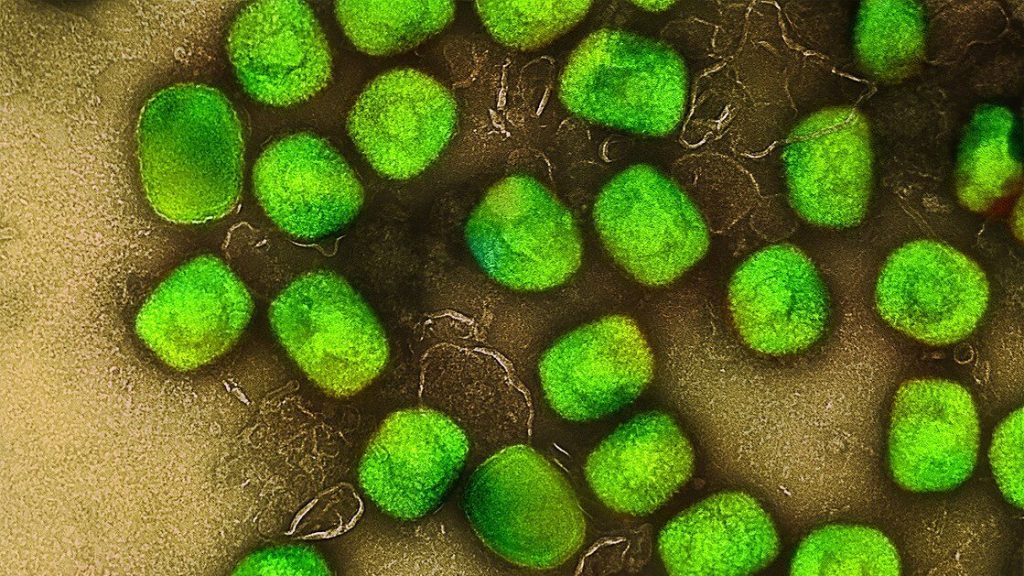
Mpox (monkeypox) virus. Source: NIH

Myths are widely held beliefs about various issues, including illness and disease. They come about through frequent storytelling and retelling. Dr Themba Hadebe, Clinical Executive at Bonitas Medical Fund, helps debunks myths about monkeypox (mpox).

Myth 1: Mpox (formerly monkeypox) is a new disease created in a lab

Fact: The mpox virus was discovered in Denmark (1958) in a colony of monkeys at a laboratory kept for research.  The first reported human case was in 1970 in the DRC. Mpox is a zoonotic disease, meaning it can be spread between animals and people. It is found regularly in parts of Central and West Africa and can spread from person to person or occasionally from animals to people.  

Myth 2: Mpox comes from monkeys

Fact: Despite its name, monkeypox does not come from monkeys. The disease earned the name when the ‘pox like’ outbreaks happened in the research monkeys. While monkeys can get mpox, they are not the reservoir (where a disease typically grows and multiplies). The reservoir appears to be rodents.

Myth 3:  Only a handful of people have contracted mpox

Fact: Globally, more than 97 000 cases and 186 deaths were reported across 117 countries in the first four months of 2024. South Africa is among the countries currently experiencing an outbreak.  On the 5 July, it was reported that the number of mpox cases in the country has risen to 20. This after four more cases have been confirmed in Gauteng and KwaZulu-Natal in the last few days.

15 patients have, however been given a clean bill of health.

Myth 4:  It is easy to diagnose mpox

Fact: It is easy to mistake mpox for something else. While the rash can be mistaken for chickenpox, shingles or herpes, there are differences between these rashes. Symptoms of mpox include fever, sore throat, headache, muscle aches, back pain, low energy and swollen lymph nodes. Fever, muscle aches and a sore throat appear first. The rash begins on the face and spreads over the body, extending to the palms of the hands and soles of the feet and develops over 2-4 weeks in stages. The ‘pox’ dip in the centre before crusting over.

Laboratory confirmation is required. A sample of one of the sores is diagnosed by a PCR test for the virus (MPXV).

Myth 5: Mpox is easily treated

Fact: ‘Currently,’ says the National Institute for Communicable Diseases (NICD), ‘there is no registered treatment for mpox in South Africa. However, the World Health Organization (WHO) recommends the use of TPOXX for treatment of severe cases, in immunocompromised people’. However, the Department of Health (DoH) has only obtained this treatment, with approval on a compassionate use basis, for the five known patients with severe disease.

There is no mpox vaccine currently available in South Africa.

Myth 6: You can get mpox from being in a crowd or from a public toilet seat

Fact: Mpox is not like Covid-19 which is highly contagious. It spreads through direct contact via blood, bodily fluid, skin or mucous lesions or respiratory droplets.

It can also spread though bites and scratches. Studies have shown that the virus can stay on surfaces but it is not spreading in that way or in a public setting. The risk of airborne transmission appears low.

Myth 7: Mpox is deadly

Fact: While mpox lesions can look similar to smallpox lesions, mpox infections are much milder and are rarely fatal. That said, symptoms can be severe in some patients, needing hospitalisation and, in rare cases, result in death. It is, however, painful and very unpleasant. So, it is important to avoid infection.

Myth 8: Mpox is sexually transmitted

Fact: You can become infected though close, direct contact with the lesions, rash, scabs or certain bodily fluids of someone who has mpox. Even though this could imply transmission though sexual activity, it is not limited to that.  You can also be exposed if you are in close physical proximity to infected people, such as spouses or young children who sleep in the same bed.

Myth 9: I can’t protect myself from getting Mpox

Fact:  You can take precautions: Avoid handling clothes, sheets, blankets or other materials that have been in contact with an infected animal or person. Wash your hands well with soap and water after any contact with an infected person or animal and clean and disinfect surfaces. Practice safe sex and use personal protective equipment (PPE) when caring for someone infected with the virus.

Myth 10:  You can’t stop other people being infected by you

Fact: You may not protect them by 100% but you can isolate. Also, alert people who have had recent contact with you.  Wash your hands regularly with soap and water or use hand sanitiser, especially before or after touching sore and disinfected shared spaces.  Cover lesions when around other people, keep skin dry and uncovered (unless in a room with someone else).

Mpox is a notifiable medical condition but is treatable, if you are concerned, call the DoH toll free number of 0800 029 999 but remember, your GP is your first port of call for all your healthcare needs.

Higher Rates of Cirrhosis in Transgender Individuals

Source: CC0

Cirrhosis is chronic, progressive end-stage liver disease that occurs when scar tissue prevents the liver from functioning normally. Studies have shown that two of the leading causes of cirrhosis – alcohol use disorder and viral hepatitis – occur more frequently in transgender individuals, but there has been little research examining if these risk factors translate into greater incidences of cirrhosis among transgender patients.  

A new study from Keck Medicine of USC published in The American Journal of Gastroenterology finds that transgender adults have double the prevalence of cirrhosis compared to cisgender adults (people whose gender identity matches the sex they were assigned at birth), suggesting a need for more supportive, preventive care. 

“Our study reveals that cirrhosis disproportionately affects transgender individuals and highlights a pressing health issue that needs addressing,” said Brian P. Lee, MD, MAS, a hepatologist and liver transplant specialist with Keck Medicine and principal investigator of the study. 

Lee and his colleagues launched the study to provide scientifically backed liver health guidance for physicians so they could offer transgender patients a higher level of care. 

Besides discovering that transgender cirrhosis rates are double that of the cisgender population, the study authors also learned that the majority of transgender adults with cirrhosis (60%) have a diagnosis of anxiety and/or depression, compared to 40% of the cisgender patients with cirrhosis.  

They also found that alcohol was the leading cause of cirrhosis in the transgender group, accounting for some 60% of cases while the percentage of cisgender adults with alcohol-associated cirrhosis was approximately 50%. 

In other findings, transgender patients with cirrhosis also tended to be younger (a larger portion were 44 or younger), had higher rates of viral hepatitis and were five times more likely to have HIV/AIDS than their cisgender counterparts.  

Possible reasons behind the disparity  

Lee hypothesises that the increased rates of depression and anxiety may be driving higher rates of alcohol use among transgender patients, which in turn, may result in greater cases of cirrhosis.  

The increased rate of HIV/AIDS among transgender patients may also be a factor in that both conditions are known to be associated with liver disease progression, according to Lee.  

Lack of access to quality health care could also play a role, hypothesises Jeffrey Kahn, MD, a hepatologist and liver transplant physician with Keck Medicine and co-author of the study.  

Similar outcomes

Researchers also studied the five-year outcomes among all transgender and cisgender patients with cirrhosis. Interestingly, despite the differences in the two groups, the number of possible negative outcomes of cirrhosis – liver failure, liver transplant and liver cancer, as well as death, by any cause – was the same.  

“This finding suggests that the transgender community is underserved in the initial stages of liver disease, but individuals are able to secure the care they need once cirrhosis is diagnosed,” said Kahn. “Early prevention is key because if liver disease is caught in time, there is less of a chance it will progress to cirrhosis.”  

To reach their conclusions, study authors culled data from a large national database, Optum, that contained medical claims for more than 60 million patients between 2007–2022. They first identified all transgender and cisgender adults (transgender patients accounted for 0.07%), and then compared the incidences of cirrhosis among each group as well as causes of the disease. Additionally, researchers tracked depression and anxiety in patients. 

Lee and Kahn hope the study will spur more research and motivate health care practitioners to provide transgender patients with extra support, including liver screenings and access to mental health resources. “This population requires specific attention from clinicians and researchers alike,” said Lee. 

Source: University of Southern California – Health Sciences

Holiday Season Already? Anticipation Might Make Time Seem to Fly

Those excited for Christmas or Ramadan are more likely to feel they come quicker, study shows

Photo by Malvestida on Unsplash

Christmas or Ramadan might seem to come around more quickly each year, for people who pay more attention to time, are more forgetful of plans, and love a good holiday. A research team led by Ruth Ogden of Liverpool John Moores University, UK, and Saad Sabet Alatrany of Imam Ja’afar Al-Sadiq University, Iraq, published these findings in the open-access journal PLOS ONE on July 10, 2024. They suggest this could mean that someone’s experience of time is shaped not only by what they’ve done, but what is left to do.

“Christmas seems to come quicker each year,” is a staple of small talk. But the feeling that a holiday comes around faster could also mean that someone’s sense of time is slightly distorted. To find out how often people sense this phenomenon, and what shapes their perception of time, Ogden and colleagues conducted a survey of more than 1000 people in the United Kingdom and more than 600 people in Iraq. They asked them if they believed Christmas or Ramadan came more quickly each year, and measured their memory function and attention to time as well as asking about age, gender, and social life.

The authors found 76 percent of people in the United Kingdom felt Christmas came quicker every year, and 70 percent of people in Iraq felt the same about Ramadan. For both cases, people were more likely to report this perceived acceleration if they enjoyed the holiday, and also for UK participants, if they reported better social lives. In both Iraq and the UK, people were more likely to feel holidays came earlier if they thought about the passage of time more often, and if they were prone to prospective memory errors – such as forgetting to do a planned task. Perhaps surprisingly, age did not play a role in the perception.

While Ramadan and Christmas are very different holidays, and perceptions of time could certainly be influenced by marketing and other factors, the scientists suggest that our experience of time might be shaped both by our attention to its passage and by our plans for the future.

Provided by PLOS

Adolescent Behaviour Problems and In Utero Cannabis Exposure: A Biological Link

More evidence shows potential connection between cannabis exposure in womb and adolescent behavioural problems

Photo by Thought Catalog on Unsplash

Scientists are trying to understand how cannabis may affect long-term neurodevelopment from in utero exposure. Previous work by Washington University in St. Louis researchers Sarah Paul and David Baranger in the Behavioral Research and Imaging Neurogenetics (BRAIN) lab led by Ryan Bogdan found associations between prenatal cannabis exposure and potential mental health conditions in childhood and adolescence, but potential biological mechanisms that could possibly explain this association were unclear.

In research published in Nature Mental Health this month, Bogdan, professor of psychological and brain sciences, and senior scientist Baranger outline some of those potential mechanisms, the intermediate biological steps that could play into how prenatal cannabis exposure leads to behavioural issues down the line.

“We see evidence that cannabis exposure may influence the developing brain, consistent with associations with mental health,” Baranger said.

Trying to draw out the long-term impacts of cannabis exposure during pregnancy is not a simple knot to untangle. There are many confounding factors that affect mental health and behavior.

For example, say someone was exposed in utero to cannabis and later develops attention deficit disorder as a teen – how do you differentiate that as an inherited trait or a trait influenced by environmental factors, versus a trait that cannabis exposure somehow contributed to early on in development? It is also possible that all three potentially could contribute to eventual psychopathology.

Another complication is the increasing prevalence of the drug, including among the pregnant population, where cannabis use has increased from 3% to 7% from 2002 to 2017.

Researchers have statistical methods to filter out some of those confounding factors that they used in the previous study, but now they can point to specific biological measurements that further signal a connection to cannabis exposure and adolescent behavioral problems.

Bogdan said that nothing can establish causation with certainty, “but we can look at the plausibility of causation and identifying biological correlates that are associated with exposure and these mental health outcomes suggests it’s plausible.”

Researchers have been using data on the children and their mothers from the Adolescent Brain and Cognitive Development (ABCD) Study, an ongoing research project that includes nearly 12 000 children across the country. As part of that study, they collected data about each mother’s substance use prior to the birth as well as the neuroimaging data of their offspring when they were between 9 and 10 and 11 and 12 years old. Some 370 children were exposed to cannabis prior to the mother’s knowledge of pregnancy, and 195 were exposed before and after learning of pregnancy.

The researchers looked at a variety of neuroimaging measurements that factor into brain development, including measures of brain thickness and surface area, as well as measures reflecting water diffusion in and outside of cells. The patterns found in the group exposed to cannabis are consistent with potential reductions in neuroinflammation.

“It’s possible what we’re seeing is an anti-inflammatory effect of cannabis, which is leading to differences in how the brain is being pruned during neurodevelopment,” Bogdan said.

Much has been touted about the anti-inflammatory effects of cannabis, but it’s not always good to reduce inflammation. It’s all about the timing: too much of a reduction of inflammation at the wrong time could affect how the brain is pruned and primed.

Another theory is that cannabis exposure leads to accelerated aging. But don’t expect to find the smoking gun of biological clues pinning mental health problems to early cannabis exposure.

It might not even be about cannabis effects on pruning but the post-combustion products from smoking cannabis that set off accelerated aging and the downstream cognitive effects, Bogdan said.

Or, it could all come down to sociological factors, he added.

Trying to find the one-to-one connection that proves that prenatal cannabis exposure has negative effects during the teenage years is a challenge and may not be possible with retrospective studies. Baranger notes that the major limitation of this data set is that it was retrospective; mothers reported what their cannabis use was 10 years ago, so he’s looking forward to new data from prospective, longitudinal studies that will offer more recent, accurate and detailed information about cannabis use in pregnancy.

“That will potentially give us more answers to these questions in the future,” Baranger said.

Baranger said these results reaffirm that if someone is thinking about using cannabis while pregnant, they should “talk to their doctor about their choices and what other options there might be.”

Source: Washington University in St. Louis

Social Media’s Double-edged Sword: Boosting Connections or Risking Careers?

Photo by Pexels on Pixabay

Social media has become an integral part of our daily lives, revolutionising how we communicate, connect and share information. So much so that insights suggest that over 5 billion people worldwide use social media, with 259 million users coming online within the last year. Closer to home, of the 45 million internet users in South Africa, 26 million use social media. 

Platforms such as Facebook, Instagram, LinkedIn and X (formerly Twitter), have bridged gaps, brought distant loved ones closer, and created communities around shared interests and passions. While these platforms have enriched our personal lives in countless ways, they are also a mixed blessing, impacting the professional lives of some individuals in unprecedented ways.

According to Jennifer Barkhuizen, Head of Marketing at MIE, companies are increasingly relying on screening the social media platforms of potential and current employees to gain a window into a candidate’s true self, and provide insights into their hobbies, interests and overall personality. 

“For companies, social media has become an invaluable tool to find the perfect cultural fit for their organisations. However, this practice also uncovers another side of the coin, exposing any unprofessional or inappropriate behaviour that companies may not want to be associated with,” she says.

A significant 70% of recruiters, both across the human resources industry and those within companies, now use social media to screen potential candidates, a trend that continues to grow rapidly. As the digital footprint of individuals becomes more prominent, the trend of social media screening is expected to continue its upward trajectory, reshaping the recruitment landscape.

While the increasing reliance on social media screening by recruiters is bolstering the recruitment process, it is also having a profound psychosocial impact on employees. 

“Knowing that their online activities are being screened can lead to anxiety and a sense of privacy being invaded,” adds Barkhuizen. “Employees may feel pressured to meticulously curate their online presence and the content that they post, which can be mentally exhausting and foster a sense of inauthenticity. The fear of being judged for past posts or casual comments can undermine personal freedom and contribute to a perpetual state of vigilance.” 

Although social media screening helps companies make more informed hiring decisions, it is crucial to acknowledge and address the psychological burden it places on individuals navigating the increasingly blurred lines between their personal and professional lives.

For individuals, balancing positive and negative content on social media is crucial, particularly in the context of social recruiting. Here, studies indicate that positive content, such as showcasing achievements, sharing inspirational messages, and participating in professional discussions, can significantly enhance a candidate’s appeal. Furthermore, positive interactions on social media can create a favourable impression, portraying candidates as engaged, motivated and a cultural fit for the organisation.

“Conversely, negative content, including illicit activity, unprofessional behaviour and controversial opinions, can be detrimental and raise red flags about a candidate’s suitability for a professional environment,” explains Barkhuizen. “So much so that a survey conducted by CareerBuilder found that of the 70% of employers who screen candidates on social media, 54% have decided not to hire a candidate based on their online presence.”

Barkhuizen adds that while people seek to be publicly visible online as they look to share their own ‘personal brand’, thoughts and opinions with the world, it is only when an individual crosses into engaging in undesirable or illicit content that they risk their own reputation and that of their employer.

Despite social media screening potentially leading to anxiety for individuals, it’s a crucial step for businesses to ensure they hire the right candidates. This practice helps protect the company’s reputation by identifying online behaviour that could negatively impact the organisation. It also helps ensure a good cultural fit by revealing candidates’ values and interests, aligning them with the company’s ethos. 

To mitigate the risks associated with using social media during the screening process, Barkhuizen points to five key best practices that HR professionals should abide by. These include:

  1. Develop a social media screening policy: Document a policy outlining the purpose, scope and procedure for social media screening to minimise bias or discrimination. Separate decision-makers from those conducting checks to ensure a fair and compliant hiring process.
  2. Educate staff: Train staff on the legal and ethical aspects of social media screening, ensuring they apply the process consistently to all candidates in the same job category,
  3. Be transparent: Inform candidates about the screening process and obtain their written consent if a social media check is conducted. 
  4. Be respectful: Respect candidates’ privacy settings and only view publicly available information. Avoid “friending” or “following” candidates during the hiring process.
  5. Be impartial and job-specific: Focus on professional information relevant to the job, such as skills and accomplishments. Document information consistently and avoid using protected characteristics like race, religion or gender. To this end, it is advisable to use a third party supplier to avoid bias. 

In today’s digital landscape, where social media is a powerful yet double-edged sword, leveraging the expertise of industry leaders such as MIE can make a significant difference. 

With trusted and innovative smart vetting solutions, MIE’s extensive industry knowledge ensures thorough and reliable background checks, helping businesses navigate the complexities of social media screening to make informed, strategic hiring decisions while safeguarding their reputation and maintaining a positive workplace culture.