Author: ModernMedia

Common Treatments for Breast Cancer may Speed up Aging

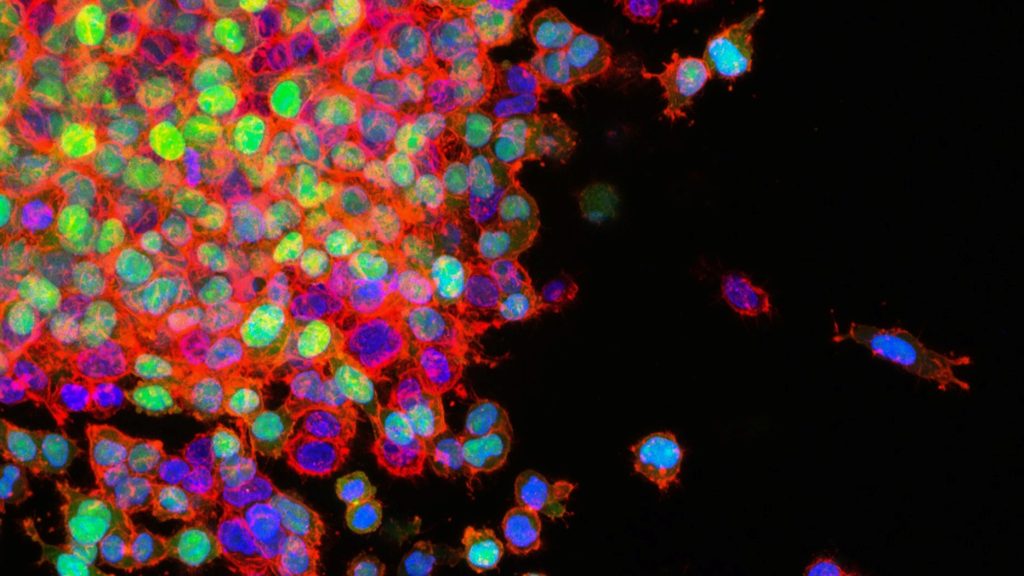
Photo by National Cancer Institute on Unsplash

A new study has revealed that common breast cancer treatments, including chemotherapy, radiation, and surgery, may accelerate the biological aging process in breast cancer survivors. The findings, published in the Journal of the National Cancer Institute, show that markers of cellular aging, such as DNA damage response, cellular senescence, and inflammatory pathways, significantly increased in all breast cancer survivors, regardless of the type of treatment received. This suggests that the impact of breast cancer treatments on the body is more extensive than previously thought.

“For the first time, we’re showing that the signals we once thought were driven by chemotherapy are also present in women undergoing radiation and surgery,” said study lead author Judith Carroll, an associate professor of psychiatry and biobehavioural sciences at UCLA. “While we expected to see increased gene expression linked to biological aging in women who received chemotherapy, we were surprised to find similar changes in those who only underwent radiation or surgery.”

Advances in cancer therapies have greatly improved survival rates, with an estimated 4 million breast cancer survivors in the US today and over 6 million expected by 2040. However, breast cancer is linked to accelerated aging, impacting physical abilities, independence, and lifespan. Biological aging processes, which drive conditions like fatigue, cognitive decline, frailty, and cardiovascular disease, appear to be a major factor. Evidence suggests that cancer treatments, like chemotherapy, can increase the risk of earlier onset of these aging-related conditions, making it crucial to understand the specific pathways involved to better target and manage them.

To examine how gene expression related to aging changes over time in women diagnosed with breast cancer, the team conducted a two-year longitudinal study that tracked women undergoing breast cancer treatment prior to receiving treatment and again following treatment to see how their biological aging markers evolved. 

The team tracked the gene expression in their blood cells using RNA sequencing, focusing on markers that signal biological aging, including a process known as cellular senescence, which is when cells stop dividing but don’t die. These so-called “zombie cells” accumulate over time and can release harmful substances that damage nearby healthy cells, contributing to aging and inflammation.

 The data was then analysed using statistical models to help identify aging-related changes.

The team found that regardless of treatment type there was an increase in expression of genes that track cellular processes involved in biological aging. Specifically, genes that capture cellular senescence and the inflammatory signal from these cells, indicating that their immune cells were aging faster than normal.

They also saw increases in DNA damage response genes, which are genes that are expressed when there is DNA damage. Although chemotherapy did have a slightly different pattern, similar to what others have shown, they also noted changes in women who did not receive chemotherapy. 

“The results suggest women who receive treatment for breast cancer have a pattern of gene expression that indicates increased DNA damage and inflammation, which could be important targets for recovering from cancer and having a better quality of life in survivorship,” said senior author of the study Julienne Bower(Link opens in new window), professor of psychology in the UCLA College and psychiatry and biobehavioural sciences and member of the UCLA Health Jonsson Comprehensive Cancer Center. 

“We’ve only just begun to understand the long-term consequences of cancer therapy and these findings are a critical step toward understanding the biological pathways that drive many post-treatment symptoms in breast cancer survivors,” added Carroll. “Our goal is to find ways to improve survivorship, not just in terms of years lived, but also in quality of life and overall health.”

The team is now exploring a new biomarker that measures a woman’s biological age and the pace at which she is aging. This could help determine whether the aging signals detected during cancer treatment have a long-term effect on biological age. The team plans to investigate factors that may influence this, with a focus on protective behaviours such as exercise, stress management and healthy sleep patterns.

Toothbrushes and Showerheads Teem with Viruses – Perhaps Useful Ones

Photo by Towfiqu barbhuiya: https://www.pexels.com/photo/a-toothbrush-with-toothpaste-on-a-white-surface-12065623/

Step aside, tropical rainforests and coral reefs, the latest hotspot to offer awe-inspiring biodiversity is in your bathroom. In a new study published in Frontiers in Microbiomes, microbiologists found that showerheads and toothbrushes are teeming with an extremely diverse collection of viruses – most of which have never been seen before.

Although this might sound ominous, the good news is these viruses don’t target people. They target bacteria.

The microorganisms collected in the study are bacteriophage, or “phage,” a type of virus that infects and replicates inside of bacteria. Although researchers know little about them, phage recently have garnered attention for their potential use in treating antibiotic-resistant bacterial infections. And the previously unknown viruses lurking in our bathrooms could become a treasure trove of materials for exploring those applications.

“The number of viruses that we found is absolutely wild,” said Northwestern’s Erica M. Hartmann, who led the study, which was published in the journal Frontiers in Microbiomes. “We found many viruses that we know very little about and many others that we have never seen before. It’s amazing how much untapped biodiversity is all around us. And you don’t even have to go far to find it; it’s right under our noses.”

An indoor microbiologist, Hartmann is an associate professor of civil and environmental engineering at Northwestern’s McCormick School of Engineering and a member of the Center for Synthetic Biology.

The return of ‘Operation Pottymouth’

The new study is an offshoot of previous research, in which Hartmann and her colleagues at University of Colorado at Boulder characterized bacteria living on toothbrushes and showerheads. For the previous studies, the researchers asked people to submit used toothbrushes and swabs with samples collected from their showerheads.

Inspired by concerns that a flushing toilet might generate a cloud of aerosol particles, Hartmann affectionately called the toothbrush study, “Operation Pottymouth.”

“This project started as a curiosity,” Hartmann said. “We wanted to know what microbes are living in our homes. If you think about indoor environments, surfaces like tables and walls are really difficult for microbes to live on. Microbes prefer environments with water. And where is there water? Inside our showerheads and on our toothbrushes.”

What they found: An ‘incredible diversity of viruses’

After characterizing bacteria, Hartmann then used DNA sequencing to examine the viruses living on those same samples. She was immediately blown away. Altogether, the samples comprised more than 600 different viruses — and no two samples were alike.

“We saw basically no overlap in virus types between showerheads and toothbrushes,” Hartmann said. “We also saw very little overlap between any two samples at all. Each showerhead and each toothbrush is like its own little island. It just underscores the incredible diversity of viruses out there.”

A potential pathogen fighter

While they found few patterns among all the samples, Hartmann and her team did notice more mycobacteriophage than other types of phage. Mycobacteriophage infect mycobacteria, a pathogenic species that causes diseases like leprosy, tuberculosis and chronic lung infections. Hartmann imagines that, someday, researchers could harness mycobacteriophage to treat these infections and others.

“We could envision taking these mycobacteriophage and using them as a way to clean pathogens out of your plumbing system,” she said. “We want to look at all the functions these viruses might have and figure out how we can use them.”

Avoid overreacting: Most microbes ‘will not make us sick’

But, in the meantime, Hartmann cautions people not to fret about the invisible wildlife living within our bathrooms. Instead of grabbing for bleach, people can soak their showerheads in vinegar to remove calcium buildup or simply wash them with plain soap and water. And people should regularly replace toothbrush heads, Hartmann says. Hartmann also is not a fan of antimicrobial toothbrushes, which she said can lead to antibiotic-resistant bugs.

“Microbes are everywhere, and the vast majority of them will not make us sick,” she said. “The more you attack them with disinfectants, the more they are likely to develop resistance or become more difficult to treat. We should all just embrace them.”

Source: Northwestern University

COVID Infection Linked to MI & Stroke Risk Increases up to 3 Years Later

Photo: CC0

An analysis of data in the UK Biobank has found that COVID infection may increase the risk of myocardial infarction (MI), stroke and death from any cause for up to three years for people with and without cardiovascular disease, according to new research published in the American Heart Association’s peer-reviewed journal Arteriosclerosis, Thrombosis and Vascular Biology (ATVB).

“We found a long-term cardiovascular health risk associated with COVID, especially among people with more severe COVID cases that required hospitalisation,” said lead study author James Hilser, M.P.H., Ph.D.-candidate at the University of Southern California Keck School of Medicine in Los Angeles. “This increased risk of heart attack and stroke continued three years after COVID infection. Remarkably, in some cases, the increased risk was almost as high as having a known cardiovascular risk factor such as Type 2 diabetes or peripheral artery disease.”

Previous research has shown that COVID increases the risk of serious cardiovascular complications within the first month after infection. This study examined how long the increased risk lasted and whether it subsided after recovering from COVID infection.

Researchers reviewed health and genetic data in the UK Biobank for more than 10 000 adults, including approximately 8000 who had tested positive for SARS-CoV-2 from February 1 to December 31, 2020 and about 2000 who tested positive for the virus in a hospital setting in 2020. A group of more than 200,000 adults who had no history of COVID infection during the same time frame in the UK Biobank were also reviewed for comparison. None of the participants were vaccinated at the time of infection because COVID vaccines were not yet available in 2020.

The analysis found:

  • During the nearly 3-year follow-up period, the risk of heart attack, stroke and death was more than two times higher among adults who had COVID, and nearly four times greater among adults hospitalized with COVID, compared with the group with no history of COVID infection.
  • People hospitalized with COVID, without cardiovascular disease or without Type 2 diabetes, had a 21% greater risk of heart attack, stroke and death compared to people with cardiovascular disease and without COVID infection.
  • There was a significant genetic interaction among the non-O blood types and hospitalisation for COVID. People with severe COVID infections had an increased risk of heart attack and stroke, however, that risk was even higher in people who had non-O blood types (those with blood types A, B or AB).
  • The risk of heart attack and stroke was about 65% higher in adults with non-O blood types compared to those who had type O blood. A preliminary analysis did not show that Rh (positive or negative) blood type interacted with severe COVID, the authors noted.

“Worldwide, over a billion people have already experienced COVID infection. The findings reported are not a small effect in a small subgroup,” said co-senior study author Stanley Hazen, M.D., Ph.D., chair of cardiovascular and metabolic sciences in Cleveland Clinic’s Lerner Research Institute and co-section head of preventive cardiology. “The results included nearly a quarter million people and point to a finding of global health care importance that may translate into an explanation for a rise in cardiovascular disease around the world.” 

Study details, background and design:

  • Health data was from the UK Biobank, a large-scale study of 503,325 adults living in the United Kingdom who were 40 to 69 years of age at enrollment between 2006 and 2010. The in-depth health and biomedical information was collected for participants registered in the UK National Health Service with a UK general practitioner (similar to a primary care physician in the U.S.).
  • This analysis included health data for 10,005 adults who tested positive for the COVID virus or were hospitalized with COVID between February 1, 2020, and December 31, 2020. An additional 217,730 peers enrolled in the UK Biobank who did not have COVID during the same time period were included. In the analysis, all participants were matched as closely as possible for demographics and similar health conditions.
  • Major adverse cardiovascular events (heart attack, stroke and all-cause death) were evaluated for long-term risk, through October 31, 2022, approximately 3 years later.

“This interesting paper is really two studies in one,” said Sandeep R. Das, M.D., M.P.H., MBA, FAHA, co-chair of the American Heart Association’s COVID-19 CVD Registry committee and director for quality and value in the cardiology division for UT Southwestern Medical Center in Dallas. “First, the authors show that having been hospitalized with COVID is a marker of increased cardiovascular risk, on par with having a pre-existing diagnosis of cardiovascular disease. Although proving direct cause and effect is very difficult to tease out in a study that only analyses past data collected for other purposes, this finding is important because it suggests a history of prior COVID hospitalization, even without a history of CVD, should be considered to initiate and possibly accelerate CVD prevention efforts. Whether severe COVID infection has a direct impact on the vascular system is an interesting area for study as well,” Das said.

“The second ‘study’ in this paper looks at the relationship between ABO blood type and COVID outcomes. They show that something located close to the genetic home of ABO blood type is associated with different degrees of susceptibility to COVID. This is really fascinating, and I look forward to seeing scientists tease out what the specific pathway may be.”

The study had several limitations, including that the data was from patients who had the original strain of the COVID virus before vaccines were widely available in 2021. Additionally, the researchers noted that UK Biobank information on medication use was not specific to the beginning of the pandemic in 2020 or the date that patients were infected with SARS-CoV-2. Also, because the majority of participants in the UK Biobank are white, additional research is needed to confirm that these results apply to people with diverse racial and ethnic backgrounds.

“The results of our study highlight the long-term cardiovascular effects of COVID infection. Given the increased risk of heart attack, stroke and death, the question is whether or not severe COVID should be considered as another risk factor for CVD, much like Type 2 diabetes or peripheral artery disease, where treatment focused on CVD prevention may be valuable,” said co-senior study author Hooman Allayee, Ph.D., a professor of population and public health sciences at the University of Southern California Keck School of Medicine in Los Angeles. “The results suggest that people with prior COVID infection may benefit from preventive care for cardiovascular disease.”

Source: American Heart Association

MS Associated with an Increased Risk of Certain Cancers

This is a pseudo-coloured image of high-resolution gradient-echo MRI scan of a fixed cerebral hemisphere from a person with multiple sclerosis.

Credit: Govind Bhagavatheeshwaran, Daniel Reich, National Institute of Neurological Disorders and Stroke, National Institutes of Health

A new study has found some cancers to be slightly more frequent in people with multiple sclerosis (MS) than in people without MS. The study is published online in Neurology®, the medical journal of the American Academy of Neurology. Types of cancers found to have a small increased risk include bladder, brain and cervical cancers.

“People with MS undergo an increased number of tests to monitor MS, making it more likely to detect other diseases,” said study author Emmanuelle Leray, PhD, of Rennes University in France. “We found an association between some types of cancer and MS which may have different explanations depending on a person’s age and the types of cancer. Overall, our study found the increased risk of cancer was quite small.”

For the study, researchers reviewed 10 years of data in the French national health care database. Researchers identified 140 649 people with MS and matched them for factors such as age, sex and residence to 562 596 people without MS. All participants were cancer free three years before the study. They were followed for an average of eight years.

During the study, 8,368 people with MS and 31,796 people without MS developed cancer.

Researchers determined there were 799 cancers per 100 000 person-years for people with MS and 736 cancers per 100 000 person-years for people without MS. Person-years represent both the number of people in the study and the amount of time each person spends in the study.

Researchers found people with MS had a 6% increased risk of developing any type of cancer regardless of age, sex and residence. They also found cancer risk was higher in those under 55 and lower in people 65 and older when compared to people without MS.

Researchers then looked at cancer types. People with MS had a 71% increased risk for bladder cancer, a 68% increased risk for brain cancer and a 24% increased risk for cervical cancer. However, they also had a 20% lower risk of prostate cancer, a 10% lower risk of colorectal cancer and a 9% lower risk of breast cancer.

“While our study found a higher risk for brain cancer, it may be due in part to earlier detection in those with MS since they regularly have brain scans which may detect cancers earlier, before a person has symptoms,” said Leray. “Frequent urinary tract infections in people with MS and the use of immunosuppressant drugs may contribute to their higher risk of bladder and cervical cancers.”

Leray added, “The lower risk for colorectal and breast cancers may be due in part to fewer people with MS getting screened for cancer in older age when they may be experiencing more MS symptoms. More research is needed, including studies that look at more closely at how cancer screenings may play a role.”

A limitation of the study was that researchers were unable to adjust for factors such as education, income, smoking and alcohol consumption since this information was not available in the national database.

Source: American Academy of Neurology

AI Tools Can’t Revolutionise Public Health if They Stick to Old Patterns

As tools powered by artificial intelligence increasingly make their way into health care, the latest research from UC Santa Cruz Politics Department doctoral candidate Lucia Vitale takes stock of the current landscape of promises and anxieties. 

Proponents of AI envision the technology helping to manage health care supply chains, monitor disease outbreaks, make diagnoses, interpret medical images, and even reduce equity gaps in access to care by compensating for healthcare worker shortages. But others are sounding the alarm about issues like privacy rights, racial and gender biases in models, lack of transparency in AI decision-making processes that could lead to patient care mistakes, and even the potential for insurance companies to use AI to discriminate against people with poor health. 

Which types of impacts these tools ultimately have will depend upon the manner in which they are developed and deployed. In a paper for the journal Social Science & Medicine, Vitale and her coauthor, University of British Columbia doctoral candidate Leah Shipton, conducted an extensive literature analysis of AI’s current trajectory in health care. They argue that AI is positioned to become the latest in a long line of technological advances that ultimately have limited impact because they engage in a “politics of avoidance” that diverts attention away from, or even worsens, more fundamental structural problems in global public health. 

For example, like many technological interventions of the past, most AI being developed for health focuses on treating disease, while ignoring the underlying determinants of health. Vitale and Shipton fear that the hype over unproven AI tools could distract from the urgent need to implement low-tech but evidence-based holistic interventions, like community health workers and harm reduction programs. 

“We have seen this pattern before,” Vitale said. “We keep investing in these tech silver bullets that fail to actually change public health because they’re not dealing with the deeply rooted political and social determinants of health, which can range from things like health policy priorities to access to healthy foods and a safe place to live.”

AI is also likely to continue or exacerbate patterns of harm and exploitation that have historically been common in the biopharmaceutical industry. One example discussed in the paper is that the ownership of and profit from AI is currently concentrated in high-income countries, while low- to middle-income countries with weak regulations may be targeted for data extraction or experimentation with the deployment of potentially risky new technologies. 

The paper also predicts that lax regulatory approaches to AI will continue the prioritization of intellectual property rights and industry incentives over equitable and affordable public access to new treatments and tools. And since corporate profit motives will continue to drive product development, AI companies are also likely to follow the health technology sector’s long-term trend of overlooking the needs of the world’s poorest people when deciding which issues to target for investment in research and development. 

However, Vitale and Shipton did identify a bright spot. AI could potentially break the mold and create a deeper impact by focusing on improving the health care system itself. AI could be used to allocate resources more efficiently across hospitals and for more effective patient triage. Diagnostic tools could improve the efficiency and expand the capabilities of general practitioners in small rural hospitals without specialists. AI could even provide some basic yet essential health services to fill labor and specialization gaps, like providing prenatal check-ups in areas with growing maternity care deserts. 

All of these applications could potentially result in more equitable access to care. But that result is far from guaranteed. Depending on how and where these technologies are deployed, they could either successfully backfill gaps in care where there are genuine health worker shortages or lead to unemployment or precarious gig work for existing health care workers. And unless the underlying causes of health care worker shortages are addressed – including burnout and “brain drain” to high-income countries – AI tools could end up providing diagnosis or outbreak detection that is ultimately not useful because communities still lack the capacity to respond. 

To maximise benefits and minimise harms, Vitale and Shipton argue that regulation must be put in place before AI expands further into the health sector. The right safeguards could help to divert AI from following harmful patterns of the past and instead chart a new path that ensures future projects will align with the public interest.

“With AI, we have an opportunity to correct our way of governing new technologies,” Shipton said. “But we need a clear agenda and framework for the ethical governance of AI health technologies through the World Health Organization, major public-private partnerships that fund and deliver health interventions, and countries like the United States, India, and China that host tech companies. Getting that implemented is going to require continued civil society advocacy.”

Source: University of California – Santa Cruz

Drug Enhances Radiotherapy for Lung Cancer Metastases in the Brain

Lung cancer metastasis. Credit: National Cancer Institute

In new research, a team led by University of Cincinnati researchers has identified a potential new way to make radiation more effective and improve outcomes for patients with lung cancer that has spread to the brain. The study, led by first author Debanjan Bhattacharya, PhD, appears in the journal Cancers, and uses a benzodiazepine analogue.

According to the American Cancer Society, lung cancer is the leading cause of cancer death in the United States, accounting for about one in five cancer deaths. Non-small cell lung cancer (NSCLC) is the most prevalent type of lung cancer, making up approximately 80% to 85% of all lung cancer cases.

Up to 40% of lung cancer patients develop brain metastases during the course of the disease, and these patients on average survive between eight and 10 months following diagnosis.

Current standard of care treatments for lung cancer that spreads to the brain include surgical removal and stereotactic brain radiosurgery (using precisely focused radiation beams to treat tumours) as well as whole brain irradiation in patients with more than 10 metastatic brain lesions.

“Lung cancer brain metastasis is usually incurable, and whole brain radiation treatment is palliative, as radiation limits therapy due to toxicity,” said Bhattacharya, research instructor in the Department of Neurology and Rehabilitation Medicine in UC’s College of Medicine. “Managing potential side effects and overcoming resistance to radiation are major challenges when treating brain metastases from lung cancer. This highlights the importance of new treatments which are less toxic and can improve the efficacy of radiation therapy, are less expensive, and can improve the quality of life in patients.”

Research focus

Bhattacharya and his colleagues at UC focused on AM-101, a synthetic analogue, meaning it has a close resemblance to the original compound, in the class of benzodiazepine drugs. It was first developed by James Cook, a medicinal chemist at the University of Wisconsin-Milwaukee. Prior to this study, AM-101’s effect in non-small cell lung cancer was unknown. 

AM-101 is a particularly useful drug in the context of brain metastases in NSCLC, Bhattacharya said, as benzodiazepines are known to be able to pass through the blood-brain barrier that protects the brain from potential harmful invaders that can also block some drugs from reaching their target in the brain.

Research results

The team found that AM-101 activated GABA(A) receptors located in the NSCLC cells and lung cancer brain metastatic cells. This activation triggers the “self-eating” process of autophagy where the cell recycles and degrades unwanted cellular parts.

Specifically, the study showed that activating GABA(A) receptors increases the expression and clustering of GABARAP and Nix (an autophagy receptor), which boosts the autophagy process in lung cancer cells. This enhanced “self-eating” process of autophagy makes lung cancer cells more sensitive to radiation treatment.

Using animal models of lung cancer brain metastases, the team found AM-101 makes radiation treatment more effective and significantly improves survival. Additionally, the drug was found to slow down the growth of the primary NSCLC cells and brain metastases.

In addition to making radiation more effective, adding AM-101 to radiation treatments could allow for lower radiation doses, which could reduce side effects and toxicity for patients, Bhattacharya said. The team is now working toward opening Phase 1 clinical trials testing the combination of AM-101 and radiation both in lung cancer within the lungs and lung cancer that has spread to the brain.

Source: Aalto University

Research at Oktoberfest Reveals a Brewing Cardiac Arrhythmia Risk

Photo by Pavel Danilyuk on Pexels

Medicine is subjecting the negative effects of alcohol on body and health to ever greater scrutiny – not surprisingly us, as alcohol is one of the strongest cell toxins that exist. In a recent study, doctors at  took mobile ECG monitors along to parties of young people who had one principal aim: to drink and be merry. Yet the science produced by the MunichBREW II study made for sobering reading. It revealed that binge drinking can have a concerning effect on the hearts even of healthy young people in surprisingly many cases, including the development of clinically relevant arrhythmias. The results of the study have just been published in the European Heart Journal.

The team from the Department of Cardiology at LMU University Hospital launched the MunichBREW I study at Munich Oktoberfest in 2015. Back then, the doctors, led by Professor Stefan Brunner and PD Dr Moritz Sinner, studied the connection between excessive alcohol consumption and cardiac arrhythmias – but only through an electrocardiogram (ECG) snapshot.

Now the scientists wanted to gain a more detailed picture, so they set out with their mobile equipment once again. Their destinations were various small parties attended by young adults with a high likelihood “that many of the partygoers would reach breath alcohol concentrations (BAC) of at least 1.2 grams per kilogram,” says Stefan Brunner. These were the participants of the MunichBREW II study – the world’s largest investigation to date of acute alcohol consumption and ECG changes in prolonged ECGs spanning several days.

Hearts out of sync – especially in recovery phase

Overall, the researchers evaluated the data of over 200 partygoers who, with peak blood alcohol values of up to 2.5 grams per kilogram, had imbibed quite a few drinks. The ECG devices monitored their cardiac rhythms for a total of 48 hours, with the researchers distinguishing between the baseline (hour 0), the drinking period (hours 1-5), the recovery period (hours 6-19), and two control periods corresponding to 24 hours after the drinking and recovery periods, respectively. Acute alcohol intake was monitored by BAC measurements during the drinking period. ECGs were analysed for heart rate, heart rate variability, atrial fibrillation, and other types of cardiac arrhythmia. Despite the festive mood of the study participants, the quality of the ECGs was almost universally high throughout.

“Clinically relevant arrhythmias were detected in over five percent of otherwise healthy participants,” explains Moritz Sinner, “and primarily in the recovery phase.” Alcohol intake during the drinking period led to an increasingly rapid pulse of over 100 beats per minute. Alcohol, it would seem, can profoundly affect the autonomous regulatory processes of the heart. “Our study furnishes, from a cardiological perspective, another negative effect of acute excessive alcohol consumption on health,” stresses Brunner. Meanwhile, the long-term harmful effects of alcohol-related cardiac arrhythmias on cardiac health remains a subject for further research.

Source: Ludwig-Maximilians-Universität München

Bridging the Gap: How Pragmatic Trials can Better Serve Healthcare Systems

Photo by Hush Naidoo Jade Photography on Unsplash

A new thought piece led by the Harvard Pilgrim Health Care Institute with collaborators from Duke University and Kaiser Permanente Washington Health Research Institute highlights the challenges facing healthcare researchers and decision makers in the quest to improve population health in a constantly evolving healthcare landscape. The authors offer strategies to enhance the effectiveness of pragmatic clinical trials and increase their impact on real-world healthcare settings.

The Viewpoint appears October 2 in JAMA.

Pragmatic clinical trials, designed to inform health care decision-makers about the comparative benefits, burdens, and risks of health interventions, have seen a significant increase in interest over the past decade. Since 2012, the NIH Pragmatic Trials Collaboratory has supported 32 such trials, addressing critical issues like suicide prevention, opioid prescribing, and infection control.

Pragmatic clinical trials are designed to bridge the gap between research and care, and we believe this bridge can be built even more efficiently.
– Richard Platt, MD, MSc

Pragmatic clinical trials compare treatments in everyday clinical settings, rather than under ideal conditions. However, the authors note that the adoption of trial findings by healthcare systems has been inconsistent.

“Our goal is to ensure that the findings from these trials are not only scientifically sound but also readily implementable in diverse healthcare settings,” says lead author Richard Platt, Harvard Medical School distinguished professor of population medicine at the Harvard Pilgrim Health Care Institute. “Pragmatic clinical trials are designed to bridge the gap between research and care, and we believe this bridge can be built even more efficiently.”

The authors identify key challenges and propose solutions to align trial goals with healthcare system needs, including:

  • Identifying relevant outcomes: Collaborate with healthcare leaders to determine the clinical or cost-saving outcomes that would motivate adoption.
  • Shortening trial duration: Designing trials to span 2-3 years to match the decision-making timelines of healthcare systems.
  • Conducting interim assessments: Utilizing interim analyses to provide timely information and potentially stop or modify trials early.
  • Considering costs: Understanding and planning for associated costs to ensuring interventions are sustainable post-trial.

“By accommodating the priorities of healthcare leaders and introducing adaptive trial designs, we can generate actionable evidence that truly improves patient care,” adds Dr Platt.

Source: Harvard Pilgrim Health Care Institute

Avo at Breakfast for Women, Oats for Men, Study Suggests

Photo by Thought Catalog on Unsplash

New research from the University of Waterloo suggests that men and women should have different kinds of food for breakfast in order to help lose weight.

The study, which employed a mathematical model of men’s and women’s metabolisms, showed that men’s metabolisms respond better on average to a meal laden with high carbohydrates like oats and grains after fasting for several hours, while women are better served by a meal with a higher percentage of fat, such as omelettes and avocados. The findings are out now in Computers in Biology and Medicine.

“Lifestyle is a big factor in our overall health,” said Stéphanie Abo, an Applied Mathematics PhD candidate and the lead author of the study. “We live busy lives, so it’s important to understand how seemingly inconsequential decisions, such as what to have for breakfast, can affect our health and energy levels. Whether attempting to lose weight, maintain weight, or just keep up your energy, understanding your diet’s impact on your metabolism is important.”

The study builds on an existing gap in research on sex differences in how men and women process fat. “We often have less research data on women’s bodies than on men’s bodies,” said Anita Layton, a professor of Applied Mathematics and Canada 150 Research Chair in Mathematical Biology and Medicine.

“By building mathematical models based on the data we do have, we can test lots of hypotheses quickly and tweak experiments in ways that would be impractical with human subjects.”

“Since women have more body fat on average than men, you would think that they would burn less fat for energy, but they don’t,” said Layton. “The results of the model suggest that women store more fat immediately after a meal but also burn more fat during a fast.”

Going forward, the researchers hope to build more complex versions of their metabolism models and extend beyond the consideration of biological sex by incorporating an individual’s weight, age, or stage in the menstrual cycle.

Source: University of Waterloo

The Brain Forces Muscles to ‘Hit the Brakes’ in Hip Osteoarthritis

Photo by Kampus Production on Pexels

Muscle activation in people suffering from hip osteoarthritis might be a case of ‘mind over matter’, new research from Edith Cowan University (ECU) has shown.

Research undertaken by ECU post-doctoral research fellow Dr Myles Murphy investigated muscle function in people with hip osteoarthritis and found that these patients were unable to activate their muscles as efficiently. The findings are published in Sports Medicine and Health Science.

“Previous research has well established that the degree to which a joint degenerates is not directly related to the amount of pain a person with arthritis will experience. In fact, the stronger your muscles are, the more protected your joint is, and the less pain you will experience.

“Our research has shown that people with hip osteoarthritis were unable to activate their muscles as efficiently, irrespective of strength.”

As part of this research, Dr Murphy and his team studied the brain function of people with hip arthritis, finding that the mind played an enormous part in this equation.

“Basically, people with hip arthritis are unable to activate their muscles properly because the brain is actively putting on the brake to stop them from using the muscle. We don’t know why that is, yet. But the brain seems to really be hampering the progress of rehabilitation and the muscles to protect the joint,” Dr Murphy said.

“We suspect that it is a short-term, protective response gone wrong. Unlike a rolled ankle or a hurt knee, chronic pain like osteoarthritis tends to hang around for a long time.  Instead of being a protective response in the short term, the brain’s protective response becomes a really problematic and maladaptive response in the long term.”

Hip osteoarthritis is more prevalent in people over the age of 45, and women are much more like to develop the condition. People who have reported previous joint damage, from a sports injury or accident, are more likely to present with hip osteoarthritis, as are those with joint abnormalities, such as developmental dysplasia of the hip.

People living with hip arthritis often presents with different walking patterns than those without and could struggle with everyday activities like getting out of a chair, or vehicle.

“The impact on their daily lives is the biggest burden of osteoarthritis. The condition also results in substantial time-loss from work, and is associated with a high economic cost,” Dr Murphy said.

“The level of disability for normal activity within our study cohort was about 25%, compared to the 0% reported in our healthy control group.”

Dr Murphy is currently investigating novel ways in which to overcome this automatic muscle inhibition to effectively rehabilitate patients.

In the meantime, those living with hip osteoarthritis have been urged to continue strength training and to work with a qualified physiotherapist or exercise physiologist.

“You will need to work quite hard to build the strength in those muscles, but it can be done. There is no quick fix. Staying strong is something that people with hip osteoarthritis will need to actively keep working on,” he said.

Source: Edith Cowan University