On May 18, 2026 (yesterday), South Africa’s Constitutional Court unanimously upheld a 2024 ruling from the Pretoria High Court, declaring Sections 36 to 40 of the National Health Act 61 of 2003 (NHA) unconstitutional and invalid.
QuickNews previously reported on the High Court judgement, which you can read about here. The Certificate of Need (CON) was part of 2003’s NHA, which was never implemented. Despite it not being a part of the 2023 NHI Act, the removal of the Sections was seen as undermining a core pillar of NHI – centralised management.
The case was brought by Solidarity Trade Union, the Hospital Association of South Africa (HASA).
It was argued that the CON unfairly constrained the rights of doctors to practise where they chose, and hospitals and other healthcare facilities would not be able to operate without one, nor for new facilities to open or even expansions to be made. The provisions, which aimed to promote equitable distribution of healthcare services, had not yet been implemented.
The Director-General of Health, who issued the CON, would have had exercised a “blunt instrument” to control private healthcare in the country, noted Judge Anthony Millar of the Pretoria High Court in his judgement.
The sections were found to be irrational and an unjustifiable limitation on the constitutional right (Section 22) to freely choose a trade, occupation, or profession. They granted overly broad discretionary powers without adequate safeguards. Finally, the court ruled that severing (removing) these sections entirely from the NHA was appropriate, with no need to refer them back to Parliament for fixing. The Health Minister and Director-General were ordered to pay costs.
Anton van der Bijl, Deputy Chief Executive of Solidarity, said: “The Certificate of Need was far more than merely an administrative instrument. It was an instrument of centralisation and state control.”
Long-serving executive takes the helm at one of South Africa’s largest private healthcare groups
Netcare Christiaan Barnard Memorial Hospital
Johannesburg, 19 May 2026: Netcare Limited, one of South Africa’s largest private healthcare groups, has appointed long-serving executive Melanie Da Costa as its next Chief Executive Officer (CEO), succeeding Dr Richard Friedland who steps down at the end of 2026 after three decades at the helm.
Da Costa, currently Executive Director: Strategy and Health Policy, will assume the role of CEO Designate on 1 June 2026, working alongside Dr Friedland through a six-month transition. She formally takes over as CEO on 1 January 2027, with Dr Friedland retiring from the Board on 31 December 2026. On the Board’s request, Dr Friedland has agreed to fulfil the role of strategic advisor to the Board and CEO for six months thereafter on a consultancy basis from 1 January until 30 June 2027.
The appointment comes at a pivotal moment for South African healthcare. The sector is navigating the implementation of the National Health Insurance Act, evolving regulatory and funding dynamics, and the rapid acceleration of digital health, data and AI. With more than two decades of experience spanning funder negotiations, health policy, capital markets, and operational leadership, Da Costa is widely seen within the industry as among the most experienced candidates to take on the role.
“Ms Da Costa is a respected industry leader with the capacity to deliver operational excellence, disciplined capital allocation and continued execution of Netcare’s strategy in service of our patients, partners, employees, medical aid schemes and suppliers,” said Alex Maditsi, Chairman of the Netcare Board. “She brings strategic acumen, commercial discipline, a growth mindset and a deep appreciation of the role that health technology and innovation play in driving differentiation and sustainable growth. Over more than 20 years at Netcare, she has made an extraordinary contribution to the Group, earning broad based respect across the organisation and among its stakeholders. She is, without question, the right person to lead Netcare into the future.”
Da Costa, a Chartered Financial Analyst (CFA) who holds a Master of Commerce from the University of South Africa and a BCom Honours from the University of the Witwatersrand, says it is a privilege to take on the role at such a consequential moment for the sector.
“It is the honour of my career to be entrusted with leading Netcare,” she said. “Our sector is being reshaped by policy reform, by the expectations of the people we serve and by the extraordinary possibilities that digital and data-driven care now open up. Netcare’s strategy is clear, our people are exceptional and our commitment to person centred health and care is unwavering.
“I have had the privilege of working alongside Richard for two decades. The Netcare he leaves is not the Netcare he found – he and the team have built it into one of the most respected healthcare organisations on the continent. I am profoundly grateful for his mentorship and committed to building on the extraordinary foundation he and the team have laid.”
Da Costa joined Netcare in 2006 to establish its Health Policy Unit and has since played a key role in shaping national health policy through evidence-based engagement with policymakers, regulators and funders. She subsequently led the Group’s acquisition of mental health provider Akeso and served as its Managing Director. She is a member of Netcare’s Finance Committee, serves on the National Renal Care Board and is a former Chairperson of the Hospital Association of South Africa (HASA).
Dr Friedland’s retirement closes one of the most consequential chapters in South African private healthcare. A co-founder of Netcare, he has led the Group for more than three decades, building it into a leading and respected healthcare provider employing more than 18 000 people. Under his stewardship, Netcare founded several new divisions, including Netcare 911, Netcare Diagnostics and Netcare Plus, and established itself as an internationally recognised leader in environmental sustainability and digital innovation in healthcare.
“Dr Friedland pioneered and led the development of the Group’s long-term person centred health and care strategy, underpinned by digitisation, data and AI-driven innovation, which has positioned Netcare at the forefront of healthcare transformation,” Maditsi said.
“He also initiated and led the Group’s environmental sustainability strategy, which has positioned Netcare as a global leader in this field. We also acknowledge his inspirational leadership from the frontline of Netcare and the broader healthcare sector during the COVID-19 pandemic. The Board thanks him for a lifetime of service to Netcare, to our patients and to our country.”
Dr Friedland said he is confident he is leaving Netcare in the strongest possible hands.
“Melanie is an exceptional leader and a person of deep integrity. I have watched her grow from establishing our Health Policy Unit to becoming one of the most respected voices in South African healthcare,” he said.
“She understands Netcare – our people, our purpose, our strategy and the contribution we make to the country. Netcare is more than a company; it is a community of more than 18 000 people who turn up every day to care for others. I will hand over the leadership of that community with pride and with absolute confidence in Melanie’s ability to take it forward.”
Netcare is at present in a Closed Period until 10:00 on Monday, 25th May 2026 and is therefore regrettably unable to grant interviews.
Brown University researchers say an analytic method can exaggerate the causal link between amyloid reduction and cognitive benefits of new Alzheimer’s drugs.
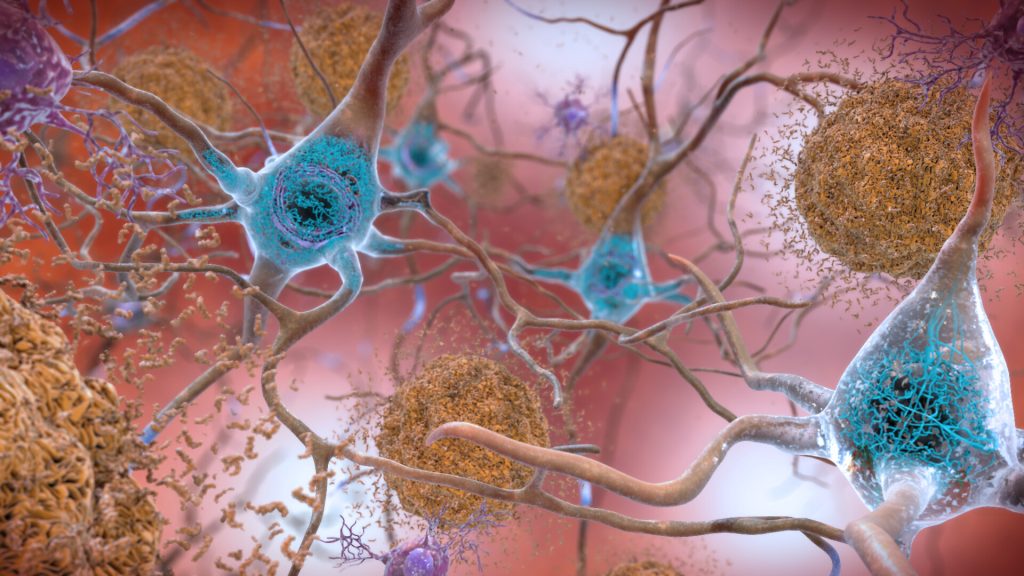
Neurons in the brain of an Alzheimer’s patient, with plaques caused by tau proteins. Credit: NIH
By Juan Siliezar
A statistical approach being used to support a new class of Alzheimer’s drugs may lead to overstated claims about how the drugs work, according to a new study led by researchers at the Brown University School of Public Health.
Published in JAMA Neurology, the research letter focused on quantile aggregation, a new statistical technique that divides people into groups, averages their results together and then looks for patterns across those groupings.
The letter examined how the approach works when applied to cognition and amyloid, a protein that builds up in the brains of people with Alzheimer’s disease. The approach was originally published in an analysis of Eli Lilly and Company’s Alzheimer’s drug donanemab.
“Many researchers believe reducing amyloid buildup could slow memory loss and cognitive decline associated with the disease, making it a major target for newer Alzheimer’s drugs,” said the study’s senior author Sarah Ackley, who is an assistant professor of epidemiology in the Brown University School of Public Health and runs the Computational Epidemiology Lab. “The problem is that using this method to assess the effect of amyloid removal on cognition can produce misleading results.”
The researcher’s concern is that the approach can make the link between amyloid reduction and cognitive improvement appear much stronger than it is, according to the analysis. The study the researchers looked at was a reanalysis of the original data from the randomised control trial on donanemab. It was led by scientists affiliated with the drug maker.
“When we did simulations, we found that you could basically take a very weak relationship between amyloid and cognition and make it appear as something that looked really strong and important,” Ackley said.
The team expected there might be problems with the method but were struck by how large the effects were.
In simulations that were designed to reflect the conditions from recent trials, the team found the method showed the relationship between amyloid and cognition to be 29 times higher than its actual magnitude.
The researchers said this happens because by combining large groups of patients and averaging their results together, the process hides variability in cognitive change between patients. That can make it look like reducing amyloid is more predictive of cognitive benefit than it is.
The method also combines patients who received the drug with those who received a placebo. Without that randomization, the analysis cannot reliably determine whether amyloid reduction is actually causing cognitive benefit or whether other factors are at play, according to the study.
To illustrate this, the team also tested quantile aggregation using data from the Anti-Amyloid Treatment in Asymptomatic Alzheimer’s Disease Study that ran from 2014 to 2023. That trial tested if the drug solanezumab could slow cognitive decline in older adults with elevated amyloid levels in their brains, an early sign associated with Alzheimer’s disease.
The trial showed solanezumab did not slow cognitive decline, yet when the team ran the data from that trial through the analysis of donanemab using the quantile aggregation method, it came back showing a strong link between lower amyloid and better cognitive outcomes.
“We basically built a case that this method is going to give you misleading results,” Ackley said. “It made a failed trial look like it had successfully removed amyloid and that the removal of amyloid had reduced cognitive decline. In reality, the drug did neither of these things.”
Ackley emphasized that the findings do not settle the broader question of how the new Alzheimer’s disease drugs work. Instead, she says, the work highlights a need for more rigorous statistical methods. She also emphasized the need for more data sharing in Alzheimer’s research, especially as new treatments become more widely used and covered by public programs like Medicare.
“Our study was simple, but a great demonstration of the value of academic research,” she said. “Working outside of industry incentives gave us the freedom to closely examine a methodological issue affecting how some of the most consequential new drugs are understood.”
Iodine deficiency is often seen as a problem of the past, but this isn’t entirely true. During the 20th century, the iodisation of salt became one of the most effective public health interventions for preventing conditions caused by a lack of this mineral, including goiter (enlargement of the thyroid gland) and preventable damage to neurological development.
The World Health Organization (WHO) still views iodised salt as a safe and effective strategy, while UNICEF notes that it is the most widely used way of improving iodine intake worldwide.
However, the success of this simple measure means iodine has all but disappeared from public debate. And today, in several countries, signs of insufficient intake are once again being detected in certain groups, particularly in pregnant or breastfeeding women and people on restrictive or poorly planned diets.
What we are witnessing is not a dramatic resurgence of the most severe symptoms everywhere, but rather a silent risk of deficiency in contexts where vigilance has waned.
Iodine’s role in the body
Iodine is an essential micronutrient for the synthesis of thyroxine (T4) and triiodothyronine (T3), hormones that regulate metabolism, growth, and many physiological processes. Adequate intake during pregnancy and early childhood is particularly important for the normal development of the central nervous system and for the early stages of brain maturation.
The issue is not that people have stopped consuming salt, but rather that the type of salt they consume has changed, as have the sources of sodium in their diet. In recent years, iodised salt has been replaced in many households by “gourmet” or “natural” salts. These include sea salt, pink Himalayan salt, flaked salt and kosher salt, which are often perceived as more sophisticated or healthier, even though they are not always iodised.
In a way, iodised salt has an image problem. Compared to the culinary prestige of its trendy rivals, it has come to be viewed as something ordinary, outdated even.
Today, lot of our salt intake also comes from processed and ultraprocessed foods, meaning the use of iodised salt cannot be guaranteed. For this reason, the World Health Organization has called for coordination between policies that aim to reduce sodium intake and those that promote iodised salt.
The makeup of our diets has also changed a lot. Iodine is naturally present in all seafood, some dairy products and in eggs, though the quantity may vary from one region or food system to another. When a person reduces or cuts out several of these sources at once while not also consuming iodised salt or fortified foods, the risk of deficiency increases.
The result is that a basic, inexpensive, and effective micronutrient has fallen out of the spotlight just as certain groups are once again at risk of not getting enough iodine.
Plant-based diets
Vegetarian and vegan diets can be healthy, but they must take iodine into consideration. A 2023 review in the British Journal of Nutrition concluded that people following a plant-based diet, especially vegans, may find it hard to get the recommended amount of iodine from these foods alone.
This does not mean a plant-based diet is inherently lacking – and the solution is straightforward. Just as vitamin B12 is is commonly recommended for those who reduce their consumption of fish or dairy – or when people replace animal products with unfortified plant-based alternatives – so too should iodine.
Pregnancy and breastfeeding
Iodine deserves special attention during pregnancy. There is strong evidence that a severe deficiency of this micronutrient can affect fetal development and thyroid function, which is why many organisations use specific thresholds to assess iodine status in pregnant women. The US National Institutes of Health states that a urinary concentration of 150–249 micrograms per liter (μg/L) in pregnant women is considered adequate for the general population.
But there is a caveat to this. Concerns about mild or moderate deficiency are legitimate, but there is no conclusive evidence as to the cognitive benefits of supplementing all pregnant women who show a mild deficiency. Reviews and trials have indicated that there is plausible biological concern, and some studies suggest an association with poorer outcomes, but controlled experiments have not unanimously shown clear improvements in infant neurodevelopment.
Nevertheless, several scientific societies have adopted a cautious stance. The American Thyroid Association, for instance, states that women who are planning to conceive, pregnant or breastfeeding should receive 150 μg of iodine daily in prenatal or multivitamin supplements, usually in the form of potassium iodide, to help meet increased requirements.
Why ‘more salt’ is not the answer
Another important clarification is needed here. Advocating for iodised salt does not mean recommending a higher salt intake. The WHO maintains its recommendation to reduce sodium intake due to its link with high blood pressure and cardiovascular disease. In terms of public health, the solution is not “more salt”, but less – though the salt we do eat should be iodised.
In fact, the WHO itself has emphasised that reducing salt intake and fortifying salt with iodine are compatible, provided the concentration of the mineral is properly adjusted and salt used by the food industry is also fortified.
This point is key because it avoids two common pitfalls: turning the issue into a nostalgic defence of table salt, or the other extreme of assuming that any reduction in sodium intake will automatically solve all health problems without any nutritional consequences. But it is possible to strike a balance between preventing cardiovascular disease and iodine deficiency.
A new study from Karolinska Institutet shows that different SSRI medications affect metabolic processes in developing nerve cells in distinct ways. Alterations in energy metabolism, oxidative stress and lipid profiles suggest that these drugs are not biologically equivalent. The findings provide new insights into biological mechanisms but do not show that SSRIs cause autism, ADHD or other neurodevelopmental disorders.
SSRIs are widely used to treat depression and anxiety, including during pregnancy. Treating mental health conditions is important for both maternal and child health, and current clinical guidelines recommend continued SSRI treatment when medically indicated. At the same time, previous studies following children exposed to SSRIs have shown mixed results. One reason is the difficulty of separating potential drug effects from the effects of underlying maternal mental health, as well as shared genetic and environmental factors.
“Through our cell-based experiments, we can study how SSRIs affect human nerve cells at an early stage of brain development, without the influence of maternal depression or anxiety. At the same time, we are careful not to interpret findings from population data as causal. Mental health conditions themselves, as well as genetic and environmental factors shared between mother and child, are important parts of the overall picture,” says Abishek Arora, first author of the study and postdoctoral researcher at Karolinska Institutet.
SSRIs studied in human nerve cells
In the study, stem cell-derived human nerve cells were exposed to four commonly used SSRIs – fluoxetine, citalopram, sertraline and paroxetine – during the early stages of neuronal development. The researchers then analysed cellular energy metabolism, oxidative stress and metabolic profiles.
“We observed that several of the drugs affected cellular processes linked to energy metabolism and oxidative stress, and that this was accompanied by reproducible changes in certain lipid metabolites,” says Abishek Arora.
In particular, three lipids in the lysophosphatidylcholine (LPC) group showed consistent changes across multiple experiments and cell lines. These effects differed between the drugs. The strongest metabolic effects were observed after exposure to sertraline and paroxetine, while fluoxetine showed more limited changes. The effects of citalopram were the least pronounced. This suggests that different SSRIs may have distinct biological profiles, underscoring that they are not biologically equivalent and should be studied individually.
Similar lipid patterns in newborns
To explore possible clinical relevance, the researchers also analysed cord blood from a large population-based study in Australia. Elevated levels of the same LPC lipids were found in children whose mothers reported SSRI use.
“Identifying similar lipid patterns in both human nerve cells and cord blood strengthens the biological relevance of our findings and suggests that these changes are linked to SSRI exposure,” says Abishek Arora.
Higher levels of certain LPC lipids were associated with early behaviours related to autism and ADHD, based on assessments at two years of age. However, these associations were not observed at later follow-up, indicating that the links were limited to early traits rather than diagnoses.
The researchers emphasise that the findings do not mean that SSRIs cause autism, ADHD or other neurodevelopmental disorders. Instead, the lipid changes should be seen as biological patterns that may be sensitive to exposure.
“Our findings do not change current clinical recommendations. Treating depression during pregnancy remains very important,” says Kristiina Tammimies, senior author of the study and group leader at the Center of Neurodevelopmental Disorders at Karolinska Institutet (KIND).
Next steps
The researchers highlight the need for further studies to better understand how these lipid-related changes interact with genetic factors, maternal mental health and other prenatal influences. Larger and more genetically informed studies will be important to determine how these biological patterns relate to variation in children’s development.
“Medical schemes have an enormous amount of power to change the trajectory of healthcare in this country – but only if they are willing to use it,” Lungile Kasapato, CEO of PPO Serve.
South African medical schemes have long borne the brunt of public frustration. Contribution increases have outpaced both wages and inflation, forcing many members to choose between healthcare cover and basic needs. But according to Lungile Kasapato, CEO of PPO Serve, a healthcare management company that has been implementing value-based care in South Africa for more than a decade, rising premiums and shrinking benefits are symptoms, not causes. The real problem is structural: the industry has been operating as a passive payer when it should be commissioning a better functioning healthcare system.
“The conversation we keep having – about contribution levels, affordability, and who is to blame – is only half the conversation,” says Kasapato. “What is missing is the question of why costs keep escalating and what schemes are actively doing about it.
The World Health Organisation is clear on what that answer should look like: schemes purchasing value for their members, managing the quality and cost of care, and correcting the incentives that keep a poorly functioning system in place. “Until that happens, we will be back here next year, at a higher number, with the same grievances,” she says.
South Africa’s healthcare system rewards providers for the volume of services delivered, not patient outcomes achieved; “More tests, more procedures, more bed days: each generates revenue regardless of clinical necessity. The Health Market Inquiry identified this as a structural failing – schemes, unable to control what providers charge, absorb the pressure by eroding the benefits members thought they were paying for,” says Kasapato.
On average, schemes are currently spending three cents more for every rand they collect; “Even the best-capitalised ones are drawing down their historical reserves. Without meaningful intervention, that gap does not close on its own – it widens. And yet the industry continues to treat this as a pricing problem rather than the systemic one it actually is,” she says.
PPO Serve’s The Value Care Team programme, implemented in partnership with the Government Employees Medical Scheme (GEMS), demonstrates what a different approach looks like in practice. The programme segments members by clinical need – from high-risk complex cases to those currently healthy – and aligns care accordingly. GPs are equipped with real-time data, including visibility of planned admissions from other providers, enabling early intervention before costs escalate. Clinicians are rewarded for measurable patient outcomes rather than the volume of services delivered.
“When patients are well-managed at primary care level, unnecessary hospital admissions fall – and that is exactly what we are seeing,” says Kasapato. “Early pilot data shows a 29% reduction in hospitalisations over three years. Those savings can then be reinvested into better care. That is what purchasing value looks like in practice.”
For lower-income members, who have historically faced benefit structures favouring hospital care over preventative and primary care, The Value Care Team operates outside discretionary benefit allocations. This preserves out-of-hospital benefits while ensuring members receive coordinated care throughout the year.
“The evidence is already there, globally and in our own programme: investing in primary healthcare costs more today but far less tomorrow. A scheme that cannot absorb the short-term cost of prevention will not survive the long-term cost of inaction. Medical schemes have an enormous amount of power to change the trajectory of healthcare in this country – but only if they are willing to use it. At PPO Serve, we are not waiting for the system to fix itself – we are doing the work,” says Kasapato.