Month: February 2026

Too Many Saturated Fats may be More Harmful than Too Many Refined Carbohydrates

Mice who consumed high-fat diets, especially the ketogenic diet, experienced more weight gain, liver damage and other negative health effects than those who ate a high-carbohydrate diet
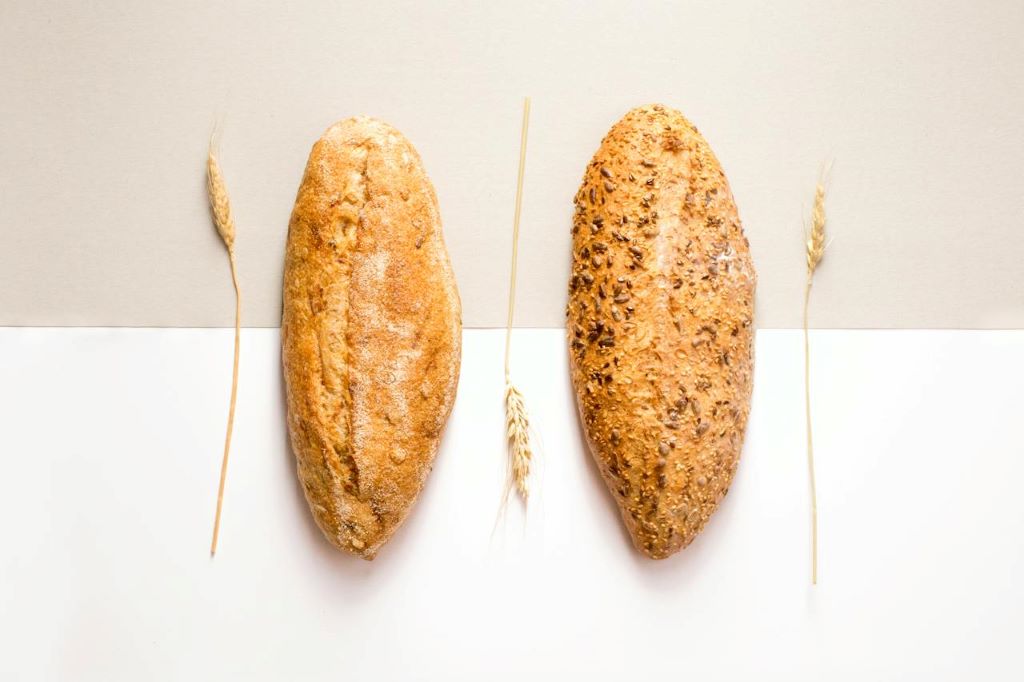
Photo by Mariana Kurnyk

In recent years, many media reports and social media influencers have emphasised the dangers of eating too many carbohydrates. Though a carbohydrate-heavy diet can be harmful, consuming too many fats may cause more health problems, according to a study in mice led by researchers in the Penn State Department of Nutritional Sciences.

In a study published in the February issue of Journal of Nutrition, the researchers analysed how diets containing different ratios of fats and carbohydrates affected metabolic health and liver function in mice over time. They found, overall, higher-fat diets were more harmful than high-carbohydrate diets, but that fibre supplementation might be able to reduce harm in specific conditions.

Mice consumed one of four diets: high carbohydrate, high fat, ketogenic or a standard chow that was rich in whole grains and served as the experiment’s control group. In mice of normal weight, the keto diet led to weight gain, impaired the use of glucose, disrupted the balance of lipids in the body and increased inflammation and fat deposits in the liver. The high-fat diet also led to weight gain and other health problems not seen in mice who consumed the high-carbohydrate diet. Overall, mice who consumed the standard chow displayed the best markers of health.

“Human beings and mice have very different metabolisms, but there are relevant lessons in this study for people,” said Vishal Singh, associate professor of nutritional sciences and senior author of the study. “Most people are aware that a balanced diet is important, but some people are attracted to diets with very high fat content – like the keto diet – for weight loss. This research points to very real harm to the liver that can occur when these diets are not used appropriately.”

Fats versus carbohydrates

In each experimental diet in the study, the protein level of the food was always 18% of the total calories, so only the fat-to-carbohydrate ratios differed. The high-fat diet contained 42% carbohydrates and 40% fats, the high-carbohydrate diet contained 70% carbohydrates and 11% fat and the ketogenic diet contained 1% carbohydrates and 81% fats.

The fats in these diets were largely saturated fats, which are a group of fats that are typically solid at room temperature. The American Heart Association recommends that saturated fats make up 6% or less of the total calories in a person’s diet.

The carbohydrates in these diets were largely refined, which are processed foods including white flour and added sugars. Scientific research has frequently connected refined carbohydrates to metabolic dysfunction and other harmful physical and mental health outcomes.

These diets were compared to a whole-grain rich chow that is a standard diet for laboratory mice. It contained 29% proteins, 57.5% carbohydrates and 13.5% fats.

The researchers measured blood sugar and a broad array of markers of liver function and health at regular intervals during the 16-week study. Other measurements were gathered after the experimental diets concluded.

“We wanted to understand how altering the balance of carbohydrates and fats would affect health when the diet was maintained for 16 weeks,” said Umesh Goand, postdoctoral researcher in the Penn State Department of Nutritional Sciences and first author of the study.

Keto and high-fat diets harmed liver and increased weight

In the ketogenic or ‘keto’ diet carbohydrate consumption is nearly eliminated. This induces a metabolic state called ketosis, where the body burns fat for fuel instead of glucose, the typical source of energy.

Results from the study demonstrated that the high-fat and keto diets promoted obesity, with the weight of mice on these diets doubling over the 16 weeks of the study. Mice on the control diet increased weight by around 10% – a normal rate for mice of that age – despite all mice in the study consuming roughly the same number of calories. In addition, the high-fat and keto diets impaired glucose tolerance and compromised liver function. Liver damage and elevated levels of blood sugar were observed after only two weeks of both diets.

Mice on the keto diet also developed elevated levels of triglycerides and showed increased levels of systemic inflammation. Additionally, they developed fat deposits in the liver and expressed genes associated with inflammation and liver scarring.

“The keto diet was very damaging to the livers and overall health of mice with regular weights,” Singh said, explaining that the body can utilise fat for energy, but there are metabolic consequences associated with the increase in fat processing. “People who hear about the keto diet’s reputation for weight reduction may be tempted to try it themselves. What this research says is – don’t! This diet should only be considered when properly supervised by a physician and/or dietician.”

Whole grains and carbohydrates

In comparison, mice on the high-carbohydrate diet did not continuously gain weight nor experience liver damage like those on the high-fat diets. Singh emphasized that a highly processed, carbohydrate-heavy diet is not inherently healthy, but it did less damage to the liver than the high-fat diets.

Mice on the whole-grain rich chow diet gained the least weight and demonstrated the best health indicators.

“A whole-grain-based diet is always a win – for mice or people,” Singh said.

The potential of fibre

In a separate experiment in the study involving mice with obesity, the high-fat and keto diets also led to further weight gain. However, when the keto diet was supplemented with fibre – a condition not tested in mice with normal weights – mice with obesity maintained more stable weight and better health indicators in several areas compared to mice on the high-fat diet or the keto diet without extra fibre.

The researchers also found that fibre supplementation did not hinder ketogenesis in mice who ate the keto diet. This is important, Singh said, because the keto diet is used for managing specific medical conditions, like epilepsy.

“Incorporating dietary fibres into the keto diet may reduce gastrointestinal complications associated with very high-fat diets while maintaining the therapeutic benefits of ketogenesis for patients,” Singh said.

Dietary choices are complex, but that does not make them equivalent

The important thing to remember, Singh said, is that diet is complex, and there is no one-size-fits-all solution.

“Over time, researchers have learned a lot about what is healthy or unhealthy based on an individual’s health status, but there is no single dietary magic bullet for weight loss or any other metabolic health concern,” Singh said. “Anyone who experiences health problems or is concerned about their diet should talk to their physician or a registered dietician to develop a plan, based on research, that fits their specific needs and life circumstances.”

Source: Penn State University

Air Pollution may Directly Contribute to Alzheimer’s Disease

Cohort study finds people with stroke may be extra susceptible to air pollution’s impact on the brain

Photo by Kouji Tsuru on Pexels

People with greater exposure to air pollution face a higher risk of developing Alzheimer’s disease, according to a new study by Yanling Deng of Emory University, U.S.A., and colleagues, published February 17th in the open-access journal PLOS Medicine.

Alzheimer’s disease is the most common form of dementia, affecting about 57 million people worldwide. Exposure to air pollution is a known risk factor for Alzheimer’s disease, and for several common chronic health conditions, such as hypertension, stroke and depression. These chronic conditions are also linked to Alzheimer’s disease, but previously it was unclear whether air pollution causes these chronic conditions, which then lead to dementia, or if these conditions might amplify the effects of air pollution on brain health.

A team at Emory University studied more than 27.8 million U.S. Medicare recipients aged 65 years and older from 2000 to 2018. The researchers looked at individuals’ air pollution exposure level and whether they developed Alzheimer’s disease, while emphasizing the role of other chronic conditions. They found that greater exposure to air pollution was associated with an increased risk of Alzheimer’s disease, and that association was slightly stronger in individuals who had experienced a stroke. Hypertension and depression, however, had little additional impact.

Overall, the findings suggest that air pollution contributes to Alzheimer’s disease mostly through direct pathways rather than through other chronic health conditions. However, people with a history of stroke may be especially susceptible to the harmful effects of air pollution on brain health. The study indicates that improving air quality could be an important way to prevent dementia and protect older adults.

The authors add, “In this large national study of older adults, we found that long-term exposure to fine particulate air pollution was associated with a higher risk of Alzheimer’s disease, largely through direct effects on the brain rather than through common chronic conditions such as hypertension, stroke, or depression.”

“Our findings suggest that individuals with a history of stroke may be particularly vulnerable to the harmful effects of air pollution on brain health, highlighting an important intersection between environmental and vascular risk factors.”

Provided by PLOS

Stopping Fatal Blood Loss With an Ancient Remedy – Clay

Researchers are developing emergency injectable bandages that could decrease bleeding time by as much as 70% and revolutionise the future of trauma care.

Photo by Mat Napo on Unsplash

A massive number of traumatic injury deaths are the result of uncontrolled bleeding.

“Severe blood loss can rapidly lead to haemorrhagic shock,” said Dr Akhilesh Gaharwar, a biomedical engineering professor at Texas A&M University. “Many patients die within one to two hours of injury. This critical period is often referred to as the ‘golden hour.'”

Thanks to funding from the U.S. Department of Defense and the National Science Foundation, Gaharwar and his fellow researchers in the biomedical engineering department have found a way to extend this golden hour – using clay.

Gaharwar, Dr Duncan Maitland and Dr Taylor Ware are developing a suite of injectable haemostatic bandages – biomedical materials that stop bleeding and promote blood to clot faster. Their research is specifically targeting deep internal bleeding where traditional methods like compression are not possible.

Two papers, recently published in Advanced Science and Advanced Functional Materials demonstrate that these dressings can reduce bleeding time by almost 70%.

“Under normal circumstances, human blood clots within six to seven minutes,” said Gaharwar. “Using these haemostatic dressings, we are able to reduce the clotting time to one to two minutes.”

The goal is a lifesaving device simple enough that a critically injured person could apply it to themselves immediately after injury.

“For a self-applied or in-the-field-applied device, you can’t use the fancy mechanics and apparatus that you would have in the operating room,” said Ware. “There can’t be any special tools. You have to have something that just works and works quickly.”

The research hinges on a class of materials that have been used for wound treatment for thousands of years. Certain naturally occurring clay minerals contain silicate-based particles that can accelerate blood coagulation. The exact mechanics of this effect are still an active area of investigation.

“These clay particles were being used as a haemostat in ancient civilisations in China, Mesopotamia, Egypt, India, Greece and Rome, likely owing to their absorbency and tissue adherent properties” said Gaharwar. “Ancient peoples would make a paste out of water and clay particles and apply it to wounds to stop bleeding faster.”

Fascinated by the particle’s blood clotting properties, Gaharwar began to explore the potential uses of a synthetic particle, which would avoid the potential risk of infection that comes with natural clays.

The challenge is getting this particle to the injury site and keeping it there. High blood flow washes powders and pastes away. Not only does this fail to stop the bleeding, it risks killing the patient in another way. The nanosilicate particles are small enough to easily travel through blood vessels to non-injured areas of the body, causing life-threatening blood clots and embolism.

With the help of Maitland’s lab, the researchers combined the nanosilicate particles with an expanding foam. While completely stable in its applicator device, the particle-laced foam reacts to body heat. Once injected into a wound site, it expands to fill up the entire space, sealing severed blood vessels and holding the blood-clotting nanosilicate exactly where it needs to be. Since the foam forms a single piece, there is no risk of particles breaking away and traveling to form dangerous blood clots in other areas of the body.

In Ware’s lab, the researchers took an entirely different approach: micro-ribbons. This biomaterial is delivered in the form of multiple ribbon-like structures, each covered in coagulation-promoting nanosilicate particles.

Like the foam, the micro-ribbons exploit the patient’s body heat to trigger a reaction once in place. Each ribbon is made of two different materials, only one of which reacts to body temperature. Once in contact with the patient’s body, one side of the ribbon contracts, causing it to curl. As multiple ribbons curl at the injury site, they tangle together to form a single foam-like structure. Even if a single ribbon were able to escape, its size prevents it from traveling through blood vessels, keeping the blood-clotting nanosilicate exactly where it needs to be.

The combined expertise of all three research labs may be responsible for the future of trauma care.

“If these materials get into the first aid kits in an ambulance as well as a soldier’s backpack, they can save a lot of lives,” said Gaharwar. “If you can save 30-40% of haemorrhagic shock victims, that is a big achievement.”

Source: University of Texas

Ancient Mind-Body Practice Proven to Lower Blood Pressure in Clinical Trial

Study shows traditional Chinese practice comparable to brisk walking and some medication trials at lowering BP

Pexels Photo by Thirdman

A traditional Chinese mind-body practice that combines slow, structured movement, deep breathing and meditative focus lowered blood pressure as effectively as brisk walking in a large randomised clinical trial published in JACC, the flagship journal of the American College of Cardiology. Blood pressure reductions were seen after three months and sustained for one year.

High blood pressure is one of the leading preventable risk factors for heart disease. Clinical guidelines recommend regular physical activity, yet long-term adherence to exercise programmes is challenging for many people, particularly when routines require equipment, dedicated space, gym memberships or ongoing supervision.

Baduanjin is a widely practised, standardised eight-movement sequence that integrates aerobic, isometric, flexibility and mind–body components. Practised for centuries and commonly performed in community settings across China, the routine typically takes 10–15 minutes and requires no equipment and only minimal initial instruction, allowing it to be performed in a wide range of settings. Because it is low- to moderate-intensity, it is considered safe and accessible for many adults.

“Given its simplicity, safety and ease at which one can maintain long-term adherence, baduanjin can be implemented as an effective, accessible and scalable lifestyle intervention for individuals trying to reduce their blood pressure,” said Jing Li, MD, PhD, senior author of the study and Director, Department of Preventive Medicine, National Center for Cardiovascular Diseases in Beijing, China.

In the first large, multicentre randomised trial to look at the impact of baduanjin on blood pressure, researchers followed 216 participants across seven communities to determine changes in 24-hour systolic blood pressure from baseline to 12 and 52 weeks. Participants were 40 years old or older and had a systolic blood pressure of 130-139mmHg, which according to the ACC/AHA High Blood Pressure Guideline is considered stage 1 hypertension. They were randomly assigned to one of three arms: baduanjin, self-directed exercise alone, or brisk walking for the 52-week intervention.

Compared to self-directed exercise, practicing baduanjin five days a week reduced 24-hour systolic blood pressure approximately 3mmHg and office systolic blood pressure by 5mmHg at both three months and one year, which is comparable to reductions seen with some first-line medications. Baduanjin showed comparable results and safety profile to brisk walking at one year.

Notably, the benefits were sustained even without ongoing monitoring, a key challenge for many lifestyle interventions that struggle to maintain long-term adherence outside structured programs.

“Baduanjin has been practised in China for over 800 years, and this study demonstrates how ancient, accessible, low-cost approaches can be validated through high-quality randomised research,” said Harlan M. Krumholz, MD, FACC, Editor-in-Chief of JACC and the Harold H. Hines, Jr Professor at the Yale School of Medicine. “The blood pressure effect size is similar to that seen in landmark drug trials, but achieved without medication, cost or side effects. This makes it highly scalable for community-based prevention, including in resource-limited settings.”

Source: American College of Cardiology

Scientists Regenerate Joint Cartilage in Mice by Blocking an Ageing Protein

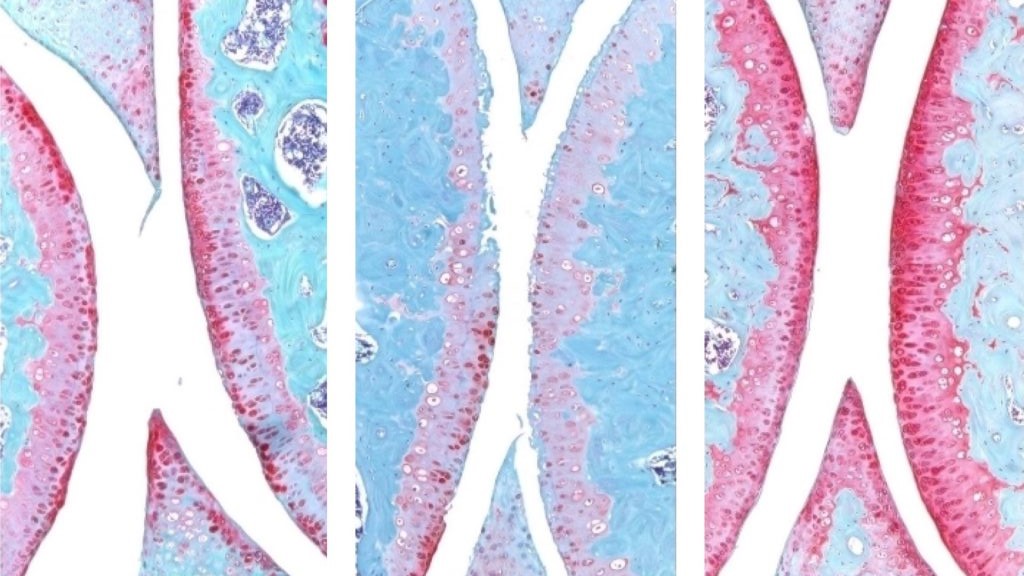
The knee joint of a young mouse (left), aged mouse (middle) and treated aged mouse (right). The red indicates cartilage. Credit: Nidhi Bhutani

An injection that blocks the activity of a protein involved in ageing reverses naturally occurring cartilage loss in the knee joints of old mice, a Stanford Medicine-led study has found. The treatment also prevented the development of arthritis after knee injuries mirroring the ACL tears often experienced by athletes or recreational exercisers. An oral version of the treatment is already in clinical trials with the goal of treating age-related muscle weakness.

Samples of human tissue from knee replacement surgeries – which include both the extracellular scaffolding, or matrix, in the joint as well as cartilage-generating chondrocyte cells – also responded to the treatment by making new, functional cartilage.

The study results suggest it may be possible to regenerate cartilage lost to ageing or arthritis with an oral drug or local injection, rendering knee and hip replacement unnecessary.

The treatment directly targets the cause of osteoarthritis, a disease for which no drug can slow down or reverse its progress; the primary treatments for osteoarthritis are pain control and surgical replacement of the affected joints.

The protein, 15-PGDH – termed a gerozyme due to its increase in prevalence as the body ages – is a master regulator of ageing. Gerozymes, identified by the same researchers in 2023, also drive the loss of tissue function. They are a major force behind age-related loss of muscle strength in mice. Blocking the function of 15-PGDH with a small molecule results in an increase in old animals’ muscle mass and endurance. Conversely, expressing15-PGDH in young mice causes their muscles to shrink and weaken. The gerozyme has also been implicated in the regeneration of bone, nerve and blood cells.

In each of these tissues, regeneration is due to increases in the proliferation and specialisation of tissue-specific stem cells. However, chondrocytes change their patterns of gene expression to assume a more youthful state without the involvement of stem cells. 

“This is a new way of regenerating adult tissue, and it has significant clinical promise for treating arthritis due to ageing or injury,” said Helen Blau, PhD, professor of microbiology and immunology. “We were looking for stem cells, but they are clearly not involved. It’s very exciting.”

Blau, who directs the Baxter Laboratory for Stem Cell Biology and Nidhi Bhutani, PhD, associate professor of orthopaedic surgery, are the senior authors of the research, which was published online in Science.

‘Dramatic regeneration’

“Millions of people suffer from joint pain and swelling as they age,” Bhutani said. “It is a huge unmet medical need. Until now, there has been no drug that directly treats the cause of cartilage loss. But this gerozyme inhibitor causes a dramatic regeneration of cartilage beyond that reported in response to any other drug or intervention.”

There are three main types of cartilage in the human body. One, elastic cartilage, is soft and flexible and forms structures like the outer ear. A second, fibrocartilage, is dense and tough, absorbing shock in areas such as between the spinal vertebrae. The third, hyaline cartilage, is smooth and glossy, providing a low-friction surface for lubrication and flexibility in joints like the ankles, hips, shoulders and parts of the knee. Hyaline cartilage, also known as articular cartilage, is the cartilage most commonly affected by osteoarthritis.

Osteoarthritis occurs when a joint is stressed by ageing, injury or obesity. The chondrocytes begin to release pro-inflammatory molecules and to break down collagen, which is the primary structural protein of cartilage. When collagen is lost, the cartilage thins and softens; the accompanying inflammation causes the joint swelling and pain that are hallmarks of the disease. Under normal circumstances, articular cartilage rarely regenerates. Although some populations of putative stem or progenitor cells capable of generating cartilage have been identified in bone, attempts to identify similar populations of cells in the articular cartilage have been unsuccessful.

Previous research from Blau’s lab has shown that a molecule called prostaglandin E2 is essential to muscle stem cell function. 15-PGDH degrades prostaglandin E2. Inhibiting 15-PGDH activity, or increasing levels of prostaglandin E2, supports the regeneration of damaged muscle, nerve, bone, colon, liver and blood cells in young mice.

Blau, Bhutani and their colleagues wondered if 15-PGDH might also play a role in ageing cartilage and joints. They wanted to find out if a similar pathway contributes to cartilage loss from ageing or in response to injury. When they compared the amount of 15-PGDH in the knee cartilage in young versus old mice, they saw that, as in other tissues, levels of the gerozyme increased about two-fold with age.

They next experimented with injecting old animals with a small molecule drug that inhibits 15-PGDH activity – first into the abdomen, which affects the entire body, then directly into the joint. In each case, the knee cartilage, which was markedly thinner and less functional in older animals as compared with younger mice, thickened across the joint surface. Further experiments confirmed that the chondrocytes in the joint were generating hyaline, or articular, cartilage, rather than less-functional fibrocartilage.

“Cartilage regeneration to such an extent in aged mice took us by surprise,” Bhutani said. “The effect was remarkable.”

Addressing ACL tears

Similar results were observed in animals with knee injuries like the ACL tears that frequently occur in people participating in sports such as soccer, basketball and skiing that require sudden pivoting, stopping or jumping. While the tears can be surgically repaired, about 50% of people develop osteoarthritis in the injured joint within about 15 years.

The researchers found that a series of injections twice a week for four weeks of the gerozyme inhibitor after injury dramatically reduced the chance that osteoarthritis develops in the mice. Animals treated with a control drug had levels of 15-PGDH that were twice as high as in their uninjured peers, and they developed osteoarthritis within four weeks.

The animals treated with the gerozyme inhibitor also moved more typically and put more weight on the paw of the affected leg than did untreated animals.

“Interestingly, prostaglandin E2 has been implicated in inflammation and pain,” Blau said. “But this research shows that, at normal biological levels, small increases in prostaglandin E2 can promote regeneration.”

A closer investigation of the chondrocytes in the joints of old mice and young mice showed that old chondrocytes expressed more detrimental genes involved in inflammation and the conversion of hyaline cartilage to unwanted bone, and fewer genes involved in cartilage development.

The researchers were also able to pinpoint subcategories of old chondrocytes that change their patterns of gene expression after treatment. One, which expresses 15-PGDH and genes involved in cartilage degradation, decreased in prevalence from 8% to 3% after treatment. Another, which does not express 15-PGDH but does express genes involved in the production of fibrocartilage, also decreased in prevalence: from 16% to 8% after treatment. A third population, which does not make 15-PGDH and which expresses genes involved in hyaline cartilage formation and the maintenance of the extracellular matrix necessary for its function, increased in prevalence after treatment from 22% to 42%. The findings indicate an overall shift in gene expression after treatment to a more youthful cartilage composition – without the involvement of stem or progenitor cells.

Finally, the researchers studied human cartilage tissue removed from patients with osteoarthritis undergoing total knee replacements. Tissue treated with the 15-PGDH inhibitor for one week exhibited lower levels of 15-PGDH-expressing chondrocytes and lowered cartilage degradation and fibrocartilage genes than control tissue and began to regenerate articular cartilage.

“The mechanism is quite striking and really shifted our perspective about how tissue regeneration can occur,” Bhutani said. “It’s clear that a large pool of already existing cells in cartilage are changing their gene expression patterns. And by targeting these cells for regeneration, we may have an opportunity to have a bigger overall impact clinically.”

Blau added, “Phase 1 clinical trials of a 15-PGDH inhibitor for muscle weakness have shown that it is safe and active in healthy volunteers. Our hope is that a similar trial will be launched soon to test its effect in cartilage regeneration. We are very excited about this potential breakthrough. Imagine regrowing existing cartilage and avoiding joint replacement.”

Source: Stanford University

Scientists Find Hidden Trigger Behind Achilles Pain and Tennis Elbow

Achilles tendon injury. Credit: Scientific Animations CC0

Complaints such as pain in the Achilles tendon, tennis elbow, swimmer’s shoulder and jumper’s knee are familiar to many young sportspeople, as well as to older individuals. These conditions are all caused by overloading of tendons and are generally very painful.

“Tendons are fundamentally susceptible to overuse,” explains Jess Snedeker, a professor of orthopaedic biomechanics at ETH Zurich and Balgrist University Hospital in Zurich. “They must withstand powerful loads, with all the forces of our muscles being concentrated to the relatively thin tendons that transmit these forces into movement of our skeleton.”

In medical terms, the aforementioned conditions are known as tendinopathies. They are some of the most frequent conditions seen by orthopaedic specialists, but treatment options are extremely limited. Although physiotherapy can help, there are many serious cases for which this treatment does not achieve much. Scientists are therefore keen to research these tendon problems in greater depth with a view to developing effective treatments.

Not just correlation – causation

Now, a team of researchers led by Snedeker and by Katrien De Bock, professor of exercise and health at ETH Zurich, has reached a new milestone. In the HIF1 protein, they have identified a central molecular driver of tendon problems of this kind. A part of HIF1 acts as a transcription factor, which controls the activity of genes in cells.

This protein was already known to be present at elevated levels in diseased tendons. However, it was unclear whether the increase was simply a concomitant phenomenon or whether the conditions are actually triggered by the protein. In experiments in mice and with tendon tissue from humans, the team of researchers has now shown the latter to be the case.

Treatment before it is too late

In mouse experiments, the researchers either activated the HIF1 protein permanently or switched it off completely. Whereas they observed tendon disease even without overloading in the mice with permanently activated HIF1, no tendon disease occurred in the mice if HIF1 was deactivated in tendons, even in the case of overloading.

Both in the mice and in the experiments with human tendon cells, which the researchers obtained from tendon surgeries at the hospital, they were able to show that elevated HIF1 levels in the tissue leads to a pathogenic remodelling of the tendons: More crosslinks form within the collagen fibres that make up the basic structure of the tendons.

“This makes the tendons more brittle and impairs their mechanical function,” explains Greta Moschini, a doctoral student in De Bock and Snedeker’s groups and lead author of the study. In addition, blood vessels and nerves growth into the tendon tissue. “This could be the explanation for the pain commonly observed in tendinopathy,” says Moschini.

“Our study not only provides new insight into how the disease develops. It also shows that it’s important to treat tendon problems early,” says Snedeker. He is thinking particularly of young athletes, who frequently struggle with tendinopathies. In these cases, it is often still possible to treat the problems. “However, the damage caused by HIF1 in tendon tissue can accumulate and become irreversible over time. Physiotherapy then no longer helps, and the only treatment at this moment is to surgically remove the diseased tendon.”

A starting point to search for treatments

The fact that HIF1 has now been identified as a molecular driver raises the question whether it is possible to develop medicines that deactivate HIF1 and therefore can prevent or cure tendon disease. It is not quite that easy, explains ETH Professor De Bock. In many organs of the body, HIF1 is responsible for detecting hypoxia and activating a physiological adaptation. “Switching HIF1 off throughout the body would likely lead to side effects,” she says.

It may be possible to look for methods that specifically deactivate HIF1 only in the tendon tissue. In De Bock’s view, however, the more promising approach would be to explore the biochemical processes around HIF1 in the cells in greater detail. This could help to identify other molecules that are influenced or controlled by HIF1 and that could be more suitable targets for the treatment of tendinopathy. The researchers will now embark on precisely that search.

Source: ETH Zurich

Research Uncovers Factors Most Affecting Life Expectancy in Spina Bifida

Photo by National Cancer Institute

Studies have reported on survival probabilities of people born with open spina bifida, a condition where the spinal cord and nerves are exposed through an opening in the back. Research published in Developmental Medicine & Child Neurology now provides life expectancies, with results reported by age, sex, and different levels of impairment.

In the study of 1659 patients with open spina bifida who received support from the California Department of Developmental Services in 1986–2019, survival varied significantly by walking and feeding ability and by bowel/bladder continence.

As an example, at age 5, the life expectancy was 27 additional years for males in the most severely impaired group and 65 years in the least severely impaired, compared with 70 years in the general population. Life expectancies also decreased markedly with age and were modestly lower for males compared with females.

“This is the first long-term study of spina bifida patients to report life expectancies by age, sex, and severity of impairment,” the authors wrote. “We hope the results… will aid patients and caregivers alike in the proper planning for and treatment of those living with spina bifida.”

Source: Wiley

Ketamine High not Why Treatment Works for Acohol Use Disorder, Study Finds

Photo by Bruce Christianson on Unsplash

The psychedelic effects recreational users often seek from taking ketamine do not predict the therapeutic benefits for people being treated for alcohol use disorder, according to new research from King’s College London and University of Exeter.

The popular theory, which says that ketamine may have its therapeutic benefits because it produces strong psychedelic effects, has been called into question by the new study, published in Addiction. The findings suggest the treatment response may be down to other effects of the drug. 

The research, led by the Institute of Psychiatry, Psychology & Neuroscience at King’s, is the largest randomised controlled trial to date examining the use of intravenous ketamine-assisted psychotherapy for individuals with moderate to severe alcohol use disorder. It uses data from the Ketamine for reduction of Alcoholic Relapse (KARE) clinical trial at the University of Exeter and University College London.

For the first time, we thoroughly investigated the acute psychoactive effects of repeated ketamine infusions in people with alcohol use disorder. The effects didn’t predict ketamine’s therapeutic benefit, which leaves open other psychological or neural mechanisms that need to be investigated.

Dr Will Lawn, Senior Lecturer at King’s College London and study lead

Researchers carried out a secondary analysis of the KARE clinical trial which was conducted at two clinical research facilities in England involving 96 adult participants and sought to clarify the role of ketamine’s psychoactive effects in supporting abstinence from alcohol. 

Participants receiving three weekly infusions of intravenous ketamine reported marked psychoactive experiences, including altered reality, out-of-body sensations, and perceptual distortions, compared to those receiving placebo. These effects were consistently strong across all three dosing sessions. This suggests little to no development of tolerance to ketamine’s subjective effects over the short dosing schedule.

But despite the pronounced psychoactive effects, the study found no significant evidence that these experiences mediated ketamine’s therapeutic benefit in reducing alcohol consumption. The percentage of days abstinent from alcohol over six months was not predicted by the intensity of subjective drug effects.

A larger trial will explore ketamine’s effects in brain connection and function changes, as well as dosing.

Source: King’s College London

Cancer Treatment Moving Towards Earlier Immunotherapy

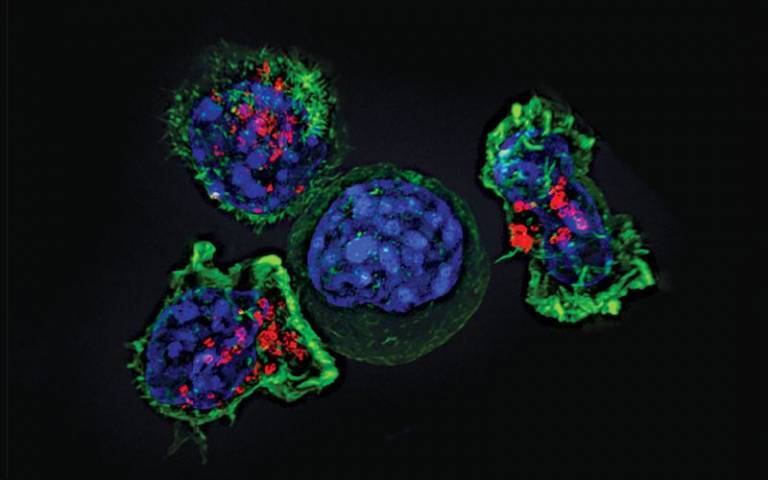
Killer T cells surround a cancer cell. Credit: Alex Ritter, Jennifer Lippincott Schwartz and Gillian Griffiths, National Institutes of Health (CC BY 2.0).

Immunotherapy given before or after surgery is increasingly used across several cancer areas. In an article published in the Journal of Internal Medicine, researchers at Karolinska Institutet present a comprehensive review of studies across seven tumour areas, showing how the field is moving towards earlier treatment.

For several years, immunotherapy has transformed the treatment of advanced cancer that can no longer be removed surgically. It is now used more frequently in earlier stages of disease as well – before surgery, known as neoadjuvant treatment, or after surgery, known as adjuvant treatment. In the new article, the researchers summarise findings from studies on several cancer diagnoses, grouped into seven tumour areas: skin cancer, lung cancer, breast cancer, gastrointestinal cancer, gynaecological cancer, head and neck cancer, and urological cancer.

Suggested benefits of treatment both before and after surgery

Several studies in recent years have shown that adjuvant immunotherapy after surgery can reduce the risk of the disease returning. Additional studies indicate that neoadjuvant treatment, given while the tumour is still in place, in many cases can provide the immune system with better conditions to recognise tumour cells. In several tumour areas, the results also suggest that immunotherapy given both before and after surgery may offer advantages compared with adjuvant treatment alone. 

At the same time, the authors emphasise that the results vary between different cancer types and that the treatment involves challenges, such as the risk of side effects and the possibility that some patients may receive more treatment than necessary if surgery alone would have been sufficient.

“We see that immunotherapy in early stages of disease is developing rapidly across many tumour areas. By bringing together studies from many cancer types, it becomes clearer how the field is evolving and what experiences can be shared between different specialties,” says last author Hildur Helgadottir, researcher at the Department of Oncology-Pathology at Karolinska Institutet.

How the researchers carried out the review

The work behind the article is a collaboration between 14 researchers at the Department of Oncology-Pathology, Karolinska Institutet. All of them also work with cancer treatment in clinical care. Because the researchers come from seven different tumour areas, the article gathers experiences from many parts of cancer care.

“It is valuable that we have come together from so many different tumour areas. This gives a broader understanding of how immunotherapy is used across cancer care and can, in the long term, support both clinical decision-making and future research,” says Hildur Helgadottir.

The researchers also point to areas where more knowledge is needed. One of these is the development of biomarkers, measurable characteristics that can help healthcare determine which patients benefit from immunotherapy, both before and after surgery. They also discuss how introducing immunotherapy at earlier stages raises questions about costs, side effects, and whether healthcare resources will be sufficient, questions that current studies do not yet clearly answer.

Information about funders and potential conflicts of interest can be found in the scientific publication.

Publication

Perioperative immune checkpoint inhibitor therapy across tumors: Insights and shared lessons from a rapidly evolving field.
Björkström K, Matikas A, Svedman FC, Björgvinsson E, Zupancic M, Villabona L, Eriksson H, Skribek M, Fernebro J, Lindskog M, Frödin JE, Ullén A, Ekman S, Helgadottir H
J Intern Med 2026 Feb;():

Source: Karolinska Institutet

Study Identifies Risk Genes for Bicuspid Aortic Valve

Source: CCO

Bicuspid aortic valve (BAV) is a common congenital heart defect where the aortic valve has two leaflets (cusps) instead of the usual three, resulting in abnormal blood flow and development of aortic valve diseases such as aortic stenosis and incompetence. In addition, the BAV is sometimes accompanied by development of an enlarged aorta – the main artery in the body.  Both the bicuspid aortic valve and an enlarged aorta often require cardiac surgery, usually after the age of 50 years. Despite this, only a limited number of genes have been associated with the disease and the molecular mechanisms remain unexplained in most cases.

In a new study aimed to further understand the genetic architecture of BAV, an international group of researchers led by Boston University Chobanian & Avedisian School of Medicine and Laval University in Quebec City, Canada, along with the Bicuspid Aortic Valve Consortium, the Genetic Aortic Network (a division of The Marfan Foundation) and participating Institutions, believe the condition is strongly influenced by the cumulative effect of variation in many different genes(polygenic contribution).

“We found that variation in 36 genetic regions increases the risk of a bicuspid aortic valve. These findings support the notion that bicuspid aortic valve disease is an inherited disease caused by a combination of many common genetic variants, not merely a single mutation in a single gene,” explains co-corresponding author Simon C. Body, MD, MPH, professor of anesthesiology at Boston University Chobanian & Avedisian School of Medicine.

From a group of 65 677 US, Canadian and European participants, the researchers performed a genome-wide association study (GWAS) meta-analysis on 9631 individuals with BAV. After identifying general genetic regions through GWAS, they used RNA sequencing to study gene activity (expression levels) in specific, relevant tissues.

They observed 36 regions with genetic variants associated with a bicuspid aortic valve, four of which had been previously identified. They prioritised 55 genes in these regions based upon expression in human aortic valve tissues from individuals who had surgery, then tested the effect of changing four selected genes, upon heart development in an experimental model, demonstrating that all four altered genes had effects on development of the valve. The researchers also looked at the effect of these genes in a statistical model finding a three-fold increase in risk for a BAV in individuals in the top 10% and association with aortic aneurysmal disease, a bulge in the aortic wall that can rupture. Some of these 36 genetic regions are also involved in aortic stenosis and aortic aneurysm development, which could lead to better prediction of these complications in people with BAV and point to biological mechanisms responsible for these joint effects.

According to the researchers, while these findings support the notion that BAV is an inherited disease, the findings do not currently support genetic testing, either prenatally or later in life, for predicting a bicuspid aortic valve.  “Echocardiography and other imaging modalities remain the gold standard for diagnosis.  In addition, the identified heritability supports performing screening echocardiography on first-degree relatives of a person with an identified bicuspid valve,” adds Body.

These findings appear online in the journal Circulation.

Source: University of Boston