Month: February 2026

Crohn’s Disease Cut Activity by 40% in Study of Time-restricted Fasting

Irritable bowel syndrome. Credit: Scientific Animations CC4.0

A new randomised controlled study funded by the Crohn’s & Colitis Foundation found that time-restricted feeding, a form of intermittent fasting, significantly reduced symptomatic disease activity and systematic inflammation in adults with Crohn’s disease and overweight or obesity. The University of Calgary-led trial is the first to show that eating only within an 8-hour window can reduce Crohn’s disease activity by 40% and abdominal discomfort by 50% in just 12 weeks, compared to a standard eating schedule.

Participants practicing intermittent fasting not only lost about 2.5kg while controls gained approximately 1.7kg, but also showed notable improvements in blood markers of inflammation and immune health, including lower levels of leptin and PAI-1 – all without cutting calories.

Results of the study were published in Gastroenterology. People with IBD should talk with their healthcare team before changing their eating schedule to determine whether intermittent fasting is appropriate for them.

Time-restricted feeding (TRF) involves eating all meals within a set 8-hour window each day, followed by fasting for the remaining 16 hours.  This 12-week randomised trial included 35 adults with Crohn’s disease and living with obesity or overweight, with 20 assigned to TRF and 15 to their regular diet. Researchers measured disease activity, inflammation, and body composition at the start and end of the study.​​

“This study shows that while weight loss is an important outcome in people with overweight and Crohn’s disease, time-restricted feeding offers additional benefits beyond just the scale,” said Maitreyi Raman, MD, Associate Professor of Medicine at the University of Calgary, the study’s senior author. “We saw meaningful improvements in disease symptoms, reduced abdominal discomfort, favourable shifts in metabolism and inflammation, and promising changes in gut bacteria – all suggesting that intermittent fasting may help patients maintain lasting remission from Crohn’s disease.”​

The research was supported by the Crohn’s & Colitis Foundation’s Litwin IBD Pioneers program. “Time-restricted feeding is showing real promise as a new way to help people with Crohn’s disease manage not only their symptoms but also their overall health,” said Andres Lorenzo Hurtado, PhD, Senior Vice President of Translational Research & IBD Ventures at the Crohn’s & Colitis Foundation. “This research suggests that changing when we eat – not just what we eat – can improve metabolism, help the immune system work better, and support long-term remission from Crohn’s disease. We are excited to support studies like this that put patients at the centre of new solutions and encourage more research to make these benefits last for everyone living with IBD.”

“People with Crohn’s disease often look for practical tools to support their health alongside medication,” said Natasha Haskey, PhD, RD, Research Associate at the University of British Columbia and lead investigator in the study. “Our research suggests time-restricted eating may be a sustainable option grounded in biology, offering patients more ways to manage their own wellness.”

In addition to reducing Crohn’s disease activity, the study found a marked decrease in harmful visceral fat and key inflammatory signals in the blood of those who practiced intermittent fasting. The changes were not simply due to diet quality or calorie restriction, as both groups ate similar foods and amounts—indicating the timing of meals themselves may play a unique role in supporting digestive and immune health.​

Researchers note that, while these results are promising, larger trials are needed to confirm the long-term safety and effectiveness of this approach for broader groups of patients with IBD.

By Rachel Peifer

Source: Crohn’s and Colitis Foundation of America

Statins do not Cause the Majority of Their Listed Side Effects

Photo by Towfiqu Barbhuiya on Unsplash

Statins do not cause the majority of the conditions that have been listed in their package leaflets, including memory loss, depression, sleep disturbance, and erectile and sexual dysfunction, according to the most comprehensive review of possible side effects. The study was led by researchers at Oxford Population Health and published in The Lancet.

Cardiovascular disease results in around 20 million deaths worldwide and causes around a quarter of all deaths in the UK. Statins are highly effective drugs that lower LDL (‘bad’) cholesterol levels and have been repeatedly proven to reduce the risk of cardiovascular disease. However, there have been concerns about possible side effects.

The researchers gathered data from 23 large-scale randomised studies from the Cholesterol Treatment Trialists’ Collaboration: 123 940 participants in 19 large-scale clinical trials comparing the effects of statin therapies against a placebo, and 30 724 participants in four trials comparing more intensive versus less intensive statin therapy.

They found similar numbers of reports for those taking the statins and those taking the placebo for almost all the conditions listed in package leaflets as possible side effects. For example, each year, the number of reports of cognitive or memory impairment was 0.2% in those taking the statins, but also 0.2% in those taking the placebo. This means that while people may notice these problems whilst taking statins, there is no good evidence that they are caused by the statin.

Key findings:

  • There was no statistically significant excess risk from statin therapy for almost all the conditions listed in package leaflets as potential side effects.
  • Taking a statin did not cause any meaningful excess of memory loss or dementia, depression, sleep disturbance, erectile dysfunction, weight gain, nausea, fatigue or headache, and many other conditions.
  • There was a small increase in risk (about 0.1%) for liver blood test abnormalities. However, there was no increase in liver disease such as hepatitis or liver failure, indicating that the liver blood test changes do not typically lead to more serious liver problems.

Christina Reith, Associate Professor at Oxford Population Health and lead author of the study, said: ‘Statins are life-saving drugs used by hundreds of millions of people over the past 30 years. However, concerns about the safety of statins have deterred many people who are at risk of severe disability or death from a heart attack or stroke. Our study provides reassurance that, for most people, the risk of side effects is greatly outweighed by the benefits of statins.’

Previous work by the same researchers established that most muscle symptoms are not caused by statins; statin therapy caused muscle symptoms in only 1% of people during the first year of treatment with no excess thereafter. It has also shown that statins can cause a small increase in blood sugar levels, so people already at high risk may develop diabetes sooner.

Professor Bryan Williams, Chief Scientific and Medical Officer at the British Heart Foundation, said: ‘These findings are hugely important and provide authoritative, evidence-based reassurance for patients. Statins are lifesaving drugs, which have been proven to protect against heart attacks and strokes. Among the large number of patients assessed in this well-conducted analysis, only four side effects out of 66 were found to have any association with taking statins, and only in a very small proportion of patients.

‘This evidence is a much-needed counter to the misinformation around statins and should help prevent unnecessary deaths from cardiovascular disease. Recognising which side effects might genuinely be associated with statins is also important as it will help doctors make decisions about when to use alternative treatments.’

Professor Sir Rory Collins, Emeritus Professor of Medicine and Epidemiology at Oxford Population Health and senior author of the paper said: ‘Statin product labels list certain adverse health outcomes as potential treatment-related effects based mainly on information from non-randomised studies which may be subject to bias. We brought together all of the information from large randomised trials to assess the evidence reliably. Now that we know that statins do not cause the majority of side effects listed in package leaflets, statin information requires rapid revision to help patients and doctors make better-informed health decisions.’

All of the trials included in the analyses were large-scale (involving at least 1000 participants) and tracked patient outcomes for a median of nearly five years. The trials were double-blind, meaning that neither the trial participants nor those managing the participants or leading the study knew who was receiving which treatment, to avoid potential biases due to knowledge of treatment allocation. The list of possible side effects was compiled from those listed for the five most commonly prescribed statins.

The paper, ‘Assessment of adverse effects attributed to statin therapy in product labels: a meta-analysis of double-blind randomised controlled trials,’ is published in The Lancet.

Source: Oxford University

Half of All Men Over 60 Have Prostate Cancer – an AI Tool Could Speed Diagnosis

Photo by National Cancer Institute on Unsplash

Increasing use of blood tests to detect prostate cancer is leading to overworked doctors. NTNU has now created an AI diagnostic tool that can help lighten the burden.

Diagnostic tools based on artificial intelligence are now making their way into Norwegian hospitals. AI can independently read X-ray images and detect bone fractures, or assess cancer tumours in both the breast and prostate.

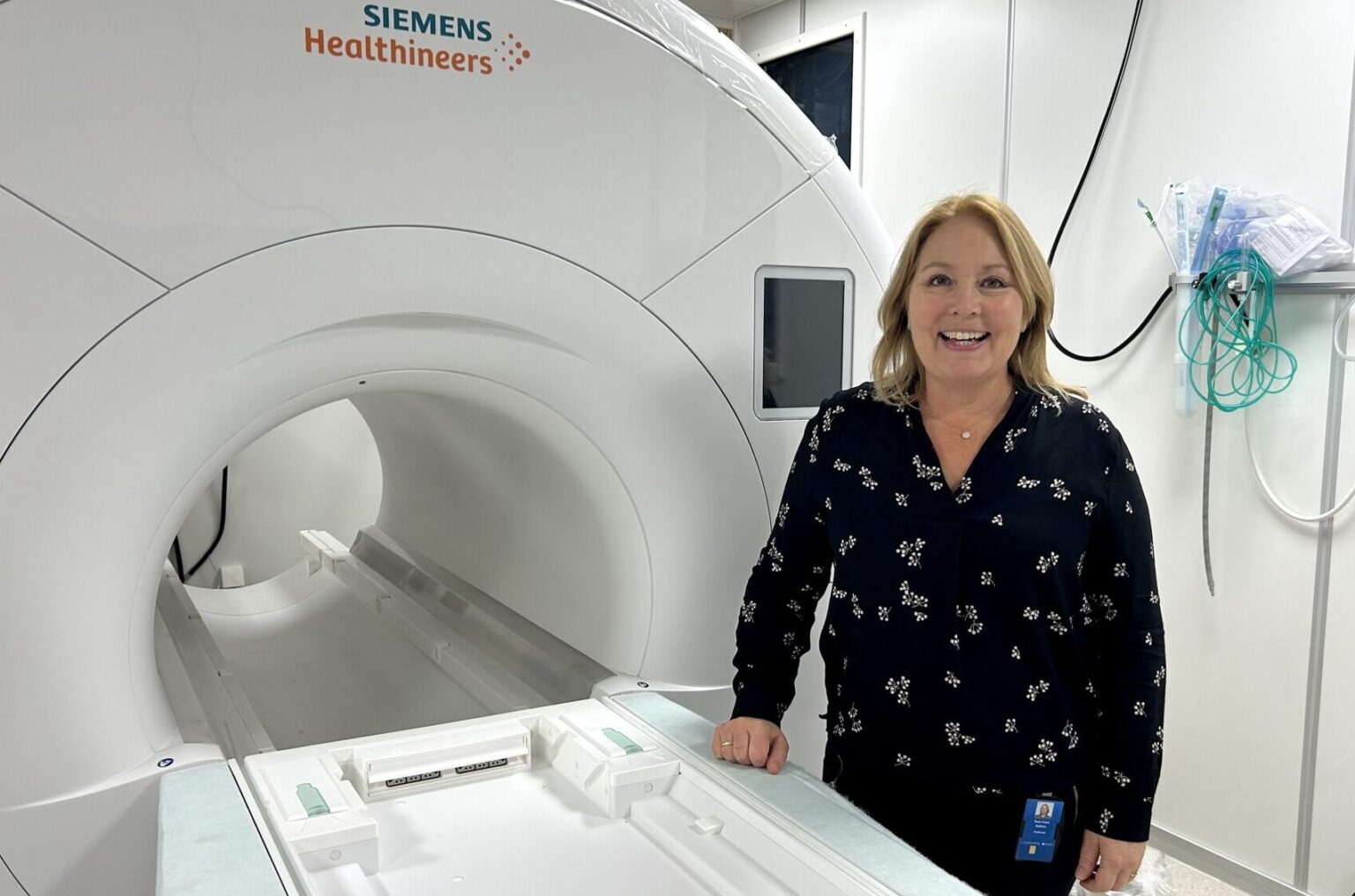
“AI tools can take over the detection of simple and clear-cut cases, allowing doctors to spend their time on more complex ones,” said Tone Frost Bathen. She is a professor at NTNU and the project manager of an AI-powered analysis tool for prostate cancer called PROVIZ.

Tests on patients at St Olavs Hospital indicate that the tool is very promising.

“AI can enable radiologists to determine more quickly and more accurately whether a patient needs a biopsy, and where in the prostate it should be taken from,” explained Bathen.

“The PROVIZ project started as early as 2018. It takes a long time to develop diagnostic tools in medicine because safety standards must be high. The application alone to be allowed to test the tool on patients was 500 pages. It is important to create a tool that clearly shows how the result was reached, and that fits into a busy hospital workday,” says Tone Frost Bathen, Professor at NTNU. Photo: Anne Sliper Midling / NTNU

A recent study shows that patients trust medical test results only if an experienced doctor confirms what has been detected.

“Trust in doctors and health professionals is key for artificial intelligence to gain a place in the diagnosis of prostate cancer. Technology alone is not enough. Human contact and professional assessment remain indispensable,” said Simon A. Berger, a PhD research fellow at NTNU.

Prostate cancer is a natural part of getting older

Prostate cancer is the most common form of cancer among men in Western countries.

Examinations have detected prostate cancer in 10% of 50-year-olds, 50% of 60-year-olds and approximately 70% of men over the age of 80.

This shows that the disease is naturally linked to ageing.

“Prostate cancer is something most men die with, not from,” added Berger.

A blood test called PSA can help detect prostate cancer. Since it has become more common for men to take this blood test, the number of new prostate cancer cases has risen sharply. There are now approximately 5000 new cases each year.

When more people are tested for something that many individuals naturally have as part of the ageing process, the next medical step after the blood test must also be carried out more often, so that doctors can obtain a broader clinical picture of its severity.

Most trust in doctors

Currently, this next step involves taking an MRI scan, which provides a detailed image of the prostate gland and the surrounding tissue. These images need to be interpreted manually by an experienced radiologist. As the number of images taken has increased sharply, this has created a need for new and more efficient ways of making diagnoses.

Through the PROVIZ project, NTNU researchers have developed an AI-powered tool that can help doctors interpret MRI images of the prostate. PROVIZ is currently available only for use as part of the ongoing research project, but efforts are underway to apply for a patent and make the tool commercially available.

High international competition for commercial AI tools

Several research groups around the world are now working on developing AI-based diagnostic tools for prostate cancer.

PROVIZ has completed its first clinical testing in collaboration with St. Olavs Hospital, and the results were good. The next step is a much larger clinical trial, as well as a regulatory approval process.

“Right now, we are seeking approximately 20 million NOK to finance this phase. Once funding is in place, the tool could be on the market in the US within a year, and in Europe in just over a year,” says Gabriel Addio Nketiah, a researcher at NTNU and responsible for the commercialisation of PROVIZ.

For a tool like this to be efficiency-enhancing in routine hospital practice, patients must also trust the findings detected through the use of AI.

“Patients have high expectations that AI can be used for faster diagnostics and to reduce healthcare waiting lists. Many see AI as a kind of safety valve – an additional resource that doctors can use alongside their professional judgment,” says Simon A. Berger, a PhD research fellow at NTNU.

Berger interviewed 18 men who had been diagnosed with prostate cancer through the use of PROVIZ. The study shows that trust in doctors and health professionals plays a decisive role in whether patients accept AI in the health services.

“Patients trust AI in lower-risk cases such as bone fractures, but not in cases where the perceived risk is higher, such as cancer. When the perceived risk is high, we place the greatest trust in specialized doctors who can confirm what AI has found,” explained Berger.

Doctors as guarantors

In his interviews, Berger identified three different dimensions of trust.

  1. Foundational trust in the healthcare system: many patients had positive experiences from previous encounters with the healthcare system. This laid a positive foundation.
  2. Inter-personal trust in health professionals: patients trusted the doctors and their assessments. This trust was crucial for accepting AI because the doctors explained and vouched for the technology.
  3. Possible trust in AI: even though patients recognized the potential of AI, they always wanted a human assessment as well in prostate cancer diagnostics. They were concerned about accountability, professional judgement and AI’s (in)ability to see the whole clinical picture.

“The relationship between patient and doctor is still key. For AI to be accepted in clinical practice, health professionals must be active communicators and guarantors of safety. In order for doctors to serve as guarantors, they must first understand how AI arrived at its conclusions so they can verify that it has made the correct assessment. Patients accept the use of AI within a framework they already trust,” concluded Berger.

NTNU owns an MRI scanner at St. Olavs Hospital that is currently undergoing a major upgrade. It helps researchers obtain the best possible images to be used in, among other things, PROVIZ. “Unfortunately, there are few investors in medical technology right now, but we hope that someone sees the societal value of our project,” says Professor Tone Frost Bathen at NTNU. Photo: Anne Sliper Midling / NTNU

By Anne Sliper Midling

Source:

Berger SA, Håland E, Solbjør M. Patient Perspectives on Trust in Artificial Intelligence-Powered Tools in Prostate Cancer Diagnostics. Qualitative Health Research. 2025;0(0). doi:10.1177/10497323251387545

Source: Norwegian Tech News

For Better Mental Health in Middle Age, Watch Less TV

Photo by RDNE Stock project

Replacing time spent watching TV with other activities can help prevent depressive disorder in middle-aged adults, revealed a new study in European Psychiatry, published on behalf of the European Psychiatric Association by Cambridge University Press. The effects were less pronounced in older and younger adults.  

Lead researcher Rosa Palazuelos-González, of the University of Groningen, said that this new study is unique for investigating how reallocating time from TV-watching to various physical activities and sleep affects the onset of depression. Most studies until now have focused on identifying correlations between sedentary lifestyles and incidences of depression, rather than tracking how replacement activities affect the condition. 

“We found that reducing TV-watching time by 60 minutes and reallocating it to other activities decreased the likelihood of developing major depression by 11 percent,” said Palazuelos-González. 

“For 90- and 120-minute reallocations, this decrease in likelihood goes up to 25.91 percent.” 

Middle-aged people benefit more from watching less 

The benefits for middle-aged people who replace TV-watching with other activities are especially pronounced. Among this demographic, reallocating 60 minutes daily from TV-watching to other activities decreased the probability of developing depression by 18.8%. Reallocating 90 minutes resulted in decreased likelihood of 29%, and 120 minutes led to a reduction of 43%. 

All reallocations of TV-watching time to specific activities were associated with reduced depression risk, except for reallocating only 30 minutes to household activities, which did not yield a significant effect. When reallocating 30 minutes specifically to sports, the reduction was 18%; to work/school physical activities, 10.2%; to leisure/commute activities, 8%; and to sleep, 9%. Time reallocations to sports, at any given duration, resulted in the largest reductions in the probability of major depression onset compared to all other activities. 

Fewer comparable benefits for older adults and young adults 

In older adults, reallocating TV-watching time proportionally to other activities did not lead to statistically significant reductions in onset of depression. Only substituting TV-watching time with sports reduced the probability of becoming depressed, from 1.01 to 0.71% with 30 minutes, 0.63% with 60 minutes, and 0.56% with 90 minutes. 

In young adults, reallocating TV-watching time to one or multiple movement activities did not significantly change the likelihood of them developing depression. However, this group is also more physically active than older age groups – the researchers suggest that they may have already surpassed the physical activity threshold that is protective against depression.  

This research was developed using a population-based cohort study (a Dutch initiative named ‘Lifelines’) with a four-year follow-up, which included 65 454 non-depressed adults. Patterns across age groups were examined carefully. Participants self-reported time spent in active commuting, leisure, sports, household, physical-related activities at work or school, TV-watching, and sleep. Major depressive disorder was assessed using the Mini International Neuropsychiatric Interview. 

Source: EurekAlert!

Evidence Behind Intermittent Fasting for Weight Loss Fails to Match Hype

Photo by Malvestida on Unsplash

Intermittent fasting is unlikely to lead to greater weight loss in overweight or obese adults than traditional dietary advice or doing nothing, a new Cochrane review finds. 

Obesity is a significant public health problem that has become a leading cause of death in high-income countries. Worldwide adult obesity has more than tripled since 1975, according to the WHO. In 2022, 2.5 billion adults were overweight. Of these, 890 million were living with obesity.

Intermittent fasting has surged in popularity in recent years, fuelled by social media, lifestyle influencers, and claims of rapid weight loss and metabolic benefits.

No meaningful difference in weight loss

Researchers analysed evidence from 22 randomised clinical trials involving 1995 adults across North America, Europe, China, Australia, and South America. Trials examined multiple forms of intermittent fasting, including alternate-day fasting, periodic fasting, and time-restricted feeding. Most studies followed participants for up to 12 months.

The review compared intermittent fasting with traditional dietary advice and with no intervention. Intermittent fasting did not appear to have a clinically meaningful effect on weight loss compared to standard dietary advice or doing nothing. 

Reporting of side effects was inconsistent across trials, making it difficult to draw firm conclusions. The evidence base remains limited, with only 22 trials, many with small sample sizes and inconsistent reporting. 

Hype outpaces the evidence

First author Luis Garegnani also cautioned against the hype surrounding fasting online. 

Intermittent fasting just doesn’t seem to work for overweight or obese adults trying to lose weight. It may be a reasonable option for some people, but the current evidence doesn’t justify the enthusiasm we see on social media.

 Luis Garegnani, Universidad Hospital Italiano de Buenos Aires Cochrane Associate Centre. 


Few trials have looked at the long-term results of intermittent fasting. The authors stressed that obesity is a chronic condition, and short-term trials make it difficult to guide long-term decision-making for patients and clinicians. 
 
The majority of the included studies enrolled predominantly white populations in high-income countries. As obesity is a rapidly growing crisis in low- and middle-income countries, further research is needed in these populations.

The authors therefore warn that these results may provide clues, but cannot be extrapolated to the entire population, as they may vary depending on sex, age, ethnic origin, disease status, or underlying eating disorders or behaviours.
 

With the current evidence available, it’s hard to make a general recommendation. Doctors will need to take a case-by-case approach when advising an overweight adult on losing weight.

 Eva Madrid, Cochrane Evidence Synthesis Unit Iberoamerica. 

By Mia Parkinson

Source: Cochrane Review

SAHPRA Fast-Tracks Access to Critical Foot and Mouth Disease Vaccines to Protect SA’s Livestock

Photo by Gabriela Cheloni

The South African Health Products Regulatory Authority (SAHPRA) confirms that it has granted Section 21 authorisation for the importation of the Dollvet Foot and Mouth Disease (FMD) vaccine with conditions and is currently assessing an additional application for the same vaccine.

Foot and Mouth Disease is a highly contagious viral disease affecting cloven-hoofed animals such as cattle, pigs, sheep, and goats. It causes fever and painful blister-like sores in the mouth, on the teats, and between the hooves. While many animals recover, outbreaks can result in severe production losses, high mortality in young animals, and significant economic consequences for the agricultural sector.

Speaking on the authorisation, Dr Boitumelo Semete-Makokotlela, Chief Executive Officer of SAHPRA, said:

“The health of our livestock is critical to South Africa’s food security, economic stability, and the livelihoods of our farmers. By granting Section 21 authorisation for the importation of FMD vaccines, SAHPRA is ensuring that veterinarians and farmers have timely access to safe, effective, and scientifically approved tools to protect animals against this highly contagious and devastating disease”.

Section 21 of the Medicines and Related Substances Act provides a mechanism for the controlled importation of medicines and vaccines not yet registered in South Africa, under strict regulatory oversight. This pathway enables SAHPRA to respond rapidly to urgent public and animal health outbreaks while maintaining rigorous standards of quality, safety, and efficacy. Authorisations granted under this provision are temporary and subject to ongoing review.

All imported vaccines undergo strict regulatory controls and quality assurance processes. Distribution will be coordinated by the Department of Agriculture: Animal Health, which is responsible for implementing national disease control measures.

FMD spreads rapidly through direct contact with infected animals, contaminated equipment, vehicles, clothing, feed, and even via wildlife carriers. Outbreaks can lead to movement restrictions, quarantines, trade limitations, and increased compliance costs for farmers. Loss of South Africa’s FMD-free status can trigger immediate export bans on livestock and related products, affecting foreign revenue losses and market stability.

The Department of Agriculture has emphasised that FMD is a controlled disease and that vaccination must take place only within officially approved programmes. Unregulated vaccination may mask infections, weaken surveillance systems, and delay the country’s ability to regain its FMD-free status under international standards set by the World Organisation for Animal Health (WOAH).

“Our collaboration with SAHPRA reflects the importance of partnerships in safeguarding animal health. The South Africans farming community can be assured that every vaccine authorised for use in the country undergoes careful evaluation  for safety, efficacy, especially against locally circulating strains and quality and we are optimistic that the disease will be contained” said Dr Bothle Modisane, Chief Director for Animal Health at the National Department of Agriculture.

SAHPRA remains committed to transparency and will continue to update stakeholders on developments related to veterinary vaccine import authorisations for FMD control.

Source: SAHPRA

New Study Investigates the Role of Mucus Plugs in COPD

Understanding the underlying biology of mucus pathology is critical to identifying new therapeutic targets.

Photo by engin akyurt on Unsplash

In people with chronic obstructive pulmonary disease (COPD), dysfunctional airway mucus is common. Mucus plugging (mucus that accumulates in the lungs and reduces airflow) and chronic bronchitis are both related to dysfunctional airway mucus. Sometimes mucus plugging and chronic bronchitis co-occur, but it is quite common to have one or the other but not both conditions. Given the limited availability of disease-modifying treatments for COPD, understanding the underlying biology of mucus pathology is critical to identifying new therapeutic targets.  

In a new study published in the American Journal of Respiratory and Critical Care Medicine, researchers at Boston University Chobanian & Avedisian School of Medicine have found that mucus plugs in the lungs alter the pattern of gene activity in a way that is similar to chronic bronchitis, suggesting that there may be similar underlying causes to both conditions. It is believed these researchers are the first group to study gene activity differences associated with mucus plugging. 

“Mucus plugs are quite common in people with COPD and they are associated with diminished quality of life and increased mortality. By identifying how the presence of mucus plugs impacts the biology of the lung we hope to be able to better treat them, or prevent them from forming in the first place,” says corresponding author Marc Lenburg, PhD, professor of medicine at the school.

The researchers studied participants in the Detection of Early Lung Cancer Among Military Personnel (DECAMP) 2 study who were mostly older US military veterans at high risk for lung cancer due to a history of heavy smoking, many of whom had COPD. Computed tomography was performed on them to determine who had mucus plugs and for those that had them, how extensive they were. From that group, a pulmonologist collected cells from their airways and sequenced the RNA from those cells to determine the level of gene activity. The researchers then compared the gene activity from each individual with the extent of mucus plugging to find genes that had increased (or decreased) activity in individuals with more extensive mucus plugging. Once they had this mucus plugging ‘gene signature’, they compared it with gene signatures from other diseases.

According to the researchers, having a better understanding of how mucus plugging impacts the lung and its relationship to chronic bronchitis may give new clues about how mucus dysfunction develops, which could be helpful for developing new therapies to better treat mucus dysfunction.  “By uncovering the molecular pathways that drive mucus plugging and chronic bronchitis, we aim to identify biological targets for earlier diagnosis and intervention. Ultimately, we hope these insights will translate into therapies that restore airway health, reduce respiratory symptoms, and improve the quality of life for people living with these chronic lung diseases,” says coauthor Ehab Billatos, MD, an assistant professor of medicine at the school. 

Source: Boston University

Does a Past Abortion or Miscarriage Affect Breast Cancer Risk?

Photo by National Cancer Institute

The potential effect of induced abortion and miscarriage on the risk of breast cancer has remained debated and has been a persistent source of misinformation. Many previous studies have been small and based on self-reported data. Now, a study published in Acta Obstetricia et Gynecologica Scandinavica found that prior abortion or miscarriage was not linked with an increased risk of developing pre- or postmenopausal breast cancer.

In the nationwide Finnish registry-based study, investigators analysed data on 31 687 women with breast cancer diagnosed in 1972–2021 and 158 433 women without breast cancer.

The risk of breast cancer was found to be similar among women with a history of induced abortion and women with no history of abortion, both before and after 50 years of age. Risks were also similar among women with and without a past miscarriage.

In addition, breast cancer risks did not vary significantly by the number of abortions or miscarriages, nor by the time of first abortion or miscarriage.

“Miscarriage or induced abortion as potential risk factors for breast cancer has continued to raise concerns and has led to the spread of misinformation. In this study using high-quality Finnish registry data, we can reliably eliminate these concerns,” said corresponding author Oskari Heikinheimo, MD, PhD, of the University of Helsinki and Helsinki University Hospital. “Induced abortion or miscarriage are not risk factors for breast cancer, even if there are several of them. This information is important and reassuring for millions of women around the world.”

Source: Wiley

Two Hours’ Longer Fast Before Bed Improves Cardiometabolic Health

Participants stopped meals three hours before bed, dimmed the lights and extended their overnight fast by two hours

Photo by Cottonbro on Pexels

A new Northwestern Medicine study has personalised overnight fasting by aligning it with individuals’ circadian sleep-wake rhythm, an important regulator of cardiovascular and metabolic function, all without changing their caloric intake. 

The study found that among middle-age and older adults who are at higher risk for cardiometabolic disease, extending the participants’ overnight fast by about two hours, dimming the lights and not eating for three hours prior to bedtime improved measures of cardiovascular and metabolic health during sleep, as well as during the daytime. Nighttime blood pressure fell by 3.5mmHg while heart rate dipped by 5% compared to controls. while adherence was good – nearly 90%.

“Timing our fasting window to work with the body’s natural wake-sleep rhythms can improve the coordination between the heart, metabolism and sleep, all of which work together to protect cardiovascular health,” said first author Dr. Daniela Grimaldi, research associate professor of neurology in the division of sleep medicine at Northwestern University Feinberg School of Medicine.

The study was published Feb. 12 in the journal Arteriosclerosis, Thrombosis, and Vascular Biology, part of the American Heart Association.

“It’s not only how much and what you eat, but also when you eat relative to sleep that is important for the physiological benefits of time-restricted eating,” said corresponding author Dr Phyllis Zee, director of the Center for Circadian and Sleep Medicine and the chief of sleep medicine in the department of neurology at Feinberg.

Previous research has found only 6.8% of US adults had optimal cardiometabolic health in 2017 to 2018. Poor cardiometabolic health can lead to chronic illness, including type 2 diabetes, non-alcoholic fatty liver disease and cardiovascular diseases.

Time-restricted eating has continued to surge in popularity because research has shown it can improve cardiometabolic health and rival traditional calorie‑restricted diets, but most studies have focused on how long people fast, not how their fast lines up with their sleep schedule – a key factor in metabolic regulation.

Given the nearly 90% adherence rate in the study, the study’s novel approach of leveraging the sleep period as an anchor for the timing of time-restricted eating may be a more accessible non-pharmacological strategy for improving cardiometabolic health, particularly in middle-aged and older adults who are at higher risk for cardiometabolic disease, the study authors said.

The study authors said they plan refine the protocol from this study and take it to larger multi-centre trials. 

Improved blood pressure, heart rate, blood-sugar control

In the 7.5‑week study, people who finished eating at least three hours before going to bed saw meaningful improvements compared with those who kept their usual eating routines. They experienced:

  • Improved nighttime patterns in blood pressure (dipping by 3.5%) and heart rate (dipping by 5%): Their bodies showed a more natural drop in both measures during sleep, which is an important sign of cardiovascular health. Notably, their hearts beat faster during the day when they were active and slowed at night when they were resting. A stronger day-night pattern is linked to better cardiovascular health.
  • Better daytime blood‑sugar control: Their pancreas responded more efficiently when challenged with glucose, suggesting it could release insulin more effectively and keep blood sugar steadier.

In the study, 39 overweight/obese participants (36 to 75 years old) completed either an extended overnight fasting intervention (13 to 16 hours of fasting) or a control condition (habitual fast of 11 to 13 hours). Both groups dimmed the lights three hours before bedtime. The intervention group consisted of 80% women.

Source: Northwestern University

Growing Evidence that Metformin Could Treat Age-related Macular Degeneration

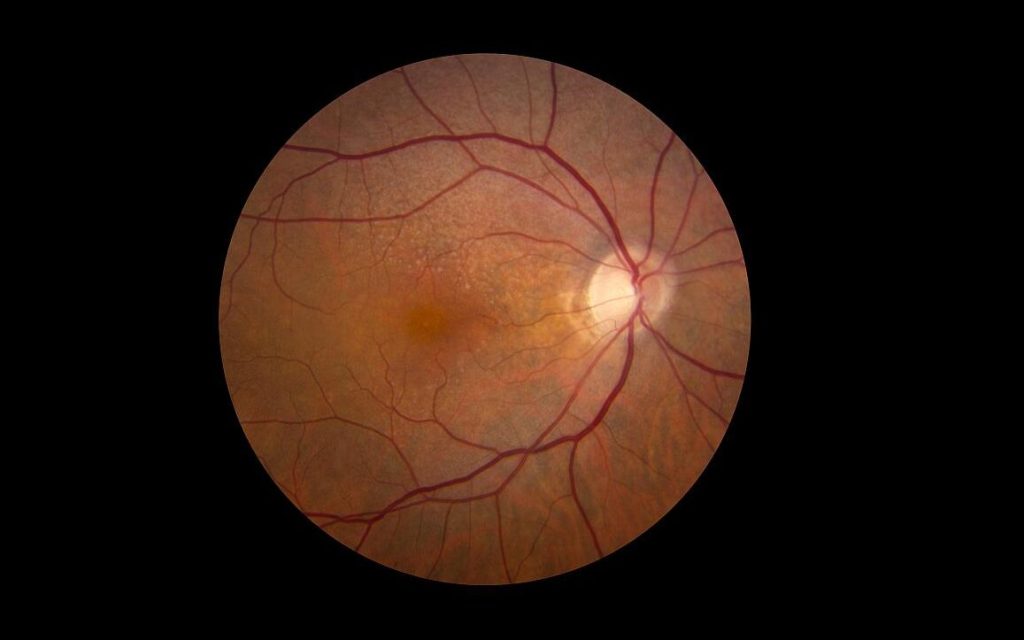
Retina showing reticular pseudodrusen. Although they can infrequently appear in individuals with no other apparent pathology, their highest rates of occurrence are in association with age-related macular degeneration (AMD), for which they hold clinical significance by being highly correlated with end-stage disease sub-types, choroidal neovascularisation and geographic atrophy. Credit: National Eye Institute

Doctors have found further evidence that metformin is associated with less progression of age-related macular degeneration (AMD), the most common cause of blindness in Western countries. In a study of over 2000 people with diabetes, people over the age of 55 years taking metformin were 37% less likely to develop the intermediate stage of AMD over five years compared to those not taking metformin. The results were published in BMJ Open Ophthalmology.

AMD is a disease which affects the central retina or macular at the back of the eye. It eventually causes the light-sensitive tissue to die off (geographic atrophy, a form of ‘dry’ AMD) or be damaged by abnormal blood vessel growth (‘wet’ AMD). Intermediate and advanced AMD affects 10-15% of people over 65 years of age (1.1 to 1.8 million people in the UK), and is the commonest cause of blindness in high-income countries.

The annual cost of AMD is estimated to be £11.1billion in the UK. Geographic atrophy has no treatment in the UK and Europe, while treatments for wet AMD are expensive and unpleasant (repeated injections into the eye).

The research from the University of Liverpool used pictures taken of the eyes of 2000 people attending the routine diabetic eye disease screening programme in Liverpool over 5 years. The researchers assessed whether AMD was present on the photographs and how severe it was, and then compared those taking metformin and those who were not. They also adjusted for factors which might bias the result, such as age, sex, and duration of diabetes. The odds of developing intermediate AMD over 5 years in the metformin group was 0.63 compared to the no metformin group (95% confidence range 0.43 to 0.92).

A potential benefit from metformin in AMD has been suspected before, but this is the first study to grade AMD from eye photographs. Previous studies on metformin have used secondary information on AMD such as GP diagnostic codes, or insurance claims in the US.

Dr Nick Beare, an eye doctor who led this research, says: “Most people who suffer from AMD have no treatment, so this is a great breakthrough in our search for new treatments. What we need to do now is test metformin as a treatment for AMD in a clinical trial. Metformin has the potential to save many people’s sight.”

Source: University of Liverpool