Year: 2025

Breastfeeding’s Protective Effect Against Breast Cancer Explained by Metabolism

Study shows a mother’s mitochondria determine if lactation is protective or not against breast cancer—and points to a possible intervention to increase the benefit to more women

Photo by Wendy Wei

Breastfeeding is often linked with better health for both mothers and babies, but it does not protect all women against breast cancer. The reason remains unknown. Since breast cancer in young women is on the rise, understanding why breastfeeding is protective in some women but not others is critical. 

A new study, led by a team of researchers from The Tisch Cancer Institute at the Icahn School of Medicine at Mount Sinai and published in the journal Nature Communications, addressed this question. 

The study was performed in mice, which exhibit a similar phenomenon: lactation strongly protects some mice against breast cancer, but others are more susceptible. The researchers studied female mice that had the same basic DNA but different types of mitochondria. The team found that the way the body responds to breastfeeding could change depending on the mother’s mitochondria.  

In mice with specific types of mitochondria, the researchers found, lactation allowed a certain group of cells similar to those found in postpartum breast cancer in humans to expand and grow, explains Edmund Jenkins, PhD, Assistant Professor of Medicine (Hematology and Medical Oncology) at the Icahn School of Medicine at Mount Sinai. Dr Jenkins served as the bioinformatics expert on the study. 

“We’ve always thought that breastfeeding is good for all women when it comes to lowering breast cancer risk,” said senior author Doris Germain, PhD, Professor of Medicine (Hematology and Medical Oncology) at the Icahn School of Medicine at Mount Sinai. “But our study shows that it really depends on a woman’s metabolism and how her body responds to lactation at the cellular level.” 

The researchers also discovered that they could change the way the body reacts during breastfeeding by using a natural dietary supplement. In the mice that were at higher risk of developing postpartum breast cancer, this treatment switched their response from harmful to protective. This finding opens the door to a possible way to help more women benefit from breastfeeding by supporting their bodies in the right way.  

“Our research raises the possibility that one day, doctors might be able to identify women whose breastfeeding response puts them at risk and then offer them a simple, natural dietary intervention to change that,” said first author Mrittika Chattopadhyay, PhD, Assistant Professor of Medicine (Hematology and Medical Oncology) at the Icahn School of Medicine at Mount Sinai. 

The team is now studying human breast milk with the goal of identifying milk metabolites that can show whether a woman’s body is reacting to breastfeeding in a way that is helpful or harmful. They also plan to develop a study in humans. One question then will be whether, because this dietary supplement may impact the development of the child, it should be tested only in mothers after they have stopped giving milk to their newborns.  

Source: Mount Sinai
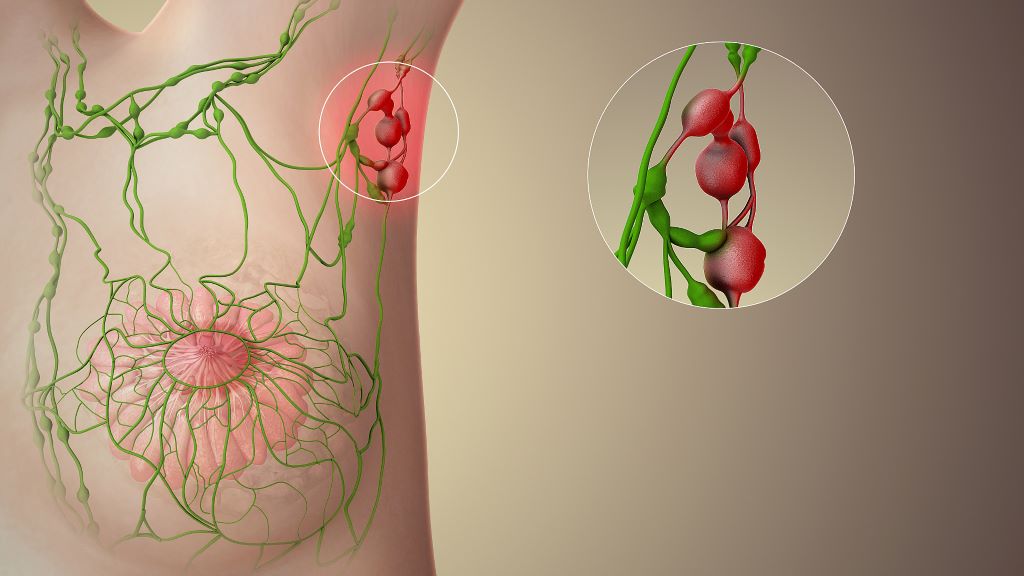
FDA-Approved Drug Halts EBV-Driven Lymphoma by Disrupting a Key Cancer Pathway

Swollen lymph nodes. Credit: Scientific Animations CC0

Scientists at The Wistar Institute have discovered that a class of FDA-approved cancer drugs known as PARP1 inhibitors can effectively combat Epstein-Barr virus (EBV)-driven lymphomas. The findings, published in the Journal of Medical Virology, demonstrate that these drugs, which work by blocking the activity of the PARP1 enzyme, can halt tumour growth by interfering with the EBV’s ability to activate key cancer-promoting genes.

“We’ve uncovered a completely different mechanism for how PARP inhibitors work in EBV-positive cancers,” said Italo Tempera, PhD, associate professor at Wistar’s Ellen and Ronald Caplan Cancer Center and senior author of the study. “Instead of preventing DNA damage from repairing itself in the tumours, like these drugs do in other cancers, they essentially cut off the virus’s ability to hijack cellular machinery to drive cancer growth. This opens up exciting possibilities for repurposing existing FDA-approved drugs to treat EBV-associated cancers.”

EBV infects over 90% of the global population. While most people with the virus remain symptom-free, immunocompromised individuals such as people with HIV and transplant recipients have an increased risk of EBV causing several types of cancer, including various lymphomas and carcinomas. Despite the virus’s clear role in driving these malignancies, no specific therapies currently target EBV-driven cancer.

In search of such a therapy, Tempera and his research team focused on PARP1, a cellular protein that is known primarily for its role in DNA repair. In cancer treatment, PARP inhibitors typically work by preventing cancer cells from repairing their DNA, causing them to die. However, Tempera’s team had previously discovered that PARP1 plays a very different role in EBV infection: It helps control which genes are accessible and active, essentially acting as a master regulator of gene expression.

“Think of PARP1 as a key that opens up DNA to make certain genes readable,” explained Tempera. “EBV uses this key to unlock cancer-promoting genes. When we block PARP1, we’re essentially taking away the key so the virus can’t get in and use our DNA for its own purposes.”

Using a mouse model of EBV-driven lymphoma, the researchers treated the animals with BMN 673 (talazoparib/talzenna), a PARP inhibitor that has already been approved for breast cancer treatment. Compared to controls, the treated mice showed an 80% reduction in tumour growth, and the cancer’s ability to spread to other organs was significantly reduced. Further, when the team analysed the tumours, they found no increase in DNA damage in the treated animals – the hallmark of how PARP inhibitors typically work. Instead, they discovered that PARP1 inhibition disrupted a critical partnership between the viral protein EBNA2 and the cellular oncogene MYC.

“EBNA2 is like the conductor of an orchestra, directing cellular genes to play a cancer symphony,” said Tempera. “It specifically turns on MYC, which is one of the most important cancer-promoting genes. When we inhibit PARP1, EBNA2 can’t effectively activate MYC anymore, and the whole cancer program falls apart.”

The findings have significant therapeutic implications. Because PARP inhibitors are already FDA-approved and their safety profiles are well established, the path to clinical application could be accelerated compared to developing entirely new drugs.

The research also suggests this approach might work beyond EBV-associated lymphomas. The team is now investigating whether PARP inhibitors could be effective against other EBV-driven cancers, including nasopharyngeal and gastric carcinomas. Additionally, given EBV’s suspected role in autoimmune diseases, the researchers are exploring whether PARP1’s regulation of viral gene expression might contribute to these conditions.

“This work really showcases the power of understanding fundamental viral biology,” said Tempera. “We’re taking insights from basic virology research and translating them into potential therapies. With further development, this approach could provide new hope for patients with EBV-associated cancers who currently have limited treatment options.”

Source: Wistar Institute

Plant-based Diets Must Also Be Healthy to Reduce IBD Risk

Irritable bowel syndrome. Credit: Scientific Animations CC4.0

A large prospective study published in Molecular Nutrition and Food Research reveals that a healthy plant-based diet is linked with a reduced risk of inflammatory bowel disease (IBD).

For the study, 143 434 individuals in the UK reported on their dietary intake. During an average follow-up of 14.5 years, 1117 participants developed inflammatory bowel disease – 795 cases of ulcerative colitis and 322 cases of Crohn’s disease.

A healthy plant-based diet was associated with an 8% lower risk of ulcerative colitis, and a 14% lower risk of Crohn’s disease. An unhealthy plant-based diet was associated with a 15% higher risk of Crohn’s disease, with results suggesting that this was in part due to higher intake of vegetable oils and animal fats. Fruits and vegetables were identified as protective factors against inflammatory bowel disease.

Blood analyses suggested that the benefits seen in this study might be explained by the anti-inflammatory properties of plant-based foods.

“Our research indicates that a healthy plant-based diet may protect against inflammatory bowel disease, with its anti-inflammatory properties playing a key role,” said corresponding author Zhe Shen, MD, of the Zhejiang University School of Medicine, in China.

Source: Wiley

Could Strawberry Tree Extract Prevent and Treat Ulcerative Colitis?

Irritable bowel syndrome. Credit: Scientific Animations CC4.0

New research in rats indicates that a Mediterranean plant may be an effective treatment for ulcerative colitis, a type of inflammatory bowel disease. The findings are published in the Journal of the Science of Food and Agriculture.

Various antioxidant and anti-inflammatory medications are used to treat ulcerative colitis, but they can cause numerous side effects. To test the potential of the Arbutus unedo plant (often referred to as the strawberry tree) that is native to the Mediterranean region, investigators gave rats doses of an extract from the plant before exposing the animals to acetic acid, a chemical that induces ulcerative colitis.

The pretreatment prevented changes in the colon’s lining and led to fewer colonic lesions compared with no pretreatment. The pretreatment also caused decreased expression of various proteins that promote oxidative stress and inflammation.

“Our findings suggest that Arbutus unedo should be studied further in preventative and therapeutic approaches to gastrointestinal disorders,” said corresponding author Soumaya Wahabi, PhD, of the University of Jendouba, in Tunisia.

Source: Wiley

Why Humans Are More Susceptible to Cancers than Other Primates

Photo by Andre Mouton on Unsplash

New research from UC Davis Comprehensive Cancer Center has uncovered an evolutionary change that may explain why certain immune cells in humans are less effective at fighting solid tumours compared to non-human primates. The findings, published in Nature Communications, could lead to more powerful cancer treatments.

The study revealed a tiny genetic difference in an immune protein called Fas Ligand (FasL) between humans and non-human primates. This genetic mutation makes the FasL protein vulnerable to being disabled by plasmin, a tumour-associated enzyme. This vulnerability seems unique to humans and is not found in non-human primates, such as chimpanzees.

“The evolutionary mutation in FasL may have contributed to the larger brain size in humans,” said Jogender Tushir-Singh, senior author for the study and an associate professor in the Department of Medical Microbiology and Immunology. “But in the context of cancer, it was an unfavourable tradeoff because the mutation gives certain tumours a way to disarm parts of our immune system.”

Tumour environment neutralises key immune protein

FasL is an immune cell membrane protein that triggers apoptosis, which activated immune cells, including CAR-T cells, make use of to kill cancer cells.

The UC Davis team discovered that in human genes, a single evolutionary amino acid change — serine instead of proline at position 153 — makes FasL more susceptible to being cut and inactivated by plasmin.

Plasmin is a protease enzyme that is often elevated in aggressive solid tumours like triple negative breast cancer, colon cancer and ovarian cancer.

This means that even when human immune cells are activated and ready to attack the tumour cells, one of their key apoptosis tools, FasL, can be neutralised by the tumour environment, reducing the effectiveness of immunotherapies.

The findings may help explain why CAR-T and T-cell-based therapies can be effective in blood cancers but often fall short in solid tumours. Blood cancers often do not rely on plasmin to metastasise, whereas tumours like ovarian cancer rely heavily on plasmin to spread the cancer.

Plasmin inhibitors may enhance immunotherapy

Significantly, the study also showed that blocking plasmin or shielding FasL from cleavage can restore its cancer-killing power. That finding may open new doors for improving cancer immunotherapy.

By combining current treatments with plasmin inhibitors or specially designed antibodies that protect FasL, scientists may be able to boost immune responses in patients with solid tumours.

“Humans have a significantly higher rate of cancer than chimpanzees and other primates. There is a lot that we do not know and can still learn from primates and apply to improve human cancer immunotherapies,” said Tushir-Singh. “Regardless, this is a major step toward personalising and enhancing immunotherapy for the plasmin-positive cancers that have been difficult to treat.”

Source: UC Davis Cancer Center

Unlike Humans, Lemurs Do Not Experience ‘Inflammaging’

This lemur is called Nemesis and lives at the Duke Lemur Center

What can lemurs tell us about inflammation and aging, aka “inflammaging” in humans? That’s the question Elaine Guevara, a biological anthropologist who studies the evolution of life history and aging in primates, set out to understand.

In newly published research on age-related inflammation in ring-tailed and sifaka lemurs, Guevara discovered that perhaps we should rethink the inevitability of inflammaging in humans.

Although similar in many ways, ring-tailed and sifaka lemurs show differences in life pacing and lifespan, making useful comparisons. Because lemurs and humans are primates and share a common ancestor that lived millions of years ago, they offer valuable insights into human evolution.

Her findings, which are published in the Journal of Comparative Physiology B, were “surprising”, she said.

“Contrary to our predictions, neither species showed age-related change in either marker of oxidative stress. Neither lemur species exhibited age-related change in inflammation; if anything, contrary to our prediction, ring-tailed lemurs showed marginal declines in inflammation with age,” Guevara said.

This finding, consistent with a few recent studies of other non-human primates, suggests that lemurs avoid the phenomenon of “inflammaging” widely observed in humans.

The study shows inflammaging is not a universal feature of primates, pointing to some differences that might suggest it turns out it’s not even a universal feature of humans, according to Christine Drea, a professor of evolutionary anthropology who was one of the researchers working with Guevara.

What is Inflammaging?

As we grow older, low-grade chronic inflammation sets in, which in turn can cause health problems such as heart disease, strokes, diabetes, cancer and osteoarthritis.

Why inflammaging increases with age in humans, what causes it and how it can be prevented are answers to questions that can unlock critical information to help humans live longer and healthier lives.

Collecting Data from Lemurs

Drea said the team first had to find a way to measure oxidative stress, which can be found in blood, urine and saliva. They settled on urine.

“Our role at the beginning was planning, designing, brainstorming, comparing and getting these samples,” said Drea, who has worked with the Duke Lemur Center since 1999. The Lemur Center does not allow research that will harm the animals.

The next step says Guevara is to conduct similar research with lemurs in the wild.

“There are a lot of good reasons to think that aging can be quite different in captivity and in the wild, and that in itself, is informative to evaluating the degree to which human inflammation is intrinsic versus environmental,” she said.

In the meantime, Guevara says this study serves as the first step in unravelling the question of why humans are suffering from inflammatory-related and age-related conditions and finding ways to treat them.

With a rapidly aging global population, “these insights are essential for mitigating disability and improving quality of life in later years,” she said.

Source: Duke University

Consistency of Physical Activity in Adulthood Linked to 30–40% Lower Risk of Death

But upping physical activity level still linked to 20–25% lower risk of death from any cause
Switching to a more active lifestyle at any point in adulthood may extend lifespan

Photo by Mikhail Nilov

Being consistently physically active in adulthood is linked to a 30–40% lower risk of death from any cause in later life, while upping levels from below those recommended for health is still associated with a 20–25% lower risk, finds a pooled data analysis of the available evidence, published online in the British Journal of Sports Medicine.

The findings prompt the researchers to conclude that switching to a more active lifestyle at any point in adult life may extend the lifespan, and that it’s never too late to start.

Currently, it’s recommended that adults should aim for 150-300 weekly minutes of moderate intensity physical activity, or 75-150 weekly minutes of vigorous intensity physical activity, or a combination of the two, note the researchers.

But while these recommendations were based on the best evidence available, most of it captured measurements of physical activity at only one point in time, which might hide the potential impact of changing patterns during adulthood, they add.

The researchers therefore wanted to find out if differing patterns of physical activity, as well as its cumulative impact during adulthood, might be associated with a lower risk of death from all causes, and specifically from cardiovascular disease and cancer.

They scoured research databases for relevant studies that assessed physical activity at two or more points in time, and included in their review 85 studies published in English up to April 2024, with sample sizes ranging from 357 to 6,572,984 participants.

Fifty nine of the studies looked at long term patterns of physical activity across adulthood; 16 looked at the average benefits of different physical activity levels; and 11 explored the potential impact of cumulative physical activity on risk of death.

To overcome the challenges posed by different analytical methods used, the researchers carried out separate analyses for each of them.

Pooled data analysis of the study results showed that, overall, a higher level of physical activity was associated with lower risks of all the included outcomes.

Consistently active people (32 studies) had around a 30–40% lower risk of dying from any cause, while those who increased their levels of physical activity (21 studies) from below those recommended had a 20-25% lower risk of death from any cause.

Specifically, participants who switched from being physically inactive to being active were 22% less likely to die from any cause than those who remained inactive, while those who increased their leisure time physical activity levels were 27% less likely to do so.

On the other hand, swapping an active lifestyle for an inactive one wasn’t associated with a lower risk of death from any cause.

Generally, the associations observed between a high level of physical activity and a lower risk of death were more evident for cardiovascular disease than for cancer.

Compared with participants who were consistently inactive over time, those who were consistently active, overall, or only in their leisure time, were around 40% and 25% less likely to die from cardiovascular disease and cancer, respectively.

But in general, the evidence for the associations between physical activity patterns and death from a specific cause remained inconclusive, especially for death from cancer.

The pooled data suggested that people who were consistently active or who became active had lower risks of death from any cause, and specifically from cardiovascular disease, when meeting the recommended weekly physical activity levels.

But being consistently physically active and clocking up more than the recommended maximum weekly amount of moderate to vigorous intensity exercise was associated with only a small additional reduction in risk.

Maintaining or increasing physical activity at levels below the recommended weekly amount, however, was associated with appreciable health benefits, indicating that some physical activity is always better than none, say the researchers.

And an average volume of physical activity that met the recommended weekly amount was also associated with a 30–40% lower risk of death from all causes. But more research is needed to confirm this, they add.

The researchers acknowledge some limitations to their findings, including that most of the studies included in the pooled data analyses relied on subjective assessments of physical activity, which may not always have been accurate.

And there were only a few studies that looked at cumulative amounts of physical activity, or cancer deaths.

Nevertheless, the findings have important public health implications, insist the researchers.

“First, our results emphasised the importance of [physical activity] across adulthood, indicating that initiating [it] at any point in adulthood may provide survival benefits.”

They add: “As being consistently active provides greater health benefits than being previously active (ie, no longer maintaining activity), this highlights the importance of sustained [physical activity] over time.

“Future [physical activity] interventions may not only target inactive people, but also support active people to maintain their activity.”

Source: BMJ Group

Scientists Discover the Mechanism for Peripheral Nerve Regeneration

Weizmann Institute scientists have discovered hundreds of molecules that promote nerve regeneration in mice – and may even encourage growth in brain neurons

Top: Overexpression of genes from the B2-SINE family in retinal ganglion neurons led to accelerated growth after injury. Bottom: Ganglion cells after injury without B2-SINE overexpression. Credit: Weizmann Institute of Science

Unlike the brain and spinal cord, peripheral nerve cells, whose long extensions reach the skin and internal organs, are capable of regenerating after injury. This is why injuries to the central nervous system are considered irreversible, while damage to peripheral nerves can, in some cases, heal, even if it takes months or years. Despite decades of research, the mechanisms behind peripheral nerve regeneration remain only partially understood.

In a new study published in Cell, researchers from Prof Michael (Mike) Fainzilber’s lab at the Weizmann Institute of Science discovered that a family of hundreds of RNA molecules with no known physiological function is essential to nerve regeneration. Remarkably, the study showed that these molecules can stimulate growth not only in the peripheral nervous system of mice but also in their central nervous system. These findings could pave the way for new treatments for a variety of nerve injuries and neurodegenerative diseases.

For a peripheral nerve to regenerate, it must maintain communication between the neuron’s cell body and its long extension – the axon – which in humans can reach more than a meter in length. In a series of studies over the past two decades, Fainzilber’s lab has revealed key components of this communication: proteins that act like postal couriers, delivering instructions for the production of growth-controlling factors and other proteins, from the cell body to the axon. These molecular couriers also help assess the distance between the cell body and the axon tip, allowing the neuron to modulate its growth accordingly. Yet one central issue remained: What triggers the regenerative growth after injury, and why does this not happen in central nervous system cells?

“While the growth acceleration observed in our study is not yet sufficient to address clinical paralysis, it is definitely significant”

In the new study, Dr Indrek Koppel of Fainzilber’s lab, in collaboration with Dr Riki Kawaguchi of the University of California, Los Angeles (UCLA), examined a specific kind of gene expression in the peripheral nerves of mice following injury. The researchers were surprised to find that one day after damage, the neurons increased the expression of an entire family of short genetic sequences called B2-SINEs, whose role was previously unknown. These sequences do not encode any proteins, and because they are known for “jumping” around the genome, meaning that they can appear at the wrong place or time, they have a bad reputation. But the researchers found that after injury, the neurons began expressing many B2-SINE RNA transcripts, in parallel with other processes preparing the cell for regeneration and repair.

However, B2-SINE is an enormous family, comprising some 150 000 sequences scattered throughout the mouse genome. The initial analysis could not determine which of these were responsible for promoting growth. Dr. Eitan Erez Zahavi, also of Fainzilber’s lab, who led the new study alongside Koppel, used bioinformatics tools to identify 453 B2-SINE sequences that are highly expressed after injury, promoting nerve growth. Collaborating with international research teams, the scientists showed that this overexpression after injury is unique to peripheral nerve cells and does not occur in the central nervous system.

The periphery leads, the center follows

The researchers then tested whether B2-SINEs from peripheral nerve cells could also stimulate neuronal growth in the central nervous system. They induced retinal neurons in mice to overexpress RNA molecules of the B2-SINE type and observed faster regeneration after injury. A similar experiment in the mouse motor cortex – the brain region that controls muscle movement via long axons projecting to the spinal cord – showed that neurons expressing high levels of B2-SINE also regenerated faster than control neurons.

“There are still no effective treatments to accelerate nerve cell growth and regeneration,” Fainzilber notes. “While the growth acceleration observed in our study is not yet sufficient to address clinical paralysis, it is definitely significant. Of course, the path from basic research to clinical application is long, and we must make sure that enhancing growth mechanisms does not, for example, increase the risk of cancer.”

One final mystery remained: How do B2-SINE RNA molecules actually promote regeneration? With help from Prof Alma L. Burlingame’s group at the University of California, San Francisco, the researchers discovered that these RNAs promote a physical link between the molecular “couriers” carrying instructions for producing growth-associated proteins and the ribosomes that read these instructions and carry them out. This means that production of the critical factors takes place closer to the cell body rather than to the tip of the axon. The researchers believe that this signals to the neuron that it is “too small,” triggering a growth response.

“There are over a million sequences called Alu elements in the human genome, the human equivalent of B2-SINEs in mice,” says Fainzilber. “These molecules had been previously shown to bind to ribosomes and mail couriers, but why this happens was unknown. We’re now trying to determine whether Alu or other noncoding RNA elements are involved in nerve regeneration in humans.”

“Recovery from peripheral nerve injuries, or from systemic diseases like diabetes that affect these nerves, can be very slow,” he adds. “That’s why we’re now testing a therapy that might speed up regeneration by mimicking B2-SINE activity. This therapy involves small molecules that connect the couriers to ribosomes while keeping them close to the nerve cell body, promoting faster growth. We are conducting this research in collaboration with Weizmann’s Bina unit for early-stage research with applicative potential.”

Beyond promoting peripheral nerve regeneration, the new study also hints at an even broader prospect: regeneration in the central nervous system. “We are currently working with UCLA on a study showing that the mechanism we discovered plays a role in recovery from stroke in mouse models,” Fainzilber says. “Additionally, we’re collaborating with Tel Aviv University, Hebrew University and Sheba Medical Center to study its possible role in ALS, a progressive neurodegenerative disease. Neurodegenerative conditions affect many millions of people worldwide. While the road ahead is long, I truly hope we’ll one day be able to harness our newly discovered regeneration mechanism to treat them.”

Science Numbers

After injury, the axon of a peripheral nerve cell regrows at a rate of around 1 millimetre a day.

Source: Weizmann Institute of Science

Parkinson’s Drug Effective in Treating Persistent Depression

Photo by Andrew Neel on Unsplash

In the largest clinical trial to date, pramipexole was found to be substantially more effective than a placebo at reducing the symptoms of treatment resistant depression (TRD) over the course of nearly a year, when added to ongoing antidepressant medication.

The trial, supported by National Institute for Health and Care Research (NIHR) and published in The Lancet Psychiatry, included 150 patients with treatment resistant depression, with equal numbers receiving 48 weeks of pramipexole or a placebo, alongside ongoing antidepressant medication.

Overall, the group taking pramipexole experienced a significant and substantial reduction in symptoms by week twelve of treatment, with the benefits persisting over the course of a year. However, there were also significant side effects, such as nausea, sleep disturbance and dizziness, with around one in five people on pramipexole dropping out of the trial as a result.

Professor Michael Browning, from the Department of Psychiatry, University of Oxford, and workstream lead in Mood Disorders for the NIHR Mental Health-Translational Research Collaboration (MH-TRC) Mission, who led the trial, said: ‘Effectively treating people who have not responded to first-line interventions for depression is a pressing clinical problem and there has long been an urgent need to find new treatments.

‘These findings on pramipexole are a significant breakthrough for patients for whom antidepressants and other treatments and therapies have not worked.

‘Pramipexole is a medicine licensed for Parkinson’s disease and works by boosting the brain chemical dopamine. This differs from the majority of other antidepressant medications which act on brain serotonin and may explain why pramipexole was so helpful in this study.

‘We now need more research focusing on reducing the side effects of pramipexole, evaluating its cost-effectiveness, and comparing it with other add-on treatments.’

Previous research into using the drug for depression had shown promise, but there had been limited data on its long-term outcomes and side effects until now.

Current guidelines for people with treatment resistant depression recommend adding new treatments, such as lithium or antipsychotics, to ongoing antidepressant treatment, but these have limited effectiveness and do not work for everyone.

Phil Harvey, 72, from Oxfordshire, was diagnosed with depression 20 years ago and tried different tablets and counselling but nothing worked. Eventually he had to take a year off work before retiring. He started on the trial in 2022.

He said: ‘Within a few weeks I felt the effects, it was amazing. I kept a diary which they gave us on how my mood was, motivation and how it improved. It was dragging me out of this dark black hole that I’ve been in for years.’

Participants were recruited from across the country, including as part of the NIHR-funded MH-TRC Mission mood disorder clinics, which are hosted at Oxford but located across the country. The clinics efficiently, and largely remotely, assess patients with difficult to treat mood disorders and offer them enrolment in research studies. The network can also support primary care services by providing assessment and treatment advice for patients who have not responded to initial treatment.

Source: University of Oxford

Operation Dudula Blocks Babies from Getting Vaccines

Vigilante group is controlling clinic queues in Johannesburg

Photo by William Fortunato on Pexels

By Kimberly Mutandiro

Mothers of newborn babies, turned away at public clinics in Johannesburg because they are not South African, say their children are missing out on lifesaving vaccines.

In recent months, vigilante group Operation Dudula has been taking control of clinic queues across Johannesburg, chasing away immigrants or telling them to stand separately from South Africans. It is alleged that some healthcare staff have been participating.

This is despite a 2023 ruling in the Gauteng High Court that pregnant and lactating women and young children should be granted free health care services regardless of their nationality. 

The court ordered the Gauteng Department of Health to change its policy denying immigrants healthcare, and to place notices on the walls at all healthcare facilities stating lactating women and children may not be denied access. This order is not being consistently complied with.

GroundUp visited the Jeppe Clinic last week and saw no such notice. There was a small group of Operation Dudula members pulling immigrants out of the queue and telling them to stand to one side.

Jane Banda, a Malawian national, was at the clinic. She has been struggling to get her seven-week-old baby vaccinated, but has been blocked every time by Operation Dudula. She fears her baby’s health may be at risk if she continues to miss essential vaccinations.

Aisha Amadu, an asylum seeker from Malawi, who has a two-year-old baby, had an appointment at Jeppe Clinic last week but was chased away by Operation Dudula.

Grace Issah, also from Malawi, has a 14-week-old baby who was due for a vaccine two weeks ago. But she has been chased away from clinics in Jeppe, Bez Valley and Hillbrow.

“I feel like giving up because it seems there is nothing that I can do. My husband has no money for private doctors,” she said.

Several other women said they have also been denied access to clinics in Malvern, Kensington, Rosettenville and Soweto.

The Socio-Economic Rights Institute (SERI) launched a case in the Gauteng High Court in 2024, on behalf of Kopanang Afrika Against Xenophobia (KAAX), the Inner City Federation, Abahlali BaseMjondolo, and the South African Informal Traders Forum.

The group is seeking an interdict to declare the actions of the vigilante group, which include denying healthcare to immigrants, unlawful. The matter was heard in June, and judgment was reserved.

Mike Ndlovu from KAAX says it is a constitutional right for everyone in South Africa to be able to access healthcare.

“What Operation Dudula and a few complicit nurses are doing is unconstitutional, a criminal act, and a betrayal of our democracy. Denying healthcare is a violation of basic human rights,” said Ndlovu.

Ndlovu called on healthcare workers to remember their professional duty: to care without discrimination.

Operation Dudula’s actions have been condemned by the South African Human Rights Commission.

Department of Health spokesperson Foster Mohale said the department is aware of the action by Operation Dudula, but denied that department staff members are involved.

“The health facility managers have been advised to alert the law enforcement agencies whenever they experience these protests because that is a security issue to enforce the law,” Mohale said.

Mohale did not respond to questions about whether the department has complied with the 2023 court order to put up the notices.

Zandile Dabula, spokesperson for Operation Dudula, did not respond to a request for comment. But Veli Ngobese, a member of the movement who was at Jeppe clinic on the day GroundUp visited, said: “We are targeting all people from outside the country. We want Home Affairs to start afresh. Foreign nationals who come into the country should come and invest because the ones we see are selling amagwinya [vetkoek], pushing trolleys, and selling peanuts, and we are the ones paying taxes.”

He said the group will be conducting daily protests until immigrants stop going to clinics.

Republished from GroundUp under a Creative Commons Attribution-NoDerivatives 4.0 International License.

Read the original article.