Year: 2024

Genetic Risks for ACE Inhibitor-induced Angioedema Identified
Credit: Pixabay CC0

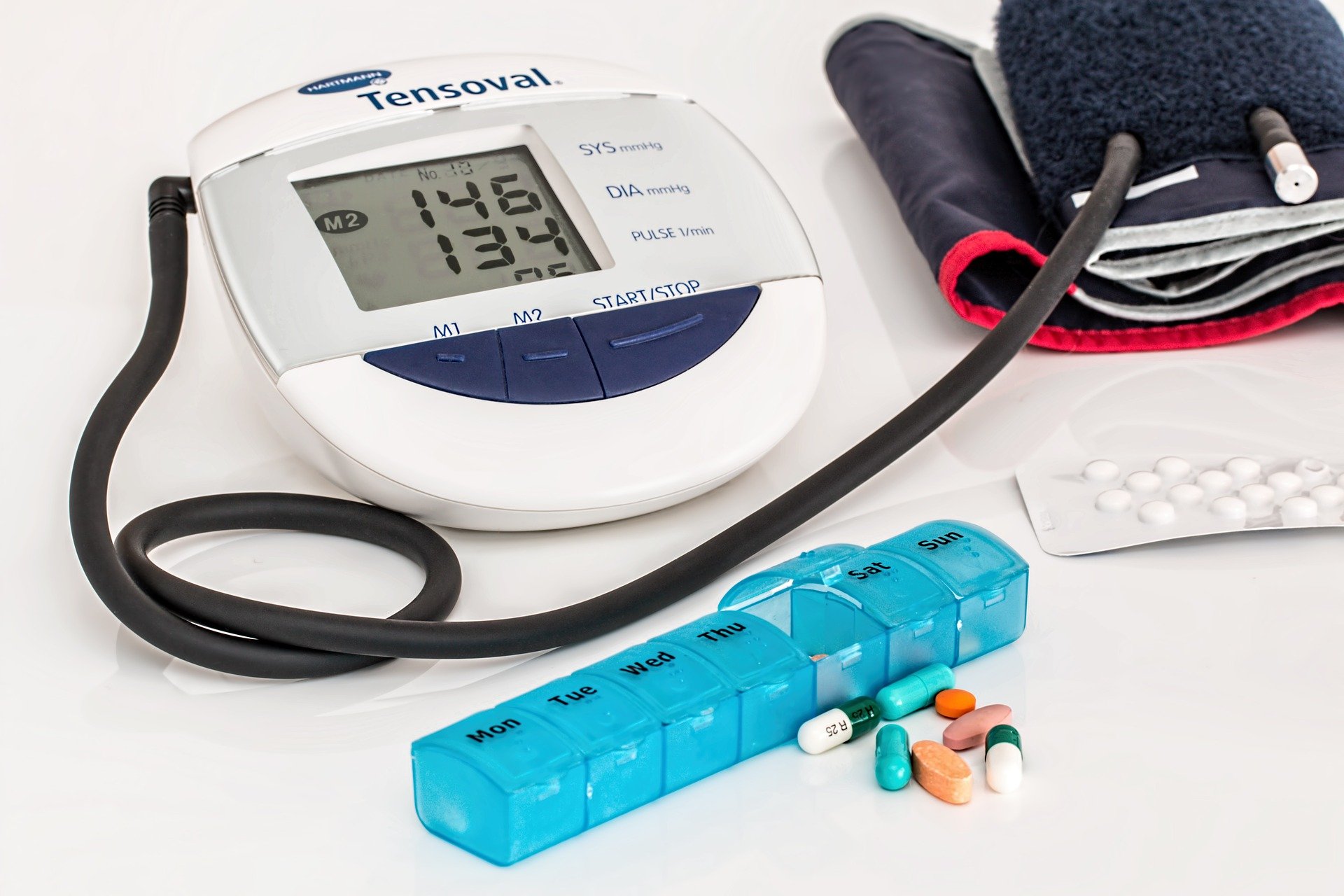
Angioedema is a rare but potentially life-threatening adverse reaction to ACE inhibitors. In a joint analysis of eight European study collectives, researchers for the first time conducted a genome-wide association study (GWAS) with more than 1000 affected individuals, identifying a total of three risk loci in the genome. These included a new locus that had not previously been associated with the risk of ACE inhibitor-induced angioedema. The results of the study have now been published in the Journal of Allergy and Clinical Immunology.

Angiotensin-converting enzyme (ACE) inhibitors are effective antihypertensive drugs. They block the formation of the hormone angiotensin II, which plays a central role in the development of hypertension.

On the other hand, these drugs increase the concentration of the vasoactive signalling substance bradykinin. Among other things, this can lead to acute swelling of the skin or mucous membranes.

Such swellings are generally not life-threatening – but if they affect the tongue, throat or larynx, angioedema can be life-threatening for the patient due to the potential risk of suffocation.

Research to date suggests that susceptibility to such drug-induced angioedema is influenced by hereditary as well as lifestyle and environmental factors. This led researchers from the University Hospital Bonn (UKB), the University of Bonn and the Federal Institute for Drugs and Medical Devices (BfArM) to investigate potential genetic involvement.

“However, the understanding of the underlying biological processes, ie the pathophysiology, and thus the individual risk assessment is still limited. The identification of the responsible genes will provide completely new insights here,” says Prof Markus Nöthen at the University of Bonn.

Which biological processes play a role in ACE inhibitor-induced angioedema?

Based on data from eight European study collectives, the team from Bonn, together with cooperation partners, conducted the first GWAS with more than 1000 patients with ACE inhibitor-induced angioedema.

They identified a total of three loci in the genome that are associated with the risk of ACE inhibitor-induced angioedema.

“While two of the loci have already been described in previous studies, our study was the first to demonstrate a significant association for a new locus on chromosome 20,” explains corresponding author Prof.

Andreas Forstner from the Institute of Human Genetics at the UKB and the University of Bonn and at the Institute of Neuroscience and Medicine (INM-1) at the Research Center Jülich.

“Through further bioinformatic analyses, we were able to identify several candidate genes at the three risk loci indicating that genetic changes in the bradykinin, coagulation and fibrinolysis signalling play a role in the development of this type of angioedema,” adds first author Carina Mathey, doctoral student at the Institute of Human Genetics at the UKB and the University of Bonn.

Source: Universitatsklinikum Bonn

Murder-accused Paediatric Surgeon Advised that Procedures Were Unnecessary

Photo by Tingey Injury Law Firm on Unsplash

A state witness in the trial of murder accused Dr Peter Beale has testified that colleagues advised him against a procedure which led to the death of a three year old patient.

Paediatric surgeon Beale is charged with three counts of murder, as a result of deaths from unnecessary surgeries over 2012 to 2019. He is also charged with two counts of fraud. He was first arrested in 2019, with his trial date postponed multiple times and only getting underway this week Monday in Johannesburg. His co-accused, anaesthetist Dr Abdulhay Munshi, was shot dead in 2020. As a result of the case, some have voiced concerns over what could lead to criminalisation over deaths resulting from unavoidable errors and systemic failures.

Two of the three deaths stemmed from laparoscopic Nissen fundoplication, a complex and costly procedure that is usually used to treat GERD by tightening the junction of the oesophagus and stomach.

According to the indictment, Beale is accused of “unlawfully and intentionally” causing the deaths of a three-year-old boy in 2012, a 21-month-old girl in 2016 and a 10-year-old boy in 2019 after he had operated on the children.

The state contends that Beale performed these unnecessary procedures as he needed money to recover from heavy financial losses incurred in a failed investment in the 1990s.

News24 reports that, based on a rectal biopsy, Beale believed that the three year old boy had Hirschsprung’s Disease, requiring surgical intervention. As reported in Beeld, Beale said in his plea explanation that he “misread” the patient’s biopsy results and did not deliberately misrepresent the biopsy results to the parents.

The parents sought a second opinion, the state alleges, and the second doctor was hesitant about carrying out the procedure. Beale was able to convince the other doctor that the procedure was necessary based on the biopsy results. Beale also explained in his plea deal that there was a variant of the disease, and the treatment was the same. His counsel, Advocate Ian Greene, also pointed out that the pathologist testified at a disciplinary hearing that the biopsy did not exclude the variant even if it did not exclude Hirschsprung’s Disease.

According to News24, a state witness, who is another paediatric surgeon who remains anonymous at the court’s order, stated that Beale had tried to recruit him to a Ponzi scheme. The scheme had a joining fee of R1 million.

The witness, who had know Beale since 1996, said that in 2009, the accused had also confided in him at a conference that he had suffered significant losses in an investment. The witness was also on the committee at the Healthcare Practitioners’ Council of South Africa disciplinary hearing over the three-year-old’s death. Beale has since been struck from the HPCSA.

The South African Medical Association released a statement urging that, while tragic, the case highlights laws that criminalise and punish individuals instead of taking into account the various organisational failings that can lead to patient deaths and can in no way prevent “unavoidable errors”.

Note: this article has been updated to correct the number of laparoscopic Nissen fundoplication procedures and to add more information about the Hirschsprung’s Disease diagnosis.

The Neural Circuits that Manage the Balancing Act of Hydration

Credit: Pixabay CC0

The human brain regulates water and salt appetite to maintain proper hydration. A new study published in Cell Reports reveals how the brain’s centre for digestive signals has two distinct neuronal populations that regulate either salt or water intake.

Previous studies suggested that water or salt ingestion quickly suppresses thirst and salt appetite before the digestive system absorbs the ingested substances, indicating the presence of sensing and feedback mechanisms in digestive organs that help real-time thirst and salt appetite modulation in response to drinking and feeding. Unfortunately, despite extensive research on this subject, the details of these underlying mechanisms remained elusive.

To shed light on this matter, a research team from Japan has recently conducted an in-depth study on the parabrachial nucleus (PBN), the brain’s relay centre for ingestion signals coming from digestive organs.

The researchers conducted a series of in vivo experiments using genetically engineered mice.

They introduced optogenetic (and chemogenetic) modifications and in vivo calcium imaging techniques into these mice, enabling them to visualise and control the activation or inhibition of specific neurons in the lateral PBN (LPBN) using light (and chemicals). During the experiments, the researchers offered the mice, either in regular or water- or salt-depleted conditions, water and/or salt water, and monitored neural activities along with the corresponding drinking behaviours.

In this way, the team identified two distinct subpopulations of cholecystokinin mRNA-positive neurons in the LPBN, which underwent activation during water and salt intake.

The neuronal population that responds to water intake projects from the LPBN to the median preoptic nucleus (MnPO), whereas the one that responds to salt intake projects to the ventral bed nucleus of the stria terminalis (vBNST). Interestingly, if the researchers artificially activated these neuronal populations through optogenetic (genetic control using light) experiments, the mice drank substantially less water and ingested less salt, even if they were previously water- or salt-deprived.

Similarly, when the researchers chemically inhibited these neurons, the mice consumed more water and salt than usual.

Therefore, these neuronal populations in the LPBN are involved in feedback mechanisms that reduce thirst and salt appetite upon water or salt ingestion, possibly helping prevent excessive water or salt intake.

These results, alongside their previous neurological studies, also reveal that MnPO and vBNST are the control centres for thirst and salt appetite, integrating promotion and suppression signals from several other brain regions.

“Understanding brain mechanisms controlling water and salt intake behaviours is not only a significant discovery in the fields of neuroscience and physiology, but also contributes valuable insights to understand the mechanisms underlying diseases induced by excessive water and salt intake, such as water intoxication, polydipsia, and salt-sensitive hypertension,” remarks first author, Assistant Professor Takashi Matsuda from Tokyo Institute of Technology.

Source: Tokyo Institute of Technology

Radon Gas: Ubiquitous, Carcinogenic – and Possible Stroke Risk

Photo by Vladyslav Cherkasenko on Unsplash

A new study has found that exposure to radon, the second leading cause of lung cancer, is also linked to an increased risk of stroke. The study, which examined exposures in middle age to older female participants, found an increased risk of stroke among those exposed to high and even moderate concentrations of the gas compared to those exposed to the lowest concentrations. The study is published in Neurology®, the medical journal of the American Academy of Neurology.

Radon is a naturally occurring radioactive gas produced in certain rocks and soils which contain uranium or radium. In South Africa, some areas such as in the Western Cape have higher concentrations of radon due to underlying granite geology. It is also a concern near gold mine dumps, which have higher levels of uranium.

The gas can make its way into homes through cracks in basement walls and floors, construction joints and gaps around pipes.

“Radon is an indoor air pollutant that can only be detected through testing that measures concentrations of the gas in homes,” said study author Eric A. Whitsel, MD, MPH, of the University of North Carolina in Chapel Hill.

“Our research found an increased risk of stroke among participants exposed to radon above – and as many as two picocuries per litre (pCi/L) below – concentrations that usually trigger Environmental Protection Agency recommendations to install a home radon mitigation system.”

The study involved 158 910 female participants with an average age of 63 who did not have stroke at the start of the study.

They were followed for an average of 13 years. During the study, there were 6979 strokes among participants.

To determine radon exposures, researchers linked participants’ home addresses to radon concentration data from the U.S. Geological Survey and the U.S. Environmental Protection Agency (EPA).

The EPA recommends that average indoor radon concentrations do not exceed four picocuries per liter (pCi/L). For concentrations this high, the EPA recommends installing a radon mitigation system to lower radon levels in the home.

Participants were divided into three groups. The highest group had homes in areas where average radon concentrations were more than four pCi/L. The middle group lived in areas with average concentrations between two and four pCi/L. The lowest group lived in areas with average concentrations of less than two pCi/L.

In the group with the highest radon exposures, there were 349 strokes per 100 000 person-years compared to 343 strokes in the middle group and 333 strokes in group with the lowest exposure.

Person-years represent both the number of people in the study and the amount of time each person spends in the study.

After adjusting for factors such as smoking, diabetes and high blood pressure, researchers found participants in the highest group had a 14% increased risk of stroke compared to those in the lowest group.

Those in the middle group had a 6% increased risk.

“It’s important to note that we found an increased stroke risk among those exposed to radon concentrations as much as two pCi/L below the current lung cancer-based threshold for recommending radon mitigation,” said Whitsel.

“More studies are needed to confirm our findings. Confirmation would present an opportunity to improve public health by addressing an emerging risk factor for stroke.”

A limitation of the study was that it included only female participants who were middle age or older and primarily white, so the results may not be the same for other populations.

Source: American Academy of Neurology

No Difference in Short-term Complications for Obesity Surgeries

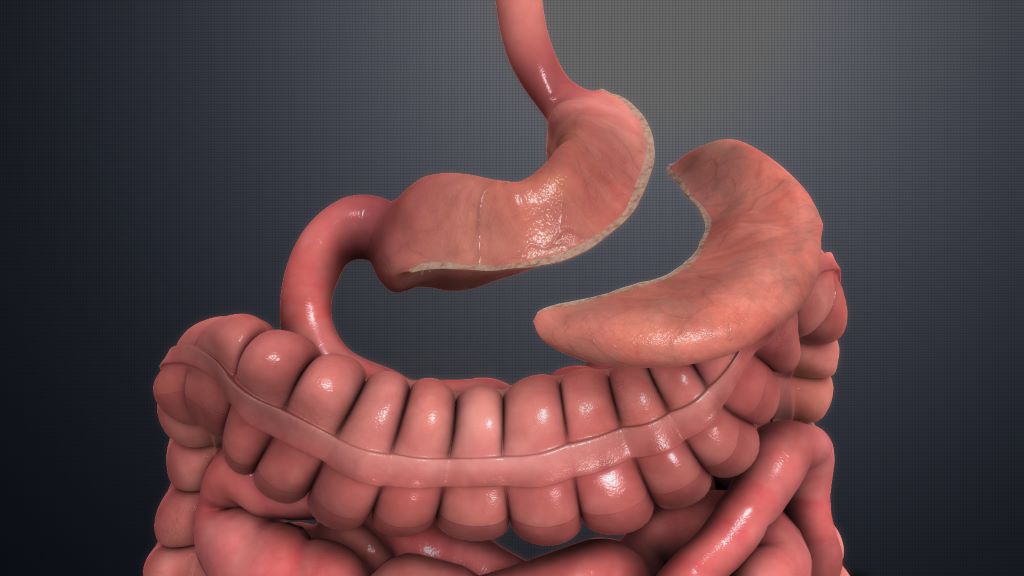
Sleeve gastrectomy. Credit: Scientific Animations CC4.0

The two most common obesity surgeries, gastric bypass and gastric sleeve, have few short-term complications and show no significant differences, according to study findings published in the journal JAMA Network Open. These are the first results of a multicentre randomised controlled trial comparing obesity surgeries conducted by the University of Gothenburg.

Patients undergoing obesity surgery will normally have a BMI of at least 40, or 35 if they also have other serious medical conditions related to obesity.

The most common procedures are gastric bypass, where a large part of the stomach and part of the small intestine are bypassed, and gastric sleeve, where a large part of the stomach is surgically removed.

The aim of the current study was to compare the short-term risks of the different procedures.

The study is the largest of its kind. 1735 adult patients planned for surgery in Norway and Sweden between 2015 and 2022 agreed to participate, and they were randomly assigned to either gastric bypass or gastric sleeve.

Relatively few complications

Surgical time was longer for gastric bypass, averaging 68 minutes compared to 47 minutes for gastric sleeve, but hospitalisation after surgery was one day regardless of method.

The follow-ups also gave equivalent results for the two methods.

At 30 days after surgery, both groups had relatively few complications such as haemorrhage, leakage, blood clots and infections.

No deaths occurred during the follow-up period of a total of 90 days.

“For both surgical procedures, the risk of complications is very low, especially from an international perspective, and there is no statistically significant or clinically relevant difference between the groups,” says Suzanne Hedberg, first author of the study.

Many stakeholders and many opinions

“Many people have had surgery, or are on waiting lists for surgery, and there are lots of discussions and opinions about the different methods. What the study shows is that patients and doctors can now choose their surgical method without considering short-term surgical risks,” she says.

Suzanne Hedberg defended her thesis in surgery at Sahlgrenska Academy, University of Gothenburg in April 2023, and is a consultant at Sahlgrenska University Hospital.

The study, included in her thesis, is the first publication with results from BEST (Bypass Equipoise Sleeve Trial), a Scandinavian registry-based randomised controlled multicentre study comparing the two methods of obesity surgery.

The main outcome of the trial which analyses the risk of complications and weight progression over 5 years, is expected to be completed in 2028.

“For the ongoing studies, we are off to a good start with equivalent groups, laying a good foundation for further comparisons of more long-term results,” concludes Suzanne Hedberg.

Source: University of Gothenburg

The Soapbark Tree Was the Only Source of a Potent Vaccine Adjuvant – Until Now

Photo by Louis Reed on Unsplash

A molecule derived from the Chilean soapbark tree is a potent adjuvant now used in many vaccines, such as Mosquirix and Novavax. Now, it has been reported in Nature Chemical Biology that scientists have replicated it in an alternative plant host for the first time, opening unprecedented opportunities for the vaccine industry and relieving pressure on this limited natural source.

A research collaboration led by the John Innes Centre used the recently published genome sequence of the Chilean soapbark tree (Quillaja saponaria) to track down and map the elusive genes and enzymes in the complicated sequence of steps needed to produce the molecule QS-21.

Using transient expression techniques developed at the John Innes Centre, the team reconstituted the chemical pathway in a tobacco plant, demonstrating for the first time ‘free-from ‘tree’ production of this highly valued compound.

Professor Anne Osbourn FRS, group leader at the John Innes Centre said: “Our study opens unprecedented opportunities for bioengineering vaccine adjuvants. We can now investigate and improve these compounds to promote the human immune response to vaccines and produce QS-21 in a way which does not depend on extraction from the soapbark tree.”

Vaccine adjuvants are immunostimulants which prime the body’s response to the vaccine – and are a key ingredient of human vaccines for shingles, malaria, and others under development.

QS-21, a potent adjuvant, is sourced directly from the bark of the soapbark tree, raising concerns about the environmental sustainability of its supply.

For many years researchers and industrial partners have been looking for ways to produce the molecule in an alternative expression system such as yeast or tobacco plants.

But the complex structure of the molecule and lack of knowledge about its biochemical pathway in the tree have so far prevented this.

Previously researchers in the group of Professor Osbourn had assembled the early part of the pathway which makes up the scaffold structure for QS-21. However, the search for the longer full pathway, the acyl chain which forms one crucial part of the molecule that stimulates immune cells, remained unfinished.

Researchers at the John Innes Centre used a range of gene discovery approaches to identify around 70 candidate genes and transferred them to tobacco plants.

By analysing gene expression patterns and products, supported by the Metabolomic and Nuclear Magnetic Resonance (NMR) platforms at the John Innes Centre, they were able to narrow the search down to the final 20 genes and enzymes which make up the QS-21 pathway.

First author Dr Laetitia Martin said: “This is the first time QS-21 has been produced in a heterologous expression system. This means we can better understand how this molecule works and how we might address issues of scale and toxicity.”

Source: John Innes Centre

ER+ Tumours Driving Surge in Breast Cancer Diagnoses among Younger Women

Photo by National Cancer Institute on Unsplash

Diagnoses of breast cancer have increased steadily in women under age 50 over the past two decades, with steeper increases in more recent years, according to a study published in JAMA Network Open. The surge is driven largely by increases in the number of women diagnosed with oestrogen-receptor positive (ER+) tumours.

While overall trends show increases, however, some decreases have occurred in specific tumour types and among specific groups of women. Such changes in disease rates in young women observed over time – analysed by age, race, tumour type, tumour stage and other factors – may offer clues to possible prevention strategies.

“For most women, regular breast cancer screening does not begin until at least age 40, so younger women diagnosed with breast cancer tend to have later-stage tumours, when the disease is more advanced and more difficult to treat,” said senior author Adetunji T. Toriola, MD, PhD, a professor of surgery and co-leader of the Cancer Prevention and Control Program at Siteman Cancer Center, based at Barnes-Jewish Hospital and Washington University School of Medicine. “This research offers a way to begin identifying the factors driving these increasing rates, with the goal of finding ways to slow or reverse them. It also could help identify young women who are at high risk of developing early-onset breast cancer, so that we can design interventions to evaluate in clinical trials to see if we can lower that risk.”

The research team analysed data from over 217 000 U.S. women diagnosed with any type of breast cancer from 2000 through 2019. In 2000, the incidence of breast cancer among women ages 20 to 49 was about 64 cases per 100 000 people. Over the next 16 years, that rate slowly went up, increasing at about 0.24% per year. By 2016, the rate had reached about 66 cases per 100 000. But after 2016, for reasons researchers do not yet understand, the trend line made a steep uphill turn, suddenly increasing at 3.76% per year. By 2019 the rate had reached 74 cases per 100 000.

An additional intriguing aspect of the data is that the increase in breast cancer incidence is due almost entirely to an increase in tumours that are ER+ according to Toriola, who is also a William H. Danforth Washington University Physician-Scientist Scholar. These tumours have proteins on their surfaces that bind to oestrogen, which fuels tumour growth. In fact, the incidence of tumours without the oestrogen receptor decreased over the 20 years of data analysed in the study.

“We need to understand what is driving the specific increase in oestrogen-receptor positive tumours,” Toriola said. “We also hope to learn from the decrease in oestrogen-receptor negative tumours. If we can understand what is driving that rate down, perhaps we can apply it in efforts to reduce or prevent other breast tumour types.”

The researchers also found higher rates of breast cancer among Black women, especially among those ages 20 to 29. Black women in this age group have a 53% increased risk of breast cancer compared with white women of the same age group. A higher risk for Black women also continues from ages 30 to 39, but the increased risk is smaller, at about 15% greater risk compared with white women of the same age range. Then, from ages 40 to 49, the rate for Black women drops below that of white women.

Toriola said his group is evaluating breast tumour tissue from cancer patients of different ages and races to see if there are molecular differences that could shed light on what is driving cancer to develop more in young Black women. Of note, Hispanic women in the study had the lowest incidence of breast cancer of any group.

The researchers also showed an increase in diagnoses of stage 1 and stage 4 tumours, and a decrease in diagnoses of stage 2 and stage 3 tumours. Toriola said such data suggest that improvements in screening over the past two decades, and perhaps greater awareness of family history and genetic risk factors for breast cancer, have led to many tumours being caught earlier. But it also suggests that when stage 1 tumours are missed in younger women, the tumours tend not to be found until they reach stage 4.

The researchers also found differences in breast cancer risk by year of birth. Toriola said the most dramatic difference was a greater than 20% increased risk of breast cancer among women born in 1990 compared with women born in 1955.

“We are hopeful this study will offer clues to prevention strategies that will be effective in younger women, especially younger Black women, who are at particularly high risk of developing breast cancer before age 40,” Toriola said.

Source: Washington University School of Medicine in St. Louis

New Study Sheds Light on Placenta Accreta Spectrum Disorder

Photo by Jonathan Borba on Unsplash

A new UCLA-led study published in American Journal of Obstetrics & Gynecology may change the way clinicians and scientists understand, diagnose and treat placenta accreta spectrum disorder, a serious condition in which the placenta fails to separate from the uterus at birth. Researchers previously believed that certain overly invasive placental cells, called trophoblasts, were responsible for keeping the connection intact.

But this new research, which identifies genetic and cellular changes within single cells where the placenta and uterus join, shifts the focus to how the structural support of tissues, and the blood vessels of the uterus, can cause a “loss of normal boundary limits” between the placenta and the uterus.

“We utilized two new techniques in single-cell analysis to create an atlas of cells involved in placenta accreta to better understand this increasingly prevalent disorder that can have devastating implications for maternal and neonatal health,” said Dr Yalda Afshar, a maternal-foetal medicine specialist and researcher at the David Geffen School of Medicine at UCLA, and the first and corresponding author.

“This work revealed a subset of genes differentially expressed in placenta accreta spectrum disorder, which provides the basis for the ‘permissive environment’ for the placenta to attach to the uterine lining,” said Dr Deborah Krakow, a maternal-foetal medicine specialist and researcher, chair of the Department of Obstetrics and Gynecology at the David Geffen School of Medicine at UCLA, and the paper’s senior author.

The research showed that the decidua, the layer of the uterine lining that forms during pregnancy, and blood vessels, are sending different signals to the placenta when a pregnant person has placenta accreta.

In placenta accreta, the placenta is stuck on too tight, which becomes the reason for many of the maternal complications of placenta accreta.

“Our goal was to characterize the intimate relationship between the maternal and fetal tissue at the site of accreta or malfunction,” Afshar said.

“The genes and signaling pathways we identified go beyond providing a better understanding of the mechanism of the disease; they may be used as targets to help us refine diagnostic tests, track disease progression over time, and discover new, more effective therapies.”

The incidence of placenta accreta spectrum (PAS) disorders has increased dramatically in recent decades, the cause of which is not certain, though cesarean deliveries, is one of several risk factors.

Today, incidence is estimated at 1 in 272 births in the U.S., up from 1 in about 30 000 pregnancies in the 1960s, researchers say.

For this study, the research team performed multiple placental biopsies on 12 placentas, six with PAS disorder and six controls, conducting single-cell RNA analysis on 31 406 individual cells.

The researchers also applied spatial transcriptomics to 36 regions of interest: 12 in PAS-adherent, 12 in PAS-nonadherent, and 12 in controls.

Spatial transcriptomics allow researchers to precisely measure and map the gene activity within a single tissue sample.

“At the end of the day, understanding the biology of pregnancy and pregnancy-related diseases, like accreta, is inspired by only one thing – finding ways to improve the care we can provide to pregnant people and their families,” said Afshar, a physician-scientist who manages the care of many patients with placenta accreta spectrum disorders at UCLA Health.

Source: University of California – Los Angeles Health Sciences

Switching to Vegan or Keto Diets Impacts Immune System

Photo by Pixabay: https://www.pexels.com/photo/broccoli-161514/

Researchers at the National Institutes of Health observed rapid and distinct immune system changes in a small study of people who switched to a vegan or a ketogenic (“keto”) diet. They found that the vegan diet prompted responses linked to innate immunity while the keto diet prompted responses associated with adaptive immunity. Metabolic changes and shifts in the participants’ microbiomes were also observed. More research is needed to determine if these changes are beneficial or detrimental and what effect they could have on nutritional interventions for diseases such as cancer or inflammatory conditions.

Scientific understanding of how different diets impact the human immune system and microbiome is limited. Therapeutic nutritional interventions, which involve changing the diet to improve health, are not well understood, and few studies have directly compared the effects of more than one diet. The keto diet is a low-carbohydrate diet that is generally high in fat. The vegan diet eliminates animal products and tends to be high in fibre and low in fat.

The study was conducted by researchers from the NIH’s National Institute of Allergy and Infectious Diseases (NIAID) and National Institute of Diabetes and Digestive and Kidney Diseases (NIDDK) at the Metabolic Clinical Research Unit in the NIH Clinical Center.

The 20 participants were diverse with respect to ethnicity, race, gender, body mass index (BMI), and age. Participants sequentially ate vegan and keto diets for two weeks, in random order. Each person ate as much as desired of one diet (vegan or keto) for two weeks, followed by as much as desired of the other diet for two weeks. People on the vegan diet, which contained about 10% fat and 75% carbohydrates, chose to consume fewer calories than those on the keto diet, which contained about 76% fat and 10% carbohydrates. Throughout the study period, blood, urine, and stool were collected for analysis.

The effects of the diets were examined using a “multi-omics” approach that analysed multiple data sets to assess the body’s biochemical, cellular, metabolic, and immune responses, as well as changes to the microbiome.

Participants remained on site for the entire month-long study, allowing for careful control of the dietary interventions. Switching exclusively to the study diets caused notable changes in all participants.

The vegan diet significantly impacted pathways linked to the innate immune system, including antiviral responses. On the other hand, the keto diet led to significant increases in biochemical and cellular processes linked to adaptive immunity, such as pathways associated with T and B cells.

The keto diet affected levels of more proteins in the blood plasma than the vegan diet, as well as proteins from a wider range of tissues, such as the blood, brain and bone marrow. The vegan diet promoted more red blood cell-linked pathways, including those involved in heme metabolism, which could be due to the higher iron content of this diet.

Additionally, both diets produced changes in the microbiomes of the participants, causing shifts in the abundance of gut bacterial species that previously had been linked to the diets.

The keto diet was associated with changes in amino acid metabolism – an increase in human metabolic pathways for the production and degradation of amino acids and a reduction in microbial pathways for these processes – which might reflect the higher amounts of protein consumed by people on this diet.

The distinct metabolic and immune system changes caused by the two diets were observed despite the diversity of the participants, which shows that dietary changes consistently affect widespread and interconnected pathways in the body. More study is needed to examine how these nutritional interventions affect specific components of the immune system. According to the authors, the results of this study demonstrate that the immune system responds surprisingly rapidly to nutritional interventions. The authors suggest that it may be possible to tailor diets to prevent disease or complement disease treatments, such as by slowing processes associated with cancer or neurodegenerative disorders.

Source: NIH/National Institute of Allergy and Infectious Diseases

Gut Microbiome Composition Affects Sensitivity to Respiratory Viruses

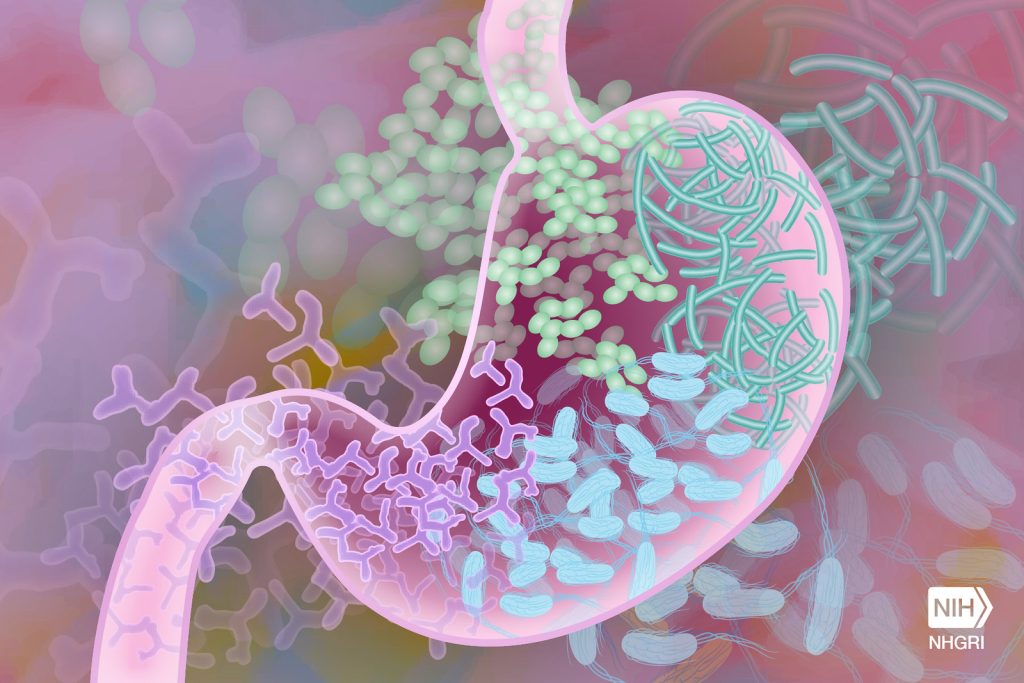
Gut Microbiome. Credit Darryl Leja National Human Genome Research Institute National Institutes Of Health

The composition of microbiota found in the gut influences how susceptible mice are to respiratory virus infections and the severity of these infections, according to Georgia State University researchers. The findings, published in the journal Cell Host & Microbe, report that segmented filamentous bacteria, a bacterial species found in the intestines, protected mice against influenza virus infection when these bacteria were either naturally acquired or administered.

This protection against infection also applied to respiratory syncytial virus (RSV) and severe acute SARS-CoV-2. To maintain this protection, the study noted that segmented filamentous bacteria required immune cells in the lungs called basally resident alveolar macrophages.

In this study, the researchers investigated how differences in specific microbial species can impact outcomes of respiratory virus infections and how they might do so, which hasn’t been well defined previously.

They studied mice with discrete microbiome differences and mice differing in only the presence or absence of segmented filamentous bacteria.

Viral titers in the lung were measured several days after infection and varied significantly depending on the nature of the microbiome of the different animal groups.

“These findings uncover complex interactions that mechanistically link the intestinal microbiota with the functionality of basally resident alveolar macrophages and severity of respiratory virus infection,” said Dr. Andrew Gewirtz, co-senior author of the study and Regents’ Professor in the Institute for Biomedical Sciences at Georgia State.

The study found that in segmented filamentous bacteria-negative mice, basally resident alveolar macrophages were quickly depleted as respiratory virus infection progressed.

However, in segmented filamentous bacteria-colonised mice, basally resident alveolar macrophages were altered to resist influenza virus infection depletion and inflammatory signaling.

The basally resident alveolar macrophages disabled influenza virus, in large part by activating a component of the immune system referred to as the complement system.

“We find it remarkable that the presence of a single common commensal bacterial species, amidst the thousands of different microbial species that inhabit the mouse gut, had such strong impacts in respiratory virus infection models and that such impacts were largely attributable to reprogramming of basally resident alveolar macrophages,” said D. Richard Plemper, co-senior author of the study, Regents’ Professor and director of the Center for Translational Antiviral Research at Georgia State.

“If applicable to human infections, these findings will have major implications for the future risk assessment of a patient to advance to severe disease.”

“We find it highly unlikely that segmented filamentous bacteria is the only gut microbe capable of impacting the phenotype of alveolar macrophages, and consequently, proneness to respiratory virus infection,” Gewirtz said.

“Rather, we hypothesize that gut microbiota composition broadly influences proneness to respiratory virus infection. Microbiota mediated programming of basally resident alveolar macrophages may not only influence the severity of acute respiratory virus infection, but may also be a long-term post-respiratory virus infection health determinant.”

Source: Georgia State University