Year: 2023

Ultrasound to the Kidneys can Treat Resistant Hypertension

Credit: Thirdman on Pexels

A device that uses ultrasound to calm overactive nerves in the kidneys may be able to help some people get their blood pressure under control, according to successful test results published in JAMA Cardiology.

Led by researchers at Columbia University and Université de Paris, the study has found that the device consistently reduced daytime ambulatory blood pressure by an average of 8.5 points among middle-aged people with hypertension.

Lifestyle changes, such as cutting salt intake or losing weight, along with medications are often prescribed to lower blood pressure in patients with hypertension. Yet about one-third of hypertensive patients have resistant hypertension.

“Many patients in our clinical practice are just like the patients in our study, with uncontrolled blood pressure in the 150s despite some efforts,” says Ajay Kirtane, MD, professor of medicine at Columbia University Vagelos College of Physicians and Surgeons and co-leader of the study.

Leaving blood pressure uncontrolled for too long can lead to heart failure, strokes, heart attacks, and irreversible kidney damage.

“Renal ultrasound could be offered to patients who are unable to get their blood pressure under control after trying lifestyle changes and drug therapy, before these events occur,” says Kirtane, who is also an interventional cardiologist and director of cardiac catheterisation laboratories at NewYork-Presbyterian/Columbia University Irving Medical Center.

The study tested the device, which is used in an outpatient procedure called ultrasound renal denervation. The device is still investigational and has not yet been approved by the FDA for use outside of clinical trials.

Kidney nerves and hypertension

Hypertension in middle age is thought to be caused in part by overactive nerves in the kidneys, which trigger water and sodium retention and release hormones that can raise blood pressure. (In older people, hypertension often occurs as blood vessels stiffen). Antihypertensive drugs work in different ways to lower blood pressure, by dilating blood vessels, removing excess fluid, or blocking hormones that raise blood pressure. But none target the renal nerves directly.

Ultrasound therapy calms overactive nerves in the renal artery, disrupting signals that lead to hypertension. The therapy is delivered to the nerves via a thin catheter that is inserted into a vein in the leg or wrist and threaded to the kidney.

Study results

The new study pooled data from three randomised trials encompassing more than 500 middle-aged patients with varying degrees of hypertension and medication use.

Twice as many patients who received the ultrasound therapy reached their target daytime blood pressure (less than 135/85 mmHg) compared to patients in the sham groups.

“The result was almost identical across the different study groups, which definitively shows that the device can lower blood pressure in a broad range of patients,” Kirtane says.

The procedure was well-tolerated, and most patients were discharged from the hospital the same day. According to Kirtane, improvements in blood pressure were seen as soon as one month after the procedure.

The treatment will be evaluated by the FDA in the coming months.

Bottom line for patients with resistant hypertension

The investigators expect the treatment could be offered as an adjunct to medication therapy and lifestyle changes for patients with uncontrolled hypertension.

“Once the device is available, we envision recommending it to patients who have tried other therapies first. The hope is that by controlling blood pressure, we might be able to prevent kidney damage and other effects of uncontrolled blood pressure,” Kirtane adds.


Source: Columbia University Irving Medical Center

Building a Future ‘Biocomputer’ Using Human Brain Cells

Depiction of a human brain
Image by Fakurian Design on Unsplash

A “biocomputer” powered by human brain cells could be developed within our lifetime, according to an article in the journal Frontiers in Science. The Johns Hopkins University researchers expect such “organoid intelligence” technology to exponentially expand the capabilities of modern computing and create novel fields of study, as well as yielding insights into neurodegenerative diseases.

“Computing and artificial intelligence have been driving the technology revolution but they are reaching a ceiling,” said Thomas Hartung, a professor of environmental health sciences at the Johns Hopkins Bloomberg School of Public Health and Whiting School of Engineering who is spearheading the work. “Biocomputing is an enormous effort of compacting computational power and increasing its efficiency to push past our current technological limits.”

For nearly two decades scientists have used tiny organoids, lab-grown tissue resembling fully grown organs, to experiment on kidneys, lungs, and other organs without resorting to human or animal testing. More recently Hartung and colleagues at Johns Hopkins have been working with brain organoids, orbs the size of a pen dot with neurons and other features that promise to sustain basic functions like learning and remembering.

“This opens up research on how the human brain works,” Hartung said. “Because you can start manipulating the system, doing things you cannot ethically do with human brains.”

Hartung began to grow and assemble brain cells into functional organoids in 2012 using cells from human skin samples reprogrammed into an embryonic stem cell-like state. Each organoid contains about 50 000 cells, about the size of a fruit fly’s nervous system. He now envisions building a futuristic computer with such brain organoids.

Computers that run on this “biological hardware” could in the next decade begin to alleviate energy-consumption demands of supercomputing that are becoming increasingly unsustainable, Hartung said. Even though computers process calculations involving numbers and data faster than humans, brains are much smarter in making complex logical decisions, like telling a dog from a cat.

“The brain is still unmatched by modern computers,” Hartung said. “Frontier, the latest supercomputer in Kentucky, is a $600 million, 6,800-square-feet installation. Only in June of last year, it exceeded for the first time the computational capacity of a single human brain – but using a million times more energy.”

It might take decades before organoid intelligence can power a system as smart as a mouse, Hartung said. But by scaling up production of brain organoids and training them with artificial intelligence, he foresees a future where biocomputers support superior computing speed, processing power, data efficiency, and storage capabilities.

“It will take decades before we achieve the goal of something comparable to any type of computer,” Hartung said. “But if we don’t start creating funding programs for this, it will be much more difficult.”

Medical applications

Organoid intelligence could also revolutionise drug testing research for neurodevelopmental disorders and neurodegeneration, said Lena Smirnova, a Johns Hopkins assistant professor of environmental health and engineering who co-leads the investigations.

“We want to compare brain organoids from typically developed donors versus brain organoids from donors with autism,” Smirnova said. “The tools we are developing towards biological computing are the same tools that will allow us to understand changes in neuronal networks specific for autism, without having to use animals or to access patients, so we can understand the underlying mechanisms of why patients have these cognition issues and impairments.”

To assess the ethical implications of working with organoid intelligence, a diverse consortium of scientists, bioethicists, and members of the public have been embedded within the team.

Source: John Hopkins University

For Eosinophilic Oesophagitis, Cutting out Milk is as Effective as More Restrictive Diet

Source: Pixabay CC0

Eliminating animal milk alone from the diet of adults with eosinophilic oesophagitis (EoE) is as effective at treating the disease as eliminating animal milk plus five other common foods, according to a clinical trial published in The Lancet Gastroenterology & Hepatology. For people with EoE whose disease remains active after they cut out animal milk, a more restrictive diet may help them achieve remission, according to the researchers.

“Diet-based therapy for eosinophilic esophagitis will be much easier to follow for many people if it involves cutting just one food from the diet rather than six,” said Hugh Auchincloss, M.D., acting director of the National Institute of Allergy and Infectious Diseases (NIAID), part of NIH.

EoE is a chronic disease characterised by an overabundance of white blood cells called eosinophils in the pesophagus. Food allergy inflammation drives the disease by damaging the oesophagus and preventing it from working properly. For people with EoE, swallowing even small amounts of food can be a painful and stressful choking experience.

Excluding certain foods from the diet has been a cornerstone of EoE treatment. During the early 2000s, researchers found that eliminating six common food triggers of oesophageal injury (milk, egg, wheat, soy, fish and nuts) substantially reduced signs and symptoms of EoE. This six-food elimination diet (6FED) became a common approach to managing the disease.

In recent years, scientists have conducted small, non-randomised studies of removing one to four of the most common food antigens from the diet to treat EoE, with some success. However, the relative risks and benefits of eliminating many foods versus a few foods at the start of diet-based therapy remained unclear.

The multi-site, randomised trial involved 129 adults ages 18 to 60 years with a confirmed EoE diagnosis, active EoE symptoms, and a high number of eosinophils in oesophageal tissue. Participants were randomised to either the 1FED, which eliminated only animal milk from the diet, or the 6FED. They followed their assigned diet for six weeks, then underwent an upper endoscopy exam and an oesophageal tissue biopsy. If the number of eosinophils in the tissue indicated that EoE was in remission, the participant exited the study. If EoE was not in remission, people who had been on 1FED could advance to 6FED, and people who had been on 6FED could take topical swallowed steroids, both for six weeks, followed by a repeat exam with tissue biopsy.

The investigators found that 34% of participants on 6FED and 40% of participants on 1FED achieved remission after six weeks of diet therapy, a difference that was not statistically significant. The two diets also had a similar impact across several other measures, including reduction in EoE symptoms and effect on quality of life. Thus, 1FED and 6FED were equally effective at treating EoE, an unexpected finding.

The researchers also discovered that nearly half of people who did not respond to 1FED attained remission after treatment with the more restrictive 6FED, while more than 80% of the non-responders to 6FED achieved remission with oral steroids.

Taken together, the investigators conclude that 1FED is a reasonable first-line diet therapy option in adults with EoE, and that effective therapies are available for people who do not achieve remission after 1FED or 6FED.

Source: NIH/National Institute of Allergy and Infectious Diseases

Walking 11 Minutes a Day Could Prevent 1 in 10 Early Deaths

One in ten early deaths could be prevented if everyone managed at least half the recommended level of physical activity, say a team led by researchers at the University of Cambridge.

In a study published today in the British Journal of Sports Medicine, the researchers say that 11 minutes a day (75 minutes a week) of moderate-intensity physical activity – such as a brisk walk – would be sufficient to lower the risk of diseases such as heart disease, stroke and a number of cancers.

Cardiovascular diseases – such as heart disease and stroke – are the leading cause of death globally, responsible for 17.9 million deaths per year in 2019, while cancers were responsible for 9.6 million deaths in 2017. Physical activity – particularly when it is moderate-intensity – is known to reduce the risk of cardiovascular disease and cancer, and the NHS recommends that adults do at least 150 minutes of moderate-intensity activity or 75 minutes of vigorous-intensity activity a week.

To explore the amount of physical activity necessary to have a beneficial impact on several chronic diseases and premature death, researchers from the Medical Research Council (MRC) Epidemiology Unit at the University of Cambridge carried out a systematic review and meta-analysis, pooling and analysing cohort data from all of the published evidence. This approach allowed them to bring together studies that on their own did not provide sufficient evidence and sometimes disagreed with each other to provide more robust conclusions.

In total, they looked at results reported in 196 peer-reviewed articles, covering more than 30 million participants from 94 large study cohorts, to produce the largest analysis to date of the association between physical activity levels and risk of heart disease, cancer, and early death.

The researchers found that, outside of work-related physical activity, two out of three people reported activity levels below 150 min per week of moderate-intensity activity and fewer than one in ten managed more than 300 min per week.

Broadly speaking, they found that beyond 150 min per week of moderate-intensity activity, the additional benefits in terms of reduced risk of disease or early death were marginal. But even half this amount came with significant benefits: accumulating 75 min per week of moderate-intensity activity brought with it a 23% lower risk of early death.

Dr Soren Brage from the MRC Epidemiology Unit said: “If you are someone who finds the idea of 150 minutes of moderate-intensity physical activity a week a bit daunting, then our findings should be good news. Doing some physical activity is better than doing none. This is also a good starting position – if you find that 75 minutes a week is manageable, then you could try stepping it up gradually to the full recommended amount.”

Seventy-five minutes per week of moderate activity was also enough to reduce the risk of developing cardiovascular disease by 17% and cancer by 7%. For some specific cancers, the reduction in risk was greater – head and neck, myeloid leukaemia, myeloma, and gastric cardia cancers were between 14 and 26% lower risk. For other cancers, such as lung, liver, endometrial, colon, and breast cancer, a 3–11% lower risk was observed.

Professor James Woodcock from the MRC Epidemiology Unit said: “We know that physical activity, such as walking or cycling, is good for you, especially if you feel it raises your heart rate. But what we’ve found is there are substantial benefits to heart health and reducing your risk of cancer even if you can only manage 10 minutes every day.”

The researchers calculated that if everyone in the studies had done the equivalent of at least 150 min per week of moderate-intensity activity, around one in six (16%) early deaths would be prevented. One in nine (11%) cases of cardiovascular disease and one in 20 (5%) cases of cancer would be prevented.

However, even if everyone managed at least 75 min per week of moderate-intensity physical activity, around one in ten (10%) early deaths would be prevented. One in twenty (5%) cases of cardiovascular disease and nearly one in thirty (3%) cases of cancer would be prevented.

Source: Cambridge University

A Link Between Head Injury and Increased Glioma Risk

Photo by John Simmons on Unsplash

Previous research has hinted at a possible link between head injury and increased rates of gliomas, rare but aggressive brain tumours. A University College London team has now identified a possible mechanism to explain this link, implicating genetic mutations acting in concert with brain tissue inflammation to change the behaviour of cells, making them more likely to become cancerous.

Publishing in Current Biology, the researchers have now identified a possible mechanism to explain this link, implicating genetic mutations acting in concert with brain tissue inflammation to change the behaviour of cells, making them more likely to become cancerous. Although this study was largely carried out in mice, it suggests that it would be important to explore the relevance of these findings to human gliomas.

The study was led by Professor Simona Parrinello (UCL Cancer Institute), Head of the Samantha Dickson Brain Cancer Unit and co-lead of the Cancer Research UK Brain Tumour Centre of Excellence. She said: “Our research suggests that a brain trauma may contribute to an increased risk of developing brain cancer in later life.”

Gliomas are brain tumours that often arise in neural stem cells. More mature types of brain cells, such as astrocytes, have been considered less likely to give rise to tumours. However, recent findings have demonstrated that after injury, astrocytes can exhibit stem cell behaviour again.

Professor Parrinello and her team therefore set out to investigate whether this property may make astrocytes able to form a tumour following brain trauma using a pre-clinical mouse model.

Young adult mice with brain injury were injected with a substance which permanently labelled astrocytes in red and knocked out the function of the p53 gene, known to have a vital role in suppressing many different cancers. A control group was treated the same way, but the p53 gene was left intact. A second group of mice was subjected to p53 inactivation in the absence of injury.

Professor Parrinello said: “Normally astrocytes are highly branched – they take their name from stars – but what we found was that without p53 and only after an injury the astrocytes had retracted their branches and become more rounded. They weren’t quite stem cell-like, but something had changed. So we let the mice age, then looked at the cells again and saw that they had completely reverted to a stem-like state with markers of early glioma cells that could divide.”

This suggested to Professor Parrinello and team that mutations in certain genes synergised with brain inflammation, which is induced by acute injury and then increases over time during the natural process of ageing to make astrocytes more likely to initiate a cancer. Indeed, this process of change to stem-cell like behaviour accelerated when they injected mice with a solution known to cause inflammation.

The team then looked for evidence to support their hypothesis in human populations. Working with Dr Alvina Lai in UCL’s Institute of Health Informatics, they consulted electronic medical records of over 20 000 people who had been diagnosed with head injuries, comparing the rate of brain cancer with a control group, matched for age, sex and socioeconomic status. They found that patients who experienced a head injury were nearly four times more likely to develop a brain cancer later in life, than those who had no head injury. It is important to keep in mind that the risk of developing a brain cancer is overall low, estimated at less than 1% over a lifetime, so even after an injury the risk remains modest.

Professor Parrinello said: “We know that normal tissues carry many mutations which seem to just sit there and not have any major effects. Our findings suggest that if on top of those mutations, an injury occurs, it creates a synergistic effect. In a young brain, basal inflammation is low so the mutations seem to be kept in check even after a serious brain injury. However, upon ageing, our mouse work suggests that inflammation increases throughout the brain but more intensely at the site of the earlier injury. This may reach a certain threshold after which the mutation now begins to manifest itself.”

Source: University College London

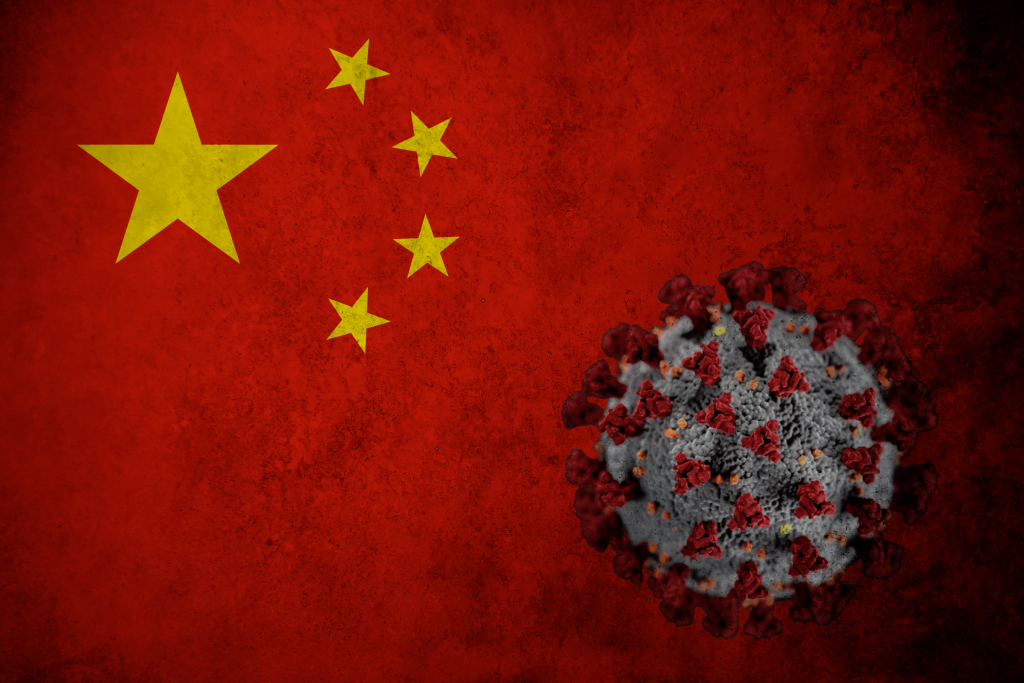
New US Report Rekindles ‘Lab Leak’ Debate over COVID Origins

Once again, the ‘lab leak’ theory of COVID’s origin has returned to the headlines. On Sunday, the Wall Street Journal revealed that a US Department of Energy report had determined that the origin of COVID was ” most likely” an accidental release from a laboratory, according to those who had read the report, though the assessment was with “low confidence”.

Ambassador Nicholas Burns told a US Chamber of Commerce event on Monday that China needs to “be more honest about what happened three years ago in Wuhan with the origin of the Covid-19 crisis”.

China’s foreign ministry countered that COVID’s origin “was about science and should not be politicised”.

The FBI assigned “moderate confidence” to a laboratory origin for the virus, while four other US agencies assigned a “low confidence” to a natural origin. Two others, including the CIA, remained undecided. An update on their views has been provided, apparently due to new information, but has not been made public.

To many scientists, the origin of SARS-CoV-2 has been settled as it has been traced to outbreaks in the Wuhan meat market two weeks before its first detection. A literature analysis published in PNAS concluded that the evidence overwhelmingly favoured a natural origin.

Many other scientists are not convinced by the zoonotic hypothesis. Virologist Jesse Bloom, at the Fred Hutchinson Cancer Center, said the PNAS review’s literature analysis was a good idea – but the zoonosis proponents haven’t provided much new data. “What we’ve seen is mostly reanalysis and reinterpretation of existing evidence.”

The PNAS review started out as a Lancet commission led by Jeffrey Sachs, who disbanded the task force due to a number of members with vested interests against the lab leak hypothesis. Their aim was to gather lessons learnt from the pandemic. The Lancet eventually published its own review, which concluded that there was equal probability for a laboratory or natural origin.

Even so, a continued lack of cooperation from China with international investigators has made it virtually impossible to definitively pinpoint the virus’s emergence. Ultimately, the lesson of past pandemics is that outbreaks can result from either zoonotic origins or from laboratory accidents, both of which are factors which need to be safeguarded against by humans.

Reproductive Factors in Women Linked to Cardiovascular Disease

Source: American Heart Association

An earlier first birth, a higher number of live births, and starting periods at a younger age are all linked to a higher risk of cardiovascular problems in women, according to new research published in the Journal of the American Heart Association. The study, led by Imperial College London researchers, provides evidence for a causal relationship between sex-specific factors and cardiovascular disease in women, and identifies potential ways to mediate this increased risk.

The study is the most comprehensive analysis to date of reproductive factors specific to women and their links to a range of cardiovascular diseases, including atrial fibrillation (irregular heart rate), coronary heart disease, heart failure, and stroke. The researchers hope it will help doctors to better understand and monitor women’s risk factors and intervene where appropriate.

Imperial College London researchers led a team that analysed genetic data linked to women’s age at first birth, their number of live births, age at menarche, and age at menopause. They looked at previous studies involving more than 100 000 women.

Observational research has previously identified that some reproductive factors are associated with cardiovascular disease for women in later life, but such studies are limited as they have been unable to support a causal relationship.

By using a statistical technique called Mendelian Randomization, the researchers were able to show a link between the genes that predict reproductive factors and the risk of multiple cardiovascular diseases. This type of analysis enables researchers to cut through the noise of factors such as diet, economic background and physical activity levels that can otherwise complicate the overall picture, and so it points to causal links.

The analysis showed that earlier first birth, a higher number of live births, and earlier menarche were associated with a higher risk of atrial fibrillation, coronary artery disease, heart failure, and stroke in women. However, it did not find an association between the age of menopause and cardiovascular disease.

The researchers also found that much of the increased risk for earlier menarche resulted from this factor being associated with women having a higher body mass index (BMI). This means that lowering a person’s BMI could help to reduce this risk. The increased risk for earlier first birth could be partly limited by acting on traditional cardiometabolic risk factors, such as BMI, high cholesterol and high blood pressure.

Dr Maddalena Ardissino, lead author of the study, from the National Heart and Lung Institute at Imperial College London, said: “Women are often mischaracterised as being at low risk for cardiovascular disease, leading to delays in diagnosis. Even when they are diagnosed, they tend to receive less targeted treatment than men.

“This study shows a clear link between reproductive factors and cardiovascular disease. This doesn’t mean that women should worry if they’ve had their period at a young age, or if they had an early first birth. Our research shows that the additional risk of cardiovascular disease can be minimised if traditional risk factors like BMI and blood pressure are well-controlled. These findings highlight the need for doctors to monitor these risk factors closely in women and intervene where needed.”

Dr Fu Siong Ng, senior author for the study, said: “Many of the previous studies on cardiovascular disease have focused on men, but our research shows that there are sex-specific factors that influence the risk for women.

“While we cannot say exactly how much these factors increase the risk of cardiovascular disease, our study shows that reproductive history is important and it points towards a causal impact. We need to understand more about these factors to make sure that women get the best possible care.”

Further research is needed to understand the extent of the relationship between reproductive factors and cardiovascular disease risk, such as whether there is a linear or non-linear relationship between a factor and increased risk.

Source: Imperial College London

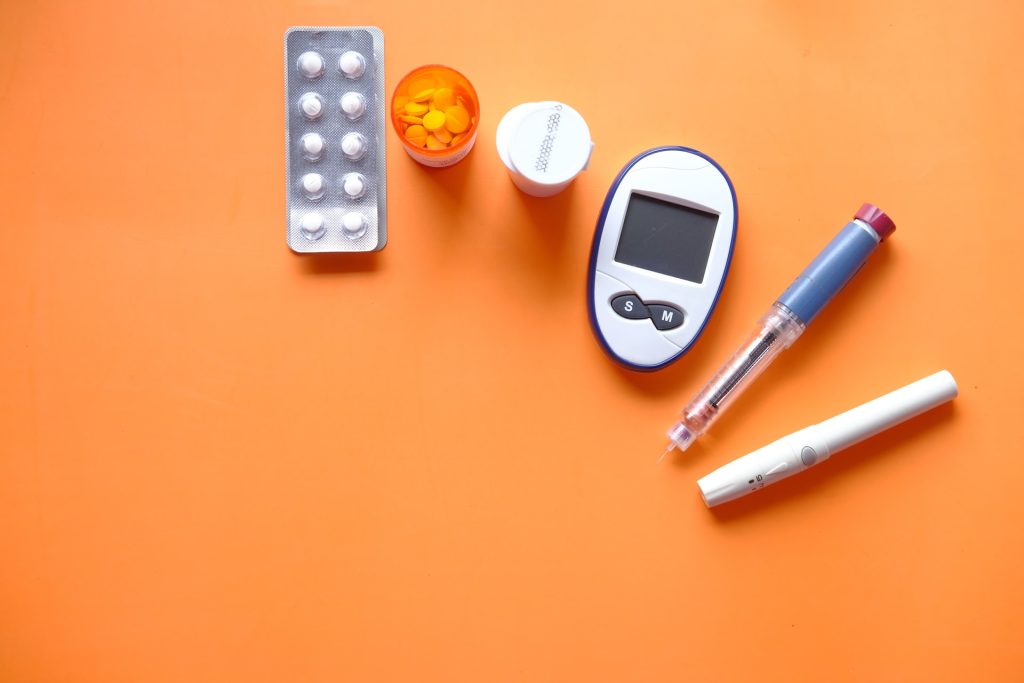
Designs for Insulin Preparations may Have Been Miscalculated for Decades

Photo by Towfiqu Barbhuiya on Unsplash

For diabetics, the makeup of insulin doses – governed by the proportion of insulin molecule clusters present – are crucial for effective treatment. Getting too little or too much insulin can lead to hyperglycaemia or hypoglycaemia. A new study appearing in Communications Biology has discovered that though it is not a danger to patients, an assumption underlying the design of insulin preparations is well off the mark.

The absorption of insulin in the body is controlled by how insulin molecules assemble themselves in clusters. Whereas a single molecule provides rapid action in the body, clusters of six molecules – known as hexamers – are long-acting. For decades, it has been assumed that insulin assembles with a certain distribution of molecular clusters of either one, two or six molecules. Pharmaceuticals have been designed based upon this assumption – but now researchers have discovered that this important point has been wrong for years.

“It is now apparent to us that we’ve gotten things wrong by 200 percent. There are only half as many single molecules in insulin compared to what we thought. Conversely, there are far more six-molecule clusters than we assumed. These experiments were not on animals but were performed on a microscope slide and one should be careful how to interpret their direct application to humans,” says study lead author Professor Nikos Hatzakis of the University of Copenhagen.

He adds: “However, our results may mean that when we believe to be administering a certain dose, it may mean that insulin behaves in a different way than expected and that even better insulin therapeutics can be developed.”

This means that insulin taken by diabetics may not be getting absorbed as expected. Though the researchers stress that it is not outright dangerous for patients, there is potential for designing more precise medicines.

From a crude model to detailed view

“Insulin preparations have only gotten better and better over the years, and a great many diabetics are well regulated. However, the development of insulin preparations has been based on a certain assumption about how the molecules assemble. With the crude standard model, this process was never been appreciated at a detailed level. That’s what we can do,” says the study’s other lead author, Professor Knud J. Jensen, of the Department of Chemistry. 

“This doesn’t mean that current insulin medications are bad or that patients have been medicated wrongly. But we now have a basic understanding of how insulin behaves and how much could be available to the body as rapid-acting medication. We now have the right method for providing us with accurate figures. We hope that the industry will use this or a similar tool – both to check current insulin preparations and to develop new ones,” adds Nikos Hatzakis.

The research results were achieved through a mix of chemistry, machine learning, simulations and advanced microscopy. The Department of Chemistry researchers began by directly observing the process in which each insulin molecule joins forces with other molecules to assemble into clusters. This allowed them to see how fast each cluster forms. The researchers looked at about 50 000 clusters.

Knowing the exact distribution of different clusters in a given amount of insulin is fundamental when developing medications that need to have either short- or long-acting effects in the body:

“The clustering of insulin is incredibly important for how preparations work. Because the difference between a rapid- and slow-acting insulin preparation is dependent upon how quickly the molecules assemble in clusters and how quickly they disassemble. Access to highly advanced equipment makes it relatively simple and fast to gain insight into exact concentrations, knowledge that at the same time, is also quite sophisticated,” says lead author Freja Bohr, a PhD fellow in Nikos Hatzakis’ research group at the Department of Chemistry. 

Improving insulin preparations

In addition to the different distribution of molecular clusters, the observations also show that cluster formation is a much more complex process than once presumed. The clusters can both grow and shrink at far more different intervals than previously supposed.

“Without being able to say exactly how just yet, this should make it possible to expand the number of ways in which preparations are designed. This could lead to an insulin with a different effect profile that reduces the fluctuations in patients’ blood sugar – which remains a major challenge,” says Freja Bohr.

Source: University of Copenhagen

Tackling the Challenges of Lysosomal Storage Diseases Diagnosis and Treatment

Source: NCI

A disease is defined as ’rare’ when it affects fewer than 1 in 2000 people,and there are currently more than 7000 known rare diseases (lysosomal storage diseases), affecting more than 300 million people worldwide.1-2 Most (70–80%) lysosomal storage diseases are genetic and inherited, while some may be acquired, and 70% are exclusively paediatric in onset.2

Patients with lysosomal storage diseases present unique challenges to healthcare professionals (HCPs), including diagnostic delays and a lack of information, expertise, and treatment options for many lysosomal storage diseases. Appropriate referrals to specialists, timely diagnosis and treatment, coordinated cross-functional care, and assisting patients in obtaining the proper support are vital roles for HCPs in enhancing quality of life for lysosomal storage disease patients and their families.3,4

Monique Nel, Medical Advisor – Rare Diseases at Sanofi, says: “We understand that HCPs may face difficulties when it comes to the diagnosis of a lysosomal storage disease, and that a coordinated approach to diagnosis and care for people living with lysosomal storage diseases is needed. Lysosomal storage diseases deserve the same amount of time, resources and dedication to finding effective treatments and therapies as any other condition. This is a mission that Sanofi strives to uphold every day, to help HCPs to improve diagnosis, especially as we are starting to see more patients diagnosed with lysosomal storage diseases in both the public and private sectors.”

“Sanofi is focused on education around innovative treatment and research efforts that improve real-world outcomes, investing in education and research to better manage and understand these conditions, and identifying areas requiring more attention,” says Nel.

In the 10 years of its existence, patient advocacy group Rare Diseases SA has made great strides in advocacy for lysosomal storage disease patients. Founder and CEO, Kelly du Plessis, says: “We need to acknowledge that local doctors and healthcare practitioners may have limited knowledge and experience of lysosomal storage diseases. What we would like to see is that they are upskilled on the following three aspects: knowing that lysosomal storage diseases exist, knowing the impact that these have on the patient, and knowing where to refer a patient who they think may have a rare condition. If we can tick these three boxes, great strides will have been made for the diagnostic odyssey that patients with lysosomal storage diseases go through.”

Says du Plessis: “Most importantly, we need a lysosomal storage disease policy to be recognised and enforced in SA, and we need National Treasury to assign a budget to treat these patients so that once an official diagnosis is made, they can receive immediate care. There is also a need for mechanisms to escalate product registration where there are no existing products or alternatives available for lysosomal storage disease patients.”

Partnerships with various stakeholders are paramount in terms of bringing innovative medicines and access to treatment to lysosomal storage disease patients. Says Nel: “For more than 40 years, Sanofi has been a pioneer in science and innovation, rallying its people and resources to help improve the lives of those living with lysosomal storage diseases. Through its commitment to faster diagnoses, innovative treatments, sustainable access and integrated support along the patient journey, Sanofi strives to enable more fulfilling futures.”

Sanofi continues to build on its scientific understanding and strives to develop more therapies with the potential to improve the lives of those living with lysosomal storage diseases and beyond.Says Nel: “Sanofi’s lysosomal storage disease patient registries represent one of the largest collections of real-world data for lysosomal storage diseases amassed over the past 30 years. It has a presence in 65 countries, with more than 920 participating sites and over 18,000 patients enrolled. These registries help researchers to publish the latest information on real-world outcomes, showcasing innovative treatments and ongoing research for people living with lysosomal storage diseases.”

Sanofi also has a Rare Humanitarian Programme, which has been running for 32 years and provides humanitarian support to people living with lysosomal storage diseases.Says Nel: “This isan integral part of Sanofi’s mission to develop sustainable healthcare systems, increase access, and improve standards of care for lysosomal storage diseases worldwide. Over 1,000 people in over 70 countries are currently receiving access to free therapy.6

“By building meaningful connections with all stakeholders through various platforms, we continuously strive to transform the practice of medicine, sharing experiences and breaking down barriers,” says Nel.

A useful resource for HCPs and patients is the list of lysosomal storage diseases maintained by the Genetic and Rare Diseases Information Center (GARD) of the US National Institutes of Health.7           

References

1.   NIH. Genetic and Rare Disease Information Center. FAQs About Rare Diseases. Available at: https://rarediseases.info.nih.gov/diseases/pages/31/faqs-about-rare-diseases. Accessed January 2022.

2.   Nguengang Wakap S, Lambert DM, Olry A, et al. Estimating cumulative point prevalence of rare diseases: analysis of the Orphanet database. Eur J Hum Genet 2020;28:165–173.

https://doi.org/10.1038/s41431-019-0508-0.

3.    Elliott E, Zurynski Y. Rare diseases are a ‘common’ problem for clinicians. Aust Fam Physician. 2015 Sep;44(9):630. http://www.ncbi.nlm.nih.gov/pubmed/26488039.

4.    Dudding-Byth T. A powerful team: the family physician advocating for patients with a rare disease. Aust Fam Physician. 2015 Sep;44(9):634. http://www.ncbi.nlm.nih.gov/pubmed/26488040. NIH.

5.   Sanofi Your Health webpage. Rare Disease. https://www.sanofi.com/en/your-health/specialty-care/rare-diseases. Accessed February 2023.

6.   Sanofi. The Sanofi Genzyme Rare Humanitarian Program turns 30. Available at: https://www.sanofi.com/en/about-us/our-stories/the-sanofi-genzyme-rare-humanitarian-program-turns-30. Accessed February 2023.

7.   Genetic and Rare Disease Information Center. Browse by disease. Available at: https://rarediseases.info.nih.gov/diseases. Accessed February 2023.

Budget: Decision Not to Raise the Sugar Tax ‘Puts Profits Ahead of People’ Say Activists

The flash mob by HEALA featured a choreographed dance in which learners pretended to refuse sugary drinks. Photo: Ashraf Hendricks

By Daniel Steyn for GroundUp

Health activists demonstrating in Cape Town for a rise in the tax on sugary drinks were disappointed by Finance Minister Enoch Godongwana’s announcement in his Budget speech that the tax would be frozen for two years. Godongwana said this was “due to the difficult operating environment for the sugar industry from the impact of flooding and social unrest.”

The tax on sugary drinks was first introduced in 2018 to reduce consumption. The tax is imposed on drinks with more than 4g of sugar per 100ml. Research from the University of the Witwatersrand in 2021 showed that it has been effective in reducing the consumption of sugar-sweetened drinks.

HEALA, a coalition of organisations focused on nutrition, organised a flash mob in the Cape Town city centre ahead of the Finance Minister’s Budget Speech on Wednesday, advocating for an increase in the sugary drinks tax. They want the tax to be increased from 11% to 20%, following the guidance of the World Health Organisation.

The flash mob was part of HEALA’s “Less Sugar, More Life” campaign, and featured school pupils from Cape Town in a dance.

“We don’t even notice how much sugar we are drinking in sugary drinks and it’s harmful to our health. I want other young people to know that it’s dangerous,” said one of the dancers, Enkosi Stofile.

“The announcement by the Finance Minister, coupled with ineffective increases on other health taxes such as alcohol and tobacco, is a direct attack on the lives of millions of people at risk of serious health conditions such as diabetes, cardiovascular diseases and cancer,” said Nzama Mbalati, HEALA’s Programmes Manager.

Mbalati said there was no rationale for the decision to maintain the rate of tax on sugary drinks. “This decision is not in the interest of ordinary people. Instead, it puts profits ahead of people.”

About 10 000 new cases of diabetes are reported in South Africa each month, according to the International Diabetes Federation. Up to 70% of women and 39% of men are obese or overweight. Sugar is a cause of obesity and tooth decay, and is linked to a range of other non-communicable diseases. The national budget for 2023, tabled by Godongwana in parliament today, includes a R200-million reduction in health spending this year.

Before the budget speech, News24 reported that the South African Sugar Association said 6000 jobs could be lost if the tax was increased. SASA also said 9,000 jobs had already been lost since the levy was introduced.

However, in the aftermath of a fraud scandal at Tongaat Hulett, South Africa’s largest sugar producer, in 2018, 5,000 workers were served with retrenchment letters.

Disclosure: Community Media Trust does work for HEALA. GroundUp was once a project of Community Media Trust and still has a close relationship with Community Media Trust.

Republished from GroundUp under a Creative Commons Attribution-NoDerivatives 4.0 International License.

Source: GroundUp