University of South Australia researchers are calling for exercise to be a mainstay approach for managing depression as a new study shows that physical activity is 1.5 times more effective than counselling or the leading medications.
Published in the British Journal of Sports Medicine, the review is the most comprehensive to date, encompassing 97 reviews, 1039 trials and 128 119 participants. It shows that physical activity is extremely beneficial for improving symptoms of depression, anxiety, and distress.
Specifically, the review showed that exercise interventions that were 12 weeks or shorter were the most effective at reducing mental health symptoms, highlighting the speed at which physical activity can make a change.
The largest benefits were seen among people with depression, pregnant and postpartum women, healthy individuals, and people diagnosed with HIV or kidney disease.
Lead UniSA researcher, Dr Ben Singh, says physical activity must be prioritised to better manage the growing cases of mental health conditions.
“Physical activity is known to help improve mental health. Yet despite the evidence, it has not been widely adopted as a first-choice treatment,” Dr Singh says.
“Our review shows that physical activity interventions can significantly reduce symptoms of depression and anxiety in all clinical populations, with some groups showing even greater signs of improvement.
“Higher intensity exercise had greater improvements for depression and anxiety, while longer durations had smaller effects when compared to short and mid-duration bursts.
“We also found that all types of physical activity and exercise were beneficial, including aerobic exercise such as walking, resistance training, Pilates, and yoga.
“Importantly, the research shows that it doesn’t take much for exercise to make a positive change to your mental health.”
Senior researcher, UniSA’s Prof Carol Maher, says the study is the first to evaluate the effects of all types of physical activity on depression, anxiety, and psychological distress in all adult populations.
“Examining these studies as a whole is an effective way for clinicians to easily understand the body of evidence that supports physical activity in managing mental health disorders.
“We hope this review will underscore the need for physical activity, including structured exercise interventions, as a mainstay approach for managing depression and anxiety.”
New research published in Neurologymay explain why migraine attacks are more common during menstruation. The researchers found that, as oestrogen levels fluctuate, for female migraine sufferers, levels of the protein calcitonin gene-related peptide (CGRP) that plays a key role in starting the migraine process also fluctuate.
“This elevated level of CGRP following hormonal fluctuations could help to explain why migraine attacks are more likely during menstruation and why migraine attacks gradually decline after menopause,” said study author Bianca Raffaelli, MD, of Charité – Universitätsmedizin Berlin. “These results need to be confirmed with larger studies, but we’re hopeful that they will help us better understand the migraine process.”
The matched cohort study involved three groups of female participants with episodic migraine, all with least three days with migraine in the month before the study. The groups were those with a regular menstrual cycle, those taking oral contraceptives, and those who had gone through menopause. Each group had 30 people, for a total of 180, and were age-matched to women without migraine history.
Researchers collected blood and tear fluid to determine CGRP levels. In those with regular menstrual cycles, the samples were taken during menstruation when oestrogen levels are low and around the time of ovulation, when levels are the highest. In those taking oral contraceptives, samples were taken during the hormone-free time and the hormone-intake time. Samples were taken once from postmenopausal participants at a random time.
The study found that female participants with migraine and a regular menstrual cycle had higher CGRP concentrations during menstruation than those without migraine. Those with migraine had blood levels of 5.95 picograms per millilitre (pg/ml) compared to 4.61pg/ml for those without migraine. For tear fluid, those with migraine had 1.20ng/ml compared to 0.4ng/ml for those without migraine.
In contrast, those taking oral contraceptives or were postmenopausal had similar CGRP levels in the migraine and non-migraine groups.
“The study also suggests that measuring CGRP levels through tear fluid is feasible and warrants further investigation, as accurate measurement in the blood is challenging due to its very short half-life,” Raffaelli said. “This method is still exploratory, but it is non-invasive.”
Raffaelli noted that while hormone levels were taken around the time of ovulation, they may not have been taken exactly on the day of ovulation, so the fluctuations in oestrogen levels may not be fully reflected.
Although males and females are equally impacted by stroke, there are differences in recovery. Since oestrogen and progesterone have known neuroprotective effects, it is important to gauge their effects in stroke recovert. In a paper published in IBRO Neuroscience Reports, researchers have discovered differences between biomarkers such as glycogen levels in the brains of male and female mice.
“A stroke is caused by a loss of blood flow to brain cells. Without urgent intervention this may cause those cells to die because they constantly need energy and nutrients from the blood,” said Prof Nicole Sylvain, clinical research coordinator and lab manager at the University of Saskatchewan.
Sylvain and her colleagues are looking at treatments for post-stroke recovery that help supplement these energy losses. Using the Canadian Light Source (CLS) at the University of Saskatchewan (USask), the team was able to identify energy biomarkers in the brain, which could eventually inform clinicians about the effects of potential stroke treatments on brain recovery after a stroke.
The group’s recent study examined post-stroke differences between male and female mice, and found that female mice have higher amounts of glycogen in their brains. When the supply of glycogen is disrupted by stroke, the brain is severely impacted.
Most pre-clinical stroke research has been performed using male lab animals, with results usually generalised to both sexes. In clinical stoke cases, females have a higher incidence of ischaemic stroke and poorer outcomes, compared to males.
“We found that, for the most part, male data can be generalised for females, however, some of the metabolic markers we measured were actually different,” Sylvain said. “It’s really important to do the research on both sexes.”
It would be impossible for the team to detect the biomarkers without to the Mid-IR beamline.
“The only way to detect them in such an accurate way across the brain is with infrared imaging, so the CLS has been absolutely vital to our research.”
Fasting may be detrimental to fighting off infection, and could lead to an increased risk of heart disease, suggests a new study published in Immunity. The research in mouse models, shows that skipping meals triggers a response in the brain that negatively affects immune cells. The results could lead to a better understanding of how chronic fasting may affect the body long term.
“There is a growing awareness that fasting is healthy, and there is indeed abundant evidence for the benefits of fasting. Our study provides a word of caution as it suggests that there may also be a cost to fasting that carries a health risk,” says lead author Filip Swirski, PhD, Director of the Cardiovascular Research Institute at Icahn Mount Sinai. “This is a mechanistic study delving into some of the fundamental biology relevant to fasting. The study shows that there is a conversation between the nervous and immune systems.”
As part of a larger study on different fasting times affect the immune systems, researchers focused on the role of breakfast. They fed one group of mice breakfast right after waking up (breakfast is their largest meal of the day), and the other group had no breakfast. Researchers collected blood samples in both groups when mice woke up (baseline), then four hours later, and eight hours later.
Analysing the blood work, researchers saw a difference in the number of monocytes, which are white blood cells that are made in the bone marrow and travel through the body, where they play many critical roles, from fighting infections, to heart disease, to cancer.
At baseline, all mice had the same amount of monocytes. But after four hours, monocytes in mice from the fasting group were dramatically affected. Researchers found that 90% of these cells disappeared from the bloodstream, and the number further declined at eight hours. Meanwhile monocytes in the non-fasting group were unaffected.
In fasting mice, researchers discovered the monocytes travelled back to the bone marrow to hibernate. At the same time, production of new cells in the bone marrow diminished. The normally short-lived monocytes in the bone marrow survived longer as a consequence of staying in the bone marrow, and aged differently than the monocytes that stayed in the blood.
The researchers continued to fast mice for up to 24 hours, and then reintroduced food. The cells hiding in the bone marrow surged back into the bloodstream within a few hours, provoking heightened level of inflammation. Instead of protecting against infection, these altered monocytes were more inflammatory, making the body less resistant to fighting infection.
Researchers found that specific regions in the brain controlled the monocyte response during fasting. This study demonstrated that fasting elicits a stress response in the brain (feeling ‘hangry’) and this instantly triggers a large-scale migration of these white blood cells from the blood to the bone marrow, and then back to the bloodstream shortly after food is reintroduced.
Dr Swirski emphasised that while there is also evidence of the metabolic benefits of fasting, this new study is a useful advance in the full understanding of the body’s mechanisms.
“The study shows that, on the one hand, fasting reduces the number of circulating monocytes, which one might think is a good thing, as these cells are important components of inflammation. On the other hand, reintroduction of food creates a surge of monocytes flooding back to the blood, which can be problematic. Fasting, therefore regulates this pool in ways that are not always beneficial to the body’s capacity to respond to a challenge such as an infection,” explains Dr Swirski. “Because these cells are so important to other diseases like heart disease or cancer, understanding how their function is controlled is critical.”
Excess weight or obesity raises mortality risk by between 22% to 91%, a significantly higher rate than previously believed, while the mortality risk of being slightly underweight has likely been overestimated, according to new research published in the journal Population Studies.
The analysis of nearly 18 000 participants counters prevailing wisdom that excess weight boosts mortality risk only in extreme cases, and it also challenges the use of body mass index (BMI) to investigate health outcomes due to its inherent biases. After accounting for those biases, it estimates that about 1 in 6 deaths in the US are related to excess weight or obesity.
“Existing studies have likely underestimated the mortality consequences of living in a country where cheap, unhealthy food has grown increasingly accessible, and sedentary lifestyles have become the norm,” said author Ryan Masters, associate professor of sociology at CU Boulder. “This study and others are beginning to expose the true toll of this public health crisis.”
Challenging the obesity paradox
While numerous studies show that heart disease, high blood pressure and diabetes (which are often associated with being overweight) elevate mortality risk, very few have shown that groups with higher BMIs have higher mortality rates.
Instead, in what some call the “obesity paradox,” most studies show a U-shaped curve: Those in the “overweight” category (BMI 25–30) surprisingly have the lowest mortality risk. Those in the “obese” category (30–35) have little or no increased risk over the so-called “healthy” category (18.5–25). And both the “underweight” (< 18.5) and extremely obese (> 35) are at increased risk of death.
“The conventional wisdom is that elevated BMI generally does not raise mortality risk until you get to very high levels, and that there are actually some survival benefits to being overweight,” said Masters, a social demographer who has spent his career studying mortality trends. “I have been suspicious of these claims.”
He noted that BMI, which doctors and scientists often use as a health measure, is based on weight and height only and doesn’t account for differences in body composition or how long a person has been overweight.
“It’s a reflection of stature at a point in time. That’s it,” said Masters, noting that Tom Cruise (at 170cm and an extremely muscular 91kg at one point), had a BMI of 31.5, famously putting him in the category of “obese.” “It isn’t fully capturing all of the nuances and different sizes and shapes the body comes in.”
Taking these nuances, Masters accessed data from the National Health and Nutrition Examination Survey (NHANES) the from 1988 to 2015, analysing 17 784 people, including 4468 deaths.
He discovered that a full 20% of the sample characterised as “healthy” weight had been in the overweight or obese category in the decade prior. When set apart, this group had a substantially worse health profile than those in the category whose weight had been stable.
Masters pointed out that a lifetime carrying excess weight can lead to illnesses that, paradoxically, lead to rapid weight loss. If BMI data is captured during this time, it can skew study results.
“I would argue that we have been artificially inflating the mortality risk in the low-BMI category by including those who had been high BMI and had just lost weight recently,” he said.
Meanwhile, 37% of those characterised as overweight and 60% of those with obese BMI had been at lower BMIs in the decade prior. Notably, those who had only recently gained weight had better health profiles.
“The health and mortality consequences of high BMI are not like a light switch,” said Masters. “There’s an expanding body of work suggesting that the consequences are duration-dependent.”
By including people who had spent most of their life at low-BMI weight in the high-BMI categories, previous studies have inadvertently made high BMI look less risky than it is, he said.
When he looked at differences in fat distribution within BMI categories, he also found that variations made a huge difference in reported health outcomes.
Exposing a public health problem
Collectively, the findings confirm that studies have been “significantly affected” by BMI-related bias.
When re-crunching the numbers without these biases, he found not a U-shape but a straight upward line, with those with low BMI (18.5–22.5) having the lowest mortality risk.
Contrary to previous research, the study found no significant mortality risk increases for the “underweight” category.
Previous studies attributed 2 to 3% of UA adult deaths to high BMI, but his study estimates an eight times higher rate.
Masters said he hopes the research will alert scientists to be “extremely cautious” when making conclusions based on BMI. But he also hopes the work will draw attention to what he sees not as a problem for individuals alone to solve but rather a public health crisis fuelled by an unhealthy or “obesogenic” environment in the US.
“For groups born in the 1970s or 1980s who have lived their whole lives in this obesogenic environment, the prospects of healthy aging into older adulthood does not look good right now,” he said. “I hope this work can influence higher-level discussions about what we as a society can do about it.”
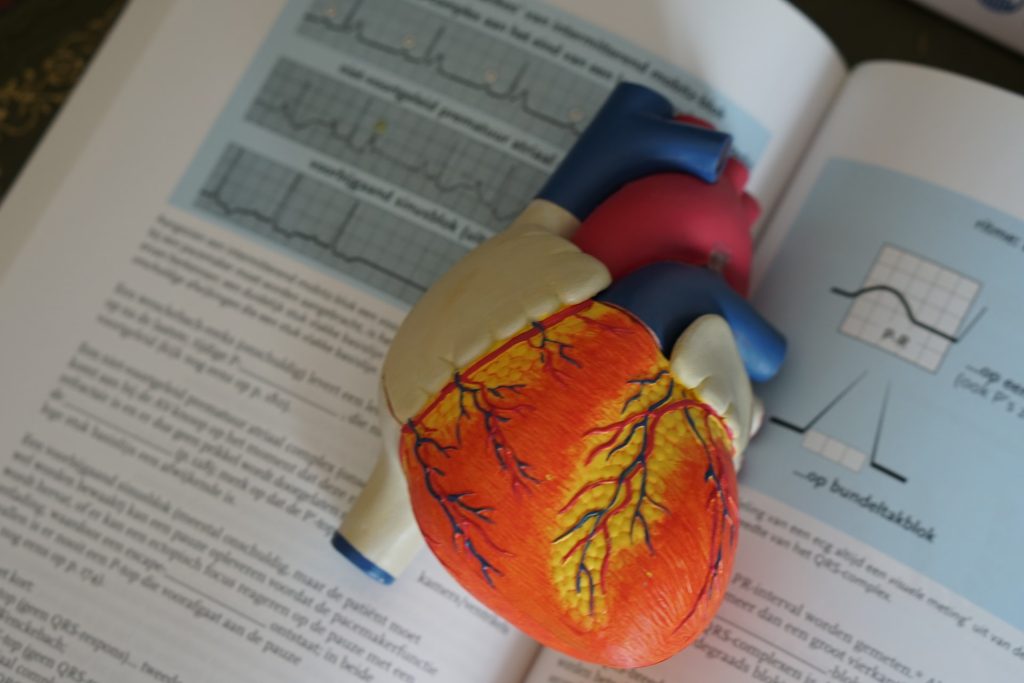
Serotonin can impact the mitral valve of the heart and potentially accelerate a cardiac condition known as degenerative mitral regurgitation, according to a new study published in Science Translational Medicine.
Degenerative mitral regurgitation
Degenerative mitral regurgitation (DMR) is one of the most common heart valve diseases. The mitral valve is located between the left atrium and left ventricle of the heart, and normally it closes tightly when the heart contracts to prevent blood from leaking back into the left atrium.
In DMR, the mitral valve shape is distorted, preventing complete closure. This allows blood to leak back toward the lungs (regurgitation), limiting the amount of oxygen-rich blood moving through the heart to the rest of the body.
As a result, DMR can bring about symptoms like fatigue and shortness of breath. Because of the reduced efficiency in circulation, the heart has to work harder, which over time causes permanent damage. This can lead to a number of serious and life-threatening cardiac issues, including atrial fibrillation and heart failure.
Currently, there is no treatment for mitral valve degeneration. “Certain medications can ease the symptoms and prevent complications, but they do not treat the mitral valve,” says co-lead researcher, Columbia University’s Giovanni Ferrari, PhD. “If the degeneration of the mitral valve becomes severe, surgery to repair or replace the valve is needed.”
The role of serotonin
Serotonin plays a part in a wide range of body functions, including emotional state, digestion, sleep, memory, and blood-clotting. Serotonin’s role as a neurotransmitter aids mood regulation; lower levels of serotonin are associated with anxiety and depression.
Serotonin binds to specific receptors on the surface of a cell, sending a signal to the cell to act accordingly. A protein known as the serotonin transporter (SERT or 5-HTT) moves serotonin into the cell to be reabsorbed and recycled, a process known as serotonin reuptake.
Medications called selective serotonin reuptake inhibitors (SSRIs) bind to the SERT to reduce serotonin reuptake, allowing serotonin to remain available for longer periods. This increased serotonin availability can help improve symptoms of mood disorders. SSRIs are some of the most widely prescribed types of antidepressants and include well-known medications like fluoxetine (Prozac) and sertraline (Zoloft).
Study design
The study examined clinical data from more than 9000 patients who had undergone valve repair or replacement surgery for DMR and evaluated 100 mitral valve biopsies. “Studying the data of these patients, we found that taking SSRIs was associated with severe mitral regurgitation that needed to be treated with surgery at a younger age than for patients not taking SSRIs,” says Ferrari.
The researchers also studied in vivo mouse models using transgenic mice lacking the SERT gene and normal mice. They discovered that mice without a SERT gene developed thicker mitral valves and that normal mice treated with high doses of SSRIs also developed thickened mitral valves.
Using genetic analysis, the researchers identified genetic variants in the SERT gene region 5-HTTLPR that affect SERT activity. They found that a “long” variant of 5-HTTLPR makes SERT less active in the mitral valve cells, especially when there are two copies (one maternal and one paternal). DMR patients with the “long-long” variant needed mitral valve surgery more often than those with other variants.
Mitral valve cells from DMR patients with the “long-long” variant were more prone to react to serotonin by producing more collagen, changing the shape of the mitral valve. Additionally, mitral valve cells with the “long-long” variant of 5-HTTLPR were more sensitive to fluoxetine than those with other variants.
Implications for MVD patients
The study indicates that for DMR patients with the “long-long” variant, taking SSRIs lowers SERT activity in the mitral valve. The researchers suggest testing DMR patients for potential low SERT activity by genotyping them for 5-HTTLPR, which can be determined easily from a DNA sample obtained from the blood or a mouth swab. “Assessing patients with DMR for low SERT activity may help identify patients who may need mitral valve surgery earlier,” says Ferrari. “Promptly fixing a mitral valve that is very leaky would protect the heart and could prevent congestive heart failure.”
The researchers did not find a negative effect with normal doses of SSRIs or the “long-long” variant in cells from healthy human mitral valves. “A healthy mitral valve can probably stand low SERT activity without deforming,” says Ferrari. “It is unlikely that low SERT can cause degeneration of the mitral valve by itself. SSRIs are generally safe for most patients. Once the mitral valve has started to degenerate, it may be more susceptible to serotonin and low SERT.”
Additional research may help determine if DMR patients who respond well to SSRIs should be regularly seen to assess progression of mitral degeneration, and whether DMR patients who are not responding well to SSRIs should consider switching to a non-SSRI antidepressant rather than raising the dose of the SSRI.
Analysing an infant’s genome has allowed scientists to find a new way genetics influences the body’s antiviral response by studying a life-threatening disease caused by a common virus: herpes simplex virus 1 (HSV-1). The findings, published in Science Immunology, hold potential as a genetic marker doctors could use to gauge a child’s risk of herpes encephalitis, although such mutations are generally very rare in the population.
The researchers analysed genetic data from a patient with immunodeficiency and hospitalised at nine months old with herpes encephalitis, a rare but life-threatening brain inflammation after HSV-1 infection. They identified novel mutations in the gene GTF3A, and found that these mutations impair the innate immune response.
Many people are infected in childhood with the HSV-1 virus but the vast majority don’t suffer from encephalitis. The most common symptom of HSV-1 is oral cold sores, but many people show no signs at all. HSV-1 is more threatening to children and adults who are immunodeficient, whose immune system cannot control the virus well.
“Genetic and mechanistic analyses of uncommon viral diseases like herpes encephalitis are quite rare. In fact, the causes underlying severe herpes encephalitis are often unknown,” says Michaela Gack, PhD, FRIC’s scientific director. “This information provides us with invaluable insight into the fundamental molecular processes that govern our immune response and opens up opportunities for future research on severe disease outcomes.”
The Ghent research team led by Filomeen Haerynck, MD, PhD, reached out to Dr Gack’s team after finding the mutations in the gene. Dr Gack’s lab studies interactions between the human immune system and viruses on a molecular level.
The GTF3A mutations shape how cells respond to viral activity through the genetic makeup of a protein called TFIIIA. TFIIIA plays a role in helping a human enzyme produce certain types of RNA that can determine specific functions inside cells. Some RNAs can elicit an anti-herpes viral immune response.
Dr Gack’s team tested cells that have the mutations, and found that because of defects in certain immunostimulatory RNAs, the cells were more susceptible to HSV-1 infection and lost the ability to control the HSV-1 virus.
The affected gene is part of the body’s defence system that produces interferons to combat viruses. Interferons are crucial to the human immune response and for suppressing virus infection and spread.
This new genetic pathway could be helpful in understanding the immune response to other viruses, like Epstein-Barr virus, a common virus linked to mononucleosis and associated with certain types of cancer and multiple sclerosis.
“Understanding the molecular processes underlying antiviral responses is key to treating or possibly preventing severe viral infections that change patients’ and families’ lives,” Dr Gack said. “Our findings on critical immune defence proteins may translate into new therapies in the future.”
The immune systems of preterm babies are especially weak, making them more vulnerable to infection. A new study published in JCI Insight suggests that this vulnerability instead stems from an immune signalling pathway being suppressed, perhaps due to a requirement for it for successful foetal development in utero.
The earlier babies are born, the higher the risk of life-threatening complications. Infections can lead to sepsis and are among the most frequent causes of death.
“In the case of very prematurely born infants, a bacterial infection can lead to death within hours,” says LMU physician Prof Markus Sperandio. The physiologist and former paediatrician and neonatologist researches the causes of this high susceptibility to infection together with his team at LMU’s Biomedical Center Munich. Now the researchers have demonstrated that an immunostimulatory signalling pathway is suppressed in the developing immune system.
In preterm infants, neutrophils ‘turned off‘
Sperandio had already shown in earlier studies that, in the foetus and in newborns, neutrophils do not work as in adults. Unlike in adults, foetal and neonatal neutrophils do not manage to sufficiently attach to the walls of blood vessels and extravasate into inflamed tissue. This is necessary, however, to trigger an inflammatory response and thus initiate immune defence.
Now the LMU researchers, working in collaboration with the Children and Women’s Clinic at University of Munich Hospital, have investigated which mechanisms are behind this immaturity. By means of a so-called transcriptomic analysis, they compared the gene activity of neutrophils in umbilical cord blood of premature and full-term babies with adult neutrophils. Compared to adults, there is a lot of gene activity in premature and full-term infants that counteracts immune defence. “In this case, these neutrophils act as if they were switched off,” says Sperandio.
Balance shift of immunoregulatory signalling pathways
This particularly affects signals transmitted via the NF-κB signalling pathway, which plays a decisive role in immune and inflammatory responses. It consists of two possible pathways for signals: one that promotes inflammation and one that can suppress it. Therefore, the activity of these two pathways must be finely balanced for proper regulation of the immune response.
“Our experiments have shown that this balance is shifted towards the anti-inflammatory pathway in foetal and neonatal neutrophils,” says Sperandio. “Whereas this regulation of neutrophil function is clearly a requirement for normal foetal growth in utero, it leads to immune defence problems in prematurely born infants who have to adapt ‘too soon’ to the world outside the uterus.” To what extent these findings will be a springboard for new therapeutic approaches in the future remains to be seen. “Due to the complex processes in the growing foetal and neonatal organism, maturation-adapted therapies are conceivable but remain a long way off at this stage,” says Sperandio.
In a study of 5589 US adults aged 65 years and older, persistent pain was common and was linked to meaningful declines in physical function and well-being over 7 years. Reporting in the Journal of the American Geriatrics Society, investigators found that 38.7% of participants reported persistent pain, and 27.8% reported intermittent pain. (“Persistent pain” was defined as being bothered by pain in the last month in two consecutive annual interviews and “intermittent” pain was defined as bothersome pain in one interview only.)
More than one-third of participants described pain in five or more sites. Over the subsequent 7 years, participants with persistent pain were more likely to experience declines in physical function (64% persistent pain, 59% intermittent pain, 57% no bothersome pain) and well-being (48% persistent pain, 45% intermittent pain, 44% no bothersome pain), but were not more likely to experience cognitive decline (25% persistent pain, 24% intermittent pain, 23% no bothersome pain).
“The findings from this study point to the importance of access to effective treatment for persistent pain in older adults and the need for additional research in chronic pain to optimise quality of life,” said lead author Christine Ritchie, MD, MSPH, of Massachusetts General Hospital.
Despite being one of the most common non-communicable diseases globally and there being highly effective treatments for it, asthma is often not well controlled in many low-resource settings, according to a cross-sectional study recently published in the Lancet medical journal.
Closer to home, the Global Asthma Report from 2022 showed that there has been an increase in severe asthma symptoms among adolescents in Cape Town over the last few years. There is little data available for the rest of the country, which makes comparisons with other South African cities very tricky.
‘Disproportionate number of children have severe asthma’
Dr Ahmed Ismail Manjra, a paediatrician and allergologist at the Allergy and Asthma Centre in Durban, tells Spotlight that globally more children than adults have asthma. The centre is in the Life Westville Hospital and provides specialist services to adults and children with asthma or allergic disorders.
“Asthma is quite common in children. It is estimated [globally] that one in ten children have asthma, and in adults, the prevalence is less than in children,” he says. “But the problem is that in South Africa we see a disproportionate number of children with severe asthma. And what has been shown is that over the years the prevalence of asthma is rising, and the severity is rising.” (For more on what asthma is and how it is treated in South Africa’s public sector, see this Spotlight article from December 2022.)
Impact of undiagnosed uncontrolled asthma
The impact of undiagnosed or uncontrolled asthma on children is huge. First, according to Professor Refiloe Masekela, Paediatric Pulmonologist and the Head of Department of Paediatrics and Child Health at the University of KwaZulu-Natal, the symptoms are very noticeable, which can affect children socially. Secondly, a child with undiagnosed asthma will miss school because of their symptoms and be unable to participate in school activities like sport. They will also become less active because exercise may trigger symptoms, which have further effects on their health.
Another implication of uncontrolled asthma, according to Manjra, is poor sleep quality, which can impact a child’s academic performance.
“And in severe asthma without proper treatment, it can lead to recurrent admissions to hospital. This places a burden on the healthcare system, which can be easily prevented by proper management of asthma. And of course, in a small percentage of cases where the asthma is not well controlled, it can also lead to fatality,” he says.
Manjra urges parents to take their children to be checked for asthma if they have recurrent respiratory symptoms.
“The asthma treatment is extremely effective, very safe as well, [and] they have very few side effects. Parents should not be afraid to use asthma treatments to control their children’s asthma,” he says. “Although we don’t have a cure for asthma, we do have medicines that can control it and give better quality of life.”
Asthma trends in children: what the data says
Masekela explains that the data published in the Global Asthma Report is published by the Global Asthma Network (GAN), which consists of a network of centres across the world – including three in South Africa – that contribute data on asthma in their regions every few years.
This data collection effort started with the ISAAC one and ISAAC three studies (International Studies of Asthma and Allergens in Children). The GAN centre in Cape Town contributed data to ISAAC I in 1995 and for ISAAC III data was collected in Cape Town in 2002 and Polokwane in 2004-2005 where adolescents were also included.
According to Masekela, the latest study collecting data on asthma was the Global Asthma Network (GAN) Phase one study, to which the Cape Town centre contributed. Masekela says the data from the ISAAC studies – ISAAC 1 and ISAAC 3 as well as GAN is available in South Africa only for Cape Town.
This means that it is possible to compare trends in childhood asthma in Cape Town over a longer time period, and data from ISAAC 3 can be used to compare Polokwane and Cape Town. But there isn’t current data collected by the GAN to give a clear picture of childhood asthma in the other cities and provinces.
In the 2022 Global Asthma report changes among the prevalence of asthma symptoms – measured as a 12-month prevalence rate of wheezing among adolescents aged 13 to14 – showed that in ISAAC 1, 16% of the around 5 000 adolescents surveyed in Cape Town had symptoms, which increased to 20.3% of just over 5 000 surveys in ISAAC 3 and finally 21.7% of the just under 4 000 adolescents surveyed for the 2022 study.
Masekela says in Cape Town if we look at the period between ISAAC Phase 1 and phase three, there was an increase in the prevalence [of asthma in children], but from the ISAAC 3 to the GAN Phase 1, there has been a stabilisation in the asthma prevalence [among children. “So, it’s very high, it’s over 20%, but it’s stable so it hasn’t been increasing, which it was doing before.”
When comparing data from Polokwane and Cape Town in ISAAC 3, at the time of the study, more children and adolescents in Cape Town had severe asthma than in Polokwane. The prevalence of asthma in children and adolescents was also higher in Cape Town.
Situation is ‘interesting and worrying’
Masekela explains that in many low-and-middle-income countries, those living with asthma don’t have access to the right asthma medications, namely inhalers. What also happens is that when those individuals have access to asthma medications, they are only able to get the reliever inhaler, not the controller inhaler.
People living with asthma need two types of inhalers, a reliever inhaler which brings relief and opens up the chest during an asthma attack and a control medication which is used every day to reduce inflammation in the long run. In order to control asthma adequately, both inhalers need to be used and used correctly.
In South Africa, both types of inhalers are on the Essential Medicines List.
“The story of South Africa is interesting and worrying. We have in our essential medicine list inhalers [both relievers and controllers],” she says. “It should be available. It’s on the essential medicine list for the primary care level. So any person who has asthma in South Africa should have access to that first step of treatments.”
Yet the data from South Africa suggests there is a problem. When looking at the symptoms of asthma among schoolchildren from the GAN phase one study, Masekela says it is worrying because they found that many children in South Africa with asthma symptoms don’t have an asthma diagnosis and of those that do have the diagnosis most only have the reliever inhaler and very few are using both the reliever and the controller inhaler.
“We know that asthma is under-diagnosed and actually the data from Cape Town, as well as Durban, is very similar. You see that 50% of adolescents have severe symptoms, half of them have never got the label – they’ve never been diagnosed as having asthma,” she says.
Under-diagnosed
A possible reason for the under-diagnosis, according to Masekela, is that when a child presents to a clinic with wheezing, the child is treated for something else that might be causing the symptoms and sent home. Then when the child goes back a few weeks or months later with the same symptoms, they are seen by a different doctor or nurse and there isn’t continuity, so the fact that the symptoms are recurrent isn’t picked up on.
Manjra tells Spotlight that asthma can sometimes be difficult to diagnose in small children because its symptoms – wheezing, shortness of breath, tight chest, and coughing – can be caused by a number of other diseases. Wheezing, in particular, can be caused by a number of conditions that can affect children.
“The most common being viral upper respiratory tract infection, particularly with RSV [respiratory syncytial virus] and rhinovirus. And sometimes in young children, it can be extremely difficult to make a correct diagnosis of asthma because there’s overlap between viral-induced wheezing and asthma,” he says.
“However, if the child has an underlying – what we call atopic predisposition – that means if the child has eczema or has allergic rhinitis or food allergy or has [an] inhalant allergy, then the possibility of that child having asthma is very high,” he says.
Other childhood conditions that can cause wheezing in children are TB and inhaling foreign bodies into the lungs.
“So, the diagnosis of asthma in young children is basically made by an exclusion of other causes of wheezing,” he says. “Asthma diagnosis is made over a period of time because, as I’ve mentioned, it’s recurrent wheezing.”
Another problem, according to Masekela, is that those people who do receive a diagnosis of asthma are often not getting the right treatment.
“People who have a label at least should have access to the treatments, but we do see that even in those that have the diagnosis, a lot of them are not using their medicine because they’re getting repeated attacks, they have severe symptoms,” she says. “So, something is not right. Either they are not getting the label, we know that’s happening, or they’re not getting the right treatment.”
This is a bi-directional problem, Masekela says, in that either healthcare workers are not adequately teaching patients how to use both inhalers or patients are relying on the reliever medications despite being taught how to use both.
Manjra says that while inhalers are on the EML, this doesn’t necessarily translate to healthcare facilities having stock. Meaning that there can be stock-out of the medication, but also of the spacers that children need to use with the inhalers.
According to Manjra, children are unable to use inhalers properly with spacers, because the inhaler releases the plume of medication too quickly for the child to be able to breathe it into their lungs. The spacer allows the medication to go into a holding chamber where the child is able to breathe the medication into their lungs in a controlled way, through a special valve.
Better education needed
The solution to the problems of the under-diagnosis of asthma and incorrect inhaler use is better education on all fronts, says Masekela. There needs to be better training among healthcare workers on how to recognise asthma, how to manage it and how to teach patients how to manage it properly.
“We know that there is a system problem about them [children] getting the correct medication, using the correct medication and that all boils down to education of the patient, education of the health workers. And really, overall education in the community about how to handle asthma,” she says.
She adds that patients and the wider community also need to be educated on what asthma is and how to manage it properly and destigmatise it. A good starting place is in schools so that children who are living with asthma and their peers are able to better understand the condition and be more accepting of the use of inhalers.
“It’s important that we then find strategies to get people to understand the need for using these medicines, even when they’re feeling well,” she says.