Year: 2023

WHO Updates SARS-CoV-2 Definitions to Reflect Omicron Dominance

Source: Pixabay CC0

The World Health Organization (WHO) announced that it has updated its tracking system and working definitions for variants of SARS-CoV-2, to better reflect the current global variant landscape, to independently evaluate Omicron sublineages in circulation, and classify new variants more clearly when required.

Omicron variants now accounts for 98% of circulating SARS-CoV-2, and new variants will likely emerge from this genetic background. Based on its latest risk assessment [PDF], South Africa has reported a strong increase in XBB.1.5 from 1% in December 2022, to 10% in January 2023, and 76% as of the latest report from February 2023.

Based on comparisons of antigenic cross reactivity using animal sera, replication studies in experimental models of the human respiratory tract, and evidence from clinical and epidemiological studies in humans, WHO experts conclude that, compared to previous variants, Omicron represents the most divergent variant of concern (VOC) seen so far. Since its emergence, Omicron viruses have continued to evolve genetically and antigenically with an expanding range of sublineages, which so far have had all been characterised by evasion of existing population immunity and a preference to infect the upper respiratory tract (versus lower respiratory tract), as compared to pre-Omicron VOCs.

The previous system classified all Omicron sublineages as part of the Omicron VOC and was not detailed enough to compare new descendent lineages with altered phenotypes to the Omicron parent lineages (BA.1, BA.2, BA.4/BA.5). So, WHO variant tracking system will consider the classification of Omicron sublineages independently as variants under monitoring (VUMs), variants of interest (VOIs), or VOCs.

WHO is also updating the working definitions for VOCs and VOIs. The main update consists in making the VOC definition more specific, to include major SARS-CoV-2 evolutionary steps that require major public health interventions.

In addition, going forward, WHO will assign Greek labels for VOCs, and will no longer do so for VOIs.

With these changes factored in, Alpha, Beta, Gamma, Delta as well as the Omicron parent lineage (B.1.1.529) are considered previously circulating VOCs. WHO has now classified XBB.1.5 as a VOI. 

WHO emphasizes that these changes do not imply that the circulation of Omicron viruses no longer pose a threat to public health. Rather, the changes have been made in order to better identify additional or new threats over and above those posed by the current Omicron viruses in circulation.
Study Reveals How Androgen Receptor Functions are Affected by Mutations

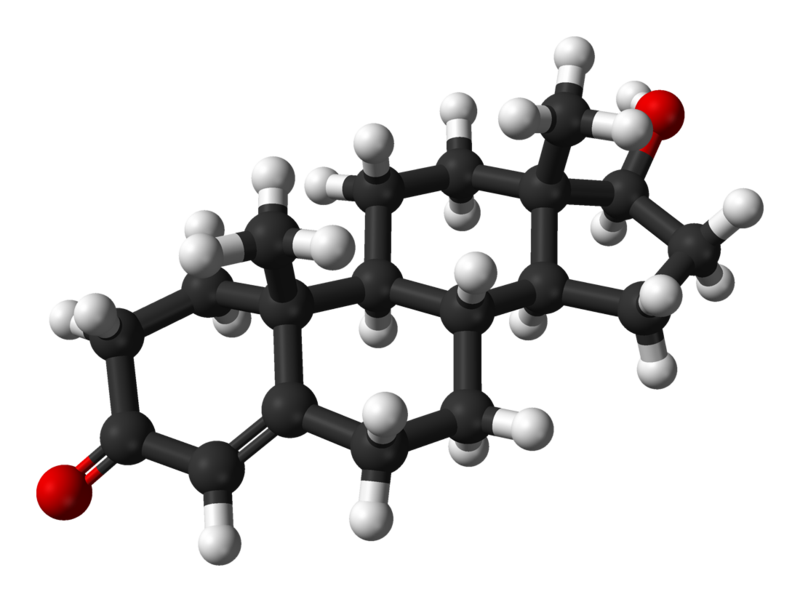
Testosterone molecule
Model of a testosterone molecule. Source: Wikimedia CC0

The androgen receptor is a key transcriptional factor for proper sex development, especially in males and the physiological balance of all the tissues that express this receptor. The androgen receptor is involved in several pathologies and syndromes, such as spinal and bulbar muscular atrophy or androgen insensitivity syndrome, for which there is no specific treatment. Regarded as the main initial and progression factor in prostate cancer, this receptor has been the main therapeutic target for the treatment against this disease for decades.

Now, a study published in Science Advances describes the structural and functional effects of mutations on the androgen receptor, as well as how these changes lead to the development of prostate cancer.

Point mutations in the androgen receptor

The human androgen receptor is a key protein in the development and functioning of the prostate in response to male hormones, such as testosterone. Point mutations in the androgen receptor – specifically, one amino acid swapped for another – are one of the main mechanisms than can lead to structural and functional alterations in the receptor, which result in the development of diseases.

The results of the University of Barcelona-led study show that the analysed mutations affect several functional regions of the union domain of the androgen receptor to testosterone. In particular, these are mutations that alter a region of the receptor which is the target for posttranscriptional modifications (that is, modifications in the protein once this is produced).

This type of chemical alterations affect specific amino acids of the androgen receptor and are executed by regulating proteins which are critical for the proper functioning of the receptor. If this receptor’s regulation pathway is altered, such as the case of the presence of mutations described by the team, its function is deregulated and it can be dysfunctional and cause pathologies.

“In our study, we experimentally checked that these mutations deregulate a specific mutation, known as arginine methylation, which is one of the posttranscriptional modifications, due to the structural changes these alterations produce in a functional area of the receptor. Also, we could observe that the deregulation of the androgen receptor methylation involves relevant changes in its function within the cell,” the team concludes.

Source: University of Barcelona

Strenuous Jobs Increase Men’s Cardiovascular Risk, but Reduce Women’s

Photo by K. Mitch Hodge on Unsplash

A long-term Danish study found that high physical activity at work was associated with higher risk of ischaemic heart disease (IHD) in men, but in women, this was associated with lower risk. The findings, published in the European Journal of Preventive Cardiology, highlight the importance of taking gender into account when considering the impact of high levels of occupational physical activity (OPA).

While previous studies have shown that physical activities in leisure time are protective against cardiovascular disease, high levels of OPA were shown to have no benefit – or even a detrimental effect.

The study followed up participants aged 30–61 years old after 34 years who took part in the Danish Monica 1 study in 1982–84. Participants, 1399 women and 1706 men, were actively employed, without prior IHD and who answered a question on OPA. The participants’ medical records were located in the Danish National Patient Registry and the researchers analysed the data, controlling for increasing numbers of factors such as age, then age and sex, and then age and sex plus factors such as smoking.

Compared to women doing sedentary work, women in all other OPA categories had a lower hazard ratio (HR) for IHD. Among men, the risk of IHD was 22% higher among those with light OPA, and 42% and 46% higher among those with moderate OPA with some lifting or strenuous work with heavy lifting, respectively, compared to men with sedentary OPA. Compared to women with sedentary work, HR for IHD was higher among men in all OPA categories, and a statistically significant interaction between OPA and sex was found.

Demanding or strenuous OPA seems to be a risk factor for IHD among men, whereas a higher level of OPA seems to protect from IHD among women. The researchers wrote that this underlines the importance of taking into account sex differences in studies of health effects of OPA. Future studies should investigate the underlying mechanisms for this difference, such as differences in exposure and physiology.

New Oral Psoriasis Drug a Step Closer After Successful Clinical Trials

Source: Danilo Alvesd on Unsplash

In a Phase 2b clinical trial, patients who took the peptide-based drug candidate JNJ-2113 had a 75% improvement in their plaque psoriasis compared to placebo, passing an important milestone in developing an oral treatment for the common skin disease. The drug is being developed by a company launched from The University of Queensland’s Institute for Molecular Bioscience (IMB) in collaboration with Janssen.

Protagonist Therapeutics was spun out of work by Associate Professor Mark Smythe to develop new drugs for conditions previously only treated with injectables. Dr Smythe said the trial result was a significant achievement for patients and the scientists involved.

“The trial has shown it’s possible to treat systemic diseases like psoriasis with peptide-based drugs that are orally delivered,” Dr Smythe said.

“Diseases such as psoriasis and inflammatory bowel disease have targets that previously could only be blocked by large molecules called macromolecular antibodies, which had to be injected because they’re too big to be taken in pills.

“The key to finding a molecule that worked but was small enough to be taken orally was seeing the animal venom research of my IMB colleagues.

“I realised that the constrained peptide molecules in venoms could both block the right targets and were small.”

Dr Smythe and his team developed techniques to stabilise the peptides enough so that they could be developed into an oral drug.

Protagonist was founded in 2001 with commercial support from UniQuest Pty Ltd, UQ’s commercialisation company.

Protagonist is based in the USA with an office in Brisbane and is one of 15 spin-out companies from IMB and one of 125 start-ups based on UQ intellectual property.

Source: The University of Queensland

Getting Under 5 Hours’ Sleep Increases Risk of Peripheral Artery Disease

Sleeping man
Photo by Mert Kahveci on Unsplash

Compared with seven to eight hours, sleeping less than five hours a night is associated with a 74% raised likelihood of developing peripheral artery disease (PAD) according to a study published in the European Heart Journal – Open.

“Our study suggests that sleeping for seven to eight hours a night is a good habit for lowering the risk of PAD,” said study author Dr Shuai Yuan of the Karolinska Institute.

A Lancet study showed that more than 200 million people globally have peripheral artery disease (PAD), where arteries in the legs are clogged, restricting blood flow and increasing the risk of stroke and heart attack.

Dr Yuan said: “Insufficient night-time sleep and daytime napping have previously been associated with a raised risk of coronary artery disease which, like PAD, is caused by clogged arteries. In addition, sleeping problems are among the top ranked complaints in PAD patients. There are limited data on the impact of sleep habits on PAD and vice versa, and our study aimed to fill that gap.”

The two-part study included more than 650 000 participants. First, the researchers analysed the associations of sleep duration and daytime napping with the risk of PAD. In the second part, the investigators used genetic data to perform naturally randomised controlled trials – called Mendelian randomisation – to examine causality of the associations.

Dr Yuan said: “Observational analyses are limited by reverse causality – meaning that if an association between sleep habits and PAD is found, we cannot be certain if sleep habits caused PAD or having PAD caused the sleep habits. Mendelian randomisation is a robust method for evaluating causality and provides more certainty about the results.”

Taken together, the strongest evidence was for short sleep, where the relationship with PAD went both ways. In an observational analysis of 53 416 adults, sleeping less than five hours a night was associated with a nearly doubled risk of PAD compared with seven to eight hours (hazard ratio [HR] 1.74). This finding was supported by further analyses in 156 582 and 452 028 individuals. In the causal studies, short sleep was associated with an increased risk of PAD and, in addition, PAD was associated with an increased likelihood of short sleep. Dr Yuan said: “The results indicate that brief night-time sleep can raise the chance of developing PAD, and that having PAD increases the risk of getting insufficient sleep.”

Regarding long sleep, in an observational analysis of 53 416 adults, sleeping eight hours or more per night was linked with a 24% higher risk of PAD compared with seven to eight hours (HR 1.24). This finding was supported by analyses in two larger populations of 156 582 and 452,028 individuals. However, no causal relationships were found between long sleep and PAD. Similar results were reported for napping, where daytime nappers had a 32% higher risk of PAD compared to those who did not nap (HR 1.32) but no causal links were found. “More studies are needed on the relationships between lengthy night-time sleep, daytime napping and PAD,” said Dr Yuan. “Although we found associations in the observational studies, we could not confirm causality.”

He concluded: “More research is needed on how to interrupt the bidirectional link between short sleep and PAD. Lifestyle changes that help people get more sleep, such as being physically active, may lower the risk of developing PAD. For patients with PAD, optimising pain management could enable them to have a good night’s sleep.” 

Source: European Society of Cardiology

In Women, Certain Immune Cell Hinders Pancreatic Cancer Immunotherapy

Photo by Tima Miroshnichenko on Pexels

Immunotherapy has limited effect for pancreatic cancer, and differs between men and women. A new study published in Cancer Research reveals certain immune cells in women with pancreatic cancer that, instead of fighting the tumour, interferes with the body’s immune response. These findings may pave the way for a more sex-specific treatment.

“More and more evidence is coming in that male and female hormones affect our immune system, but much remains to be done before sex can be included as a self-evident biological factor in medical research and therapy,” says the paper’s first author Fei He, former visiting researcher at Karolinska Institutet. “Our results provide new perspectives that can have high impact on the treatment of cancer.”

In recent years, immunotherapy, which stimulates the immune system to attack cancer cells, has contributed significantly to the treatment of different kinds of cancer, such as melanoma and lung, kidney and liver cancer. However, it is much less effective against pancreatic cancer, which remains one of the deadliest kinds of cancer that leaves patients, on average, with four to six months left to live after diagnosis.

Sex-biased differences in the immune response

Previous studies have shown that there are sex-bound biological differences in the male and female immune system that, amongst other effects, determine how tumours grow and the body’s ability to defend itself against them. The present study addressed what might cause such sex-related disparities in the immune response to pancreatic cancer.

The study revealed the presence of a subpopulation of myeloid cells in women that protect the tumour and prevents the immune system’s T cells from infiltrating the tumour and attacking the cancer cells.

“This sub-group of immune cells correlates with poor survival exclusively in female cancer patients,” says the study’s corresponding author and principal investigator Dhifaf Sarhan, assistant professor at the Department of Laboratory Medicine, Karolinska Institutet. “Our results show that the immune cells express a specific protein called FPR2 and can serve both as a sex-specific prognostic factor and a therapeutic target.”

New target for immunotherapy in women

The results can be useful to the development of diagnostic tools and immunotherapy for pancreatic cancer that take into account biological differences between men and women. The study used a combination of methods including single-cell RNA sequencing, proteomics, test tube and patient validation, and treatments of 3D pancreatic cancer models and mice.

“The next step is to follow up our new immunotherapy target for women,” says Dr Sarhan. “We’re also performing extensive analyses to understand how immunological sex differences drive tumour development in different ways in male and female cancer patients with the goal to find and develop immunotherapy targets for each group.”

Source: Karolinska Institutet

‘Eating the Rainbow’ Found to Reduce Prostate Cancer Risk and Improve Treatment

Photo by Brad West on Unsplash

New research by scientists at the University of South Australia suggests that consumption of colourful fruits and vegetables on a regular basis reduces the risk of a prostate cancer (PC) diagnosis. These foods, rich in micronutrients, also help speed up recovery from radiotherapy for the disease.

The findings, from two studies published in the journal Cancershighlight the importance of a Mediterranean or Asian diet that includes these foods. For the first study, researchers compared micronutrient plasma concentrations of prostate cancer patients with a healthy control group, revealing low levels of lutein, lycopene, alpha-carotene, and selenium in PC patients and high levels of iron, sulphur, and calcium in the same group, relative to controls.

The second study found increased DNA damage after radiation exposure was also associated with low lycopene and selenium in blood plasma.

Men with plasma concentrations lower than 0.25ug/mL) for lycopene and/or lower than 120ug/L for selenium have an increased risk of prostate cancer and are likely to be more sensitive to the damaging effects of radiation.

Foods that are rich in lycopene include tomatoes, melons, papayas, grapes, peaches, watermelons, and cranberries. Selenium-rich foods include white meat, fish, shellfish, eggs, and nuts.

Study co-author Dr Permal Deo says that studies show that eating foods rich in lycopene and selenium is preferable to taking supplements, where the benefits are limited.

“Our recommendation is to adopt a Mediterranean diet enlisting the help of a dietician because people absorb nutrients in different ways, depending on the food, the digestive system, the person’s genotype and possibly their microbiome,” Dr Deo says.

Prostate cancer remains one of the most common and fatal cancers in men, but the nutritional deficiencies associated with it remain largely unknown, hence this study. Other risk factors, such as ethnicity, family history and age have previously been linked to prostate cancer.

“There is strong evidence that being overweight and tall increases the risk of prostate cancer. Diets high in dairy products and low in vitamin E may also increase the risk but the evidence is less clear.”

Source: University of South Australia

Research Supports Letting A Moderate Fever Run its Course

Photo by Mockup Graphics on Unsplash

It may be better to let a mild fever run its course instead of automatically reaching for medication, new University of Alberta research suggests. Researchers found that, in fish models, untreated moderate fever helped them to quickly their infections, keep inflammation in check and repair damaged tissue. “We let nature do what nature does, and in this case it was very much a positive thing,” says Professor Daniel Barreda, immunologist and lead author on the study which is published in eLife.

Moderate fever is self-resolving, meaning that the body can both induce it and shut it down naturally without medication, Barreda explains. The health advantages of natural fever to humans still have to be confirmed through research, but the researchers say because the mechanisms driving and sustaining fever are shared among animals, it is reasonable to expect similar benefits are going to happen in humans.

That suggests the need to resist taking non-steroidal anti-inflammatory drugs at the first signs of a mild temperature, he says. “They take away the discomfort felt with fever, but you’re also likely giving away some of the benefits of this natural response.”

The study also sheds light on some benefits of moderate fever, which Barreda notes has been evolutionarily conserved across the animal kingdom for 550 million years. “Every animal examined has this biological response to infection.”

For the study, fish were given a bacterial infection and their behaviour was then tracked and evaluated using machine learning. Outward symptoms were similar to those seen in humans with fever, including immobility, fatigue and malaise. These were then matched to important immune mechanisms inside the animals.

The research showed that natural fever offers an integrative response that not only activates defences against infection, but also helps control it. The researchers found that fever helped to clear the fish of infection in about seven days – half the time it took for those animals not allowed to exert fever. Fever also helped to shut down inflammation and repair injured tissue.

“Our goal is to determine how to best take advantage of our medical advances while continuing to harness the benefits from natural mechanisms of immunity,” says Barreda.

Source: University of Alberta

Whether Hypnosis for Pain is Effective Depends on a Patient’s Genetics

Photo by Bruce Christianson on Unsplash

Studies have shown that hypnosis is an effective treatment for pain for many individuals – but it depends on the patient’s susceptibility to hypnosis. Testing for hypnotisability requires special training and in-person evaluation rarely available in the clinical setting. Now, investigators have developed a fast, point-of-care molecular diagnostic test that identifies a subset of individuals. Their study, published in The Journal of Molecular Diagnostics, also found that a subset of highly hypnotisable individuals may be more likely to experience high levels of postoperative pain.

“Since hypnotisability is a stable cognitive trait with a genetic basis, our goal was to create a molecular diagnostic tool for objectively identifying individuals who would benefit from hypnosis by determining ‘treatability’ at the point-of-care,” explained co-lead investigator Dana L. Cortade, a recently graduated PhD at Stanford University. “The advancement of nonpharmacological adjuvant treatments for pain is of the utmost importance in light of the opioid epidemic.”

Prior research established that the genetic basis for hypnotisability includes four specific single-nucleotide polymorphisms (SNPs), or genetic variations, found in the catechol-o-methyltransferase (COMT) gene for a brain enzyme responsible for dopamine metabolism in the prefrontal cortex. Although SNPs can contain valuable information on disease risk and treatment response, cost, complexity and time prevent widespread use.

The investigators developed a SNP genotyping assay on a giant magnetoresistive (GMR) biosensor array to detect the optimal combination of the COMT SNPs in patient DNA samples. GMR biosensor arrays are reliable, cheaper, sensitive, and can be easily deployed in point-of-care settings using saliva or blood samples.

The study investigated the association between COMT diplotypes and hypnotisability using a clinical hypnotisability scale called the Hypnotic Induction Profile (HIP) in individuals who had participated in one of the three previous clinical trials in which an HIP was administered. An additional exploratory study of the association between perioperative pain, COMT genotypes, and HIP scores was conducted with the patients in the third cohort, who had undergone total knee arthroplasty (TKA). DNA was extracted from blood samples previously collected in the first cohort, and saliva samples were collected by mail from participants in the other two trials. Participants were considered treatable by hypnosis if they had HIP scores of 3 or higher on a scale of zero to 10.

For participants identified with the optimal COMT diplotypes by the GMR biosensor array, 89.5% scored highly on the HIP, which identified 40.5% of the treatable population. The optimal COMT group mean HIP score was significantly higher than that in the suboptimal COMT group. Interestingly, further analysis revealed that the difference was observed only in women.

“Although we had expected some difference in effect between females and males, the association between hypnotisability and COMT genotypes was strongest in the females in the cohort,” said co-lead investigator Jessie Markovits, MD, Department of Internal Medicine, Stanford School of Medicine, Stanford, CA, USA. “The difference may be due to lower numbers of males in the cohort, or because COMT is known to have interactions with oestrogen and to differ in activity by sex. Additional gene targets including COMT, with stratification by sex, could be the focus of future study.”

In the exploratory analysis of the relationship between COMT genotypes and pain after TKA surgery, the same optimal COMT individuals had significantly higher postoperative pain scores than the suboptimal group, indicating a greater need for treatment. “This supports the body of evidence that COMT genotypes impact pain, and it is also known that COMT genotypes affect opioid use after surgery. Pain researchers can use this technology to correlate genetic predisposition to pain sensitivity and opioid use with response to an evidence-based, alternative remedy: hypnosis,” Dr Cortade said.

COMT SNPs alone are not a complete biomarker for identifying all individuals who will score highly on a hypnotisability scale and experience high pain sensitivity. The GMR sensor nanoarray can accommodate up to 80 SNPs, and it is possible that other SNPs, such as those for dopamine receptors, are needed to further stratify individuals.

The investigators observe that this study highlights the utility and potential of the evolving applications of precision medicine. “It is a step towards enabling researchers and healthcare professionals to identify a subset of patients who are most likely to benefit from hypnotic analgesia,” Dr Markovits said. “Precision medicine has made great strides in identifying differences in drug metabolism that can impact medication decisions for perioperative pain. We hope to provide similar precision in offering hypnosis as an effective, non-pharmacological treatment that can improve patient comfort while reducing opioid use.”

Source: Elsevier

Autism in Children Linked to Diabetes, Dyslipidaemia

Photo by Peter Burdon on Unsplash

Studies have shown that children with autism spectrum disorder (ASD) have an increased risk of obesity. In turn, obesity has been linked to increased risks for diabetes, dyslipidaemia and other cardiometabolic disorders. However, the question of whether or not there is an association between autism, cardiometabolic disorders and obesity remains largely unanswered.

To help provide an insight into the possible link between ASD and cardiometabolic diseases, Texas Tech University researchers conducted a systematic review and meta-analysis. Their findings were published in JAMA Pediatrics.

In this latest meta-analysis, the researchers evaluated 34 studies that included 276 173 participants who were diagnosed with ASD and 7 733 306 who were not. The results indicated that ASD was associated with greater risks of developing diabetes overall, including both type 1 and type 2 diabetes.

The meta-analysis also determined that autism is associated with increased risks of dyslipidaemia and heart disease, though there was no significant increased risk of hypertension and stroke associated with autism. However, meta-regression analyses revealed that children with autism were at a greater associated risk of developing diabetes and hypertension when compared with adults.

Study leader Chanaka N. Kahathuduwa, MD, PhD, said the overall results demonstrate the associated increased risk of cardiometabolic diseases in ASD patients, which should prompt clinicians to more closely monitor these patients for potential contributors, including signs of cardiometabolic disease and their complications.

“We have established the associations between autism and obesity, as well as autism and cardiometabolic disease, including diabetes and dyslipidaemia,” Kahathuduwa said. “We don’t have data to support a conclusion that autism is causing these metabolic derangements, but since we know that a child with autism is more likely to develop these metabolic complications and derangements down the road, I believe physicians should evaluate children with autism more vigilantly and maybe start screening them earlier than the usual.”

Kahathuduwa also believes the study shows that physicians should think twice before prescribing medications such as olanzapine that are well known to have metabolic adverse effects to children with autism.

“Our findings should also be an eye opener for patients with autism and parents of kids with autism to simply be mindful about the higher risk of developing obesity and metabolic complications,” Kahathuduwa added. “Then they can talk with their physicians about strategies to prevent obesity and metabolic disease.”

Kahathuduwa said the next logical step for the collaborative team would be to generate evidence that either supports or rejects causality with regard to the observed associations.

Source: Texas Tech University Health Sciences Center