Year: 2023

The Geometry of the Brain May Influence Brain Functions
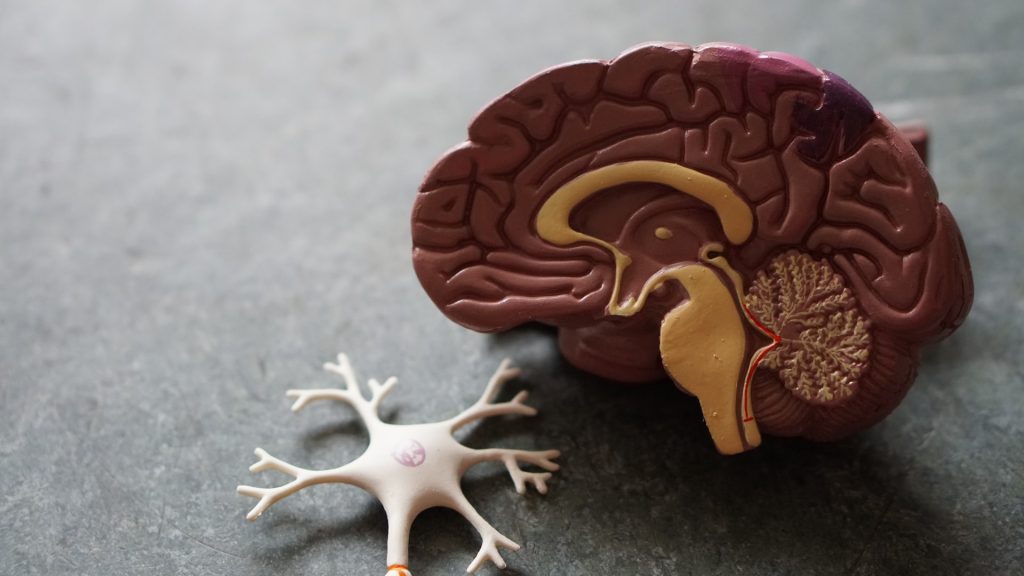
Photo by Robina Weermeijer on Unsplash

For over 100 years, scientists have thought that the brain activity patterns that define human consciousness arose from how different brain regions communicate with each other through trillions of cellular connections.

Now, by examining more than 10 000 different maps of human brain activity, Monash University-led researchers found that the overall shape of a person’s brain has a much greater influence on thought and behaviour than its neuronal connectivity. This may sound like the old pseudoscience of phrenology, which based theories of personality and cognition on the shape of the head and its bumps.

Not so for this study, which combines approaches from physics, neuroscience and psychology to overturn the century-old model revolving around complex brain connectivity, instead revealing a relationship between brain shape and activity. The researchers published their ground-breaking findings in the journal Nature.

Lead author Dr James Pang said the findings were significant because they greatly simplified the way that we can study how the brain functions, develops and ages.

“The work opens opportunities to understand the effects of diseases like dementia and stroke by considering models of brain shape, which are far easier to deal with than models of the brain’s full array of connections,” Dr Pang said.

“We have long thought that specific thoughts or sensations elicit activity in specific parts of the brain, but this study reveals that structured patterns of activity are excited across nearly the entire brain, just like the way in which a musical note arises from vibrations occurring along the entire length of a violin string, and not just an isolated segment,” he said.

Using magnetic resonance imaging (MRI), the researchers studied eigenmodes, which are the natural patterns of vibration or excitation in a system, where different parts of the system are all excited at the same frequency. Eigenmodes are normally used in areas such as physics to study physical systems only recently have they been applied to studying brain.

Their study focused on developing the optimal way to construct the eigenmodes of the brain.

“Just as the resonant frequencies of a violin string are determined by its length, density and tension, the eigenmodes of the brain are determined by its structural – physical, geometric and anatomical – properties, but which specific properties are most important has remained a mystery,” said co-lead author, Dr Kevin Aquino, of BrainKey and The University of Sydney.

‘Like the shape of a drum influences the sounds that it can make’

The team, led by Professor Alex Fornito, compared how well eigenmodes derived from models of brain shape could account for different patterns of activity as opposed to eigenmodes from models of brain connectivity.

“We found that eigenmodes defined by brain geometry – its contours and curvature – represented the strongest anatomical constraint on brain function, much like the shape of a drum influences the sounds that it can make,” said Fornito.

“Using mathematical models, we confirmed theoretical predictions that the close link between geometry and function is driven by wave-like activity propagating throughout the brain, just as the shape of a pond influences the wave ripples that are formed by a falling pebble,” he said.

“These findings raise the possibility of predicting the function of the brain directly from its shape, opening new avenues for exploring how the brain contributes to individual differences in behavior and risk for psychiatric and neurological diseases.”

The research team found that, across over 10 000 MRI activity maps, obtained as people performed different tasks developed by neuroscientists to probe the human brain, activity was dominated by eigenmodes with spatial patterns that have very long wavelengths, extending over distances exceeding 40 mm.

“This result counters conventional wisdom, in which activity during different tasks is often assumed to occur in focal, isolated areas of elevated activity, and tells us that traditional approaches to brain mapping may only show the tip of the iceberg when it comes to understanding how the brain works,” Dr Pang said.

Source: MedicalXpress

Scientists Find that The Sweetener Sucralose Breaks up DNA

Photo by Sharon Mccutcheon on Unsplash

A new study published in the Journal of Toxicology and Environmental Health, Part B, found that a chemical formed during the digestion of widely used sweetener is “genotoxic,” meaning it breaks up DNA. The chemical is also found in trace amounts in the sweetener itself, and the finding raises questions about how the sweetener may contribute to health problems.

At issue is sucralose, a widely used artificial sweetener. Previous work by the same research team established that several fat-soluble compounds are produced in the gut after sucralose ingestion. One of these compounds is sucralose-6-acetate.

“Our new work establishes that sucralose-6-acetate is genotoxic,” says Susan Schiffman, corresponding author of the study and an adjunct professor at North Carolina State University. “We also found that trace amounts of sucralose-6-acetate can be found in off-the-shelf sucralose, even before it is consumed and metabolised.

“To put this in context, the European Food Safety Authority has a threshold of toxicological concern for all genotoxic substances of 0.15 micrograms per person per day,” Schiffman says. “Our work suggests that the trace amounts of sucralose-6-acetate in a single, daily sucralose-sweetened drink exceed that threshold. And that’s not even accounting for the amount of sucralose-6-acetate produced as metabolites after people consume sucralose.”

For the study, researchers conducted a series of in vitro experiments exposing human blood cells to sucralose-6-acetate and monitoring for markers of genotoxicity.

“In short, we found that sucralose-6-acetate is genotoxic, and that it effectively broke up DNA in cells that were exposed to the chemical,” Schiffman says.

The researchers also conducted in vitro tests that exposed human gut tissues to sucralose-6-acetate.

“Other studies have found that sucralose can adversely affect gut health, so we wanted to see what might be happening there,” Schiffman says. “When we exposed sucralose and sucralose-6-acetate to gut epithelial tissues – the tissue that lines your gut wall – we found that both chemicals cause ‘leaky gut.’ Basically, they make the wall of the gut more permeable. The chemicals damage the ‘tight junctions,’ or interfaces, where cells in the gut wall connect to each other.

“A leaky gut is problematic, because it means that things that would normally be flushed out of the body in feces are instead leaking out of the gut and being absorbed into the bloodstream.”

The researchers also looked at the genetic activity of the gut cells to see how they responded to the presence of sucralose-6-acetate.

“We found that gut cells exposed to sucralose-6-acetate had increased activity in genes related to oxidative stress, inflammation and carcinogenicity,” Schiffman says.

“This work raises a host of concerns about the potential health effects associated with sucralose and its metabolites. It’s time to revisit the safety and regulatory status of sucralose, because the evidence is mounting that it carries significant risks. If nothing else, I encourage people to avoid products containing sucralose. It’s something you should not be eating.”

Source: NC State University

New Podcast Series Reflects on Childhood in South Africa Through and Beyond COVID-19

Photo by Hush Naidoo Jade Photography on Unsplash

The ‘Phezulu: Looking Up’ podcast series launched today by UNICEF South Africa (https://www.UNICEF.org/SouthAfrica/) tells the stories of the impact of the COVID-19 years on children and young people and how, with the right support and opportunities, children and young people are determined to build a safer, fairer and better post pandemic South Africa.  

The eight-part series delves into issues such as mental wellbeing, disrupted education and access to child healthcare; including routine childhood immunisations, through the voices of children and young people and experts working to mitigate the impact.

Children and adolescents were affected by every aspect of the COVID-19 pandemic and this podcast series tells their stories of resilience,” said Muriel Mafico, UNICEF South Africa Deputy Representative. “Importantly, the episodes also reflect on the response to share learnings, including how the roll-out of the COVID-19 vaccine saved countless lives and re-opened our world,”

The podcast series features expert analysis and voices, including contributions from academics, all of whom continue to play a critical role in the ongoing recovery for every child. The series not only highlights the indirect impact of COVID-19 on children and youth, but also how COVID-19 vaccinations changed the trajectory of the crisis by enabling children and adolescents to resume their childhoods.

The series will be available on a weekly basis, on all major podcast platforms from 23rd May 2023. Listeners can now subscribe and join the conversation. This production was made possible thanks to the generous support of the German Federal Foreign Office and other partners.

For more information, please see the following links:
https://www.UNICEF.org/southafrica/
https://apo-opa.info/42dIxHD

Cholesterol may Explain The Link Between Childhood Obesity and Early Puberty

Photo by Patrick Fore on Unsplash

As childhood obesity increases the world, children are entering puberty earlier and earlier – particularly girls. According to a survey, the onset of puberty occurs on average three months earlier for girls in every decade since 1977. Early, or precocious, puberty can leave children with psychological and social problems, as well leading to shorter adult heights. Studies also suggest that early puberty can increase the risk of developing cancer, diabetes, depression and cardiovascular disease later on in life.

While a scientific explanation has been lacking, the link between childhood obesity and early puberty has long been apparent. The more body fat a child has, the greater their likelihood of beginning puberty at an earlier age. Now, researchers have found what may be part of the answer in Drosphila fruit flies, publishing their results in Current Biology.

“Cholesterol is a fat. So, if you’re overweight, your body fat harbours more cholesterol. And it turns out that higher cholesterol is a key to earlier maturation in the fruit fly, our model organism. Our results demonstrate that the amount of cholesterol in adipose tissue and in certain support cells in the brain affects the growth of fruit flies and controls when they reach maturity,” explains Professor Kim Rewitz, a lead author of the study.

He adds, “And because the systems in fruit flies and humans are remarkably similar, we believe that the same may apply to humans – ie, that cholesterol in adipose tissue may help explain the connection between childhood obesity and early puberty.”

Puberty at ‘critical weight’

Professor Rewitz and the University of Copenhagen’s Department of Biology research team tested their hypothesis by putting fruit fly larvae on a “fatty diet” of cholesterol-packed foods. The development of these larvae was compared with larvae on a normal diet.

“We observed that larvae on the cholesterol diet consistently grew faster and entered ‘puberty’ sooner. It turned out that the increase of cholesterol stored in the fruit flies’ body fat and support cells in the brain increases the release of growth hormones that cause the animals to grow faster. Growth and size is a signal to the body for when to trigger puberty,” says Kim Rewitz. 

The professor explains that in fruit flies, the signal to undergo maturation is when their weight and amount of body fat reach a certain point during development:

“In one way or another, animals need to know when they’re large enough to reach sexual maturity and be able to reproduce. Organisms have a checkpoint in their development that they must pass to enter puberty known as ‘Critical Weight’. This checkpoint is found in fruit flies and most likely in humans too. This means that both fruit fly larvae and children probably need to reach a certain body size and have a certain amount of fat stored to enter puberty. What we’ve found is that the amount of cholesterol stored in body fat plays an important role in this process.

“We see that fruit flies have a mechanism that senses how much cholesterol is stored in their body fat and support cells in the brain. At a certain point, the system then sends a signal to the brain centres that triggers maturation by producing steroid hormones. In humans, these correspond to testosterone and oestrogen.”

However, it also means that if the amount of stored cholesterol increases, the organism can actually fail to estimate its overall size accurately, so that it hits the critical weight checkpoint earlier than it normally would:

“Because overweight children have more body fat, they will probably also have stored more cholesterol at an earlier point in their development. So, if our assumption that the same mechanism exists in humans holds true, it could help to explain early puberty in obese children,” says the researcher.

Cholesterol may influence cancer as well

Professor Rewitz concludes that with part of the puzzle in hand, scientists can search for more clues and treatment. In the meantime, lifestyle changes remain the best solution for childhood obesity.

Professor Rewitz and his research colleagues have now started to look deeper into the significance of the cholesterol mechanism for cancer development. Their research also shows that, via the same mechanism, cholesterol can activate cell growth that leads to cancer.

Source: University of Copenhagen

Prehabilitation Improves Orthopaedic Surgery Outcomes

Photo by Barbara Olsen on Pexels

Pre-surgery exercise and education, or ‘prehabilitation’, can significantly improve outcomes for patients undergoing orthopaedic surgery, according to new research published in JAMA Network Open.

An ageing population plus the COVID pandemic has put great strains on healthcare systems, creating a longer waiting time for patients due to undergo routine elective surgical procedures. This can cause mental and physical deconditioning in patients, potentially impacting their surgical outcomes.

The study found prehabilitation may mitigate these negative factors and assist in improving strength and function prior to a surgical intervention. This may include exercise, patient education, pain management and psychological support.

Researchers from Anglia Ruskin University (ARU), Addenbrooke’s – Cambridge University Hospitals NHS Foundation Trust (CUH) and Western University in Ontario, Canada, examined the results of 48 unique clinical trials involving prehabilitation techniques such as exercise, pain management and acupuncture among patients about to undergo orthopaedic surgery.

Outcomes were measured prior to surgery as well as at intervals post-operation. Results were graded for certainty, or confidence that results were true.

Prior to surgery, the study found strong evidence that prehabilitation led to a reduction in back pain for people waiting for lower back surgery and evidence of moderate certainty for improvement in their health-related quality of life.

For patients waiting for total knee replacement, evidence of moderate certainty showed prehabilitation improved function and muscle strength. For patients waiting for a total hip replacement, evidence of moderate certainty showed prehabilitation improved health-related quality of life and hip muscle strength.

Following an operation, the study found that prehabilitation improved function in the short to medium term compared with no prehabilitation. In particular, evidence of moderate certainty suggested prehabilitation had favourable outcomes on function in those who had undergone knee replacement surgery at six weeks post-operatively. Evidence of moderate certainty also suggests prehabilitation improved function six months after lower back surgery.

Lead author Anuj Punnoose, ARU PhD candidate and Clinical Specialist Physiotherapist at CUH, said: “This study stemmed out of a need to find the best ways to prepare orthopaedic patients prior to surgery and prevent them from further deconditioning. Furthermore, any prehabilitation programme should ideally be delivered for at least four to six weeks prior to the surgical intervention and twice a week for optimum results. Health services looking at developing such programmes could utilise recommendations from this study.”

Source: Anglia Ruskin University

How the Influenza Virus Hijacks Our Cells’ Mechanisms

Photo by Andrea Piacquadio on Unsplash

Influenza epidemics, caused by influenza A or B viruses, result in acute respiratory infection. New research published in published in the journal PNAS has identified how the influenza A virus manages to penetrate cells to infect them. By attaching itself to a receptor on the cell surface, it hijacks the iron transport mechanism to start its infection cycle. By blocking the receptor involved, the researchers were also able to significantly reduce its ability to invade cells. These results highlight a vulnerability that could be exploited to combat the virus.

Influenza viruses represent a major risk to human and animal health. Their potential for mutation makes them particularly elusive. ”We already knew that the influenza A virus binds to sugar structures on the cell surface, then rolls along the cell surface until it finds a suitable entry point into the host cell. However, we did not know which proteins on the host cell surface marked this entry point, and how they favoured the entry of the virus,” explains study leader Mirco Schmolke, Associate Professor at University of Geneva (UNIGE).

A receptor as a key to infection

The scientists first identified cell surface proteins present in the vicinity of the viral haemagglutinin, the protein used by the influenza A virus to enter the cell. One of these proteins stood out: transferrin receptor 1. This acts as a revolving door transporting iron molecules into the cell, which are essential for many physiological functions.

“The influenza virus takes advantage of the continuous recycling of the transferrin receptor 1 to enter the cell and infect it,” explains first author Béryl Mazel-Sanchez, a former post-doctoral researcher in Mirco Schmolke’s lab. “To confirm our discovery, we genetically engineered human lung cells to remove the transferrin receptor 1, or on the contrary to overexpress it. By deleting it in cells normally susceptible to infection, we prevented influenza A from entering. Conversely, by overexpressing it in cells normally resistant to infection, we made them easier to infect.”

Inhibiting this mechanism

The research team then succeeded in reproducing this mechanism by inhibiting the transferrinreceptor 1 using a chemical molecule. ”We tested it successfully on human lung cells, on human lung tissue samples and on mice with several viral strains,” says Béryl Mazel-Sanchez. ”In the presence of this inhibitor, the virus replicated much less. However, in view of its potentially oncogenic characteristics, this product cannot be used to treat humans.” On the other hand, anti-cancer therapies based on the inhibition of the transferrin receptor are under development and could also be interesting in this context.

”Our discovery was made possible thanks to the excellent collaboration within the Faculty of Medicine as well as with the University Hospitals of Geneva (HUG) and the Swiss Institute of Bioinformatics (SIB),” the authors add. In addition to the transferrin receptor 1, scientists have identified some 30 other proteins whose role in the influenza A entry process remains to be deciphered. It is indeed likely that the virus uses a combination involving other receptors. ”Although we are still far from a clinical application, blocking the transferrin receptor 1 could become a promising strategy for treating influenza virus infections in humans and potentially in animals.”

Source: Université de Genève

New Compound Secreted by Bacteria Speeds up Healing

Photo by Diana Polekhina on Unsplash

Complicated, hard-to-heal wounds are a growing medical problem and there are currently only two drugs approved with proven efficacy. A new study published in eClinical Medicine shows that treatment with a specific type of modified lactic acid bacteria works well and has a positive effect on the healing of wounds.

Previously, the researchers had demonstrated accelerated wound healing after topical treatment using lactic acid bacteria (Limosilactobacillus reuteri) genetically modified to produce the chemokine CXCL12 (ILP100-Topical).

Now, in their first clinical study on humans, the researchers established safety and tolerability. Other objectives were to see clinical and biological effects on wound healing using traditionally accepted methods, as well as more exploratory and traceable measurements.

36 healthy volunteers were included in the study with a total of 240 induced wounds studied. The study’s design and methodology are described in more detail below.

The results show that treatment using ILP100-Topical was safe and well tolerated among all individuals and doses, and neither ILP100 nor CXCL12 could be detected in locations beyond the wounds. A significantly higher proportion of healed wounds (p=0.020) was seen on day 32 using multi-dose ILP100-Topical compared to saline and placebo (76% (73/96) and 59% (57/96) healed wounds respectively) when the results from the multi-dose-treated wounds were pooled. In addition, the time to first recorded healing was reduced by an average of 6 days, and by 10 days at the highest dose. The mechanism of action of ILP100-Topical was also confirmed when the treatment resulted in increased CXCL12-positive cells in the wounds, as well as increased blood flow around the wounds during the healing phase.

“Our study shows that bacteria modified to produce and deliver human protein for local effects can be used as drugs to accelerate the healing of wounds. This is the first time this has been shown in controlled human studies, and it can be expected that the effect is greater in patients with diseases that negatively affect wound healing,” explains Mia Phillipson, Professor at the Department of Medical Cell Biology at Uppsala University.

The favourable safety profile and the beneficial effects on wound healing observed here support further clinical development of ILP100-Topical for the treatment of complex and hard-to-heal wounds in patients, which is already under way.

Many immune-active proteins are inherently unstable and degrade quickly, so supplying them from lactic acid bacteria to the exact site of action is one way to develop them as drugs.

“The potential is really endless when you consider how important a role proteins play in various processes in the body, and how many diseases we currently do not have good enough treatments for. We have already produced another drug candidate to cure and reduce inflammation in the gut of cancer patients – ILP100-Oral – and in the future we will start a research project with another chemokine for the treatment of lung diseases,” concludes Phillipson.

Source: Uppsala University

Ischaemic Heart Disease in the Elderly Linked to Increased Dementia Risk

Photo by Matteo Vistocco on Unsplash

Older people with ischaemic heart disease have an increased long-term risk of dementia and accelerated cognitive decline. Recent research in Alzheimer’s & Dementia: The Journal of the Alzheimer’s Association suggests that the heart, the brain, and cognitive function are all connected in the ageing process. Appropriate prevention and treatment of ischaemic heart disease in older people might reduce the burden of dementia, the researchers suggest.

The researchers regularly followed a cohort of 2568 older people aged 60 years or older, without dementia at baseline and living in Stockholm, from 2001–2004 through 2013–2016. Heart diseases at the study entry were ascertained via clinical examination and linkage to the Swedish National Inpatient Register. Dementia status and cognitive function during the follow-up period were diagnosed and assessed regularly following the standard approaches.

“We used statistical methods to link ischemic heart disease at the study entry to an increased risk of dementia and a faster decline in cognitive function during the follow-up period”, says Chengxuan Qiu, at the Department of Neurobiology, Care Sciences and Society, Division of Aging Research Center (ARC) and one of the authors of the study.

Explore cognitive trajectories

Future works should explore cognitive trajectory following the onset of ischemic heart disease and further investigate to what extent medical treatments of ischemic heart disease may affect cognitive decline and dementia onset.

The SNAC-K project on which this study is based is supported by the Swedish Ministry of Health and Social Affairs. This study is supported by additional grants from the Swedish Research Council (VR), FORTE and STINT.

A Simple Tweak to Breakfast may Help Glycaemic Control in T2D

Photo by Towfiqu Barbhuiya on Unsplash

Research suggests that a simple tweak to the breakfast menu might help people living with Type 2 diabetes (T2D) better control their blood sugar levels. The study, published in the American Journal of Clinical Nutrition, confirms that switching from a traditional Western-style low-fat breakfast, like oatmeal, toast and fruit, to a low-carb meal higher in protein and fat, like eggs with bacon or cheese, can help people with T2D better manage their blood sugar for most of the day.

Dr Barbara Oliveira conducts research with Dr Jonathan Little’s Exercise, Metabolism and Inflammation Lab in UBCO’s Faculty of Health and Social Development. “We’re not talking about a complete diet overhaul,” says Dr Oliveira. “One of many complications for people living with T2D is rapid or large increases in blood glucose levels after a meal. Our research indicates a low-carbohydrate meal, first thing in the morning, seems to help control blood sugar throughout the day.”

Controlling glucose levels is critical for reducing the complications of T2D including inflammation and cardiovascular disease – the major cause of morbidity in patients with T2D.

“Treatment strategies that can help lower post-meal glucose swings and rapid changes in glucose are crucial to managing this condition,” she adds. “We’ve determined that if the first meal of the day is low-carb and higher in protein and fat we can limit hyperglycaemic swings.”

Low-carb diets have become trendy in recent years and have been recognised as a dietary strategy to improve glucose control, Dr Oliveira explains. However, similar to all diets, it’s tough to follow, especially long term. Instead of asking patients to commit to every meal being low-carb, she and Dr Little examined the idea of making just the first meal of the day low-carb to see how that impacts diet adherence, and more importantly, blood glucose levels.

Their 12-week study had 121 participants split into two groups. One was advised to eat from a selection of low-carb breakfasts containing approximate amounts of 8g of carbohydrate, 25g of protein and 37g of fat while the other was advised to eat from a selection of low-fat higher-carb options containing about 56g of carbohydrates, 20g of protein and 15g of fat. All the breakfast options in both groups provided 450 calories.

Participants had a variety of breakfast choices and were required to upload a photo of their meal, which was reviewed by a study dietitian to confirm compliance.

All participants were provided with a continuous glucose monitoring device they wore throughout the study and A1c blood tests were done, before and after the 12 weeks. They also measured their weight and waist circumference at the beginning and end of the trial. As the study continued they reported feelings of satiety, energy and activity levels.

Dr Oliveira notes while there were no significant differences between the low-carb and other group for weight, body mass index or waist circumference, the low-carb group did see a reduction in blood sugar levels and some were able to reduce their glucose-lowering medication. The upward and downward swings in blood glucose levels, known as glycaemic variability, with the low-carb group was also significantly lower, suggesting the benefits of a low-carbohydrate breakfast for stabilizing blood sugars throughout the day.

One additional interesting finding was that people who had the low-carb breakfast self-reported lower calorie and carbohydrate intake at lunch and during the remainder of the day. This could suggest that a breakfast rich in fat and protein, while lower in carbs, can impact daily eating habits.

“Having fewer carbs for breakfast not only aligns better with how people with T2D handle glucose throughout the day, but it also has incredible potential for people with T2D who struggle with their glucose levels in the morning,” she adds. “By making a small adjustment to the carb content of a single meal rather than the entire diet, we have the potential to increase adherence significantly while still obtaining significant benefits.”

Source: University of British Columbia

Obesity Raises Lifetime Risk of Mental Disorders

Source: Pixabay CC0

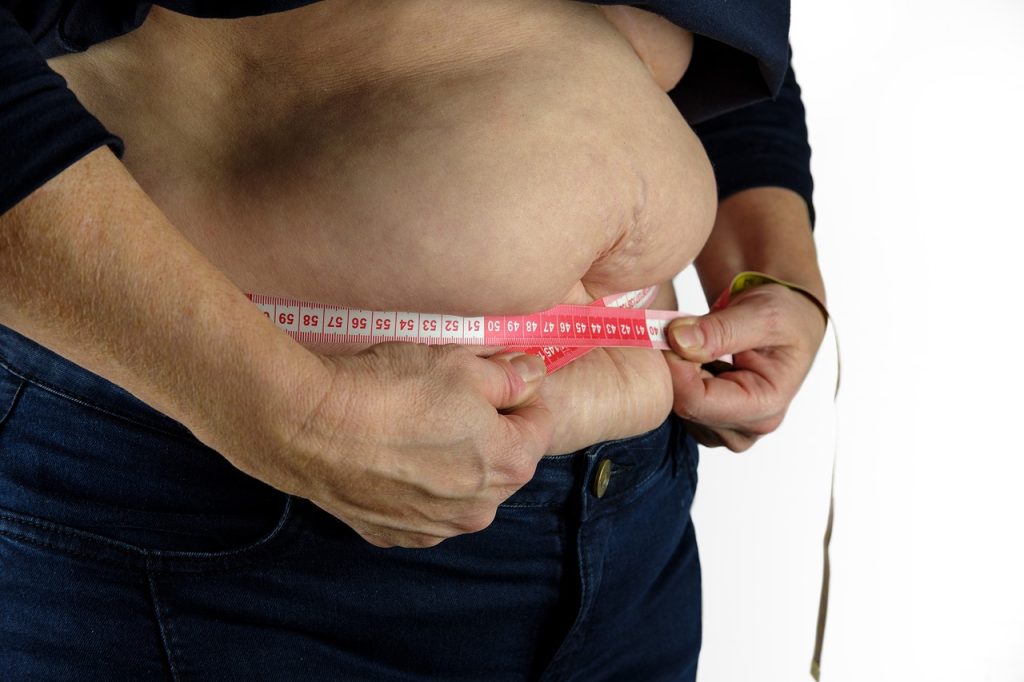
Being obese significantly increases the chances of also developing mental disorders. This applies to all age groups, with women at higher risk than men for most diseases, as a recent study of the Complexity Science Hub and the Medical University of Vienna shows. The results were published in the specialist journal Translational Psychiatry.

“We analysed a population-wide national registry of inpatient hospitalisations in Austria from 1997 to 2014 in order to determine the relative risks of comorbidities in obesity and identify statistically significant sex differences,” explains Elma Dervic of the Complexity Science Hub. Consequently, it became evident that an obesity diagnosis significantly enhances the likelihood of a wide range of mental disorders across all age groups – including depression, nicotine addiction, psychosis, anxiety, eating and personality disorders. “From a clinical point of view, these results emphasise the need to raise awareness of psychiatric diagnoses in obese patients and, if necessary, to consult specialists at an early stage of diagnosis,” says Michael Leutner of the Medical University of Vienna.

First diagnosis: obesity

“In order to find out which illness typically appeared prior and subsequently to the obesity diagnosis, we had to develop a new method,” explains Dervic. This allowed the researchers to determine if there were trends and typical patterns in disease occurrence.

In case of all co-diagnoses, with the exception of the psychosis spectrum, obesity was in all likelihood the first diagnosis made prior to the manifestation of a psychiatric diagnosis. “Until now, physicians often considered psychopharmacological medications to cause the association between mental disorders and obesity as well as diabetes. This may be true for schizophrenia, where we see the opposite time order, but our data does not support this for depression or other psychiatric diagnoses,” explains Alexander Kautzky from Department of Psychiatry and Psychotherapy of the Medical University Vienna. However, whether obesity directly affects mental health or whether early stages of psychiatric disorders are inadequately recognised is not yet known.

Women more impacted

Surprisingly, the researchers found significant gender differences for most disorders — with women showing an increased risk for all disorders except schizophrenia and nicotine addiction.

While 16.66% of obese men also suffer from nicotine abuse disorder, this is only the case in up to 8.58% of obese women. The opposite is true for depression. The rate of diagnosed depressive episodes was almost three times higher in obese women (13.3% obese; 4.8% non-obese). Obese men were twice as likely to be affected (6.61% obese; 3.21% non-obese).

Early intervention is key

Since this study now also shows that obesity often precedes severe mental disorders, the findings reinforce its importance as a pleiotropic risk factor for health problems of all kinds. This is especially true for young age groups, where the risk is most pronounced, and for whom the researchers strongly recommend obesity screening.

Source: Complexity Science Hub Vienna