Year: 2023

Antibiotic Slashes Risk of Drug-resistant TB in Kids, Finds Major SA Study

Tuberculosis bacteria. Credit: CDC

By Elri Voigt for Spotlight

For decades, the standard way to prevent people who were exposed to tuberculosis (TB) from falling ill with the disease was to offer them a medicine called isoniazid, taken daily for six or more months. That changed in the last decade with the development of new preventive therapy regimens that are taken for four, three, or even just one month.

One complexity, however, is that both isoniazid and the new regimens are much better at preventing normal drug-sensitive TB than they are at preventing drug-resistant forms of TB. This is not surprising. As explained by Paediatric Infectious Disease doctor and Professor of Global Child Health at Imperial College London, Dr James Seddon, the two drugs that have mainly been used to prevent drug-susceptible TB are isoniazid and rifampicin (rifampicin’s sister drug rifapentine is also used). Now, by definition, he explains multidrug-resistant (MDR) TB is resistant to both these drugs so it’s unlikely to have any impact.

The situation is particularly tricky when it comes to children. In a 2020 statement the World Health Organization (WHO) says that it estimated that worldwide between 25 000 and 32 000 children develop MDR-TB each year, and mainly acquire it through transmission from close contact with an adult or adolescent who has MDR-TB. According to Seddon, while there is some emerging observational evidence on the use of drugs other than isoniazid and rifampicin to prevent MDR-TB, there has been no clinically tested regimen to give to children following MDR-TB exposure.

Now, much anticipated results from a phase three trial has shown that a single antibiotic pill, given daily for six months, is safe and effective to use in children who have been exposed to MDR-TB.

Results from TB CHAMP

The trial, called TB-CHAMP, looked at the efficacy and safety of using the antibiotic levofloxacin to prevent TB in children exposed to MDR-TB. Top-line findings from the study was presented last week at the Union World Lung Conference held in Paris, France.

“The paediatric population is probably the most neglected of all the populations affected by MDR-TB,” Dr Anneke Hesseling, Director of the Paediatric TB Research Programme at Stellenbosch University, told the conference. “Fewer than 20% who develop MDR-TB disease are actually diagnosed and treated, and so to find more cases and prevent more cases is really, really critical…So prevention is really key, and the TB-CHAMP trial is really a phase three efficacy trial looking at levofloxacin to prevent new cases of TB in children and also looking at the safety of levofloxacin.”

Hesseling, who is the Principal Investigator of the study, says that TB-CHAMP is the first trial to provide clinical data on what drug might be used to prevent TB in children who have been exposed to MDR-TB. It was conducted at five sites across South Africa, all with high MDR-TB burdens. The study was led by Stellenbosch University and the Desmund Tutu TB Centre. The findings have not yet been published in a peer-reviewed journal.

922 children were randomised to receive either levofloxacin or a placebo for six months. 453 children got levofloxacin and 469 got the placebo. The primary efficacy data featured data from 916 of those children, with 451 in the levofloxacin arm and 465 in the placebo arm.

Hesseling says that only children who were exposed to an adult in their household with confirmed MDR-TB were included in the study. At first children below the age of five were recruited, regardless of their TB infection status. Later children between the ages of five and 17 were included, but they had to either have a TB infection or be living with HIV. The majority of the children, 90%, were younger than five years. TB infection was confirmed with a blood test.

By 48 weeks, Hesseling says five children in the levofloxacin arm versus 12 in the placebo arm developed TB, which amounts to an incidence rate of 1.1% in the levofloxacin arm, and 2.6% in the placebo arm.

Implication of results

“While TB preventive therapy (TPT) has long been recommended and available for young child contacts of people with drug-susceptible TB, there has not been sufficient evidence to make strong recommendations for treatment that could prevent DR-TB. Therefore, the TB-CHAMP findings are critically important for a number of reasons,” says Professor Guy Marks, President and Interim Executive Director, International Union Against Tuberculosis and Lung Disease (The Union).

“The study provides the first high-quality evidence that DR-TB can be prevented in children by using six months of daily levofloxacin, and that this is a safe medication. Furthermore, this will encourage more community-based contact screening, which will also lead to early detection of children and contacts of all ages who already have disease, and initiate treatment,” he adds.

“The impact [of the TB-CHAMP results] is potentially tremendous as it would prevent DR TB among child contacts. DR TB is more complex to treat and cure and often children are marginalised, so this study puts the spotlight on an effective way to protect children. This is not just about the life and health of the child but the social, economic and mental health implications for the caregiver and the entire family,” says Dr Priashni Subrayen, Technical Director for TB at The Aurum Institute.

Seddon, who is also one of the Co-PIs for the study, tells Spotlight that it was important to establish the safety of levofloxacin since it belongs to a class of drugs called the fluoroquinolones, which were thought to have terrible side effects when used in children.

Results from TB-CHAMP show that this is not the case.

The side effects were mild, and the regimen was well tolerated, according to Hesseling, with only eight children having a grade one or higher adverse event in the levofloxacin arm compared to four in the placebo arm. Two deaths were reported, one in each study arm, but were unrelated to the study. Overall, six children in the levofloxacin arm discontinued treatment or left the study early.

Researchers from TB-CHAMP collaborated with researchers from the V-QUIN trial – a phase three study that looked at levofloxacin as TB prevention in adults in Vietnam – in order to combine their data which allowed them to show data for levofloxacin across different age groups. Seddon explains: “They’ve applied a novel analytic approach, which uses a Bayesian, or probabilistic, framework, where we take the results of TB-CHAMP and we say well, if we actually use some of the information from V-QUIN to inform the TB-CHAMP results, we can make that a slightly more confident estimate,” he says.

The combined results, according to Hesseling were able to also show that levofloxacin reduced the risk of TB by about 60% across the age spectrum but with a tighter confidence interval, indicating a more precise estimate of the effect.

Seddon tells Spotlight that the combined data showed that there were no serious adverse events, but the adult population experienced more grade one and grade two side effects than the children, but these went away either over time or when the drug was stopped. The side effects included inflammation in the joints and tendons, which is a known side effect of this class of drug.

Not a silver bullet

While the findings could be a game-changer and potentially inform MDR-TB prevention guidelines, particularly in children, the regimen is by no means a silver bullet. Seddon says that while the regimen was safe, when participants were asked whether they liked the medicine, more people said they didn’t like it in the levofloxacin group versus the placebo. Another downside is that the pill was an adult formulation and thus needed to be cut and/or crushed for the kids to swallow.

Seddon explains that the WHO, who have been provided with the data from both studies and expected to meet in early December, would need to consider a variety of factors before deciding what to recommend about the use of levofloxacin for prevention. That includes the fact that you need to treat a lot of children for six months who might not have TB despite being exposed in order to prevent a few cases.

“You have to weigh up the benefits versus the risks and the risks are low, but it is still giving a drug for six months to children and most of them don’t need it. But the consequences of getting MDR-TB are so bad that we really want to prevent that,” he says.

There is also the question around what effect using a broad antibiotic as preventive treatment will have on the microbiome of children and how this might drive resistance to the fluoroquinolones. Seddon says stool samples were collected from the study participants to determine how the drug affected a child’s microbiome and the potential for driving resistance. These data will also be provided to the WHO.

“I think that the evidence base is now very strong on the basis of these two trials. I think you can really say the issue of whether levofloxacin prevents MDR-TB, we’ve put that to bed,” he says. “Are there going to be other studies? Yes. I think that this is not over, levofloxacin is not the perfect drug for preventive therapy.”

Marks adds to this saying: “An important next step for TPT in DR-TB contacts will be studies that evaluate regimens that are shorter than six months – a long time to take medication every day, which can often be challenging. Effective and safe shorter regimens are now being used for child contacts of drug-susceptible TB and we hope the same progress can be made for contacts of DR-TB.”

As Marks has already stated, currently there are no strong recommendations for MDR-TB prevention by the WHO.  In the 2020 TB prevention guidelines, it recommends that the preventative treatment for MDR-TB should be either a fluroquinolone or other second-line agent. It does however caution that these recommendations are based on low-quality evidence. Because of this, it recommends that the preventative treatment for MDR-TB should be individualised, and it be based on the drug resistance profile of the presumed contact. The drugs levofloxacin and moxifloxacin- both fluoroquinolones – may be used unless resistance is suspected. For levofloxacin a dosing schedule for both adults and children are proposed in the document.

Subrayen says that in South Africa the 2019 guidelines for the management of Rifampicin Resistant-TB (RR-TB) does indicate the use of levofloxacin as prevention treatment. The guidelines state that for prevention treatment a fluoroquinolone-based, multidrug regimen is preferred (either levofloxacin and high-dose isoniazid or levofloxacin, high-dose isoniazid and ethambutol). And if exposed to fluoroquinolone-resistant RR-TB, then high-dose isoniazid could be given. Delamanid could be considered as a potential option in very select cases. A training manual published this year by the Department of Health suggests that levofloxacin can be given on its own – but also stresses that the evidence base is weak, something that TB-CHAMP has presumably now changed.

Future of TPT

Seddon says that in a perfect world the ideal TB preventive regimen would be a so-called Pan regimen that could be given for a short period of time, to someone who has been exposed to TB and it works regardless of whether they had been exposed to drug-susceptible or drug-resistant TB.

“There are studies planned to use other drugs for prevention. There’s a study planned to use bedaquiline for a month or two and potentially using injectables that you just have to give once every couple of weeks. So, I think although this [levofloxacin] is a good option now, and it’s probably the best option we have now, this is not perfect,” Seddon says.

The study Seddon is referring to is the BREACH-TB study, a phase three trial that will look at whether a one-month treatment regimen of oral bedaquiline could prevent all forms of tuberculosis. It would be given to people exposed to both drug-resistant and drug-susceptible TB, and in people with HIV infection, including pregnant women and children.

Responding to questions from Spotlight earlier this year when this study was announced in the press, Sonya Krishnan, Assistant Professor of Medicine at Johns Hopkins University and Eric Nuermberger, Professor of Medicine at Johns Hopkins University, said that they anticipate recruiting between 1600 and 2 00 people to take part in the study – they expect around 400 to 500 of these will be people living with HIV. They also said that the control arm will receive the current standard of care in the country rather than placebo.

When asked whether any South African study sites will be included in the clinical trial, they said, “We very much plan to partner with study sites in South Africa. South Africa has a long-standing history of research excellence in TB.”

“A shorter regimen that fights both drug-resistant and drug-susceptible TB would be a game-changer for those living with TB and get us closer to our shared goal of ending the epidemic by 2030,” said Dr. Atul Gawande, USAID assistant administrator for Global Health, in a statement on the study. “This clinical trial will lay the foundation for a remarkable innovation in our fight against TB: a single-dose, long-acting injectable medicine.”

Indeed, if the science and development pans out as Gawande suggests it might, the future of TB preventive therapy might well be an entire course of therapy delivered through a single injection rather than a month or more of pills. As indicated in an article in the journal Clinical Infectious Diseases, work is already underway on the development of bedaquline, isoniazid, and rifapentine long-acting injections – though the research is for now still only in mice.

‘Communities need to be involved’

Hesseling raises the point that when treating or preventing TB, more than just the latest research advancement is needed to improve TB outcomes.

“For me treatment follows diagnosis, actually strengthening healthcare services, making communities more aware and creating demand for kids accessing diagnosis, preventive treatment and appropriate treatment, is actually where it starts,” she says. “So tools are amazing, but we actually need to have strong, effective healthcare services and knowledgeable, empowered communities.”

Seddon adds to this saying that results like those from TB-CHAMP are “a bit irrelevant if it is all kind of top down, paternalistic coming from the researchers, coming from the health system”.

“We really need to generate a community demand for this, where individuals living in communities where this is a problem are calling for this and getting angry about this and demanding it in a way that I think we’ve achieved very well with the HIV community,” he says. “It’s all well and good doing the science and then even better to get it [levofloxacin] into a guideline, but until there’s real demand for from the end user, I think it’s only going to have a certain amount of reach.”

Note: The terms DR-TB and MDR-TB are used somewhat interchangeably – Spotlight uses DR-TB to refer to drug-resistant forms of TB in general and MDR-TB to refer specifically to TB that is resistant to isoniazid and rifampicin.

Republished from Spotlight under a Creative Commons Licence.

Source: Spotlight

Glaring Voids Threaten SA’s Path to Equitable Healthcare

A coherent, achievable path to universal health coverage now imperative

Glaring voids highlighted in submissions on the National Health Insurance (NHI) Bill threaten South Africa’s path to equitable healthcare access for all, cautions the Health Funders Association (HFA). The organisation has voiced its profound concern, emphasising the disconcerting sway of politics over the bedrock mission of prioritising the well-being of our nation within this critical healthcare deliberation.

“The practical barriers to successfully executing NHI as it is laid out in the Bill are hard to ignore, and yet the numerous concerns and suggestions raised in the consultation process have not been considered or implemented,” says Craig Comrie, chairperson of the National Health Funders Association (HFA).

“The clear shortcomings of the NHI Bill in terms of practical funding mechanisms and lack of collaboration with experienced health funders, among other aspects, have been overlooked for the most part, with only the Western Cape so far rejecting the Bill in its current form.”

The National Council of Provinces (NCOP) Committee on Health’s approval of the NHI Bill with insignificant edits does not address the numerous concerns raised in submissions made by the public and informed stakeholders, including the HFA, on behalf of its members.

The HFA is a professional body representing medical schemes and half of South Africa’s medical aid membership.

“There are constructive solutions to address the problems identified in the NHI Bill effectively, and it is not too late to fix the legislation. While the Bill is rushing towards the President’s pen to be enacted, the HFA respectfully appeals to the President to reconsider the wisdom of signing into law a Bill that has no workable funding mechanism while disregarding solutions proposed by private health funders, leading organisations, businesses and other key constituents,” Comrie says.

“We anticipate considerable resistance to the NHI Bill on Constitutional grounds, and as the HFA, we will continue to advocate for a more achievable approach to fulfilling universal health coverage aims.

“The timing of the recent flurry of activity in moving the Bill through the necessary hoops ahead of next year’s election invites the notion of a blunt instrument, an unrealistic election promise rather than a pragmatic solution for the highly complex health challenges South Africa faces,” he says.

Health Funders Association members, including leading lights in the industry such as Bankmed, CAMAF Medical Scheme, Discovery Health Medical Scheme, Fedhealth, Glencore Medical Scheme, Momentum Medical Scheme, Profmed and PPS Healthcare Administrators, to mention but a few, are ready to work with government to develop evidence-based solutions that will help secure access to quality healthcare for all South Africans.

“There is so much opportunity to make the NHI work. Private public partnerships and collaboration have achieved so much good for the benefit of South Africans in other sectors, and there is much our industry can contribute to help make quality healthcare more accessible and sustainable for all,” Comrie concludes.

Monitoring for Foetal Heart Condition in Pregnant Women with Autoimmune Antibodies

Photo by Mart Production on Pexels

Some individuals with anti-Ro/SSA antibodies (anti–Sjögren’s-syndrome–related antigen A autoantibodies, also called anti-Ro antibodies) have autoimmune diseases such as lupus or Sjögren’s syndrome, but many have no symptoms. A clinical trial published in Arthritis & Rheumatology found that high levels of these antibodies in pregnant women are associated with foetal atrioventricular block (AVB), which occurs when inflammation and subsequent scarring prevent electric signals from the heart’s atria from reaching the ventricles. The disease is associated with life-long pacing and can be fatal.

In the trial, called Surveillance To Prevent AV Block Likely to Occur Quickly (STOP BLOQ), the incidence of AVB increased with higher levels of anti-Ro/SSA antibodies, reaching 7.7% for those in the top quartile, which increased to 27.3% in those with a previous child who had AVB, although participant numbers in that category were small.  Antibody titres did not change over time. The trial also revealed that home-based foetal heart rate monitoring reliably detected conduction abnormalities, which may reduce the need for serial echocardiograms.

“Examining the levels of anti-Ro/SSA antibodies is an important advance since for women with low titres, monitoring is probably not necessary and for those with high titres the increased risk supports surveillance,” said corresponding author Jill Buyon, MD, of NYU Langone Health. She added that this study also indicated that titres of antibodies do not change and that additional factors besides antibodies contribute to risk.

“That home monitoring can rapidly and accurately identify early foetal conduction disease is a major step forward that may significantly decrease the need for echocardiograms and hopefully facilitate reversibility,” added senior author and research professor Bettina Cuneo MD, of the University of Arizona-Tucson College of Medicine.

Source: Wiley

Cannabis Users Found to Have Higher Levels of Empathy

Photo by Rodnae Productions on Pexels

A study of regular cannabis users and non-users found that users tend to have a greater understanding of the emotions of others, based on psychological assessments. Brain imaging tests also revealed that cannabis users’ anterior cingulate – a region generally affected by cannabis use and related to empathy – had stronger connectivity with brain regions related to sensing the emotional states of others within one’s own body.

The study, published in the Journal of Neuroscience Research, included 85 regular cannabis users and 51 non-consumers who completed psychometric tests and a subset of 46 users and 34 nonusers who underwent functional magnetic resonance imaging exams.

“Although further research is needed, these results open an exciting new window for exploring the potential effects of cannabis in aiding treatments for conditions involving deficits in social interactions, such as sociopathy, social anxiety, and avoidant personality disorder, among others,” said co-author Víctor Olalde-Mathieu, PhD, of the Universidad Nacional Autónoma de México.

Source: Wiley

Stopping Long-term ADHD Meds is Common among Young People

Photo by Inzmam Khan

A pair of new studies has show that many patients stop taking ADHD medications within the first year, while those who take higher doses of ADHD medications long term seem to have a higher risk of some cardiovascular diseases. This is according to two new studies led by researchers from Karolinska Institutet and published in The Lancet Psychiatry and JAMA Psychiatry.

The Lancet Psychiatry study found that more than half of all teenagers, young adults and adults who received ADHD medication had stopped taking it within the first year. The proportion was slightly lower in children, whose decisions are made for them by carers, yet 35% still stopped their medication within a year.

Young adults risk falling between the cracks

The researchers analysed prescription data from over 1.2 million patients who started ADHD medication in Australia, Denmark, Hong Kong, Iceland, the Netherlands, Norway, the UK, Sweden and the USA. The pattern was the same in all countries/regions.

“It’s unlikely that so many people discontinue their treatment because their ADHD symptoms have remitted, meaning that the high rate of early discontinuation may be a major barrier to effective treatment,” says Zheng Chang, senior researcher at Karolinska Institutet who led both studies. “We haven’t been able to analyse the direct causes in this study, but common reasons for discontinuing ADHD medication are adverse reactions and lack of effect.”

The highest rate of medication discontinuation occurred among 18 to 19-year-olds. This is when they leave child and adolescent psychiatry and enter adult psychiatry, a transition where they risk falling between the cracks. This is a shortcoming that the healthcare services must remedy, researchers say.

“We need to improve the transition to adult psychiatry and spread knowledge about the fact that problems associated with ADHD often persist over time,” says Isabell Brikell, research coordinator at Karolinska Institutet, and one of the first authors of the study in The Lancet Psychiatry. “In addition, new digital tools such as simple SMS-based inventions could be used to help people with ADHD manage their medication.”

Denmark sticks out

A country that sticks out in the statistics is Denmark, which had a much lower proportion of children who discontinue their treatment within a year – 18%, as opposed to the mean of 35%. Compared with other Nordic countries like Sweden and Norway, the prescription of ADHD drugs is lower, which could suggest that medication is only prescribed to those with severe ADHD and the greatest need, researchers say.

“Sweden has a relatively high prescription rate of ADHD medication compared with many other European countries, so it is possible that we over-prescribe here,” says Zheng Chang.

In another study conducted with over 275 000 Swedish ADHD patients published in JAMA Psychiatry, Dr Chang and his research group examined ADHD medication use for up to 14 years. They were then able to show that ADHD medication when taken for a longer time and in higher doses than average is associated with a higher risk of some cardiovascular diseases, primarily hypertension and arterial disease. 

The risk of cardiovascular disease increased by approximately 4% per annum. The risk increase was greatest in the first few years of treatment and then levelled off, and it was only statistically significant at doses higher than 1.5 times the average daily dose (the defined daily dose, DDD). This means that those treated with lower doses are not likely to develop cardiovascular disease, according to the researchers.

Follow-up of patients advised

“There is a long list of drugs that have been linked to a comparable increased risk of hypertension when used long-term such as the one found here, so patients should not be alarmed by these findings,” says Le Zhang, postdoc researcher in Dr Chang’s research group and first author of the JAMA Psychiatry study. “However, in clinical practice, the raised risk should be carefully weighed against the recognised benefits of treatment on a case-by-case basis. Doctors should also regularly follow up the ADHD patients to find signs and symptoms of cardiovascular disease while they’re on medication over the long-term.” 

Since this is an observational study, it is not possible to conclude that it is the ADHD medication that leads to an increased risk of cardiovascular disease. As the researchers point out, it could depend on other medications, symptom severity or lifestyle factors.

Source: Karolinska Institutet

Major Study Finds No ‘Smoking Gun’ Mental Health Harm from Internet

Photo by Steinar Engeland on Unsplash

Links between internet adoption and psychological well-being are small at most, despite popular assumptions about negative psychological impacts of internet technologies and platforms, according to an international study involving two million people published in the journal Clinical Psychological Science.

The study examined data from people aged 15 to 89 in 168 countries, yet found smaller and less consistent associations than would be expected, if the internet were causing widespread psychological harm, according to the Oxford Internet Institute research team.

Professor Andrew Przybylski, Oxford Internet Institute and Assistant Professor Matti Vuorre, Tilburg University and Research Associate, Oxford Internet Institute, carried out the study, which shows the last two decades have seen only small and inconsistent changes in global well-being and mental health. 

Professor Przybylski says, “We looked very hard for a ‘smoking gun’ linking technology and well-being and we didn’t find it.”

Professor Vuorre notes, “We studied the most extensive data on well-being and internet adoption ever considered, both over time and population demographics. Although we couldn’t address causal effects of internet use, our descriptive results indicated small and inconsistent associations.”

Results filtered by age group and gender did not reveal any specific demographic patterns among internet users, including women and young girls. In fact, for the average country, life satisfaction had increased more for females over the period.

According to Professor Przybylski, “We meticulously tested whether there is anything special in terms of age or gender, but there is no evidence to support popular ideas that certain groups are more at risk.”

The team maintains, “We put our findings under a more extreme test to see if there are matters which we have missed and we did find increased mobile broadband adoption predicted greater life satisfaction, but this association was too small to be of practical significance.”

But, the team insists, technology companies need to provide more data, if there is to be conclusive evidence of the impacts of internet use. The research says, Research on the effects of internet technologies is stalled because the data most urgently needed are collected and held behind closed doors by technology companies and online platforms. 

“It is crucial to study, in more detail and with more transparency from all stakeholders, data on individual adoption of and engagement with Internet-based technologies. These data exist and are continuously analysed by global technology firms for marketing and product improvement but unfortunately are not accessible for independent research.

In today’s study, the researchers contrast two different studies of data on well-being and mental health against the countries’ per capita internet users and mobile broadband subscriptions and use, to see if internet adoption predicts psychological well-being.  In the second study they use data on rates of anxiety, depression and self-harm from 2000–2019 in some 200 countries and analyse their associations with internet adoption.

Wellbeing was assessed using data from face to face and phone surveys by local interviewers in the respondents’ native languages. Mental health was assessed using statistical estimates of depressive disorders, anxiety disorders and self-harm in some 200 countries from 2000 to 2019, as estimated by aggregated health data from WHO member states.

Source: Oxford University

New fMRI Design is a Quantum Leap in Brain Imaging

Cross-sectional diagram of the NexGen 7T scanner, showing the new Impulse head-only gradient coil (green) and receiver-transmit coil (white) resting on a movable bed (brown) and connected to an electronic interface (blue) containing nearly a thousand wires (blue) that extend out of the magnet. Credit: Bernhard Gruber, MGH Harvard

An intense international effort to improve the resolution of magnetic resonance imaging (MRI) for studying the human brain has culminated in an ultra-high resolution 7 Tesla scanner that records up to 10 times more detail than current 7T scanners and over 50 times more detail than current 3T scanners, the mainstay of most hospitals.

This next generation or NexGen 7T functional MRI (fMRI) scanner can resolve features 0.4mm across, compared to the 2–3mm typical of today’s standard 3T fMRIs. It is described in a paper published in Nature Methods.

“The NexGen 7T scanner is a new tool that allows us to look at the brain circuitry underlying different diseases of the brain with higher spatial resolution in fMRI, diffusion and structural imaging, and therefore to perform human neuroscience research at higher granularity,” said David Feinberg, the director of the project to build the scanner. “The ultra-high resolution scanner will allow research on underlying changes in brain circuitry in a multitude of brain disorders, including degenerative diseases, schizophrenia and developmental disorders, including autism spectrum disorder.”

The improved resolution will help neuroscientists probe the neuronal circuits in different regions of the brain’s neocortex and allow researchers to track signals propagating from one area of the cortex, and perhaps discover underlying causes of developmental disorders. This could lead to better ways of diagnosing brain disorders, perhaps by identifying new biomarkers that would allow diagnosis of mental disorders earlier or, more specifically, in order to choose the best therapy.

“Normally, MRI is not fast enough at all to see the direction of the information being passed from one area of the brain to another,” Feinberg said. “The scanner’s higher spatial resolution can identify activity at different depths in the brain’s cortex to indirectly reveal brain circuitry by differentiating activity in different cell layers of the cortex.”

This is possible because neuroscientists have found in vision brain areas that the superficial and deepest cortex layers incorporate ‘top-down’ circuits, that is, they receive information from higher cortical brain areas, whereas the middle cortex involves ‘bottom-up’ circuitry, receiving sensory input. Pinpointing the fMRI activity to a specific depth in the cortex lets neuroscientists track the flow of information throughout the brain and cortex.

With the higher spatial resolution, neuroscientists will be able to home in on the activity of something on the order of 850 individual neurons within a single voxel – a 3D pixel – instead of the 600 000 recorded with standard hospital MRIs, said Silvia Bunge, a UC Berkeley professor of psychology who is one of the first to use the NexGen 7T to conduct research on a human brain.

“We were able to look at the layer profile of the prefrontal cortex, and it’s beautiful,” said Bunge, who studies abstract reasoning. “It’s so exciting to have this state-of-the-art, world-class machine.”

For William Jagust, a UC Berkeley professor of public health who studies the brain changes associated with Alzheimer’s disease, the improved resolution could finally help connect the dots between observed changes due to Alzheimer’s that occur in the brain – abnormal clumps of protein called beta amyloid and tau – and changes in memory.

“We know that part of the memory system in the brain degenerates as we get older, but we know little about the actual changes to the memory system – we can only go so far because of the resolution of our current MRI systems,” said Jagust. “With this new scanner, we think we’re going to be able to take apart a lot more carefully exactly where things have gone wrong. This could help with diagnosis or predicting outcomes in normal people.”

Jack Gallant, a UC Berkeley professor of psychology, hopes the scanner will help neuroscientists discover how functional changes in the brain lead to developmental and mental disorders such as dyslexia, autism and schizophrenia, or that result from neurological disorders, such as dementia and stroke.

“Mental disorders have an enormous impact on individuals, families and society. Together they represent about 10% of the US GDP. Mental disorders are fundamentally disorders of brain function, but functional measures are not used currently to diagnose most brain disorders or to look to see if a treatment’s working. Instead, these disorders are diagnosed behaviourally. This is a weak approach, because there are a lot of different mental brain states that can lead to exactly the same behaviour,” Gallant said. “What we need is more powerful MRI machines like this so that we can map, at high resolution, how information is represented in the brain. To me this is the big potential clinical benefit of ultra-high resolution MRI.”

Funding initiatives lead to ‘quantum leap’

The breakthrough came about through $22 million of funding from various government and private sector sources.

Incorporating newly developed hardware technology from those groups, Siemens collaborated with Feinberg’s team to rebuild a conventional 7 Tesla MRI scanner delivered to UC Berkeley in 2000 to improve the spatial resolution in pictures captured during brain scans.

“There’s been a large increase throughout the world of sites that use 7T MRI scanners, but they were mostly for development and were difficult to use,” said Nicolas Boulant, a physicist visiting from the NeuroSpin project at the University of Paris in Saclay, where he leads the team that operates the world’s only 11.7 Tesla MRI scanner, the strongest magnetic field employed to date. “David’s team really put together many ingredients to make a quantum leap at 7 Tesla, to go beyond what was achievable before and gain performance.”

Boulant hopes to adapt some of the new ingredients in the NexGen 7T – in particular, redesigned gradient coils – to eventually achieve even better resolution with the 11.7 Tesla MRI scanner. The gradient coils generate a rising magnetic field across the brain so that each part of the brain sees a different field strength, which helps to precisely map brain activity.

“The higher the magnetic field, the more difficult it is to really grab the potential promised by these higher-field MRI scanners to see finer details in the human brain,” he said. “You need all this peripheral equipment, which needs to be on steroids to meet those promises. The NexGen 7T is really a game-changer when you want to do neuro MRI.”

To reach higher spatial resolution, the NexGen 7T scanner had to be designed with a greatly improved gradient coil and with larger receiver array coils – which pick up the brain signals – using from 64 to 128 channels to achieve a higher signal-to-noise ratio (SNR) in the cortex and faster data acquisition. All these improvements were combined with a higher signal from the ultra-high field 7T magnet to achieve cumulative gains in the scanner performance.

The extremely powerful gradient coil is the first to be made with three layers of wire windings. Designed by Peter Dietz at Siemens in Erlangen, Germany, the “Impulse” gradient has 10 times the performance of gradient systems in current 7T scanners. Mathias Davids, then a physics graduate student at Heidelberg University in Mannheim, Germany, and a member of Feinberg’s team, collaborated with Dietz in performing physiologic modelling to allow a faster gradient slew rate – a measure of how quickly the magnetic field changes across the brain – while remaining under the neuronal stimulation thresholds of the human body.

“It’s designed so that the gradient pulses can be turned on and off much quicker – in microseconds – to record the signals much quicker, and also so the much higher amplitude gradients can be utilised without stimulating the peripheral nerves in the body or stimulating the heart, which are physiologic limitations,” Feinberg said.

A second key development in the scanner, Feinberg said, is the 128-channel receiver system that replaces the standard 32 channels. The large receiver coil arrays built by Shajan Gunamony of MR CoilTech in Glasgow, UK, gave a higher signal-to-noise ratio in the cerebral cortex and also provided higher parallel imaging acceleration for faster data acquisition to encode large image matrices for ultra high resolution fMRI and structural MRI.

To take advantage of the new hardware technology, Suhyung Park, Rüdiger Stirnberg, Renzo Huber, Xiaozhi Cao and Feinberg designed new pulse sequences of precisely timed gradient pulses to rapidly achieve ultra high resolution. The smaller voxels, measured in units of cubic millimetres and less than 0.1 microlitre, provide a 3D image resolution that is 10 times higher than that of previous 7T fMRIs and 125 times higher than the typical hospital 3T MRI scanners used for medical diagnosis.

Voxel-perfect resolution

The most common MRI scanners employ superconducting magnets that produce a steady magnetic field of 3 Tesla – 90 000 times stronger than Earth’s magnetic field and 3000 times stronger than a fridge magnet.

“A 3T fMRI scanner can resolve spatial details with a resolution of about 2 to 3mm. The cortical circuits that underpin thought and behaviour are about 0.5mm across, so standard research scanners cannot resolve these important structures,” Gallant said.

In contrast, fMRI focuses on blood flow in arteries and veins and can vividly distinguish oxygenated haemoglobin funnelling into working areas of the brain from deoxygenated haemoglobin in less active areas. This allows neuroscientists to determine which areas of the brain are engaged during a specific task.

But again, the 3mm resolution of a 3T fMRI can distinguish only large veins, not the small ones that could indicate activity within microcircuits.

The NexGen 7T will allow neuroscientists to pinpoint activity within the thin cortical layers in the grey matter, as well as within the narrow column circuits that are organised perpendicular to the layers. These columns are of special interest to Gallant, who studies how the world we see is represented in the visual cortex. He has actually been able to reconstruct what a person is seeing based solely on recordings from the brain’s visual cortex.

“The machine that David has built, in theory, should get down to 500 microns, or something like that, which is way better than anything else – we’re very near the scale you would want if you’re getting signals from a single column, for example,” Gallant said. “It’s fantastic. The whole thing about MRI is how big is the little volumetric unit, the voxel […] that’s the only thing that matters.”

For the moment, NexGen 7T brain scanners must be custom-built from regular 7T scanners but should be a lot cheaper than the $22 million required to build the first one.

Feinberg said that UC Berkeley’s NexGen 7T scanner technology will be disseminated by Siemens and MR CoilTech Ltd.

“My view is that we may never be able to understand the human brain on the cellular synaptic circuitry level, where there are more connections than there are stars in the universe,” Feinberg said. ” But we are now able to see signal patterns of brain circuits and begin to tease apart feedback and feed forward circuitry in different depths of the cerebral cortex. And in that sense, we will soon be able to understand the human brain organisation better, which will give us a new view into disease processes and ultimately allow us to test new therapies. We are seeking a better understanding and view of brain function that we can reliably test and reproducibly use noninvasively.”

Source: University of California – Berkeley

Semaglutide Cuts CVD Events by 20% in People with Obesity or Overweight but not Diabetes

By HualinXMN – Own work, CC BY-SA 4.0

In a large, international clinical trial, people with obesity or overweight but not diabetes taking semaglutide for more than three years had a 20% lower risk of cardiovascular disease outcomes and lost an average of 9.4% of their body weight.

Semaglutide, a GLP-1 medication primarily prescribed for people with Type 2 diabetes, is also FDA-approved for weight loss in people with obesity.

These results were shared in a late-breaking science presentation at the American Heart Association’s Scientific Sessions 2023 and the full manuscript was also published in The New England Journal of Medicine.

“This news is very encouraging for people with overweight or obesity because no treatment specifically directed at the management of obesity and overweight in people without Type 1 or Type 2 diabetes has been tested in a randomised trial and been shown to influence cardiovascular outcomes,” said lead study author A. Michael Lincoff, MD.

While prior research has confirmed the benefits of semaglutide in managing blood sugar, decreasing cardiovascular disease events and reducing weight in people with Type 2 diabetes, this study specifically investigated the potential impact of semaglutide on cardiovascular disease in people with overweight or obesity and cardiovascular disease who did not have either Type 1 or Type 2 diabetes.

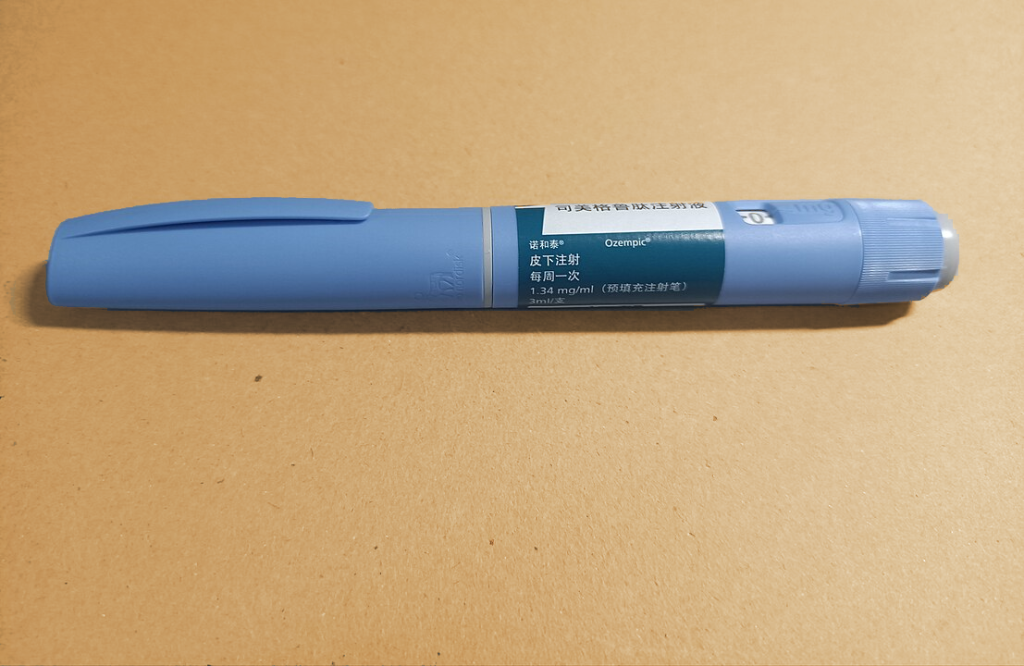
In this randomised, controlled, double-blind trial, participants were assigned to take either 2.4mg of semaglutide (the FDA-approved semaglutide dose for weight management) or a placebo once a week, which is higher than the FDA-approved semaglutide dose limit for Type 2 diabetes of 2.0mg/week. Each person in the study used a ‘pen’ to inject the medicine or placebo into a skin fold in their stomach, thigh or upper arm each week on the same day, and the dose started at 0.24mg and gradually increased every four weeks up to 2.4mg, and mean follow-up for all participants was 40 months.

In addition to taking either semaglutide or placebo for the trial, all participants also received standard of care treatment for cardiovascular disease, such as cholesterol modifying medications, antiplatelet therapies, beta blockers or other treatments. The authors note that heart disease diagnoses varied among the participants, therefore, treatment was adjusted to meet each individual’s diagnosis and needs, as well as the treatment guidelines in their country of residence.

The study, which ran from October 2018 through June 2023, indicated the following:

  • There was a 20% reduction in the risk of heart attacks, strokes or death due to cardiovascular disease in the participants who took semaglutide, compared to the participants in the placebo group.
  • In the semaglutide group, the participants’ body weight was reduced, on average, by 9.4% compared to a reduction of 0.9% among the adults in the placebo group.
  • There were no new safety concerns found in the study, which researchers note is encouraging since the SELECT trial is the largest and longest (4.5 years) trial of semaglutide in adults without Type 1 or Type 2 diabetes.
  • The number of serious adverse events was lower in the semaglutide group. Previous studies of medications of the GLP-1 receptor agonist class have shown an association with gallbladder disorders, and in SELECT, there was a slightly higher rate of gallbladder disorders in the semaglutide vs placebo group (2.8% vs 2.3%, respectively).
  • Semaglutide was stopped more frequently than placebo for gastrointestinal intolerance, a known side effect of this class of medications; however, there was no higher rate of serious gastrointestinal events.
  • The researchers noted that this medication did not lead to an increased rate of pancreatitis, which has been a concern with prior medications of this type.
  • Of note, other weight-loss medications that are not GLP-1 receptor agonists have been associated with increased risks of psychiatric disorders or cancer; these risks were not elevated with semaglutide in the SELECT trial.

“It’s been estimated that within about ten years, over half of the world’s population will have overweight or obesity,” said Dr Lincoff. “And while GLP-1 medications are frequently prescribed for patients with vascular disease and Type 2 diabetes, there is a significant number of people who do not have Type 1 or Type 2 diabetes but do have vascular disease and overweight or obesity for whom these medications are often not available due to access to care issues, insurance coverage or other factors. This population may now potentially benefit from semaglutide, and importantly, our results indicate the magnitude of cardiovascular risk reduction with semaglutide among people without Type 1 or Type 2 diabetes is the same as what we have seen in people with Type 2 diabetes. Our findings expand the opportunity to treat patients who have overweight or obesity and existing heart disease without Type 1 or Type 2 diabetes, and we have a chance to significantly reduce their risk of a secondary cardiovascular event including death.”

Among the study limitations were including adults with prior cardiovascular disease, thereby not investigating primary prevention of cardiovascular disease (people with no history of a heart attack, stroke and/or peripheral artery disease). In addition, 28% of the study participants were female, which is not proportionate to the number of women with cardiovascular disease and overweight or obesity in the general population.

Additional analyses will include identifying the mediators of the cardiovascular benefit to determine to what extent the results were driven by reduction of metabolically unhealthy body fat, positive impacts on inflammation or blood sugar, direct effects of the medication itself on plaque build-up in the arteries, or a combination of one or more variables.

Source: American Heart Association

Nanoparticles from Coffee Grounds could Stall Neurodegenerative Disease Development

Photo by Mike Kenneally on Unsplash

Researchers may potentially have found a preventive solution for neurodegenerative disorders in the most unlikely of sources: used coffee grounds. The researchers found caffeic-acid based Carbon Quantum Dots (CACQDs) have the potential to protect brain cells from the damage caused by several neurodegenerative diseases – if the condition is triggered by factors such as obesity, age and exposure to pesticides and other toxic environmental chemicals.

Carbon Quantum Dots are essentially simple nanoparticles made of carbon that have found a growing number of applications, including bioimaging thanks to its fluorescent properties and as photochemical catalysts. Their active surfaces can be doped with different elements for desired effects, are biocompatible and can be produced simply from a range of organic substances such as lemon juice and used tea leaves.

The University of Texas at El Paso team behind the study was led by Jyotish Kumar, a doctoral student in the Department of Chemistry and Biochemistry, and overseen by Mahesh Narayan, PhD, a professor and Fellow of the Royal Society of Chemistry in the same department. Their work is described in the journal Environmental Research.

“Caffeic-acid based Carbon Quantum Dots have the potential to be transformative in the treatment of neurodegenerative disorders,” Kumar said.

“This is because none of the current treatments resolve the diseases; they only help manage the symptoms. Our aim is to find a cure by addressing the atomic and molecular underpinnings that drive these conditions.”

Neurodegenerative diseases, when they are in their early stages and are caused by lifestyle or environmental factors, share several traits.

These include elevated levels of free radicals in the brain, and the aggregation of fragments of amyloid-forming proteins that can lead to plaques or fibrils in the brain.

Kumar and his colleagues found that CACQDs were neuroprotective across test tube experiments, cell lines and other models of Parkinson’s disease when the disorder was caused by a pesticide called paraquat.

The CACQDs, the team observed, were able to remove free radicals or prevent them from causing damage and inhibited the aggregation of amyloid protein fragments without causing any significant side effects.

The team hypothesises that in humans, in the very early stage of a condition such as Alzheimer’s or Parkinson’s, a treatment based on CACQDs can be effective in preventing full-on disease.

“It is critical to address these disorders before they reach the clinical stage,” Narayan said.

“At that point, it is likely too late. Any current treatments that can address advanced symptoms of neurodegenerative disease are simply beyond the means of most people. Our aim is to come up with a solution that can prevent most cases of these conditions at a cost that is manageable for as many patients as possible.”

Caffeic acid belongs to a family of compounds called polyphenols, which are plant-based compounds known for their antioxidant, or free radical-scavenging properties. Caffeic acid is unique because it can penetrate the blood-brain barrier and is thus able to exert its effects upon the cells inside the brain, Narayan said.

In the simple one-step ‘green chemistry’ method, the team ‘cooked’ caffeic acid at 230°C for two hours to reorient the caffeic acid’s carbon structure and form CACQDs. The CACQDs were then extracted according to a molecular weight cutoff of 1kDa.

The sheer abundance of coffee grounds is what makes the process both economical and sustainable, Narayan said.

Source: University of Texas at El Paso

Desirability of Ultra-processed Foods no Better than Less Processed Ones

Photo by Skyler Ewing

New research that had participants compare the taste perception of less processed foods with ultra-processed foods (UPFs), found that UPFs were no more pleasant tasting than less processed foods. The University of Bristol-led findings, published in the journal Appetite, support the theory that humans are programmed to learn to like foods with more equal amounts of carbohydrate and fat. Carbohydrate (including sugars) and fat provide most of the calories in human diets.

The study wanted to test the common but largely untested assumptions that food energy density (calories per gram), level of processing, and carbohydrate-to-fat ratio are key factors influencing food liking and desirability.

In the experiment, involving 224 adult volunteers, participants were presented with colour images of between 24 and 32 familiar foods, varying in energy density, level of processing (including UPFs), and carbohydrate-to-fat ratio. There were 52 different foods in total, including avocado, grapes, cashew nuts, king prawns, olives, blueberry muffin, crispbread, pepperoni sausage, and ice cream.

Participants were then asked to rate the foods for taste pleasantness (liking), desire to eat, sweetness, and saltiness while imagining tasting them. The validity of this method was confirmed by, for example, finding a strong relationship between sweetness ratings and food sugar content.

Results from the study showed that, on average, UPFs were no more liked or desired than processed or unprocessed foods. But foods that combined more equal amounts (in calories) of carbohydrate and fat were more liked and desired than foods equivalent in calories but mostly from either carbohydrate or fat. This is known, from previous research, as the ‘combo’ effect.

Further results revealed that foods with higher amounts of dietary fibre were less liked and desired, and foods tasting more intense (mainly related to the level of sweetness and saltiness), were more liked and desired.

Lead author Professor Peter Rogers found the results for UPFs surprising.  He said: “Our results challenge the assumption that ultra-processed foods are ‘hyperpalatable’, and it seems odd that this has not been directly tested before.

“However, whilst ultra-processing didn’t reliably predict liking (palatability) in our study, food carbohydrate-to-fat ratio, food fibre content, and taste intensity did – actually, together, these three characteristics accounted for more than half of the variability in liking across the foods we tested.

“The results for sweetness and saltiness, are consistent with our innate liking for sweetness and saltiness. And the results for carbohydrate-to-fat ratio and fibre might be related to another important characteristic that determines food liking.

“Our suggestion is that humans are programmed to learn to like foods with more equal amounts of carbohydrate and fat, and lower amounts of fibre, because those foods are less filling per calorie. In other words, we value calories over fullness.

“In turn, this trait helps us to maximise calorie intake and build up fat reserves when food is abundant – which is adaptive in circumstances when food supplies are uncertain or fluctuate seasonally, but not when food is continuously available in excess of our immediate needs.”

The researchers at the Nutrition and Behaviour Group are currently testing the calories versus fullness idea in further studies of food liking and meal preferences, including across different countries and cuisines.

Source: University of Bristol