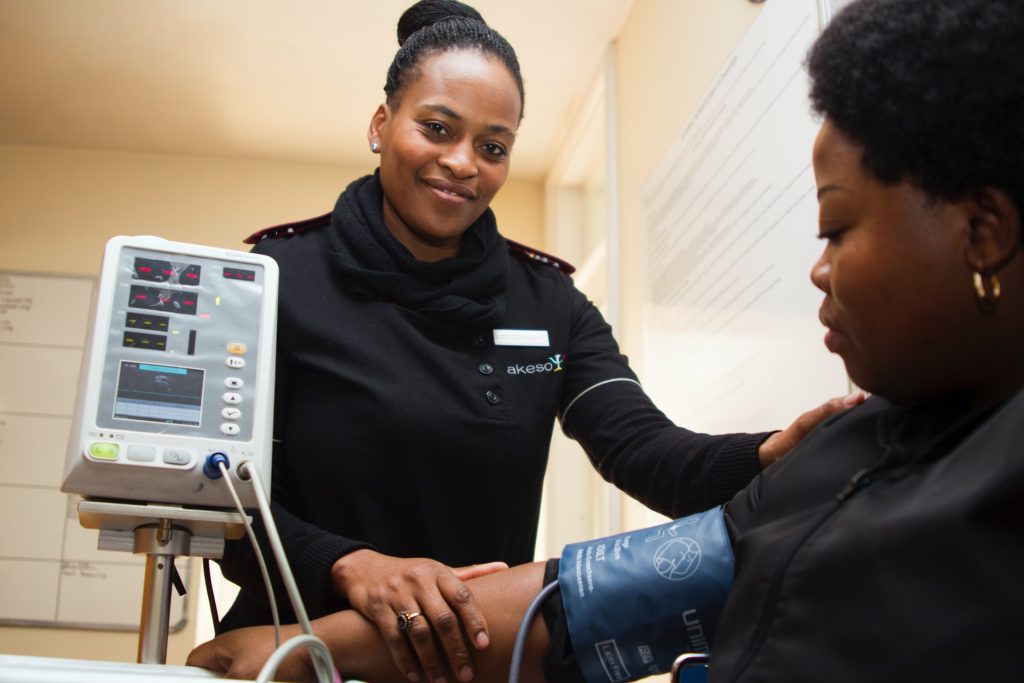
Year: 2023

Opinion: Exciting Health Reforms are Possible if We can Move Beyond All the Political Sclerosis

By Marcus Low, Spotlight Editor

It is often enlightening for us at Spotlight to ask how and why certain services differ in the ways they do between the private and public healthcare sectors.

Take something as simple as needing medical help when you have a flu that just won’t go away. As a private sector patient, I’d call my GP’s office and make an appointment. Providing I get there on time, chances are I would at most be asked to wait for 10 or 20 minutes in a comfortable waiting room. By contrast, at many public healthcare facilities, you are not able to make an appointment, and often have to wait for long hours in a poorly ventilated and overcrowded waiting area and will likely end up seeing a nurse rather than a GP.

Some aspects of such differences are understandable, albeit deeply problematic. The shortage of doctors is much more acute in the public sector than in the private sector. There is a moral imperative to address this imbalance, but as previously argued, the current NHI plans are just one way to address it.

Why some public healthcare facilities still do not use appointment systems is harder to explain. Even if some users prefer to queue rather than to have appointments, it is odd that all facilities do not at least have hybrid systems with some appointments and some queueing. Having appointment systems is not rocket science and doesn’t have to cost millions.

There are, of course, other examples. As a private healthcare user, it is relatively trivial for me to get a six-month chronic medication script from my GP and to arrange for the medicines to be delivered to my home. Though there has been significant progress in this direction in the public sector, many people still find it hard to get scripts and collect their medicines.

Of course, differences in available resources are a large part of what is going on here, but it is not the whole story. As a private healthcare user, my needs, my preferences, and my time are generally respected in a way that seems rare in the public sector. To be clear, there are many committed healthcare workers in the public sector who show exemplary respect for their patients, but at a systemic level, as in the decision not to have appointment systems or not to allow for extended medicine refills, people’s time and needs are being disregarded.

Apart from the risk of corruption and mismanagement, much of the middle-class resistance to NHI may well have to do with the fear that people who can now access private healthcare services will become subject to precisely this kind of systemic indifference to their needs. And indeed, while the rhetoric around NHI has often been about ideals like the need for greater social solidarity, we haven’t really seen a vision presented of NHI as offering better, more respectful, and more personalised healthcare.

But, with a bit of flexibility, this could change.

Consider annual checkups. Rather than asking public sector patients to go to overcrowded clinics with long queues for tests, why not give public sector users the option of getting their basic screening tests for HIV, TB, hypertension, and diabetes done at private sector pharmacies along the lines of Discovery Health’s Annual Health Checkup. Of course, data systems will have to be developed to support this and it will have to be budgeted for, but the extra convenience will no doubt make a big difference for many and could help with early detection of these diseases. (We previously wrote about the idea of such an expanded annual checkup programme here.)

Getting the state to pay for such checkups at private sector pharmacies is not exactly NHI as set out in the bill, but the idea certainly shares some DNA.

To be fair, there are at least some exceptions that show such innovation is possible. Maybe most notably, these days many public sector patients can collect their chronic medicines at private pharmacies or other pickup points. Though still a work in progress, the evolution of the public sector medicines distribution system shows that we need not wait for the NHI Bill before taking steps to make things easier and more convenient for users.

In addition, with the NHI pilot projects we have seen at least some awareness that there is a need to try new things and learn from them. Unfortunately, on the whole the NHI pilot projects didn’t meaningfully pilot the key aspects of NHI, and where they did, as with GP contracting, it didn’t go well. And here one gets to the rub. From the outside one gets the impression that those who wanted to run pilots we could actually learn from lost out to those who consider the pilots just another step toward building political support for NHI.

As for the NHI Bill itself, the fact that the ANC and much of the portfolio committee on health, has been intent on reducing almost all discussion on the Bill to a simple for or against shows a clear disdain for meaningful engagement. Indeed, whatever its merits, the ANC’s version of NHI has become fundamentally associated with an overdose of ideology and an absence of curiosity and critical thinking.

But we don’t have to buy into the ANC’s sclerotic thinking.

There are many possible ways to reform and improve our healthcare system. Some will be affordable, some won’t. Either way, it would be foolish to simply turn our backs and pretend they are not there.

*Low is the editor of Spotlight.

Republished from Spotlight under a Creative Commons Licence.

Source: Spotlight
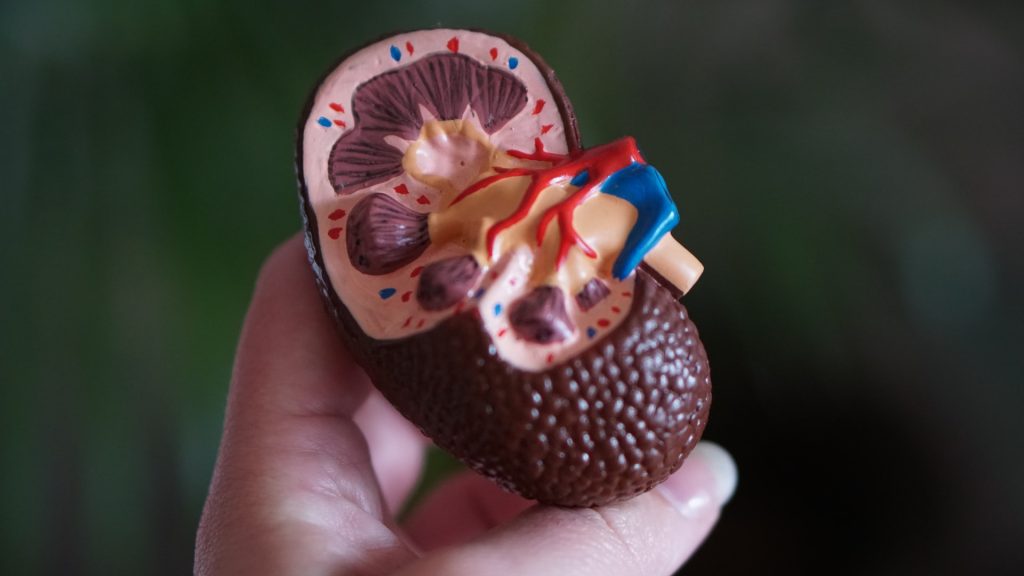
Regular Checkups may Forestall Kidney Disease Progression

Photo by Robina Weermeijer on Unsplash

A new Japanese ecological study revealed that participation rates for Specific Health Checkups (SHC participation rates) had significant negative effects on standardised incidence rates (SIRs) of treated end-stage kidney disease (ESKD) and prevalence of chronic kidney disease (CKD). The findings support the importance of increasing SHC participation rates at the population level and encouraging people to undergo regular health checkups.

These factors were all relative to each of Japan’s administrative regions, known as prefectures. The findings were reported in Clinical and Experimental Nephrology.

“Japan has one of the highest incidence and prevalence rates of treated ESKD and substantial regional variation in the incidence of treated ESKD despite a uniform health care and insurance system and low ethnic and racial diversity,” said Dr Wakasugi, the corresponding author of the study. “Large variations have been observed by prefecture in participation rates for SHC, an annual health screening program introduced by Japan’s Ministry of Health, Labour and Welfare since 2008 to identify individuals requiring specific health guidance to reduce the number of people having or at risk for, metabolic syndrome.”

Using five sources of nationwide open data, the study revealed that SHC participation rates had significant direct negative effects on prefecture-specific standardised incidence rates (SIRs) and the prefecture-specific prevalence of CKD. Furthermore, through SHC participation rates, the ratio of nephrology specialists had a significant indirect negative effect on prefecture-specific SIRs, suggesting that a higher prefecture-specific ratio of nephrology specialists was associated with lower prefecture-specific SIRs. The structural equation modelling model explained 14% of the variance in prefecture-specific SIRs, indicating that prefecture-specific SHC participation rates can partially explain regional variation in prefecture-specific SIRs of treated ESKD.

“Our findings concord with the Neyagawa Health Checkups and Health Care in Kokuho Database study, which showed that men who did not attend health checkups and did not undergo a kidney test using dipstick urinalysis and/or serum creatinine measurement at medical facilities were at significantly higher risk of treated ESKD than those who attended checkups, especially among those aged ≥ 75 years,” said Dr Wakasugi. “Our findings provide evidence to support the importance of increasing SHC participation rates from a population-level perspective and encouraging people to undergo health checkups.”

Source: EurekAlert

Health Department Agrees to Pay Nurses Uniform Allowance

Photo by Hush Naidoo on Unsplash

By Marecia Damons for GroundUp

The Department of Health has averted a standoff with nurses in the public sector with a last-minute agreement to pay nurses a temporary allowance to buy uniforms.

Nurses threatened to work in their own clothes if the department failed to provide them either with uniforms or with an allowance by 1 October. This plan was put on hold pending negotiations between unions and the health department.

Since 2005, nurses received an annual allowance to buy their uniforms. But this ended on 31 March this year after a new agreement was signed by the Public Health and Social Development Sectoral Bargaining Council. Under the new agreement, nurses would be provided with uniforms.

As a result, nurses did not get the usual allowance in April this year. Instead, they were supposed to be provided with uniforms by 1 October 2023.

The agreement stated that in the first year, the department must provide nurses with four sets of uniforms, one pair of shoes, and one jersey. In the second year, it must provide three sets of uniforms, one belt, and one jacket.

But then, at a last-minute meeting of the bargaining council in September, the department told unions that it would be unable to meet the 1 October deadline. It proposed to put on hold the supply of uniforms until 2024.

Spokesperson for the Democratic Nursing Association of South Africa (DENOSA) Sibongiseni Delihlazo said labour unions said that if the department was unable to supply the uniform by 1 October, they must pay nurses an allowance as previously.

If the department failed to provide uniforms or pay an allowance, DENOSA said, its 84,000 members would embark on an indefinite protest action by wearing their own clothes at work from 1 October.

Following the last-minute bargaining council meeting in September, a new agreement was signed on 4 October.

The bargaining council resolved that a temporary uniform allowance of R3,153 be paid to all qualifying nurses by 30 November 2023. The health department also agreed to provide nurses with uniforms by 1 September 2024.

If the department fails to provide the uniforms by 1 September 2024, “the uniform allowance shall continue, considering the applicable inflation rate annually, as pronounced by the National Treasury in February”, the agreement read.

Republished from GroundUp under a Creative Commons Attribution-NoDerivatives 4.0 International License.

Source: GroundUp

AI Finds that an Antimalarial Drug might Treat Osteoporosis Too

Photo by Ekamelev on Unsplash

Using a deep learning algorithm, which is a kind of artificial intelligence (AI), researchers reporting have found that dihydroartemisinin (DHA), an antimalarial drug and derivative of a traditional Chinese medicine, could treat osteoporosis as well. Publishing their findings in ACS Central Science, the team showed that in mice, DHA effectively reversed osteoporosis-related bone loss.

In healthy people, there is a balance between the osteoblasts that build new bone and osteoclasts that break it down. Current treatments for osteoporosis primarily focus on slowing the activity of the ‘wrecking crew’ of osteoclasts. But osteoblasts, or more specifically, their precursors known as bone marrow mesenchymal stem cells (BMMSCs), could be the basis for a different approach. During osteoporosis, these multipotent cells tend to turn into fat-creating cells instead, but they could be reprogrammed to help treat the disease. Previously, Zhengwei Xie and colleagues developed a deep learning algorithm that could predict how effectively certain small-molecule drugs reversed changes to gene expression associated with the disease. This time, joined by Yan Liu and Weiran Li, they wanted to use the algorithm to find a new treatment strategy for osteoporosis that focused on BMMSCs.

The team ran their program on a profile of differently expressed genes in newborn and adult mice. One of the top-ranked compounds identified was DHA, a derivative of artemisinin and a key component of malaria treatments. Administering DHA extract for six weeks to mice with induced osteoporosis significantly reduced bone loss in their femurs and nearly completely preserved bone structure. To improve delivery, the team designed a more robust system using injected, DHA-loaded nanoparticles. Bones of mice with osteoporosis that received the treatment were similar to those of the control group, and the treatment showed no evidence of toxicity. In further tests, the team determined that DHA interacted with BMMSCs to maintain their stemness and ultimately produce more osteoblasts. The researchers say that this work demonstrates that DHA is a promising therapeutic agent for osteoporosis.

Source: American Chemical Society

Red Meat Consumption Linked to Increased Type 2 Diabetes Risk

“Meat’s back off the menu, boys”

Photo by Jose Ignacio Pompe on Unsplash

People who eat just two servings of red meat per week may have an increased risk of developing type 2 diabetes compared to people who eat fewer servings, and the risk increases with greater consumption, according to a new study in The American Journal of Clinical Nutrition. However, substituting plant or diary protein for red meat was associated with reduced risk of type 2 diabetes.

“Our findings strongly support dietary guidelines that recommend limiting the consumption of red meat, and this applies to both processed and unprocessed red meat,” said first author Xiao Gu, postdoctoral research fellow in the Department of Nutrition at Harvard T.H. Chan School of Public Health.

While previous studies have found a link between red meat consumption and type 2 diabetes risk, this study, which analysed a large number of type 2 diabetes cases among participants being followed for an extended period of years, adds a greater level of certainty about the association.

Type 2 diabetes rates are increasing rapidly in the US and worldwide. This is concerning not only because the disease is a serious burden, but it also is a major risk factor for cardiovascular and kidney disease, cancer, and dementia.

For this study, the researchers analysed health data from 216 695 participants from the Nurses’ Health Study (NHS), NHS II, and Health Professionals Follow-up Study (HPFS). Diet was assessed with food frequency questionnaires every two to four years, for up to 36 years. During this time, more than 22 000 participants developed type 2 diabetes.

The researchers found that consumption of red meat, including processed and unprocessed red meat, was strongly associated with increased risk of type 2 diabetes. Participants who ate the most red meat had a 62% higher risk of developing type 2 diabetes compared to those who ate the least. Every additional daily serving of processed red meat was associated with a 46% greater risk of developing type 2 diabetes and every additional daily serving of unprocessed red meat was associated with a 24% greater risk.

The researchers also estimated the potential effects of substituting one daily serving of red meat for another protein source. They found that substituting a serving of nuts and legumes was associated with a 30% lower risk of type 2 diabetes, and substituting a serving of dairy products was associated with a 22% lower risk.

“Given our findings and previous work by others, a limit of about one serving per week of red meat would be reasonable for people wishing to optimise their health and wellbeing,” said senior author Walter Willett, professor of epidemiology and nutrition.

In addition to health benefits, swapping red meat for healthy plant protein sources would help reduce greenhouse gas emissions and climate change, and provide other environmental benefits, according to the researchers.

Source: Harvard T.H. Chan School of Public Health

Ketamine’s Effect on Depression is Essentially Placebo Effect

Photo by Bruce Christianson on Unsplash

Over the years, studies have demonstrated the psychoactive drug ketamine’s effect on depression, providing profound and fast relief to many people. But these studies have a critical flaw: participants usually can tell whether they have been given ketamine or a placebo. Even in blinded trials in which participants are not told which they received, ketamine’s oftentimes trippy effects are a dead giveaway.

In a new study published in Nature Mental Health, Stanford Medicine researchers devised a clever workaround to hide the psychedelic, or dissociative, properties of the anesthetic first developed in 1962. They recruited 40 participants with moderate to severe depression who were also scheduled for routine surgery, then administered a single infusion of ketamine (0.5 mg kg−1) or placebo (saline) during usual anaesthesia.

All researchers and clinicians involved in the trial also were blinded to which treatment patients received. The treatments were revealed two weeks later.

The researchers were amazed to find that both groups experienced the large improvement in depression symptoms usually seen with ketamine.

“I was very surprised to see this result, especially having talked to some of those patients who said ‘My life is changed, I’ve never felt this way before,’ but they were in the placebo group,” said Boris Heifets, MD, PhD, assistant professor of anaesthesiology, perioperative and pain medicine, and senior author.

Just one day after treatment, both the ketamine and placebo groups’ scores on the Montgomery-Åsberg depression rating scale (MADRS) dropped, on average, by half. Their scores stayed roughly the same throughout the two-week follow-up.

“To put that into perspective, that brings them down to a category of mild depression from what had been debilitating levels of depression,” said Theresa Lii, MD, a postdoctoral scholar in the Heifets lab and lead author of the study.

What does it all mean?

The researchers concede that their study, having taken an unexpected turn, raises more questions than it answers.

“Now all the interpretations happen,” said Alan Schatzberg, MD, a co-author of the study. “It’s like looking at a Picasso painting.”

The researchers determined that it was unlikely the surgeries and general anaesthesia account for the improvements because studies have found that depression generally does not change after surgery; sometimes, it worsens.

A more likely interpretation, the researchers said, is that participants’ positive expectations may play a key role in ketamine’s effectiveness.

At their last follow-up visit, participants were asked to guess which intervention they had received. About a quarter said they didn’t know. Of those who ventured a guess, more than 60% guessed ketamine.

Their guesses did not correlate with their treatment – confirmation of effective blinding – but rather with how much better they felt.

Source: Stanford Medicine

Females Less Able to Recover from ACL Injuries

Photo by Andrea Piacquadio on Pexels

Injuries of the knee’s anterior cruciate ligament (ACL) are typically thought to be caused by acute traumatic events, such as sudden twists. Published in the Journal of Orthopaedic Research, new work analysing an animal model of ACLs suggests that such injuries can also occur as a result of chronic overuse, specifically due to a reduced ability to repair microtraumas associated with overuse. Importantly, the team said, females also are less able to heal from these microtraumas than males, which may explain why females are two to eight times more likely to tear their ACL ligaments than males.

“ACL tears are one of the most common injuries, affecting more than 200 000 people in the US each year, and women are known to be particularly susceptible,” said principal investigator Spencer Szczesny, associate professor of biomedical engineering and of orthopaedics and rehabilitation at Penn State. “While recent research suggests that chronic overuse can lead to ACL injuries, until now, no one had investigated the differential biological response of female and male ACLs to applied force.”

In the Penn State-led study, researchers placed ACLs from deceased male and female rabbits in a custom-made bioreactor that simulated the conditions of a living animal but allowed direct observation and measurement of the tissue. Next, they applied repetitive forces to the ACLs that mimicked those that would naturally occur during activities such as standing, walking and trotting and measured the expression of genes related to healing.

In male samples, the team found that low and moderate applied forces, such as those that would occur during standing or walking, resulted in increased expression of anabolic genes, which are related to building molecules needed for healing. By contrast, larger applied forces, such as those that would occur with repetitive trotting, decreased expression of these anabolic genes. For female samples, however, the amount of force applied did not influence the level of anabolic gene expression.

“It didn’t matter whether there was low, medium or high activity for females,” said Lauren Paschall, graduate student in biomedical engineering at Penn State and first author on the paper. “Female ACLs exposed to chronic use just didn’t heal as well as male ACLs, which may explain why women are predisposed to injuries. This supports the hypothesis that noncontact ACL injuries are attributed to microtraumas associated with chronic overuse that predispose the ACL to injury.”

According to the researchers, one explanation for the sex differences the team observed could be due to the higher amounts of oestrogen in females.

“Some studies have found that the overall effect of oestrogen on ACL injury is negative,” Paschall said. “Specifically, studies have shown that human women are more likely to tear their ACLs during the preovulatory phase, when oestrogen levels are high, than during the postovulatory phase, when oestrogen levels are low.”

She said the team plans to further investigate the role of oestrogen on ACL injury.

Szczesny noted that although the team’s study was not in humans, the findings may suggest that providing additional recovery time for women following injuries could be advantageous.

“Ultimately, this work could also help to identify targets for therapeutics to prevent ACL injuries in women,” he said.

Source: Penn State

Study Finds Urological Effects of SARS-CoV-2 Infection in Men

Photo by Help Stay on Unsplash

A study published in the Journal of Internal Medicine indicates that SARS-CoV-2 infection may worsen lower urinary tract symptoms (LUTS) in men. The study researchers found that a enlarged prostate as a result of COVID was involved.

The study included 17 986 men receiving medication for LUTS within the public healthcare system of Hong Kong in 2021–2022, half of whom had SARS-CoV-2 infection. The group with SARS-CoV-2 had significantly higher rates of retention of urine (4.55% versus 0.86%); blood in the urine (1.36% versus 0.41%); clinical urinary tract infection (4.31% versus 1.49%); bacteria in the urine (9.02% versus 1.97%); and addition of 5-alpha reductase inhibitors, which are drugs prescribed for enlarged prostate. (0.50% versus 0.02%). These urological manifestations occurred regardless of COVID severity.

The findings might relate to the presence of certain proteins targeted by SARS-CoV-2 that are known to be expressed in the prostate.

“We are excited to be the first to report the effects of COVID on complications of benign prostatic hyperplasia – or enlarged prostate – and also demonstrate the alarming extent of its urological effects,” said corresponding author Alex Qinyang Liu, MD, of Prince of Wales Hospital, in Hong Kong.

Source: Wiley

Converting Brain Immune Cells into Neurons Boosts Stroke Recovery in Mice

Source: CC0

Japanese researchers have turned microglia (brain immune cells) into neurons, successfully restoring brain function after stroke-like injury in mice. These findings, published in PNAS, suggest that replenishing neurons from immune cells could be a promising avenue for treating stroke in humans.

Recovery from stroke, where blood supply to neurons is disrupted by blockage or bleeding, is often poor, with patients suffering from severe physical disabilities and cognitive problems.

“When we get a cut or break a bone, our skin and bone cells can replicate to heal our body. But the neurons in our brain cannot easily regenerate, so the damage is often permanent,” says Professor Kinichi Nakashima, from Kyushu University’s Graduate School of Medical Sciences. “We therefore need to find new ways to replace lost neurons.”

One possible strategy is to convert other cells in the brain into neurons. Here, the researchers focused on microglia, the main immune cells in the central nervous system. Microglia are tasked with removing damaged or dead cells in the brain, so after a stroke, they move towards the site of injury and replicate quickly.

“Microglia are abundant and exactly in the place we need them, so they are an ideal target for conversion,” says first author Dr Takashi Irie, from Kyushu University Hospital.

In prior research, the team demonstrated that they could coax microglia to develop into neurons in the brains of healthy mice. Dr Irie and Professor Nakashima and colleagues, now showed that this strategy of replacing neurons also works in injured brains and contributes to brain recovery.

To conduct the study, the researchers caused a stroke-like injury in mice by temporarily blocking the right middle cerebral artery — a major blood vessel in the brain that is commonly associated with stroke in humans. A week later, the researchers examined the mice and found that they had difficulties in motor function and had a marked loss of neurons in a brain region known as the striatum. This part of the brain is involved in decision making, action planning and motor coordination.

The researchers then used a lentivirus to insert DNA into microglial cells at the site of the injury. The DNA held instructions for producing NeuroD1, a protein that induces neuronal conversion. Over the subsequent weeks, the infected cells began developing into neurons and the areas of the brain with neuron loss decreased. By eight weeks, the new induced neurons had successfully integrated into the brain’s circuits.

At only three weeks post-infection, the mice showed improved motor function in behavioural tests. These improvements were lost when the researchers removed the new induced neurons, providing strong evidence that the newly converted neurons directly contributed to recovery.

“These results are very promising. The next step is to test whether NeuroD1 is also effective at converting human microglia into neurons and confirm that our method of inserting genes into the microglial cells is safe,” says Professor Nakashima.

Furthermore, the treatment was conducted in mice in the acute phase after stroke, when microglia were migrating to and replicating at the site of injury. Therefore, the researchers also plan to see if recovery is also possible in mice at a later, chronic phase.

Source: Kyushu University

AI-based CT Scans of the Brain can Nearly Match MRI

Photo by Mart Production on Pexels

A new artificial intelligence (AI)-based method can provide as much information on subtle neurodegenerative changes in the brain captured by computed tomography (CT) as compared to magnetic resonance imaging (MRI). The method, reported in the journal Alzheimer’s & Dementia, could enhance diagnostic support, particularly in primary care, for conditions such as dementia and other brain disorders.

Compared to MRI, which requires powerful superconducting magnetics and their associated cryogenic cooling, computed tomography (CT) is a relatively inexpensive and widely available imaging technology. CT is considered inferior to MRI when it comes to reproducing subtle structural changes in the brain or flow changes in the ventricular system. Certain imaging must therefore currently be carried out by specialist departments at larger hospitals equipped with MRI.

AI trained on MRI images

Created with deep learning, a form of AI, the software has been trained to transfer interpretations from MRI images to CT images of the same brains. The new software can provide diagnostic support for radiologists and other professionals who interpret CT images.

“Our method generates diagnostically useful data from routine CT scans that, in some cases, is as good as an MRI scan performed in specialist healthcare,” says Michael Schöll, a professor at Sahlgrenska Academy who led the work involved in the study, carried out in collaboration with researchers at Karolinska Institutet, the National University of Singapore, and Lund University

“The point is that this simple, quick method can provide much more information from examinations that are already carried out on a routine basis within primary care, but also in certain specialist healthcare investigations. In its initial stage, the method can support dementia diagnosis, however, it is also likely to have other applications within neuroradiology.”

Reliable decision-making support

This is a well-validated clinical application of AI-based algorithms, and has the potential to become a fast and reliable form of decision-making support that effectively reduces the number of false negatives. The researchers believe that this solution can improve diagnostics in primary care, optimising patient flow to specialist care.

“This is a major step forward for imaging diagnosis,” says Meera Srikrishna, a postdoctor at the University of Gothenburg and lead author of the study.

“It is now possible to measure the size of different structures or regions of the brain in a similar way to advanced analysis of MRI images. The software makes it possible to segment the brain’s constituent parts in the image and to measure its volume, even though the image quality is not as high with CT.”

Applications for other brain diseases

The software was trained on images of 1117 people, all of whom underwent both CT and MRI imaging. The current study mainly involved healthy older individuals and patients with various forms of dementia. Another application that the team is now investigating is for normal pressure hydrocephalus (NPH).

With NPH, the team has obtained new results indicating that the method can be used both during diagnosis and to monitor the effects of treatment. NPH is a condition that occurs particularly in older people, whereby fluid builds up in the cerebral ventricular system and results in neurological symptoms. About two percent of all people over the age of 65 are affected. Because diagnosis can be complicated and the condition risks being confused with other diseases, many cases are likely to be missed.

“NPH is difficult to diagnose, and it can also be hard to safely evaluate the effect of shunt surgery to drain the fluid in the brain,” continues Michael. “We therefore believe that our method can make a big difference when caring for these patients.”

The software has been developed over the course of several years, and development is now continuing in cooperation with clinics in Sweden, the UK, and the US together with a company, which is a requirement for the innovation to be approved and transferred to healthcare.

Source: University of Gothenburg