Year: 2023

Combining Diagnosis and Treatment into One to Treat Pancreatic Cancer

Pancreatic cancer cells. Credit: NIH

Pancreatic ductal adenocarcinoma (PDAC) is one of the deadliest cancers worldwide, with a 5-year survival rate of less than 10%. Many PDAC tumours go undetected in early stages since they go undetected by conventional imaging methods such as fluorodeoxyglucose positron emission tomography (PET) scans. To tackle this problem, researchers in Japan are combining diagnostic and therapeutic procedures into a single integrated process: ‘theranostics’.

In an article recently published in the Journal of Nuclear Medicine, the Osaka University-led team has developed a ‘radio-theranostics’ strategy that uses a new radioactive antibody to target glypican-1 (GPC1), a protein highly expressed in PDAC tumours. Theranostics, particularly radio-theranostics, has been receiving increasing attention because, by radio-labelling the compounds used to target certain molecules in cancer cells, diagnosis and treatment can be carried out sequentially.

“We decided to target GPC1 because it is overexpressed in PDAC but is only present in low levels in normal tissues,” explains Tadashi Watabe, lead author of the study.

The team used a monoclonal antibody (mAb) designed to target GPC1. The mAb could be labelled with isotopes of zirconium (89Zr) or astatine (211At). First, they injected the 89Zr-GPC1 mAb into a xenograft mouse model, which has a human pancreatic cancer tumour.

“We monitored 89Zr-GPC1 mAb internalisation over seven days with PET scanning,” explains Kazuya Kabayama, the second author of the article. “There was strong uptake of the mAb into the tumours, suggesting that this method could support tumour visualisation. We confirmed that this was mediated by its binding to GPC1, as the xenograft model that had GPC1 expression knocked out showed significantly less uptake.”

The researchers next tested this model with alpha therapy using 211At-GPC1 mAb, a method that could support radioactive label-based delivery of a therapeutic molecule to its target. Administration of 211At-GPC1 mAb resulted in DNA double-strand break induction in the cancer cells, as well as significantly reduced tumour growth. Control experiments showed that these antitumor effects did not occur when mAb internalisation was blocked. Additionally, non-radiolabelled GPC1 mAb did not induce these effects.

“Both radiolabeled versions of the GPC1 mAb we examined showed promising results in PDAC,” says Watabe. “89Zr-GPC1 mAb showed high humoral uptake, while 211At-GPC1 mAb could be used for targeted alpha therapy to support suppression of PDAC tumour growth.”

These highly impactful data demonstrate the potential for using a theranostics approach in PDAC, a disease in dire need of new diagnostic and therapeutic options. In the future, this could lead to early detection of PDAC with PET imaging and systemic treatment with alpha therapy.

Source: Osaka University

Timed Cortisol Delivery Improves Adrenal Condition Symptoms

Photo by Karolina Grabowska on Pexels

A trial of a hormone replacement therapy that more closely replicates the natural circadian and ultradian rhythms of hormones has shown to improve symptoms in patients with adrenal conditions. Results from the University of Bristol-led clinical trial are published in the Journal of Internal Medicine.

Low cortisol levels typically result from conditions such as Addison’s and Congenital Adrenal Hyperplasia. The hormone regulates a range of vital processes, from cognitive processes such as memory formation, metabolism and immune responses, through to blood pressure and blood sugar levels. When low, it can trigger symptoms of debilitating fatigue, nausea, muscle weakness, dangerously low blood pressure and depression. Although rare, these adrenal conditions require lifelong daily hydrocortisone replacement therapy.

Although existing oral hormone replacement treatment can restore cortisol levels, it is still associated with an impaired quality of life for patients. Scientists believe this is because the current treatment does not mimic the body’s normal physiological timing, missing cortisol’s anticipatory rise and lacking its underlying ultradian and circadian rhythms.

The new ‘Pulsatility’ therapy, the culmination of ten years research by the Bristol team, is designed to deliver standard hydrocortisone replacement to patients via a pump which replicates more closely cortisol’s natural rhythmic secretion pattern. The pulsatile subcutaneous pump has now revealed promising results in its first clinical trial.

The double-blinded PULSES six-week trial recruited 20 participants aged 18 to 64 years with adrenal insufficiency conditions. They treated with usual dose hydrocortisone replacement therapy administered either via the pump or the standard three times daily oral treatment.

While only psychological and metabolic symptoms were assessed during the trial, results revealed the pump therapy decreased patient fatigue by approximately 10%, improved mood and increased energy levels by 30% first thing in the morning – when many patients struggle the most. MRI scans also revealed alteration in the way that the brain processes emotional information.

Dr Georgina Russell, Honorary Lecturer at the University’s Bristol Medical School, and the lead author, explained: “Patients on cortisol replacement therapy often have side effects which makes it difficult for them to lead normal lives. We hope this new therapy will offer greater hope for the thousands of people living with hormone insufficiency conditions.”

Stafford Lightman, a neuroendocrinology expert and Professor of Medicine at Bristol Medical School: Translational Health Sciences (THS), and the study’s joint lead author, added: “Besides reduction in dosage, cortisol replacement has remained unchanged for many decades. It is widely recognised that current replacement therapy is unphysiological due to its lack of pre-awakening surge, ultradian rhythmicity, and post dose supraphysiological peaks. The new therapy clearly shows that the timing of cortisol delivery, in line with the body’s own rhythmic pattern of cortisol secretion, is important for normal cognition and behaviour.

Source:

Physicians and Nurse Practitioners have Similar Prescribing Error Rates

Photo by Towfiqu Barbhuiya on Unsplash

A study of more than 73 000 primary care physicians (PCPs) and nurse practitioners (NPs) in the US suggest that  both are similarly likely to inappropriately prescribe medications to older patients. According to the authors, this study adds to growing evidence indicating that when prescriptive authority is expanded to include NPs, these new prescribers do not perform worse than physicians. The study is published in Annals of Internal Medicine.

NPs, registered nurses with advanced degrees and more experience, are helping to solve the ongoing PCP shortage problem in the United States. Currently, state laws determine what type of medical care NPs can provide, such as practicing independently and prescribing medications without physician supervision.

Researchers from University of California, Los Angeles, Yale Law School, and Stanford University calculated inappropriate prescribing rates for 23 669 NPs and 50 060 PCPs prescribing medications to patients aged 65 years and older across 29 states in the US where NPs are authorised to prescribe. Inappropriate prescribing was defined using the American Geriatrics Society’s Beers Criteria. The researchers found that both PCPs and NPs averaged approximately 1.7 inappropriate prescriptions for every 100 prescriptions written. However, NPs were overrepresented among clinicians with the highest and the lowest rates of inappropriate prescribing. According to the authors, these findings provide useful lessons for policymakers, lawmakers, and regulators. Use of clinician-level performance measures, coupled with efforts to improve prescribing at the organisational and individual levels, could help to address deficient performance among all clinicians who prescribe. The authors say that technologic interventions, such as prescription drug monitoring, have a role to play, as do initiatives aimed at ensuring better adherence to trusted guidelines like the Beers Criteria.

An accompanying editorial from authors at University of California, Los Angeles suggests that rates of inappropriate prescribing are too high among clinicians of all stripes. The authors note that NPs are providing a greater proportion of care to older adults outside of large metropolitan areas, many of whom would likely have no other source of primary care. They also emphasise that NPs will continue to serve critical roles in ensuring that older adults in areas with inadequate numbers of health care providers receive primary care. The goal of clinicians should be to reduce variation and improve prescribing quality among all clinicians who care for older adults.

Source: EurekAlert!

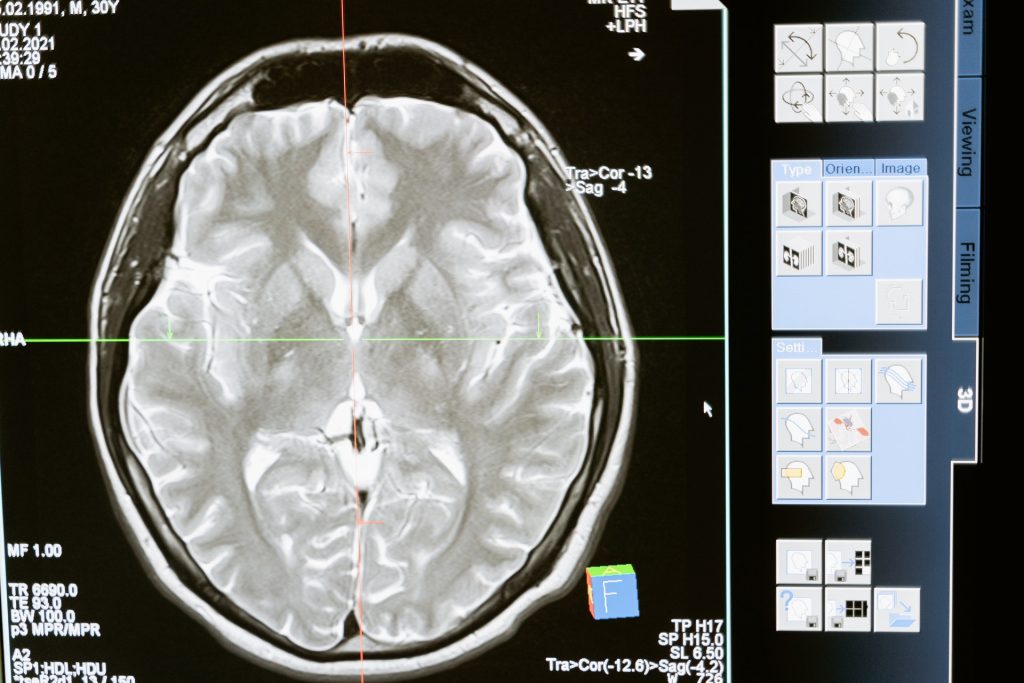
Scientists Record Powerful Signals in the Brain’s White Matter

Scientists have concentrated on the grey matter of the cortex, composed of nerve cell bodies , while ignoring white matter, composed of axons, even though it makes up half the brain. Now, in the Proceedings of the National Academy of Sciences, Vanderbilt University researchers report strong signs of brain activity when performing certain tasks.

For several years, John Gore, PhD, director of the Vanderbilt University Institute of Imaging Science, and his colleagues have used functional magnetic resonance imaging (fMRI) to detect blood oxygenation-level dependent (BOLD) signals, a key marker of brain activity, in white matter.

In this latest paper, the researchers report that when people who are having their brains scanned by fMRI perform a task, like wiggling their fingers, BOLD signals increase in white matter throughout the brain.

“We don’t know what this means,” said the paper’s first author, Kurt Schilling, PhD, research assistant professor of Radiology and Radiological Sciences at VUMC. “We just know that something is happening. There truly is a powerful signal in the white matter.”

It is important to pursue this because disorders as diverse as epilepsy and multiple sclerosis disrupt the “connectivity” of the brain, Schilling said. This suggests that something is going on in white matter.

To find out, the researchers will continue to study changes in white matter signals they’ve previously detected in schizophrenia, Alzheimer’s disease and other brain disorders. Through animal studies and tissue analysis, they also hope to determine the biological basis for these changes.

In grey matter, BOLD signals reflect a rise in blood flow (and oxygen) in response to increased nerve cell activity.

Perhaps the axons, or the glial cells that maintain the protective myelin sheath around them, also use more oxygen when the brain is ‘working’. Or perhaps these signals are somehow related to what’s going on in the grey matter.

But even if nothing biological is going on in white matter, “there’s still something happening here,” Schilling said. “The signal is changing. It’s changing differently in different white matter pathways and it’s in all white matter pathways, which is a unique finding.”

One reason that white matter signals have been understudied is that they have lower energy than grey matter signals, and thus are more difficult to distinguish from the brain’s background “noise.”

The VUMC researchers boosted the signal-to-noise ratio by having the person whose brain was being scanned repeat a visual, verbal or motor task many times to establish a trend and by averaging the signal over many different white matter fibre pathways.

“For 25 or 30 years, we’ve neglected the other half of the brain,” Schilling said. Some researchers not only have ignored white matter signals but have removed them from their reports of brain function.

The Vanderbilt findings suggest that many fMRI studies thus “may not only underestimate the true extent of brain activation, but also … may miss crucial information from the MRI signal,” the researchers concluded.

Source: Vanderbilt University

A Hard-to-treat Subtype of Asthma in Older Men

Credit: Pixabay CC0

Scientists have uncovered a group of T cells that may drive severe asthma, which gather in the lungs and seem most harmful in men who develop asthma in later life. The new research, published in MED, suggests asthma patients with these cells in their lungs may be more likely to have hard-to-treat, and potentially fatal, asthma attacks. These cells do not respond to the usual general therapy for asthma patients.

The scientists, from the University of Southampton and La Jolla Institute for Immunology (LJI), in California, uncovered these T cells, called ‘cytotoxic CD4+ tissue-resident memory T cells’, thanks to volunteers enrolled in the NHS clinic-based WATCH study. It follows hundreds of asthma patients of different ages, sexes, and disease severities. By following patients over many years, and analysing their immune cell populations, researchers are making new connections between asthma symptoms and immune cell activity.

“If you are male and you develop asthma after age 40, there’s a high chance this T cell population is in your lungs,” says LJI Research Assistant Professor Gregory Seumois, who co-led the study with LJI Professor Pandurangan Vijayanand.

“Once you understand the role of cells like these T cells better, you can start to develop treatments that target those cells,” says WATCH study director Dr Ramesh Kurukulaaratchy, Associate Professor at the University of Southampton and researcher at the NIHR Southampton Biomedical Research Centre.

Scientists now hope to learn more about these cells and their role in asthma development in order to develop personalised therapies for asthma patients.

How harmful T cells drive asthma

The ‘memory’ T cells help protect the body from viruses and bacteria it has encountered before, but the same T cell memory is a big problem for asthma patients. Their misguided T cells see harmless molecules, such as pollen, and produce a dangerous inflammatory response.

Men who developed asthma later in life had an overwhelming number of these potentially harmful T cells. Their lungs should have been home to a diverse bunch of CD4+ T cell types but, in this group, more than 65% of their cells were cytotoxic CD4+ tissue-resident memory T cells.

Personalised asthma treatments

Single-cell RNA sequencing by LJI scientists provides a ‘biomarker’ to help detect cytotoxic CD4+ tissue-resident memory T cells in more patients going forward.

Finding this biomarker represents a “paradigm shift” in asthma research, says Dr Kurukulaaratchy. Before now, scientists and clinicians separated asthma patients into just two groups: ‘T2 high’ and T2 low’. In a study published earlier this year, the research team showed the importance of drilling down to identify many more asthma patient subgroups; their analysis reveals that 93% of WATCH subjects with severe asthma were in the T2 high category.

Study co-author Professor Hasan Arshad, Chair in Allergy and Clinical Immunology at the University of Southampton, researcher at the NIHR Southampton Biomedical Research Centre, and Director of The David Hide Asthma and Allergy Research Centre, Isle of Wight says: “We have to think of severe asthma as having different subtypes, and the treatment has to be tailored according to these subtypes because one size does not fit all.”

The researchers now want to use sequencing tools and other techniques to discover additional biomarkers and asthma patient subtypes.

Source: University of Southampton

Researchers Sum up Head and Neck Surgery Site Infection Risks and Treatment

Photo by cottonbro studio

In a new research perspective published in Oncoscience, researchers from Germany discuss the diagnosis and management of postoperative wound infections in the head and neck area. Key topics include patient risk factors, the importance of sterilisation, and the most common complications.

In everyday clinical practice at a department for oral and maxillofacial surgery, a large number of surgical procedures in the head and neck region take place under both outpatient and inpatient conditions. The basis of every surgical intervention is the patient’s consent to the respective procedure. Particular attention is drawn to the general and operation-specific risks. 

Particularly in the case of soft tissue procedures in the facial region, bleeding, secondary bleeding, scarring and infection of the surgical area are among the most common complications/risks, depending on the respective procedure. In their new perspective, researchers Filip Barbarewicz, Kai-Olaf Henkel and Florian Dudde from Army Hospital Hamburg in Germany discuss the diagnosis and management of postoperative infections in the head and neck region.

“In order to minimise the wound infections/surgical site infections, aseptic operating conditions with maximum sterility are required.”

Furthermore, depending on the extent of the surgical procedure and the patient‘s previous illnesses, peri- and/or postoperative antibiotics should be considered in order to avoid postoperative surgical site infection. Abscesses, cellulitis, phlegmone and (depending on the location of the procedure) empyema are among the most common postoperative infections in the respective surgical area. The main pathogens of these infections are staphylococci, although mixed (germ) patterns are also possible. 

“Risk factors for the development of a postoperative surgical site infection include, in particular, increased age, smoking, multiple comorbidities and/or systemic diseases (eg, diabetes mellitus type II) as well as congenital and/ or acquired immune deficiency.”

Researchers ID Two Probiotics that can Help Bring Down Hypertension

Recent studies suggest that probiotics may offer a protective effect against hypertension, but how gut microbiota can regulate blood pressure has remained something of a mystery. Now a study published in mSystems showed that two probiotics, Bifidobacterium lactis and Lactobacillus rhamnosus, returned blood pressure in hypertensive mouse models to normal levels. The researchers also tracked how those probiotics altered the animals’ gut microbial mix over 16 weeks, identifying specific microbes and metabolic pathways that may help explain the protective effect. 

“Accumulated evidence supports an antihypertensive effect of probiotics and probiotic fermented foods in both in vitro and in vivo experiments,” said computational biologist Jun Li, PhD, at the City University of Hong Kong. Her team worked with that of microbiologist Zhihong Sun, PhD, at Inner Mongolia Agricultural University, on the study. “So, we believed that the dietary intake of probiotic foods would well supplement traditional hypertension treatment.” 

Previous studies have connected the rising rates of hypertension worldwide to increasing consumption of sugar. It likely boosts blood pressure through many mechanisms, such as increased insulin resistance or salt retention, but in recent years researchers have also investigated sugar’s effect on the gut microbiome. 

In the new study, the researchers tested the two probiotic strains on mice that developed hypertension after consuming water mixed with fructose. Over the course of 16 weeks, they measured the animals’ blood pressures every 4 weeks. They found that fructose-fed mice that received either probiotic showed significantly lower blood pressures than those fed a high fructose diet and not treated with probiotics. 

In addition, the researchers found no difference between the blood pressure readings of fructose-fed mice that received probiotics and a control group of mice that only drank water. According to Li, that suggests probiotic interventions would maintain blood pressure at normal levels. 

The researchers used shotgun metagenomic sequencing to probe connections between the altered gut microbiota and the change in blood pressure. They found that a high-fructose diet in the mice led to an increase in Bacteroidetes and a decrease in Firmicutes bacteria; however, treatment with probiotics returned those populations to those found in the control group. In addition, the analysis identified new microbial signatures associated with blood pressure: Increased levels of Lawsonia and Pyrolobus bacteria, and reduced levels of Alistipes and Alloprevotella, were associated with lower blood pressure. 

The researchers are now planning a large clinical trial to see if the protective effect of probiotics extend to people with hypertension. “Probiotics present a promising avenue in preventive medicine,” Sun said, “offering potential in regulating hypertension and reshaping our approach to cardiovascular health.”

Source: American Society for Microbiology

The Eyes may Hold the Secret to the Greatest Benefits from TMS Therapy

Photo by Victor Freitas on Pexels

A pair of recently published studies from researchers at UCLA Health suggest that measuring changes in how pupils react to light could help predict recovery from depression and personalise transcranial magnetic stimulation (TMS) treatment of major depressive disorder.

TMS is a safe, non-invasive therapy that uses magnetic fields to stimulate parts of the brain involved in mood regulation. While TMS is proven effective, not all patients respond equally well to the therapy. The ability to predict who will benefit most could allow doctors to better customise and target treatments.

In two recent studies, UCLA scientists found that the pupil’s response to light before treatment correlated with improvements in depression symptoms over the course of therapy. Pupil size reflects activation of the autonomic nervous system, which controls involuntary functions and is negatively impacted in people with depression.

The first study, appearing in the Journal of Affective Disorders, reports on outcomes for 51 patients who underwent daily TMS sessions. Before receiving treatment, researchers measured the patients’ baseline pupillary constriction amplitude, or CA: how much the pupil shrinks when exposed to light. The pupil’s constriction is an indicator of parasympathetic nervous system function. The researchers found a significant association between baseline pupil constriction amplitude and symptom improvement, indicating that a greater constriction amplitude at baseline was associated with a better outcome. In other words, those with larger pupil constriction in response to light at baseline showed greater symptom improvement over their full treatment.

The second study, published in Brain Stimulation, went further and compared patients who were treated for depression with one of two common TMS protocols: 10Hz stimulation and intermittent theta burst stimulation (iTBS). In 10Hz stimulation, magnetic pulses are delivered in a continuous and relatively high-frequency stimulation. iTBS is a faster form of stimulation with bursts of three pulses at 50Hz, repeated with short breaks between bursts. This pattern is thought to mimic the natural rhythm of certain brain activities.

The researchers found that people with slower pupillary constriction had significantly greater improvement in depression after 10 sessions if they received iTBS rather than 10Hz treatment.

“These results suggest we may be able to use a simple test of the pupil to identify who is most likely to respond to electromagnetic stimulation of the brain to treat their depression,” said researcher Cole Citrenbaum, lead author of both studies.

Tailored TMS treatments

The researchers propose that measuring pupillary reactivity before starting TMS could guide treatment selection. “Additionally, we may be able to tailor the frequency of stimulation to the individual patient to maximise their benefit from treatment,” Citrenbaum said.

“At the present time, about 65% of patients treated with TMS have a substantial improvement in their depression,” said Dr Andrew F. Leuchter, senior author of both studies. “Our goal is to have more than 85% of patients fully recover from depression. As we better understand the complex brain activity underlying depression, we move closer to matching patients with the treatments that ensure their full recovery. Pupil testing may be one useful tool in reaching this goal.”

The studies add to growing evidence on the benefits of biologically-based personalization in treating major depression. UCLA researchers plan further trials to confirm the value of pupillometry in optimizing transcranial magnetic stimulation.

Source: University of California – Los Angeles Health Sciences

Rotary Club Elevates Paediatric Dentistry in South Africa

Dr Nicoline Potgieter at the Paediatric and Special Needs Dental Care Unit

The landscape of paediatric dental care in South Africa is poised for a significant transformation, marked by the launch of the nation’s first specialised Paediatric and Special Needs Dental Care Unit. This pioneering initiative, a result of the dedicated efforts of the Department of Paediatric Dentistry of the University of the Western Cape (UWC), The Provincial Government of the Western Cape (PGWC) and Rotary Club, is set to revolutionise Paediatric Dentistry in South Africa. It promises enhanced efficiency, a reduction in anxiety for young patients and a sharpened focus on providing dedicated oral health services to children and especially children with special health care needs.

Working towards the acknowledgment of Paediatric Dentistry as a specialty in South Africa, the need for a dedicated, specialised, child-friendly facility was identified – particularly in the Western Cape. This project stands as a steadfast response to establish such a paediatric dental unit, promising to positively impact service delivery to the children of the Western Cape.

Dalene Swart, President of the Rotary Club of Bellville, is passionate about this transformative initiative. She underscores the present scenario wherein young patients often undergo dental procedures under general anaesthesia.

“The establishment of a dedicated paediatric dentistry surgery unit, equipped with the latest materials and state-of-the-art equipment, not only enhances service quality but also serves as an invaluable training ground for postgraduate students,” she says.

However, the impact transcends mere smiles; it represents a pivotal advancement in South African healthcare, focused on the oral health of children. This project is expected to increase treatment capacity in the field of Paediatric Dentistry, thereby alleviating the workload of local healthcare professionals. It will also foster disease prevention and treatment programmes, bolster healthcare systems, and in time, significantly reduce the burden of disease and need for care under general anaesthesia.

Dr Nicoline Potgieter, president of the South African Association of Paediatric Dentistry and course coordinator for the Masters programme in Paediatric Dentistry at UWC, emphasises the enduring plight of the children in South Africa, who are in dire need of expert oral health care. “It is important to note, oral health directly impacts general health which directly impacts quality of life. It is our responsibility to provide the basic health care needs of our children. The technological advances incorporated into the unit, support minimally invasive techniques and preventative dentistry and the environment is focused on making the dental visit more pleasant for the child patient. Hopefully this is the first of many dedicated paediatric and special needs units across South Africa!”

This project, scheduled for full implementation by the end of October 2023, is the outcome of a collaboration between dedicated Rotary Club participants and the Tygerberg Oral Health Centre, which is a joint platform between UWC and PGWC. It seamlessly aligns with the UWC mission to train paediatric dentists as specialists in South Africa, reaffirming the institution’s commitment to community health and well-being. Similarly, it aligns with PGWC that is dedicated to high quality service rendering to all patients. Under this initiative, the first paediatric dentists will receive specialised training each year, while hundreds of children will benefit from disease prevention and interventions.

The project, funded with a capital expenditure of R1.2 million, draws support from various sources, including cash contributions from the Rotary Club of Bellville, Rotary Foundation and six other Rotary Clubs from the UK, USA and Canada. A significant portion of the funds raised was allocated to state-of-the-art essential dental equipment, consumables, and building materials.

Swart concludes by underlining that this project transcends immediate community needs for specialised paediatric dental care; it is about advancing medical care in South Africa and laying the groundwork for the long-term sustainability and transformation of dental care needs. This is why it enjoys unwavering support from local Rotarians.

Trial Shows Add-on NSAID Increases Success Rate of Morning-after Pill

Research on adding a long-acting nonsteroidal anti-inflammatory drug (NSAID) to an oral emergency contraceptive pill (also known as the morning-after pill) showed that it increases the effectiveness of pregnancy prevention. The study findings were recently published in The Lancet.

Emergency contraception is a contraceptive method that can be used to prevent an unintended pregnancy when a regular contraceptive method fails or is not used. It can be in the form of an oral emergency contraceptive pill or the insertion of a copper intrauterine contraceptive device (Cu-IUD). The oral levonorgestrel emergency contraceptive pill is one of the most popular choices of emergency contraception and is widely used in most countries. It was pioneered by a clinical trial in Hong Kong led by HKUMed’s Professor Ho Pak-chung, published in 1993. However, all contraceptive methods have a failure rate. Hence, the research team is continuing its efforts to explore more effective options.

Prostaglandins mediate a number of biological processes, including inflammatory responses. In the reproductive system, prostaglandin is an important mediator of processes like ovulation, fertilisation and embryo implantation. The research team postulated that adding a medication that blocks prostaglandin synthesis may have an additional complementary effect in achieving contraception.

The collaborative research team, including members of LKS Faculty of Medicine of the University of Hong Kong (HKUMed), as well as The Family Planning Association of Hong Kong (FPAHK) and Sweden’s Karolinska Institutet, conducted the world’s first randomised, placebo-controlled trial on the use of piroxicam, an NSAID used to treat arthritis pain, which blocks prostaglandin production in the body, in combination with the levonorgestrel emergency contraceptive pill. The findings revealed that with the new combination regimen, only one out of 418 women became pregnant, while seven out of another 418 women receiving levonorgestrel and a placebo became pregnant. The results showed that the percentage of pregnancies prevented by piroxicam-levonorgestrel co-treatment (94.7%) was significantly higher than that of the levonorgestrel emergency contraceptive pill alone (63.4%). There was no significant difference in the occurrence of adverse effects, including changes to the menstrual bleeding pattern and stomach ache following intake of the two regimens.

Significance of the study

Chief-investigator Dr Raymond Li Hang-wun, from HKUMed, said, “Our study is the first to find that piroxicam, a readily available medication, taken at the same time as the levonorgestrel pill can prevent more pregnancies than levonorgestrel alone. We hope these findings will lead to further research and ultimately changes in clinical guidelines to enable women around the world to access more effective emergency contraception.”

Co-investigator Dr Sue Lo Seen-tsing, from FPAHK, said, “The levonorgestrel pill was registered in Hong Kong in 2002 and has been used safely since then. Locally, emergency contraceptives must be prescribed by healthcare providers, who assess which emergency contraceptive method is the most suitable in each case. Contraceptive counselling should be provided to help women seeking emergency contraception understand that it cannot replace regular contraceptives and to motivate them to use the latter. Since there is still a small failure rate, a follow-up visit is important. The levonorgestrel emergency contraception pill should be taken within 72 hours after unprotected sex; the earlier it is taken, the more effective it is.”

Source: The University of Hong Kong