Year: 2022

Completion Lymph Node Dissection Shows no Benefit in Advanced Melanoma
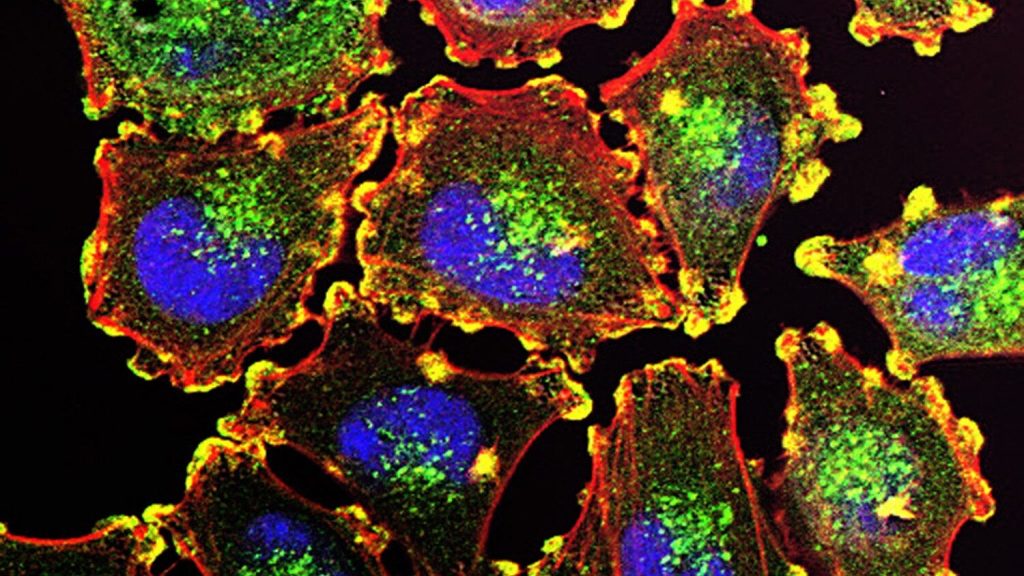
Melanoma cells. Source: National Cancer Institute.

A review of data, published in Annals of Surgical Oncology, shows that completion lymph node dissection surgery for patients with stage III melanoma confers no benefit. This is especially true given that immunotherapy has shown success in treating metastases.

For years, surgery for patients with stage III melanoma, where the cancer had metastasised into lymph nodes, involved removing them along with the primary tumour. Known as completion lymph node dissection (CLND), the surgery was meant to ensure that no cancer remained after surgery.

More recently, however, cancer surgeons have discovered that CLND has the potential to cause more problems than it solves. In most cases, patients do better on immunotherapy alone than they do when their surgery involves removal of the lymph nodes, due to potential complications from lymph node surgery.

To address this, researchers reviewed their patient data to determine if immunotherapy alone resulted in better outcomes than CLND.

“In the few years prior to immunotherapy being available, some surgical trials were done asking if regional node dissection by itself improves overall survival for the patients,” said Martin McCarter, MD, a professor of surgical oncology at the University of Colorado (CU). “And the answer came back: no, it did not improve survival. That had been the standard forever, because we didn’t have other effective therapies, but once the definitive trials were done, we learned that CLND wasn’t helping, it wasn’t improving survival. Subsequent trials demonstrated that immunotherapy can improve survival in metastatic melanoma.”

For the study, the researchers looked at data on 90 patients who underwent sentinel lymph node biopsy (a procedure to determine if a skin melanoma has spread microscopically) only for stage III melanoma but did not undergo CLND. Of those patients, 56 received immunotherapy and 34 did not. Those who received immunotherapy had better rates of distant metastasis-free survival, meaning their cancer was less likely to come back.

“As treatments for melanoma have evolved, the standard of care may be evolving as well,” Prof McCarter said. “This study took a look at the patients who had a sentinel lymph node biopsy, so we knew the patient had a positive melanoma metastasis to their regional node. Those folks historically used to go on and get the completion lymph node dissection, but recently, people started to forego doing that lymph node dissection, which did not improve survival, and instead moved directly to immunotherapy, which did improve survival in other clinical trials. We proved that this is acceptable, that we’re not causing more harm to patients by doing it, and that those who do go on to get the immunotherapy seem to benefit from it.”

Forgoing CLND is part of a recent movement in cancer treatment known as de-escalation (or de-implementation) — performing only absolutely needed surgery. It’s especially important when it comes to lymph node surgery, Prof McCarter said, as in addition to the usual surgical risks, CLND has a 20% to 30% risk of permanent lymphoedema.

“If you could avoid that complication and not compromise a patient’s survival, that would be beneficial,” McCarter said. “That’s what we guessed was happening outside of definitive clinical trial evidence, and that’s what we were able to show. We know that we often overtreat patients, and this fits in that paradigm of finding ways to de-escalate unnecessary therapies, which has been done in breast cancer and other cancers as well.”

The researchers hope the findings will sway surgeons for whom CLND is still routine, despite the earlier studies showing that the additional surgery was not improving survival.

“Previous clinical trials with the use of adjuvant immunotherapy for melanoma had required a CLND,” Prof McCarter explained. “This study used real-world data from our stage III melanoma patients who were treated with immunotherapy without having a prior CLND.

“It takes years to change people’s practice patterns. I still have conversations with community surgeons who treat melanoma, asking me, ‘Should I be doing these regional node dissections?’ even though this data has been out for five to 10 years now,” Prof McCarter continued. “They’re afraid to give up what they used to do, and they’re afraid that they are doing a disservice to the patients or not giving them the best chance, when in reality, our understanding of cancer biology has evolved. We now have effective immunotherapy, which is overcoming some of the limitations of surgery while improving outcomes.”

Source:  University of Colorado

Taller Adults Have a Greater Colorectal Cancer Risk

Photo by Monstera from Pexels

Taller adults may be more likely than shorter ones to develop colorectal cancer or precancerous colon polyps, according to a new meta-analysis published in Cancer Epidemiology, Biomarkers & Prevention. While the association between taller height and colorectal cancer has been previously investigated, the researchers say those studies offered conflicting results, used inconsistent measures of height and did not include the risk of adenomas.

“This is the largest study of its kind to date. It builds on evidence that taller height is an overlooked risk factor, and should be considered when evaluating and recommending patients for colorectal cancer screenings,” said Associate Professor Gerard Mullin, MD. Greater height is still not proven to be causative, nor is it a great a risk factor as genetics, he and his team cautioned. However, it does add to long-standing evidence linking height to colorectal cancer risk.

“One possible reason for this link is that adult height correlates with body organ size. More active proliferation in organs of taller people could increase the possibility of mutations leading to malignant transformation,” said co-first author Elinor Zhou, MD.

The researchers first identified 47 international, observational studies involving 280 660 cases of colorectal cancer and 14 139 cases of colorectal adenoma. They also included original data from the Johns Hopkins Colon Biofilm study, which recruited 1459 adult patients undergoing outpatient colonoscopies to investigate the relationship between cancer and biofilm on the colon.

Because the definition of tallness differs around the world, the researchers compared the highest versus the lowest height percentile of various study groups. “The findings suggest that, overall, the tallest individuals within the highest percentile of height had a 24% higher risk of developing colorectal cancer than the shortest within the lowest percentile. Every 10-centimeter increase (about 4 inches) in height was found to be associated with a 14% increased risk of developing colorectal cancer and 6% increased odds of having adenomas,” said A/Prof Mullin.

In the US, the average height for men is 175.3cm, and for women it is 162.6 inches. This means men who are 185.4cm and women who are 172.7cm (10cm above the average US height) or taller are at a 14% increased risk of colorectal cancer and a 6% increased risk of adenomas.

The percentage results were adjusted for known risk factors of colorectal cancer, including non-modifiable factors such as age, familial colorectal cancer history and a personal history of chronic inflammatory bowel disease. Though not directly comparable due to differences in measurement scale, tallness may impart an order of magnitude of colorectal cancer risk similar to better-known modifiable factors such as cigarette smoking, moderate alcohol consumption and high processed red meat intake. At present, gastroenterologists focus on genetic and age-related risks for colorectal cancer screenings recommendations.

While colorectal cancer is the third most common cancer in both men and women in the US, fewer people are diagnosed with colorectal cancer each year has dropped overall since the mid-1980s, mainly due to prevention and screening. However, the downward trend is mostly in older adults. Among adults under 50, colorectal cancer deaths have increased 2% per year from 2007 to 2016, an as yet unexplained phenomenon.

“Greater awareness by the public and government will help promote more interest and funding for more research, which ultimately could change guidelines for physicians to consider height as a risk for cancer,” said A/Prof Mullin. “There are well-known modifiable dietary associations for colorectal cancer, such as processed red meats and smoking, but guidelines currently are fixated on family history, and height is clinically neglected when it comes to risk screening.”

Dr Zhou says more research is needed to define particular taller populations at risk for colon cancer. “For instance, tall athletes and individuals with inherited tallness, such as those with Marfan syndrome, could be screened earlier and the impact of height further explored,” she said. “We need more studies before we can definitively say at what height you would need earlier colorectal cancer screening.”

Source: John Hopkins Medicine

Comprehensive Bloodstream Lipid Level Test Can Predict CVD Decades Early

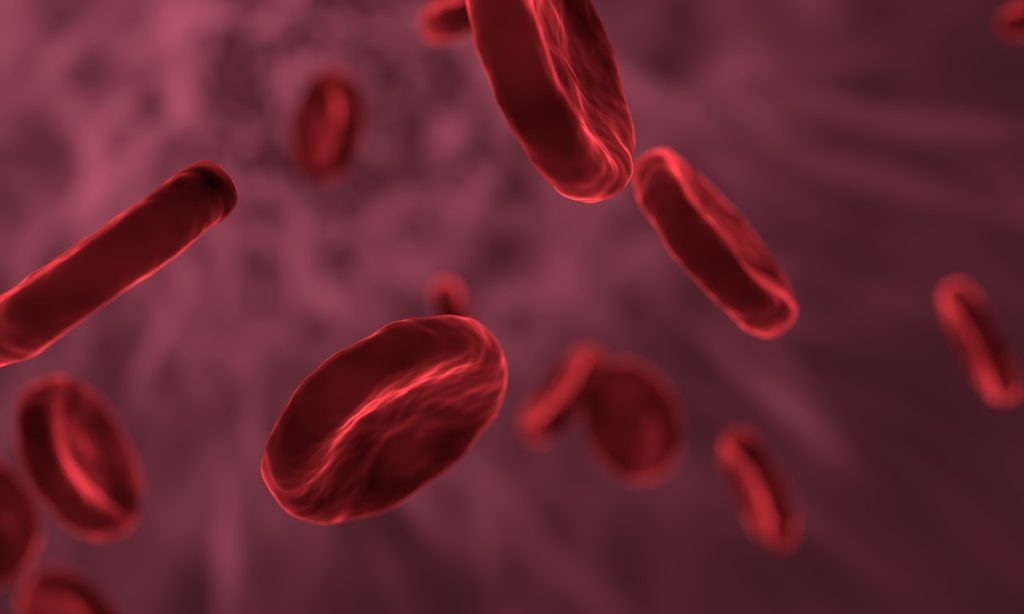
Source: Pixabay CC0

Lipidomics, measuring many different bloodstream lipid levels, can predict the risk of developing type 2 diabetes (T2D) and cardiovascular disease (CVD) years in the future, according to a new study in PLOS Biology. Such early prediction through lipidomic profiling may provide the basis for recommending diet and lifestyle interventions before disease develops.

At present, patient history and current risk behaviours are the main predictors for T2D and CVD, along with high- and low-density cholesterol ratios and levels. But there are over one hundred other types of lipids in the blood, which are thought to at least partially reflect aspects of metabolism and homeostasis throughout the body.

Nowadays, it is possible to measure thousands of individual lipids that make up the lipidome. Nuclear magnetic resonance spectrometry (NMR) metabolomics is also being increasingly used in large cohort studies to report on total levels of selected lipid classes, and relative levels of fatty acid saturation.

To find out if detailed lipid profiles could be better predictors, the authors drew on data and blood samples from a longitudinal health study of over 4000 middle-aged participants, first assessed from 1991 to 1994, with follow-up to 2015. Using baseline blood samples, the concentrations of 184 lipids were assessed. During the follow-up period, 13.8% of participants developed T2D, and 22% developed CVD.

The authors performed repeated training and testing on the data to create a risk model. Once the model was developed, individuals were clustered into one of six subgroups based on their lipidomics profile.

Compared to the group averages, the risk for T2D in the highest-risk group was 37%, an increase in risk of 168%. The risk for CVD in the highest-risk group was 40.5%, an increase in risk of 84%. Significant reductions in risk compared to the averages were also seen in the lowest-risk groups. The increased risk for either disease was independent of known genetic risk factors, and independent of the number of years until disease onset.

Rsk could be individually defined decades before disease onset, possibly in time to take steps to avert disease. Lipidomics could be combined with genetics and patient history to provide new insights into the beginnings of the disease. Additionally, new drug candidates could be identified from the lipids  contributing the greatest risk.

“The lipidomic risk, which is derived from only one single mass-spectrometric measurement that is cheap and fast, could extend traditional risk assessment based on clinical assay,” said lead researcher Chris Lauber of Lipotype. “In addition, individual lipids in blood may be the consequences of or contribute to a wide variety of metabolic processes, which may be individually significant as markers of those processes. If that is true, Lauber said, “the lipidome may provide insights much beyond diabetes and cardiovascular disease risk.”

Lauber added: “Strengthening disease prevention is a global joint effort with many facets. We show how lipidomics can expand our toolkit for early detection of individuals at high risk of developing diabetes and cardiovascular diseases.”

Source: EurekAlert!

For Reducing Health Risk Behaviours, Seeing is Believing

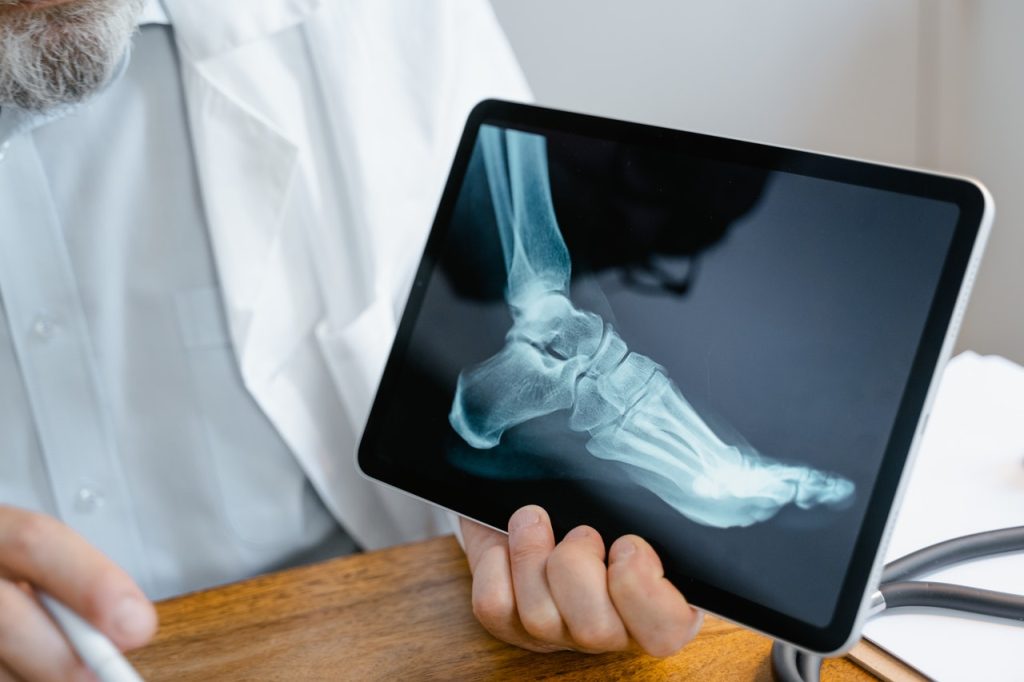
Doctor shows an X-ray of a foot
Photo by Tima Miroshnichenko on Pexels

It is said that seeing is believing, and researchers have found that using patients’ own medical imaging such as CT scans may discourage risk-related behaviours more than non-visual information. The meta-analysis, which appears in PLOS Medicine, found that when patients see imaging results about their risk of disease, they may be more likely to reduce risky behaviours.

Modifiable behaviours such as smoking, poor diet and physical inactivity are linked to non-communicable disease. Encouraging behavioural changes can help reduce the global burden of such diseases, which account for two-thirds of deaths around the world. The investigators were interested to see whether the growing use of medical imaging technologies could help.

Gareth Hollands and University of Cambridge colleagues conducted a meta-analysis of 21 randomised controlled trials involving over 9000 adult participants. Participants were either shown visual examples of personalised risk information following an imaging procedure, such as computed tomography, ultrasound, or radiography, in addition to health information or advice, or they received health information or advice with no visual feedback. The trials reported on behaviours such as smoking, medication use and levels of physical activity.

The strongest evidence was for smoking reduction, a healthier diet, increased physical activity, and increased oral hygiene behaviours. Single studies also reported increased skin self-examination and foot care following visualised feedback. Improvement in other behaviours examined were not statistically significant. The authors conclude that the growth of medical imaging technology could be capitalised on to help people modify their lifestyles and reduce disease risk.

Hollands said: “Medical imaging scans are used ever more widely by healthcare professionals. By gathering together the existing research, this study suggests that showing the scan results to patients to highlight the state of their health could motivate them to behave in a healthier way.”

Source: Science Daily

Cohorting an Effective Response for an Emerging Pandemic

Phot by Artem Podrez on Unsplash

During the extenuating circumstances of an emerging pandemic, grouping patients together in one area or facility, a practice known as cohorting, was successful in providing high-quality care and containing infectious patients, according to a new study published in JAMA Open.

The University of Minnesota Medical School researchers reported that cohorting was implemented by M Health Fairview early in the pandemic when there was little known about how to effectively treat patients with COVID.

“This study highlights the academic and clinical expertise of the M Health Fairview system to deliver outstanding medical care to the people of Minnesota,” said Dr Greg Beilman, a critical care surgeon at the U of M Medical School and was a co-lead of the M Health Fairview COVID response team. “In this study we demonstrated our ability to rapidly bring new developments in science to the patient’s bedside and improve outcomes for patients affected by this frequently dire disease.”

Because every person being treated in the cohorts had COVID, frontline healthcare workers quickly gained experience in COVID care. These experienced specialists worked side by side with academic physicians who were translating the latest medical research into new solutions they could apply in real time to patient care. COVID patients had access to leading-edge clinical trials, internal COVID testing capabilities, and innovative technology.

The study found that dedicated COVID units in Minnesota were associated with a 2% overall improvement in in-hospital survival rates when patients were properly matched for severity of illness. Complications associated with COVID were significantly better in this group as was the swift implementation of new care processes by health care providers.

“The opportunity to care for patients at our COVID cohort hospitals was a shining light in a dark time for many of us,” said Dr Andrew Olson, medical intensivist at the U of M Medical School and medical director of COVID hospital medicine at M Health Fairview. “We watched our colleagues develop expertise, conduct research and care for one another while staying healthy in a challenging time.”

The research team hopes the cohorting method could be implemented during other infectious disease outbreaks, like viral pneumonia. The framework helps provide infectious patients the best care during times of rapid learning in scientific research.

“As the pandemic progressed, we had broad availability of personal protective equipment, vaccinations, and more health care workers developed familiarity with treatment of COVID,” said Dr Beilman. “These developments combined with the fact that the incidence of COVID decreased last year – this care model was no longer necessary.”

Researchers plan to further investigate which patients benefit most from care at such facilities, as well as evaluate the experience for those healthcare professionals who work in them.

Source: University of Minnesota Medical School

Paracetamol May Protect Against Kidney Damage in Malaria

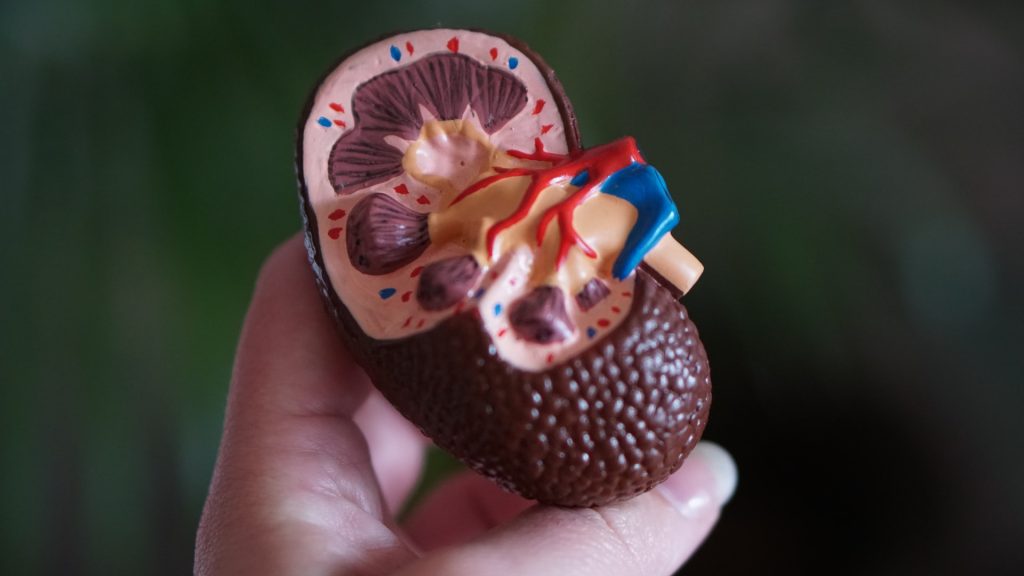
Anatomic model of a kidney
Photo by Robina Weermeijer on Unsplash

Paracetamol may help protect against kidney damage in patients with malaria, according to a study recently published in Clinical Infectious Diseases.

The study found that for patients with severe malaria caused by the malaria parasite Plasmodium knowlesi (the most common cause of malaria in Malaysia), taking paracetamol regularly for 3 days led to improvements in kidney function when tested one week later.

The findings are important because they will help provide the best possible treatment to patients with severe malaria, said study leader Dr Daniel Cooper.

“Even minor kidney injury can have long-term effects, so anything we can do to minimise kidney injury from malaria will be beneficial for these patients’ long-term outcomes,” Dr Cooper said.

In collaboration with international partners, the study involved 396 people with knowlesi malaria in Sabah, Malaysia.

Assistant Professor Bridget Barber said that in severe malaria, red blood cells can rupture, releasing haemoglobin which can have a toxic impact on kidneys, and it is now believed that paracetamol can help to mitigate these toxic effects.

“These results are consistent with other studies conducted in patients with other forms of malaria, including in adults in Bangladesh, and in children in Africa. Importantly, these findings also suggest that paracetamol may help to protect the kidneys in other conditions that are also associated with rupture of red blood cells,” A/Prof Barber said.

Source: MedicalXpress

Nocturnal Teeth Grinding is Damaging for Temporomandibular Joints

Woman showing her teeth
Photo by Maria Lysenko on Unsplash

Sleep bruxism, nocturnal teeth grinding and clenching of the upper and lower jaw, can have a number of health impacts. A new study published in the Journal of Advanced Research found that certain tooth shapes and tooth locations could well lead to temporomandibular joint problems as a result of bruxism.

About 15% of the population grind their teeth while they are asleep, a condition which is more common among younger people. The\ pressure exerted on tooth surfaces and on the jaws can be immense and is thought to cause various dental health problems. It can also result in pain in the jaw muscles and headaches. Specific combinations of tooth shape and tooth location during grinding are theorised to have an influence on the mechanical load on the temporomandibular joint and can thus be considered a risk factor for temporomandibular joint (TMJ) disorders.

To investigate whether sleep bruxism has a negative impact on the TMJ structures, researchers used a state-of-the-art computer model of the masticatory region, which includes bone, cartilage and muscular structures. Such computer models can be used to investigate research questions when direct studies on patients are not feasible on ethical grounds.

The study investigated two factors thought to be involved: tooth shape and location, The study simulated the effects of lateral grinding on the first molar and on the canine with six different wear facet inclinations, resulting in a total of twelve simulated scenarios.

“Our results show that both the inclination and location of the wear facets have an influence on the strength of the mechanical load on the temporomandibular joint,” explained study leader Benedikt Sagl. “However, it would appear that the decisive factor is the steepness of the grinding facet. The flatter the tooth, the higher the loading on the joint and therefore the higher the risk of a TMJ disorder.” Conversely, if the dental cusps involved in bruxism have a steeper angle of inclination, the calculated joint loading was lower, even with the same “grinding force” (bruxing force). Further research, coupled with clinical investigations, will seek to establish whether this finding can be incorporated into the development of therapeutic interventions for sleep bruxism.

Source: Medical University of Vienna

Candida Glabrata Genome Yields Secrets of Virulence and Drug Resistance

Genetics
Source: Pixabay

A project sequencing the Candida glabrata genome has revealed insights into the pathogenic fungus’s virulence and resistance, which researchers found to have been enhanced by transmission through humans as they travel between continents. The project’s findings appear in Genetics

C. glabrata is an opportunistic human fungal pathogen that causes superficial mucosal and life-threatening bloodstream infections in individuals with a compromised immune system. It most commonly affects the urinary tract, genitals, mouth, and the bloodstream. If it is not caught, these infections can become deadly.  It is also very resistant to certain antifungal drugs, so understanding why resistance occurs is key to knowing how to treat it effectively. 

Using samples from eight hospitals in Scotland to sequence the genome of C. glabrata, new insights on the species were made. This includes information on how it reproduces and its genetic diversity. Genes increasing its infectivity also confer an advantage for survival, and the drug-resistance genes often evolve within patients.

These findings provide scientists with an advantage in treating fungus, allowing research to focus in ways that were not possible before. It also helps aid understanding on how the pathogen spreads, which is important to identifying infections.

Dr Rhys Farrer, one of the Principal Investigators at the MRC Centre for Medical Mycology at the University of Exeter, said: “Our study sheds new light on the genetic diversity of Candida glabrata. We have demonstrated that this deadly human fungal pathogen is being spread between continents, probably by humans, and recombining to form new populations, which is likely contributing to its high virulence and increasing drug resistance.”

Source: University of Exeter

Why Knee Osteoarthritis Risk is Higher in Women

By using a bioreactor aboard a flight that simulated zero gravity, researchers have found that the reason why women have a greater risk of developing knee osteoarthritis is down to genetic differences in knee meniscus tissue.

Better tests, prevention and treatments could be developed for knee osteoarthritis in women here on Earth, based on this research.

Though knee osteoarthritis is more common in females than in males, the difference cannot be explained solely by hormones. The researchers have pinpointed a genetic difference in the meniscus that makes about 50% of females more vulnerable to developing osteoarthritis than males or other females. Exposure to zero gravity is known to mimic the ageing process, as muscles atrophy and bones lose density. The zero gravity environment of space has greatly contributed to medical research.

Researchers ran the experiment aboard an aircraft flying in parabolic arcs to specially simulate zero gravity conditions, to mimic the damage that can happen to the meniscus due to lack of exercise.

“Some of the genes that were found in the females that responded more to simulated space microgravity were also associated with the development of knee osteoarthritis,” said principal investigator Adetola Adesida, professor of surgery in the Faculty of Medicine & Dentistry.

The results suggest that a blood test could screen for the high-risk gene, allowing for early interventions such as physiotherapy, and eventually even drug therapy. It might also allow women to stay in space longer.

“We’ve uncovered the mechanisms that lead to this higher response, and we are hoping to develop drugs to target those pathways and block those responses,” Adesida said.

Previously thought to be rather unimportant, meniscus acts as a load distributor for the body’s full weight. However, it is now known that just a small tear in the meniscus, often from a sports injury, increases the risk of later osteoarthritis, even if the damaged tissue has been removed. On the other hand, lack of use can also lead to deconditioning of the meniscus and increase arthritis risk.

Knee osteoarthritis is the most common joint problem, affecting an estimated 250 million people worldwide, including 14% of females older than 60 and 10% of males in the same age group.

Prof Adesida’s team has developed bioengineered meniscus tissue grown from cells that have been removed from the damaged menisci of otherwise healthy individuals. The hope is one day to be able to replace damaged tissue through transplant, preventing the development of knee osteoarthritis.

For their experiment on sex differences, the team studied how the bioengineered tissue functioned while at rest and under mechanical loading and unloading conditions. For the loading, they used a device that exerted hydrostatic pressure on the cells. For the unloading, they put the cells into a bioreactor designed by NASA to fly aboard the zero-gravity aircraft.

“Our loading and unloading experiment mimics what we actually see in a clinical situation where the development of spaceflight microgravity-induced knee osteoarthritic changes is possible,” he said.

“This will help us to have human relevant models to study knee osteoarthritis in the future. And our research has both Earth benefits and space benefits.”

The study findings were published in Frontiers in Bioengineering and Biotechnology.

Source: University of Alberta

Use of e-cigarettes Associated With Prediabetes Risk

Vaping with an e-cigarette
Photo by Toan Nguyen on Unsplash

Analysis of a large representative database shows that e-cigarette use is associated with an increased risk of prediabetes, posing a new concern for public health.

“Our study demonstrated a clear association of prediabetes risk with the use of e-cigarettes,” explained lead researcher Shyam Biswal, PhD, at Johns Hopkins Bloomberg School of Public Health. “With both e-cigarette use and prevalence of prediabetes dramatically on the rise in the past decade, our discovery that e-cigarettes carry a similar risk to traditional cigarettes with respect to diabetes is important for understanding and treating vulnerable individuals.”

According to the Centers for Disease Control and Prevention (CDC), traditional cigarette smokers are 30% to 40% more likely than non-smokers to develop type 2 diabetes, which increases their risk for cardiovascular diseases. e-cigarettes are sometimes promoted as a healthier option for cigarette smokers, and e-cigarettes use is rising among younger demographics.

The study analysed 2016–2018 data from the Behavioral Risk Factor Surveillance System (BRFSS), the largest annual nationally representative health survey of US adults. Among the 600 046 respondents, 9% were current e-cigarette users who self-reported prediabetes diagnoses. The data also showed that e-cigarette users have a higher prevalence of high-risk lifestyle factors and worse self-related mental and physical health status than non-smokers.

In this representative sample of US adults, e-cigarette use was associated with greater odds of prediabetes compared to those who did not use e-cigarettes or traditional cigarettes – a worrying link from a public health standpoint.

“We were surprised by the findings associating prediabetes with e-cigarettes because they are touted as a safer alternative, which we now know is not the case,” commented Dr Biswal. “In the case of cigarette smoking, nicotine has a detrimental effect on insulin action, and it appears that e-cigarettes may also have the same effect.”

Prediabetes is fortunately a reversible condition, given appropriate lifestyle management. The authors make a compelling recommendation for targeting the reduction in e-cigarette use and education of young adults to reduce diabetes risk.

“Our effort for smoking cessation has led to a decrease in smoking traditional cigarettes. With this information, it is time for us to ramp up our public health efforts to promote the cessation of e-cigarettes,” cautioned Dr Biswal.

The researchers published their findings in the American Journal of Preventive Medicine.

The World Health Organization (WHO) defines prediabetes as a state of intermediate hyperglycaemia using impaired fasting glucose, defined as fasting plasma glucose of 6.1–6.9 mmol/L (110 to 125 mg/dL) and impaired glucose tolerance defined as 2h plasma glucose of 7.8–11.0mmol/L (140–200 mg/dL) after ingestion of 75g of oral glucose or a combination of the two based on a 2h oral glucose tolerance test. It is estimated that by 2030, more than 470 million people worldwide will be diagnosed with prediabetes.

Source: EurekAlert!