Year: 2022

Researchers Halt Aspirin Trial to Prevent Breast Cancer Recurrence
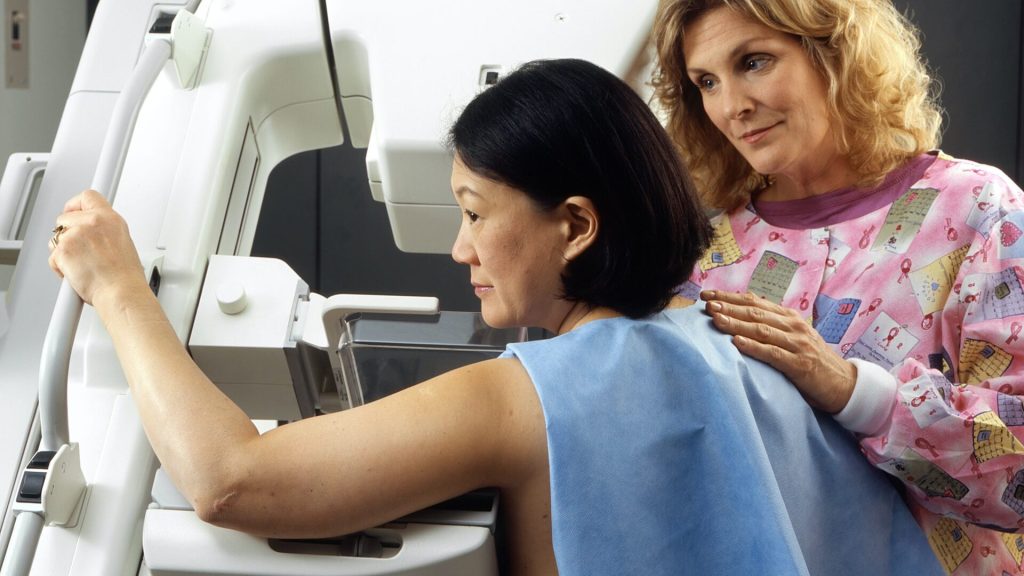
Source: National Cancer Institute

A large randomised trial was halted after preliminary analysis found that taking aspirin after treatment for breast cancer did not reduce the risk of disease recurrence.

Laboratory studies had previously shown that aspirin and nonsteroidal anti-inflammatory drugs (NSAIDs) reduced breast cancer growth and invasion. Non-steroidal anti-inflammatory drugs (NSAIDs) display anticancer activity through the inhibition of the COX-2 enzyme, triggering processes such as apoptosis, a reduction in proliferation and inhibition of carcinogenesis.  Several observational studies have shown a reduced risk of breast cancer mortality among regular aspirin users. 

There was a 25% higher risk of invasive recurrence in patients who took aspirin for a median of 18 months, but not statistically different from placebo (P = 0.1258). The aspirin group had an excess of all disease-related events, including death, local and distant recurrence/progression, and new primary tumours.

The results are in line with similar trials that ended while the Aspirin after Breast Cancer (ABC) trial was ongoing, Wendy Y. Chen, MD, of Dana-Farber Cancer Institute in Boston, said during a presentation at the American Society of Clinical Oncology (ASCO) Plenary Series.

“In this double-blind, placebo-controlled randomised trial, there was no benefit of aspirin 300 milligrams daily in terms of breast cancer invasive disease-free survival,” reported Dr Chen. “Although follow-up was short, the futility bound was clearly crossed. We had reached 50% of the events, and there was a numerically higher number of events in the aspirin arm. Therefore, it was unlikely that even with further follow-up there wouldn’t be any benefit associated with aspirin.”

“Although inflammation may still play a key role in cancer, it’s important to remember that aspirin may have different effects in other cancers, such as colon, or in different settings, such as primary versus secondary prevention,” she added.

Though the trial was well designed, enrolled the right population and with adequate dosing. the trial was stopped early for futility, commented Angela DeMichele, MD, of the Abramson Cancer Center at the University of Pennsylvania.

“The direction and magnitude [of the difference in events] highly preclude the possibility that there would have been a benefit with more follow-up,” said Dr DeMichele. “Although it was not statistically significant, we cannot rule out the possibility of a potential increase in breast cancer recurrence from the use of aspirin.”

“For patients and providers at this time, aspirin should not be used simply to prevent breast cancer recurrence,” she continued. “For those situations in which there are other options, decisions about aspirin use for other indications should definitely include an individualised risk/benefit discussion between physician and patient.”

The results underscore the need for prospective, randomised clinical trials to validate the effects of interventions from observational studies, she concluded.

The ABC trial involved patients under 70 with HER2-negative, high-risk breast cancer. The study randomised 3021 participants to 300 mg of aspirin daily or matching placebo for 5 years, with the primary endpoint being invasive disease-free survival. 

Dr Chen further noted that three clinical trials of aspirin or NSAID treatment ended while the ABC trial was ongoing. The Canadian-led MA.27 trial of an aromatase inhibitor plus celecoxib ended due to toxicity in the celecoxib arm. The randomised REACT trial of celecoxib in HER2-negative breast cancer showed no difference in disease-free survival after more than 6 years of follow-up.

The ASPREE trial tested low-dose aspirin on all-cause mortality in healthy older patients, and results showed a trend to increased all-cause mortality and significantly higher cancer mortality in the aspirin arm. 
During the post-presentation discussion, an audience member asked whether the results definitively ruled out a late benefit of aspirin, given that most patients had HR-positive disease wherein late relapse is not uncommon.

“It’s always frustrating when a study is closed early, and it was done in this case after we had reached 50% of the expected benefits,” said Chen. “There was an increase [in clinical events]. Not a statistically significant increase, but it was bordering on statistical significance. In order for aspirin to have a benefit, it would mean that in the second half, there would need to be a significantly decreased risk. It would basically need to flip and that would be biologically difficult to imagine.”

“I think it’s fair to say that this study doesn’t say definitively that there’s harm, but as for the likelihood of a benefit of aspirin, that would be extremely unlikely,” she said.

Source: MedPage Today

In MS, Twin Study Reveals Disease-causing T Cells

Source: Pixabay CC0

By studying the immune system of pairs of monozygotic twins to rule out genetics in cases of multiple sclerosis, researchers may have discovered a smoking gun: precursor cells of the disease-causing T cells.

Multiple sclerosis (MS) is a chronic inflammatory disease of the central nervous system CNS and the most common cause of neurological impairment in young adults. In MS, the patient’s own immune system attacks the CNS, resulting in cumulative neurological damage. The cause of MS still unclear but a variety of genetic risk factors and environmental influences have already been linked to the disease.

Genetics have already been found to be a necessary condition for developing multiple sclerosis. “Based on our study, we were able to show that about half of the composition of our immune system is determined by genetics,” said Florian Ingelfinger, a PhD candidate at the UZH Institute of Experimental Immunology. The study shows that these genetic influences, while always present in MS patients, are not on their own sufficient to trigger multiple sclerosis. In the study, 61 pairs of monozygotic twins where one twin is affected by MS whereas the co-twin is healthy were examined. From a genetic point of view, the twins were thus identical. “Although the healthy twins also had the maximum genetic risk for MS, they showed no clinical signs of the disease,” said Lisa Ann Gerdes.

With this cohort of twins, the researchers were  tease out environmental differences. “We are exploring the central question of how the immune system of two genetically identical individuals leads to significant inflammation and massive nerve damage in one case, and no damage at all in the other,” explained Professor Burkhard Becher, leader of the research team. Using identical twins let the researchers block out the genetic influence and focus on the immune system changes that were ultimately responsible for triggering MS in one twin.

The researchers harnessed state-of-the-art technologies to describe the immune profiles of the twin pairs in great detail. “We use a combination of mass cytometry and the latest methods in genetics paired with machine learning to not only identify characteristic proteins in the immune cells of the sick twin in each case, but also to decode the totality of all the genes that are switched on in these cells,” Florian Ingelfinger explained. 

“Surprisingly, we found the biggest differences in the immune profiles of MS affected twins to be in the cytokine receptors, ie the way immune cells communicate with one another. The cytokine network is like the language of the immune system,” said Ingelfinger. Increased sensitivity to certain cytokines leads to greater T cell activation in the bloodsteams of patients with multiple sclerosis. These T cells are more likely to migrate into the CNS and cause damage there. The identified cells were found to have the characteristics of recently activated cells, which were in the process of developing into fully functional T cells. “We may have discovered the cellular big bang of MS here – precursor cells that give rise to disease-causing T cells,” said Prof Becher.

“The findings of this study are particularly valuable in comparison to previous studies of MS which do not control for genetic predisposition,” said Prof Becher. “We are thus able to find out which part of the immune dysfunction in MS is influenced by genetic components and which by environmental factors. This is of fundamental importance in understanding the development of the disease.”

The study findings were reported in Nature.

Source: University of Zurich

Regenerating Bone with Messenger RNA

Photo by Cottonbro on Pexels

Researchers have developed new way to get bone to regenerate with messenger RNA, which promises to be cheaper and less expensive while having fewer side effects than the current treatment.

Although fractures normally heal, bone will not regenerate under several circumstances. When bone does not regenerate, major clinical problems could result, including amputation.

One treatment is recombinant human bone morphogenetic protein-2, or BMP-2. However, it is expensive and only moderately effective. It also produces side effects, which can be severe.

Researchers at Mayo Clinic, along with colleagues in the Netherlands and Germany, may have a viable, less risky alternative: messenger RNA. 

A study conducted on rats and published in Science Advancesshows that messenger RNA can be used at low doses to regenerate bone – and without side effects. The resulting new bone quality and biomechanical properties are also superior to that of BMP-2. Additionally, messenger RNA is a good choice for bone regeneration because it may not need repeat administrations.

Human bone develops in one of two ways: direct formation of bone cells from mesenchymal progenitor cells, or through endochondral ossification, in which cartilage forms first and then converts to bone. The BMP-2 therapy uses the former method, and the messenger RNA approach uses the latter. In general, the researchers say their work proves that this method “can heal large, critical-sized, segmental osseous defects of long bones in a superior fashion to its recombinant protein counterpart.”

Further studies are required in larger animals than rats before any translation can be considered for clinical trials.

Source: Mayo Clinic

A New Easy-to-Apply Antimicrobial Coating

Image by Quicknews

Researchers have developed an inexpensive, non-toxic coating for almost any fabric that decreases the infectivity of SARS-CoV-2 by up to 90%. It could even be developed to be applied to fabric by almost anyone.

“When you’re walking into a hospital, you want to know that pillow you’re putting your head onto is clean,” said lead author Taylor Wright, a doctoral student at the University of British Columbia. “This coating could take a little bit of the worry off frontline workers to have Personal Protection Equipment with antimicrobial properties.”

Researchers soaked fabric in a solution of an antimicrobial polymer which contains a molecule that releases reactive oxygen species when light shines on it. They then used UV light to turn this solution to a solid, fixing the coating to the fabric. “This coating has both passive and active antimicrobial properties, killing microbes immediately upon contact, which is then amped up when sunlight hits the cloth,” said senior author Professor Michael Wolf.

Both components are safe for human use, and the entire process takes about one hour at room temperature, said Wright. It also makes the fabric hydrophobic, without sacrificing fabric strength. The researchers detailed their study in American Chemical Society Applied Materials & Interfaces.

The coating can also be used on almost any fabric, with applications in hospital fabrics, masks, and activewear. While other such technologies can involve chemical waste, high energy use, or expensive equipment, the UBC method is relatively easy and inexpensive, said Wright. “All we need is a beaker and a light bulb. I’m fairly certain I could do the whole process on a stove.”

To test the coating’s antimicrobial properties, the researchers bathed treated fabric in bacterial soups of Escherichia coli and Methicillin-resistant Staphylococcus aureus (MRSA). They found that 85% of viable E. coli bacteria remained after 30 minutes, which fell to three per cent when the treated cloth was exposed to green light for the same amount of time. Similarly, 95% of viable MRSA bacteria remained, dropping to 35% under green light. No bacteria remained after four hours.

While sunlight or fluorescent lights have a lesser percentage of green in their spectrums, the team expects similar but less intense results for fabric exposed to those light sources, said Wright. “Particularly in the Pacific Northwest, it’s not always a sunny day. So, at all times you’re going to have that layer of passive protection and when you need that extra layer of protection, you can step into a lit room, or place the fabric in a room with a green light bulb – which can be found for about $35 online.”

The researchers also looked into whether the coating reduced the infectivity of SARS-CoV-2 by bathing treated fabric in a solution of the virus particles and then adding that solution to living cells to see if they could infect them. They found the passive properties were ineffective against the virus, but when treated fabric was exposed to green light for two hours, there was up to a 90% drop in the virus’ infectivity. “In other words, only one tenth of the amount of virus signal was detected on cells infected with the UV-fabric and light treated virus”, says co-author Professor François Jean.

The team found they needed an 18cm2 piece of fabric to kill microbes with material containing 7% of the active ingredient by weight, but that increasing this to 23% increased the effectiveness of the fabric at four times less material, said Wright.

Researchers also found that keeping the fabric under green light for more than 24 hours failed to produce the sterilising forms of oxygen, highlighting an area for further study. This is a similar effect to the colour fading on clothing after being exposed to sunlight for too long.

“Biomanufacturing face masks based on this new UBC technology would represent an important addition to our arsenal in the fight against COVID, in particular for highly transmissible SARS-CoV-2 variants of concern such as Omicron”, said Prof Jean. The coating can also be used for activewear, with an ‘anti-stink’ coating applied to areas where people tend to sweat, killing off the bacteria that makes us smell. Indeed, hospital fabric and activewear companies are already interested in applying the technology, and the university has applied for a patent in the United States, said Prof Wolf.

Source: University of British Columbia

‘A-Maize-ing’ Nanoparticles Target Cancer Cells Directly

Computer=generated depiction of nanoparticles

Researchers have recently developed novel nanoparticles derived from maize that can target cancer cells directly, via an immune mechanism. The results of this study, published in Scientific Reports, are encouraging, and the technique has demonstrated efficacy in treating tumour-bearing laboratory mice with no adverse effects.

Nanoparticles, or particles whose size varies between 1 and 100nm, have shown tremendous potential in many areas of science and technology, including therapeutics. However, conventional, synthetic nanoparticles are complicated and expensive to produce and alternatives such as extracellular vesicles (EVs) have mass production challenges.
Another recently emerging option is that of plant-derived nanoparticles (NPs), which can be easily produced in high levels at relatively lower costs. Like EVs, these nanoparticle-based systems also contain bioactive molecules, including polyphenols (which are known antioxidants) and microRNA, and they can serve as vehicles for targeted drug delivery.

Recently, researchers from the Tokyo University of Science (TUS) developed anti-cancer bionanoparticles, using corn (maize) as the raw material.
Lead researcher Professor Makiya Nishikawa explained: “By controlling the physicochemical properties of nanoparticles, we can control their pharmacokinetics in the body; so, we wanted to explore the nanoparticulation of edible plants. Maize, or corn, is produced in large quantities worldwide in its native form as well as in its genetically modified forms. That is why we selected it for our study.” 

The team centrifuged a super-sweet corn juice and then filtered it through a syringe filter with a 0.45μm pore size, then ultracentrifuged to obtain NPs derived from corn. The corn-derived NPs (cNPs) were approximately 80nm in diameter with a tiny net negative charge of -17mV.

The research team then set up experiments to see whether these cNPs were being taken up by various types of cells. In a series of promising results, the cNPs were taken up by multiple types of cells, including the clinically relevant colon26 tumor cells (cancer cells derived from mice), RAW264.7 macrophage-like cells, and normal NIH3T3 cells. RAW264.7 cells are commonly used as in vitro screens for immunomodulators.

The results were astounding: of the three types of cells, cNPs only significantly inhibited the growth of colon26 cells, indicating their selectivity for carcinogenic cell lines. Moreover, cNPs were able to successfully induce the release of tumour necrosis factor-α (TNF-α) from RAW264.7 cells. TNFα is primarily secreted by macrophages, natural killer cells, and lymphocytes, which help mount an anticancer response. “The strong TNFα response was encouraging and indicated the role of cNPs in treating various types of cancer,” explains Dr. Daisuke Sasaki, first author of the study and an instructor and researcher at TUS.

A luciferase-based assay revealed that the potent combination of cNPs and RAW264.7 cells significantly suppressed the proliferation of colon26 cells. Finally, the research team studied the effect of cNPs on laboratory mice bearing subcutaneous tumours. Once again, the results were astonishing: daily injections of cNPs into colon26 tumours significantly suppressed tumour growth, without causing serious side effects, or weight loss.

“By optimising nanoparticle properties and by combining them with anticancer drugs, we hope to devise safe and efficacious drugs for various cancers,” observed an optimistic Prof Nishikawa.

Source: Tokyo University of Science

Reduced Antiepileptic Drug Effectiveness in Pregnancy Uncovered

Photo by Shvets Productions on Pexels

Blood levels of many commonly used antiepileptic drugs drop dramatically with the onset of pregnancy, which can result in ‘breakthrough seizures’ according to a study published in JAMA Neurology.

The findings, collected as part of the multicentre study Maternal Outcomes and Neurodevelopmental Effects of Antiepileptic Drugs (MONEAD), explain why many people with epilepsy start experiencing breakthrough seizures after conception, underscoring the need to increase antiseizure medication doses and closely monitor blood levels over the course of pregnancy.

A fine-tuned medication regime is critical in epilepsy. “Some people mistakenly believe that changes in the drugs’ blood concentration won’t occur until after 20 weeks of pregnancy, but our study shows how important it is to start monitoring and adjusting patients’ medication dosages early on,” said lead author Dr Page Pennelll. “Nearly half of all pregnancies in the United States are unplanned, so it is important to ensure that doctors have a clear picture of each patient’s baseline drug level even if they are not trying to conceive.”

A life-altering neurological condition, two-thirds of epilepsy cases do not have a known cause. In people with epilepsy, nerve cells in the brain are hyper-reactive, causing them to change the pattern of their electrical activity and become spontaneously active. That synchronous activation is manifested in seizures.

Epilepsy has a fraught history of diagnosis and management; people with epilepsy go undiagnosed or under-treated. First-generation drugs to control it had many dangerous side effects and were contraindicated for people who are trying to conceive.

Since then, safer medications have entered the U.S. market and become widely available, but clinicians started noticing a new problem – patients whose epilepsy was successfully managed with medications started having seizures soon after becoming pregnant.

“Identifying which antiseizure medications may have changes in concentrations and at what point in pregnancy those changes occur is important for determining which patients may need to be monitored more closely during pregnancy and after delivery,” said senior author Professor Angela Birnbaum at the University of Minnesota.

To solve the mystery, the researchers embarked on a study to analyse blood concentrations of 10 commonly used antiseizure drugs and compare them across different stages of pregnancy and after childbirth.

The study found that blood levels of seven out of 10 of the medications they examined dropped dramatically — from 29.7% for lacosamide, a commonly prescribed anticonvulsant, and up to 56.4% for lamotrigine.

In addition, the researchers noted that the drop in drug levels occurred mere days after conception.

Source: University of Pittsburgh

High COVID Mortality Rate Found in African Children and Adolescents

Photo by Roman Nguyen on Unsplash

African children and adolescents hospitalised with COVID experience much higher mortality rates than Europeans or North Americans of the same age, according to a recent six-country study which included South Africa.

The study, published in JAMA Pediatrics. was conducted by researchers from the Institute of Human Virology (IHV) at the University of Maryland School of Medicine (UMSOM) and the Institute of Human Virology Nigeria (IHVN). Both organisations are members of the Global Virus Network (GVN).

“This study provides important information about COVID among African children, which was not previously available at this scale. We now have evidence from multiple countries to show that African children also experience severe COVID; they experience multisystem inflammatory syndrome; some require intensive care; some also die, and at much higher rates than outside Africa,” said co-first author Nadia Sam-Agudu, MD, Associate Professor of Pediatrics at the UMSOM’s Institute of Human Virology.

The AFREhealth study collected data from 25 health facilities across Nigeria, Ghana, Democratic Republic of the Congo, Kenya, South Africa, and Uganda. The study included 469 African children and adolescents aged three months to 19 years hospitalised with COVID between March and December 2020. The team reported a high overall mortality rate of 8.3%, compared with 1% or less totaled from Europe and North America. Furthermore, African children less than a year old and with pre-existing, non-communicable diseases were more likely to have poorer outcomes.

Eighteen participants had suspected or confirmed multisystem inflammatory syndrome (also known as MIS-C), and four of these children died.

Dr Sam-Agudu, who led the West Africa team for the study, urged health authorities and policymakers in Nigeria and other African countries to act upon the study findings “to protect children by expanding vaccine approvals and procurements for children specifically, as the variants emerging since our study’s completion have either caused more severe disease and/or more cases overall. We cannot leave children behind in the pandemic response.”

Source: University of Maryland

Illicit Use of Amphetamines Magnifies Psychosis Risk

Source: Andrew Neel on Unsplash

The illicit use of amphetamines (aka ‘speed’) is linked to a 5-fold heightened risk of psychosis, according to the results of a decade-long study published in the journal Evidence-Based Mental Health.

This increased risk was seen across all age groups, but was especially noticeable among women and those who had been arrested several times for possession of the drug, the findings show.

The estimated global prevalence of amphetamine use is less than 1%, but around 1 in 10 users become addicted.

The drug affects neurotransmitter signalling in the brain and often causes psychosis, the symptoms of which mimic those of schizophrenia, with paranoia, voices, and hallucinations. Though these psychotic episodes usually subside after a few days, in up to 15% of users they may last for years.

While the link between amphetamine misuse and psychosis has been known for many decades, it’s not clear exactly what the magnitude is of this risk or how effective rehab is at successfully weaning users off the drug.

To try and find out, the researchers drew on information supplied to the Taiwan Illicit Drug Issue Database (TIDID) and the National Health Insurance Research Database (NHIRD) between 2007 and 2016.

The TDID contains anonymised data on date of birth, sex, arrest records and deferred prosecution for rehabilitation treatment for illicit drug users, while the NHIRD contains anonymised data on mental and physical health issues for the population of Taiwan.

The researchers identified 74 601 illicit amphetamine users and 298 404 age- and sex-matched comparisons. Their average age was 33 and most (84%) were men.

Compared with those who weren’t using, illicit amphetamine users had poorer health: depression (2% vs 0.4%); anxiety (0.9% vs 0.3%); ischaemic heart disease (1.3% vs 0.8%); cardiovascular disease (0.8% vs 0.45%); and stroke (1.3% vs 0.7%).

By the end of the 10 year monitoring period, amphetamine users were more than 5 times as likely to experience psychosis than those who weren’t using after accounting for age, sex, and coexisting health issues. The annual cumulative incidence rates for psychosis among the comparison group and amphetamine users were 77 and 468 per 100 000 people, respectively.

The number of new cases of psychosis was similar across all age brackets, but was more common in the amphetamine users among those aged 45 and above.

While psychosis risk increased with comorbidities, overall, it was higher among illicit amphetamine users without coexisting conditions, suggesting a direct impact of amphetamine on inducing psychotic symptoms, the researchers said. Psychosis risk rose in tandem with the number of arrests, and fell when patients received psychotherapy for their addiction (rehab).

Those who had been arrested 5 or more times were more than 6 times as likely to experience psychosis, while users who went to rehab during deferred prosecution were 26% less likely to experience psychosis than those who didn’t. This suggests that rehab may help to stave off the risk of subsequent psychosis, say the researchers.

In common with previous research, illicit amphetamine use was linked to greater levels of anxiety and depressive symptoms as well as cardiovascular complications.

“Because persistent psychotic symptoms could represent a risk for cognitive decline in amphetamine users, identifying [those] with psychosis and providing treatment early might prevent subsequent damage of cognitive functions,” write the researchers. But rehab is voluntary, and only offered to around 1 in 10 users, they point out.

By way of an explanation for the gender discrepancy observed, the researchers suggest that the detrimental impact of amphetamines on behaviour might be enhanced by the presence of oestrogen.

“Another possibility is that women arrested for illicit amphetamine use were particularly disadvantaged in comparison with men, with higher levels of trauma, lack of psychosocial support and stigma,” they noted.

As an observational study, it cannot establish cause, and addiction could not be quantified. Illicit amphetamine use could also precipitate and aggravate schizophrenic symptoms, so it’s possible that amphetamine induces rather than causes the psychotic symptoms seen in amphetamine users.

The researchers concluded: “The relation of an induced paranoid psychosis with amphetamine abuse has been known for many decades. None the less, our findings are from a detailed and comparative analysis using a comprehensive and large population dataset.

“Furthermore, it would be worthwhile to investigate the health benefits and cost effectiveness of deferred prosecution for drug crime offenders by providing appropriate therapy for drug addiction.”

Source: The BMJ

Higher Oestrogen Levels Protect Older Women Against Severe COVID

Photo by Ravi Patel on Unsplash

An older woman’s oestrogen levels may be linked to her chances of dying from COVID, with higher levels of the hormone seemingly protective against severe infection, according to a study published in BMJ Open.

Supplemental hormone treatment to curb the severity of COVID infection in post-menopausal women could be investigated, the researchers suggested.

Even after accounting for other factors, women seem to have a lower risk of severe COVID infection than men. This holds true for other serious recent viral infections, such as MERS (Middle East Respiratory Syndrome).

Oestrogen may have a role in this gender discrepancy, so to invesitgate the researchers compared the potential effects of boosting and reducing oestrogen levels on COVID infection severity.

They drew on Swedish national data, and the study sample included 14 685 women in total: 227 (2%) had been previously diagnosed with breast cancer and were on oestrogen blocker drugs (adjuvant therapy) to curb the risk of cancer recurrence; and 2535 (17%) were taking hormone replacement therapy (HRT) to boost their oestrogen levels in a bid to relieve menopausal symptoms.

Some 11,923 (81%) women acted as the comparison group as they weren’t on any type of treatment, either to enhance or reduce their systemic oestrogen levels.

Analysis of all the data showed that compared with no oestrogen treatment, the crude odds of dying from COVID were twice as high among women on oestrogen blockers but 54% lower among women on HRT.

After accounting for potentially influential factors, COVID mortality risk remained significantly lower (53%) for women on HRT.

Unsurprisingly, age was significantly associated with COVID mortality risk, with each extra year associated with 15% greater odds, while every additional coexisting condition increased the odds of death by 13%.

And those with the lowest household incomes were nearly 3 times as likely to die as those with the highest.

As an observational study, it cannot establish cause. There were no data on the precise doses of HRT or oestrogen blocker drugs, or their duration, nor on weight or smoking, while the number of women on adjuvant therapy was relatively small.

These factors may have been influential. But the researchers conclude: “This study shows an association between oestrogen levels and COVID death. Consequently, drugs increasing oestrogen levels may have a role in therapeutic efforts to alleviate COVID severity in postmenopausal women and could be studied in randomised control trials.”

Source: EurekAlert!

Taking Healthcare to SASSA Queues: Pensioners Screened for Hypertension

Hundreds of pensioners queuing for their old age grants are being screened and tested for hypertension at paypoints in Mpumalanga. In this way, care is provided where and to whom it’s needed most.

In total, more than 4.2 million people in South Africa aged 60 and older currently receive the Older Persons Grant. For many of them, particularly in rural areas, grant collection days often involve standing in queues for hours.

In a pilot project in Bushbuckridge, Mpumalanga, the South African Medical Research Council (SAMRC) and SAMRC/WITS’s Rural Public Health and Health Transitions Research Unit. are using these queues as an opportunity to take screening for hypertension to some of the most vulnerable and often neglected people in the country.

The study is being conducted in collaboration with local communities, the South African Social Security Agency (SASSA), the South African Post Office (SAPO) in Ximhungwe and Boxer Superstores in Thulamahashe.

The project called “Know Your Numbers” was launched in April 2021 with 20 fieldworkers from local communities at six sites where hundreds of pensioners gather each month to collect their grants. The teams take people’s blood pressure using mobile Omron machines.

“Screening about 100 people per queue, we are picking up high blood pressure in about 60% of the participants. These people are all referred to their closest local clinic for further assessment, treatment and care as required. About 30% of the participants are male and about 70% female and that’s because there are sadly less men alive to collect social grants,” said Jane Simmonds, Know Your Numbers project manager at SAMRC/WITS’s Rural Public Health and Health Transitions Research Unit.

Silent killer
Hypertension is known as the ‘silent killer’ because there are no exclusive symptoms that point directly to the disease. A 2021 study by the SAMRC found that the prevalence of hypertension rose between 1998 and 2016, from 27% to 45% in men and 31% to 48% in women. This has a significant impact on the health of older persons. “Older adults contribute critical support to local households, fostering orphans, enabling schooling and countering food insecurity. We can ill afford a rising toll of deaths from stroke and heart failure, or greater vulnerability to Covid-19,” said Steve Tollman, Unit Director.

“Many people don’t have money to travel to the doctor or clinic before they’re already very sick,” said Simmonds. Measuring blood pressure in people standing in the queue could help them manage and improve their health and save them the costs and time involved in visiting a clinic for a simple monthly health check.

“People will not go to town or clinics for treatment or vaccines if they have to choose between spending their R1800 grant on food or for transport,” said Simmonds, who lobbied for what became a successful project to offer the Covid vaccine directly to pensioners while they were queuing.

She explained how transport costs and problems accessing the Electronic Vaccination Data System (EVDS) had become barriers to vaccination for older people when the vaccine was first rolled out.

“When the Covid vaccines became available to people 60 and older in July last year, I thought that if we could meet people in queues for hypertension screening, then why not reach them for vaccines? I spent a lot of time talking to the Minister Of Health, Deputy-Director General or anyone that would listen to me about this concept. Eventually the Solidarity Fund came on board to fund vaccine outreach sites through the national health department. These sites have done over 500 000 vaccines since July 2021,” she said.

SASSA’s Dianne Dunkerley told GroundUp that SASSA had agreed to a pilot project with strict conditions to protect the security of beneficiaries and to avoid prolonging their already lengthy wait in line.

Dunkerley said the project is being welcomed by older people. “Older people who didn’t realise they had hypertension were identified, and could then go to local clinics for treatment and further monitoring,” she said.

“In cases where people did not want to make decisions immediately, they were sent home with information to discuss with family and friends which is great.”

Fieldworkers from the community speaking to pensioners about the health screening outside the SA Post Office where they collect their social grant.

Dunkerly said SASSA “would not be averse to expanding this project to other provinces” and discussions were underway.

“We really have started seeing the benefits and the reduction of costs, both of transport and of time, for older people. We think that because they’re old, they don’t have anything else to do. Well, many pensioners look after entire families and do all kinds of things. Where we can minimise the time they spend looking for services, it really is a good thing,” she said.

Professor Andre Kengne, Director of the Non-Communicable Diseases Research Unit at SAMRC, told GroundUp, “Early lessons from the ‘Know Your Number’ project are strongly suggesting that the reach of prevention and control services for common health conditions including chronic diseases such as hypertension, can be substantially improved by taking some of the essential services such as health screening and health promotion to the most vulnerable people in the community.”

He said older persons are the most affected by chronic non-communicable diseases and that improving the detection, linkage to care and control of those conditions through appropriate community-based approaches, significantly reduces the related harmful health effects.

The researchers hope that lessons from the ongoing and thorough pilot evaluation can be used to lobby the government to include screening and tests for diabetes, HIV, TB, cancers and other health issues which affect older persons.

By Barbara October

Source: GroundUp