Month: May 2022

Mental Health Conditions Disrupt Blood Pressure and Heart Rate

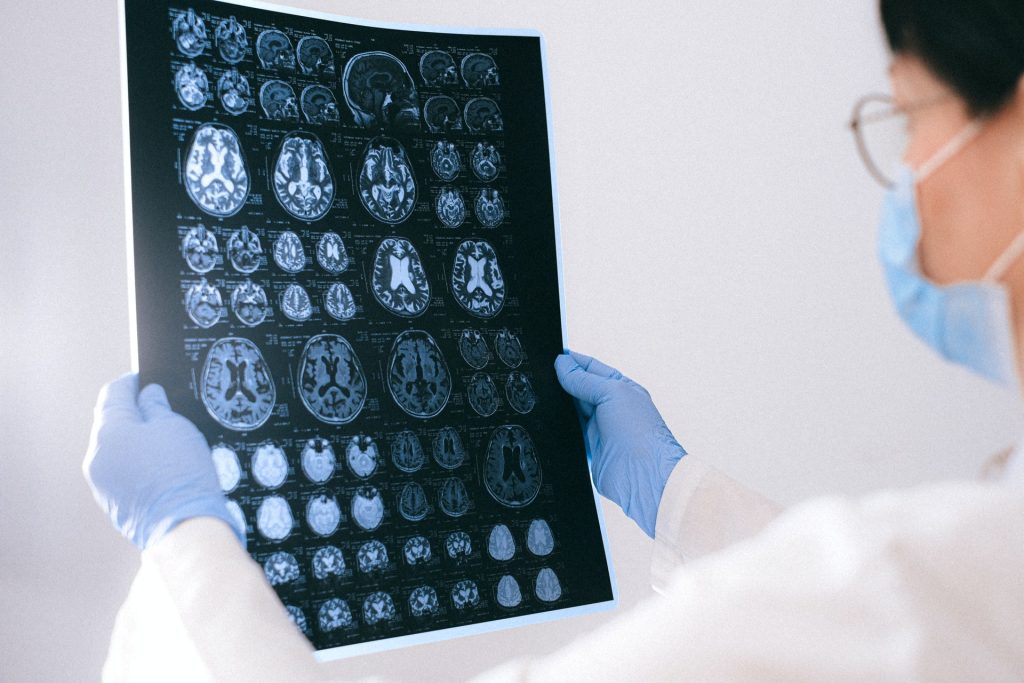
Photo by Alex Green on Pexels

A new study published in BioMedical Engineering has revealed that mental health is closely aligned to blood pressure and heart rate variations. The researchers found that mental illness could cause widely fluctuating blood pressure, which can lead to cardiovascular disease and organ damage.

University of South Australia researcher Dr Renly Lim and colleagues said there is clear evidence that mental illness interferes with the body’s autonomic functions, including blood pressure, heart rate, temperature and breathing.

“We reviewed 12 studies on people with anxiety, depression and panic disorders and found that, regardless of age, mental said is significantly associated with greater blood pressure variations during the day,” Dr Lim says.

“We also found that for people who are mentally ill, their heart rate does not adapt to external stressors as it should.

“Contrary to what many people think, a healthy heart is not one that beats like a metronome. Instead, it should adjust to withstand environmental and psychological challenges. A constantly changing heart rate is actually a sign of good health.”

Reduced heart rate variation (HRV) is common in people with mental illness and indicates that the body’s stress response is poor, exacerbating the negative effects of chronic stress.

Unlike normally consistent heart rates, HRV is more complex and is the time between two heartbeats, which should change according to external stressors.

“What we aim for is not a constantly changing heart rate but a high heart rate variation. This is achieved through a healthy diet, exercise, low stress and good mental health.”

Low HRV occurs during ‘fight-or-flight’ mode, or in those who are easily stressed and is common in people with chronic diseases, including cardiovascular and mental health problems.

While large blood pressure variations (BPV) during the day are not ideal, at night the systolic pressure should dip by between 10–20% to allow the heart to rest. People with mental health issues were found to have an insufficient BP drop at night, dropping less than 10%.

The reduced dipping can be caused by many factors, including autonomic dysfunction, poor quality of sleep and disrupted circadian rhythms that regulate the sleep-wake cycle.

“The takeout from this study is that we need to pay more attention to the physical impacts of mental illness,” Dr Lim said.

“It is a major global burden, affecting between 11–18 per cent (one billion) of people worldwide. Since mental illness can contribute to the deterioration of heart and blood pressure regulation, early therapeutic intervention is essential.”

Source: University of South Australia
Scientists Discover a Difference in Brains of Psychopathic Individuals

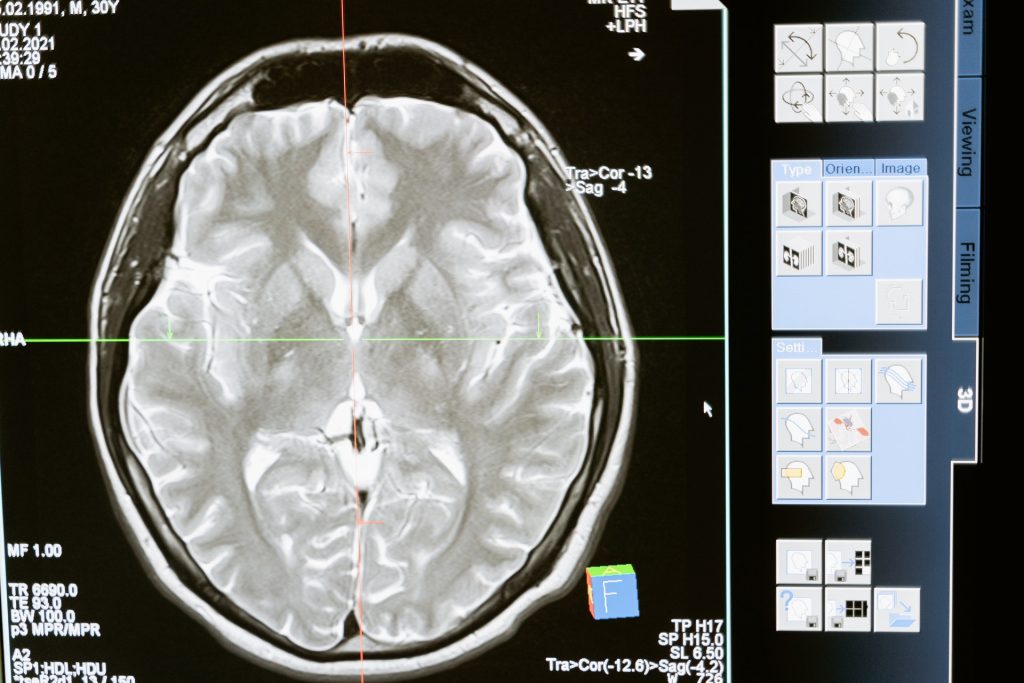
Brain scan image
Image source: Mart Production on Pexels

Neuroscientists report in the Journal of Psychiatric Research that they have discovered a biological difference between psychopaths and non-psychopaths.

Using magnetic resonance imaging (MRI) scans, they found that a region of the forebrain known as the striatum was on average 10% larger in psychopathic individuals compared to a control group of individuals with low or no psychopathic traits.

Psychopaths, or those with psychopathic traits, are generally defined as individuals that have an egocentric and antisocial personality. It is a neuropsychiatric disorder marked by deficient emotional responses, lack of empathy, and poor behavioural controls, commonly resulting in persistent antisocial deviance and criminal behaviour. Accumulating research suggests that psychopathy follows a developmental trajectory with strong genetic influences, and which precipitates deleterious effects on widespread functional networks, particularly within paralimbic regions of the brain.

The striatum, which is a part of the forebrain, the subcortical region of the brain that contains the entire cerebrum, coordinates multiple aspects of cognition, including both motor and action planning, decision-making, motivation, reinforcement, and reward perception.

Previous studies had indicated an overly active striatum in psychopaths but had not conclusively determined the impact of its size on behaviours. The new study reveals a significant biological difference between people who have psychopathic traits and those who do not.

A better understanding of the role of biology in antisocial and criminal behaviour may help improve existing theories of behaviour, as well as inform policy and treatment.

Source: Nanyang Technical University

Diabetes Almost Doubles COVID Mortality Risk

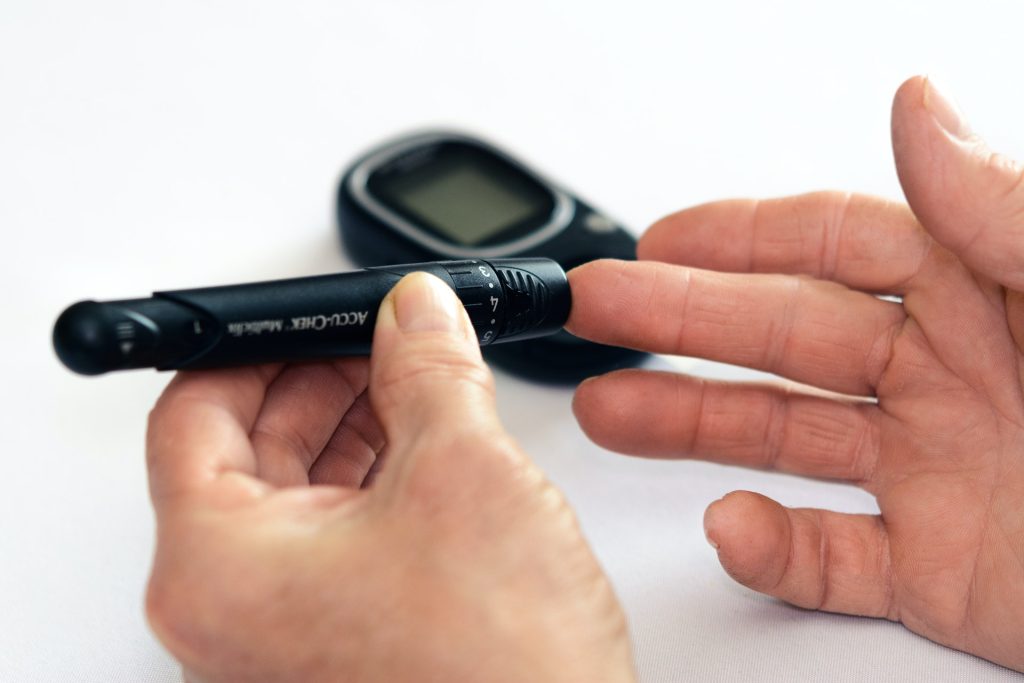
Diabetes - person measures blood glucose
Photo by Photomix Company from Pexels

Compared to those without diabetes, the COVID mortality risk for people with diabetes is almost double, with almost three times the risk of being critically or severely ill, according to a review of research by researchers from the University of Aberdeen.

Fortunately, the review study, which is published in Endocrinology, Diabetes and Metabolism, also found that good management of the condition can mitigate against the risks.

Specifically, it was found that while diabetes presents a significant risk of severe illness and death with COVID, good glycaemic control in these patients can mitigate this risk.

The researchers reviewed findings from 158 studies, encompassing more than 270 000 participants from around the world to determine COVID’s impact on people with diabetes.

The pooled results showed that people with diabetes were 1.87 times more likely to die with COVID, 1.59 times more likely to be admitted to ICU, 1.44 times more likely to require ventilation, and 2.88 times more likely to be classed as severe or critical, when compared to patients without diabetes.

This is the first time a study has looked at the risks of COVID in patients with diabetes while factoring in the patients’ location and thereby highlighting potential healthcare resources available as well as possible ethnic differences and other societal factors.

Patients in China, Korea and the Middle East were found to be at higher risk of death than those from EU countries or the US. This, they suggested, may be the result of differences in healthcare systems and affordability of healthcare which may explain the finding that maintaining optimal glycaemic control, significantly reduces adverse outcomes in patients with diabetes and COVID.

Stavroula Kastora, who worked on the study explained: “We found that following a COVID infection, the risk of death for patients with diabetes was significantly increased in comparison to patients without diabetes.

“Equally, collective data from studies around the globe suggested that patients with diabetes had a significantly higher risk of requiring an intensive care admission and supplementary oxygen or being admitted in a critical condition in comparison to patients without diabetes.

“However, we found that the studies that reported patient data from the EU or US displayed less extreme differences between the patient groups. Ultimately, we have identified a disparity in COVID outcomes between the eastern and western world. We also show that good glycaemic control may be a protective factor in view of COVID-related deaths.

“In light of the ongoing pandemic, strengthening outpatient diabetes clinics, ensuring consistent follow up of patients with diabetes and optimising their glycaemic control could significantly increase the chances of survival following a COVID infection.”

Source: University of Aberdeen

Using Bacteriophage Therapy to Defeat a Resistant Bacterial Infection

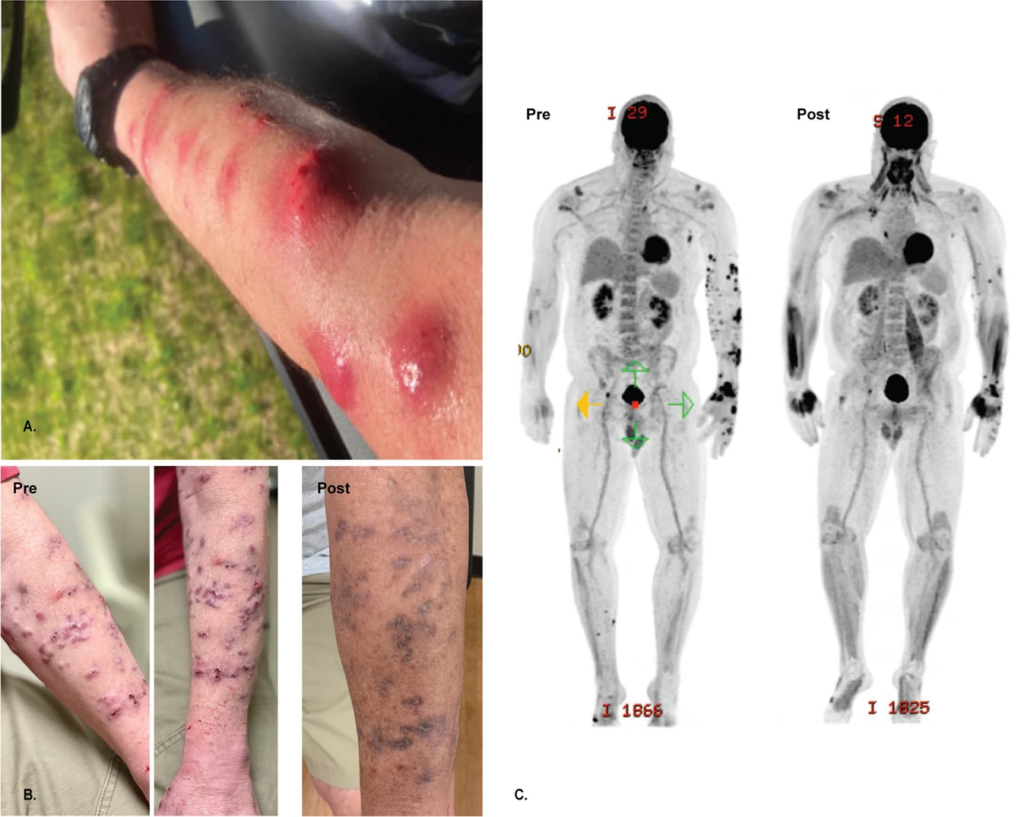
A Left upper extremity with multiple large erythematous, fluctuant to nodular lesions ultimately diagnosed as disseminated cutaneous Mycobacterium chelonae infection. B Images of the left upper extremity lesions prior to (Dec 2020) and following (August 2021) addition of bacteriophage therapy. C PET/CT prior to (March 2021) and following (August 2021) addition of bacteriophage therapy. Credit: Nature

Reporting in the journal Nature, clinicians describe the use of a bacteriophage to treat a flesh-eating infection by an antibiotic-resistant bacteria, with excellent clinical response. Bacteriophages, from the Greek ‘bacteria eater’, are viruses which target bacteria.

Bacteriophage (or more simply ‘phage’) therapy is being explored as a solution to the growing threat of antimicrobial resistance. Despite the exotic-sounding name, bacteriophage therapy is nothing new – in fact, its first application in 1919 predates the discovery of penicillin in 1929. However, their use has not been accompanied with robust research, meaning that there is still uncertainty regarding their use in modern medicine.

The authors report treating Mr. M, a 56 year-old man with disseminated cutaneous Mycobacterium chelonae infection with a single bacteriophage in conjunction with antibiotic and surgical management. He had previously received extensive antimicrobial courses as well as surgical debridement, but the bacterial infection persisted.

M. chelonae is a rapidly growing nontuberculous mycobacterium, ubiquitous in the environment and is known to have antimicrobial resistance. In rare cases, it causes infections in immunocompromised patients. To treat the infection, the researchers used a bacteriophage called Muddy, which had been isolated from a South African eggplant.

After the phage therapy skin started, lesions significantly improved both on examination and in PET/CT scans. Furthermore, two biopsies at two and five months post-treatment revealed no evidence of granulomas or AFB on histopathology and tissue cultures have remained negative. The patient has had no adverse events from the phage therapy and administered the intravenous therapy at home for more than six months.

Bacteriophage therapy is hampered by the development of phage resistance, which can potentially be countered using an appropriately-designed phage cocktail. In this case, the researchers were limited to Muddy, since no other phages tested were highly active against the patient’s strain of M. chelonae. Although resistance to Muddy is likely to occur, it was not detected in vitro, consistent with the infrequency of phage resistance in M. abscessus isolates. Resistance in vivo leading to loss of treatment efficacy was also not observed, which together suggest that phage resistance of NTM pathogens may not be the impediment encountered with other pathogens.

A second barrier to the successful treatment of bacterial infections with phage therapy is the complex interaction between the host immune system and the bacteriophage. In this case, the patient maintained stably improved disease and negative microbiologic and histopathologic studies despite a neutralising antibody response to the phage.

The authors suggested that the phage quickly reduced the burden of infection, allowing the ongoing antimicrobial therapy to have an effect. The phage also became self-replicating at the infection site – administration after the onset of neutralising antibodies therefore became unnecessary.

There are still significant challenges to phage therapy becoming widespread. The mains ones are 1) doctors need to know the bacterial strain behind the infection and 2) they need to have several phages on hand that specifically target that strain. Compounding the latter problem, most pharmaceutical companies are hesitant to focus on developing phage therapies. Since phage therapy is over 100 years old, it is difficult to patent and generate revenue to justify the initial development costs.

For Alzheimer’s, Old Dogs Can Teach Humans New Tricks

Photo by Pauline Loroy on Unsplash

Researchers have found that quantifiable changes can be measured in dogs suspected of suffering from cognitive decline: an approach that could serve as a model for evaluating cognitive decline progression in, and treatments for, humans with Alzheimer’s disease.

In dogs there is a similar condition to similar to Alzheimer’s disease in humans, canine cognitive dysfunction syndrome (CCDS). In CCDS, cognitive decline is associated with the development of amyloid plaques as well as cortical atrophy. CCDS is also challenging to diagnose. Traditionally, CCDS is diagnosed based on ruling out any obvious physical conditions and an owner’s answers to a questionnaire.

“One problem with the current approach is that questionnaires only capture a constellation of home behaviours,” explained Professor Natasha Olby, co-senior author of the paper. “There can be other reasons for what an owner may perceive as cognitive decline – anything from an undiagnosed infection to a brain tumour.”

Olby and co-senior author Assistant Professor Margaret Gruen, wanted to see if cognitive function could be accurately quantified in dogs.

“Our goal was to bring together multiple tools in order to get a more complete picture of how CCDS presents in dogs,” A/Prof Gruen said.

To accomplish this, they recruited 39 dogs from 15 breeds. All of them were in the senior and geriatric age range, but in good health overall. A dog is considered ‘senior’ if it is in the last 25% of its expected life span based on breed and size, and geriatric beyond that.

The dogs underwent physical and orthopaedic exams, as well as lab work that included a blood test that is a marker of neuronal death. Their owners filled out two commonly used diagnostic questionnaires, and then the dogs participated in a series of cognitive tests designed to assess executive function, memory and attention.

“The approach we took isn’t necessarily designed to be diagnostic; instead, we want to use these tools to be able to identify dogs at an early stage and be able to follow them as the disease progresses, quantifying the changes,” Prof Olby said.

The team found that cognitive and blood test results correlated well with the questionnaire scores, suggesting that a multi-dimensional approach can be used to quantify cognitive decline in aging dogs.

“Being able to diagnose and quantify CCDS in a way that is clinically safe and relevant is a good first step toward being able to work with dogs as a model for Alzheimer’s disease in humans,” Prof Olby said. “Many of the current models of Alzheimers disease – in rodents, for example – are good for understanding physiological changes, but not for testing treatments.”

“Dogs live in our homes and develop naturally occurring disease just like we do,” A/Prof Gruen said. “These findings show promise for both dogs and humans in terms of improving our understanding of disease progression as well as for potentially testing treatments.”

Source: North Carolina State University

Storm on the Horizon for Life Insurance: Rising Prices and Long COVID

Business data
Photo by Towfiqu barbhuiya on Unsplash

Coming out of 2021, Price Waterhouse-Cooper analysed major life insurers in a new report, and found that they were able to maintain their policy holder obligations and maintain their financial positions. However, uncertainty is growing as global commodity prices spike amid lackluster growth and COVID’s potential long-term impacts.

PwC analysed 2021 results for five major insurers:  Discovery, Liberty, Momentum Metropolitan Holdings Limited (MMH), Old Mutual, and Sanlam.

 Alsue du Preez, PwC Africa Insurance Leader, said that the results are presented in the context of rapidly changing circumstances in which insurers are conducting their businesses. “Significant shifts are still occurring, the latest being the invasion by Russia of Ukraine and flooding in KZN, impacting not only the economy but environmental and social conditions,” she said. “These factors, as well as ongoing shifts in customer expectations and needs, have the potential to continue to materially influence future performance.”

While the COVID pandemic in 2020 was unpredictable, the impact of the second and third waves in 2021 was underestimated by life insurers, the report noted. The year 2021 did however come with a realisation of just how complicated the variables are, bringing risk variance losses of R6.8bn.

Key indicators showed that profitability growth was subdued even pre-pandemic, with earnings growing in line with inflation. Value of New Business (VNB) margins – ie, profit from new policy signings – was trending downwards slightly. VNB was 2.7%–3.1% over the period 2011–2015 but decreased to 2.4% in 2018 and 2019. The VNB margin achieved in 2021 is lower still at 1.9%, but still an improvement from 2020’s result of 1.49%.

The present value of new business premiums (PVNBP), which is the present value of total confirmed premiums that will be received from present to future, increased by 13% from 2019, but this could not offset the fall in margins compared with pre-pandemic levels. 

The report paints a grim picture for economic growth. Stifled GDP growth – with a per capita GDO fall of 4.2% – has been compounded by Russia’s invasion of Ukraine, with supply chain disruptions and knock-on global price increases. 

“Given the consequent higher inflation, weaker external demand and an unreliable power supply (the country’s largest growth inhibitor), we now forecast a real GDP growth rate of 2.0% this year (from 2.3% previously) with continued downside risk,” du Preez said. “Alongside this, weaker economic outlook provides even greater concern about the speed of the country’s jobs recovery. There is little scope for South Africa’s unemployment rate to improve this year if local business sentiment is weighed down by these factors.” 

Pressure on low/medium income households will impact their ability to afford new or existing insurance products

Increasing living costs will adversely impact all households during 2022, though this will impact the various income groups differently. 

“Middle to higher income groups are re-evaluating their discretionary spending patterns and are either ‘buying down’ or reducing insurance and savings products,” du Preez said. “On the other hand, households in the lower to lower-middle income categories will struggle to sustain their monthly basket of goods purchases. Given increased costs of necessities, these households will need to carefully consider the affordability of other discretionary monthly expenses, including insurance products.”

More than half of the income of low-income households goes on food and non-alcoholic beverages, which will be impacted by increasing commodity prices.

As we now proceed out of the rollercoaster that was 2021, a fair amount of uncertainty lingers in the industry. Talk is now moving more towards whether cost savings insurance entities achieved during the lockdown will be sustainable, as well as what allowance should be made for COVID’s impacts on long term mortality and long-COVID. 

Moving out of the rollercoaster of 2021, there is still significant uncertainty in the industry, with discussion over whether insurance companies will sustain their cost savings made during lockdown. Another question is how COVID will impact the industry in terms of mortality and long COVID.

The major life insurers’ Stronger performances in FY21 showed sustained strength in operational and capital management, and the relative benefits of diversification amongst their business portfolios. “The post-COVID financial ‘recovery’ is pleasing to see, but the pre-COVID comparison, coupled with the difficult macro-economic backdrop into the medium term, demonstrates the need for insurers to continue to innovate and invest on multiple fronts,” du Preez said. 

Hypoxia can Trigger Immune System Reaction

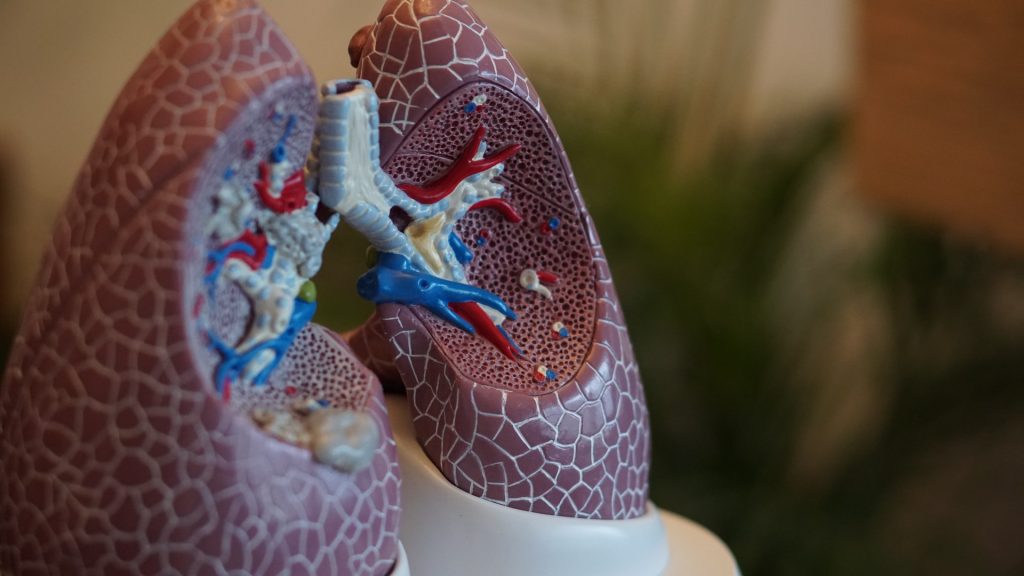
Anatomical model of lungs
Photo by Robina Weermeijer on Unsplash

New research from scientists at La Jolla Institute for Immunology (LJI), shows that hypoxia can activate the same group of immune cells that cause inflammation during asthma attacks. During hypoxia, these cells flood the airways with lung-damaging molecules.

Hypoxia is a known trigger for developing and worsening lung conditions such as severe asthma, chronic obstructive pulmonary disease (COPD), and fibrosis. To treat and prevent these diseases, researchers need to understand why a lack of oxygen would affect the immune system.

“We show how lack of oxygen can be part of a feedback loop that can contribute to even worse inflammation,” says LJI Professor and Chief Scientific Officer Mitchell Kronenberg, PhD, a member of the LJI Center for Autoimmunity and Inflammation. “This work gives us insight into the causes of fibrosis of the lung and severe asthma.”

Prof Kronenberg and colleagues worked with a genetically altered mouse model to mimic the signals of hypoxia in the airway’s epithelial cells, which line the paths to the lungs. They discovered that combining the hypoxia signals with inflammatory signals stimulated the “innate,” or rapidly responding immunity, and an immune cell type called an ILC2.

An ILC2’s job is to make signaling molecules – cytokines – that quickly alert other immune cells to react to a pathogen. Unfortunately, ILC2s sometimes over-react and respond to harmless environmental allergens. In these cases, ILC2s churn out cytokines that drive mucus production and inflammation in the lungs. All this swelling and mucus leads to hypoxia.

As they report in Journal of Experimental Medicine, ILC2s respond to hypoxia as well, adding to the lung damage already caused during an asthma attack.

“That hypoxia may then contribute further to inflammation,” said Prof Kronenberg.

The next step was to figure out exactly how epithelial cells activate ILC2 during hypoxia. LJI Postdoctoral Fellow Jihye Han, PhD, led the work to uncover an unexpected culprit: adrenomedullin (ADM). ADM is known for its role in helping blood vessels dilate, but until now it had no known role in immune function.

Prof Kronenberg was surprised to see ADM involved — but not shocked. “We’re finding that many molecules with no previously known role in the immune system can also be important for immune function,” said Prof Kronenberg. “We need to understand that more generally.”

The researchers showed that human lung epithelial cells exposed to hypoxia also produced ADM. This means ADM or its receptor could be targets for treating inflammatory and allergic lung diseases.

The challenge is to find a balance between dampening the harmful immune response without leaving the body vulnerable to infections. Prof Kronenberg points out that the epithelial cell-ADM-ILC2 connection protected mice from hookworm infections, which damage the lungs and gut.

“ADM is a new target for lung diseases and has been implicated in bacterial pneumonia as well,” said Prof Kronenberg. “But blocking it would have to be done carefully.”

Source: La Jolla Institute for Immunology

Obesity in Women Linked to Increased Fracture Risk

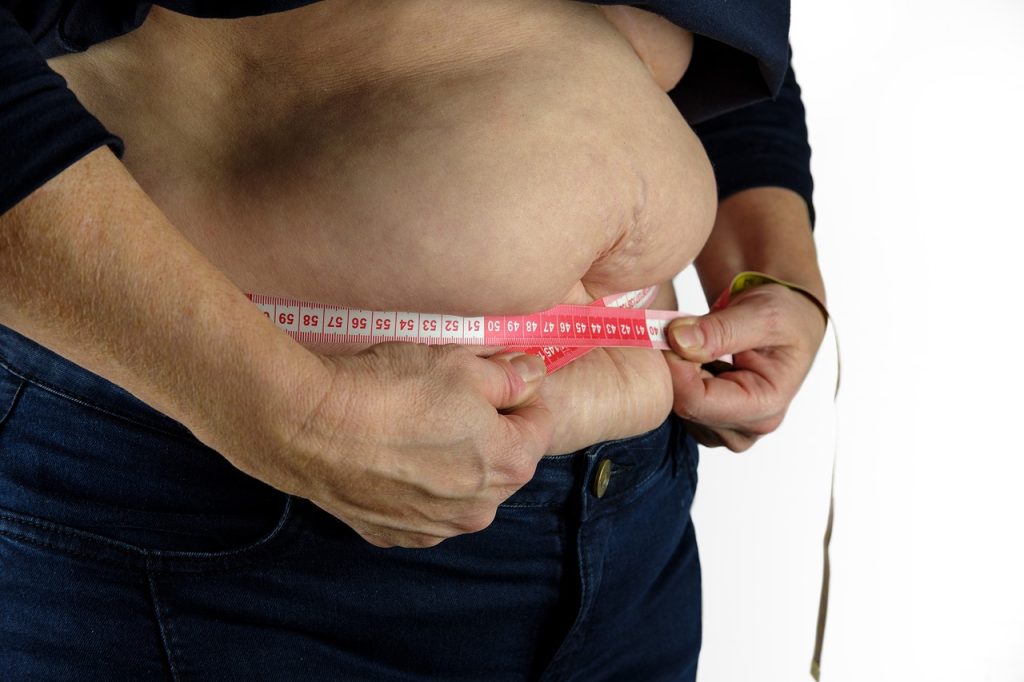
Obesity
Image source: Pixabay CC0

Women with obesity and overweight, particularly women with high waist circumference, are more susceptible to fractures than those with normal weight, according to new research presented at the European Congress on Obesity (ECO). In men, however, underweight, not overweight, is associated with a greater risk of broken bones.

Obesity has long been thought to help protect against fractures. This is because mechanical loading on bones, which increases with body weight, helps increase bone mineral density, an important determinant of bone strength.

However, recent studies have suggested that the relationship between obesity and fracture risk varies depending on sex, the skeletal site studied and definition of obesity used (body mass index [BMI] vs waist circumference).

To find out more, Dr Anne-Frederique Turcotte, Endocrinology and Nephrology Unit, CHU de Quebec Research Centre, Quebec City, Canada, and colleagues, analysed data from CARTaGENE, a prospective population-based cohort of almost 20 000 individuals aged 40-70 years from Quebec, Canada.

In women, greater waist circumference (WC) was linearly associated with an increased risk of fracture. For each 5cm (two inch) increase in WC, the risk of fracture at any site was 3% higher and the risk of a distal lower limb fracture was 7% higher.  The association between WC and ankle fractures was particularly strong.

In women, greater BMI was associated with a greater risk of distal lower limb fractures. Compared with women with a BMI of 25 kg/m², those with a BMI of 27.5-40 kg/m² showed a greater risk of distal lower limb fractures.  The increase in risk rose linearly from 5% in those with a BMI of 27.5 kg/m², to 40% in those with a BMI of 40 kg/m².

Women with a BMI of 22.5 kg/m² had a 5% lower risk of distal lower limb fractures than those with a BMI of 25 kg/m².

It isn’t known why obesity is associated with a higher risk of fractures in women.  However, most fractures are a result of a fall and falls are more common in people with obesity.  The ankle, unlike the hip and thighbone, is not protected by soft tissue, which could make it more prone to breaking during a fall.

Dr Turcotte added: “Waist circumference was more strongly associated with fractures in women than BMI.  This may be due to visceral fat – fat that is very metabolically active and stored deep within the abdomen, wrapped around the organs – secreting compounds that adversely affect bone strength.

“We also know that people with obesity take longer to stabilise their body, when they trip, for example.  This is particularly pronounced when weight is concentrated at the front of the body, suggesting that individuals with distribution of body fat in the abdominal area may be at higher risk of falling.” 

In men, increases in BMI and WC were not significantly associated with fractures.  However, men with underweight were at higher risk of distal upper limb fractures than those with normal weight.  Men with a BMI ≤17.5 kg/m² were twice as likely to have distal upper limb fracture as men with a BMI of 25 kg/m².

The researchers say a larger number of fractures in men is needed to determine whether this is a true result or whether the pattern for men follows that for women.

The analyses were adjusted for a number of potential confounders: age, menopausal status, ethnicity, marital status, education, income, area of residence, smoking status, alcohol consumption, physical activity level, supplemental calcium and vitamin D intake, history of fracture and comorbidities and medications known to influence fracture risk.

The study authors said: : “Our findings show that the relationship between obesity and fractures is complex and varies by sex. In women, there was a linear relationship between waist circumference and the incidence of fracture at any site and at the distal lower limb, particularly at the ankle.

“Similar results were observed for women with a BMI between 27 and 40 kg/m². In men however, there was no relationship between obesity and the risk of fracture, although a BMI in the underweight range was associated with a higher risk of some fractures.”

Source: EurekAlert!

Scans of Brain Connectivity in Veterans Yield Objective Pain Measures

MRI images of the brain
Photo by Anna Shvets on Pexels

A brain connectivity study of military veterans discovered three unique brain subtypes potentially indicating high, medium, and low susceptibility to pain and trauma symptoms. This could constitute an objective measurement of pain and trauma susceptibility, possibly leading to personalised treatments and new therapies based on neural connectivity patterns.  

Comorbidity Goes Unexplored

“Chronic pain is a major public health concern, especially among veterans,” said first author Prof Irina Strigo. “Moreover, chronic pain sufferers almost never present with a single disorder but often with multiple co-morbidities, such as trauma, posttraumatic stress, and depression.”

It is already understood that both pain and trauma can affect brain connections, but this had not been studied in the context of comorbid trauma and pain. Much pain and trauma research also relies on subjective measurements, such as questionnaires, rather than objective measurements like brain scans. This study, published in Frontiers in Pain Research, addresses these problems.

Theresearchers studied a group of 57 veterans with both chronic back pain and trauma, who had quite varied symptoms in terms of pain and trauma severity. Functional MRI scans of the veterans’ brains showed the strength of connections between brain regions involved in pain and trauma. The researchers then used a statistical technique to automatically group the veterans based on their brain connection signatures, regardless of their self-reported pain and trauma levels.

Based on the veterans’ brain activity, they were sorted into three groups. Strikingly, these divisions were comparable to the severity of the veterans’ symptoms, and they fell into a low, medium, or high symptom group.

The team hypothesised that the pattern of brain connections found in the low symptom group allowed veterans to avoid some of the emotional fallout from pain and trauma, and also included natural pain reduction capabilities. Conversely, the high symptom group demonstrated brain connection patterns that may have increased their chances of anxiety and catastrophising when experiencing pain.

Interestingly, based on self-reported pain and trauma symptoms, the medium symptom group was largely similar to the low symptom group. However, the medium symptom group showed differences in their brain connectivity signature, which suggested that they were better at focusing on other things when experiencing pain, reducing its impact.

Putting the findings into future practice

“Despite the fact that the majority of subjects within each subgroup had a co-morbid diagnosis of pain and trauma, their brain connections differed,” said Prof Strigo.

“In other words, despite demographic and diagnostic similarities, we found neurobiologically distinct groups with different mechanisms for managing pain and trauma. Neurobiological-based subgroups can provide insights into how these individuals will respond to brain stimulation and psychopharmacological treatments.”

Thus far, it’s not known whether these neural hallmarks represent a vulnerability to trauma and pain or a consequence of these conditions. The technique does however provide an objective and unbiased hallmark of pain and trauma susceptibility or resilience, not reliant on subjective measures such as the surveys. In fact, subjective measurements of pain in this study would not differentiate between the low and medium groups.

Techniques using objective measures like brain connectivity appear more sensitive and could provide a clearer overall picture of someone’s resilience or susceptibility to pain and trauma, thereby guiding personalised treatment and paving the way for new treatments.

Source: Frontiers

Immunotherapy Flop Leads to Cancer Treatment Breakthrough

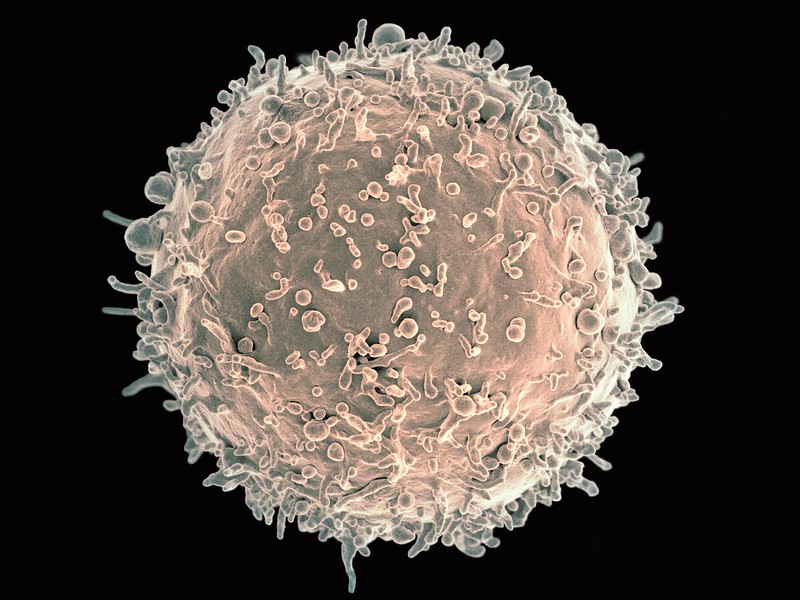
Human B cell
Scanning Electron Micrograph of a human B Cell. Credit: NIH

When patients in the UK showed adverse side effects during a cancer immunotherapy trial, researchers went back through the data and worked with patient samples to see what went wrong. Published in Nature, their findings provide clues into the dangerous side effects of many immunotherapies – and point to a better strategy for treating solid tumours.

“This work shows the importance of learning from early stage clinical trials,” says La Jolla Institute for Immunology (LJI) Professor Pandurangan Vijayanand, MD, PhD, who co-led the new research with Christian H. Ottensmeier, MD, PhD, FRCP, a professor with the University of Liverpool.

“In the oncology world, immunotherapy has revolutionised the way we think about treatment,” said Prof Ottensmeier. “We can give immunotherapies to patients even with metastatic and spreading disease, and then just three years later wave goodbye and tell them their cancer is cured. This is an astounding change.”

Unfortunately, only 20–30% of solid cancer patients given immunotherapies go into long-term remission. Some people see no change after immunotherapy, but others develop serious side effects, which can be debilitating, even fatal, and these patients are forced to discontinue the immunotherapy.

The researchers worked with samples from a recent UK clinical trial for head and neck cancers. The patients were given an oral cancer immunotherapy – a PI3Kδ inhibitor. At the time, PI3Kδ inhibitors had proven effective for B cell lymphomas but had not yet been tested in solid tumours.

PI3Kδ inhibitors are a new to cancer immunotherapy, but they hold promise for their ability to inhibit ‘regulatory’ T cells (Tregs). Tregs normally try to stop other T cells, called effector T cells, from targeting the body’s own tissues. Oncologists inhibit Tregs inside tumours so effector T cells can let loose and generate cancer-killing CD8+ T cells.

“Having an oral tablet that can take off the brakes – the Tregs– can be a great asset for oncologists,” said Prof Vijayanand.

Unfortunately, 12 of the 21 patients in the trial had to discontinue treatment early because they developed inflammation in the colon, a condition called colitis. “We thought this drug wouldn’t be toxic, so why was this happening?” said Prof Vijayanand.

Simon Eschweiler, PhD, an instructor at La Jolla Insitute, led the review into exactly how PI3Kδ inhibitor treatment affected immune cells in these patients. Gene sequencing showed that in the process of increasing tumour-fighting T cells in tumours, the PI3Kδ inhibitor also blocked a specific Treg cell subset from protecting the colon. Without Tregs patrolling there, pathogenic T cells, called Th17 and Tc17 cells, moved in and caused inflammation and colitis.

It was clear that a larger than needed PI3Kδ inhibitor dose had been given, and had disrupted the immune cell balance in the gut.

The pathway that leads to the toxicity seen in the new study may be broadly applicable to other organs harbouring similar Treg cells, and to other Treg cell-targeting immunotherapies like anti-CTLA-4, Eschweiler says.

The team found that intermittent dosing could be a valid treatment strategy that combines sustained anti-tumour immunity with reduced toxicity. The researchers are now designing a human clinical trial to test the intermittent dosing strategy in humans.

Why the lack of toxicity in trials for B cell lymphomas? Dr Eschweiler noted that in previous studies, lymphoma patients had been given several prior therapies leading to an overall immunocompromised state. This means the lymphoma patients didn’t have the same type or magnitude of immune response upon PI3Kδ inhibition. Meanwhile, the head and neck cancer patients were treatment-naive. Since their immune system was uncompromised, the immune-related adverse events were more rapid and pronounced.

Overall, the new study shows the importance of studying not just personalised therapies but personalised therapy doses and schedules.

Source: La Jolla Institute