Year: 2021

New Insights into Gum Disease and Inflammatory Response

Photo by Caroline LM on Unsplash

A team of researchers has identified how different people respond to the accumulation of dental plaque, helping us understand the vulnerability of some to serious conditions that lead to tooth loss and other problems. 

The study was led by University of Washington researchers and recently published in the journal Proceedings of the National Academy of Sciences (PNAS). 

Buildup of plaque, the sticky biofilm covering teeth and gums, can induce gingivitis, or gum inflammation if left unchecked. Gingivitis, in turn, can lead to periodontitis, a serious infection that can damage and destroy the gum and bones supporting teeth. As well as causing tooth loss, this chronic inflammation can also trigger heart disease, diabetes, cancer, arthritis, and bowel diseases.

The researchers also discovered a range of inflammatory responses to oral bacterial accumulation. When bacteria build up on tooth surfaces, it generates inflammation as the body responds. Two known major oral inflammation phenotypes were known: a high or strong clinical  response and a low clinical response. The team identified a third phenotype, which they dubbed ‘slow’: a delayed strong inflammatory response in the wake of the bacterial buildup.

The study also found that subjects with low clinical response also showed a low inflammatory response for a variety of inflammation signals.  “Indeed, this study has revealed a heterogeneity in the inflammatory response to bacterial accumulation that has not been described previously,” said Dr Richard Darveau of the UW School of Dentistry, one of the study’s authors.

Study co-author Dr Jeffrey McLean said, “We found a particular group of people that have a slower development of plaque as well as a distinct microbial community makeup prior to the start of the study.” The authors wrote that understanding the variations in gum inflammation could help screen for higher periodontitis risk. In addition, it is possible that this variation in the inflammatory response among the human population may be related to the susceptibility to other chronic bacterial-associated inflammatory conditions such as inflammatory bowel disease.

Additionally, the researchers found a novel protective response by the body, triggered by plaque accumulation, that can save tissue and bone during inflammation. This mechanism, which was apparent among all three phenotypes, utilises white blood cells known as neutrophils. In the mouth, they act something like cops on the beat, patrolling and regulating the bacterial population to maintain a stable condition known as healthy homeostasis.

In this instance, plaque is not a villain. To the contrary, the researchers said that the proper amount and makeup of plaque supports normal tissue function. Studies in mice have also shown that plaque also provides a pathway for neutrophils to migrate from the bloodstream through the gum tissue and into the crevice between the teeth and gums.

When healthy homeostasis exists and everything is working right, the neutrophils promote colonization resistance, a low-level protective inflammatory response that helps the mouth fend off an excess of unhealthy bacteria and resist infection. At the same time, the neutrophils help ensure the proper microbial composition for normal periodontal bone and tissue function.

The researchers’ findings underscore why dentists preach the virtues of regular brushing and flossing, which prevent too much plaque buildup. “The idea of oral hygiene is to in fact recolonise the tooth surface with appropriate bacteria that participate with the host inflammatory response to keep unwanted bacteria out,” Dr Darveau explained. The bacteria start repopulating the mouth’s surfaces spontaneously and almost immediately afterward, Dr Darveau said.

Source: University of Washington School of Dentistry

Journal information: Bamashmous, S., et al. (2021) Human variation in gingival inflammation. PNASdoi.org/10.1073/pnas.2012578118.
In Utero or Neonatal Antibiotic Exposure Could Lead to Brain Disorders

Image by Ahmad Ardity from Pixabay

According to a new study, antibiotic exposure early in life could alter human brain development in areas responsible for cognitive and emotional functions.

The study suggests that penicillin alters the body’s microbiome as well as gene expression, which allows cells to respond to its changing environment, in key areas of the developing brain. The findings, published in the journal iScience, suggest reducing widespread antibiotic use or using alternatives when possible to prevent neurodevelopment problems.
Penicillin and related medicines, such as ampicillin and amoxicillin, are the most widely used antibiotics in children worldwide. In the United States, the average child receives nearly three courses of antibiotics before age 2, and similar or greater exposure rates occur elsewhere.

“Our previous work has shown that exposing young animals to antibiotics changes their metabolism and immunity. The third important development in early life involves the brain. This study is preliminary but shows a correlation between altering the microbiome and  changes in the brain that should be further explored,” said lead author Martin Blaser, director of the Center for Advanced Biotechnology and Medicine at Rutgers.

In the study, mice were exposed to low-dose penicillin in utero or immediately after birth. Researchers found that, compared to the unexposed controls, mice given penicillin had large changes in their intestinal microbiota, with altered gene expression in the frontal cortex and amygdala. These two key brain areas are responsible for the development of memory as well as fear and stress responses.

Increasing evidence links conditions in the intestine to the brain in the ‘gut-brain axis‘. If this pathway is disturbed, it can lead to permanent altering of the brain’s structure and function and possibly lead to neuropsychiatric or neurodegenerative disorders in later childhood or adulthood.

“Early life is a critical period for neurodevelopment,” Blaser said. “In recent decades, there has been a rise in the incidence of childhood neurodevelopmental disorders, including autism spectrum disorder, attention deficit/hyperactivity disorder and learning disabilities. Although increased awareness and diagnosis are likely contributing factors, disruptions in cerebral gene expression early in development also could be responsible.”

Whether it is antibiotics directly affecting brain development or if molecules from the microbiome travelling to the brain, disturbing gene activity and causing cognitive deficits needs to be determined by future studies.

Source: Rutgers University-New Brunswick

ImmunityBio COVID Booster Gets Go-ahead for South African Trials

Photo by Mufid Majnun on Unsplash

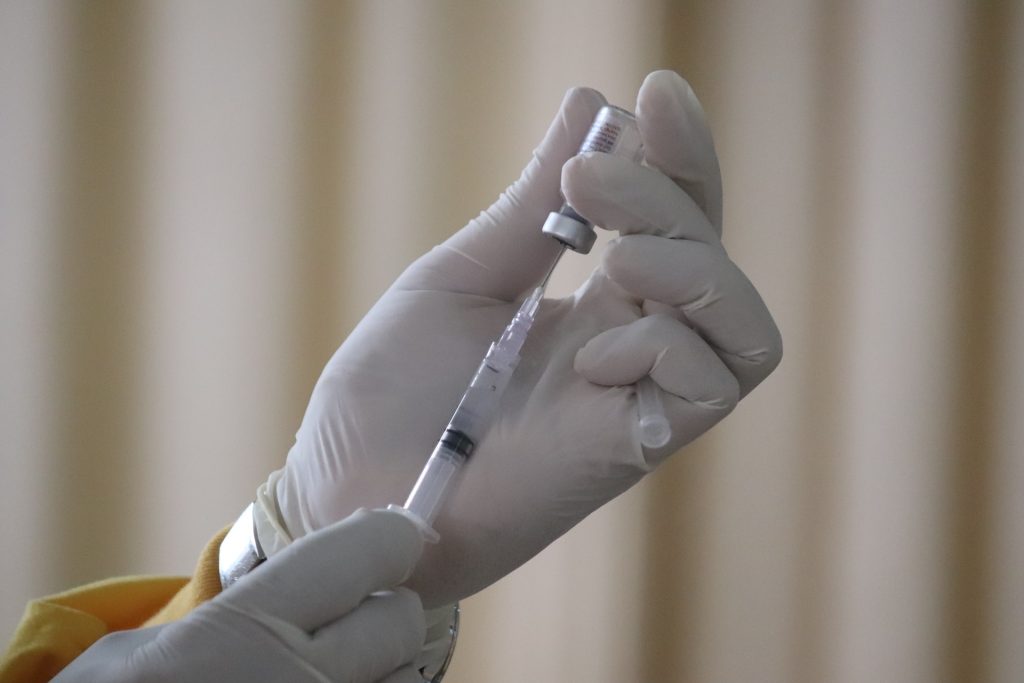
Immunotherapy company ImmunityBio has been authorised by the South Africa Health Products Regulatory Authority (SAHPRA) to proceed with the South Africa Sisonke T-Cell Universal Boost trial. 

The Phase 1/2/3 study, starting in the second third quarter of 2021, is designed to evaluate hAd5 Spike + Nucleocapsid (S+N) as a boost for South African healthcare workers previously vaccinated with an S (Spike)-only vaccine.

“With the virus continuing to spread, moving forward with this boost trial is crucial,” said Leonard Sender, MD, Chief Operating Officer of ImmunityBio. “We are encouraged by the preliminary safety findings in our ongoing Phase 1 studies in both the U.S. and South Africa. In addition, our U.S. data show that just a single prime subcutaneous vaccination with our COVID-19 vaccine candidate induces a 10-fold increase in T cell response—equivalent to T cell responses from patients previously infected with SARS-CoV-2. We have also shown that the T-cell responses are maintained against variants, which is critical to providing protection against this ever-changing virus.”

In the trial, the effect of combining vaccination by subcutaneous (SC) and sublingual (SL) routes will be assessed. This combination has the potential to deliver protection from the virus with a single injection followed by droplets placed under the tongue. Methods that do not require injection such as SL, intranasal, and oral capsule offer potential advantages depending on the participant’s needs or situation. Sublingual administration offers the most rapid absorption, while nasal spray or oral capsule delivery have the potential to provide mucosal immunity, which could reduce both the chance of infection and potential spread of the virus via the respiratory tract. The three non-injection formulations do not need a trained healthcare worker to administer them and are easier to transport and store. The SL and nasal routes of administration are also currently being tested in a separate Phase 1 trial in South Africa.

“The number of new cases in South Africa is frightening, particularly when you consider recent data suggesting currently available COVID-19 vaccines may not provide the immune memory needed to fend off infection from future variants. This highlights an urgent need for a boost dose that confers long-term protection by activating both antibodies and T cells, ” said Patrick Soon-Shiong, MD, Founder and Executive Chairman of ImmunityBio.

“Several peer-reviewed studies demonstrate that patients who have recovered from SARS-CoV in the 2003 outbreak possess long lasting memory T cells reactive to the nucleocapsid protein of SARS-CoV 17 years after infection. While antibodies block infection when present, T cells are vital for long-term immune memory. We are excited to begin this controlled, randomized trial of boosting a previously administered DNA-based viral vector vaccine with our own Ad5 dual-antigen S plus N vaccine to see if it can augment protection in participants who have received the S-based vaccine alone,” added Dr Soon-Shiong.

Source: BusinessWire

Are Lower Haemoglobin Levels Protective?

Credit: Wikimedia CC0

A new study challenges the view that high haemoglobin levels are always desirable for health

A study based on two large human cohorts as well as experimental work supported the idea that lower haemoglobin levels may protect against both obesity and metabolic syndrome. The phenomenon may be related to the body’s adaptive response to low-oxygen conditions, which is exploited by endurance athletes in high-altitude training.

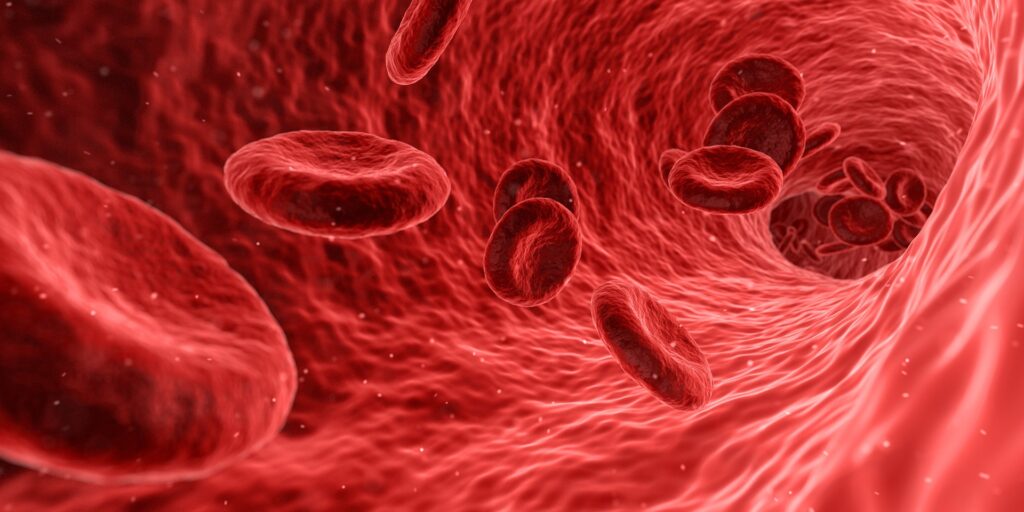
Haemoglobin levels vary from one individual to another, with normal levels in Finnish population ranging from 117 to 155 grams per litre in females and 134 to 167 grams per litre in males.

A recent study showed that individual differences in haemoglobin levels are strongly associated with metabolic health in adulthood. The haemoglobin levels were associated with body mass index, glucose metabolism, blood lipids and blood pressure. Subjects with lower haemoglobin levels were healthier in terms of metabolic measures. The study examined haemoglobin values within the normal range.  

“We found a clear association between hemoglobin levels and key cardiovascular traits, and the associations became more pronounced as the subjects aged,” said principal investigators Professor Juha Auvinen, doctoral student Joona Tapio and postdoctoral researcher Ville Karhunen.  

The effect of lower haemoglobin observed in the study is related to a mild oxygen deficiency in the body and the corresponding hypoxia inducible factors (HIF) response which is activated as a result. The research team of Professor Peppi Karppinen is internationally known for its studies on this phenomenon. The finding reinforces the understanding of the central role that the HIF response has in regulating the body’s energy metabolism.

“Haemoglobin levels are a good measure of the body’s ability to carry oxygen. A mild lack of oxygen activates the HIF response, which makes the body’s energy metabolism less economical and thus may protect against obesity and unfavourable metabolism,” explained study leader Prof Karppinen.

Prof Karppinen’s team has already shown in previous research that activation of the hypoxia response protects mice from obesity, metabolic syndrome, fatty liver and atherosclerosis. This is the first study to show the link between oxygen deficiency and a wide range of metabolic health markers in humans as well.

“Although this study uses multiple methods to establish links between lower body oxygen levels and metabolic health, it is very challenging to establish causality for the observed associations in human data. However, combining evidence from different components of the study, the results support that hypoxia response may also play an important role in peoples’ metabolic health,”explained co-leader of the study Professor Marjo-Riitta Järvelin.

“We also already know that in people living high above sea level, low oxygen levels in the habitat cause long-term activation of the HIF response. These people are slimmer, and they have better sugar tolerance and a lower risk of cardiovascular death,” said Prof Karppinen.

The study was based on a large cohort of people born in Northern Finland in 1966, which followed the health of 12 000 people since birth. The results were also replicated in The Cardiovascular Risk in Young Finns Study cohort material, which covers more than 1800 individuals. 

“Although this study uses multiple methods to establish links between lower body oxygen levels and metabolic health, it is very challenging to establish causality for the observed associations in human data. However, combining evidence from different components of the study, the results support that hypoxia response may also play an important role in peoples’ metabolic health”, explained study co-leader Professor Marjo-Riitta Järvelin.

Professor Peppi Karppinen said, “We also already know that in people living high above sea level, low oxygen levels in the habitat cause long-term activation of the HIF response. These people are slimmer, and they have better sugar tolerance and a lower risk of cardiovascular death.”

A question for future research is how to reduce the body’s oxidation levels if needed. This would be to achieve a permanent low-level activation of the HIF response and thus obesity protection. According to Prof Karppinen, the HIF enzymes that prompt a hypoxic response could potentially be used as targets of obesity and metabolism drugs in humans. Currently they are being used in Asia to treat renal anaemia.

Source: University of Oulu

Journal information: Auvinen, J., et al. (2021) Systematic evaluation of the association between hemoglobin levels and metabolic profile implicates beneficial effects of hypoxia. Science Advancesdoi.org/10.1126/sciadv.abi4822.

Clicks Reports Losses of R5 Billion from Riots and Looting

Photo by Michael Longmire on Unsplash

Pharmacy and health and beauty retail group Clicks has reported estimated losses of R5 billion resulting from damage to and looting of stores at shopping malls and distribution centres across South Africa, according to BusinessTech.

Clocks said that it has been forced to close all of its 110 stores in KwaZulu-Natal and 130 of its stores in Gauteng, with long lines reported at those stores that have remained open in the province. Nationwide, 279 stores have been closed and 52 have been damaged. Guidance for those needing medication is available on its website, and online deliveries have been affected as its warehouse is in Johannesburg.

106 vaccination sites have been closed across the country, the group said in a statement, as looting and vandalism continued into Wednesday, predominantly in KwaZulu-Natal and Gauteng. They advise that all vaccination sites are now accepting walk-in appointments. Dis-Chem has advised that its vaccination sites in KwaZulu-Natal are closed, as well as three of its seven sites in Gauteng.

The group had previously been forced to close its stores in September 2020 due to threats from the EFF over allegations of racism in its advertising.

Clicks has 760 stores and over 600 in-store pharmacies around country.

“The disruption of services means affected Clicks stores will be temporarily unable to administer vaccinations and provide medication to customers, along with public sector medicine pick-up points being temporarily unavailable.

“Contingency plans are being put in place to provide alternative arrangements for delivery of chronic medication and rescheduling of vaccinations, where possible,” the group said.

The unrest began with protests against the arrest and incarceration of former president Jacob Zuma, but has since degenerated into looting and destruction.

Clicks said that the full cost of the looting and damages to stores is still to be determined given the ongoing unrest.

Source: BusinessTech

Probing the Electrical Connections Between Heart Cells

Photo by Robina Weermeijer on Unsplash

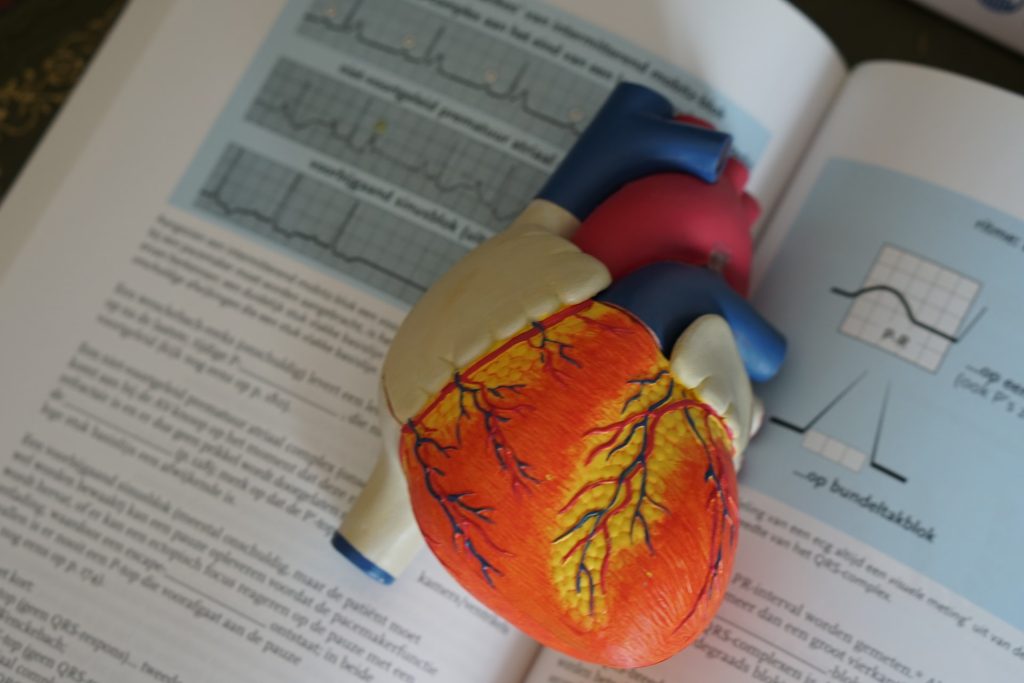
Harvard Medical School researchers have updated our understanding on how electrical impulses in the heart travel from cell to cell. Their findings are published in the journal Biophysics Reviews.

Disturbances of the bioelectrical processes behind heart’s rhythm can result in cardiac arrhythmias, a common ailment that can lead to illness and death.

A pacemaker within the heart takes the role of an electrical clock, signalling the heart to contract. The whole muscle moves simultaneously, because each individual cell inside of it contracts in a coordinated manner and within a short time interval.

To accomplish this, the pacemaker’s initial electrical impulse rapidly propagates through cells across the heart.

“If one cell is excited electrically and the other is not, the excited cell becomes positively charged inside, and the resting cell is still negatively charged inside. As a consequence, a voltage gradient builds up between the cells,” explained study author André Kléber. “If you have a voltage gradient and a pathway with a low electrical resistance, a local current will flow.”

The connections between cells which make up the low resistance pathway and facilitate the current flow are called gap junctions. Each is made up of numerous channels, which are formed when specific proteins from one cell connect to and fuse to the proteins from another cell. According to Kléber, the fusing proteins look like placing the tips of your fingers on one hand to the fingers on the other hand.

The researchers investigated the properties of gap junctions and connexins, their constituent proteins. Kléber explained that one reason why gap junction channels are interesting is because they are a highly dynamic system in equilibrium. The creation of the channels equals the destruction.
“The turnover is very short,” he said. “On one hand, the system is very stable during your whole life. On the other hand, if you measure it, it is constantly cycling in periods of a few hours.”

The proteins found in gap junctions are also important for processes not directly related to cell-cell connections, like mitochondrial function, which produces energy, and trafficking, which transports molecules from their synthesis site to their site of action in the cell interior.

“You have to refrain from the idea that if you define the role of a protein in the body, that it has only a single function,” said Kléber. “Nature is much, much smarter than human beings.”

Source: American Institute of Physics

Journal information: Kléber, A.G & Jin, Q., (2021) Coupling between cardiac cells—An important determinant of electrical impulse propagation and arrhythmogenesis. Biophysics Reviews. doi.org/10.1063/5.0050192.

No Smoking Uptick in COVID Pandemic – Unlike Other Disasters

Photo by Elsa Olofsson on Unsplash


Unlike other population-level stressful events such as natural disasters, COVID has not resulted in a net increase in smoking, according to a new study from the International Tobacco Control (ITC) Project, at the University of Waterloo.

However, the researchers also found that although nearly half of smokers reported that COVID caused them to consider quitting, the vast majority of smokers did not change their smoking habits during the early phase of the COVID pandemic.

Stress is known to be a significant risk factor for smoking, especially in females. The study surveyed 6870 smokers and vapers in  Australia, Canada, England, and the United States between April and June 2020. The team investigated the association between COVID and thoughts about quitting smoking, changes in smoking, and factors related to positive changes such as attempting to quit or reducing smoking.

Only 1.1 per cent of smokers in the four countries attempted to quit and 14.2 percent reduced smoking, but this was offset by the 14.6 percent who increased smoking, with 70.2 percent reported no change.

“It is important to note that population-level stressful events, such as 9/11 and natural disasters, have often led to increased smoking,” said Geoffrey Fong, professor of psychology at Waterloo and principal investigator of the ITC Project. “So, our findings that there was no net increase in smoking in response to COVID may actually represent a positive result for public health.”

The study found that those who considered quitting smoking due to COVID were mostly females, ethnic minorities, those under financial stress, current vapers, less dependent smokers, those with greater concern about personal susceptibility of infection, and those who believed COVID is more severe for smokers.

According to study co-author Fong, this latter finding may explain why a significant uptick in smoking was seen in the COVID pandemic, compared to past tragedies.

“Unlike other population stressors such as earthquakes, which are unrelated to smoking, COVID severity is indeed linked to smoking,” Fong said. “Public health officials have mentioned the link as yet another reason for smokers to quit, and over 80 percent of smokers across the four countries believed that smoking made COVID more severe. And this led to the lack of an increase in smoking, unlike what we have seen after other tragedies.”

Source: EurekAlert!

Journal information: Gravely, S., et al. (2021) Smokers’ cognitive and behavioural reactions during the early phase of the COVID-19 pandemic: Findings from the 2020 ITC Four Country Smoking and Vaping Survey. PLOS ONE. doi.org/10.1371/journal.pone.0252427.

Heparin Benefit Seen in Moderately Ill COVID Patients

Photo by Marcelo Leal on Unsplash

New trial results show that early administration of the blood thinner heparin to moderately ill hospitalised COVID patients with could halt the thrombo-inflammation process, reducing the risk of severe disease and death.

COVID is characterised by inflammation and abnormal clotting in the blood vessels, especially the lungs, and is believed to contribute to progression to severe disease and death. 

The study is available as a preprint on MedRxiv and was led by investigators at St. Michael’s Hospital, a site of Unity Health Toronto, and the University of Vermont’s Larner College of Medicine.

Heparin, an anticoagulant, is indicated for both the prevention and treatment of thrombotic events such as deep vein thrombosis (DVT) and pulmonary embolism as well as atrial fibrillation. Heparin is also used to prevent excess coagulation during procedures such as cardiac surgery, extracorporeal circulation or dialysis. Heparin also has a wide range of off-label uses in hospitals. “This study was designed to detect a difference in the primary outcome that included ICU transfer, mechanical ventilation or death,” said study co-principal investigator  Mary Cushman, MD, MSc, professor of medicine at the UVM Larner College of Medicine.
The open-label randomised international multi-centre clinical RAPID Trial (also known as the RAPID COVID COAG – RAPID Trial) examined the benefits of administering a therapeutic full dose of heparin versus a prophylactic low dose to hospitalised patients with moderate COVID.

The primary outcome was a composite of ICU admission, mechanical ventilation, or death up to 28 days. Safety outcomes included major bleeding. Primary outcome occurred in 16.2% of patients with therapeutic full dose heparin, and 21.9% with low dose heparin (odds ratio [OR], 0.69). Four patients (1.8%) with therapeutic heparin died vs 7.6% with prophylactic heparin (OR, 0.22).

“While we found that therapeutic heparin didn’t statistically significantly lower incidence of the primary composite of death, mechanical ventilation or ICU admission compared with low dose heparin, the odds of all-cause death were significantly reduced by 78 percent with therapeutic heparin,” said first author and co-principal investigator Michelle Sholzberg, MDCM, MSc, Head of Division of Hematology-Oncology, medical director of the Coagulation Laboratory at St. Michael’s Hospital of Unity Health Toronto, and assistant professor at the University of Toronto.

Co-principal investigator Peter Jüni, MD, director of the Applied Health Research Centre (AHRC) at St. Michael’s, and professor of medicine at the University of Toronto, said that the researchers also presented a meta-analysis of randomised evidence (including data from a large multiplatform trial of ATTACC, ACTIV-4a and REMAP-CAP), which clearly indicated that therapeutic heparin is beneficial in moderately ill hospitalised COVID patients. He added that an additional meta-analysis presented in the preprint showed that therapeutic heparin is beneficial in moderately ill hospitalised patients but not in severely ill ICU patients.

Unusually, the RAPID Trial was funded through grassroots efforts from various institutions, grants and even a GoFundMe campaign.

“We called this trial ‘The Little Engine that Could,’ because of the sheer will of investigators around the world to conduct it,” said Cushman.

Sholzberg said, “We believe that the findings of our trial and the multiplatform trial taken together should result in a change in clinical practice for moderately ill ward patients with COVID.”

Source: University of Vermont

Journal information: Michelle Sholzberg et al, Heparin for Moderately Ill Patients with Covid-19, MedRxiv (2021). DOI: 10.1101/2021.07.08.21259351

80% of Childhood Asthma Hospital Presentations are Preventable

Image by Bob Williams from Pixabay

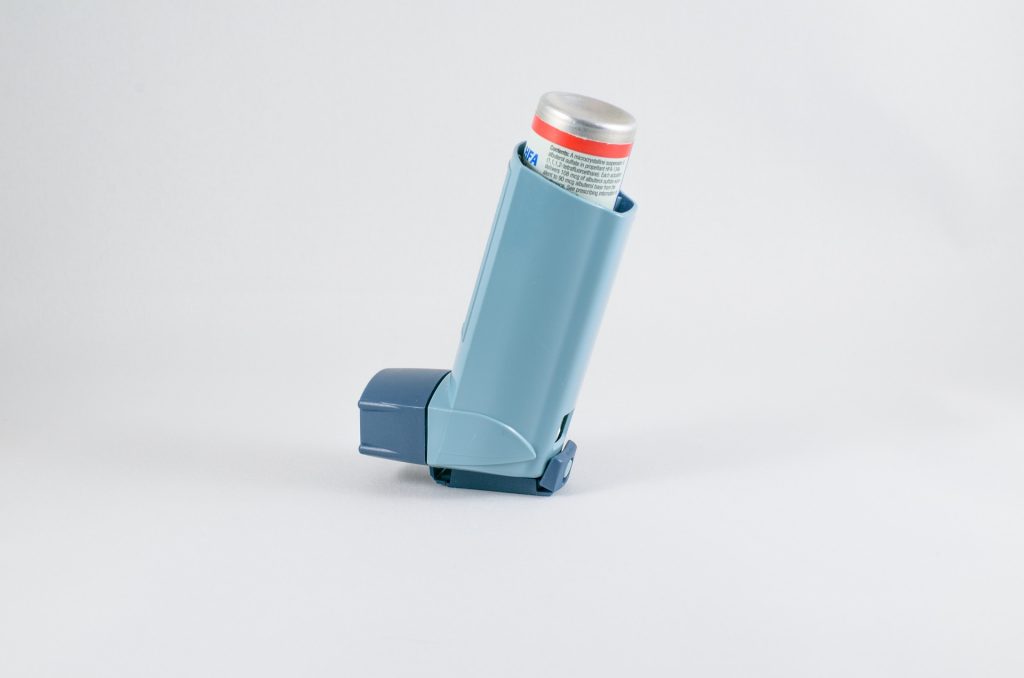
Based on a comprehensive Australian survey, approximately 80 percent of asthma-related hospital presentations in school-aged children are potentially avoidable through a standardised comprehensive care pathway for children with asthma.

These preventative measures include using evidence-based clinical guidelines, ensuring that there is an asthma action plan in place; regular follow-up with GP; provision of asthma education to parents/carers; and establishing a community-based approach for continuity of care.

Senior author Dr Nusrat Homaira, respiratory epidemiologist at UNSW Sydney said, “During our research, we surveyed 236 nurses and 266 doctors across 37 hospitals in all 15 local health districts (LHDs) across New South Wales (NSW) to identify the existing care pathway following discharge from hospital for children with asthma.”

This study by researchers at UNSW Sydney identified major variations in the existing asthma care pathway, including:

Use of asthma clinical guidelines and Asthma Action Plan: Although clinical guidelines and Asthma Action Plans (AAPs) were used across all hospitals, on average, there were four to six different types of documents used in each (LHD), between hospitals in the same LHD and within departments in the same hospital. Such variations can be confusing for clinicians, as noted by a survey participant: “Conflicting advice given to asthma patients between general practitioners, emergency departments and sometimes paediatricians; patients are then confused about what to do in exacerbation of symptoms.”

GP follow-up: In most LHDs (75 percent) parents/carers were advised to have their child followed up with their GP within two to three days after hospital discharge, but in some areas, follow-up appointments could be recommended for over six days post-hospitalisation. Parents/carers were reportedly responsible for organising follow-up with their GP with no system to ensure they in fact attended.

Asthma education for parents/carers of asthmatic children: Formal asthma education (27 percent of respondents) were seldom provided to parents/carers during hospital stays; limited to asthma device techniques and rarely involved key topics such as basic knowledge of asthma, asthma control and the importance of regular medical review.

Communication with schools/childcare services: When children with asthma were discharged from hospitals, only four percent of the surveyed staff reported that schools or childcare services were notified of the child’s recent hospital presentation.

Community services integration: The majority of participants (55 percent) were unaware of any community services for children with asthma in their local areas.

The survey identified marked variations in asthma care and management for children within different health districts, different hospitals in the same district and different departments within the same hospital in. The findings highlight opportunities to improve the health outcomes in children with asthma and reduce unnecessary burden on health systems from preventable asthma hospital presentations.

Source: EurekAlert!

Journal information: Chan, M., et al. (2021) Assessment of Variation in Care Following Hospital Discharge for Children with Acute Asthma. Journal of Asthma and Allergy. doi.org/10.2147/JAA.S311721.

Attacks on Crisis-hit Hospitals Averted

Photo by Pawel Janiak on Unsplash

As hospitals in violence-hit areas struggle with supplies and staffing, Police Minister Cele revealed that attacks on hospitals had been averted.

Speaking to eNCA, Minister Cele revealed that crime prevention intelligence had prevented attacks on healthcare infrastructure. “In KZN, yesterday… they were planning to burn the hospitals… literally planning to burn the hospitals with patients inside. So, that was averted,” he said.

Minister Cele made the comments while he was visiting an area hit by violence in Mamelodi, Tshwane.

During a briefing by the Justice, Crime Prevention and Security (JCPS) Cluster, State Security Minister Ayanda Dlodlo said that state security intelligence had prevented further destruction of buildings and infrastructure. This information was shared with the police. “We tried our best wherever we could and we affected a lot more than what you see on national television,” she said.

Netcare has had to scramble to secure medical supplies for its hospitals in KwaZulu-Natal. Netcare CEO Dr Richard Friedland said that they had flown in trauma nurses and medical supplies following their supplier’s inability to provide them as a result of the unrest. Dr Friedland said Netcare hospitals remained open despite staffing challenges.

“Like many other businesses, we have experienced some challenges due to staff shortages as a result of staff not being able to reach their place of work, however Netcare’s hospitals remain open throughout the country. We have treated a number of people for protest-related injuries, placing further pressure on an already constrained healthcare system, including emergency medical services,” he said.

The Democratic Nursing Organisation of South Africa (Denosa) has also reported that its members are facing challenges getting to and from work because of the violence.