Year: 2021

ARB Has Slight Edge Over ACE Inhibitors for Hypertension Treatment

Photo by Hush Naidoo on Unsplash

A huge multinational study found that while angiotensin-converting enzyme (ACE) inhibitors are just as effective as angiotensin receptor blockers (ARBs) for hypertension treatment, ARBs have slightly fewer side effects.

The study, led by researchers at Columbia University Vagelos College of Physicians and Surgeons and encompassing millions of electronic health records, is the largest to compare the safety and efficacy of these two types of drugs. The findings were published online in Hypertension.

“Physicians in the United States and Europe overwhelmingly prescribe ACE inhibitors, simply because the drugs have been around longer and tend to be less expensive than ARBs,” said senior study author George Hripcsak, MD, the Vivian Beaumont Allen Professor and chair of biomedical informatics at Columbia University Vagelos College of Physicians and Surgeons.

“But our study shows that ARBs are associated with fewer side effects than ACE inhibitors. The study focused on first-time users of these drugs. If you’re just starting drug therapy for hypertension, you might consider trying an ARB first. If you’re already taking an ACE inhibitor and you’re not having any side effects, there is nothing that we found that would indicate a need for a change.”

“U.S. and European hypertension guidelines list 30 medications from five different drug classes as possible choices, yet there are very few head-to-head studies to help physicians determine which ones are better,” Dr Hripcsak said. “In our research, we are trying to fill in this information gap with real-world observational data.”

ACE inhibitors and ARBs are among the choices, and they have a similar mechanism of action. Both reduce the risk of stroke and heart attacks, though it’s known that ACE inhibitors are associated with increased risk of cough and angioedema.

“We wanted to see if there were any surprises–were both drug classes equally effective, and were ARBs producing any unexpected side effects when used in the real world?” Hripcsak says. “We’re unlikely to see head-to-head clinical trials comparing the two since we are reasonably sure that both are effective.”

To tackle the problem, the researchers analysed insurance claims and electronic health records from approximately 3 million patients in Europe, Korea, and the United States who were starting antihypertensive treatment with either an ACE inhibitor or an ARB.

The researchers employed a variety of cutting-edge mathematical techniques to dramatically reduce the bias and deal with information gaps from electronic health records, balancing the two treatment groups as if they had been enrolled in a prospective study.

The researchers tracked four cardiovascular outcomes–heart attack, heart failure, stroke, and sudden cardiac death–and 51 adverse events in patients after they started antihypertensive treatment.

They found that the vast majority of patients–2.3 million–were prescribed an ACE inhibitor, but found no significant difference between the two drug classes in reducing major cardiovascular complications in people with hypertension. As expected, patients taking ACE inhibitors had a higher risk of cough and angioedema, but the risk of pancreatitis and gastrointestinal bleeding was slightly higher as well.

“Our study largely confirmed that both antihypertensive drug classes are similarly effective, though ARBs may be a little safer than ACE inhibitors,” Hripcsak said. “This provides that extra bit of evidence that may make physicians feel more comfortable about prescribing ARBs versus ACE inhibitors when initiating monotherapy for patients with hypertension. And it shows that large-scale observational studies such as this can offer important insight in choosing among different treatment options in the absence of large randomised clinical trials.”

Source: EurekAlert!
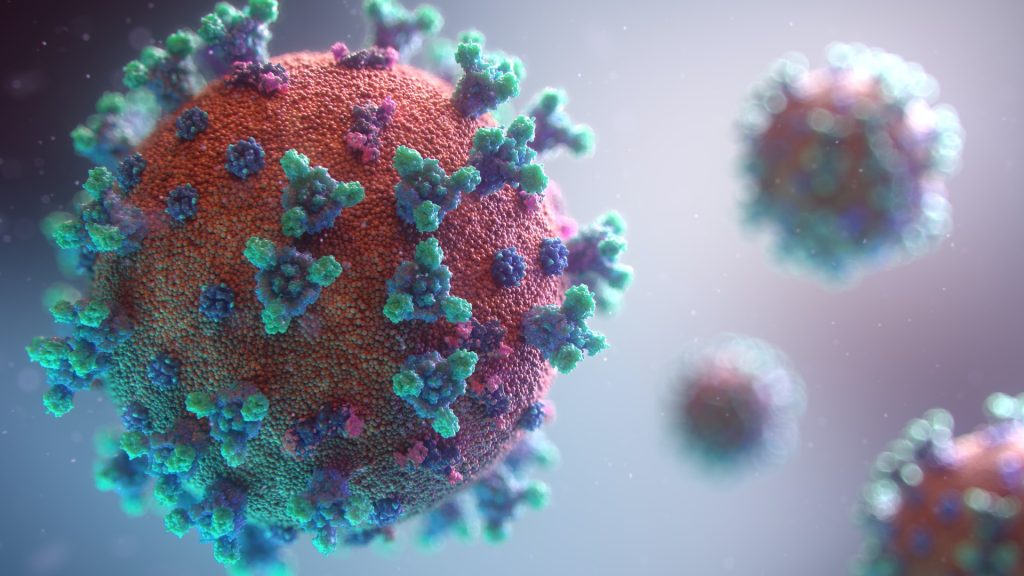
Is There an Imminent Wave of COVID-caused Diabetes?

Source: Unsplash CC0

A new study found that about half of hospitalised COVID patients at the start of the pandemic developed new cases of hyperglycemia and had poorer outcomes, prompting concerns about waves of COVID-caused diabetes.

“These people were not diabetic before,” said lead author Paolo Fiorina, MD, PhD, who is affiliated with the Division of Nephrology at Boston Children’s Hospital. “But during admission, about 46 percent of the patients were found to have new hyperglycaemia.” About 35 percent of the newly hyperglycaemic patients were still so six months after infection.

New cases of post-COVID diabetes had been observed since the first waves of the COVID pandemic, though the mechanism behind it was not understood at the time.

The study examined 551 people admitted to the hospital in Italy from March to May 2020, with follow-ups up to six months. All patients were fitted with a glucose sensor at admission.

Compared with patients without signs of glucose abnormalities, the hyperglycaemic patients had worse clinical concerns: longer hospitalisations, worse clinical symptoms, and greater need for oxygen, ventilation and intensive care treatment.

“We wanted to understand the mechanism why these patients did poorly compared to those who did not have hyperglycemia,” said Fiorina, who previously authored a paper showing COVID worsened glucometabolic control in diabetics. The current study was published in Nature Metabolism.
Over the course of time, the researchers detected many abnormalities in glucose metabolic control in the hyperglycaemic patients. They also found that hyperglycaemic patients had abnormal hormonal levels: “We discovered they were severely hyperinsulinaemic; they produced too much insulin,” said Fiorina. They also had abnormal levels of pro-insulin and markers of impaired islet beta cell function.
“Basically, the hormonal profile suggests that the endocrine pancreatic function is abnormal in those patients with COVID and it persists long after recovery,” he said.
Hyperglycaemic patients also had severe abnormalities in levels of inflammatory cytokines, including IL-6.

“We thought that blocking IL-6, and potentially even other cytokines, would be a benefit for beta cell function,” added Fiorina, an idea that proved to work. Patients treated with anti-IL-6 therapy (tocilizumab) had greater improvement in glycaemic control compared.

While glucometabolic abnormalities gradually reduced for some (particularly after COVID infection), other issues persisted: many patients had higher post-prandial glucose levels and abnormal pancreatic hormones after COVID.

“This study is one of the first to show that COVID has a direct effect on the pancreas,” said Fiorina. “It indicates that the pancreas is another target of the virus affecting not only the acute phase during hospitalisation but potentially also the long-term health of these patients.”

The study highlights the importance of evaluating pancreatic function in patients hospitalised for COVID. “This goes beyond fasting glucose testing because we observed glucose metabolic abnormalities during the day which were not always present in a normal fasting test,” said Fiorina.  

Questions remain as to whether patients should be treated just with an anti-diabetic drug like an insulin sensitiser, or should anti-inflammatory drugs like tocilizumab and other drugs be used?

“If you keep targeting and blocking insulin, but you have a strong and chronic inflammation, it may lead to chronic damage,” said Dr Fiorina, who suggested that larger studies to test anti-diabetic and anti-inflammatory treatment are needed. “When you consider how many patients have been hospitalised with COVID and continue to be worldwide, we may see a huge increase in the diabetic population.”

Source: Children’s Hospital Boston

Journal information (1): Laura Montefusco et al, Acute and long-term disruption of glycometabolic control after SARS-CoV-2 infection, Nature Metabolism (2021). DOI: 10.1038/s42255-021-00407-6

Journal information (2): Sebastiano Bruno Solerte et al, Sitagliptin Treatment at the Time of Hospitalization Was Associated With Reduced Mortality in Patients With Type 2 Diabetes and COVID-19: A Multicenter, Case-Control, Retrospective, Observational Study, Diabetes Care (2020). DOI: 10.2337/dc20-1521

Protein Markers Distinguish Between Stable and Progressive Leukaemia

Photo by Louis Reed on Unsplash

Scientists have identified protein markers which are related to the most common form of leukaemia.

Chronic lymphocytic leukaemia (CLL) is the most common leukaemia in the Western world. A new study published in the Journal of Leukocyte Biology shows that certain protein markers may indicate which patients have stable forms of CLL and which have more aggressive types.

Identifying these proteins may not only help determine patients’ prognoses but also point to potential therapeutic targets for investigators who are searching for new CLL treatments.

The study examined CLL B-cells’ proteomic profile from untreated CLL patients to see which biologic processes  that are affected early on and during disease evolution as stable or progressive. Of the 11 patients included in the study, six evolved to either progressive and five to stable disease. Purified B cells from the  patients were tested at two time points by liquid chromatography–tandem mass spectrometry. 

First, at an early stage of the disease (Binet stage A), based on the relative abundance levels of 389 differentially expressed protein, samples were separated into stable and progressive clusters with the main differentiating factor being the RNA splicing pathway.

An RNA-Seq study was conducted which showed 4217 differentially spliced genes between the two clusters. Distinct longitudinal evolutions were observed with predominantly proteomic modifications in the stable CLL group and spliced genes in the progressive CLL group. Splicing events were shown to be six times more frequent in the progressive CLL group. 

The main aberrant biologic processes controlled by DEPs and spliced genes in the progressive group were cytoskeletal organisation, Wnt/β-catenin signaling, and mitochondrial and inositol phosphate metabolism with a downstream impact on CLL B-cell survival and migration. 

The study suggests that proteomic profiles of early stage CLL can discriminate progressive from stable disease. Furthermore, it appears RNA splicing dysregulation underlies CLL evolution, opening new avenues for biomarkers and therapy.

“The results offer a meaningful biological approach into the protein composition of CLL cells at an early stage of the disease, when the clinical characteristics of patients are similar and the course of the disease is difficult to predict. Our results showed that the protein profile can however predict how the disease will further evolve,” said lead author Cristina Bagacean, PhD, of CHU de Brest, in France. “This approach could identify putative therapeutic targets in order to prevent CLL progression.”

Source: Wiley

Journal information: Bagacean, C., et al. (2021) Identification of altered cell signaling pathways using proteomic profiling in stable and progressive chronic lymphocytic leukemia. Journal of Leukocyte Biology. doi.org/10.1002/JLB.4HI0620-392R.

Misattributed Paternity Decreasing – In Sweden, At Least

Photo by Drew Hays on Unsplash

The frequency of misattributed paternity, where the assumed father is not the biological father, is low and decreasing in Sweden, according to an analysis of nearly 2 million family units with children born mainly between 1950 and 1990.

The rates of misattributed paternity are estimated to range from 0.8% to 30% across different countries and studies. Taking information from genetic and behavioural studies, the article characterised that individuals at higher risk being those who conceive younger, live in deprived circumstances, are in long term relationships (rather than marriages), or in certain cultural groups.

In the study published in the Journal of Internal Medicine, the overall rate of misattributed paternity was 1.7%, with rates closer to 1% in more recent decades.

The researchers used nationwide ABO blood group data and a nationwide register of familial relationships in Sweden. These data were analysed using both a frequentist Poisson model and the Bayesian Gibbs model. The study, which drew on 1.95 million mother-father-offspring family units estimated that the frequency of misattributed paternity was 1.7% in both models. Misattributed paternity was more common among parents with low educational levels, and has decreased over time to a current 1%.

The researchers noted that beyond its general scientific and societal relevance, the frequency of misattributed paternity has an effect on studies on hereditary conditions. Fortunately, the study’s findings indicate that misattributed paternity is unlikely to have large effects on such studies.
“Using simple but elegant methods, together with large-scale register data, we present population-based estimates of a peculiar question. These findings should once and for all put an end to the common misconception of overinflated occurrences of misattributed paternity in the general population,” said lead author Torsten Dahlén, of the Karolinska Institutet, in Sweden.

Source: EurekAlert!

Nerve Damage Observed as Liver Disease Progresses

Photo by National Cancer Institute on Unsplash

Using an innovative 3D imaging technology, researchers at Karolinska Institutet have discovered that a part of the liver’s autonomic nervous system undergoes severe degeneration in non-alcoholic fatty liver disease.

The study showed that the degeneration of nerves is correlated with the severity of liver pathology. The findings are being published in the journal Science Advances.

With a global prevalence of about 25 percent, non-alcoholic fatty liver disease is the most common hepatic disorder. Approximately one third of all fatty liver cases progress to steatohepatitis, a severe disease seriously affecting the entire metabolism.

In the current paper, researchers explore the nervous system in fatty liver using volume immuno-imaging and light sheet microscopy ― a novel imaging technique, which together offers large-scale 3D visualisation with cellular resolution. According to the study, this technology can reveal even early, minor or hidden structural impairments of the liver.

“Now we know that nerves in the liver have multiple subtle regulatory roles” says Csaba Adori, researcher at the Department of Neuroscience, who led the study. “Their role, however, may be more essential during the fight-or-flight response or when subjected to metabolic challenges. Degeneration of liver sympathetic nerves and abnormal operation of the remaining nerve fibres in the fatty liver could compromise all these functions, which may contribute to further aggravation of the disease, as part of a vicious cycle.”

According to the study, changes in liver innervation are already underway in the early stages of fatty liver disease. As it progresses to more severe steatohepatitis, these impairments become a significant degradation of the nerves. The nerve pathology is also similar in mouse models of fatty liver and in human fatty liver samples. The team hopes this will open new avenues for  the treatment of steatohepatitis and portal hypertension, through targeting the liver sympathetic nervous system.

Source: Karolinska Institutet

Vitamin D Deficiency Shown to Increase COVID Severity and Mortality

Photo by Julian Jagtenberg from Pexels

A new study conducted by the Azrieli Faculty of Medicine of Bar-Ilan University and its affiliate Galilee Medical Center (GMC) is one of the first to show that vitamin D deficiency before infection is associated with increased COVID severity and mortality. The study is available on the medRxiv preprint server, awaiting peer review.

Vitamin D has attracted attention in prevention of severe COVID as its levels are known to be related to risks of influenza and respiratory tract infections. It also has direct antiviral effects primarily against enveloped viruses, which include coronaviruses.

Previous studies that examined the link between vitamin D levels and SARS-CoV-2 infection had mixed results. Most measured vitamin D levels once patients were already sick, making interpretation of the results difficult. The new study assessed this correlation using low levels of vitamin D measured prior to infection and also focused on disease severity.

The researchers searched for vitamin D levels measured 14 to 730 days prior to positive PCR tests in the records of individuals admitted between April 2020 and February 2021 to GMC in Nahariya, Israel.

Of 1176 patients admitted, 253 had vitamin D levels recorded prior to COVID infection. Compared to mildly or moderately diseased patients, those with severe or critical COVID disease were more likely to have severe pre-infection vitamin D deficiency with levels less than 20 ng/mL.

“This study can highlight the risks of vitamin D deficiency in terms of COVID-19,” said Dr Amiel Dror, of GMC and the Azrieli Faculty of Medicine of Bar-Ilan University, who led the study. “Vitamin D is often associated with bone health. We’ve shown that it may also play an important role in other disease processes, such as infection.”

Prof Michael Edelstein, of the Azrieli Faculty of Medicine of Bar-Ilan University said, “It is still unclear why certain individuals suffer severe consequences of COVID-19 infection while others don’t. Our finding adds a new dimension to solving this lingering puzzle. In Israel, where vitamin D deficiency is common in certain population groups, this finding is particularly important.”

The authors said that the link between low pre-infection vitamin D levels and severe COVID does not necessarily imply that giving vitamin D to COVID patients will decrease the risk of severe disease. However, it does highlight the need to better manage vitamin D deficiency.

Source: Bar-Ilan University

WHO-recommended Pregnancy Gap Too Long for Some Countries

Researchers have found that a World Health Organization (WHO) recommendation to wait at least 24 months to conceive after a previous birth may be unnecessarily long for mothers in high-income countries.

Lead researcher Dr Gizachew Tessema from the Curtin School of Population Health said that since the WHO advice was based on limited evidence from resource-limited countries, it was necessary to check the recommendation in higher-income settings. The researchers’ findings were published in journal PLOS ONE.  

“We compared approximately 3 million births from 1.2 million women with at least three children and discovered the risk of adverse birth outcomes after an interpregnancy interval of less than six months was no greater than for those born after an 18-23 month interval,” Dr Tessema said.

“Given that the current recommendations on birth spacing is for a waiting time of at least 18 months to two years after livebirths, our findings are reassuring for families who conceive sooner than this.

“However, we found siblings born after a greater than 60-month interval had an increased risk of adverse birth outcomes.”

Dr Tessema said just as the current WHO recommendations are not age specific, the study’s results were not necessarily equally applicable to parents of all ages.

“Our next step with this research is to identify whether intervals between pregnancies affect the risk of adverse birth outcomes among women of different ages,” Dr Tessema said.

Dr Tessema is a perinatal and reproductive epidemiologist and conducted the study with senior author Professor Gavin Pereira, who are both from the Curtin School of Population Health and the new Curtin enAble Institute.

Source: Curtin University

Epsilon and Delta Variant Mutations Allow Immune Evasion

Researchers found that the L452R mutation of the SARS-CoV-2 spike protein, common to two mutant strains, the Epsilon and Delta, can evade cellular immunity through the human leukocyte (HLA) A24 and can increase viral infectivity.

The study, by researchers at the Kumamoto University and Weizmann Institute of Science, was published in the journal Cell Host & Microbe. It showed emerging mutations L452R and Y453F in the SARS-CoV-2 spike receptor-binding motif evade (HLA) A24-restricted cellular immunity. The L452R mutation also enhances spike stability, viral fusogenicity, and viral infectivity. Hence, the findings suggest that HLA-restricted cellular immunity potentially affects the evolution of viral phenotypes.

Emerging variants of concern (VOC) may escape immune responses induced by vaccination or natural infection, threatening global vaccination efforts.

The first reported and well-studied mutant contains a D614G substitution in the spike (S) protein. The D614G mutation has recently been shown to enhance the binding affinity of SARS-CoV-2 to the ACE2 receptor. It is also more infectious and easily transmissible. However, there is no evidence suggesting that the D614G variant is tied to increased lethality.

At the end of 2020, the emergence of new variants was reported – the B.1.1.7 (Alpha), the B.1.351 (Beta), and the P.1 (Gamma) in the United Kingdom, South Africa, and Brazil, respectively. At the end of 2020, another lineage, the B.1.427 also called the CAL.20C, occurred in California, United States.

The Delta variant is becoming dominant globally, and has been linked to increased infectivity, transmissibility, severe illness, and even death.

Interestingly, mutated viruses are mainly due to error-prone viral replication, and the spread of new variants is linked to their escape from immune responses. SARS-CoV-2 mutants may resist neutralising mediated antibodies from COVID patients and vaccinated individuals.

Further, the new emerging variants may escape the cellular immunity conferred by cytotoxic T lymphocytes (CTLs), which recognise non-self epitopes present on virus-infected cells through the HLA class I molecules. This is called CTL-mediated antiviral immunity.

Human CTLs were recently shown to be able to recognise HLA-restricted SARS-CoV-2-derived epitopes. Also, the functionality of virus-specific cellular immunity correlates inversely with COVID-19 severity. Thus, CTLs play pivotal roles in controlling SARS-CoV-2 infection.

The team explored the potential emergence of SARS-CoV-2 mutants that can evade HLA-restricted cellular immunity in the current study.

The team used immunological experiments to show that an antigen to the SARS-CoV-2 spike protein is strongly recognised by the HLA-A24-restricted cellular immunity, which is often seen in Japanese people.

The team also conducted a large-scale sequence analysis of SARS-CoV-2 strains and demonstrated that HLA-A24 could recognize mutations in the spike protein region.

The team found that at least two naturally occurring substitutions in the receptor-binding motif of the SARS-CoV-2 spike protein, the L452R and Y453F identified in the B.1.427 and B1.1.298, can be resistant to the HLA-A24 cellular immunity.

The mutants also increase ACE2 binding affinity. Pseudovirus experiments show that L452R also enhances viral infectivity. The L452R mutation does so by stabilising the S protein, enhancing viral replication.

“These data suggest that HLA-restricted cellular immunity potentially affects the evolution of viral phenotypes and that a further threat of the SARS-CoV-2 pandemic is its ability to escape cellular immunity,” the team concluded in the study.

Investigating the L452R mutation further should be a priority since it is borne by the highly infectious Delta variant. 

Source: News-Medical.Net

New Wound Healing Scoring System Proposed

Photo by Tara Winstead from Pexels

Researchers have proposed a new scoring system for wound healing in mice based on parameters in each phase of healing.

The researchers described the system in an article in the peer-reviewed journal Stem Cells and Development.

Wound healing processes consist of a sequence of molecular and cellular events which occur after the onset of a tissue lesion in order to restore the damaged tissue. In order to evaluate the efficacy of new treatments, there is a need to monitor wound progression accurately and reproducibly over time. 

The parameters include re-epithelisation, epithelial thickness index, keratinisation, granulation tissue thickness, remodeling, and the scar elevation index. These parameters can be assessed using either Hematoxylin & Eosin or Masson’s Trichrome staining. Mari van de Vyver, from Stellenbosch University, and colleagues developed this histology scoring system for cutaneous wounds in mice. They then validated the system in four different types of murine skin wound models.

“This histological scoring system defines and describes the minimum recommended criteria for assessing wound healing dynamics,” state the authors. “The experience and ability of investigators to accurately identify structures in histology slides at different stages of healing is crucial for consistency and repeatability of measures to deliver meaningful results.”

“The development and validation of this scoring system in a randomized blinded investigation by researchers from Stellenbosch University (South Africa), Polish Academy of Sciences in Olsztyn (Poland), University of Texas Southwestern Medical Center (Texas, USA) and Obatala Sciences Inc. (New Orleans, USA) represents a truly international effort to advance the robust and accurate assessment of wound healing,” stated Graham C Parker, PhD, Editor-in-Chief of Stem Cells and Development and The Carman and Ann Adams Department of Pediatrics, Wayne State University School of Medicine, Detroit, MI.

Source: Mary Ann Liebert, Inc.

Journal information: van de Vyver, M., et al. (2021) Histology Scoring System for Murine Cutaneous Wounds. Stem Cells and Development.doi.org/10.1089/scd.2021.0124.

Sustained Antipsychotic Benefits of Pimavanesirn Shown in Study

Photo by Kindel Media from Pexels

Evidence of the sustained benefits of an investigational antipsychotic treatment for people with dementia-related psychosis has been published.

Up to half of the 45 million people worldwide who are living with Alzheimer’s disease will experience psychotic episodes, a figure that is even higher in some other forms of dementia. Psychosis is linked to a faster deterioration in dementia, and currently there is no safe and effective treatment for it. Widely-used antipsychotics have significant drawbacks in people with dementia, leading to sedation, falls and increased risk of deaths.

Pimavanserin works by blocking serotonin 5HT2A receptors, with no interaction with dopamine receptors. In the US, it is licensed to treat hallucinations and delusions in people with Parkinson’s disease psychosis.

To test this drug, a clinical trial was conducted in 392 people with psychosis associated with Alzheimer’s disease, Parkinson’s disease, Lewy body, frontotemporal, or vascular dementia. All participants were given pimavanserin for 12 weeks, with those reaching a certain level of symptom improvement were then assigned to pimavanserin or placebo for up to 26 weeks. Due to positive efficacy results however, the trial was concluded early. 

Of the 351 participants, 217 (61.8%) had a sustained initial treatment benefit, of whom 112 were assigned to placebo and 105 to pimavanserin. Relapse occurred in 28/99 (28.3%) of the placebo group, compared to 12/95 (12.6%) of the pimvanserin group, with pimvanserin more than halving the relapse rate and significantly improving the sustained benefit.

Professor Clive Ballard, Executive Dean of the University of Exeter Medical School, said: “Psychosis affects up to half of all people with dementia, and it’s a particularly distressing symptom – yet there’s currently no safe and effective treatment. Currently used antipsychotics are known to cause harms, and best practice guidelines recommend prescribing for no longer than 12 weeks for people with dementia as a result. We urgently need alternatives. It’s exciting that the relapse rate in the pimavanserin group was lower than the placebo group, indicating that the treatment benefits may be sustained over time. We now need longer and larger scale trials to explore this further.”

The trial found headache, urinary tract infection and constipation occurred more frequently in the pimavanserin group, but there was no increase in mortality or the other serious events, such as stroke, which are seen in other antipsychotics.

The full paper is published in the New England Journal of Medicine.

Source: EurekAlert!