Tag: public health

Despite COVID, Cancer Screenings in the US Picked Up

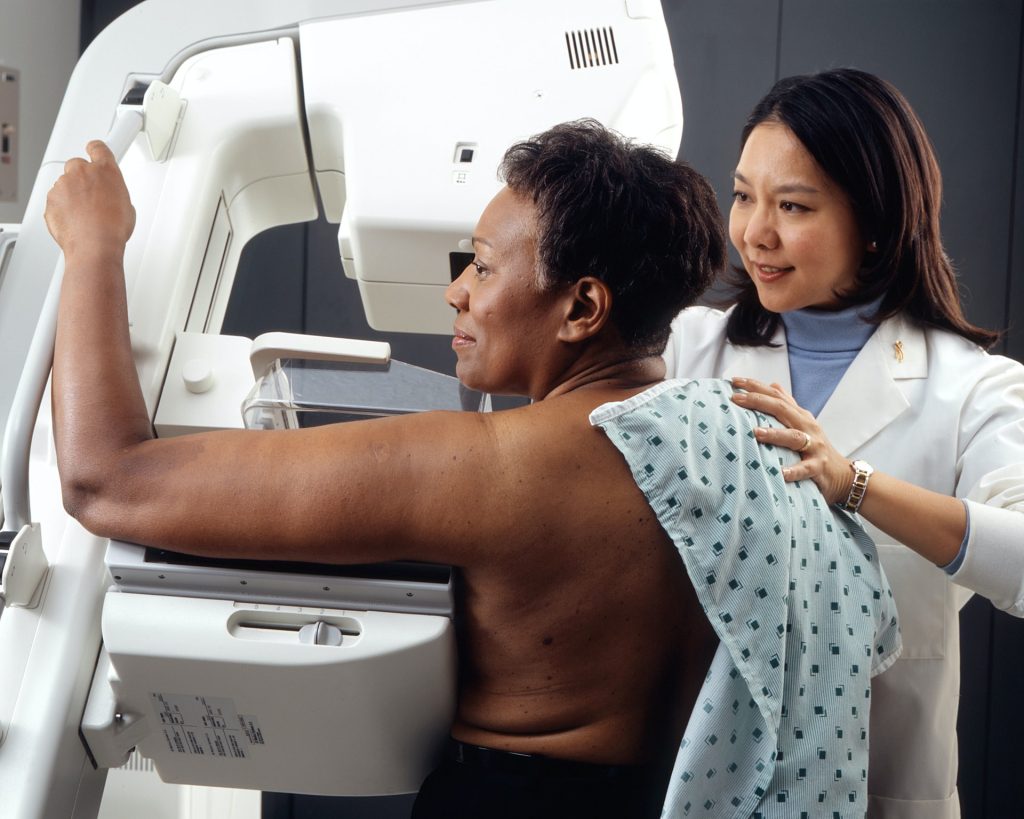
Woman Receives Mammogram. An Asian female technician positions an African-American woman at an imaging machine to receive a mammogram. Creator: Rhoda Baer

In an encouraging sign, the RAND corporation reports that despite COVID, cancer screenings in the United States rebounded in the wake of the first wave.

There has been concern since the COVID pandemic was keeping people from going in for routine cancer screening, resulting in more undetected cancers to progress unchecked and an increase in cancer deaths. As some 600 000 Americans were expected to die of cancer in 2020, any impact on screening is a considerable health concern.

In a statement, Ryan McBain, PhD, of the RAND Corp. in Santa Monica, California, said: “These are the first findings to show that, despite real fears about the consequences of drop off in cancer screens, health facilities figured out how to pick this back up after the initial pandemic restrictions. Our study shows that health systems were able to recalibrate resources and protocols in a relatively short interval to deliver these important services.”

In Spain, cancer diagnoses were down 38% in the first half of 2020, according to one study. The pandemic’s impact on cancer screening that required in-person examinations, such as mammography and colonoscopy, were a particular concern, McBain and co-authors noted. Moreover, little was known about the magnitude of the decline in screening rates or longer-term trends in screen.

Using data on Castlight Health beneficiaries from January 15 to July 31, 2020, the researchers calculated weekly screening rates per 10 000 eligible beneficiaries. Before the declaration of national emergency in the US on March 13, screening mammography weekly rate was 87.8 per 10 000, falling to a low of 6.9 per 10 000 in April. Thereafter, screening rates began a steady recovery, to 88.2 per 10 000 at the end of July.

Over the same time period, weekly colonoscopy screenings fell from 15.1 to 0.9 per 10 000, before rebounding to a weekly median of 12.6 per 10 000 by July 31, 2020.

Multivariable regression analyses confirmed the significant declines in screening mammography and colonoscopy. A larger decline in colonoscopy was observed in high-income counties. Otherwise, the analyses showed no significant demographic variations.

Laura Makaroff, DO, of the American Cancer Society in Atlanta, said that the pandemic’s ultimate impact on cancer screening and cancer care is still largely unknown.

“We have seen similar data showing some rebound in cancer screening rates last summer and fall, but even those turnarounds show an approximate 30% decrease in cancer screening compared with pre-pandemic rates,” she said to MedPage Today in an email. “We also don’t yet know the full impact of the late fall and winter surges on disruptions in cancer screening and diagnosis.”

“The COVID-19 pandemic has had numerous consequences secondary to the disease itself, including reduced access to care for other illnesses,” Dr Makaroff added. “While these measures were necessary, delays in cancer screening, diagnosis, and treatment due to reduced healthcare access will likely result in a short-term drop in cancer diagnoses followed by increases in late-stage diagnoses and preventable cancer deaths.

“The full impact of the COVID-19 pandemic on cancer prevention and early detection will not be known until population-based nationwide data become available in the years to come,” she said.

Source: MedPage Today

Journal information: McBain RK, et al “Decline and rebound in routine cancer screening rates during the COVID-19 pandemic” J Intern Med 2021; DOI: 10.1007/s11606-021-06660-5.

Common Preservative May Interfere with Immune Functions

A common preservative may hamper immune functions, along with other chemicals, warns the Environmental Working Group (EWG).

Using the Environmental Protection Agency’s Toxicity Forecaster, or ToxCast, the EWG assessed the potential human health impact of a number of chemicals including those commonly added to food and those that can be transferred to food from packaging.

Particularly concerning in the pandemic era, EWG’s analysis found that the preservative tertiary butylhydroquinone (TBHQ), has been found to harm the immune system both in both animal tests and in high-throughput in vitro toxicology testing.

“The pandemic has focused public and scientific attention on environmental factors that can impact the immune system,” said study lead author Olga Naidenko, PhD, and EWG Vice President for Science Investigations.”Before the pandemic, chemicals that may harm the immune system’s defense against infection or cancer did not receive sufficient attention from public health agencies. To protect public health, this must change.”

Using new non-animal test results from ToxCast, TBHQ was found to affect immune cell proteins at doses considered to cause harm. Previous studies have also found that TBHQ could influence flu vaccine effectiveness and may be associated with a rise in food allergies.

In the United States, the Food and Drug Administration often entrusts food companies to ensure that chemicals added to the foods they produce are safe. Additives such as TBHQ were approved decades ago, and the FDA does not consider new science.

Per- and polyfluoroalkyl substances (PFAS), which are used in food packaging, were found to be in many types of food packaging, and can migrate to food. Human epidemiological studies have found that PFAS is linked to reduced immune function and vaccine effectiveness. Recent research also links bloodstream PFAS levels to COVID severity. 

“Food manufacturers have no incentive to change their formulas,” explained Scott Faber, senior vice president for government affairs at EWG. “Too often, the FDA allows the food and chemical industry to determine which ingredients are safe for consumption. Our research shows how important it is that the FDA take a second look at these ingredients and test all food chemicals for safety.”

The EWG is calling on the FDA to close the food additive loophole, and to conduct immunotoxicity testing of chemicals in food and food packaging.

Source: News-Medical.Net

Journal information: Naidenko, O. V., et al. (2021) Investigating Molecular Mechanisms of Immunotoxicity and the Utility of ToxCast for Immunotoxicity Screening of Chemicals Added to Food. International Journal of Environmental Research and Public Health. doi.org/10.3390/ijerph18073332.

Edible Food Film Packaging Developed as Alternative to Plastic

Researchers from India and Russia have created edible food films for packaging fruits, vegetables, poultry, meat, and seafood. 

These films are made up of natural ingredients, and as such are safe for health and the environment. In addition, these films are water-soluble and dissolve by almost 90% over 24 hours. A description of their research and the results of their experiments are published in the Journal of Food Engineering.

Using such films would help to reduce the problem of microplastics, micrometre-scale fragments of plastic which have been detected in human stools as well as inhaled through the lungs.Chemicals such BPAs, phthalates and flame retardants, as well as heavy metals included in plastics are of concern to human health. The increased surface area/volume ratio of microplastics in combination with their hydrophobicity, results in a high affinity with a broad range of hydrophobic and persistent organic pollutants, antibiotics, and heavy metals that could be introduced into the human body through the uptake of microplastics.

“We have created three types of food films based on the well-known naturally occurring seaweed biopolymer sodium alginate. Its molecules have film-forming properties. Sodium alginate is an auspicious carbohydrate macromolecule that has the potential film-forming properties upon hydrolysis and abundantly existed in cell walls as a mixture of various salts. The greatest advantage of sodium alginate is that it performs as liquid-gel in an aqueous medium.”

Rammohan Aluru, Study Co-Author and Senior Researcher of Organic Synthesis Laboratory, Ural Federal University

The researchers cross-linked alginate molecules with a natural antioxidant ferulic acid, resulting in a strong and homogeneous film that is more rigid and prolongs the life of the products. However, being able to produce edible, naturally sourced films also has other benefits.

“Food stays fresh longer due to the antioxidant components that slow down the oxidation processes,” said Grigory Zyryanov, professor of the Department of Organic and Biomolecular Chemistry at Ural Federal University. “In addition, we can add to the films natural antiviral agents that will also extend the shelf life of food. Garlic, turmeric, and ginger contain compounds that may prevent the spread of the viruses.”

No special equipment for the production of films is required, the authors claim, and can be scaled up to an industrial scale by manufacturers of  food products and films.

“It can also be produced at a polymer production plant. The only condition is that it must meet the standards that apply to food production. And if an inexhaustible source of algae the ocean is nearby it will be quite simple to create such films,” said Prof Zyryanov.

Source: News-Medical.Net

Journal information: Yerramathia, B. B., et al. (2021) Structural studies and bioactivity of sodium alginate edible films fabricated through ferulic acid crosslinking mechanism. Journal of Food Engineering. doi.org/10.1016/j.jfoodeng.2021.110566.

Brazil’s ICU Beds Full Amidst ‘Catastrophe’

Brazilian doctors say the situation is “well beyond chaos” even as the country’s COVID-sceptic president refuses to take decisive action against the pandemic.  

An article in The Guardian reports that Brazil is facing the worst medical crisis in its history, as researchers from its leading healthcare institute, Fiocruz, have said the country is entering into a “catastrophe”.

COVID intensive care units in virtually all of the country’s hospitals are either full or almost full, with Fiocruz warning that “The situation is absolutely critical.”

Ricardo Barros, Bolsonaro’s leader in the lower house said on Wednesday: “Our situation isn’t all that critical. Compared to other countries, it’s actually quite comfortable.” This was said on a day in which 2798 fatalities and a record 90 830 new cases were reported.

However, intensive care physicians interviewed by The Guardian tell a different story.

“Things are desperate,” said Dr Hermeto Paschoalick, the head of the critical care unit in the midwestern state of Mato Grosso do Sul, where ICUs are currently 93% full.

Things were worse elsewhere, especially in the state’s capital. “I was told yesterday that there’s a health clinic there with 20 ambulances parked outside. The patients are arriving from small towns in the interior and there’s nowhere to put them – so they just keep them in the ambulances,” said Dr Paschoalick.

Although most in his care were over 60s, Dr Paschoalick said there were young people as well. “Right now, I’ve got three people on ventilators including a 22-year-old woman and another who is 25. Both were pregnant when they arrived. One lost the baby, the other managed to give birth. Both are intubated and in a really bad state,” he said.

Many doctors are forced to choose which patients can receive a bed in ICU.

“People are going around saying Brazil is going to collapse,” said critical care doctor Pedro Carvalho at a university hospital in the riverside town of Petrolina. “But we’ve collapsed already – completely collapsed.” 

Brazil’s President Jair Bolsonaro meanwhile, shows no sign of changing his stance, claiming that there is a “war” against him. 

Source: The Guardian

‘3 Feet’ Social Distancing Rule Being Considered by US

Data that suggest a ‘three feet’ social distancing rule is under consideration, according to Dr Anthony Fauci, the foremost infectious disease expert in the US.

To control COVID transmission, the World Health Organization recommends social distancing at one metre (3.3 feet), and a three feet distance used in some schools in the US is based on this. When asked about the new report on a CNN programme on Sunday, Dr Fauci agreed the data appeared to indicate that three feet is sufficient.   

While the Centers for Disease Control and Prevention do not currently recommend a rule change, Dr Fauci said that the report is being reviewed by them.

“What the CDC wants to do is accumulate data, and when data shows ability to be three feet, they will act accordingly,” Dr Fauci said, adding that its director, Dr Rochelle Walensky, was aware of the new research, with the CDC also conducting its own studies. “I don’t want to get ahead of official guidelines,” he added.

The researchers, who controlled for community rates of coronavirus in their analysis, concluded that lower physical distancing policies can safely be adopted in school settings, as long as other measures like universal masking are in place.

The study compared COVID infection rates among staff and students across 242 school districts in the state of Massachusetts, and found that schools with a three feet social distancing rule did not have a significantly different rate of transmission compared to those with the standard six feet rule.

However, there is a limitation to COVID monitoring in school-aged populations. While children may be infected as readily from COVID, they are less likely to develop illness from COVID, and so they are also less likely to get tested.

Source: NY Times

Brazil’s Hospitals Are on The Brink of Collapse

Health systems in most of Brazil’s largest cities are close to collapse because of COVID cases, its leading health institute Fiocruz warns.

More than 80% of intensive care unit beds are occupied in the capitals of 25 of Brazil’s 27 states, Fiocruz said.  The highly contagious variant that emerged in Brazil may have serious knock-on effects for the rest of the world, health experts have warned.

In a stark warning, Fiocruz epidemiologist Jesem Orellana told AFP news agency that  “Brazil is a threat to humanity.”

Brazil’s President Jair Bolsonaro had already provoked outrage among his citizens and rebukes from local leaders by telling people to “stop whining” about COVID. The country recorded 1972 COVID deaths on Tuesday, along with a surge to 70 000 cases — a 38% increase on last week’s figure. ICUs at 15 state capitals are at 90% capacity, said Fiocruz, and in two cities, Porto Alegre and Campo Grande, they had exceeded capacity.

“The fight against COVID was lost in 2020 and there is not the slightest chance of reversing this tragic circumstance in the first half of 2021,” Fiocruz’s Jesem Orellana said, as quoted by AFP.

“The best we can do is hope for the miracle of mass vaccination or a radical change in the management of the pandemic. Impunity in management seems to be the rule.”

Of the currently available vaccines, so far Pfizer’s has been confirmed to be effective in lab tests against a specially engineered version of the virus made to mimic the variant.

Source: BBC News

Home Deliveries of Antiretrovirals Worked Better for SA HIV Patients

A study investigating the feasibility of home delivery of antiretroviral therapy (ART) was well received and had significantly more participants achieving viral suppression.

In South Africa, 27% of the population is HIV positive, with viral suppression achieved only in 64% of the population. Post-apartheid healthcare reforms have done little to improve access to healthcare for most South Africans. HIV positive pregnant women, for example, have difficulty achieving viral suppression for a number of reasons including crowded clinics that are often at a great distance.

To investigate the feasibility of home delivery of ART recruited 162 people living with HIV, 88% of those randomised to home delivery experienced viral suppression (defined as viral loads less than 100 copies/ml) compared to 74% of those randomised to clinic visits, reported Ruanne Barnabas, MBChB, DPhil, of the University of Washington. The participants were followed for a median of 47 weeks, even during COVID restrictions.

Dr Barnabas reported that the difference was even more pronounced in men (64% in clinic group vs 84% in delivery group). This is important as there are gaps in viral suppression with standard, clinic-based ART, especially among men and priority populations. Home ART delivery and monitoring can increase access and the intention to treat.

“If a client pays for the service, and the benefits are sufficient, this could become a scalable strategy,” Dr Barnabas said. This could help achieve UNAIDS viral suppression targets for South Africa of 86%, she added.

Dr Barnabas described the home delivery as an Amazon Prime-type service, where clients paid an income-scaled one-time fee, for ART delivery and monitoring.

Viral load testing was a secondary objective while testing of the ability to pay the fee and the acceptability of the service was the primary objective. The participants were from a lower income group, with 19% being labourers or semi-skilled workers, and 60% unemployed.

The participants responded well to the home delivery, with 98% of participants paying the fee, and 100% saying they thought the fee was reasonable, that it reminded them to take their medications, and that they would continue to pay it if delivery was available. The next step would be to see if the service could be financially viable if scaled up. 

Source: MedPage Today

Presentation information: Barnabas R, et al “Fee for home delivery and monitoring of ART raises viral suppression in South Africa” CROI 2021; Abstract 111LB.

Diphtheria Resurfacing as a Threat As it Evolves Antibiotic Resistance

Diphtheria is resurfacing as a threat worldwide as it evolves antibiotic resistance and could escape vaccine containment, scientists warn.

Diphtheria cases in recent years have doubled what they were in previous decades, to 16 651 cases in 2018. Although babies are vaccinated against it in high-income countries, there is less coverage in middle- and low-income countries.

Diphtheria is mainly caused by Corynebacterium diphtheriae, spread by coughs and sneezes or close contact with the infected. Usually, the bacteria cause acute infections, driven by the diphtheria toxin—the main target of the vaccine. However, non-toxigenic C. diphtheria can also cause disease.

A team of researchers from the UK and India used genomics to map infections, including a subset from India, where more than half of the globally reported cases occurred in 2018.

Analysing the genomes of 61 bacteria isolated from patients and combining these with 441 publicly available genomes, the researchers were then able to understand how they spread. They also used this information to assess the presence of antimicrobial resistance (AMR) genes and assess toxin variation.

The researchers found clusters to genetically-similar bacteria isolated from different continents, most commonly Asia and Europe. This indicates that C. diphtheriae has been travelling with humans as they spread across the planet.

The diphtheria toxin ch is encoded by the tox gene, for which the researchers found 18 different variations, of which several had the potential to change the structure of the toxin.

Professor Gordon Dougan from the Cambridge Institute of Therapeutic Immunology and Infectious Disease (CITIID) said: “The diphtheria vaccine is designed to neutralise the toxin, so any genetic variants that change the toxin’s structure could have an impact on how effective the vaccine is. While our data doesn’t suggest the currently used vaccine will be ineffective, the fact that we are seeing an ever-increasing diversity of tox variants suggests that the vaccine, and treatments that target the toxin, need to be appraised on a regular basis.”

First author Robert Will, a PhD student at CITIID, said: “The C. diphtheriae genome is complex and incredibly diverse. It’s acquiring resistance to antibiotics that are not even clinically used in the treatment of diphtheria. There must be other factors at play, such as asymptomatic infection and exposure to a plethora of antibiotics meant for treating other diseases.”

Erythromycin and penicillin are commonly recommended to treat early-stage diphtheria, although there are other classes capable of it. Variants resistant to six of these classes in isolates from the 2010s were identified by the team.

Study leader Dr Ankur Mutreja from CITIID, said: “It’s more important than ever that we understand how diphtheria is evolving and spreading. Genome sequencing gives us a powerful tool for observing this in real time, allowing public health agencies to take action before it’s too late.
“We mustn’t take our eye off the ball with diphtheria, otherwise we risk it becoming a major global threat again, potentially in a modified, better adapted, form.”

Source: Medical Xpress

Journal information: Will, RC et al. Spatiotemporal persistence of multiple, diverse clades and toxins of Corynebacterium diphtheria. Nat Comms; 8 Mar 2021; DOI: 10.1038/s41467-021-21870-5

Op-ed: Facebook Medical ‘Fact Checking’ Has No Room for Debate

Fact-checking is increasingly important in an era of disinformation on social media, especially with the current COVID pandemic, but an article for MedPage Today calls into question the process for Facebook’s medical fact-checking.

After an op-ed in the Wall Street Journal by Marty Makary, MD, MPH, Johns Hopkins professor and editor-in-chief at MedPage Today, was labelled “misleading” by Facebook fact checkers, another op-ed in MedPage Today asks how the social media giant is choosing its medical fact-checkers. 

Mystified by why this would be labelled “misleading” by Facebook, and setting aside the ‘veracity’ of the article, Vinay Prasad, MD, MPH, a haematologist-oncologist and associate professor of medicine at the University of California San Francisco, investigated the website HealthFeedback.org that Facebook uses to fact-check some of its medical articles. 

The process involves two to four reviewers chosen to examine an article. Prior to the COVID pandemic, medical fact checking appears to have been done by academics, but the flood of disinformation has resulted in the change of this process, Dr Prasad noted.  

In one instance, a reviewer for the article was selected because he had already written an article critical of Dr Markary’s op-ed: in other words, he was selected because he had already announced his bias.

The website’s picking and choosing of reviewers “felt like a high school clique”, Dr Prasad wrote. One that allowed them to confirm their previously held ideas about COVID and extinguish differing viewpoints. Labelling the alternative views as misleading “instantly usurps the reader of their ability to make up their own mind. It is antithetical to the spirit of the academy.”

He found that the fact-checkers typically had large Twitter followings, while the typical medical professor seems to have them in the hundreds. This makes sense, Dr Prasad wrote, as leading academics and authorities are likely too busy to be courting large numbers of followers on Twitter.
Other than a “vague explanation” of the feedback process, Dr Prasad could not find any information on how Facebook chooses its reviewers, which of the billions of posts and articles on Facebook to fact-check, whether anyone is paid and how appeals are made.

Source: MedPage Today

Impact of French Nuclear Testing Underestimated

A new report has found that the extent of radiation exposure to people involved in nuclear testing in French Polynesia has been significantly underestimated.

Over 1966 to 1996 at Moruroa and Fangataufa atolls in French Polynesia, France conducted An unofficial report has gone through thousands of recently declassified documents, focusing on the impact of three key nuclear tests: Aldébaran, Encelade and Centaure in 1966, 1971 and 1974.
The report suggests that the French government has underestimated fallout by as much as 40%, opening the door for tens of thousands more to claim compensation.

One millisievert (mSv) per annum is the maximum allowable public exposure. There is clear evidence for radiation effects at doses over 100mSv, while doses less than 10mSv are undetectable even in very large epidemiological studies and such low dose effects on human health are controversial. According to the linear-no dose-threshold (LNT) theory, all radiation exposure carries some level of harm.

Last February, a report was sent from Paris to French Polynesia on a cluster of cancers uncovered there, believed to be linked to radiation exposure . Email evidence suggests that at least 2000 of the 6000 military personnel involved in the tests had contracted at least one form of cancer.
It was only in 2010 that France established a compensation claims board for people with one of 23 cancers associated with radiation and who lived in French Polynesia at the time of the tests. However, many claimants do not have the means to access these claims, such as those who live on remote islands.

Faulty and imprecise monitoring equipment impacted the results, which were used to calculate the original dose calculations. The researchers recalculated the estimated doses absorbed by the population based on samples taken by the military at the time, and also using new methods involving meteorological data to plot the spread of radioactive fallout. Some recalculations did not show much change, but a 1966 test produced a level three times higher than the official estimate. Some 11 000 people exposed to the nuclear testing received a dose higher than 5mSv, the researchers found.

Source: The Guardian