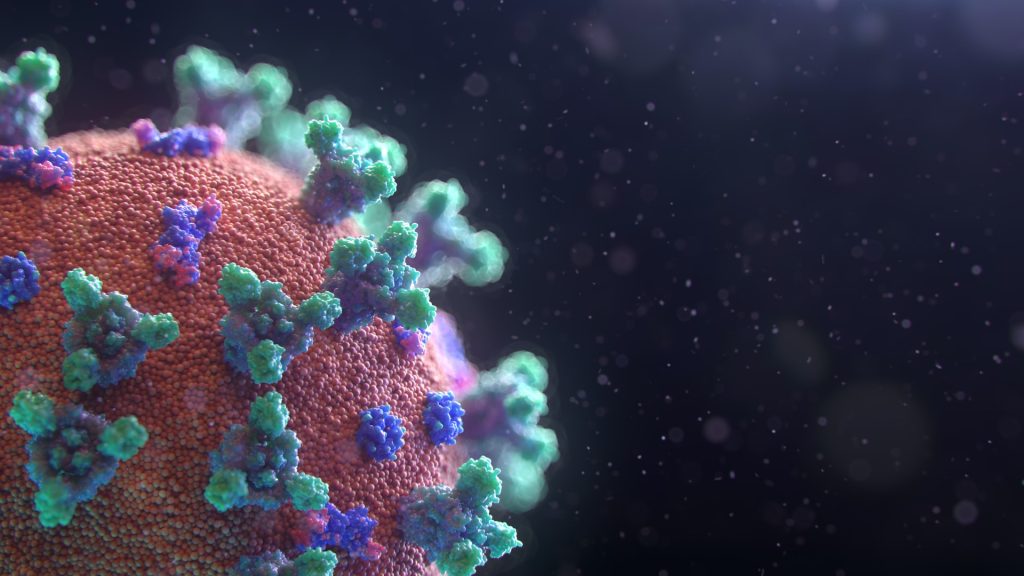
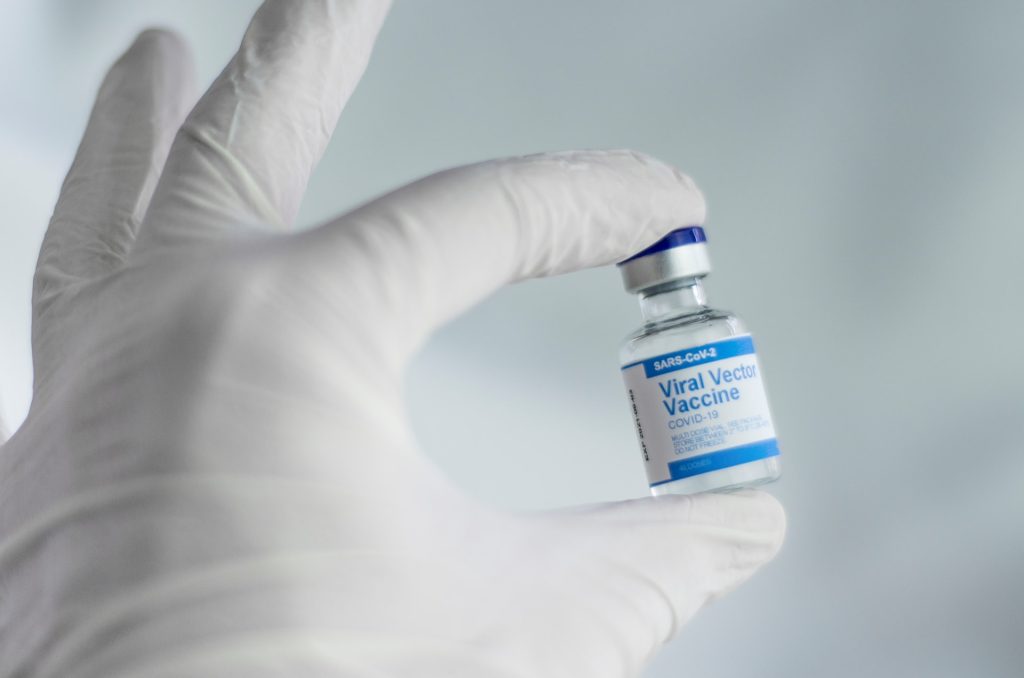
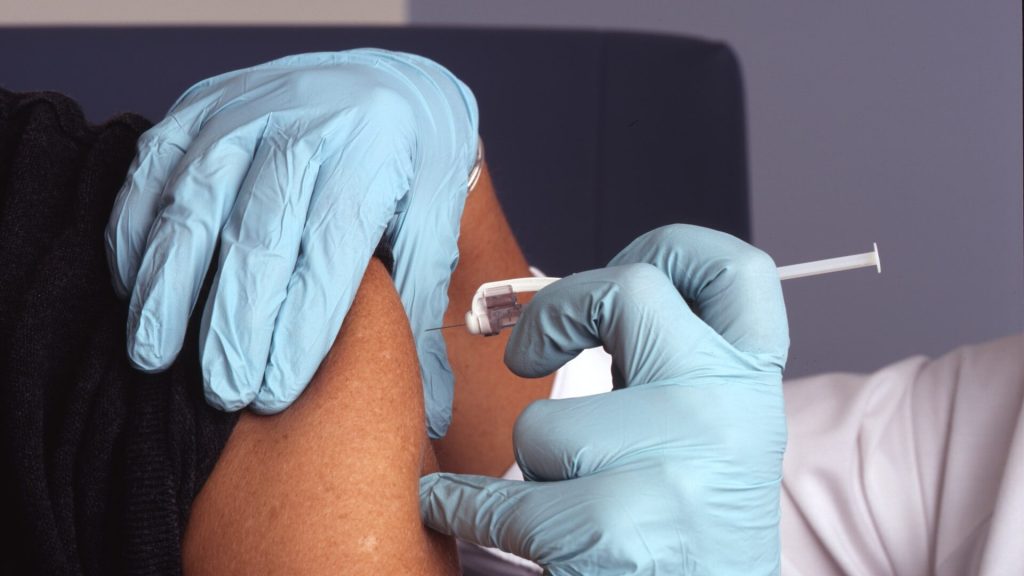
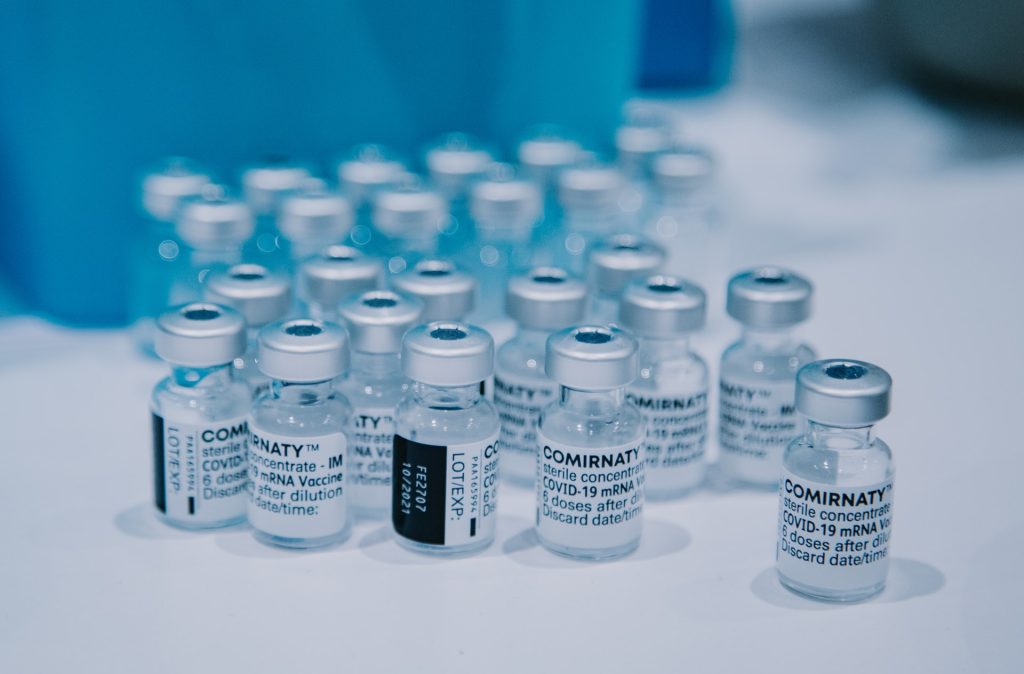
As COVID cases rise again around the world and the more infectious XBB.1.5 variant spreads rapidly, health minister Joe Paahla has emphasised the importance of getting vaccinated and boosted.
About 19 million people in South Africa (just over 30% of the population) are fully vaccinated and four million booster shots have been administered. The country is administering just over 40 000 jabs a week.
At the moment only people over 50 are eligible for a second booster. But according to Dr Nicholas Crisp, Deputy Director-General for the National Department of Health, all adults will be eligible in February. “As soon as the systems are all in place and staff orientated, the department will announce,” Crisp told GroundUp.
But finding a booster shot has become difficult. Privately-owned facilities have mostly discontinued their rollout of the vaccine, although a handful of Dis-Chem pharmacies still do vaccinations. Public sector health facilities are the only alternative.
Active vaccination sites can be found on the government’s Find My Jab website. Some are “visiting” sites only, open once or twice a week, and others are permanently open, but it is advised to call ahead to confirm availability.
“The department is trying to find a more efficient way of updating which vaccination sites are active and those are being reflected and changed weekly on Find My Jab,” says Crisp.
The Western Cape Health Department makes weekly updates to this list of vaccination sites in the province.
One concerned reader from Pennington in KwaZulu-Natal, who is over the age of 50 and HIV-positive (meaning COVID poses a higher risk for him) told GroundUp that his local clinic no longer offered vaccines. It had been ten months since his previous booster. He went to the nearest hospital but was refused a jab and told to wait for an SMS.
He called the vaccination hotline and was told to send a copy of his ID and vaccination card to be registered on the system and receive an SMS, despite already having received jabs in the past.
Without a device to send the documents, and 60km of flood-damaged road between him and and his nearest PostNet, he has still not received his booster shot.
Global COVID vaccine acceptance increased from 75.2% in 2021 to 79.1% in 2022, according to a new survey of 23 countries accounting for more than 60% of the world’s population, published today in Nature Medicine. It was not all good news, though: vaccine hesitancy increased in eight countries including South Africa, and nearly one in eight vaccinated respondents were hesitant about receiving a booster dose.
This third annual study reveals a wide variability between countries and suggests a need to tailor communication strategies to effectively address vaccine hesitancy.
“The pandemic is not over, and authorities must urgently address vaccine hesitancy and resistance as part of their COVID prevention and mitigation strategy,” says CUNY Graduate School of Public Health and Health Policy (CUNY SPH) Senior Scholar Jeffrey V. Lazarus. “But to do so effectively, policymakers need solid data on vaccine hesitancy trends and drivers.”
To provide these data, an international collaboration led by Lazarus and CUNY SPH Dean Ayman El-Mohandes performed a series of surveys starting in 2020 in 23 countries which were impacted significantly by the pandemic, including the United States as well as South Africa and Brazil.
Of the 23 000 respondents (1000 per country surveyed), 79.1% were willing to accept vaccination, up 5.2% from June 2021. The willingness of parents to vaccinate their children also increased slightly, from 67.6% in 2021 to 69.5% in 2022. However, eight countries saw an increase in hesitancy (from 1.0% in the UK to 21.1% in South Africa). Worryingly, almost one in eight (12.1%) vaccinated respondents were hesitant about booster doses, and booster hesitancy was higher among the 18–29 age groups.
“We must remain vigilant in tracking this data, containing COVID variants and addressing hesitancy, which may challenge future routine COVID immunisation programs,” says Dean El-Mohandes, the study’s senior author.
The survey also provides new information on COVID treatments received. Globally, ivermectin was used as frequently as other approved medications, despite the fact that it is not recommended by the WHO or other agencies to prevent or treat COVID
Also of note, almost 40% of respondents reported paying less attention to new COVID information than before, and there was less support for vaccine mandates.
In some countries, vaccine hesitancy was associated with being female (for example in China, Poland, Russia), having no university degree (in France, Poland, South Africa, Sweden, or the US), or lower income (in Canada, Germany, Turkey or the UK). Also, the profile of people paying less attention to the pandemic varied between countries.
“Our results show that public health strategies to enhance booster coverage will need to be more sophisticated and adaptable for each setting and target population,” says Lazarus, also head of the Health Systems Research Group at ISGlobal. “Strategies to enhance vaccine acceptance should include messages that emphasise compassion over fear and use trusted messengers, particularly healthcare workers.”
The data provided by these surveys may offer insight to policymakers and public health officials in addressing COVID vaccine hesitancy. The study follows on the heels of aglobal consensus statementon ending COVID as a public health threat that Lazarus, El-Mohandes and 364 co-authors from 112 countries published in Nature in November.
Antibiotics play a vital role in the management of bacterial infections, reducing morbidity, and preventing mortality. A 2011 report from the United Kingdom estimated that they have increased life expectancy by 20 years. However, the extensive use of antibiotics has resulted in drug resistance that threatens to reverse their life-saving power and if the situation is not reversed, it has been estimated that by 2050, 10 million people will die annually of drug-resistant infections.
Such estimates of future deaths are obviously uncertain, but there is strong evidence the problem is already very serious. A major study published earlier this year in the Lancet estimated that globally around 1.27 million deaths in 2019 were directly due to antibiotic resistance. The study identified sub-Saharan Africa as the hardest-hit region.
What is AMR?
Sham Moodley, a community pharmacist from Durban and the vice chairperson of the Independent Community Pharmacy Association (ICPA) explains that antimicrobial resistance (AMR) is the ability of microorganisms (bacteria, viruses, fungi, and protozoa) to withstand treatment with antimicrobial drugs. “It is vitally important as it directly impacts our ability to treat and cure common infectious diseases, including pneumonia, urinary tract infections, gonorrhoea and tuberculosis,” he says.
According to Professor Olga Perovic, Principal Pathologist at the National Institute of Communicable Diseases’ Centre for Healthcare-associated Infections, Antimicrobial Resistance and Mycoses (CHARM), there are six factors fuelling the AMR crisis. These are over-prescribing and dispensing of antibiotics by health workers, patients not finishing their full treatment course of antibiotics, poor infection control in hospitals and clinics, lack of hygiene and poor sanitisation in the community, lack of new antibiotics being developed, and the overuse of antibiotics in livestock and fish farming.
Under overuse, she stresses the misuse of antibiotics to treat upper respiratory tract infections, which are typically viral rather than bacterial. Antibiotics are powerless against viruses. Another driver of inappropriate or overprescribing of antibiotics, she says, may be the lack of testing of specimens for the presence of bacteria and their susceptibility to treatment.
How can we prevent AMR?
Dr Marc Mendelson, Professor of Infectious Diseases and Head of the Division of Infectious Diseases and HIV Medicine at Groote Schuur Hospital, the University of Cape Town as well as chairperson of the Ministerial Advisory Committee on Antimicrobial Resistance, says reducing the use of antibiotics is about preventing the need for prescription in the first place. (Mendelson’s recent SAMJ article provides excellent further reading on AMR in South Africa.)
“So, reducing the burden of infections through the provision of clean water and safe sanitation (reduces diarrhoeal diseases) and vaccination programmes (reduces diarrhoea and pneumonia for instance),” he says. “Education and awareness raising of the public and (sadly) healthcare professionals as to the correct use of antibiotics is also critical.”
Broadly speaking, all the experts we interviewed agreed that we should use far fewer antibiotics and only use them when they are absolutely necessary. But actually making this happen is surprisingly complex.
Part of the complexity, for example, is that resistance profiles and disease profiles are different in different places. Geraldine Turner, a pharmacist at Knysna Hospital in the Western Cape, says there is a need for guidelines tailored to the South African context or linked to the local epidemiology. This, she says, can play an important role in determining the correct antibiotics to be used.
It is also not just an issue of what antibiotics are prescribed for humans.
“A big driver of antimicrobial resistance is overuse in agriculture and collaboration with stakeholders in this regard is required,” says Turner. She says we need policies that facilitate improved integration among environmental, animal, and human sector interventions.
Moodley agrees that a multidisciplinary, One Health approach is needed at every level of care and in both human and animal health sectors.
“It is important we reinforce the principle that antimicrobial medicines for human use are only supplied on the authority of a healthcare professional and that antimicrobial medicines for either human or animal use are only supplied in accordance with country legislation and regulations,” he says.
The role of stewardship programmes
One response to the AMR crisis is antimicrobial stewardship programmes or ASPs. Moodley describes ASPs as a systematic approach used “to optimise appropriate use of all antimicrobials to improve patient outcome and limit the emergence of resistant pathogens whilst ensuring patient safety.”
Perovic says, “In healthcare institutions, resistant bacteria can spread easily within and from patient to patient. That is why there are guidelines, which we call ASPs in the medical and veterinary fields, on how and when antibiotics are prescribed as well as how to implement infection prevention and control measures, particularly for patients with health risks such as diabetes, high blood pressure, and cancer.”
“In hospitals,” explains Mendelson, “ASPs will consist of a governance body such as an AS Committee that directs a work programme of stewardship, often with AS teams as the implementers of policy. AS teams can involve anything from single pharmacists or physicians, through one to two dedicated individuals, through to all-singing all-dancing multi-disciplinary teams in academic teaching hospitals, comprising infectious diseases specialists, microbiologists, pharmacists, [and] infection prevention and control nurses.”
ASPs are not only important at institutional levels, adds Moodley, but imperative for every individual prescriber/practitioner to implement to reduce AMR in our population.
Critical role for pharmacists
Mendelson stresses that pharmacists are integral to antibiotic stewardship in South Africa and globally. “Community pharmacists give advice to patients seeking symptomatic relief and reduce doctors’ visits, which can result in antibiotic prescriptions when not needed,” he says. In hospitals, dispensing pharmacists help optimise the antibiotics prescribed to patients by checking indication for the antibiotic, dose, dosing frequency, and duration. “Some hospitals have pharmacists on the wards, again, checking and helping to optimise the use of antibiotics,” he says.
“Pharmacists play an important role in recommending symptomatic treatments for non-specific symptoms and particularly, the common cold, which is a major cause of inappropriate antibiotic prescribing, requiring simple paracetamol with or without decongestants. Unfortunately, a recent pilot study suggests that a small number of community pharmacies are dispensing antibiotics without a prescription, which is not allowed in South Africa,” says Mendelson.
Turner concurs that pharmacists play a crucial role in ensuring that the correct antibiotics are used appropriately and only if indicated. She says pharmacistsare also in a good position to counsel and advise patients on the correct use of antibiotics.
Strategy framework
The key policy document setting out South Africa’s response to AMR is the South Africa Antimicrobial Resistance Strategy Framework of 2018-2024. The framework outlines nine strategic objectives – they include improving the appropriate use of diagnostic investigations to identify pathogens, guiding patient and animal management and ensuring good quality laboratory, enhancing infection prevention and control, promoting appropriate use of antimicrobials in humans and animals as well as legislative and policy reform for health systems strengthening.
Mendelson is positive about what has been achieved so far. “There have been major improvements to the surveillance and reporting of antibiotic resistance and antibiotic use in humans and animals, development of a greater one health (human, animal, and environmental health) response. There was a formation of national training centres for antibiotic stewardship and empowerment of under-resourced provinces to train and develop Antimicrobial Stewardship programmes and there have been improvements in governance and delivery of infection prevention and control measures in hospitals and development of education programmes for healthcare workers in South Africa,” he says.
But Mendelson also says that challenges remain in promoting prescribing behaviour change amongst the health workforce in SA and the expectations and social position that antibiotics hold in society.
As with several other health policies, there are questions on whether the plan has been backed up with funding.
“The national strategic framework remains largely unfunded (shared by most low- and middle-income countries) but this does hamper progress in developing programmes of interventions,” says Mendelson. “In food production, reducing [the] use of antibiotics is an important goal but will require investment in reducing drivers of infection in the animals that produce food. Legislation to bring all antibiotic prescribing in food production under veterinarian control will be an important intervention,” says Mendelson.
The year 2022 finally saw the COVID pandemic petering out, largely through the less-lethal but still highly contagious Omicron variant. Significant strides were made in cancer and Alzheimer’s research, although not without controversy. Amid growing public healthcare challenges in South Africa, the NHI Bill advanced closer to reality.
As Omicron displayed greatly reduced severity compared to prior strains, South African medical experts were some of the first to justify no longer being at ‘code red’. This brought an end to the cycles of lockdowns and travel restrictions characterised by the two previous years.
A number of key medical advances were made during the year for a variety of conditions. Studies showed that administering steroids after COVID hospitalisation with severe inflammation reduced mortality up to one year post-infection.
COVID was found to be linked to a spate of new-onset Type 1 diabetes, but this may just have been due to medical checkups as a result of developing COVID. The rheumatoid arthritis drug auranofin was found to relieve diabetes symptoms. And research suggested a possible way to deliver insulin and cancer drugs orally, by adding a ‘tag’ that lets them enter the bloodstream through the intestines.
The fields of cancer and Alzheimer’s research was rocked by findings of numerous red flags. This controversy did not stop real progress: the first new drug that had any real effectiveness against Alzheimer’s disease was confirmed in a historic trial. Fortunately, the flu jab also seems to protect against developing the disease. Indeed, serious infections appear to increase the risk of both Alzheimer’s and Parkinson’s.
In advanced ER-positive, HER-2 negative breast cancers, the new drug capivasertib halved the rate of progression.
Despite lessons learned in the COVID pandemic, South Africa saw the progression of systemic problems in healthcare such as a critical shortage of nurses. Dr Tim de Maayer’s open letter on appalling conditions at Rahima Moosa exposed deep-seated problems in Gauteng’s public healthcare system. This was followed by the shock resignation of top cancer surgeon Professor Carol-Ann Benn. The appointment of Nomantu Nkomo-Ralehoko as Gauteng Health MEC should hopefully change the province’s situation.
Both health minister Dr Joe Phaahla and health authorities in the Free State last week denied claims from activists that there are shortages of antiretroviral medicines at health facilities in the province. Authorities did however confirm that some people living with HIV are only given a two-week supply of medicines at a time.
“I can confidently say that there are no stockouts or shortages of ARVs in the Free State,” Phaahla told Spotlight at the World AIDS Day commemoration event in Mangaung.
This was reiterated by spokesperson for the Free State Department of Health, Mondli Mvambi saying, “We do not have shortages of HIV medicines in the province.”
He says allegations of patients not receiving their medication are very serious and cannot be taken lightly. He says should the department hear from patients who are not receiving their HIV medicine, they will investigate.
But Makhosazana Mkhatshwa, a research officer at the Treatment Action Campaign (TAC), says in the past three months, nine clinics in the province indicated that patients have left their facility without the medicine that they needed and of these nine clinics, three of them had sent people home because there was a stockout of HIV medication. She says impacted clinics include Poly Clinic and MUCPP in Mangaung, and Namahadi Clinic in Thabo Mofutsanyana District.
According to community-led monitoring group Ritshidze’s latest report on clinic services in the Free State, there were 40 patient reports this year of shortages of HIV medication compared to 13 patient reports last year. The report states that the most commonly reported medicine shortages by public healthcare users were contraceptives, HIV, and TB medicines. The report was based on monitoring at 28 clinics. TAC is a Ritshidze partner organisation.
Only 7 or 14-day supply for some
One woman Spotlight spoke to at the World AIDS Day commemoration event held in Mangaung last week says she is a patient at Pule Sefatsa Clinic in Botshabelo, Mangaung. “I am forced to go to clinic every week because they only give me a supply for eight days. This is an inconvenience for me because I have to skip work every week just to get my medication.”
Another public healthcare user from Bloemfontein tells Spotlight that for two weeks in October he was stranded without ARVs. He says that he is usually given a 14-day supply at a time. When he requested a full month’s supply to last him through a work-related trip to Cape Town he says his request was declined at the Poly Clinic at Pelenomi Hospital. He says he ended up going without medication.
Aron Malete, District Health Manager for Mangaung, told Spotlight there are no ARV shortages in the district, but asked for details of the above cases so that he could investigate.
The problem is not stockouts per se, but a shortage of medication, says Sello Mokhalipi, Secretary General of Positive Action Campaign. “You will find that there is a shortage of ARVs for seven days, then the next week it will be available,” he says.
Mokhalipi, like other activists Spotlight spoke to, is opposed to giving people only a seven or 14-day supply of medication at a time. He says people should be given enough for three to six months.
When Spotlight put the concerns and calls for multi-month dispensing to Mvambi he says, “We have identified people who are clinic hoppers who steal medicine. They get three months and thereafter run to another clinic to get another three months’ supply. To curb this practice,” Mvambi says, “we keep people on seven and 14 days’ supply The idea is to give them a few days because they claim to have forgotten their clinic cards.”
According to him, people get three months’ supply when they have their clinic card because clinic staff can verify who they are and what medicine they have been receiving.
Doing ‘exceptionally well’ but there are concerns
According to Phaahla who delivered a speech at the World AIDS Day commemoration event, the province has done “exceptionally well in terms of testing, having already surpassed the 94 percent threshold”. Phaahla said 94 percent of people who are living with HIV in the province know their status, 86 percent of those who know their status are on antiretroviral treatment, and 92 percent of those who are on treatment are virally suppressed.
He, however, singled out some districts such as Xhariep and Lejweleputswa where he says the “number of people with HIV and on treatment fare poorly on the target of being virally suppressed”. “This,” Phaahla says, “is very concerning and we must urgently intervene to create a balance among the targets in order to achieve zero new infections by 2030. This includes ensuring that services are brought closer to the people and that our health facilities are adequately resourced with medicine and related necessities.”
“Results for each of the sub-populations vary with adult females at 95 – 91 – 93, adult males at 93 – 77 – 93, and children at 82 – 65 – 68,” says Mvambi. “To achieve the 95 – 95 -95 targets the Free State must increase the number of adult men on ART by 25 745, adult women on ART by 9 744, and children on ART by 5 138.”
“As you can see,” says Mvambi, “the women are more likely to get tested, be initiated on ART, and have their viral load suppressed than their counterparts.”
According to the Free State Department of Health’s latest annual report for the financial year 2021/2022, the number of patients initiated on ARV treatment dropped from 36 776 in 2019/2020 to 26 364 in 2021/2022. In the report, the department states that it failed to meet its target for retaining adults on ART in care. The ART adult remain-in-care rate in 2019/20 was 68%. In 2020/21, it dropped to 52.8% and picked up in 2020/21 at 67.3%. Among the reasons the department cites are the high number of loss to follow-up of clients and “poor tracing by community healthcare workers due to poor supervision”.
NOTE: An employee of the TAC is quoted in this article. Spotlight is published by SECTION27 and the TAC, but is editorially independent – an independence that the editors guard jealously. Spotlight is a member of the South African Press Council.
With summer and the holidays approaching, soon thousands of adults and children will flock to the country’s shorelines and public pools. But many who live inland and in poor communities do not have access to safe water bodies and have not learned how to swim. Children play unsupervised in rivers and farm dams.
In Riebeek Kasteel last year, a grade six learner found his way into a dam within walking distance of his school, Meiring Primary. Just 12 years old, he drowned.
Now a bright red container stands at the school. It is one of the National Sea Rescue Institute’s (NSRI) “survival swimming centres”.
Andrew Ingram, NSRI drowning prevention manager, says swimming is an “essential skill”.
The first of its kind, the 12-metre shipping container contains a six-metre heated swimming pool, a changing room, an office and a camera monitored by the NSRI. The water is one metre deep, making it possible for the learners’ feet to touch the ground. The facility can also be locked up to avoid children accessing it unsupervised.
The design is inspired by previous work done withlifeguard containers. Almost everything is donated – the container, the pool’s fibreglass and resin, pumps and the filtration systems. The cost would otherwise be about R650 000.
After the Riebeek Kasteel installation in March, a second centre was set up in Tombo Village, Eastern Cape. Two more are expected next year – in KZN and the Northern Cape.
“We don’t teach the children how to swim, we teach them how to survive,” says Petro Meyer, an NSRI Instructor in Riebeek Kasteel. She said the valley gets very hot in summer and parents are away working. Children then “go to the dams and to the rivers and they swim alone without supervision”.
Meyer says they teach students four things: breath control, orientation, floating and moving through water. Children should be able to swim at least five metres once training is complete. Since the survival school opened, she says that they’ve given about 1,400 lessons.
A 2021 study on drowning prevention by the World Health Organisation found drowning to be the third most common accidental death in the world.
Brenton Cupido, principal at Meiring Primary, said there are no other public pools. The closest public one is 20 minutes by bus to Malmesbury and costs R30.
Riebeek Kasteel has many poor families and many parents at his school are farm workers and the majority depend on social grants.
“The farmers try to stop the learners [from using the farm dams] but they can’t be everywhere,” he says.
Cupido said the government should see that “there is a need for swimming pools in the rural areas with proper supervision”, and this would “prevent further tragedy”. “I don’t want to go through another … drowning again,” said Cupido.
“We have that peace of mind, that if our children … fall in the water, they know how to survive,” he said.
Another NSRI project is the over 1300 pink buoys across South Africa used as assisted floating devices in case of emergencies. These can be found in dams, rivers and the seaside. The NSRI also runs free swimming lessons at various municipal pools in the Western Cape.
According to the NSRI, only 15% of South Africans can swim (we cannot verify this statistic but it is highly likely that most South Africans cannot swim – editor). “If your parents can’t swim, it’s very likely that you won’t learn to swim,” said Ingram. “It’s expensive to learn to swim”.
With the survival centres, the NSRI hopes to “instil a culture of swimming in poor communities where it wouldn’t have been possible previously”.
Daily COVID vaccinations have more or less plateaued since July. At the peak of the vaccination drive, South Africa was administering up to 240 000 vaccine doses a day. But this number has dropped to just over 5000 a day. Less than half of these are first doses and a third are booster shots.
The government still hasn’t reached its target of 67% adult vaccination, which it wanted to achieve by the end of 2021. Half of the adult population in South Africa is currently vaccinated. Among adults 60 years or older, nearly 73% have been fully vaccinated.
GroundUp visited the District Six Community Day Centre, a government clinic, in Cape Town. We asked for a COVID vaccine and were directed to a small room on the first floor, where one of us waited over 1.5 hours to get a vaccine (though two of us were vaccinated considerably quicker – about 30 minutes). This wasn’t because there was a long queue.
The nurse administering the vaccines was busy treating patients elsewhere in the clinic. The person logging the vaccines on the computer system told GroundUp that on average, 12 people a day come to the clinic for vaccines.
GroundUp visited a Clicks store in Cape Town where, three months ago, vaccines were still being administered. But they no longer do COVID vaccines.
The government’s dedicated Coronavirus website has a list of “active vaccination sites”, many of which are no longer active, and the “Find My Jab” page has completely different information.
Meanwhile, people are still getting ill from the virus. About 2000 new cases are reported each week, but according to the National Institute for Communicable Diseases (NICD) only 16% of cases are being detected. Testing sites are also few and far between.
Professor Glenda Gray says that the vaccine has done a good job at reducing deaths, serious illness and hospitalisations. Official daily deaths and hospitalisation rates are low in relation to previous waves. In the past four weeks, 125 deaths from COVID were reported.
The real number of deaths is likely much more than this. A weekly report published by the Medical Research Council and the University of Cape Town calculates the number of excess deaths – the deaths above the historical average before COVID: there have been close to 50 000 excess deaths so far this year. While in earlier waves the researchers were able to estimate that 85% to 95% of these excess deaths were due to COVID, the changing nature of the epidemic has made it much harder to estimate how many of this year’s excess deaths are due to COVID.
More than 85% of COVID infections in the country are from the Omicron BA.5 variant, which is widespread and infectious but usually causes very mild illness.
To prevent serious illness and death, getting the vaccine and booster shots are still recommended. Gray says that it is especially important for immunocompromised people, such as people living with HIV, to get vaccinated.
“Sadly, the virus has done a far better job of generating immunity than our government, which continues to be maddeningly slow at getting the vaccine out,” says Professor Francois Venter, infectious diseases clinician and head of Ezintsha at Wits University.
Although being infected by and recovering from the virus does provide a level of immunity, getting a vaccine still greatly improves one’s protection against the virus.
“I think we were all hoping once we had immunity from either infection or a vaccine or two, it would be enough. But from what we are seeing internationally, new waves of COVID, while not killing people in the numbers we saw in 2020 and 2021, are still making people very sick,” Venter says.
Dr Nicholas Crisp, Deputy Director-General of the National Department of Health, is the coordinator of the national vaccination drive. He agrees the current status of the vaccination drive is “very disappointing”.
He says the vaccination program is being integrated into primary health care, targeting areas geographically where communities or segments of a community are not vaccinated.
To monitor and manage the pandemic, Crisp says the government is continuing with daily testing, gene sequencing and wastewater sampling. Crisp says that the government is preparing for the future of COVID as well as other potential pandemics.
Future variants of the virus could be more dangerous. “As long as there is transmission, there is going to be mutation,” Gray told GroundUp. How the virus mutates in the future is yet to be seen.
In the US, new bivalent vaccines designed to target the Omicron variant are already available. But, Gray says, there is not yet sufficient evidence that these work better than the current vaccines.
According to Crisp, the government is not considering any new vaccines. “We are not buying vaccines this year and may not buy vaccines next year,” he says.
South Africa still has 8 million doses of the Pfizer vaccine and 10 million doses of the Johnson and Johnson vaccine. He says paediatric Pfizer vaccines will be purchased with some of the credit that South Africa has with the Covax facility. These will be given to children who are immunocompromised.
Unsafe sex, interpersonal violence, high body mass index (BMI), high systolic blood pressure, and alcohol consumption are the top risk factors for disease and death in South Africa, according to the Second Comparative Risk Assessment (SACRA2) study conducted by the South African Medical Research Council’s Burden of Disease (BOD) Research Unit in collaboration with a long list of researchers. The study was recently published in a series of 15 related articles in the South African Medical Journal.
The study differs from other assessments of what people in South Africa die of in that it focusses on risk factors rather than on the eventual cause of death. This is, for example, why the study considers factors like unsafe sex or high body mass index rather than HIV or diabetes.
According to a related policy brief, the aim of the study was “to quantify the contribution of 18 selected risk factors to identify areas of public health priority”. The idea is that policymakers can use these findings to address the underlying causes of death and disease in South Africa since the identified risk factors are considered to be modifiable.
“We have to reduce the underlying drivers of disease and death if we are to improve the health of South Africans,” said CEO and President of the SAMRC Professor Glenda Gray in a statement. “Knowing that this is possible, should strengthen our resolve to ensure that this is accomplished.”
Causes of lost DALYs
Rather than only looking at what people died of, the researchers estimated the lost disability-adjusted life years (DALYs) associated with various risk factors. The World Health Organization describes DALYs as “a time-based measure that combines years of life lost due to premature mortality (YLLs) and years of life lost due to time lived in states of less than full health, or years of healthy life lost due to disability (YLDs). One DALY represents the loss of the equivalent of one year of full health.”
The researchers calculated the proportion of the total burden of disease (measured as DALYs) that can be attributed to each of the 18 risk factors in South Africa in 2012. Unsafe sex was top of the list at 26.6%, followed by interpersonal violence at 8.5%, high body mass index at 6.9%, high systolic blood pressure at 5.8%, and alcohol consumption at 5.6%. There were some differences by sex, with alcohol consumption, for example, ranking third in males, while it ranked fifth overall.
“Improvements have been observed, in particular, the reductions in the burden attributable to household air pollution and water and sanitation,” read the policy brief. “On the other hand, shifts in cardiometabolic risk factors, particularly the rapid emergence of high fasting plasma glucose accompanied by increases in high systolic blood pressure and high BMI, can be seen as well as the increased impact of ambient air pollution.”
According to project lead and BOD Unit Director Professor Debbie Bradshaw, while unsafe sex and interpersonal violence remained high on South Africa’s risk profile for the study period, non-communicable diseases combined are at an all-time high and are highly likely to overtake unsafe sex and interpersonal violence as causes of death and disease in South Africa.
Findings only up to 2012
The SACRA2 findings cover the period from 2000 to 2012. One reason for it only being published now is that the study required access to a wide variety of data sources. “Each data set had to be evaluated to identify any weaknesses or possible bias so that we can develop a robust understanding [of] the trends in the risk factors. This is a painstaking task, involving a large number of scientists, and means that we have only been able to describe the trends for the period 2000 – 2012,” says Bradshaw.
While robust and more up-to-date estimates would likely only come from the next SACRA study, it seems likely that some of the trends identified in SACRA2 would have continued in the years since 2012. For example, findings from SACRA2 suggest that the burden attributable to unsafe sex peaked in 2006 and has been declining ever since, largely due to the provision of antiretroviral treatment. Evidence from other sources, such as Thembisa, the leading mathematical model of HIV in South Africa, suggests that the decline in HIV-related deaths and the increase in treatment coverage have continued in the years since 2012.
Bradshaw describes unsafe sex as a lack of condom use which leads to sexually transmitted infections (STIs) and the possible transmission of HIV.
“Condom use is very important. If we get rid of unsafe sex, we will see the number of people being infected with HIV and STIs being reduced,” she said. “It is important that these epidemic drivers are not neglected in the push towards meeting the 90-90-90 management targets for 2022 and the 95-95-95 targets by 2030. HIV communication programmes should continue to promote male circumcision and risk awareness in the context of non-marital relationships to prevent HIV transmission.” (The first 90/95 refers to the percentage of people living with HIV who are diagnosed, the second to the percentage of those diagnosed on treatment, and the third to the percentage of those on treatment who are virally suppressed.)
Interpersonal violence declining
As with unsafe sex, the trend with interpersonal violence in South Africa also appears to be downward, although, as Megan Prinsloo, a researcher at the SAMRC, and colleagues highlight in one of the 15 papers, it continues to be a leading public health problem for the country.
The researchers found that between 2000 and 2012, there was a decrease in the death rate associated with interpersonal violence from 100 per 100 000 to 71 per 100 000. There was also a decrease in lost DALYs attributable to interpersonal violence from an estimated 2 million in 2000 to 1.75 million in 2012.
“Further strengthening of existing laws pertaining to interpersonal violence, and other prevention measures are needed to intensify the prevention of violence, particularly gender-based violence,” the researchers wrote.
High BMI and high blood pressure
Image by Marcelo Leal on Unsplash
A high BMI is associated with several cardiovascular diseases, diabetes, and chronic kidney disease, among others. According to one of the SACRA2 papers, high BMI caused around 59 000 deaths in 2012. Over the study period, the burden was higher in males than in females. Type 2 diabetes was the leading cause of death attributable to high BMI in 2012, followed by hypertensive heart disease, haemorrhagic stroke, ischaemic heart disease, and ischaemic stroke.
The researchers found that the average BMI increased between 2000 and 2012 and accounted for a growing proportion of both total deaths and DALYs.
High systolic blood pressure is similarly linked to an increased risk of several conditions, including stroke and heart disease. According toa paper by Beatrice Nojilana, a senior research scientist at the SAMRC, and colleagues, the prevalence of hypertension in people aged 25 and older increased from 2000 to 2012 – 31% to 39% in men and 34% to 40% in women.
But there is some interesting nuance. In both men and women, age-standardised rates for deaths and DALYs associated with raised systolic blood pressure increased between 2000 and 2006 but decreased from 2006 to 2012.
High systolic blood pressure is estimated to have caused around 62 000 deaths in South Africa in 2012. Stroke (haemorrhagic and ischaemic), hypertensive heart disease, and ischaemic heart disease accounted for over 80% of the disease burden attributable to raised systolic blood pressure over the period.
Alcohol abuse
Source: Pixabay CC0
In another SACRA2 paper, Dr Richard Matzopoulos, chief specialist scientist at the SAMRC, and colleagues, point out that alcohol abuse has widespread effects on health and contributes to over 200 health conditions. They write that, although the pattern of heavy episodic drinking independently increases the risk for injuries and transmission of some infectious diseases, long-term average consumption is the fundamental predictor of risk for most conditions.
The researchers used data from 17 population surveys to estimate age- and sex-specific trends in alcohol consumption in the adult population of South Africa between 1998 and 2016. For each survey, they calculated sex- and age-specific estimates of the prevalence of drinkers and the distribution of individuals across consumption categories.
Among males, the prevalence of drinkers was found to have decreased between 1998 and 2009, from 56.2% to 50.6%, but had increased again by 2016. Among females, the prevalence of current drinkers rose slightly from 19% in 1998 to 20% in 2016.
Speaking to Spotlight, Matzopoulos stresses that alcohol abuse puts a heavy burden on the already strained health system. “When you enter the trauma unit at hospitals on weekends, all you can smell is alcohol,” he said.
He says in some of his research he has noted a shift where young females are engaging in heavy drinking and young males are engaging in binge drinking over weekends. “These patterns are alarming because alcohol abuse can lead to unsafe sex, which may lead to the transmission of HIV and STIs. Excessive alcohol use also has an impact on some NCDs and can compromise the immune system of a person who is on ARV treatment,” he said.
Matzopoulos said government can put in place policies such as the restriction of alcohol sales, banning alcohol advertising, and increasing the price of alcohol.
Nomantu Nkomo-Ralehoko, MEC for Health in Gauteng. Photo: GP Health and Wellness/Twitter
By Spotlight Editors
On 7 October, Gauteng Premier Panyaza Lesufi appointed Nomantu Nkomo-Ralehoko to the position of MEC for Health in the province. Nkomo-Ralehoko replaced Nomathemba Mokgethi, who had been in the job for less than two years.
The position of MEC for Health in Gauteng is one of the most important, and probably one of the toughest public sector health jobs in South Africa. Spotlight sent Nkomo-Ralehoko ten questions about her plans and on the chronic problems plaguing health in Gauteng. We received the below responses via Tshepo Shawa, the MEC’s spokesperson.
1. After the murder of Babita Deokaran, the Gauteng Health Department was very slow to follow up on the alleged corruption that Deokaran had exposed at Tembisa Hospital. What steps will you take as MEC to ensure that the alleged corruption at Tembisa Hospital is fully investigated and that justice is done?
Nkomo-Ralehoko: The Gauteng Provincial Government has already, through the Office of the Premier, taken action to ensure that the Special Investigating Unit (SIU) conducts a forensic investigation into the transactions at Tembisa Hospital. I am also aware that the Hawks are probing the matter.
I have made a commitment that as soon as the SIU concludes the forensic investigation, we will definitely not hesitate to act on the recommendations.
Sometimes, justice might seem delayed, but it is important that we allow law enforcement agencies to complete their work so that firm action can be taken where there is wrongdoing.
2. From PPE-related corruption to alleged corruption at Tembisa Hospital, the Gauteng Department of Health appears to have a chronic and systemic problem with corruption. What steps will you take as MEC to:
i) root out corruption in the department at a systemic level;
ii) and ensure there are consequences for those implicated?
Nkomo-Ralehoko: One of my immediate focus areas is to ensure that the department’s systems across delivery areas such as Finance, Human Resources, Monitoring and Evaluation, Risk Management, etc. are strengthened so that processes are not dependent on human vulnerability but there are clear checks and balances.
An environment that has no consequence management breeds ill-discipline and a culture of ignoring processes and procedures as prescribed in our legislative framework. Our environment is highly regulated through various prescripts and it is important for oversight purposes and for good governance that the distinctive roles in terms of the role of Executive Authority and the role of Accounting Officer are appreciated.
I have already made an undertaking to work with stakeholders internally and externally to ensure that there is accountability and consequence management. Equally so, it will be important to also recognise people that go beyond the call of duty. We need to encourage an environment where we get back to the Batho Pele principles by ensuring that our work is geared towards improving patient experience of care and improving our service offering. We also need to make sure that employees work in an environment that appreciates the service they are rendering to communities and allows them to thrive.
3. The work of restoring Charlotte Maxeke Johannesburg Academic Hospital was handed over to the National Department of Health after the Gauteng government botched the job. What steps will you take as MEC to ensure that Charlotte Maxeke is fully functional again as soon as possible?
4. There have in recent years been chronic management-level vacancies in the Gauteng Department of Health. What steps will you take as MEC to ensure that all vacancies in the department are filled with suitably qualified people?
Nkomo-Ralehoko: Part of the intervention programme for the remainder of the 6th Administration term of office will be to review the age-old organisational structure which was last updated in 2006 to ensure that it is relevant and fit-for-purpose and takes into consideration the size of the Gauteng healthcare system and the kind of skills that are needed to provide adequate and effective care to the over 16 million people of the province, majority of whom rely on the public healthcare system.
We have put in place an ambitious plan called Turning The Tide: Reclaiming the Jewel of Public Health in Gauteng, which looks at a number of intervention areas. Key amongst these is the Human Resource component.
This is to ensure that we have a structure that responds adequately to clinical, administrative, social, and economic challenges faced by the province. This will enable the department to be able to deliver on the workforce that positively impacts its strategy execution efforts and acceptable levels of organisational performance.
5. Are you in favour of cadre deployment in the provincial health department?
Nkomo-Ralehoko: If by cadre deployment you mean a situation where highly trained and qualified personnel who understand the delivery imperatives of the developmental state and are committed to a high ethical standard embracing a culture and ethos of service, then indeed I am for cadre development.
However, if by cadre development you are referring to bringing incapable and unqualified people into the public service at the expense of delivery, then I can’t support such.
Doctors at Rahima Moosa Hospital unite , wearing black to protest the suspension of Dr Tim De Maayer for speaking out about injustices and deteriorating services at the facility. He is not allowed on the premises while sick children desperately need care. @GautengHealth pic.twitter.com/AFixgJfteP
6. Healthcare workers often work under very difficult conditions and surveys have shown that many healthcare facilities are understaffed. What steps will you take as MEC to ensure sufficient numbers of healthcare workers are employed in Gauteng and work under decent working conditions?
Nkomo-Ralehoko: Kindly refer to the response to question 4 above. Additional to that response is that the Turning the Tide plan has also prioritised health infrastructure to ensure that healthcare workers work in a safe environment.
Our Department is now called the Department of Health and Wellness that on its own is a clear indication that issues of wellness will also receive special focus. We can’t preach a message of wellness while our employees are unwell and unhappy. In my first address to the staff at head office on 10 October 2022, I made a commitment to the team that charity will begin at home. For this reason, we will soon be rolling out Wellness Wednesdays, the aim of which is to bring the spotlight on employee wellness and to ensure that we pay more attention to the softer but critical issues that make the workplace a more conducive environment.
7. In your view, what is the key difference between the role of the MEC for health and the HoD of the province’s health department?
Nkomo-Ralehoko: The roles of the Executive Authority (MEC) and Accounting Officer (HoD) are clearly defined by various laws and regulations, such as the Public Service Act, Public Service Regulations, and Public Finance Management Act. The executive authority is the political head and is responsible for policy direction and oversight. The executive authority delegates certain functions to the accounting officer to ensure effective public management and administration.
The accounting officer is the administrative head of the department and is responsible for the day-to-day operations of the department.
8. As MEC, will you listen to and support healthcare workers like Dr Tim de Maayer who blow the whistle when the situation at health facilities becomes untenable, or will you take steps against such people?
Nkomo-Ralehoko: I have made a commitment to staff to work with them to turn the health system around. This means that performance systems and tools will have to be strengthened while we also create a conducive environment that allows employees to be heard. Everyone’s voice matters if it is a voice that seeks to move us forward. We all have a role to play to restore the tarnished image of the Gauteng public health system.
9. As the province’s new MEC for Health, what lessons do you take from the Life Esidemeni tragedy?
Nkomo-Ralehoko: You will appreciate that I am just a few days in office and I am obviously getting appraised with the myriad of issues confronting the healthcare system in the province. One of the commitments made by this 6th Administration was to be a patient-centred, clinician-led, and stakeholder-driven healthcare system. This is a commitment we intend to see through in the remaining period of the term of office. My job is to ensure that patients are at the centre of our work by giving clinicians space to do what they are trained to do while at the same time listening to the voice of the many stakeholders who want to see public health live up to its promise.
10. As we understand, you are not a medical doctor and in a SABC interview you said you are “a politician by accident”. What in your background and experience would you say makes you the right candidate for the role of MEC for Health?
Nkomo-Ralehoko: Yes I said I am a politician by accident given that I was drawn by many lived experiences which harnesses the activist in me that was driven to change things for the better. I am an administrator at heart, but I am also an experienced leader, having led across various structures in society.
I understand the plight of the people of Gauteng and I am committed to putting my skills and knowledge to change things for the better. I may not be a clinician or a nurse, but I do know that the healthcare system is nothing without healthcare workers.
A study in the Journal of Hospital Medicine found that the general public does not have a good grasp of the medical jargon that physicians typically use in their introductions to patients. They found speciality names and seniority titles are sources of misunderstanding.
“Jargon is pervasive in medicine and the opportunity for misunderstanding due to this terminology begins the instant that physicians introduce themselves to patients,” explained Emily Hause, MD, MPH, a paediatric rheumatology fellow at the U of M Medical School. “We found that most people can’t define specialty names nor correctly rank medical seniority titles. Physicians should describe their medical specialty and role on the patient’s care team in plain language to help reduce this source of potential confusion.”
Volunteer participants at the 2021 Minnesota State Fair completed an electronic survey that measured their knowledge of medical specialties and titles. Of the 14 specialties included in the survey, six specialties were correctly defined by less than half of the respondents:
Neonatologists: 48%
Pulmonologists: 43%
Hospitalists: 31%
Intensivists: 29%
Internists: 21%
Nephrologists: 20%
When asked to rank medical roles, only 12% of participants correctly placed these titles in order: medical student, intern, senior resident, fellow and attending.
Further research is suggested to survey knowledge on additional specialties and obtain more demographic information.