Tag: preeclampsia

Study Demonstrates Safer Preeclampsia Treatment with Nifedipine
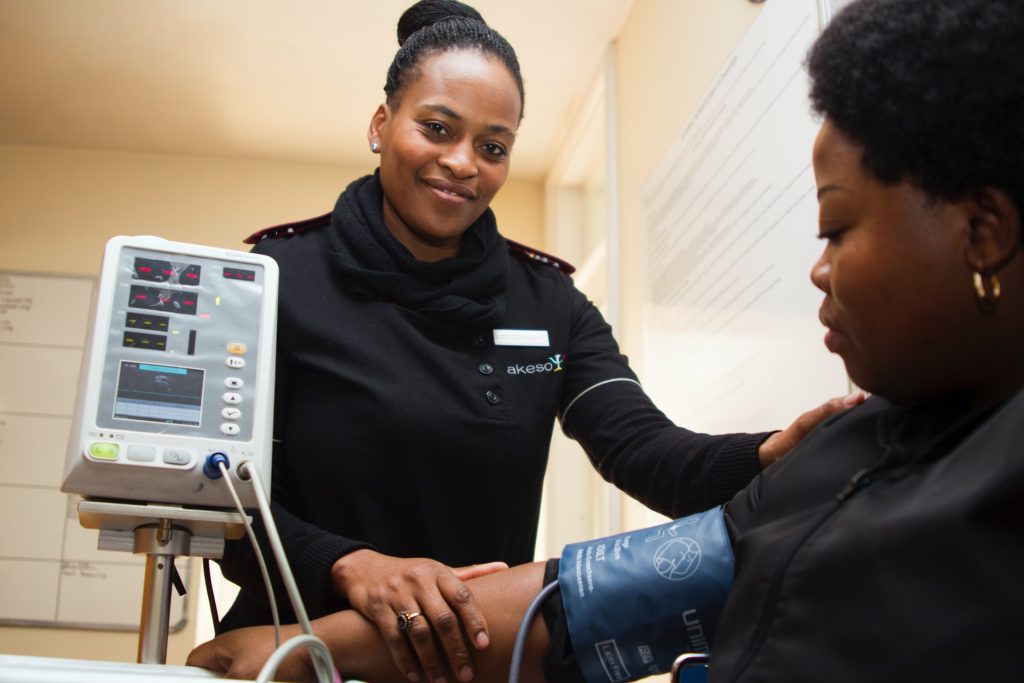
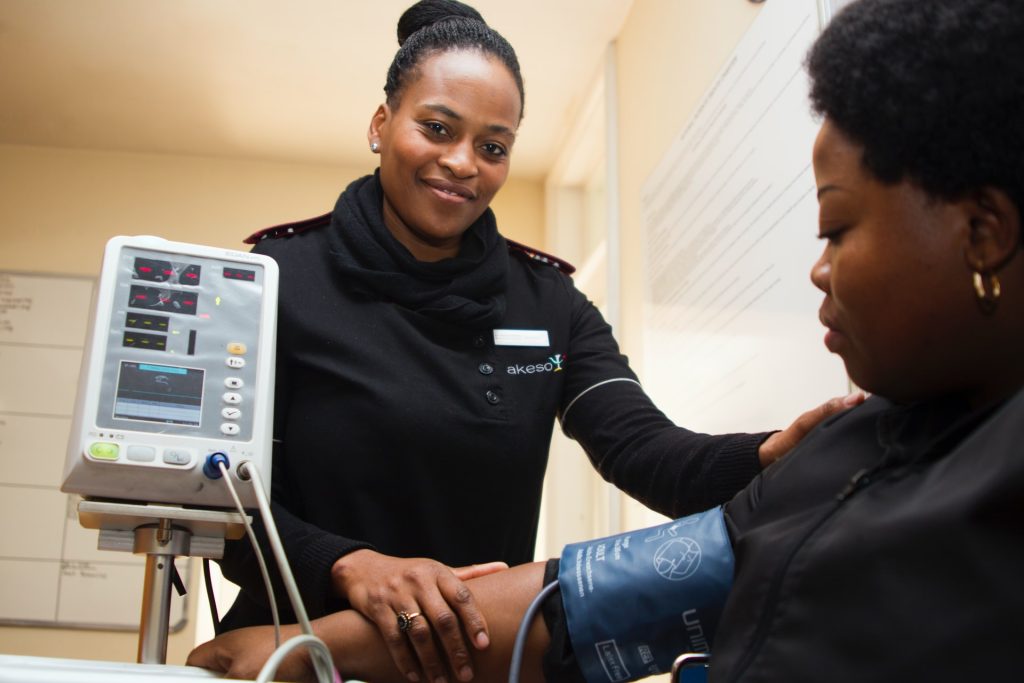
Image by Hush Naidoo from Unsplash

Women with severe preeclampsia may be treated with extended-release nifedipine, a blood pressure-lowering medicine, daily during the labour and delivery process, according to new research published today in Hypertension. Women receiving the drug had a lower risk of dangerously high blood pressure that would require treatment with fast-acting medicines including intravenous (IV) medications.

The study examined whether treatment with nifedipine, an extended-release blood pressure-lowering medication, leading up to labour and delivery may prevent severe blood pressure levels from developing, and, as a result, avoid the need to administer fast-acting IV medications.

According to the American Heart Association, preeclampsia is typically diagnosed after 20 weeks of pregnancy and indicates high blood pressure measures with symptoms such as headaches, vision changes and swelling of the hands, feet, face or eyes. It affects up to 8% of pregnancies. A diagnosis of preeclampsia with severe features typically includes systolic BP of ≥ 160mmHg and/or diastolic BP ≥ 110mmHg, and proteinuria. It increases the risk of stroke, liver or kidney damage and pre-term delivery. Delivery of the baby is the only way to start to cure preeclampsia, and symptoms usually go away within days of delivery. However, some women require BP medication for six weeks after delivery or longer.

“We know that bringing down very high blood pressure to a safer range will help prevent maternal and foetal complications. However, besides rapid-acting, IV medicines for severe hypertension during pregnancy, optimal management for hypertension during the labour and delivery process, has not been studied,” said lead study author Erin M. Cleary, MD.

Sever hypertension also raises the risk for complications such as placental abruption, leading to serious complications for mother and/or the baby.

“Some of these complications may include emergency delivery, blood loss for the mother and may be life threatening for both the mother and baby,” Dr Cleary said. “About 10% of patients treated with a rapid-IV treatment for very high blood pressure may quickly have very low blood pressures. When blood pressure gets too low, too fast, that can lead to other serious complications.”

The study was conducted from June 2020 to April 2022 at The Ohio State University Wexner Medical Center and included 110 women who were at least 22 weeks pregnant, diagnosed with severe preeclampsia and who underwent induction of labour. Half were randomised to take a 30mg oral pill nifedipine extended-release once a day until delivery, the other half took a placebo pill daily until delivery. Participants were followed through hospital discharge, and chart review was performed through six weeks postpartum to monitor for any postpartum readmissions along with reasons for readmission.

The researchers also examined the impact of nifedipine treatment on delivery, if and how long the baby may have needed care in the neonatal intensive care unit (NICU) and other adverse outcomes for the mother and/or baby.

The study found:

  • 34% of women in the nifedipine group needed acute hypertension therapy compared to 55.1% of those in the placebo group.
  • There were fewer Caesarean deliveries among the women treated with nifedipine: 20.8% of women in the nifedipine treatment group had a Caesarean section, compared to 34.7% of women in the placebo group.
  • The rate of NICU admission for the newborns was lower if the mother was treated with nifedipine (29.1%) compared to the placebo group (47.1%).
  • Poor outcomes for the infant – such as lower Apgar score, low blood sugar levels, high bilirubin or needing extra oxygen – did not differ significantly between the two treatment groups.

It’s important to note, however, that the number of participants in this study was too small to determine whether the differences in the NICU and Caesarean rates may hold true or if they may be due to chance or other factors. The researchers plan to conduct larger studies with more participants to better understand if these differences are valid.

Source: American Heart Association

Scientists Test A Potential New Therapy for Preeclampsia

Pregnant with ultrasound image
Source: Pixabay

Researchers have proposed a new therapy for preeclampsia that corrects the defects identified in placental cells, and restores placental and foetal weight, which they report in the journal Redox Biology. The treatment, tested in two rodent models, successfully lowers blood pressure in the mother and resolves the characteristic preeclampsia symptoms of proteinuria and cardiovascular abnormalities.

Preeclampsia is a placental dysfunction that affects approximately 2 to 8% of pregnant women worldwide. It can have potentially complications for mother and child, and longer-term consequences for the mother. Preeclampsia symptoms are primarily arterial hypertension, proteinuria, abnormal coagulation in the placenta, cardiovascular abnormalities in the mother and foetal growth restriction. Treatments for preeclampsia are limited and mostly involve aspirin as a preventative measure, reducing the procoagulant state in the placenta and partly relieving pressure on the vascular network.

Preeclampsia is characterised by a defective placenta caused by trophoblast dysfunction. Trophoblasts are placental cells that help organise and manage the vascular network which provides the essential resources for foetal growth. At the molecular level, preeclampsia is characterised by an uncontrolled increase in oxidative stress, with excessive production of various reactive species including reactive oxygen and nitrogen species. There is a genetic component: the first gene to be identified as being implicated in the genetic forms of preeclampsia was the STOX1 transcription factor, which controls the expression of thousands of genes, especially those involved in the production of nitric oxide (NO).

In a transgenic mouse model, high accumulation of STOX1 in the placenta induced a preeclampsia-like syndrome. In preeclampsia, NO, a powerful vasodilator that promotes blood flow to the placenta, is mobilised to produce potentially toxic molecules (nitrosative stress) and its levels become insufficient in the placental vascular network, affecting trophoblast function and the vascular network and destabilising other reactive species. This creates a vicious circle and causes uncontrollable oxidative/nitrosative stress with multiple complications, also affecting maternal blood vessel cells, with potentially fatal consequences.

NO is produced by a family of enzymes known as nitric oxide synthases (NOSs). Finding a way of restoring NO production in the placenta via NOSs could represent an effective new therapy to treat preeclampsia. A years-long collaboration gave rise to a potential solution. The scientists’ research was based on trophoblasts overexpressing STOX1 and on two rodent models of preeclampsia, one mimicking early-onset forms via placental overexpression of STOX1 and the other mimicking late-onset forms by partial occlusion of the lower abdominal aorta.

The research revealed a cascade of events that ultimately led the scientists to propose a new therapy. Treating trophoblasts with BH4 (tetrahydrobiopterin, a cofactor that stabilises the NOS enzyme producing NO) corrected the defects identified in these cells, restoring production of NO rather than potentially toxic molecules. More importantly, administering BH4 to the two preclinical rodent models restored placental and foetal weight. Finally, in the early-onset STOX1 preclinical model with significant arterial hypertension and proteinuria, the BH4 treatment corrected blood pressure, excess protein in urine, and cardiovascular abnormalities in the mother. The results even suggest that the treatment may be effective in addressing the long-term effects of preeclampsia on mothers (vascular abnormalities in the brain, kidneys, heart and liver).

This research is the first step towards the development of a therapy for preeclampsia. Genetic analyses of placentas treated with BH4 showed that it corrects the expression of several genes disrupted by excess STOX1 differently than the deregulation induced by aspirin in the placenta. The scientists therefore propose that a treatment combining BH4 and aspirin could be the ultimate therapeutic solution for many cases of preeclampsia. This hypothesis needs to be validated in clinical trials.

Source: Institut Pasteur

Is Fathers’ Lifestyle a Risk Factor for Partners’ Preeclampsia?

Photo by Drew Hays on Unsplash

Although various maternal risk factors have been recognised, it is still unclear what causes preeclampsia, and some evidence suggests paternal risk factors such as obesity and cardiovascular disease. New research published in Acta Obstetricia et Gynecologica Scandinavica suggests that fathers’ characteristics and lifestyle however do not in fact play a significant role in their partners’ susceptibility to preeclampsia.

Preeclampsia (PE) is a complex vascular disorder in pregnancy characterized by new-onset hypertension and proteinuria after 20 weeks of gestation or new-onset PE-associated signs in the absence of proteinuria.

In this study, researchers examined questionnaire data from 586 men who had fathered a preeclamptic pregnancy and 660 control men who had fathered a non-preeclamptic pregnancy. Fathers in the former group more often reported preeclampsia in a previously fathered pregnancy, but there were no differences in the socioeconomic background or health history of the preeclamptic and control fathers or their parents.

“Importance of paternal genetic factors has been demonstrated in their partners’ susceptibility to preeclampsia, but the role of paternal phenotype and lifestyle is still not well understood. Both paternal genotype and phenotype need to be addressed in future studies,” said co-author Noora Jaatinen, MD, a University of Turku PhD student.

Source: Wiley

Taking Action Before and Between Pregnancies Reduces Risk of Preeclampsia

Credit: Thirdman on Pexels

In a new study, John Hopkins researchers have found that the periods before pregnancy and in between pregnancies are crucial times to address preeclampsia risk factors like obesity, diabetes and hypertension.

Preeclampsia, a common pregnancy complication, is characterised by high blood pressure and signs of damage to the liver, kidneys or other organs. It usually starts after 20 weeks of pregnancy in women whose blood pressure had previously been normal. .

The team, led by S. Michelle Ogunwole, MD, a fellow in the Division of General Internal Medicine, and Wendy Bennett, MD, MPH, associate professor of medicine, both at the Johns Hopkins University School of Medicine, published their findings in the Journal of the American Heart Association.

Dr Ogunwole said: “Preconception health care is really important as it’s a window of opportunity to think about your future health. We encourage patients to work on chronic disease issues before their pregnancies and between their pregnancies.”

A woman who develops preeclampsia during her first pregnancy has a higher risk of the condition recurring in a second or any successive pregnancies, she said.

“As an internist concerned about maternal outcomes, I am interested in what health care providers can do to help women reduce their risk of preeclampsia, including being a big proponent of preconception counseling,” said Dr Ogunwole.

The team compared two sets of women who were participating in the Boston Birth Cohort. Since 1998, the cohort has looked at a broad array of early life factors and their effects on pregnancy, infancy and child health outcomes. The researchers wanted to understand the differences between women who developed preeclampsia and those who did not, and how a first case of the condition affects subsequent pregnancies. Dr Ogunwole’s team studied 618 women to gain “rich maternal health data among racially and ethnically diverse pregnant women.”

“We wanted to make sure that we’re asking questions in a population that looks like the populations we serve,” she says. “I’m interested in the life course of women and pregnancy complications that can shape the trajectory of their future health.”

The researchers found that obesity, diabetes, high blood pressure, gestational diabetes and preterm birth were common factors in women who had preeclampsia during both first and second pregnancies, or who developed the condition during gestation with a second or later child.

“We know that improving weight will improve other conditions, so we advise that women create healthier lifestyles before and between pregnancies,” said Dr Ogunwole. “Whether you have another pregnancy again or not, you can still improve your overall health.”

Future research should hopefully include larger trials to confirm their results. Dr  Ogunwole  also plans to study the structural barriers that may prevent women from engaging in healthy lifestyles and develop strategies to improve long-term health outcomes for women.

Source: John Hopkins Medicine