
Tag: gut microbiota

The Gut Microbiome can Affect Symptoms of Hypopituitarism
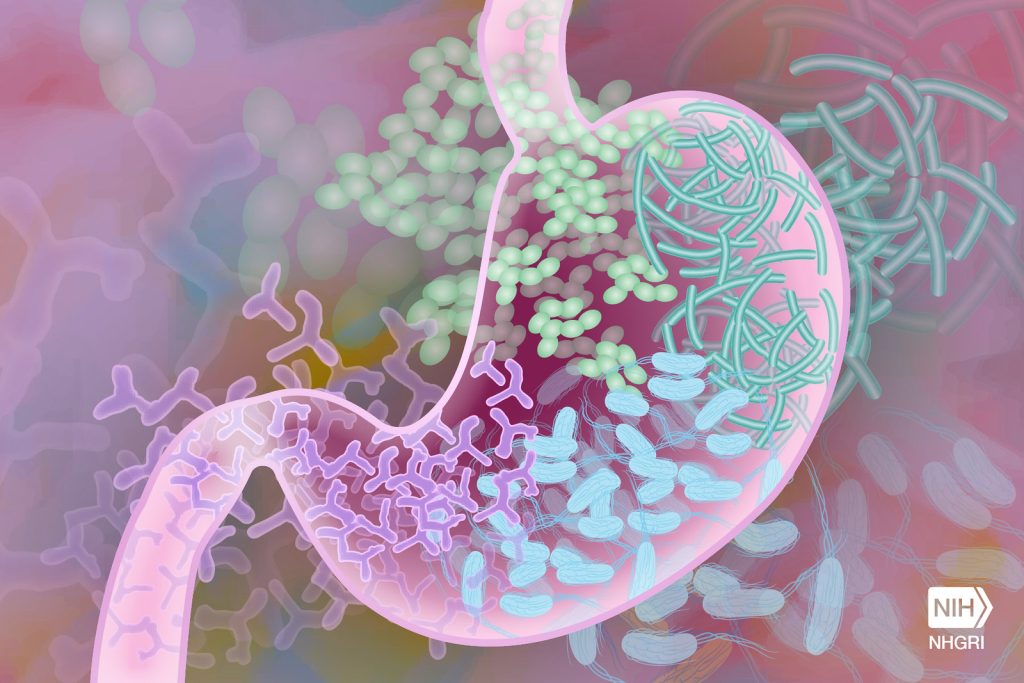
Gut Microbiome. Credit Darryl Leja National Human Genome Research Institute National Institutes Of Health

In research published in PLOS Genetics, scientists have shown that the balance of bacteria in the gut can influence symptoms of hypopituitarism in mice. They also showed that aspirin was able to improve hormone deficiency symptoms in mice with this condition.

People with mutations in a gene called Sox3 develop hypopituitarism, where the pituitary gland doesn’t make enough hormones. It can result in growth problems, infertility and poor responses of the body to stress.

The scientists at the at the Francis Crick Institute removed Sox3 from mice, causing them to develop hypopituitarism around the time of weaning (starting to eat solid food).

They found that mutations in Sox3 largely affect the hypothalamus in the brain, which instructs the pituitary gland to release hormones. However, the gene is normally active in several brain cell types, so the first task was to ask which specific cells were most affected by its absence.

The scientists observed a reduced number of cells called NG2 glia, suggesting that these play a critical role in inducing the pituitary gland cells to mature around weaning, which was not known previously. This could explain the associated impact on hormone production.

The team then treated the mice with a low dose of aspirin for 21 days. This caused the number of NG2 glia in the hypothalamus to increase and reversed the symptoms of hypopituitarism in the mice.

Although it’s not yet clear how aspirin had this effect, the findings suggest that it could be explored as a potential treatment for people with Sox3 mutations or other situations where the NG2 glia are compromised.

An incidental discovery revealed the role of gut bacteria in hormone production

When the National Institute for Medical Research (NIMR) merged with the Crick in 2015, mouse embryos were transferred from the former building to the latter, and this included the mice with Sox3 mutations.

When these mice reached the weaning stage at the Crick, the researchers were surprised to find that they no longer had the expected hormonal deficiencies.

After exploring a number of possible causes, lead author Christophe Galichet compared the microbiome – bacteria, fungi and viruses that live in the gut – in the mice from the Crick and mice from the NIMR, observing several differences in its makeup and diversity. This could have been due to the change in diet, water environment, or other factors that accompanied the relocation.

He also examined the number of NG2 glia in the Crick mice, finding that these were also at normal levels, suggesting that the Crick-fed microbiome was somehow protective against hypopituitarism.

To confirm this theory, Christophe transplanted faecal matter retained from NIMR mice into Crick mice, observing that the Crick mice once again showed symptoms of hypopituitarism and had lower numbers of NG2 glia. 

Although the exact mechanism is unknown, the scientists conclude that the make-up of the gut microbiome is an example of an important environmental factor having a significant influence on the consequences of a genetic mutation, in this case influencing the function of the hypothalamus and pituitary gland.

Source: Francis Crick Institute

Breastfeeding Shapes the Gut Microbiome and Protects against Asthma

Photo by Wendy Wei

Human breast milk regulates a baby’s mix of microbes, known as the microbiome, during the infant’s first year of life, in turn lowers the child’s risk of developing asthma, according to a new study published in Cell.

Led by researchers at NYU Langone Health and the University of Manitoba, the study results showed that breastfeeding beyond three months supports the gradual maturation of the microbiome in the infant’s digestive system and nasal cavity, the upper part of the respiratory tract. Conversely, stopping breastfeeding earlier than three months disrupts the paced development of the microbiome and was linked to a higher risk of preschool asthma.

Some components in breast milk, such as complex sugars called human milk oligosaccharides, can only be broken down with the help of certain microbes. This provides a competitive advantage to microbes capable of digesting these sugars. By contrast, infants who are weaned earlier than three months from breast milk and who then rely solely on formula feeding, become home to a different set of microbes –ones that will help the infant to digest the components in formula. While many of these microbes that thrive on formula do eventually end up in all babies, the researchers showed that their early arrival is linked to an increased risk of asthma.

“Just as a pacemaker regulates the rhythm of the heart, breastfeeding and human milk set the pace and sequence for microbial colonisation in the infant’s gut and nasal cavity, ensuring that this process occurs in an orderly and timely manner,” said study co-senior investigator and computational biologist Liat Shenhav, PhD. “Healthy microbiome development is not only about having the right microbes. They also need to arrive in the right order at the right time,” said Dr Shenhav, an assistant professor at NYU Grossman School of Medicine, its Institute for Systems Genetics, and the school’s Department of Microbiology.

For the study, Dr Shenhav, who is also an assistant professor at NYU’s Courant Institute of Mathematical Sciences, worked in collaboration with study co-senior investigator Meghan Azad, PhD, director of the Manitoba Interdisciplinary Lactation Center, and a professor of paediatrics and child health, at the University of Manitoba.

Another key study finding was that the bacterium Ruminococcus gnavus appeared much sooner in the guts of children who were weaned early from breast milk than in those of children who were exclusively breastfed. The bacterium is known to be involved in the production of molecules called short-chain fatty acids, and the formation and breakdown of the amino acid tryptophan. Both tryptophan and its metabolites have been linked to immune system regulation and disruption in previous research, including an increased risk of asthma. The study authors noted that beyond aiding in digestion, an infant’s microbiome plays a crucial role in the immune system’s development.

The study tracked the ebb and flow of microbes in the guts and noses of infants during the first year of life, as well as details on breastfeeding and the composition of their mothers’ milk. All the children and their mothers were participating in the CHILD Cohort Study, a long-term research project that has been studying the same 3500 Canadian children at different stages of life from the womb well into adolescence.

The data provided by the CHILD Cohort Study enabled researchers to detangle the impact of breastfeeding on an infant’s microbiome from a range of other environmental factors, including prenatal smoke exposure, antibiotics, and the mother’s asthma history.

Even when these factors were accounted for, they found that breastfeeding duration remained a powerful determinant for the child’s microbial makeup over time. They also used these microbial dynamics and data on milk components to train a machine learning model that accurately predicted asthma years in advance. Finally, they created a statistical model to learn causal relationships, which showed that the primary way breastfeeding reduces asthma risk is through shaping the infant’s microbiome.

“The algorithms we developed provide valuable insights into microbial dynamics during an infant’s first year of life and how these microbes interacted with the infant,” said Dr Shenhav. “These insights allowed us to move beyond identifying associations, enhancing our ability to make predictions and explore causal relationships.

“Our research highlights the profound impact of breastfeeding on the infant microbiome and breastfeeding’s essential role in supporting respiratory health. By uncovering the mechanisms behind the protective effects of breast milk, as demonstrated in this study, we aim to inform national guidelines on breastfeeding and weaning from breast milk in a data-driven manner.

“With further research, our findings could also contribute to developing strategies to prevent asthma in children who cannot be breastfed for at least three months,” she added.

Source: NYU Langone Health / NYU Grossman School of Medicine

Ketogenic Diet Reduces Friendly Gut Bacteria and Raises Cholesterol Levels

Photo by Jose Ignacio Pompe on Unsplash

A study from the University of Bath reveals that ketogenic low-carbohydrate diets can increase cholesterol levels and reduce beneficial gut bacteria, specifically Bifidobacterium.

Published in Cell Reports Medicine, the research from the Centre for Nutrition, Exercise, and Metabolism involved 53 healthy adults for up to 12 weeks. Participants followed either a moderate sugar diet (control), a low-sugar diet (less than 5% of calories from sugar), or a ketogenic (keto) low-carbohydrate diet (less than 8% of calories from carbohydrates).

Key findings include:

•Increased Cholesterol: The keto diet raised cholesterol levels, particularly in small and medium sized LDL particles. The diet increased apolipoprotein B (apoB), which causes plaque buildup in arteries. In contrast, the low-sugar diet significantly reduced cholesterol in LDL particles.

•Reduced Favourable Gut Bacteria: The keto diet altered gut microbiome composition, notably decreasing Bifidobacteria, beneficial bacteria often found in probiotics. This bacteria has wide ranging benefits: producing b vitamins, inhibiting pathogens and harmful bacteria and lowering cholesterol. Sugar restriction did not significantly impact the gut microbiome composition.

•Glucose Tolerance: The keto diet reduced glucose tolerance, meaning the adults’ bodies became less efficient at handling carbohydrates.

•Both Diets Resulted In Fat Loss: Keto Diet resulted in an average of 2.9kg fat mass loss per person, whilst the sugar restricted diet followed with an average 2.1kg fat mass loss per person at 12 weeks.

•Metabolism: Researchers also noticed that the keto diet caused significant changes in lipid metabolism and muscle energy use, shifting the body’s fuel preference from glucose to fats.

•Physical Activity Levels: Both sugar restriction and keto diets achieved fat loss without changing physical activity levels. Previous studies from the Centre for Nutrition, Exercise and Metabolism have shown that skipping breakfast or intermittent fasting cause reductions in physical activity.

Lead researcher Dr. Aaron Hengist highlighted the concerning cholesterol findings:

“Despite reducing fat mass, the ketogenic diet increased the levels of unfavourable fats in the blood of our participants, which, if sustained over years, could have long-term health implications such as increased risk of heart disease and stroke.”

Dr. Russell Davies, who led the microbiome research, explained the impact on gut health:

“Dietary fibre is essential for the survival of beneficial gut bacteria like Bifidobacteria. The ketogenic diet reduced fibre intake to around 15 grams per day, half the NHS recommended intake. This reduction in Bifidobacteria might contribute to significant long-term health consequences such as an increased risk of digestive disorders like irritable bowel disease, increased risk of intestinal infection and a weakened immune function.”

Professor Javier Gonzalez, who oversaw the research, commented on the glucose findings:

“The ketogenic diet reduced fasting glucose levels but also reduced the body’s ability to handle carbs from a meal. By measuring proteins in muscle samples taken from participants’ legs, we think this is probably an adaptive response to eating less carbohydrates day-to-day and reflects insulin resistance to storing carbs in muscle. This insulin resistance is not necessarily a bad thing if people are following a ketogenic diet, but if these changes persist when people switch back to a higher carbohydrate diet it could increase the risk of developing type 2 diabetes in the long-term”

In light of this new research, the academics conclude that if you’re considering a diet, a low sugar one will be better for most people. More work is needed to understand how individuals may benefit from each type of diet. The government recommends that free sugars (those added to food or drink or found naturally in honey, syrups, fruit juices and smoothies) should be restricted to less than 5% of total energy intake. Professor Dylan Thompson, who also oversaw the work, said:

“The ketogenic diet is effective for fat loss, but it comes with varied metabolic and microbiome effects that may not suit everyone. In contrast, sugar restriction supports government guidelines for reducing free sugar intake, promoting fat loss without apparent negative health impacts.”

Source: University of Bath

Breast Cancer Chemo Disrupts Gut Microbiome and Impacts Cognition

Photo by Tima Miroshnichenko on Pexels

Chemotherapy is known to cause behavioural side effects, including cognitive decline. Notably, the gut microbiome communicates with the brain to affect behaviour, including cognition. 

“For the first time ever, our Intelligut Study found that the gut microbiome has been implicated in cognitive side effects of chemotherapy in humans,” said senior author Leah Pyter, associate professor of psychiatry and neuroscience at Ohio State University. “The potential connection between the gut and the brain would allow us to create treatments for the gut to treat the brain.”

Study findings are published in the journal Brain, Behavior, and Immunity.

This clinical longitudinal observational study explored whether chemotherapy-induced disruption of the gut microbiome relates to cognitive decline and circulating inflammatory signals. 

Faecal samples, blood and cognitive measures were collected from 77 patients with breast cancer before, during and after chemotherapy.

“We found that patients treated with chemotherapy who showed decreases in cognitive performance also had reductions in the diversity of their gut microbiome,” said Pyter, also a researcher with Ohio State’s Institute for Behavioral Medicine Research and member of the Cancer Control Research Program at The Ohio State University Comprehensive Cancer Center – Arthur G. James Cancer Hospital and Richard J. Solove Research Institute (OSUCCC – James)

This research builds on Pyter’s prior research in mouse models that found chemotherapy-induced shifts in the gut microbiome cause neurobiological changes and behavioural side effects.  The current study indicates that an association between gut microbiome and cognitive performance exists in humans as well. 

“Side effects of chemotherapy are common and may reduce quality of life, but these side effects can be dismissed as ‘part of chemotherapy’ and therefore overlooked and under-treated,” Pyter said. “We believe that gut microbiome-focused interventions, such as faecal microbial transplantation, may improve behavioural side effects of chemotherapy.” 

OSUCCC—James researchers are also conducting research studies on how the gut microbiome impacts cancer treatment effectiveness and its role in reducing or increasing cancer risk. 

“Chemotherapy is a very important tool for stopping many cancers and side effects should not deter patients who would benefit from this type of therapy from pursuing it, but we know the side effects of some treatment regimens can be quite challenging for patients to complete,” said David Cohn, MD, interim chief executive officer of the OSUCCC – James. “It’s a careful tightrope of walking between effective cancer control and side effect management – and our team is working every day, in the hospital clinics and the lab, to develop ways to manage the side effects of disease treatment with an eye toward quality of life.” 

Source: Ohio State University

Surprisingly, Benefits of Dietary Fibre Vary Significantly between Individuals

Photo by Mariana Kurnyk

Nutritionists generally advise everyone to eat more dietary fibre, but a new study suggests that its effects on health can vary, suggesting that recommendations should be tailored to each individual’s gut microbiome. The study, published in Gut Microbes, focused on resistant starch, a category of dietary fibre found in such foods as bread, cereals, green bananas, whole-grain pasta, brown rice and potatoes.

The researchers identified the gut microbe species that change in response to two different types of resistant starch. They found evidence that each individual may have a unique response to eating a resistant starch, with some people benefiting and others experiencing little or no effect. The reason for the variation appears tied to the level of diversity and composition of a person’s gut microbiome.

“Precision nutrition definitely has a use in determining what dietary fibre we should tell people to eat,” said Angela Poole, assistant professor of molecular nutrition and senior author of the study.

“This is critical because we’ve had public messaging advising people to eat more dietary fibre for decades,” Poole said. “At the same time, less than 10% of people eat the recommended intake. Since there are many different types of dietary fibre and carbohydrates, a better strategy would be to collect data on each person and tell them which dietary fibre they can eat to get the most bang for their buck.”

Resistant starch comes in five types, and resists degradation by human digestive enzymes until it reaches the gut. There, it acts as a substrate for certain gut microbes to produce short chain fatty acids, which are important in signaling pathways that regulate glucose and lipid metabolism. Multiple microbe species may work together to create the fatty acids.

In the study, Poole and colleagues tested three dietary treatments on 59 participants over seven weeks.

The team had three different types of crackers manufactured. Two crackers had the same ingredients, except one contained resistant starch type 2, which occurs naturally, and the other contained resistant starch type 4, which is human-made. A third control cracker was digestible by human enzymes, similar to white bread, and the researchers expected none of the bacteria to act on the control.

Subjects were then divided into two groups. The first group ate the resistant starch type 2 cracker first, followed by the control, and then resistant starch type 4. Each cracker type was eaten for 10 days, with five days of no cracker consumption between treatments. The second group reversed the order, also with the control in the middle.

They then sequenced the microbiomes of each participant before and after each treatment. For resistant starch type 2, more than 30 bacteria changed in abundance, including Ruminococcus bromii, which is considered a keystone resistant starch degrader in the human gut. For type 4, more than 20 bacteria changed. And for the control, nothing changed.

“For the resistant starch crackers, we could detect that 20 or 30 of them were changing, but how much they changed and whether they changed at all, for each of those bacteria, depended on the person,” Poole said.

Similarly, each resistant starch type changed different short chain fatty acids, with variable levels of fatty acid increases and decreases based on the individual. For resistant starch type 2, the researchers identified a subset of 13 bacteria that predicted change in amounts of propionate, a type of short chain fatty acid. Also for resistant starch 2, by knowing the diversity of an individual’s gut microbiome, the researchers could roughly predict if two types of short chain fatty acids (acetate and butyrate) were going to increase.

The most surprising result was that the control digestible cracker led to the greatest gains of short chain fatty acids. More work is needed to understand why, but Poole suspects that the order of cracker consumption was key to the result. Since many microbes are involved in making short chain fatty acids, she hypothesises that eating a resistant starch first primed the gut to produce the fatty acids when that person ate the digestible starch.

“That’s one of the major takeaways, maybe I can get away with eating a French baguette some of the time, and it may be better than just eating whole grain all the time,” Poole said. “But I have to test that, and it probably varies between people.”

Source: Cornell University

Gut Bacteria in Parkinson’s Disease Produce Fewer B Vitamins

In Parkinson’s disease, a reduction in the gut bacteria of genes responsible for synthesising the essential B vitamins B2 and B7 was found. Credit: Reiko Matsushita

A study led by Nagoya University in Japan has revealed a link between gut microbiota and Parkinson’s disease (PD). The researchers found that the gut bacteria genes responsible for synthesising vitamins B2 and B7 were reduced. This gene reduction was also linked to low levels of agents that help maintain the integrity of the intestinal barrier, which when weakened causes the inflammation seen in PD. Their findings, published in npj Parkinson’s Disease, suggest that treatment with B vitamins to address these deficiencies can be used to treat PD. 

PD is characterized by a variety of physical symptoms that hinder daily activities and mobility, such as shaking, slow movement, stiffness, and balance problems. While the frequency of PD may vary between different populations, it is estimated to affect approximately 1-2% of individuals aged 55 years or older. 

Various physiological processes are heavily influenced by the microorganisms found in the gut, which are collectively known as gut microbiota. In ideal conditions, gut microbiota produce SCFAs and polyamines, which maintain the intestinal barrier that prevents toxins entering the bloodstream. Toxins in the blood can be carried to the brain where they cause inflammation and affect neurotransmission processes that are critical for maintaining mental health.

To better understand the relationship between the microbial characteristics of the gut in PD, Hiroshi Nishiwaki and Jun Ueyama from the Nagoya University Graduate School of Medicine conducted a metanalysis of stool samples from patients with PD from Japan, the United States, Germany, China, and Taiwan. They used shotgun sequencing, a technique that sequences all genetic material in a sample. This is an invaluable tool because it offers researchers a better understanding of the microbial community and genetic makeup of the sample.

They observed a decrease in the bacterial genes responsible for the synthesising of riboflavin (vitamin B2) and biotin (vitamin B7) in patients diagnosed with PD. Riboflavin and biotin, derived from both food and gut microbiota, have anti-inflammatory properties, which may counteract the neuroinflammation seen in diseases like PD. 

B vitamins play crucial roles in the metabolic processes that influence the production and functions of short-chain fatty acids (SCFAs) and polyamines, two agents that help maintain the integrity of the intestinal barrier, preventing toxins entering the bloodstream. An examination of fecal metabolites revealed decreases of both in patients with PD. 

The findings indicate a potential explanation for the progression of PD. “Deficiencies in polyamines and SCFAs could lead to thinning of the intestinal mucus layer, increasing intestinal permeability, both of which have been observed in PD,” Nishiwaki explained. “This higher permeability exposes nerves to toxins, contributing to abnormal aggregation of alpha-synuclein, activating the immune cells in the brain, and leading to long-term inflammation.” 

He added, “Supplementation therapy targeting riboflavin and biotin holds promise as a potential therapeutic avenue for alleviating PD symptoms and slowing disease progression.”

The results of the study highlight the importance of understanding the complex relationship among gut microbiota, metabolic pathways, and neurodegeneration. In the coming years, customised therapy could potentially be based on patients’ unique microbiome profiles. By altering bacterial levels in the microbiome, doctors can potentially delay the onset of symptoms associated with diseases like PD.

“We could perform gut microbiota analysis on patients or conduct faecal metabolite analysis,” Nishiwaki said. “Using these findings, we could identify individuals with specific deficiencies and administer oral riboflavin and biotin supplements to those with decreased levels, potentially creating an effective treatment.”

Source: Nagoya University

The study, “Meta-analysis of shotgun sequencing of gut microbiota in Parkinson’s disease,” was published in npj Parkinson’s Disease on May 21, 2024, at DOI:10.1038/s41531-024-00724-z.

New Antibiotic Kills Pathogenic Bacteria but Spares Healthy Gut Microbes

Gut Microbiome. Credit Darryl Leja National Human Genome Research Institute National Institutes Of Health

Researchers have developed a new antibiotic that reduced or eliminated drug-resistant bacterial infections in mouse models of acute pneumonia and sepsis while sparing healthy microbes in the mouse gut. The drug, called lolamicin, also warded off secondary infections with Clostridioides difficile, and was effective against more than 130 multidrug-resistant bacterial strains in cell culture.

The findings are detailed in the journal Nature.

“People are starting to realise that the antibiotics we’ve all been taking – that are fighting infection and, in some instances, saving our lives – also are having these deleterious effects on us,” said University of Illinois Urbana-Champaign chemistry professor Paul Hergenrother, who led the study with former doctoral student Kristen Muñoz. “They’re killing our good bacteria as they treat the infection. We wanted to start thinking about the next generation of antibiotics that could be developed to kill the pathogenic bacteria and not the beneficial ones.”

“Most clinically approved antibiotics only kill gram-positive bacteria or kill both gram-positive and gram-negative bacteria,” Muñoz said.

The few drugs available to fight gram-negative bacteria, which are protected by their double cell walls, also kill other potentially beneficial gram-negative bacteria. For example, colistin, one of the few gram-negative-only antibiotics approved for clinical use, can cause C. difficile-associated diarrhoea and pseudomembranous colitis, a potentially life-threatening complication. The drug also has toxic effects on the liver and kidney, and “thus colistin is typically utilised only as an antibiotic of last resort,” the researchers wrote.

To tackle the many problems associated with indiscriminately targeting gram-negative bacteria, the team focused on a suite of drugs developed by the pharmaceutical company AstraZeneca. These drugs inhibit the Lol system, a lipoprotein-transport system that is exclusive to gram-negative bacteria and genetically different in pathogenic and beneficial microbes. These drugs were not effective against gram-negative infections unless the researchers first undermined key bacterial defenses in the laboratory. But because these antibiotics appeared to discriminate between beneficial and pathogenic gram-negative bacteria in cell culture experiments, they were promising candidates for further exploration, Hergenrother said.

In a series of experiments, Muñoz designed structural variations of the Lol inhibitors and evaluated their potential to fight gram-negative and gram-positive bacteria in cell culture. One of the new compounds, lolamicin, selectively targeted some “laboratory strains of gram-negative pathogens including Escherichia coliKlebsiella pneumoniae and Enterobacter cloacae,” the researchers found. Lolamicin had no detectable effect on gram-positive bacteria in cell culture. At higher doses, lolamicin killed up to 90% of multidrug-resistant E. coliK. pneumoniae and E. cloacae clinical isolates.

When given orally to mice with drug-resistant septicemia or pneumonia, lolamicin rescued 100% of the mice with septicemia and 70% of the mice with pneumonia, the team reported.

Extensive work was done to determine the effect of lolamicin on the gut microbiome.

“The mouse microbiome is a good tool for modeling human infections because human and mouse gut microbiomes are very similar,” Muñoz said. “Studies have shown that antibiotics that cause gut dysbiosis in mice have a similar effect in humans.”

Treatment with standard antibiotics amoxicillin and clindamycin caused dramatic shifts in the overall structure of bacterial populations in the mouse gut, diminishing the abundance several beneficial microbial groups, the team found.

“In contrast, lolamicin did not cause any drastic changes in taxonomic composition over the course of the three-day treatment or the following 28-day recovery,” the researchers wrote.

Many more years of research are needed to extend the findings, Hergenrother said. Lolamicin, or other similar compounds, must be tested against more bacterial strains and detailed toxicology studies must be conducted. Any new antibiotics also must be assessed to determine how quickly they induce drug resistance, a problem that arises sooner or later in bacteria treated with antibiotics.

The study is a proof-of-concept that antibiotics that kill a pathogenic microbe while sparing beneficial bacteria in the gut can be developed for gram-negative infections – some of the most challenging infections to treat, Hergenrother said.

Source: University of Illinois at Urbana-Champaign, News Bureau

New Study Reveals that Gut Microbes Have an Arsenal against Pathogens

Gut Microbiome. Credit Darryl Leja National Human Genome Research Institute National Institutes Of Health

A study conducted by researcher Juan Du’s research group at the Karolinska Institutet sheds light on the capabilities of our gut microbes and their metabolites. The findings reveal potent inhibitory effects on the growth of antibiotic-resistant bacteria and suggest interactions and signaling between gut microbes and pathogens.

The study, published in the journal Gut Microbes, focuses on identifying key microbes within the gut microbiome that inhibit the growth of pathogens, particularly antibiotic-resistant strains. 

Strains from Clostridium perfringens, Clostridium butyricum, and Enterobacter maltosivorans and their metabolites were found to directly inhibit the growth of pathogens, including multi-drug-resistant ones. The study also reveals novel dipeptide features, suggesting interactions and signaling between gut microbes and pathogens.

“Multidrug-resistant microorganisms pose a global threat, and understanding the role of gut microbiota is crucial. Metabolites derived from these microbial communities play a significant role in regulating biochemical processes in the human body. Despite this, only a limited number of gut microbes and their bioactive metabolites have been explored so far”, explains author Juan Du. She continues:

“We plan to expand our screening to include a broader collection of commensal bacteria from various body sites. We’ll conduct mechanism studies to understand how these compounds function on pathogens, especially antibiotic-resistant strains”, says Juan Du.

Source: Karolinska Instutet

Autism and ADHD are Linked to Gut Flora Disturbance in First Year of Life

Photo by Christian Bowen on Unsplash

Disturbed gut flora during the first years of life is associated with diagnoses such as autism and ADHD later in life. One explanation for this disturbance could be from antibiotic treatment. This is according to a study led by researchers at the University of Florida and Linköping University and published in the journal Cell.

The study is the first prospective study to examine gut flora composition and a large variety of other factors in infants, in relation to the development of the children’s nervous system. The researchers have found many biological markers that seem to be associated with future neurological development disorders, such as autism spectrum disorder, ADHD, communication disorder and intellectual disability.

“The remarkable aspect of the work is that these biomarkers are found at birth in cord blood or in the child’s stool at one year of age over a decade prior to the diagnosis,” says Eric W Triplett, professor at the Department of Microbiology and Cell Science at the University of Florida, USA, one of the study leaders.

Antibiotic treatment could be involved

The study is part of the ABIS (All Babies in Southeast Sweden) study led by Johnny Ludvigsson at Linköping University. More than 16 000 children born in 1997–1999, representing the general population, have been followed from birth into their twenties. Of these, 1197 children (7.3%), have been diagnosed with autism spectrum disorder, ADHD, communication disorder or intellectual disability. Many lifestyle and environmental factors have been identified through surveys conducted on several occasions during the children’s upbringing. For some of the children, the researchers have analysed substances in umbilical cord blood and bacteria in their stool at the age of one.

“We can see in the study that there are clear differences in the intestinal flora already during the first year of life between those who develop autism or ADHD and those who don’t. We’ve found associations with some factors that affect gut bacteria, such as antibiotic treatment during the child’s first year, which is linked to an increased risk of these diseases,” says Johnny Ludvigsson, senior professor at the Department of Biomedical and Clinical Sciences at Linköping University, who led the study together with Eric W. Triplett.

Children who had repeated ear infections before one year of age had a higher risk of a developmental neurological disorder diagnosis later in life. It is probably not the infection itself that is the culprit, but the researchers suspect a link to antibiotic treatment. They found that the presence of Citrobacter bacteria or the absence of Coprococcus bacteria increased the risk of future diagnosis. One possible explanation may be that antibiotic treatment has disturbed the composition of the gut flora in a way that contributes to neurodevelopmental disorders. The risk of antibiotic treatment damaging the gut flora and increasing the risk of diseases linked to the immune system, such as type 1 diabetes and childhood rheumatism, has been shown in previous studies.

Coprococcus and Akkermansia muciniphila have potential protective effects. These bacteria were correlated with important substances in the stool, such as vitamin B and precursors to neurotransmitters which play vital roles orchestrating signalling in the brain. Overall, we saw deficits in these bacteria in children who later received a developmental neurological diagnosis,” says study first author Angelica Ahrens, Assistant Scientist in Eric Triplett’s research group at the University of Florida.

The present study also confirms that the risk of developmental neurological diagnosis in the child increases if the parents smoke. Conversely, breastfeeding has a protective effect, according to the study.

Differences at birth

In cord blood taken at the birth of children, the researchers measured substances such as fatty acids and amino acids, as well as exogenous ones such as nicotine and environmental toxins. They compared substances in the umbilical cord blood of 27 children diagnosed with autism with the same number of children without a diagnosis.

It turned out that children who were later diagnosed had low levels of several important fats in the umbilical cord blood. One of these was linolenic acid, which is needed for the formation of omega 3 fatty acids with anti-inflammatory properties and other effects in the brain. The same group also had higher levels than the control group of a PFAS substance, used as flame retardants and shown to negatively affect the immune system in several different ways. PFAS substances can enter the body via drinking water, food and the air we breathe.

Opens up new possibilities

As the relationships found in the Swedish children may not be generalisable to other populations, studies in other populations are needed. Another question is whether gut flora imbalance is a triggering factor or whether it has occurred as a result of underlying factors, such as diet or antibiotics. Yet even accounting for risk factors that might affect the gut flora, they found that the link between future diagnosis remained for many of the bacteria.

The research is at an early stage and more studies are needed, but the discovery that many biomarkers for future developmental neurological disorders can be observed at an early age opens up the possibility of developing screening protocols and preventive measures in the long term.

Source: Linköping University

Bacteria Subtype Linked to Growth in up to 50% of Human Colorectal Cancers

Human colon cancer cells. Credit: National Cancer Institute

Researchers at Fred Hutchinson Cancer Center have found that a specific subtype of a microbe commonly found in the mouth is able to travel to the gut and grow within colorectal cancer tumours. This microbe is also a culprit for driving cancer progression and leads to poorer patient outcomes after cancer treatment.

The findings, published in Nature, could help improve therapeutic approaches and early screening methods for colorectal cancer, which is the second most common cause of cancer deaths in adults in the U.S. according to the American Cancer Society.

Examining colorectal cancer tumours removed from 200 patients, the Fred Hutch team measured levels of Fusobacterium nucleatum, a bacterium known to infect tumours. In about 50% of the cases, they found that only a specific subtype of the bacterium was elevated in the tumour tissue compared to healthy tissue.

The researchers also found this microbe in higher numbers within stool samples of colorectal cancer patients compared with stool samples from healthy people.

“We’ve consistently seen that patients with colorectal tumours containing Fusobacterium nucleatum have poor survival and poorer prognosis compared with patients without the microbe,” explained Susan Bullman, PhD, Fred Hutch cancer microbiome researcher and co-corresponding study author. “Now we’re finding that a specific subtype of this microbe is responsible for tumour growth. It suggests therapeutics and screening that target this subgroup within the microbiota would help people who are at a higher risk for more aggressive colorectal cancer.”

In the study, Bullman and co-corresponding author Christopher D. Johnston, PhD, Fred Hutch molecular microbiologist, along with the study’s first author Martha Zepeda-Rivera, PhD, a Washington Research Foundation Fellow and Staff Scientist in the Johnston Lab, wanted to discover how the microbe moves from its typical environment of the mouth to a distant site in the lower gut and how it contributes to cancer growth.

First they found a surprise that could be important for future treatments. The predominant group of Fusobacterium nucleatum in colorectal cancer tumours, thought to be a single subspecies, is actually composed of two distinct lineages known as “clades.”

“This discovery was similar to stumbling upon the Rosetta Stone in terms of genetics,” Johnston explained. “We have bacterial strains that are so phylogenetically close that we thought of them as the same thing, but now we see an enormous difference between their relative abundance in tumours versus the oral cavity.”

By separating out the genetic differences between these clades, the researchers found that the tumour-infiltrating Fna C2 type had acquired distinct genetic traits suggesting it could travel from the mouth through the stomach, withstand stomach acid and then grow in the lower gastrointestinal tract. The analysis revealed 195 genetic differences between the clades.

Then, comparing tumour tissue with healthy tissue from patients with colorectal cancer, the researchers found that only the subtype Fna C2 is significantly enriched in colorectal tumour tissue and is responsible for colorectal cancer growth.

Further molecular analyses of two patient cohorts, including over 200 colorectal tumours, revealed the presence of this Fna C2 lineage in approximately 50% of cases.

The researchers also found in hundreds of stool samples from people with and without colorectal cancer that Fna C2 levels were consistently higher in colorectal cancer.

“We have pinpointed the exact bacterial lineage that is associated with colorectal cancer, and that knowledge is critical for developing effective preventive and treatment methods,” Johnston said.

Source: Fred Hutchinson Cancer Center