Tag: depression

High Doses of Vitamin B6 Slightly Reduce Anxiety and Depression

Photo by Stephen Foster on Unsplash

University of Reading scientists have shown that taking high doses of Vitamin B6 reduces feelings of anxiety and depression to a small degree. Study participants reported feeling less anxious and depressed after taking the supplements every day for a month. 

The study, published in Human Psychopharmacology: Clinical and Experimental, demonstrates that certain supplements thought to modify levels of activity in the brain could be useful for preventing or treating mood disorders. 

The study’s lead author, Dr David Field, explained: “The functioning of the brain relies on a delicate balance between the excitatory neurons that carry information around and inhibitory ones, which prevent runaway activity. Recent theories have connected mood disorders and some other neuropsychiatric conditions with a disturbance of this balance, often in the direction of raised levels of brain activity. Vitamin B6 helps the body produce a specific chemical messenger that inhibits impulses in the brain, and our study links this calming effect with reduced anxiety among the participants.” 

While previous studies have produced evidence that multivitamins or Marmite can reduce stress levels, few studies have been carried out into which particular vitamins contained within them drive this effect. The new study focused on the potential role of Vitamins B6, which is known to increase the body’s production of GABA (Gamma-Aminobutyric Acid), the primary inhibitory neurotransmitter. 

In the current trial, more than 300 participants were randomised to either Vitamin B6 or B12 supplements far above the recommended daily intake (about 50 times higher) or placebo, and took one a day with food for a month. Vitamin B12 had little effect compared to placebo, but Vitamin B6 was found to have a significant effect. Raised levels of GABA among participants who had taken Vitamin B6 supplements were confirmed by visual tests carried out at the end of the trial, supporting the hypothesis that B6 was responsible for the reduction in anxiety. Subtle but harmless changes in visual performance were detected, consistent with controlled levels of brain activity. 

Dr Field notes that, while many foods contain Vitamin B6, “the high doses used in this trial suggest that supplements would be necessary to have a positive effect on mood. It is important to acknowledge that this research is at an early stage and the effect of Vitamin B6 on anxiety in our study was quite small compared to what you would expect from medication. However, nutrition-based interventions produce far fewer unpleasant side effects than drugs, and so in the future people might prefer them as an intervention. 

“To make this a realistic choice, further research is needed to identify other nutrition-based interventions that benefit mental wellbeing, allowing different dietary interventions to be combined in future to provide greater results. One potential option would be to combine Vitamin B6 supplements with talking therapies such as Cognitive Behavioural Therapy to boost their effect.”

Source: University of Reading

Why Depression Treatments May Have Different Efficacy for Women

Woman with depression
Photo by Sydney Sims on Unsplash

It is not clear why women experience higher rates of depression than men, complicating treatments that are already prone to failure. Research exploring the reasons behind this found a difference in a part of the brain associated with motivation, social interactions and reward. The researchers’ findings were published in the journal Biological Psychiatry.

The study set out to understand how a specific part of the brain, the nucleus accumbens, is affected during depression. The nucleus accumbens is important for motivation, response to rewarding experiences and social interactions – all of which are affected by depression.

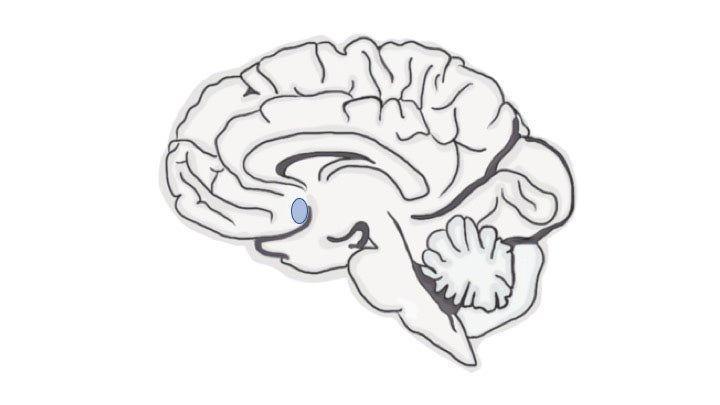
Brain drawing
The nucleus accumbens (represented in blue) is a part of the brain that controls motivation. Researchers from UC Davis compared samples of the nucleus accumbens in mice and humans to find clues to how this part of the brain is affected by stress and depression in males and females.

Previous analyses within the nucleus accumbens showed that different genes were turned on or off in women, but not in men diagnosed with depression. These changes could have caused symptoms of depression, or alternatively, the experience of being depressed could have changed the brain. To differentiate between these possibilities, the researchers studied mice that had experienced negative social interactions, which induce stronger depression-related behavior in females than males.

“These high-throughput analyses are very informative for understanding long-lasting effects of stress on the brain. In our rodent model, negative social interactions changed gene expression patterns in female mice that mirrored patterns observed in women with depression,” said study leader Alexia Williams, a doctoral researcher. “This is exciting because women are understudied in this field, and this finding allowed me to focus my attention on the relevance of these data for women’s health.”

After identifying similar molecular changes in the brains of mice and humans, researchers chose one gene, regulator of g protein signaling-2, or Rgs2, to manipulate. This gene controls the expression of a protein that regulates neurotransmitter receptors that are targeted by antidepressant medications such as Prozac and Zoloft. “In humans, less stable versions of the Rgs2 protein are associated with increased risk of depression, so we were curious to see whether increasing Rgs2 in the nucleus accumbens could reduce depression-related behaviorus,” said Professor Brian Trainor, senior author on the study.

When the researchers experimentally increased Rgs2 protein in the nucleus accumbens of the mice, they effectively reversed the effects of stress on these female mice, noting that social approach and preferences for preferred foods increased to levels observed in females that did not experience any stress.

“These results highlight a molecular mechanism contributing to the lack of motivation often observed in depressed patients. Reduced function of proteins like Rgs2 may contribute to symptoms that are difficult to treat in those struggling with mental illnesses,” Williams said.

Findings from basic science studies such as this one may guide the development of pharmacotherapies to effectively treat individuals suffering from depression, the researchers said.

“Our hope is that by doing studies such as these, which focus on elucidating mechanisms of specific symptoms of complex mental illnesses, we will bring science one step closer to developing new treatments for those in need,” said Williams.

Source: UC Davis

IBD and Depression is a Two-way Street

Photo by Andrea Piacquadio on Pexels

While irritable bowel disease (IBD) and depression are known to occur together, scientists report a clinical overlap of these conditions in the Journal of Gastroenterology and Hepatology, implying the existence of a two-way relationship. Patients diagnosed with IBD were nine times as likely to develop depression than the general population. Their siblings who did not suffer from IBD were almost two times as likely to develop depression.

Conversely, patients with depression were two times as likely to develop IBD, and their siblings without depression were more than one and a half times as likely to develop IBD.

“This research reveals a clinical overlap between both conditions, and is the first study to investigate the two-way association between IBD and depression in siblings,” said Bing Zhang, MD, a gastroenterologist with Keck Medicine and co-lead author of the study.

The researchers drew on the data of more than 20 million people from Taiwan’s National Health Insurance Research Database. For 11 years, they tracked patients with either IBD or depression and their siblings without either condition, comparing onset of depression or IBD with a control group of people without either condition, but with similar age, sex and socioeconomic status.

Zhang hypothesises that many factors may contribute to the bidirectional nature of the disorders, including environmental stressors, the gut microbiome and genetics.

“The finding that people with IBD are more prone to depression makes sense because IBD causes constant gastrointestinal symptoms that can be very disruptive to a patient’s life,” he said. “And the elevated depression risk among siblings of IBD patients may reflect caregiver fatigue if the siblings have a role in caring for the patient.”

What surprised researchers was that patients with depression were prone to IBD. Zhang speculates that this discovery may have to do with what is known as the gut-brain axis, a scientifically established connection between the gastrointestinal system and the central nervous system, which consists of the spinal cord and the brain.

For example, he said, inflammation of the brain, which plays a role in depression, may be linked to the inflammation of the gastrointestinal tract, a hallmark of IBD.

The researchers are not sure why siblings of patients with depression are more likely to be diagnosed with IBD. Zhang surmises that there may be a shared genetic susceptibility for either disease that presents differently in family members.

Zhang hopes that the study findings will encourage health care professionals to take both family history and the relationship between gastrointestinal and mood disorders into consideration when evaluating or treating patients with either IBD or depression.

Through more research and better understanding of the gut-brain axis, he envisions leveraging the newfound connection between the conditions to improve the prevention, diagnosis and treatment of IBD and mental disorders.

Source: University of Southern California – Health Sciences

Social Media Breaks Relieve Mental Health and Free up Time

Photo by Freestocks on Unsplash

Advising people to take a week-long social media break could lead to significant improvements in their wellbeing, depression and anxiety and could become a recommended part of maintaining mental health, according to the authors of a study published in Cyberpsychology, Behavior and Social Networking.

University of Bath researchers studied the mental health effects of a week-long social media break. Some participants were able to free up 9 hours a week of time otherwise spent scrolling Instagram, Facebook, Twitter and TikTok.

Their results suggest that just one week off social media improved individuals’ overall level of well-being, as well as reduced symptoms of depression and anxiety.

For the study, the researchers randomly allocated 154 individuals aged 18 to 72 who used social media every day into either an intervention group, where they were asked to stop using all social media for one-week or a control group, where they could continue scrolling as normal. At the beginning of the study, baseline scores for anxiety, depression and wellbeing were taken.

At the start of the study, average time spend on social media was 8 hours per week. After one week, the participants who were asked to take the one-week break had significant improvements in wellbeing, depression, and anxiety than those who continued to use social media, suggesting a short-term benefit.

Participants asked to take a one-week break reported using social media for an average of 21 minutes’ use compared to seven hours for the control group, with screen usage stats used to confirm adherence to the break. Lead researcher from Bath’s Department for Health, Dr Jeff Lambert explained: “Scrolling social media is so ubiquitous that many of us do it almost without thinking from the moment we wake up to when we close our eyes at night.

“We know that social media usage is huge and that there are increasing concerns about its mental health effects, so with this study, we wanted to see whether simply asking people to take a week’s break could yield mental health benefits.

“Many of our participants reported positive effects from being off social media with improved mood and less anxiety overall. This suggests that even just a small break can have an impact.

“Of course, social media is a part of life and for many people, it’s an indispensable part of who they are and how they interact with others. But if you are spending hours each week scrolling and you feel it is negatively impacting you, it could be worth cutting down on your usage to see if it helps.”

The team’s next steps include investigating short breaks in different populations (eg younger people) and to increase follow up time. If benefits persist, they speculate that this could help in mental health management.

Over the past 15 years, social media has undergone explosive growth. In the UK the number of adults using social media increased from 45% in 2011 to 71% in 2021. As many as 97% of 16 to 44-year-olds use social media, with scrolling being most frequent online activity.

Feeling ‘low’ and losing pleasure are core characteristics of depression, whereas anxiety is characterised by excessive and out of control worry. Wellbeing refers to an individual’s level of positive affect, life satisfaction and sense of purpose. According to the UK mental health organisation Mind, one in six people experience a common mental health problem like anxiety and depression in any given week.

Source: University of Bath

Antidepressant Use is No Better Long-Term for Depression

Depression, young man
Source: Andrew Neel on Unsplash

Over time, antidepressant use is not associated with significantly better health-related quality of life, compared to people with depression who do not take the drugs, according to a new study reported in PLOS ONE.

Depression disorder is known to have a significant impact on the health-related quality of life (HRQoL) of patients. While studies have shown the efficacy of antidepressant medications for treatment of depression disorder, these medications’ effect on patients’ overall well-being and HRQoL remains controversial.

Researchers used data on adult patients with depression drawn from the 2005-2015 United States’ Medical Expenditures Panel Survey (MEPS), a large longitudinal study that tracks the health services that Americans use. There were 17.47 million adult patients diagnosed with depression each year over the study, with two years of follow-up, and 57.6% of these received treatment with antidepressant medications.

Use of antidepressants was associated with some improvement on the mental component of SF-12 – the survey tracking health-related quality of life. However, when this positive change was compared to the change in group of people who were diagnosed with depressive disorder but did not take antidepressants, there was no statistically significant association of antidepressants with either the physical (p=0.9595) or mental (p=0.6405) component of SF-12. In other words, the change in quality of life seen among those on antidepressants over two years was not significantly different from that seen among those not taking the drugs.

The study was not able to separately analyse any subtypes or varying severities of depression. Future studies should investigate the use of non-pharmacological depression interventions used in combination with antidepressants, said the researchers.

The authors noted that, “Although we still need our patients with depression to continue using their antidepressant medications, long-term studies evaluating the actual impact for pharmacological and non-pharmacological interventions on these patients’ quality of life is needed. With that being said, the role of cognitive and behavioural interventions on the long term-management of depression needs to be further evaluated in an effort to improve the ultimate goal of care for these patients; improving their overall quality of life.”

Source: ScienceDaily

New Applications for Ketamine in Mental Health

Woman with depression
Photo by Sydney Sims on Unsplash

Researchers have identified the fast-acting dissociative anaesthetic ketamine has significant potential as a treatment for mental health conditions. First manufactured more than 50 years ago, ketamine is often used in veterinary and emergency medicine. It also has a history of being an illicit party drug.

In a recent study published in the British Journal of Psychiatry, the research team found ketamine to have significant anti-depressant and anti-suicidal effects. They also found evidence that even more benefits.

Led by Psychology Professor Dr Zach Walsh and doctoral student Joey Rootman, the research team arrived at this conclusion after analysing more than 150 worldwide studies on the effects of sub-anaesthetic ketamine doses for the treatment of mental illness.

“We found strong evidence that indicates ketamine provides rapid and robust anti-depressant and anti-suicidal effects, but the effects were relatively short-lived,” explained Rootman. “However, repeated dosing appeared to have the potential to increase the duration of positive effects.”

The study also provides limited evidence to suggest a possible use for ketamine in the treatment of other disorders, such as eating disorders, problematic substance use, post-traumatic stress and anxiety.

“What our research provides is an up-to-date overview and synthesis of where the knowledge on ketamine is at right now,” said Rootman. “Our results signal that ketamine may indeed have a broader spectrum of potential applications in psychiatric treatment—and that tells us that more investigation is needed.”

This study serves as a foundation for fellow researchers looking to design ketamine-related projects and offers valuable data for clinicians considering using ketamine with their patients.

The results also help to satisfy the public’s appetite for information on innovative and emerging psychiatric treatments, said Dr Walsh, explaining that the review provides a relatively compact document with evidence regarding which ketamine treatments may be helpful for diverse diagnoses.

With many people experiencing mental health disorders, Dr Walsh said that “the reality is that existing treatments don’t work for everyone. As a result, many Canadians are curious about new approaches to help with these serious conditions.”

Overall, while Dr Walsh acknowledges research into other treatment areas is just beginning, he finds the preliminary evidence encouraging.

“We need a lot more information on how these interventions could work – for example, administering the drug is only a part of treatment. We need to figure out what amount and type of psychotherapy would best compliment the drug intervention to really maximise potential benefits,” he explained. “With that being said, it is a truly exciting time for ketamine research. If it can deliver the relief that early evidence suggests it can, this could be among the most significant developments in mental health treatment in decades.”

Source: University of British Columbia

Access to Medical Marijuana Increases Risks for Abuse

Cannabis plants
Photo by Crystalweed Cannabis on Unsplash

A study found that access to medical marijuana to treat pain, anxiety, or depression symptoms led to cannabis use disorder (CUD) in a significant minority of individuals while failing to improve their symptoms. The Massachusetts General Hospital (MGH) study was published in JAMA Network Open. 

In the US, individuals are able to gain access to cannabis products using medical marijuana cards (MMCs), usually issued by a doctor. Researchers found the greatest risk of developing the addictive symptoms of CUD was in those seeking relief from anxiety and depression. This finding indicates the need for stronger safeguards over the dispensing, use, and professional follow-up of people who legally obtain cannabis through MMCs.

“There have been many claims about the benefits of medical marijuana for treating pain, insomnia, anxiety and depression, without sound scientific evidence to support them,” said lead author Jodi Gilman, PhD, with the Center for Addiction Medicine at MGH. “In this first study of patients randomised to obtain medical marijuana cards, we learned there can be negative consequences to using cannabis for medical purposes. People with pain, anxiety or depression symptoms failed to report any improvements, though those with insomnia experienced improved sleep.”

Dr Gilman was particularly disturbed by the fact that individuals with symptoms of anxiety or depression – the most common conditions which people seek medical cannabis for – were the ones most vulnerable to developing cannabis use disorder. CUD symptoms include a vicious circle of needing more cannabis because of growing tolerance, and seeking out cannabis to treat the psychological problems it causes.

“Medical” cannabis has surged in popularity in the US, as so far 36 of its 50 states have commercialised its use for myriad health conditions through medical marijuana cards. These cards require written approval of a licensed physician who, under the current system, is often not the patient’s primary care provider but rather a ‘cannabis doctor’ who may provide authorisation to patients with only a cursory examination, no recommendations for alternative treatments, and no follow-up. The medical marijuana industry effectively functions outside the regulations that apply to most fields of medicine.

The researchers started their trial in 2017 with 269 adults (average age of 37) who were interested in obtaining a medical marijuana card. One group was allowed to get MMCs immediately, while the second group, designed to serve as a control, was asked to wait 12 weeks before obtaining a card. Both groups were tracked over 12 weeks. The team found that the odds of developing CUD were nearly two times higher in the MMC cohort than in the wait list control group, and that by week 12, 10% of the MMC group had developed a CUD diagnosis, with the number rising to 20% in those seeking a card for anxiety or depression.

“Our study underscores the need for better decision-making about whether to begin to use cannabis for specific medical complaints, particularly mood and anxiety disorders, which are associated with an increased risk of cannabis use disorder,” said Dr Gilman. Regulation and distribution of cannabis to people with medical marijuana cards needs to be greatly improved, no matter the specific condition they are issued for. “There needs to be better guidance to patients around a system that currently allows them to choose their own products, decide their own dosing, and often receive no professional follow-up care.”

Source: Massachusetts General Hospital

Chronic Pain in Spinal Cord Injury Increases Mental Health Risk

Having a spinal cord injury increases risk of developing mental health conditions such as depression and anxiety by nearly 80% compared to those without the traumatic injury, a new study shows. However, chronic pain may have an equally large, negative effect on mental health.

The study, published in Spinal Cord, compared private insurance claims from more than 9000 adults with a traumatic spinal cord injury with those of more than 1 million without. Researchers accounted for a range of psychological conditions, from anxiety and mood disorders to insomnia and dementia.

People living with a spinal cord injury had a diagnosis of a mental health condition more often than those without – 59.1% versus 30.9%. While depression and adverse mental health effects are not inevitable consequences of every traumatic spinal injury, previous studies have consistently echoed higher levels of psychological morbidity among this group than the general population without spinal cord injuries.

However, this study found that chronic centralised and neuropathic pain among adults living with a spinal cord injury were robustly associated with post-traumatic stress disorder, substance use disorders and other mental health conditions. In most cases, chronic pain was an even greater influence on these conditions than exposure to living with the injury itself.

The study authors said the findings should prompt physicians to identify mental health conditions when seeing patients with spinal cord injuries and refer them for treatment.

“Improved clinical efforts are needed to facilitate screening of, and early treatment for, both chronic pain and psychological health in this higher-risk population,” said lead author Dr Mark Peterson, associate professor of physical medicine and rehabilitation at Michigan Medicine.

However, researchers note a lack of insurance coverage and limited available services will likely cause the issue to remain largely unaddressed.

“Stakeholders need to work together to lobby for more federal research funding and special policy amendments to ensure adequate and long-term insurance coverage for both physical and mental health to meet the needs of folks living with spinal cord injuries,” Dr Peterson said.

Source: EurekAlert!

In Chronic Disease, Psychiatric Comorbidity Doubles Mortality Risk

Photo by Sydney Sims on Unsplash

The risk of all-cause mortality among patients with chronic, non-communicable diseases is more than doubled if they also have a psychiatric comorbidity, according to a new study published in PLOS Medicine.

Non-communicable diseases such as diabetes and heart disease are a global public health challenge accounting for an estimated 40 million excess deaths annually. Researchers drew on Swedish health data for 1 million patients born between 1932 and 1995 who had diagnoses of chronic lung disease, cardiovascular disease, and diabetes. More than a quarter of the people in the analysis also had a co-occurring psychiatric disorder during their lives.

Within 5 years of diagnosis, 7% of the people included in the study had died from any cause and 0.3% had died from suicide. Comorbid psychiatric disorders were associated with higher all-cause mortality (15.4% to 21.1%) when compared to those without such conditions (5.5% to 9.1%). When compared with an unaffected sibling to account for familial risk factors, patients with psychiatric comorbidity remained consistently associated with elevated rates of premature mortality and suicide (7.2–8.9 times higher). Different psychiatric diagnoses affected mortality risks; in those with comorbid substance use disorder it was 8.3–9.9 times compared to unaffected siblings, and by 5.3–7.4 times in those with comorbid depression.

“Improving assessment, treatment, and follow-up of people with comorbid psychiatric disorders may reduce the risk of mortality in people with chronic non-communicable diseases,” the authors concluded.

Source: EurekAlert!

Why Antidepressants Take Weeks to Provide Relief

A healthy neuron.
A healthy neuron. Credit: NIH

The findings of a study published in Science Translational Medicine paint a new picture of how current antidepressant drugs work and suggest a new drug target in depression. As with most drugs, antidepressants were developed through trial and observation. Some 40% of patients with the disorder don’t respond adequately to the drugs, and when they do work, antidepressants take weeks to provide relief. Why this is has remained largely a mystery.

To figure out why these drugs have a delayed onset, the team examined a mouse model of chronic stress that leads to changes in behaviours controlled by the hippocampus. The hippocampus is vulnerable to stress and atrophies in people with major depression or schizophrenia. Mice exposed to chronic stress show cognitive deficits, a hallmark of impaired hippocampal function.

“Cognitive impairment is a key feature of major depressive disorder, and patients often report that difficulties at school and work are some of the most challenging parts of living with depression. Our ability to model cognitive impairment in lab mice gives us the chance to try and understand how to treat these kinds of symptoms,” said Professor Dane Chetkovich, MD, PhD, who led the study.

The study focussed on an ion transporter channel in nerve cell membranes known as the HCN channelPrevious work has shown HCN channels have a role in depression and separately to have a role in regulation of cognition. According to the authors, this was the first study to explicitly link the two observations.

Examination of postmortem hippocampal samples led the team to establish that HCN channels are more highly expressed in people with depression. HCN channel activity is modulated by a small signaling molecule called cAMP, which is increased by antidepressants. The team used protein receptor engineering to increase cAMP signaling in mice and establish in detail the effects this has on hippocampal HCN channel activity and, through that connection, on cognition.

Turning up cAMP was found to initially increase HCN channel activity, limit the intended effects of antidepressants and negatively impact cognition (as measured in standard lab tests).

However, a total reversal took place over a period of some weeks. Previous work by the researchers had established that an auxiliary subunit of the HCN channel, TRIP8b, is essential for the channel’s role in regulating animal behaviour. The new study shows that, over weeks, a sustained increase in cAMP starts to interfere with TRIP8b’s ability to bind to the HCN channel, thereby quieting the channel and restoring cognitive abilities.

“This leaves us with acute and chronic changes in cAMP, of the sort seen in antidepressant drug therapy, seen here for the first time to be regulating the HCN channel in the hippocampus in two distinct ways, with opposing effects on behaviour,” Prof Chetkovich said. “This appears to carry promising implications for new drug development, and targeting TRIP8b’s role in the hippocampus more directly could help to more quickly address cognitive deficits related to chronic stress and depression.”

Source: Vanderbilt University