Tag: covid

Home Monitoring of Blood Oxygen Levels Warns of Worsening COVID

Photo by Mufid Majnun on Unsplash

At-home monitoring of blood oxygen levels is a safe way for people with COVID to see if their condition is deteriorating, putting them in need emergency and hospital care, according to new research.

Pulse oximeters are readily available, relatively inexpensive devices. Studies have shown that a drop in blood oxygen levels is a critical indicator that a COVID patient’s health is deteriorating.

The study, published in Lancet Digital Health, carried out the first extensive evidence review of pulse oximetry and its potential in home monitoring for people with COVID.

Thirteen studies involving almost 3000 participants across five countries, were analysed, most of which were carried out during the first pandemic wave.

The investigators found that home oxygen monitoring, with medical guidance, was a safe and effective ‘safety net’ for who were ill with COVID at home, picking up early signs of deterioration and escalating care where necessary, thereby reducing the burden on strained clinical resources.

There was however a note of caution due to the lack of research on darker-skinned patients, in whom oximetry may be less accurate than in lighter-skinned people.

The researchers proposed some key recommendations to help standardise the practice of at-home oximetry for COVID monitoring.

The study makes the recommendation the use of a defined cutoff point in blood oxygen levels (92%), which will enable healthcare professionals to determine when a patient needs to go to hospital for treatment, or whether they can rule out the need for further care at the time.

Dr Ahmed Alboksmaty, Research Associate from the Institute of Global Health Innovation, said: “Throughout the pandemic, concern among the public has shifted from ‘Have I got COVID?’ to ‘If I got COVID, do I need to go to hospital?’. Our study shows that people with COVID can safely keep an eye on their blood oxygen levels at home using pulse oximetry. If their oxygen levels drop below a certain point, then this indicates that they need to seek professional medical care.

“Pulse oximetry is easy to self-use, affordable in cost, widely available, and as we have shown, a useful way to identify health deterioration in COVID patients.”

Some smartphones and mobile apps can also measure blood oxygen levels, which the researchers identify as a potentially widely accessible monitoring tool. However, though some studies have shown similar accuracies to conventional oximeters, the researchers say there is not enough evidence to support their use.

Current knowledge gaps also included insufficient data on whether pulse oximetry can improve the health outlook for patients.

Dr Ana Luisa Neves, Advanced Research Fellow from the Institute of Global Health Innovation, said: “Our research has demonstrated how the use of pulse oximetry in remote patient monitoring could help ease the strains on health systems during the COVID pandemic. However, it’s vital to ensure that the current lack of research in racially and ethnically diverse populations is addressed. It’s therefore critical to provide support to ensure this technology reduces, rather than entrenches, existing health inequalities.”

Source: Imperial College London

New ACC Expert Consensus Decision Pathway on Cardiovascular Sequelae of COVID

Anatomical model of a human heart
Photo by Robina Weermeijer on Unsplash

The American College of Cardiology has issued an expert consensus decision pathway for the evaluation and management of adults with key cardiovascular consequences of COVID. The document discusses myocarditis and other types of myocardial involvement, patient-centred approaches for long COVID and guidance on resumption of exercise following COVID. The clinical guidance was published today in the Journal of the American College of Cardiology.

“The best means to diagnose and treat myocarditis and long COVID following SARS-CoV-2 infection continues to evolve,” said Ty Gluckman, MD, MHA, co-chair of the expert consensus decision pathway. “This document attempts to provide key recommendations for how to evaluate and manage adults with these conditions, including guidance for safe return to play for both competitive and non-competitive athletes.”

Myocarditis

Myocarditis is a condition defined by the presence of cardiac symptoms such as chest pain, an elevated cardiac troponin, and abnormal ECG, cardiac imaging and/or cardiac biopsy findings.

Although rare, myocarditis with COVID is more commonly seen in men, and since it is associated with a higher risk of cardiac complications, a proactive management plan should be in place. For mild or moderate myocarditis, hospitalisation is recommended to closely monitor for worsening symptoms, while undergoing follow-up testing and treatment. Patients with severe myocarditis should ideally be hospitalised at appropriately equipped centres.

Myocarditis following COVID-19 mRNA vaccination is also rare and the benefits outweigh the risks. It is most commonly seen in younger males (40.6 cases per million for ages 12–29). Although most cases of myocarditis following COVID mRNA vaccination are mild, it should be diagnosed and treated similarly to myocarditis following COVID infection.

Long COVID

Post-acute sequelae of SARS-CoV-2 infection (PASC), or long COVID, is reported by up to 10-30% of infected individuals. It is defined by a constellation of new, returning or persistent health problems experienced by individuals four or more weeks after COVID infection. While individuals with this condition may experience wide-ranging symptoms, tachycardia, exercise intolerance, chest pain and shortness of breath represent some of the symptoms that draw increased attention to the cardiovascular system.

The writing committee has proposed two terms to better understand potential aetiologies for those with cardiovascular symptoms:

PASC-CVD, or PASC-Cardiovascular Disease, refers to a broad group of cardiovascular conditions (including myocarditis) that manifest at least four weeks after COVID infection.

PASC-CVS, or PASC-Cardiovascular Syndrome, includes a wide range of cardiovascular symptoms without objective evidence of cardiovascular disease following standard diagnostic testing.

Generally, patients with long COVID and cardiovascular symptoms should undergo evaluation with laboratory tests, ECG, echocardiogram, ambulatory rhythm monitor and/or additional pulmonary testing based on the clinical presentation. Cardiology consultation is recommended for abnormal test results, with additional evaluation based on the suspected clinical condition (eg, myocarditis).

Because multiple factors likely underlie PASC-CVS, evaluation and management may be best driven by the predominant cardiovascular symptom(s). For those with tachycardia and exercise intolerance, increased bedrest and/or a decline in physical activity may trigger cardiovascular deconditioning with progressive worsening of symptoms.

“There appears to be a ‘downward spiral’ for long COVID patients. Fatigue and decreased exercise capacity lead to diminished activity and bedrest, in turn leading to worsening symptoms and decreased quality of life,” said Nicole Bhave, MD, co-chair of the expert consensus decision pathway. “The writing committee recommends a basic cardiopulmonary evaluation performed upfront to determine if further specialty care and formalized medical therapy is needed for these patients.”

For PASC-CVS patients with tachycardia and exercise intolerance, upright exercise (walking or jogging) should be replaced with recumbent or semi-recumbent exercise (rowing, swimming or cycling) to avoid worsening fatigue. Exercise intensity and duration should be low initially, with gradual increases in exercise duration over time. Transition back to upright exercise can be done as  symptoms improve. Additional interventions (increased salt and fluid intake, elevation of the head during sleep, support stockings) and pharmacological treatments (beta-blockers) should be considered on a case-by-case basis.

Return to Play

Concerns arose about return to play for athletes after COVID due to observations of cardiac injury among some hospitalised COVID patients, along with uncertainty around cardiovascular sequelae after mild illness. However, data do not show a low prevalence of clinical myocarditis and no increase of cardiac events.

For athletes recovering from COVID with ongoing cardiopulmonary symptoms or those requiring hospitalisation with increased suspicion for cardiac involvement, further evaluation with triad testing (ECG, cardiac troponin and echocardiogram) should be performed. For those with abnormal test results, further evaluation with cardiac MRI should be considered. Individuals diagnosed with clinical myocarditis should abstain from exercise for three to six months.

Cardiac testing is not recommended for asymptomatic individuals following COVID infection. Individuals should abstain from training for three days to ensure that symptoms do not develop. For those with mild or moderate non-cardiopulmonary symptoms (fever, lethargy, muscle aches), training may resume after symptom resolution. For those with remote infection (≥ three months) without ongoing cardiopulmonary symptoms, a gradual increase in exercise is recommended without the need for cardiac testing.

Based on the low prevalence of myocarditis observed in competitive athletes with COVID-19, the authors note that these recommendations can be reasonably applied to high-school athletes (aged ≥ 14 years) along with adult recreational exercise enthusiasts. Future study is needed, however, to better understand how long cardiac abnormalities persist following COVID infection and the role of exercise training in long COVID.

Source: American College of Cardiology

Croup – A Previously Unrecognised COVID Complication in Young Children

Parent with a sick child
Photo by Cottonbro on Pexels

With the spread of omicron infections in young children, doctors have observed the rise of a previously unrecognised COVID complication: croup. Published in Pediatrics, physicians at Boston Children’s Hospital reported on 75 children admitted to the emergency department (ED) with croup and COVID.

The children appeared at the ED from from March 1, 2020 through January 15, 2022. Some cases were surprisingly severe, requiring hospitalisation and more medication doses compared to croup caused by other viruses. Just over 80% occurred during the omicron period. The report was published March 8 in a pre-publication in.

“There was a very clear delineation from when omicron became the dominant variant to when we started seeing a rise in the number of croup patients,” said  Ryan Brewster, MD, first author of the report.

Laryngotracheitis, commonly known as croup, is a common respiratory illness in babies and young children. It is marked by a distinctive barking cough and sometimes stridor. It happens when viral infections cause swelling around the upper respiratory tract. In severe cases, including some seen at Boston Children’s, it can dangerously constrict breathing.

COVID studies in animals have found that the omicron strain ‘prefers’ the upper airway more than earlier variants, which mainly targeted the lower respiratory tract. This may account for the sudden appearance of croup during the omicron surge, said Dr Brewster.

In keeping with the general pattern of croup, most of the children with COVID and croup were under two years old, and 72% were boys. Except for one child with a common cold virus, none had a viral infection other than SARS-CoV-2.

Although all the children survived, nine of the 75 children with COVID-associated croup (12%) required hospitalisation and four of them (44%, or 5%of the total) required intensive care. (By comparison, before COVID, fewer than 5% of children with croup were hospitalised, and of those, only 1 to 3% required intubation.)

Overall, 97% of the children were treated with dexamethasone, a steroid. All of those who were hospitalised received racemic epinephrine via nebuliser, which is reserved for moderate or severe cases, as did 29% of children treated in the ED. Those who were hospitalised needed a median of six doses of dexamethasone and 8 nebulised epinephrine treatments to control their symptoms.

“Most cases of croup can be managed in the outpatient setting with dexamethasone and supportive care,” said Dr Brewster. “The relatively high hospitalisation rate and the large number of medication doses our COVID croup patients required suggests that COVID might cause more severe croup compared to other viruses. Further research is needed to determine the best treatment options for these children.”

Source: EurekAlert!

Global COVID Death Toll Likely Three Times Higher than Official Estimates

COVID heat map. Photo by Giacomo Carra on Unsplash

According to an analysis of excess mortality published in The Lancet, COVID’s global death toll could be as much as three times higher than official estimates.

From the start of 2020 to the end of 2021, official estimates of the global deaths directly attributed to COVID-19 5.9 million, however this new estimate puts excess deaths at a staggering 18.2 million.

The highest number of excess deaths were reported for India (4.07 million), more than eight times its 489 000 reported COVID deaths, followed by the U.S. (1.13 million), where the official count reached 824,000 by the end of 2021. According to the study, the excess mortality rate in the US (179.3 per 100 000) was about on par with Brazil (186.9 per 100,000). South Africa’s mortality rate was 293·2 per 100 000, just below the rate for Southern Sub-Saharan Africa (308.6 per 100 000). Sub-Saharan Africa’s mortality rate was 101.6 per 100 000, as a result of significant regional variation.

First author Haidong Wang, PhD, of the University of Washington, said in a statement: “Understanding the true death toll from the pandemic is vital for effective public health decision-making. Studies from several countries including Sweden and the Netherlands, suggest COVID-19 was the direct cause of most excess deaths, but we currently don’t have enough evidence for most locations.”

The massive undertaking derived models using all-cause mortality reports for 74 countries and territories and 266 subnational locations, which included 31 locations in low and middle-income countries. These locations reported all-cause death from 2020-2021, and up to 11 years prior. Excess mortality reports were also obtained for the 9 South African provinces 12 Indian states.

Overall, the global rate of estimated excess mortality from COVID was 120.3 deaths per 100 000. A total of 21 countries exceeded 300 per 100 000, with Bolivia having the highest mortality rate at 734.9 per 100 000. Bulgaria, Eswatini, North Macedonia, and Lesotho had the next highest mortality rates. Iceland had the lowest excess mortality rate (-47.8 per 100 000). Australia, Singapore, New Zealand, and Taiwan also had negative excess mortality rates.

Behind India and the U.S. for most excess deaths were Russia (1.07 million), Mexico (798 000), Brazil (792 000), Indonesia (736 000), and Pakistan (664 000). These seven countries were noted to account for more than half of the excess deaths globally during the study period.

Changes in mortality rates also reflected the impact of other diseases suppressed by the same measures that limited the spread of COVID. The researchers wrote: “The most compelling evidence to date of a change in cause-specific mortality in the pandemic period is the decrease, especially in the Northern Hemisphere, in flu and respiratory syncytial virus (RSV) deaths seen in the months of January to March, 2021,” they added. “Given the scarce and inconsistent evidence of the effect of the COVID-19 pandemic on cause-specific deaths, and the extremely scarce high-quality data on causes of death during the pandemic, our excess mortality estimates reflect the full impact of the pandemic on mortality around the world … not just the deaths directly attributable to SARS-CoV-2 infection.”

Limitations included different modelling strategies being used to estimate excess mortality rate, and excess mortality rate by week or month was not estimated.

Source: MedPage Today

Aspen to Locally Produce COVID Vaccine ‘Aspenovax’ for the African Continent

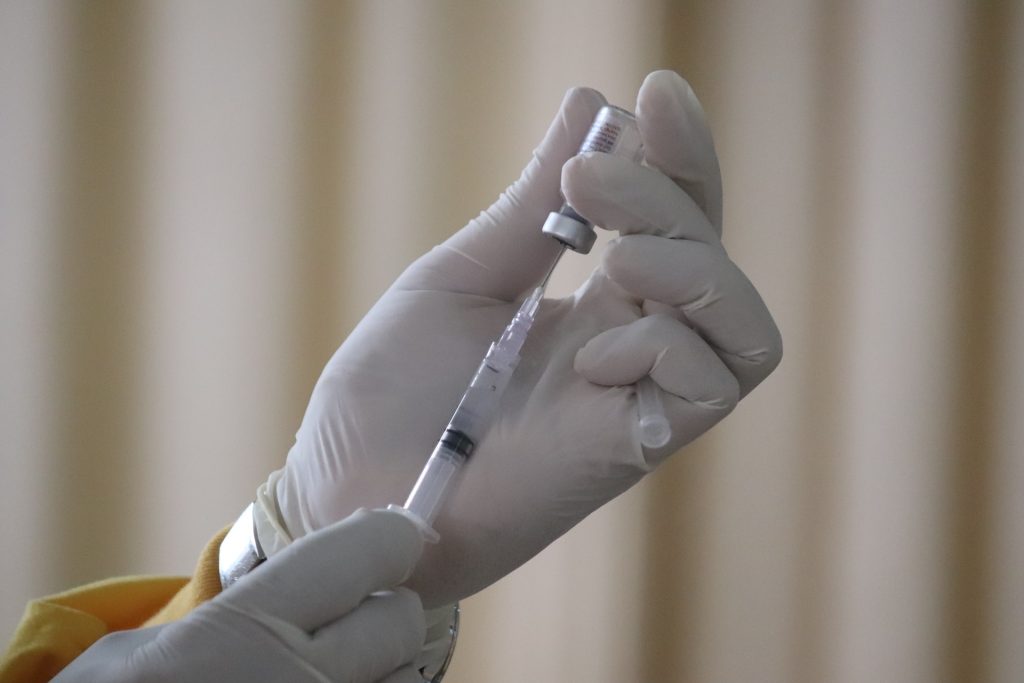
Syringe withdrawing from vaccine vial
Photo by Mufid Majnun

In a news release, pharma giant Aspen has announced that it has concluded an agreement with Johnson & Johnson to manufacture an Aspen-branded COVID vaccine, Aspenovax, and to make it available throughout Africa.

This follows on from the November 2021 announcement of an agreement of terms between the two companies. This new agreement will expand the existing technical transfer and manufacturing agreements between the companies.

The agreement will grant Aspen’s South African subsidiary the rights to manufacture finished Aspenovax product from drug substance supplied by J&J. It will also make Aspenovax available to markets in Africa through transactions with designated multilateral organisations and with national governments of member states of the African Union.

Under the agreement, Aspen has secured the necessary intellectual property from Johnson & Johnson for production. There is also a good faith undertaking between the companies to expand the agreement to cover any new versions of the drug substance, such as those developed for new variants or a different formulation for administration as a booster.

The agreement will last through to the end of 2026.

Commenting on this agreement, Dr Matshidiso Moeti, World Health Organization Regional Director for Africa said: “This important agreement on sharing know-how and technologies for the production of COVID vaccines is a huge leap forward towards realising our shared vision for medicines and vaccines to be manufactured on the African soil for the African people. Vaccines are our best way out of this pandemic and local production is an essential recipe for our success.”

Stephen Saad, Aspen Group Chief Executive said: “Even with all the support in the world, none of this would be possible without the competence of our teams at Gqeberha. They knew the weight of a continent’s ambitions rested on their shoulders. They persevered and succeeded in becoming a significant supplier within the Johnson & Johnson network. Aspenovax has become a reality due to the confidence placed in their abilities. They are our African heroes.”

The Pandemic’s Negative Impact on Women in Academic Medicine

Female scientist in laboratory
Photo by Gustavo Fring from Pexels

Like women in every other sector of the economy, the COVID pandemic has negatively impacted those working in academic medicine according to a commentary which appears in Nature Medicine.

Co-author Anne B. Curtis, MD, professor at the University at Buffalo, laid out the problem: “During the first year of the pandemic, when schools shut down and went to 100% remote learning, we saw that it affected women disproportionately, having to stay home and teach their children while their research languished.”

Even before the COVID pandemic, women in academic medicine were paid less than men in comparable positions, received lower startup funds for laboratory research and were promoted later.

Additionally, they wrote that, compared to men, women have fewer “conventional markers of achievement” in academia, such as principal investigator positions on research grants. Women write fewer grant applications; they have fewer grant renewals; they get lower funding amounts for initial grants; and are first or last author on fewer papers.

The reasons for these are well known, the authors wrote.

“Society expects women to assume the major portion of the burden for child rearing, and women themselves feel an obligation to put family above their own needs, to the detriment of their own career development,” she said. “There still isn’t the sharing of responsibilities in two-career families to mitigate these problems.”

The paper includes a detailed ‘menu’ of proposed solutions. These include providing financial support to hire technicians for two to three years to carry on lab research while women researchers focus on child care at home, or otherwise supporting child care at home so women can continue their lab research.

The paper also proposes slowing down tenure clocks, delaying the tenure decision by two to three years to make up for lost time while women give birth and care for young children.

In addition to such programs, the list includes a category of solutions termed “cultural,” described as creating the cultural expectation that gender equity is a shared responsibility and incorporating those expectations into bonuses and merit raises of institutional leaders. Also included is the need to engage university and hospital boards of trustees to support gender equity.

Prof Curtis said that the paper aims to highlight the persistence of these gender differences persist and that global phenomena like the pandemic only worsen them.

“As much as we would like to think that gender differences in career development no longer exist, they do, and they adversely affect women more than men,” she said. “Understanding these issues and implementing solutions are the best ways to minimise potentially adverse effects on women’s careers.”

As the pandemic and its associated restrictions ease, Prof Curtis warned, “The situation is improving now that schools are open, but the next pandemic may only be a mutation away.”

Source: Buffalo University

COVID Battle not Over as Many Countries Continue to Struggle

Image by Quicknews

Two years into the pandemic, and the COVID battle is not over for much of the world, warns the International Federation of Red Cross and Red Crescent Societies (IFRC). Many countries lack the capacities to transition to ‘a new normal’: high vaccination coverage, strong healthcare systems or testing capacities. The crisis will not be over until everyone has the same access to these tools, the IFRC says.

Francesco Rocca, IFRC President, said: “’Living with the virus’ is a privilege that many countries and communities around the world cannot enjoy. Ensuring equitable access to vaccines, diagnostics and treatments will not only save lives, but will also protect the world against the emergence of new and more dangerous variants. It is the only path to normalcy. None of us is safe until we all are.”

Red Cross Red Crescent staff and volunteers are constantly working to close the equity gap, ensuring that vaccines make it to the vulnerable individuals and communities that desperately need them. Their role is crucial, not only in vaccination but in informing communities, building trust, and dispelling COVID vaccine misinformation. They have now reached over 300 million people through immunisation activities.

In countries like Zambia, where health systems are fragile and rumours around vaccines are spreading fast, vaccine supply is just one of numerous obstacles. The Zambia Red Cross Society’s mobile COVID vaccination campaign takes vaccines directly to people in hard-to-access areas. Volunteers mobilise communities for vaccination, raise awareness about the mobile vaccination centres, provide information about vaccines and engage local leaders as advocates for healthy behaviour change.

Afghanistan’s health system is struggling as a new wave of COVID infections hits. Afghan Red Crescent is ramping up services at its health clinics across the country and its COVID hospital in Kabul, while supporting nationwide vaccination efforts and running information campaigns on preventing the spread of the virus.

A record surge of infections in the Pacific region is threatening to overwhelm hospitals and health systems which, until now, have largely avoided the worst of the pandemic. In countries like Fiji and Vanuatu, with more than 165 inhabited islands, Red Cross volunteers have been travelling by car, boat and foot to reach remote communities to increase awareness about COVID and get people vaccinated.

COVID not only thrives on inequality but deepens it. Women, urban communities and migrants have been disproportionately affected by the devastating socioeconomic impacts. More than 5 million children have also lost a parent or another caregiver to COVID. Psychosocial support has been at the centre of Red Cross Red Crescent work, and volunteers are seeing a significant rise in mental health support needs.

Source: International Federation of Red Cross and Red Crescent Societies (IFRC)

COVID Infection not Associated With Increased New-onset Diabetes Risk

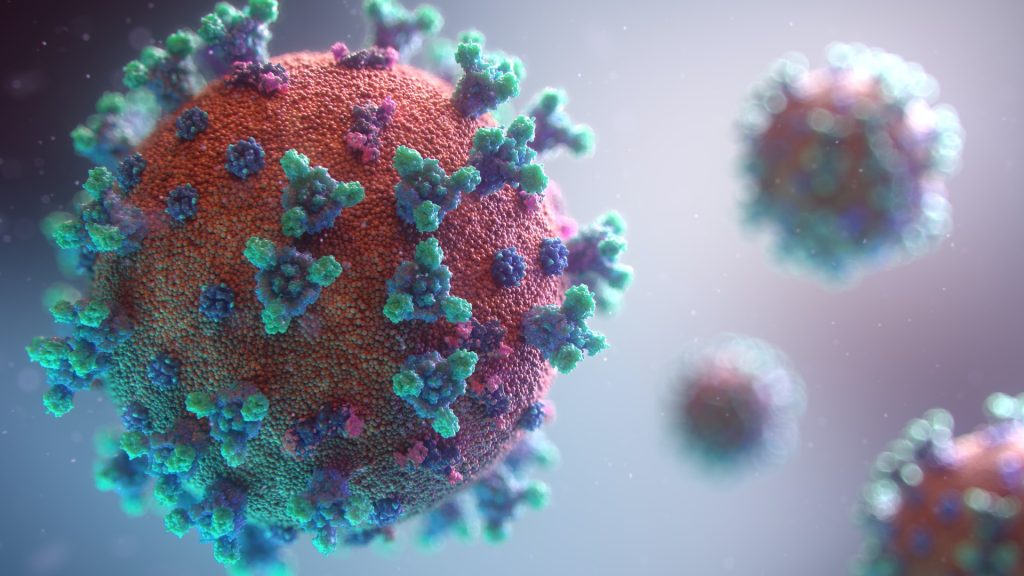
Source: Fusion Medical Animation on Unsplash

Using in vitro modelling the SARS-CoV-2 infection of human pancreatic cells, researchers have found that COVID infection is likely not associated with an increased new-onset diabetes risk. At the same time, another study has suggested that in hospitalised COVID patients, it may be a temporary form of the disease resulting from the acute stress of viral infection.

The findings, which are to appear in Cell Reports, address concerns raised over the past 18 months that infection with SARS-CoV-2 may trigger new-onset diabetes.  However, the supporting evidence for this has remained sparse, with at times conflicting evidence impeding with a proper risk assessment.

The team of researchers at the Icahn School of Medicine at Mount Sinai demonstrated that SARS-CoV-2 targets virtually all types of pancreatic cells, not just the insulin-producing beta cells, using the ACE2 receptor to gain access. However, the infection in the pancreas remained highly circumscribed, largely non-cytopathic and despite high viral burden in infected subsets, promoted only modest cellular perturbations and inflammatory responses.

Similar experimental outcomes were also observed after in vitro infection with endemic coronaviruses not previously associated with diabetes. Taken together, these findings challenge the notion that direct beta cell infection and destruction by SARS-CoV-2 can precipitate diabetes onset.

“Our provisional conclusions indicate that SARS-CoV-2 infection is likely not associated with an increased risk for new-onset diabetes,” said study leader Dirk Homann, MD, Professor of Medicine at Icahn Mount Sinai. “However, a history of SARS-CoV-2 infection may yet promote prolonged glycometabolic perturbations and even an increase in cumulative diabetes risk in vulnerable populations. Over the next few years, we need to pay careful attention to emerging observational and retrospective studies that determine diabetes incidence rates of previously SARS-CoV-2-infected individuals.”

To evaluate permissiveness of human pancreatic islet cells to in vitro SARS-CoV-2 infection, the team of researchers employed an in vitro infection model of primary human pancreatic islets with SARS-CoV-2 as well as endemic human coronaviruses. The team precisely delineated pancreatic infection patterns and associated cellular changes at the single-cell level. Altogether, they found that the extent and consequences of pancreatic SARS-CoV-2 infection, even under in vitro conditions of enhanced virus exposure, remained decidedly limited.

“Concerns surrounding the possibility that infection with SARS-CoV-2, the etiological agent of COVID, may cause new-onset diabetes persist amidst an evolving research landscape,” said Verena van der Heide, MD, PhD, co-first author of the study and postdoctoral research fellow at the Icahn School of Medicine at Mount Sinai. “Our findings stand in notable contrast to three recent reports that also based their speculation about the diabetogenic potential of SARS-CoV-2 on in vitro infection of human islets. As detailed in our manuscript, however, we believe that our careful experimental design and comprehensive analysis strategy make a compelling case for the considerable limits of pancreatic SARS-CoV-2 infection.”

“There are strong epidemiological associations between COVID infection in humans and diabetes, but whether the SARS-CoV-2 virus actually infects and damages the insulin-producing cells in the human pancreas, the so-called ‘beta cells,’ has been highly controversial,” said Andrew Stewart, MD, Director of the Diabetes, Obesity and Metabolism Institute at Icahn Mount Sinai. “This study by Dr. Homann and his collaborators in Mount Sinai’s Precision Immunology Institute and the Department of Microbiology provides strong evidence that SARS-CoV-2 causes little or no damage to beta cells, making it unlikely that COVID infection can predispose to development of Type 1 diabetes.”    

The conclusions they came to are in line with a 2020 report by Dr Homann and his team, showing that ACE2 receptors and other entry factors are lacking among islet endocrine cells but readily detected in microvascular and ductal structures of the pancreas.

Meanwhile, a second, separate study of 594 individuals who exhibited signs of diabetes mellitus during the early pandemic showed that half of the 79 patients without a diabetes diagnosis reverted to normal blood sugar levels by one year.

“We believe that the inflammatory stress caused by COVID may be a leading contributor to ‘new-onset’ or newly diagnosed diabetes,” said Sara Cromer, MD, lead author of the second study. “Instead of directly causing diabetes, COVID may push patients with pre-existing but undiagnosed diabetes to see a physician for the first time, where their blood sugar disorder can be clinically diagnosed. Our study showed these individuals had higher inflammatory markers and more frequently required admission to hospital ICUs than COVID patients with pre-existing diabetes.”

The second study was published in the Journal of Diabetes and its Complications.

Source: Mount Sinai Medical Center

SA COVID Study: ‘No Longer at Code Red’, Prof Madhi Says

Image from Pixabay

Commenting on a recently published South African study showing a high COVID antibody sero-prevalence and decoupling of hospitalisation and death rates, first author Professor Shabir Madhi said that “we [are] no longer at “code red’.”

The study, published in the New England Journal of Medicine, was conducted in Gauteng from October 22 to December 9, 2021, showed a high sero-positivity rate even as the Omicron wave started. Under-12s (56%) had the lowest rate of sero-positivity, while it was 80% in over-50s and 85% in inner city residents. Unsurprising, vaccinated individuals had much higher rates (93%) than unvaccinated ones (68%). Epidemiologic data showed that the incidence of COVID infection increased and subsequently declined more rapidly during the fourth wave than it had during the three previous waves.

The researchers imputed 10.4 million infections, compared to the <1 million COVID cases recorded before Omicron. The researchers also evaluated COVID epidemiologic trends in the province, including cases, hospitalisations, recorded deaths, and excess deaths from the start of the pandemic through January 12, 2022.

At time of Omicron wave onset, 59159 Covid attributable deaths using excess mortality data (rate 396/100,000) in Gauteng. Infection fatality risk for Gauteng 0.57% pre-omicron (substantially higher than 0.019% imputed for seasonal flu pre-Covid calculated using similar methods).

In Gauteng at the start of the Omicron wave. vaccine coverage 36% for at least 1 dose in Gauteng, but 61% in over-50s (responsible for >80% deaths pre-Omicron). The sero-survey showed that, 70% of vaccinated were also infected pre-omicron, indiciating a substantial prevalence of hybrid immunity

Prof Madhi further noted analysis of the incidence trends shows a “massive decoupling” of COVID cases to hospitalisation and death rates over the course of Omicron dominance, which was seen in all age groups.
Omicron was responsible for only 3% of COVID deaths compared to 50% for those in Delta-dominant waves. In the 50-59 age group, Omicron was responsible for only 2% of deaths compared to 53% of Delta-dominant deaths.

They also found that children under 12 were not seriously affected during the Omicron wave, with the Omicron wave making up 26% of hospitalisations and 17% of deaths versus 39% and 47%, respectively with the Delta wave.

The researchers concluded that the SA experience indicates that we are now moving into the convalescent phase of the COVID pandemic. Prof Madhi noted in his tweets that this is likely to be similar in other countries that have had a low or modest vaccine uptake, but which have also seen high rates of natural infection – which, in low- and middle-income countries, has likely been accompanied by significant under-reporting of COVID fatalities. 

Given low rates of vaccine rollout and donations, Africa should focus on vaccinating its vulnerable elderly population, Prof Madhi recommended.

He tweeted that SA had expressed optimism that the pandemic had reached a turning point “which many in high income countries dismissed as ’empirical’ and not applicable to their settings despite high vaccine coverage,” subsequently materialised around the world wherever COVID was “not [a] zero-sum game.”

Severe COVID Raises Risk of Pregnancy Complications

Source: Pixabay

A University of Oxford study of over 4000 pregnant women indicates that severe COVID in pregnancy increases the risk of pre-labour caesarean birth, a very or extreme preterm birth, stillborn birth, and the need for admission to a neonatal unit.  

The study, published in Acta Obstetricia et Gynecologica Scandinavica, included 4436 pregnant women hospitalised in the UK with symptomatic COVID from March 1, 2020 to October 31, 2021, of whom 13.9% of had severe COVID. As well as having increased risks of adverse pregnancy-related outcomes, women with severe infection were more likely to be aged 30 years or over, be overweight or obese, be of mixed ethnicity, or have gestational diabetes compared with those with mild or moderate infection.  

“This new analysis shows that certain pregnant women admitted to a hospital with COVID face an elevated risk of severe disease. However, it shows once again the strongly protective effect of vaccination against severe disease and adverse outcomes for both mother and baby,” said senior author Marian Knight, FMedSci, of the University of Oxford. “This study emphasises the importance of ensuring that interventions to promote vaccine uptake are particularly focused towards those at highest risk.”

Source: Wiley