A study that used data for 1.1 million children in Bavaria found that SARS-CoV-2 infection was linked to an increased risk of a diagnosis of type 1 diabetes. The findings, which are published in JAMA, also point to a direct effect of COVID on the development of type 1 diabetes.
Different studies have documented an increased incidence of type 1 diabetes during the COVID pandemic. However, none of the studies distinguishes between children with and without SARS-CoV-2 infection.
Researchers at Helmholtz Munich and TU Dresden, in cooperation with the Kassenärztliche Vereinigung Bayern (KVB) used a database to make an analysis of the temporal relationship between a COVID diagnosis and the diagnosis of type 1 diabetes. Amongst the analysed children without type 1 diabetes diagnosis before the start of the pandemic, 16.6% had a diagnosis of COVID between January 2020 and December 2021.
SARS-CoV-2 infection associated with an increased risk of type 1 diabetes in children
The researchers’ initial findings were consistent with data from Germany and other countries: the incidence rate of type 1 diabetes in children between the ages of two and 12 years was around 50% higher in the years 2020 to 2021 as compared to the incidence rate in 2018 to 2019. Important and novel, they found that the development of type 1 diabetes in 2020 to 2021 was higher in the children with COVID. The likelihood to develop type 1 diabetes was increased by 57% in children who had a confirmed SARS-CoV-2 infection compared to non-infected children. The increase in type 1 diabetes incidence occurred in the same quarter as the COVID diagnosis and also in later quarters.
The new data point to a direct effect of SARS-CoV-2 infection on the development of type 1 diabetes
“We are cautious in our interpretation, but the findings suggest that the virus could either promote initiation of the underlying autoimmunity in type 1 diabetes or accelerate the progression of the disease in children with existing autoimmunity,” says Ezio Bonifacio, last author of the study. Further studies will be needed, to elucidate the exact mechanism driving the increased incidence of type 1 diabetes during the COVID pandemic in young children.
Further studies planned
The team of researchers also has access to cohorts of prospectively followed children from the Global Platform for the Prevention of Autoimmune Diabetes (GPPAD) and the Fr1da Study. “We want to look into these cohorts to see whether the development of islet autoantibodies and/or type 1 diabetes was increased in the children after SARS-CoV-2 infection,” says Anette-Gabriele Ziegler, Director of the Helmholtz Munich Institute of Diabetes Research and GPPAD researcher. The findings of these studies will help to determine whether vaccination against COVID should be considered in children at risk for type 1 diabetes.
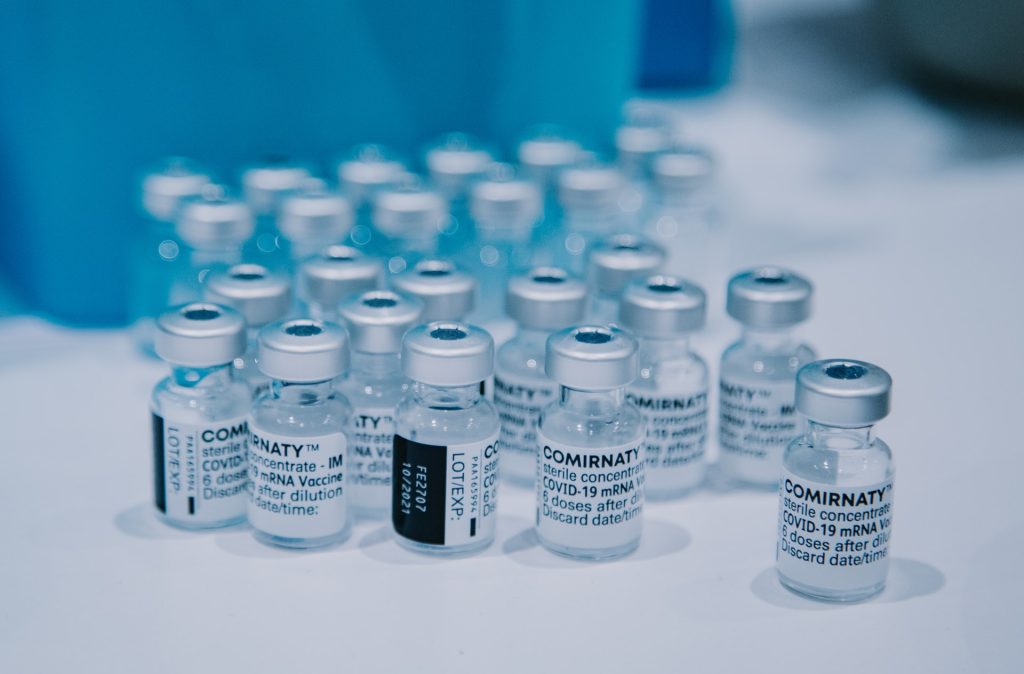
Millions of doses of the Pfizer-BioNtech COVID-19 vaccine procured by the South African government have expired and the shot is largely unavailable to people in the country.
Several people who have contacted Spotlight have expressed “frustration” and “dismay” that despite government having announced in February that it was sitting on a massive stockpile of almost 30 million vaccines, they are struggling to access the Pfizer shot.
Explaining the vast quantity of unused vaccines, the Health Department at the time said vaccine uptake has been low due to decreasing cases, people’s erroneous perception that the pandemic is over, and hesitancy affected by vaccine disinformation.
Expired but not expired?
National Department of Health spokesperson Foster Mohale confirmed that seven million Pfizer doses had expired but they would not be disposed of. Instead, the vaccine manufacturers would test the vaccines to ensure continued safety and efficacy. The South African Health Products Regulatory Authority (SAHPRA) will review the test results and, if satisfied that the vaccine will still work as well as data showed before, they will approve an extended shelf life.
The remaining estimated 23 million Johnson and Johnson (J&J) vaccine doses in South Africa are due to expire in 2024 and 2025.
“The expiry of a vaccine is not the same as the expiry date of food which cannot be extended,” Mohale says, adding that the Pfizer vaccine has a short shelf life and that the vaccine’s expiry date has been extended twice in the past. He says the testing should be done by June and the Pfizer shots would become available in July.
Photo by Mat Napo on Unsplash
A mother from East London, who is hoping to emigrate to the United States, told Spotlight that she was “frantically” trying to get shots for her 12-year-old son in time to leave. In South Africa, none of the currently available COVID-19 vaccines have been authorised for use in children under the age of 16. Elsewhere in the world, for example, in the United States, the Pfizer vaccine has been tested and authorised for use for children from the age of 12. “It is mandatory that he get the vaccine before entering the United States,” she says.
An intern responding to people’s questions on the Department of Health’s hotline says, “Many callers have phoned in stressing about travelling, emigrating, or getting vaccinated for the first time. We have been told that there are very few sites that still have some stock. If people have had two Pfizer doses, they can boost with a J&J dose. However, if they have only had one Pfizer, they will have to wait.”
The public exasperation expressed directly to Spotlight and on social media also relates to the health department’s vaccination website being outdated and it being hard to find places to get vaccinated. As GroundUp reported in January, getting a COVID-19 booster jab is not as easy as it should be.
‘The pandemic is not over’
Referring to the World Health Organization’s (WHO) lifting of the COVID-19 Public Health Emergency of International Concern(PHEIC) on May 5th, Mohale says, “The pandemic is not over and people, especially those who are at highest risk of severe disease and death should get vaccinated.” These included people with co-morbidities and the elderly. He says vaccination for COVID-19 has been integrated into routine primary healthcare facilities, which is where people should go for their jabs.
WHO director-general Tedros Ghebreyesus said it was the end of the emergency phase but not the end of the threat of COVID-19. In the week prior to the announcement, he said the disease claimed a life (globally) every three minutes, “and that’s just the deaths we know about”.
The decision to lift the emergency was based on the decreasing number of deaths and hospitalisations from COVID-19, the high levels of population immunity against SARS-CoV-2, and the widespread availability of COVID-19 vaccines and treatments.
Ghebreyesus warned that the COVID-19 pandemic is not over and that the virus could still pose a serious threat to public health. The WHO has urged countries to continue to monitor the situation closely and to maintain preparedness measures, such as surveillance, testing, and contact tracing.
Some experts have criticised the WHO’s decision to end the emergency phase, arguing that it is premature and could lead to a resurgence of the pandemic. Others have defended the decision, arguing that it is based on the best available evidence and that it is important to give countries the flexibility to manage the pandemic in a way that best suits their own circumstances.
‘Momentous’ announcement
Professor Salim Abdool Kariem, Director of CAPRISA, described the announcement as “momentous”. Writing in his regular COVID-19 updates blog, he says, “… we are still living in the midst of a pandemic with thousands of cases each day. Since SARS-CoV-2 is going to be with us for a long time, a pragmatic decision was needed as the COVID-19 pandemic emergency has been steadily receding and a new variant of concern has not emerged in the last 17 months. But the risk of a new variant of concern is ever-present, even if it is getting progressively smaller with time. The public is also tired of the pandemic and many have simply put it out of sight and out of mind.”
Kariem writes that globally there are currently far more COVID-19 cases, hospitalisations, and deaths each day than we had on the day (30 January 2020) that COVID-19 was initially declared a PHEIC. “So, it (the WHO decision) was not based on the situation getting to a point pre-PHEIC. Waiting to reach that point may take many years or may never happen and so ending the PHEIC is a judgement call, taking many factors into consideration.”
‘Still with us’
Speaking at a recent webinar, hosted by Internews, science writer David Quammen, who wrote a book on COVID-19 called ‘Breathless: The Scientific Race to Defeat a Deadly Virus’ and before that, ‘Spillover’, says, “The coronavirus is still with us, it’s circulating worldwide among humans, and circulating also among whitetail deer, feral mink, and probably other wild mammals.”
He says efforts currently need to be directed to approaching COVID-19 as a long-term cause of human illness, suffering, and death, not “a short-term catastrophe”.
He says laboratory techniques need to be improved as well as manufacturing capacity for updated COVID-19 vaccines. Inequitable access to vaccines will need to be solved. “We will need to dissolve vaccine reluctance and refusal – among the privileged but obdurate, and also among those historically ill-served by Western medicine – with better communication and education.” Diagnostic testing needs to be maintained and not reduced, as well as the sequencing of genomes from patient samples to detect and trace new and immune-evasive variants, he says.
“We will need to prepare, not just for the next coming of SARS-CoV-2 (when it emerges from some infected human, or some deer or mink) but also for the next coronavirus or influenza virus (more than likely H1N1) or other highly adaptive animal-borne virus (there’s a whole rogue’s list of possibilities) that appears in humans, seemingly out of nowhere,” he says. “But they don’t come out of nowhere. They come from nature.”
The World Health Organization has announced that it was downgrading COVID from its previous status as a public health emergency of international concern, but noted that the pandemic is still not over. Recent spikes have occurred in Southeast Asia and the Middle East, and the agency warns that thousands of people a day are still dying from the virus. It also made a number of recommendations for national healthcare systems to maintain the gains made against the virus and for pandemic preparedness.
The WHO’s International Health Regulations (2005) (IHR) Emergency Committee had been following the decline in hospital and ICU missions along with the growth of immunity, and decided in its meeting on Thursday 4 May that it was time to recommend a transition to long-term management.
“It’s with great hope that I declare COVID-19 over as a global health emergency,” WHO Director-General Tedros Adhanom Ghebreyesus said, concurring the Committee’s advice.
“That does not mean COVID-19 is over as a global health threat,” he said, adding he wouldn’t hesitate to reconvene experts to reassess the situation should COVID-19 “put our world in peril.”
He also expressed concern that even though infections were down, COVID-19 surveillance was falling.
While various governments had been transitioning down for a while, this marks a major step for the WHO. The virus killed millions and sent the global economy into a nosedive, plunging millions more into poverty and reversing many decades of socioeconomic development.
While COVID was no longer considered to be an ongoing global threat, the WHO made number of recommendations for countries:
Sustain the national capacity gains and prepare for future events.
Integrate COVID-19 vaccination into life course vaccination programmes.
Bring together information from diverse respiratory pathogen surveillance data sources to allow for a comprehensive situational awareness.
Prepare for medical countermeasures to be authourisedwithin national regulatory frameworks to ensure long-term availability and supply.
Continue to work with communities and their leaders to achieve strong, resilient, and inclusive risk communications and community engagement (RCCE) and infodemic management programmes.
Continue to lift COVID-19 international travel related health measures
Secondary bacterial pneumonia was extremely common in patients with COVID-19, affecting almost half the patients who required support from mechanical ventilation. In a study published in the Journal of Clinical Investigation, researchers applied machine learning to medical record data and found that secondary bacterial pneumonia that does not resolve was a key driver of death in COVID patients.
Bacterial infections may even exceed death rates from the viral infection itself, according to the findings. The study’s researchers at Northwestern University Feinberg School of Medicine also found evidence that COVID does not cause a “cytokine storm,” so often believed to cause death.
“Our study highlights the importance of preventing, looking for and aggressively treating secondary bacterial pneumonia in critically ill patients with severe pneumonia, including those with COVID-19,” said senior author Benjamin Singer, MD, professor at Northwestern.
The investigators found nearly half of COVID patients develop a secondary ventilator-associated bacterial pneumonia.
“Those who were cured of their secondary pneumonia were likely to live, while those whose pneumonia did not resolve were more likely to die,” Singer said. “Our data suggested that the mortality related to the virus itself is relatively low, but other things that happen during the ICU stay, like secondary bacterial pneumonia, offset that.”
“The term ‘cytokine storm’ means an overwhelming inflammation that drives organ failure in your lungs, your kidneys, your brain and other organs,” Singer said. “If that were true, if cytokine storm were underlying the long length of stay we see in patients with COVID-19, we would expect to see frequent transitions to states that are characterised by multi-organ failure. That’s not what we saw.”
The study analysed 585 patients in the intensive care unit (ICU) at Northwestern Memorial Hospital with severe pneumonia and respiratory failure, 190 of whom had COVID. The scientists developed a new machine learning approach called CarpeDiem, which groups similar ICU patient-days into clinical states based on electronic health record data. This novel approach, which is based on the concept of daily rounds by the ICU team, allowed them to ask how complications like bacterial pneumonia impacted the course of the illness.
These patients or their surrogates consented to enrol in the Successful Clinical Response to Pneumonia Therapy (SCRIPT) study, an observational trial to identify new biomarkers and therapies for patients with severe pneumonia. As part of SCRIPT, an expert panel of ICU physicians used state-of-the-art analysis of lung samples collected as part of clinical care to diagnose and adjudicate the outcomes of secondary pneumonia events.
“The application of machine learning and artificial intelligence to clinical data can be used to develop better ways to treat diseases like COVID and to assist ICU physicians managing these patients,” said study co-first author Catherine Gao, MD.
“The importance of bacterial superinfection of the lung as a contributor to death in patients with COVID-19 has been underappreciated, because most centres have not looked for it or only look at outcomes in terms of presence or absence of bacterial superinfection, not whether treatment is successful or not,” said study co-author Richard Wunderink, MD.
The next step in the research will be to use molecular data from the study samples and integrate it with machine learning approaches to understand why some patients go on to be cured of pneumonia and some don’t. Investigators also want to expand the technique to larger datasets and use the model to make predictions that can be brought back to the bedside to improve the care of critically ill patients.
Early in the COVID pandemic, it became clear that children infected with the coronavirus rarely developed serious disease. One hypothesis has been that children already have some immunity provided by memory T cells generated by common colds. Researchers at Karolinska Institutet are now able to show that OC43, one of the coronaviruses that cause common colds, boosts the immune response to COVID. The study, which is published in PNAS, could give rise to more tailored vaccine programmes for children and adults.
After studying unique blood samples from children taken before the pandemic, Karolinska Institutet researchers have now identified memory T cells that react to cells infected with SARS-CoV-2.
This new study reinforces this hypothesis and shows that T cells previously activated by the OC43 virus can cross-react against SARS-CoV-2.
Four coronaviruses cause common colds
One of the four coronaviruses causing seasonal common cold symptoms could stimulate an immune response with T cells able to also react to cells infected with SARS-CoV-2.
“These reactions are especially strong early in life and grow much weaker as we get older,” says the study’s corresponding author Annika Karlsson, research group leader at the Department of Laboratory Medicine, Karolinska Institutet. “Our findings show how the T-cell response develops and changes over time and can guide the future monitoring and development of vaccines.”
Strong immunity at the age of two
The results indicate that the memory T-cell response to coronaviruses develops as early as the age of two. The study was based on 48 blood samples from two- and six-year-old children, and 94 samples from adults between the ages of 26 and 83. The analysis also included blood samples from 58 people who had recently recovered from COVID-19.
“Next, we’d like to do analogous studies of younger and older children, teenagers and young adults to better track how the immune response to coronaviruses develops from childhood to adulthood,” says Marion Humbert, postdoctoral researcher currently at the Department of Medicine Huddinge, Karolinska Institutet, joint first author with Anna Olofsson, doctoral student at the Department of Laboratory Medicine.
Scientistshave made an important breakthrough in understanding failures during the progression of inflammatory diseases and in doing so unearthed a potential new therapeutic target. The scientists report in Nature that an enzyme called Fumarate Hydratase is repressed in macrophages. These immune cells are already implicated in a range of diseases including Lupus, arthritis, sepsis and COVID.
Lead author Luke O’Neill, Professor of Biochemistry at Trinity said: “No-one has made a link from Fumarate Hydratase to inflammatory macrophages before and we feel that this process might be targetable to treat debilitating diseases like Lupus, which is a nasty autoimmune disease that damages several parts of the body including the skin, kidneys and joints.”
Joint first-author Christian Peace added: “We have made an important link between Fumarate Hydratase and immune proteins called cytokines that mediate inflammatory diseases. We found that when Fumarate Hydratase is repressed, RNA is released from mitochondria which can bind to key proteins ‘MDA5’ and ‘TLR7’ and trigger the release of cytokines, thereby worsening inflammation. This process could potentially be targeted therapeutically.”
Fumarate Hydratase was shown to be repressed in a model of sepsis, an often-fatal systemic inflammatory condition that can happen during bacterial and viral infections. Similarly, in blood samples from patients with Lupus, Fumarate Hydratase was dramatically decreased.
“Restoring Fumarate Hydratase in these diseases or targeting MDA5 or TLR7 therefore presents an exciting prospect for badly needed new anti-inflammatory therapies,” said Prof O’Neill.
Excitingly, this newly published work is accompanied by another publication by a group led by Professor Christian Frezza, now at the University of Cologne, and Dr Julien Prudent at the MRC Mitochondrial Biology Unit (MBU), who have made similar findings in the context of kidney cancer.
“Because the system can go wrong in certain types of cancer, the scope of any potential therapeutic target could be widened beyond inflammation,” added Prof O’Neill.
For older patients in intensive care units (ICUs), COVID is more severe than bacterial or viral pneumonia, suggests new research published in the Journal of the American Geriatrics Society.
Among 11 525 patients aged 70 years and older who were admitted to Dutch ICUs, ICU-mortality and hospital-mortality rates of patients admitted with COVID were 39.7% and 47.6%, respectively. These rates were higher than the mortality of patients admitted because of pneumonia from causes other than COVID. (ICU- and hospital-mortality rates of patients admitted with bacterial pneumonia were 19.1% and 28.8%, respectively, and with viral pneumonia were 22.7% and 31.8%, respectively). Differences persisted after adjusting for several clinical characteristics and intensive care unit occupancy rate.
“In ICU-patients aged 70 years and older, COVID is more severe – with approximately double mortality rates – compared with bacterial or viral pneumonia. Nevertheless, more than half of these older patients admitted to Dutch ICUs with COVID survived the hospital,” said corresponding author Lenneke E. M. Haas, MD, PhD, of Diakonessenhuis, in the Netherlands. “Our findings provide important additional data to include in informed goals-of-care discussions.”
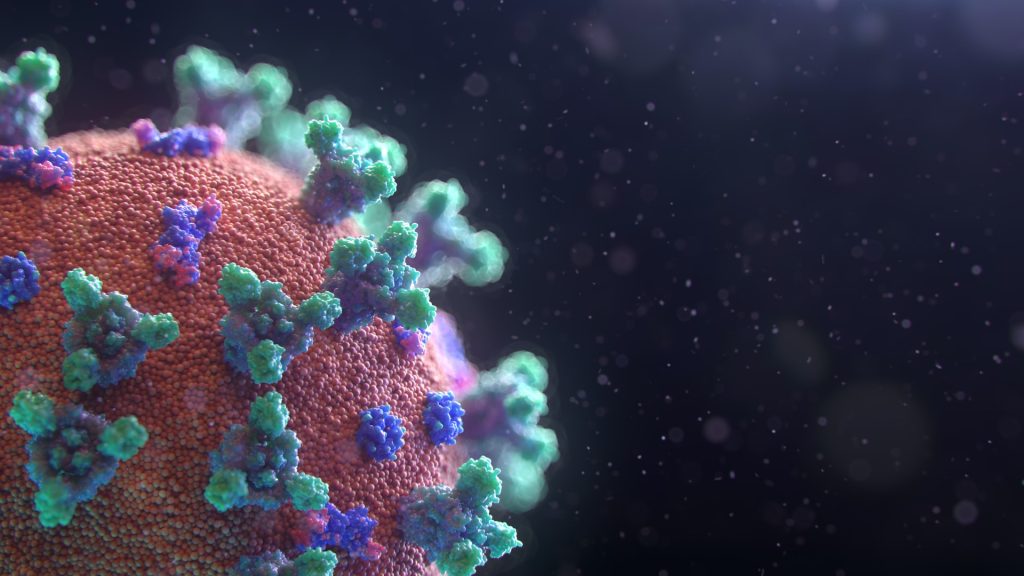
SARS-CoV-2 virus. Source: Fusion Medical Animation on Unsplash
In an interview about new Omicron subvariants, leading vaccinologist Prof Shabir Madhi said that “we don’t need to be concerned” about any current threat they may pose to South Africa. However, he stressed that it can still be lethal, particularly in those without underlying T cell immunity. He also noted that boosters are also important for high-risk populations, while some sort of seasonality needs to be observed for COVID for it to make boosters worthwhile for those at low risk due to the way vaccination protection wanes.
The XBB 1.5 SARS-CoV-2 subvariant, nicknamed ‘Kraken’ by researchers, is now accounting for more than half of cases in the United States, and appears much more transmissible and antibody-evasive than the original Omicron variant which evolved in Southern Africa. Prof Pravin Manga, editor of the Wits Journal of Clicnical Medicine interviewed Prof Madhi and asked him what the emergence of Omicron subvariants meant for South Africa.
Prof Madhi, who is the Dean of the Faculty of Health Sciences at Wits University, noted that before this new XBB.1.5 variant, there were BA4 and BA5, which created a “mini surge” in the middle of last year when they arrived in SA. There were concerns that these strains seemed more antibody-resistant than previous ones, stoking fears that they would result in increased hospitalisations and deaths.
In light of the current situation, he says that “the short answer is that we don’t need to be concerned.”
One important aspect of immunity which was becoming apparent was that, although neutralising antibodies were important in protecting against contracting and transmitting the virus, “what seems to be playing a greater role in protecting against severe disease is the T cell immunity, the Natural Killer cell immunity.” This immunity is much more diverse than that from antibodies, instead of merely targeting the Spike protein is rather “multi-epitopic”, targeting the N-protein as well.
“Now this T cell immunity appears to be holding strong. It appears to be less affected by all these mutations. In fact, close to 75 to 80% of vaccine-induced T cell immunity is conserved despite the multiple mutations have arisen in Omicron and its subvariants.”
Differing impacts across countries
With regard to the impact of the virus, Prof Madhi noted that China had pursued its ‘zero COVID’ policy, along with “suboptimal” coverage of vaccines (especially among ages 60+) that were “probably not the best”, meaning that large portions of the population were essentially naïve to the virus.
SA meanwhile, had 90% of the population infected at least once with COVID, and coupled with vaccination, meant that many will have highly robust immunity, which appears to last for 9–12 months compared to vaccine-only immunity where protection starts wanes after 4–6 months.
“What is unlikely to materialise in a country such as South Africa is large numbers of hospitalisations,” he says.
Protecting at-risk populations and the need for new vaccines
At present, he says there is not a strong case for boosters, but people at greater risk, such as those over 60, people with underlying medical conditions, and compromised immune systems, hybrid immunity is likely not enough protection. In these cases probably at least four doses of vaccination. From a public health standpoint, the population under 45 without underlying conditions would require a huge effort for only a nominal benefit as they are no longer at high risk of severe disease.
Timing is also important, due to the waning of vaccine protection, as the best time to get a booster is “probably around two or three weeks before the start of the next resurgence.” Otherwise, it’s useless to get a booster now if the next resurgence is in six months and antibodies will have waned – an obvious logistical challenge for little benefit. Therefore, in order for boosters to be useful, the virus will have to settle into some sort of predictable seasonality such as with influenza.
As for people who are at risk, at least four doses are probably required, though the case for a fifth is thin. Annual boosters are a likely option, and there is a need for a second generation of vaccines. These vaccines would need to be resilient against further mutations that may arise.
Novavax, monoclonal antibodies and Paxlovid
Regarding Novavax, Prof Madhi said that it had been licensed for use in South Africa, but their bivalent vaccine was not yet available. It would not be procured by government but rather by a private company – a situation which needs to change in terms of who is allowed to bring in vaccines. Another issue is whether the no fault compensation used by the government for public sector vaccinations would be used in the private sector as well.
Prof Manga also asked about whether there had been any success with monoclonal antibody treatment, to which Prof Madhi answered that there had been some limited use in the country but overall, monoclonal antibodies were “spectacularly unsuccessful” as they were highly specific and generally unable to keep up with mutations.
In general, antivirals hold much better promise, particularly Paxlovid which is unfortunately not available in South Africa. It was disappointing that it was not available in the country,
Benefits to both pregnant mothers and babies
Regarding pregnant women and children, Prof Madhi said that their own study shows that a substantial amount of transmission takes place between mothers and children. Infants with COVID under six months are often hospitalised, especially in the first month of life. Vaccination reduces the risk of hospitalisation and protects the baby as well, with research showing that babies born to vaccinated mothers were 80% less likely to develop COVID, “which is really a huge benefit,” he noted. This is likely a little reduced with Omicron because the only thing that babies get from the mother is antibodies, not T cell immunity.
Vaccination also reduces the risk of adverse pregnancy outcomes such as stillbirth, and safety “is simply not an issue” as supported by the data. He says there is case for vaccinating pregnant women, even under 45, in the second trimester of the pregnancy so that more antibodies are transferred to the foetus.
The year 2022 finally saw the COVID pandemic petering out, largely through the less-lethal but still highly contagious Omicron variant. Significant strides were made in cancer and Alzheimer’s research, although not without controversy. Amid growing public healthcare challenges in South Africa, the NHI Bill advanced closer to reality.
As Omicron displayed greatly reduced severity compared to prior strains, South African medical experts were some of the first to justify no longer being at ‘code red’. This brought an end to the cycles of lockdowns and travel restrictions characterised by the two previous years.
A number of key medical advances were made during the year for a variety of conditions. Studies showed that administering steroids after COVID hospitalisation with severe inflammation reduced mortality up to one year post-infection.
COVID was found to be linked to a spate of new-onset Type 1 diabetes, but this may just have been due to medical checkups as a result of developing COVID. The rheumatoid arthritis drug auranofin was found to relieve diabetes symptoms. And research suggested a possible way to deliver insulin and cancer drugs orally, by adding a ‘tag’ that lets them enter the bloodstream through the intestines.
The fields of cancer and Alzheimer’s research was rocked by findings of numerous red flags. This controversy did not stop real progress: the first new drug that had any real effectiveness against Alzheimer’s disease was confirmed in a historic trial. Fortunately, the flu jab also seems to protect against developing the disease. Indeed, serious infections appear to increase the risk of both Alzheimer’s and Parkinson’s.
In advanced ER-positive, HER-2 negative breast cancers, the new drug capivasertib halved the rate of progression.
Despite lessons learned in the COVID pandemic, South Africa saw the progression of systemic problems in healthcare such as a critical shortage of nurses. Dr Tim de Maayer’s open letter on appalling conditions at Rahima Moosa exposed deep-seated problems in Gauteng’s public healthcare system. This was followed by the shock resignation of top cancer surgeon Professor Carol-Ann Benn. The appointment of Nomantu Nkomo-Ralehoko as Gauteng Health MEC should hopefully change the province’s situation.
COVID infection often causes adipose atrophy, weight loss and cachexia, which significantly contribute to poor quality of life and mortality. Now, researchers at Karolinska Institutet have discovered that SARS-CoV-2 infection fuels blood vessel formation in fat tissues, thus revving up the body’s thermogenic metabolism. Blocking this process with an existing drug curbed weight loss in mice and hamsters that were infected with the virus, according to the study published in the journal Nature Metabolism.
“Our study proposes a completely new concept for treating COVID associated weight loss by targeting the blood vessels in the fat tissues,” says corresponding author Yihai Cao, professor at Karolinska Institutet.
The researchers examined how different types of fat, including brown fat and visceral and subcutaneous white fat, reacted when exposed to SARS-CoV-2 and how it impacted weight in mice and hamsters. They found that the animals lost significant amounts of weight in four days and that this weight loss was preceded by the activation of brown fat and the browning of both types of white fat. These fat tissues also contained more microvessels and high levels of a signaling protein called vascular endothelial growth factor (VEGF), which promotes the growth of new blood vessels.
Similar mechanisms in humans
The researchers observed the same mechanisms in human tissue samples from four patients who died of COVID, suggesting the findings could be clinically relevant for humans.
When the animals were treated with an anti-VEGF drug, the animals recovered most of their lost weight and their fat tissues exhibited fewer microvessels.
“Antiangiogenic drugs are currently used in the clinic to treat various types of cancers,” Yihai Cao says. “It’s possible these drugs could also be helpful in treating COVID-related problems such as excessive weight loss and metabolic changes, thus improving the quality of life and survival for these patients. Of course, we will need more research to validate if our preclinical findings also hold up in human trials.”