

Tag: covid

AstraZeneca Vaccine Confers COVID Protection for People with HIV

Image by Ivan Diaz on Unsplash

Interim results from a phase 1B/2A clinical trial conducted by the Wits Vaccines and Infectious Diseases Analytical (VIDA) research unit showed that the AstraZeneca vaccine conferred COVID protection in people living with HIV.

The findings, published in Lancet HIV, show that the AstraZeneca COIVD vaccine is likely to work as well in people living with HIV compared with people who are HIV negative.

These interim findings are vital for informing the clinical management of people with HIV during the COVID pandemic.

In general, clinical trials which evaluate the safety and immunogenicity of COVID vaccines in people living with HIV are limited, and in Africa they are virtually non-existent. This is despite the overwhelming prevalence of HIV infection in Africa, especially South Africa .

“We searched PubMed for peer-reviewed articles published between 1 January 2019 and 29 June 2021, using the terms ‘safety’ and ‘Covid-19’ and ‘vaccine’, but we did not find any reports that evaluated safety and immunogenicity of COVID vaccines in this population,” said Shabir Madhi, Professor of Vaccinology and Director of Wits VIDA, which led the first South African trial for a COVID vaccine in June 2020.

Compared to the general population, people living with HIV have an increased risk of infectious diseases and have a greater mortality risk when hospitalised with severe COVID.

In addition, compared with HIV-negative individuals, people with HIV are at greater risk for infectious diseases, such as influenza, including during antiretroviral therapy (ART).

Risk factors for severe COVID in people with HIV include more advanced stage of HIV/AIDS, the HIV-1 infection not being virally suppressed, and CD4 counts below 500 cells per microlitre.

The study was an interim analysis of a randomised, double-blind, placebo-controlled, phase 1B/2A trial. In 2020, the trial enrolled 104 people living with HIV were enrolled in the trial, HIV-negative people. Eligibility criteria for people with HIV included being on ART for at least three months, with a plasma HIV viral load of less than 1000 copies per microlitre.

The HIV study was a unique addition to the AstraZeneca COVID vaccine clinical trial, and aimed to assess safety and immunogenicity of this vaccine in people with HIV and HIV-negative people in South Africa. The primary endpoint in all participants regardless of HIV status was the safety, tolerability, and reactogenicity profile of the AstraZeneca COVID vaccine.

Reactogenicity refers to a subset of reactions that occur soon after vaccination, and are a physical manifestation of the inflammatory response to vaccination. Such symptoms include pain, redness, swelling or induration for injected vaccines, and systemic symptoms, such as fever, myalgia, headache, or rash. In clinical trials, information on expected signs and symptoms after vaccination is actively sought.

The interim findings show that the AstraZeneca COVID vaccine was well tolerated and showed favourable safety and immunogenicity in people with HIV, including heightened immunogenicity in SARS-CoV-2 baseline-seropositive participants.

Source: University of the Witwatersrand
Platelet Signalling Implicated in COVID Organ Damage

Source: Fusion Medical Animation on Unsplash

New research finds that one cause of organ damage in COVID patients is abnormal crosstalk between blood platelets and cells lining blood vessels.

The study published in Science Advances, revealed the protein signals released by platelets cause inflammation, abnormal clotting, and damage to vessels when exposed to SARS-CoV-2.

The work identified two related genes, S1000A8 and S1000A9, which are turned up in the platelets of COVID patients, causing them to make more of myeloid-related proteins (MRP) 8 and 14. Higher levels of the dual proteins were linked in the study to higher levels of clotting and inflammation in vessels and worse outcomes.

In support of the theory that platelets are at the core of blood vessel damage in COVID, the research team also presented evidence that approved medications known to block platelet activation via the platelet surface protein P2Y12 (clopidogrel or ticagrelor) reduced COVID-related inflammation in vessels. The study also found that COVID-exposed platelets change cells lining blood vessels (endothelial cells) largely through a protein called p-selectin, which makes platelets stickier and more likely to form clots.

“Our findings reveal a new role for platelets in COVID blood vessel damage, and may explain in large part what makes the COVID virus so much more deadly than its relatives that cause the common cold,” said corresponding author Tessa Barrett, PhD,.

Abnormal, body-wide inflammation and blood clotting were identified early in the pandemic as central features of severe COVID-19, with the two thought to be interrelated, say the study authors. As blood components that react to injuries in vessels by triggering inflammation, and by becoming sticky to clump together in clots, platelets are a possible culprit. Increasing evidence shows that interplay between platelets and endothelial cells may be important to these disease mechanisms.

For the current study, endothelial cells from small blood vessels were exposed to fluid released from the platelets of either COVID patients or healthy controls. RNA was then sequenced, In the presence of COVID-activated platelets, changes were observed in the activity of the exposed endothelial cells. Genes expressed differently in COVID-19 were linked to clotting, inflammation, and the weakening of junctions between endothelial cells, which lets blood serum seep into tissue to cause the pulmonary oedema seen in severe cases, where patients’ lungs fill with fluid.

The large list was narrowed down to S100A8 and S100A9, which coded for the building of MRP 8 and 14. COVID in patients was found to increase the amount of MRP8/14 produced by platelets and other cells by 166 percent compared to controls. Higher levels of these proteins were linked to abnormal thrombosis, inflammation, and critical illness among hospitalised COVID patients. Curiously S100A8/A9 were not upregulated after exposure of platelets to a coronavirus relative, CoV-OC43, which causes the common cold.

Additionally, damage and abnormal clotting could arise from p-selectin, which promotes platelet clumping and immune-boosting signals. The researchers also found that the anti-clotting P2Y12 inhibitors reduced the expression of S100A8 and S100A9 in platelets by 18 percent over four weeks, and in lab tests prevented COVID platelets from inducing blood vessel damage.

“The current study supports the theory that platelets are activating endothelial cells through P-selectin, and that both p-selectin and MRP8/14 contribute to vessel damage and an increased risk of dying,” said senior study author Jeffrey S. Berger, MD. “As our team also leads ACTIV4a, a large, ongoing NIH-funded, anti-clotting trial in COVID, we are currently testing in patients whether P2Y12 inhibitors can better prevent severe disease, with the results to be presented at the American Heart Association annual meeting in November.”

Source: NYU Langone Health

Healthy Diets Reduce COVID Risk

Photo by Ella Olsson on Pexels

A study based on self-reported app data showed that people who eat a high quality, gut friendly diet are less likely to develop COVID-19 or become severely ill. Those eating poorer quality diets are more at risk, especially if they live in a more socioeconomically deprived area.

The study, presented in GUT, analysed data from almost 600 000 ZOE COVID Study app contributors. Participants completed a survey about the food they ate before the pandemic, in February 2020, making it the largest study in this space. 19% of these contributors contracted COVID-19.

People with the highest quality diet were around 10% less likely to develop COVID than those with the lowest quality diet, and 40% less likely to fall severely ill.

This is the first longitudinal study of diet and COVID and the first to show that a healthy diet cuts the chances of developing the disease in the first place.

Instead of looking at specific foods, the survey aimed to broadly capture people’s diets. A ‘diet quality score’ reflected the overall merit of each person’s diet. Diets with high quality scores were found to contain plant-based foods such as fruits, vegetables and whole grains, as well as oily fish, less processed foods and refined carbohydrates. A low diet quality score is associated with diets high in ultra processed foods and low amounts of plant based foods.

The researchers found that people who ate the highest quality diet were around 10% less likely to develop COVID-19 than those with the least nutritious diet and 40% less likely to become severely ill if they developed COVID.

The link between diet quality and COVID risk persisted after accounting for all potential confounding factors such as age and BMI. Mask-wearing habits and population density were also considered.

The effect of diet was amplified by individual life situations, with people living in low-income neighbourhoods with the lowest quality diet being around 25% more at risk from COVID than people in more affluent communities eating the same kind of diet.

Based on these results, the researchers estimate that nearly a quarter of COVID cases could have been prevented if these differences in diet quality and socioeconomic status had not existed. The study also showed that improved access to better food is an important public health consideration.

Dr Sarah Berry, study co-lead and Reader in nutritional sciences at the School of Life Course Sciences said: “For the first time we’ve been able to show that a healthier diet can cut the chances of developing COVID, especially for people living in the more deprived areas. Access to healthier food is important to everyone in society, but our findings tell us that helping those living in more deprived areas to eat more healthily could have the biggest public health benefits.”

Professor Tim Spector, professor of genetic epidemiology at the School of Life Course Sciences, said: “These findings chime with recent results from our landmark PREDICT study, showing that people who eat higher quality diets (with low levels of ultra-processed foods) have a healthier collection of microbes in their guts, which is linked to better health. You don’t have to go vegan, but getting more diverse plants on your plate is a great way to boost the health of your gut microbiome, improve your immunity and overall health, and potentially reduce your risk from COVID.”

Source: Kings College London

Almost ‘Superhuman’ Immune Response Found in Certain People

Photo by Klaus Nielsen from Pexels

A series of studies in recent months has found that, thanks to the mRNA vaccine and previous infection, some people mount an extraordinarily powerful immune response against SARS-CoV-2 which some scientists have referred to as ‘superhuman’.

Called ‘hybrid immunity’, their bodies produce very high levels of antibodies, with great flexibility: likely capable of fighting off the SARS-CoV-2 variants currently circulating but also likely effective against future variants.

“Overall, hybrid immunity to SARS-CoV-2 appears to be impressively potent,” Crotty wrote in commentary in Science published in June.

“One could reasonably predict that these people will be quite well protected against most  and perhaps all of — the SARS-CoV-2 variants that we are likely to see in the foreseeable future,” says Paul Bieniasz, a virologist at Rockefeller University who helped lead several of the studies.

Bieniasz and his colleagues found antibodies in these individuals capable of strongly neutralising the six variants of concern tested, including Delta and Beta, as well as several other viruses related to SARS-CoV-2, including SARS-CoV-1.

“This is being a bit more speculative, but I would also suspect that they would have some degree of protection against the SARS-like viruses that have yet to infect humans,” Bieniasz said.

People who have had a ‘hybrid’ exposure to the virus, were infected with it in 2020 and then immunised with mRNA vaccines this year. “Those people have amazing responses to the vaccine,” said virologist Theodora Hatziioannou at Rockefeller University, who also helped lead several of the studies. “I think they are in the best position to fight the virus. The antibodies in these people’s blood can even neutralize SARS-CoV-1, the first coronavirus, which emerged 20 years ago. That virus is very, very different from SARS-CoV-2.”

These antibodies were so effective they were even able to deactivate a virus purposefully engineered to be highly resistant to neutralisation, containing 20 mutations that are known to prevent SARS-CoV-2 antibodies from binding to it. Antibodies from those who were only vaccinated or who only had prior coronavirus infections were ineffecgtive against this engineered virus..

This shows how powerful the mRNA vaccine can be in those infected with SARS-CoV-2, she said. “There’s a lot of research now focused on finding a pan-coronavirus vaccine that would protect against all future variants. Our findings tell you that we already have it.

The catch is getting COVID. “After natural infections, the antibodies seem to evolve and become not only more potent but also broader. They become more resistant to mutations within the [virus].”

Hatziioannou and colleagues don’t know if this applies to all those mRNA-vaccinated and previously COVID-infected. “We’ve only studied the phenomena with a few patients because it’s extremely laborious and difficult research to do,” she said.
“With every single one of the patients we studied, we saw the same thing.” The study reports data on 14 patients.

Several other studies lend credence to her hypothesis and reinforce the idea that exposure to both a coronavirus and an mRNA vaccine triggers an exceptionally powerful immune response. In one study in NEJM, scientists analysed antibodies generated by people who had been infected with SARS-CoV-1 back in 2002 or 2003 and who then received an mRNA vaccine this year.

Remarkably, these people also produced high levels of antibodies that could neutralise a whole range of variants and SARS-like viruses. Many questions remain, such as the effect of a third booster shot, or being infected again.

“I’m pretty certain that a third shot will help a person’s antibodies evolve even further, and perhaps they will acquire some breadth [or flexibility], but whether they will ever manage to get the breadth that you see following natural infection, that’s unclear.”

Immunologist John Wherry, at the University of Pennsylvania, is a bit more hopeful. “In our research, we already see some of this antibody evolution happening in people who are just vaccinated,” he said, “although it probably happens faster in people who have been infected.”

In a recent study, Wherry and colleagues showed that, over time, uninfected people with only two doses of the vaccine begin to produce more flexible antibodies, so a third dose would give even more of an evolutionary boost to the antibodies, Wherry said. So a person will be better equipped to fight off whatever variant the virus puts out there next.

“Based on all these findings, it looks like the immune system is eventually going to have the edge over this virus,” said Bieniasz, of Rockefeller University. “And if we’re lucky, SARS-CoV-2 will eventually fall into that category of viruses that gives us only a mild cold.”

Source: NPR

C.1.2 Variant Slows in SA; Colombian Variant Named Mu

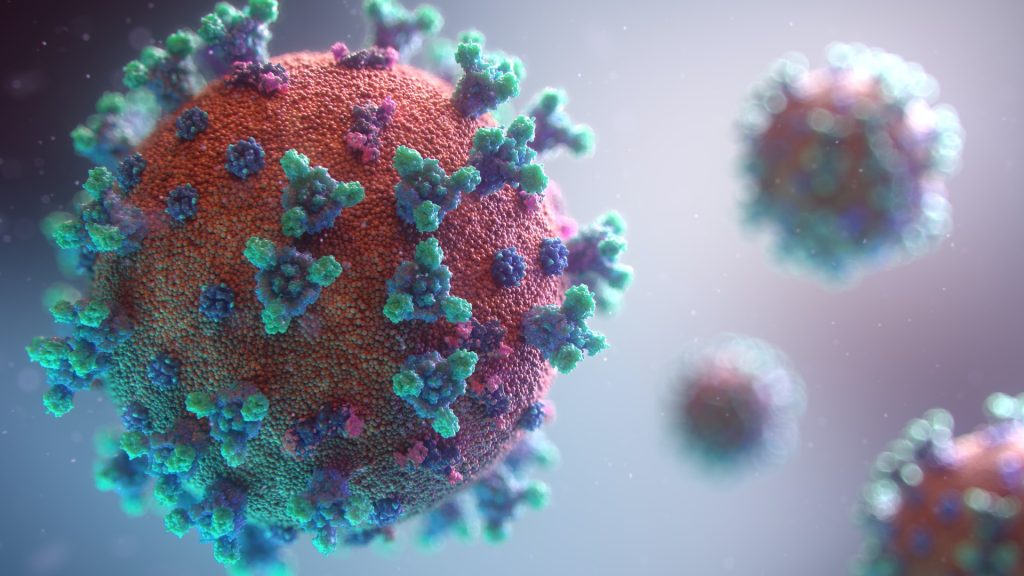
Computer image of SARS-CoV-2. From CDC at Pexels
Source: CDC on Pexels

The Network for Genomic Surveillance in South Africa (NGS-SA) has reported that the C.1.2 variant is spreading less slowly than in July, from 2.2% of all sequenced COVID cases to 1.5% in August, and is therefore unlikely to become a dominant variant.

Meanwhile, B.1.621,  another variant that first emerged in Colombia in January has been recently classified by the World Health Organization (WHO) as a variant of interest (VOI), receiving the Greek letter “Mu”. Since its first detection, it has spread across North America, South America and Europe, and has also been detected in Asia. The majority of the Mu sequences (5123) have been detected in North America (55%, n=2841) followed by South America (23%, n=1328), Europe (18%, n=948) and Asia (0.1%, n=6). As of 3 September 2021, Mu has not been detected in Africa. Thus far, it makes up less than 1% of the globally circulating viruses with Delta accounting for 88%.

NGS-SA, which includes the National Institute for Communicable Diseases (NICD), continuously and rigorously monitors SARS-CoV-2 sequences circulating in South Africa. This work is crucial in the early detection of SARS-CoV-2 variants, including Mu.

Many of the mutations within the spike protein which define the Mu variant (T95I, E484K, N501Y, D614G, P681H and D950) have been seen before in other VOIs or variants of concern (VOCs) including Beta and Delta. Some of these mutations have previously been associated with decreased antibody responses and increased transmissibility. Therefore it is likely that Mu will have similar properties to other variants with increased transmissibility and reduced sensitivity to antibodies in vaccines and those who have recovered from COVID.

The NICD advises that both COVID vaccines being used in South Africa have high levels of protection against severe disease requiring hospitalisation and death even against VOI/VOCs such as Beta and Delta and therefore will likely also protect against Mu. 

Source: NICD

Metabolic Changes in Plasma, Immune Cells Linked to COVID Severity

Source: Fusion Medical Animation on Unsplash

Analysing plasma from patients infected with SARS-CoV-2, researchers have uncovered underlying metabolic changes that regulate how immune cells react to COVID, these are associated with disease severity and could be used to predict patient survival. The findings were published in the journal Nature Biotechnology.

“We know that there are a range of immune responses to COVID, and the biological processes underlying those responses are not well understood,” said co-first author Jihoon Lee, a graduate student at Fred Hutchinson Cancer Research Center. “We analyzed thousands of biological markers linked to metabolic pathways that underlie the immune system and found some clues as to what immune-metabolic changes may be pivotal in severe disease. Our hope is that these observations of immune function will help others piece together the body’s response to COVID. The deeper understanding gained here may eventually lead to better therapies that can more precisely target the most problematic immune or metabolic changes.”

The researchers performed two draws on each of nearly 200 patients during the first week after being diagnosed with SARS-CoV-2 infection, and analysed their plasma and single immune cells. The analysis included 1387 genes involved in metabolic pathways and 1050 plasma metabolites.

Increased COVID severity was found to be associated with metabolite alterations, which suggests increased immune-related activity. In addition, each major immune cell type was found to have a distinct metabolic signature.

“We have found metabolic reprogramming that is highly specific to individual immune cell classes (eg “killer” CD8+ T cells, “helper” CD4+ T cells, antibody-secreting B cells, etc.) and even cell subtypes, and the complex metabolic reprogramming of the immune system is associated with the plasma global metabolome and are predictive of disease severity and even patient death,” said co-first and co-corresponding author Dr. Yapeng Su, a research scientist at Institute for Systems Biology. “Such deep and clinically relevant insights on sophisticated metabolic reprogramming within our heterogeneous immune systems are otherwise impossible to gain without advanced single-cell multi-omic analysis.”

“This work provides significant insights for developing more effective treatments against COVID. It also represents a major technological hurdle,” said Dr. Jim Heath, president and professor of ISB and co-corresponding author on the paper. “Many of the data sets that are collected from these patients tend to measure very different aspects of the disease, and are analysed in isolation. Of course, one would like these different views to contribute to an overall picture of the patient. The approach described here allows for the sum of the different data sets to be much greater than the parts, and provides for a much richer interpretation of the disease.”

Source: Max Planck Institute

MMR and Tdap Vaccines May Confer Some COVID Protection

Source: Pixabay CC0

Mounting evidence shows that the Measles-Mumps-Rubella (MMR) and Tetanus-Diphtheria-Pertussis (Tdap) vaccines confer limited protection against COVID.

The MMR vaccine, given during early childhood, and Tdap vaccine, given every 10 years, elicit protective responses against the diseases they are designed for. It’s possible that they also elicit cross-reactive memory T cells that can respond to antigens that are present in other pathogens — including the viral antigens in SARS-CoV-2. The idea is that pre-existing memory T cells generated by prior MMR or Tdap vaccination and activated by SARS-CoV-2 infection give the immune system a head start in responding to SARS-CoV-2, lowering the risk of severe COVID.

To find out if the MMR and Tdap vaccines provide additional protection against COVID, researchers at Brigham and Women’s Hospital performed laboratory-based analyses with new techniques to detect and characterise T cell responses to antigens. They applied these techniques to measure T cell responses isolated from the blood of COVID convalescent patients and patients vaccinated against COVID to antigens from SARS-CoV-2 and the MMR and Tdap vaccines. They also leveraged a large, well-annotated cohort of COVID patients and found that prior MMR or Tdap vaccination was associated with decreased disease severity. Their results are published in Med.

“Our Cleveland Clinic colleagues observed an association where individuals with COVID who had either MMR or Tdap vaccines had a much lower frequency of going to the intensive care unit or dying,” said co-author Andrew Lichtman, MD, PhD, an immunologist and senior investigator in the Brigham’s Department of Pathology and professor of Pathology at Harvard Medical School. “Although previous smaller studies suggested a similar link, our in-depth epidemiological analyses, together with our basic research results, suggest that these commonly given vaccines may protect against severe disease.”

“During the COVID pandemic, we know that there was a marked decline in routine vaccinations for children and adolescents,” said corresponding author Tanya Mayadas, PhD, a senior scientist in the Brigham’s Department of Pathology and professor of Pathology at Harvard Medical School. “Our findings emphasise the importance of routine vaccination for children and adults. We know vaccines protect against devastating diseases, and we’re now seeing growing evidence that some of them provide a degree of protection against severe COVID disease.”

An unexpected observation jumpstarted the investigation. Prof Mayadas, her postdoctoral fellow Vijaya Mysore, PhD, and colleagues noted in lab experiments with COVID convalescent blood that whenever they observed a heightened T cell response to SARS-CoV-2 proteins, they also saw a heightened response to proteins from MMR and Tdap, which were controls. This was seen in both COVID convalescent and uninfected individuals vaccinated against SARS-CoV-2.

In a subsequent analysis, Prof Mayadas and colleagues teamed up with researchers at Cleveland Clinic to examine the epidemiological evidence. The Cleveland Clinic team performed a retrospective cohort study using data from more than 75 000 patients seen at the Cleveland Clinic Health System in Ohio or Florida who had tested positive for COVID between March 8, 2020, and March 31, 2021. A statistical analysis found that patients who had previously been vaccinated for MMR had a 38 percent decrease in hospitalisation and a 32 percent decrease in ICU admission/death. Patients previously vaccinated for Tdap had 23 percent and 20 percent decreased rates, for these outcomes, respectively.

“Beyond learning about the potential benefits of the MMR and Tdap vaccines in the context of COVID, this study provides a blueprint for accelerating research,” said co-author Lara Jehi, MD, MHCDS, Chief Research Information Officer of the Cleveland Clinic Health System. “Biomedical hypotheses generated in the laboratory can be explored through robust clinical and epidemiological research in well-curated, real-world data such as the Cleveland Clinic COVID Registry. Knowledge learned through this collaboration is much more than the sum of our individual parts.”

The authors note that epidemiological observations strengthen their lab findings, more work is needed to find a causal association between the MMR and Tdap vaccinations and severity of COVID disease.

“With regards to COVID vaccines, our findings predict that although MMR and Tdap are not a substitute for COVID vaccines they may afford greater and more durable protection, possibly against emerging spike variants than the COVID vaccine alone,” said Prof Mayadas. “And in areas where the COVID vaccines are not available, they could protect infected individuals from developing severe disease.”

Source: Brigham and Women’s Hospital

Small Trial Sees ‘Astounding’ Effect of Fenofibrate in Severe COVID

Source: Fusion Medical Animation on Unsplash

A small interventional trial with 15 severely ill COVID patients showed an ‘astounding’ effect of fenofibrate as a treatment.

Recently, Professor Yaakov Nahmias’ team at the Hebrew University of Jerusalem (HU) reported that COVID causes abnormal accumulation of lipids, known to initiate severe inflammation through a process called lipotoxicity. In 2020, the researchers conducted lab testing of fenofibrate, a lipid-lowering drug, showing it both reduced lung cell damage while blocked virus replication. These results have since been confirmed by other studies, and in October 2020 an observational study was reported to support the original findings. This led to an interventional, single-arm open-label study to validate the findings.

The study recruited 15 severe-hospitalised COVID patients with pneumonia requiring oxygen support, who were given 145 mg/day of fenofibrate for 10 days in addition to standard care and continuously monitored for disease progression and outcomes. 

‘Astounding’ results
“The results were astounding,” Prof Nahmias declared. “Progressive inflammation markers, that are the hallmark of deteriorative COVID, dropped within 48 hours of treatment. Moreover, 14 of the 15 severe patients didn’t require oxygen support within a week of treatment, while historical records show that the vast majority severe patients treated with the standard of care require lengthy respiratory support,” he added. 

No ‘silver bullet’
Fenofibrate is a well-known, FDA-approved drug for the treatment of hypertriglyceridemia, primary hypercholesterolemia, or mixed dyslipidemia and has a good safety profile. “There are no silver bullets,” cautioned Nahmias, “but fenofibrate is far safer than other drugs proposed to date, and its mechanism of action makes is less likely to be variant-specific.”

“All patients were discharged within less than a week after the treatment began and were discharged to complete the 10-day treatment at home, with no drug-related adverse events reported,” noted Professor Shlomo Maayan, head of Infectious Disease Unit at Barzilai, where the study was conducted. “Further, fewer patients reported COVID side effects during their 4-week follow-up appointment,” he added. These preliminary findings are promising for patients who severe the acute phase of severe COVID.

However, the researchers stressed that while the results were extremely promising, only randomised placebo-controlled studies can serve as basis for clinical decisions. “We entered the second phase of the study and are actively recruiting patients,” explained Prof Nahmias, noting that two Phase 3 studies are already being conducted.

The findings, which are currently under peer review, were released on Research Square.

Source: Medical Xpress

Prone Positioning Reduces Need for Mechanical Ventilation

Source: Martha Dominguez de Gouveia on Unsplash

A ‘meta-trial’ of 1100 hospitalised COVID patients requiring high-flow nasal cannula oxygen therapy suggests that prone positioning soon after admission can significantly reduce the need for mechanical ventilation.

While acute respiratory distress syndrome patients have been placed prone for years by critical care specialists, this study provides clinical evidence needed to support the use of prone positioning for patients with COVID requiring high-flow nasal cannula oxygen therapy.

The findings, published today in the Lancet Respiratory Medicine, were conducted on severely ill COVID patients between April 2020 and January 2021.

“Breathing in the prone position helps the lungs work more efficiently,” explained the study’s lead author Dr. Jie Li, associate professor and respiratory therapist at Rush University Medical Center. “When people with severe oxygenation issues are laying on their stomachs, it results in better matching of the blood flow and ventilation in the lungs which improves blood oxygen levels.”

Prof Li noted that several interventions are available to improve oxygenation in critically ill patients, but that there was little outcomes-focused clinical evidence to show that prone positioning prior to mechanical ventilation is beneficial.

Adult patients with COVID needing respiratory support from a high-flow nasal cannula agreed to participate in this clinical trial, and were randomly assigned to the supine or prone positioning groups. They were asked to stay in that position for as long as they could tolerate. Both positioning groups received high-flow oxygen therapy and standard medical management.

Patients were continually monitored to determine if mechanical ventilation was needed. This study’s data showed that patients in the prone positioning group were significantly less likely to require mechanical ventilation (33% in the awake prone positioning group vs 40% in the supine group).

Another study lead author, Stephan Ehrmann, MD, PhD, said that “for the clinical implications of our study, awake prone positioning is a safe intervention that reduces the risk of treatment failure in acute severe hypoxemic respiratory failure due to COVID-19. Our findings support the routine implementation of awake prone positioning in critically ill patients with COVID19 requiring high flow nasal cannula oxygen therapy. It appears important that clinicians improve patient comfort during prone positioning, so the patient can stay in the position for at least 8 hours a day.”

Reducing the need for mechanical ventilation cuts down on resources needed. “Ventilators can indeed save the lives of people who are no longer able to breathe on their own. That said, we now have strategies to keep patients off the ventilator, saving those devices for the sickest patients who truly need them.” Prof Li added.

Source: Medical Xpress

Another COVID-scale Pandemic in 59 Years ‘Statistically Likely’

Photo by Edwin Hooper on Unsplash

A new study based on 400 years of historical records asserts that extreme pandemic events such as COVID are more common than believed.

The Duke University study, published in Proceedings of the National Academy of Sciences, used records of past outbreaks to estimate the intensity of those events and the yearly probability of them recurring.

It found the probability of a pandemic with similar impact to COVID is about 2% in any year, meaning that someone born in the year 2000 by now would have about a 38% chance of experiencing one. That probability is only increasing, highlighting the need to adjust perceptions of pandemic risks and expectations for preparedness, the researchers said.

“The most important takeaway is that large pandemics like COVID and the Spanish flu are relatively likely,” said study co-author William Pan, PhD, associate professor of global environmental health at Duke. The understanding that pandemics are not so rare should raise the priority of future prevention and control efforts, he said.

The study employed new statistical methods to measure the scale and frequency of disease outbreaks for which there was no immediate medical intervention over the past four centuries. Their analysis, including deadly pathogens including plague, smallpox, cholera, typhus and novel influenza viruses, found pandemics occurred with great variability in the past. But they also identified patterns that allowed them to describe the probabilities of similar-scale events happening again.

In the case of a pandemic like the Spanish flu, which killed more than 30 million people between 1918 and 1920, the probability of a pandemic of similar magnitude occurring ranged from 0.3% to 1.9% per year over the time period studied. Taken together, it is statistically likely that such a massive pandemic would occur within the next 400 years.

However, the data also show that the risk of intense outbreaks is increasing rapidly. Based on the increasing rate at which novel pathogens such as SARS-CoV-2 have broken loose in human populations in the past 50 years, the study estimates that the probability of novel disease outbreaks will likely triple in the next few decades.

With this increased risk factor, the researchers estimate that a COVID-scale pandemic is likely within a span of 59 years (by the year 2090), a result they write is “much lower than intuitively expected.” Although not included in the paper, they also calculated the probability of a pandemic capable of eliminating all human life, finding it statistically likely within the next 12 000 years. 

That does not mean it will be 59 years before the next COVID-like pandemic, nor that the Spanish flu for another 300 years. Such events are equally probable in any year during the span, said Duke University Professor Gabriel Katul, another of the paper’s authors.

“When a 100-year flood occurs today, one may erroneously presume that one can afford to wait another 100 years before experiencing another such event. This impression is false. One can get another 100-year flood the next year,” explained Prof Katul.

Dr Pan noted that population growth, changes in food systems, environmental degradation and more frequent contact between humans and disease-harboring animals all may be significant factors for increasing frequency of pandemics. However, he stresses that the statistical techniques are not to explain the pandemics.

However, he hopes the study will spark deeper exploration of the factors that may be making devastating pandemics more likely – and how to counteract them.

“This points to the importance of early response to disease outbreaks and building capacity for pandemic surveillance at the local and global scales, as well as for setting a research agenda for understanding why large outbreaks are becoming more common,” Dr Pan said.

Source: Duke University