Tag: covid

Differences in Natural and Vaccine-induced COVID Immunity Revealed
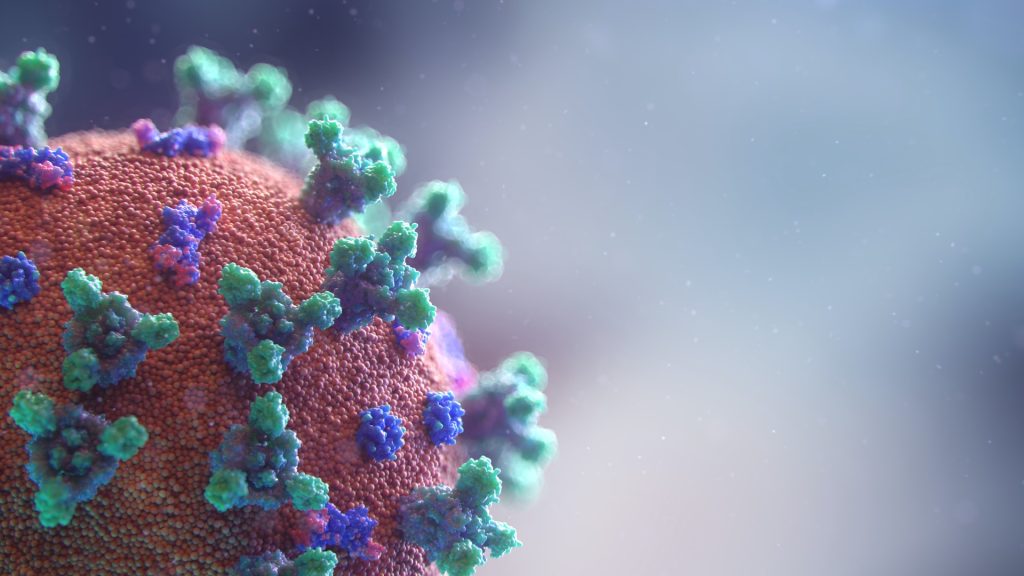
Source: Fusion Medical Animation on Unsplash

A new study recently published in Nature has found that immune protection resulting from COVID protection creates lasting effects in memory B cells.

Unlike circulating antibodies, which peak soon after vaccination or infection only to fade a few months later, memory B cells can remain to ward off severe disease for decades. They also evolve over time, learning to produce successively more potent ‘memory antibodies’ that are more effective at neutralising the virus and with better adaptation to variants.

Though vaccination instils higher levels of circulating antibodies than natural infection, the study suggests that not all memory B cells are created equal. While vaccination gives rise to memory B cells that evolve over a few weeks, natural infection births memory B cells that continue to evolve over several months, producing highly potent antibodies adept at eliminating even viral variants.

Though the findings suggest an advantage from natural infection over vaccination, this does not outweigh the dangers of illness and death from COVID, the researchers warn.

“While a natural infection may induce maturation of antibodies with broader activity than a vaccine does – a natural infection can also kill you,” explained Professor Michel C. Nussenzweig, head of Rockefeller’s Laboratory of Molecular Immunology. “A vaccine won’t do that and, in fact, protects against the risk of serious illness or death from infection.”

When any virus enters the body, immune cells immediately release circulating antibodies, which decay at variable rates depending on the vaccine or infection. They may confer protection for months or years but then dwindle in number, allowing possible reinfection.

Long term protection is provided by memory B cells that produce memory antibodies. Studies suggest that memory B cells for smallpox last at least 60 years after vaccination; those for Spanish flu, nearly a century. And while memory B cells don’t necessarily block reinfection, they can prevent severe disease.

Recent studies have suggested that within five months of receiving a vaccine or recovering from a natural infection, some no longer retain sufficient circulating antibodies to keep the novel coronavirus at bay, but memory B cells remain vigilant. Until now, however, scientists did not know whether the vaccines could be expected to provide the sort of robust memory B cell response seen after natural infection.

Prof Nussenzweig and colleagues resolved to tease out any differences in memory B cell evolution by comparing blood samples from convalescent COVID patients to those from never-infected mRNA-vaccinated individuals.

Vaccination and natural infection elicited similar numbers of memory B cells, which rapidly evolved between the first and second dose of the Pfizer and Moderna vaccines, producing increasingly potent memory antibodies. But after two months, progress stalled. The memory B cells were present in large numbers and expressed potent antibodies, but the antibodies were not getting any stronger. Also, although some of these antibodies were able to neutralize Delta and other variants, there was no overall improvement in breadth.

The researchers found that in convalescent patients, however, memory B cells continued to evolve and improve up to one year after infection. With every memory B cell update, more potent and more broadly neutralising memory antibodies were coming out.

There are several potential reasons that memory B cells produced by natural infection might be expected to outperform those produced by mRNA vaccines, the researchers said.

It is possible that the body responds differently to viruses that enter through the respiratory tract than those that are injected. Or perhaps an intact virus goads the immune system in a way the vaccines’ spike protein antigens simply cannot. It may also be possible that the virus persists in the naturally infected for weeks, giving the body more time to mount a robust response. The vaccine, on the other hand, is flushed out of the body mere days after triggering the desired immune response.

Memory B cells appear to undergo limited bouts of evolution in response to mRNA vaccines, a finding which may have significant implications for booster shots. A booster with the current mRNA vaccine would likely stimulate memory cells to produce antibodies strongly protective against the original virus and somewhat less so against the variants, Prof Nussenzweig said.

“When to administer the booster depends on the object of boosting,” he said. “If the goal is to prevent infection, then boosting will need to be done after 6 to 18 months depending on the immune status of the individual. If the goal is to prevent serious disease, boosting may not be necessary for years.”

Source: Rockefeller University

People With Substance Use Disorder at Higher Risk for COVID

Source: Unsplash CC0

A recent study showed that people with substance use disorders (SUDs) face higher risks for developing COVID and for experiencing serious problems associated with the infection. The study, published in World Psychiatry, examined these risks in fully vaccinated individuals with SUDs.

The study included 579 372 people in the US, of whom 30 183 had a diagnosis of SUD and 549 189 without such a diagnosis) who were fully vaccinated between December 2020 and August 2021 and had not contracted COVID before their vaccinations.

The risk for breakthrough COVID infection in vaccinated people with SUDs ranged from 6.8% for tobacco use disorder to 7.8% for cannabis use disorder, all significantly higher than the 3.6% in the vaccinated non-SUD population. After controlling for demographics (age, gender, ethnicity) and vaccine types (Pfizer, Moderna, Johnson & Johnson), patients with SUDs – with the exception of those with tobacco use disorder – still had higher risks for breakthrough COVID-19 compared with matched individuals without SUDs, with the highest risks for those with cocaine use disorder and cannabis use disorder. 

The higher risk for people with SUDs was found to be largely due to their higher prevalence of comorbidities and adverse socioeconomic determinants of health (such as problems related to education, employment, and housing). However, those with cannabis use disorder, who were younger and had less comorbidities, still had a higher risk for breakthrough infection even matching for these. This could indicate that other variables, such as behavioural factors or adverse effects of cannabis on pulmonary and immune function, could explain some of their higher risk for breakthrough infection.

“In our study, the overall risk of COVID infection among vaccinated SUD patients was low, highlighting the effectiveness and the need for full vaccination in this population,” the authors wrote. “However, our findings document that this group remains a vulnerable one even after vaccination, confirming the importance for vaccinated patients with SUD to continue to take protective preventive measures against the infection.”

Source: Wiley

6 Tips For Communicating With the Vaccine-hesitant

Photo by Usman Yousaf on Unsplash

Bhekisisa writes that although there are a great number of people who are hesitant but not completely unwilling to take vaccines, there are a number of proven methods to help convince them to get their vaccinations. They offer six helpful tips to improve communication.

Early on during COVID vaccine trials, surveys showed that more than two thirds of adults globally said they would be willing to get on board when a vaccine became available. This was promising, but willingness to get vaccinated doesn’t necessarily translate into actual uptake.

In South Africa at least one poll showed similar results, yet so far just over 32% have actually followed through with getting at least one vaccine dose. There is some good news, though, as there is evidence showing that many people simply need the right approach.

Here are six things to take into account when encouraging hesitant people to get vaccinated.

1. Know the audience
To persuade people to get vaccinated, messages have to be tailored for the intended audience. For example, UK study showed that people seeking to be vaccinated may be receptive to messages public health benefits of vaccination, while those who are vaccine hesitant appear to be more interested about benefits for themselves.

2. Get the word out ASAP
A study in Nature found that the right timing of vaccine messages can increase appointments and subsequent vaccinations. Participants in the US received a text message inviting them to make a vaccination appointment either one day after becoming eligible or eight days after. The earlier text got 1.5 times as many people to make appointments than the later one.

In addition, making the booking also increased uptake, as almost 90% of participants who made a booking after receiving the text kept their appointments – and nearly everyone receiving their first dose got the second.

3. Allay people’s fears
The speed of the COVID vaccine rollout led some to question its safety. Studies from around the world show that fears about ingredients, safety and what many perceive as rushed approval processes deter people from getting vaccinated. This can be compounded by a lack of transparency around vaccine trials and ‘big pharma’ procurement deals can compound doubt and hesitancy.

Though vaccines have abundant evidence on their safety and efficacy, acknowledging that people’s fears are valid is important, as is showing empathy to make hesitant people more open to balanced, evidenced-based messages. At the same time, it is best to be honest about minor side effects, and contextualise how rare the severe side effects are.

The media scare over blood clots in the J&J and AstraZeneca vaccine generated the impression that they were far more frequent than they truly were: which were only one in a million for J&J and 4 to 6 million for AstraZeneca.

4. Name-dropping
Socially influential people can greatly increase vaccine uptake when they encourage others to do so and get one themselves. In 1956, during low uptake of the polio vaccine, Elvis Presley was shown getting his polio shot on TV. This spurred US teenagers to recruit their friends, resulting in a surge of vaccinations. Studies show that even encouragement within peer groups can motivate members to get vaccinated.

5. Ignore holdouts and focus on fence-sitters
A small percentage of people will not take the vaccine under any circumstances, and research shows that it’s virtually impossible to change their minds. About one in eight people are holdouts, while in South Africa the rate is roughly one in 15. While those who are merely hesitant may be persuaded over time, changing the minds of stubbornly resistant individuals is simply a waste of time and money.

6. Understand people’s realities
Historically, vaccination campaigns focused on busting myths and providing evidence-based information about vaccine safety and benefits. Yet opposition to COVID-19 vaccines (and also non-pharmaceutical interventions such as wearing masks and social distancing) seems more strongly rooted in people’s lack of institutional trust, and even a mistrust of government in general when faced with a large-scale epidemic.

There is also a distrust of vaccine arising from historical injustice, such as racism and government experimentation on unknowing individuals. A more recent example is American intelligence services using a vaccination in Pakistan to track down Osama bin Laden, which became something the Taliban used to discredit subsequent vaccination drives.

Source: Bhekisisa

Younger COVID Survivors More Likely to Recover Sense of Smell

Photo by Elly Johnson on Unsplash

For 4 out of every 5 COVID survivors, those who have lost sense of smell or taste have these return within six months, with those under 40 more likely to recover, according to a new study.

Among 798 respondents to an ongoing survey of people who had COVID and reported a loss of smell or taste, participants who were younger than 40 recovered their sense of smell at a higher rate than those older than 40, according to study results published in the American Journal of Otolaryngology last month.

Evan Reiter, MD, medical director of the Smell and Taste Disorders Center at Virginia Commonwealth University Health and a co-investigator on the study, said the latest data show 4 in 5 participants, regardless of age, regained their smell and taste within six months.

Insights into COVID survivors’ recovery came from symptoms experienced and pre-existing conditions they had. Those with a history of head injury were less likely to recover their sense of smell, as well as those who had shortness of breath during COVID. However, those with nasal congestion had a higher likelihood of smell recovery.

There have been more than 230 million cases of COVID worldwide, according to the World Health Organization. If estimates from the survey reflect populations worldwide, more than 20 million people could have lingering loss of smell or taste more than six months after COVID.

Previous survey results published in April showed 43% of participants reported feeling depressed and 56% reported decreased enjoyment of life in general while experiencing loss of smell or taste. The most common quality-of-life concern was reduced enjoyment of food, with 87% of respondents indicating it was an issue. An inability to smell smoke was the most common safety risk, reported by 45% of those surveyed. Loss of appetite (55%) and unintentional weight loss (37%) continue to pose challenges for patients, Prof said Professor Daniel Coelho, lead author of the study.

Smell training using essential oils could help people trying to recover their sense of smell.

“I continue to recommend that to my patients. It’s low cost and low risk,” Dr Reiter said.

The Clinical Olfactory Working Group, an international group of physicians with a strong research interest in the sense of smell, recommended the method as an option early this year. The group found that smell (olfactory) training could help foster recovery of nerve damage.

“I’d also say potentially it may get people a little bit more tuned into whatever level of function they have left so it might make them more sensitive and better able to use the remaining sensors and neurons that are working,” Dr Reiter said.

Meanwhile, researchers are in the early stages of developing an implant device to restore sense of smell, which began years before the pandemic. The device would behave much like a cochlear implant, which restores hearing for those with hearing loss.

Source: Virginia Commonwealth University

1 in 7 Cancer Patients Missed Surgery Due to Lockdowns

Source: Pixabay CC0

One in seven cancer patients around the world have missed out on potentially life-saving operations during COVID lockdowns, according to a new study led by the University of Birmingham.

Planned cancer surgery was impacted by lockdowns regardless of the local COVID rates at that time, especially in lower income countries.
Though lockdowns have protected the public from COVID, they have had collateral impact on care for other patients and health conditions. Researchers in this study showed that lockdowns resulted in significant delays for cancer surgery and potentially more cancer deaths.

Researchers are calling for major global reorganisation during the pandemic recovery to provide protected elective surgical pathways and critical care beds that will allow surgery to continue safely, as well as investment in ‘surge’ capacity for future public health emergencies.

‘Ring-fenced’ intensive care beds would support patients with other health conditions and those with advanced disease (who are most at risk from delays) to undergo timely surgery. Investment in staffing and infrastructure for emergency care would mitigate against disruption of elective services.

The COVIDSurg Collaborative involved 5000 surgeons and anaesthetists around the world working together as part of the to analyse data from the 15 most common solid cancer types in 20 000 patients in 61 countries. The findings were reported in The Lancet Oncology.

The researchers compared cancellations and delays before cancer surgery during lockdowns to those during times with light restrictions. During full lockdowns, one in seven patients (15%) did not receive their planned operation after a median of 5.3 months from diagnosis – all with a COVID related reason for non-operation. However, during light restriction periods, the non-operation rate was very low (0.6%).

Patients awaiting surgery for longer than six weeks during full lockdown were less likely to have their planned cancer surgery. Frail patients, those with advanced cancer, and those waiting surgery in lower-middle income countries were all less likely to have the cancer operation they urgently needed.

Researchers analysed data from adult patients suffering from cancer types including colorectal, oesophageal, gastric, head and neck, thoracic, liver, pancreatic, prostate, bladder, renal, gynaecological, breast, soft-tissue sarcoma, bony sarcoma, and intracranial malignancies.

Lockdowns directly impact hospital procedures and planning, as health systems change to reflect stringent government policies restricting movement. The researchers found that full and moderate lockdowns independently raised the likelihood of non-operation after adjustment for local COVID case notification rates. They hope that this information will help guide future lockdowns and restrictions by governments.

Source: University of Birmingham

New Mask Recycling Technology Could Cut Down on Waste

Phot by Artem Podrez on Unsplash

Researchers have developed a way to quickly disinfect and electrostatically recharge used N95 respirators, restoring their effectiveness against COVID and other airborne diseases.

In their study published in Environment Science & Technology, the University of South Florida (USF) team showed their sterilisation technology could restore an N95 respirator’s original filtration efficiency of about 95 percent, even after 15 cycles of treatment. The technology fights coronavirus by using corona discharge, an electrical technique which simultaneously deactivating pathogens on a mask and restoring its electrostatic charges. It doesn’t require heat, or chemicals or contact, making it safe and convenient to use. It is safer than ultraviolet (UV) radiation and uses little electricity.

As well as restoring protection, the corona discharge treatment can reduce the impact of used masks on the environment. In a report by OceansAsia, a marine conservation organisation, 1.56 billion face masks polluted the oceans in 2020 and will likely take more than 450 years to fully decompose. The researchers say the technology will limit mask consumption to dozens each year instead of hundreds.

“It is a reduction of 90 percent for each user. If we assume that 10 percent of the population all over the world takes advantage of corona discharge mask reuse technology, there will be four- five billion fewer masks disposed to the environment,” said project lead Ying Zhong, assistant professor in the USF Department of Mechanical Engineering. “It will reduce at least 24 million tons of plastic pollution and reduce the amount of chemicals used for mask disinfection and avoid their environmental impact.”

“Despite the challenging conditions of the pandemic, this was the most thrilling project that I have ever worked on. We wish our research advances the understanding of how corona discharge disinfection can be turned into products on the market as soon as possible,” said co-project lead Libin Ye, assistant professor in the USF Department of Cell Biology, Molecular Biology and Microbiology.

The researchers are now working to develop this technology into products for hospitals and use by the general public, including handheld sterilisation devices.

Source: EurekAlert!

Is There a Wave of Teenage Lockdown Pregnancies in SA?

Image by Quicknews

An article in The Outlier examines whether the spike in teenage pregnancies in Gauteng could signal a tsunami of teenage pregnancies caused by the lockdown and increased sexual assaults.

In August the Gauteng MEC for health, Nomathemba Mokgethi, revealed that 23 226 teenage girls had fallen pregnant in the province between April 2020 and March 2021. This came in a written response to questions from the DA tabled in the Gauteng legislature. Alarmingly, 934 of them were between the ages of 10 and 14, where the age of consent is 16.

There were 20 250 babies born to teenage mothers aged 10 to 19, according to the Gauteng MEC in a response to a question in the Gauteng Legislature; 2976 pregnancies were terminated. From the start of the year to August, 118 babies were abandoned in public hospitals, some of them likely by teenage mothers.

A preliminary understanding of the impact of the pandemic on teen pregnancies can be seen through data from the annual District Health Barometer (DHB) report, which shows the number of deliveries recorded in public health facilities.

An increase in teenage births of 28% when comparing births to teenage mothers in Gauteng reported in the DBH for 2019/2020 with the Gauteng health department’s number, 
The Gauteng health department also provided a monthly breakdown of the teenage deliveries from April 2020 to March 2021. The months with the highest number of deliveries were May, June, July and August: most of these teenage mothers would have fallen pregnant before COVID hit South Africa.

In the early stages of the COVID pandemic, schools were closed on 18 March 2020, with the hard lockdown starting on 26 March, meaning that pregnancies from that time would be delivered around December 2020, which would likely not be reflected in the DBH for 2019/2020.

Catherine Mathews, director in the Health Systems Research Unit of the South African Medical Research Council (SAMRC) said it would take time to assess the full impact school closures had on teen pregnancies.  

“We do know that schools can be an important, safe, protective environment for girls, and when schools close, children are often left unsupervised and can be more at risk of sexual violence.”

Contraception has not been readily available to girls and women, with the District Health Barometer 2019/20 noting persistent stock-outs of contraception have been reported since 2018.

The SAMRC surveyed adolescent girls, aged 15 to 24, between 1 December 2020 and 28 February 2021, to find out how they were affected by the pandemic. The Outlier looked at the results for the 15 to 19 age group. Out of the 264 participants in this age group, 23.5% stated that they were unable to obtain contraceptives, while 18.8% reported challenges in accessing condoms due to the pandemic.

But, to connect the increase in teen pregnancies to the inaccessibility of condoms and contraception alone would be to assume that the 23 226 pregnancies were a product of consensual sex, when that may not always have been the case.

Mathews said: “Violence against women and girls in the country is so pervasive in South Africa and we can’t ignore its impact on teenage pregnancy.”

The MEC Mokgethi said, “Cases of statutory rape are reported by healthcare social workers at hospitals and clinics to the Department of Social Development and SAPS,” adding that no cases of statutory rape were collected by the health department.

Data for 2020/21 for the other eight provinces are not available, so it hasn’t been possible to see if this trend is reflected there,
However, the province with the highest percentage of teenagers of mothers giving birth is the Northern Cape at 18% in 2019/20. The Eastern Cape and KwaZulu-Natal follow with 16.7% and 16.4% respectively. Gauteng’s teenage birth rate was 7.5%, the lowest of the provinces.

According to World Bank data on births among women aged 15 to 19 years, South Africa’s 68 births per 1000 women was lower than other Sub-Saharan African countries, it remains higher than the world average of 42 births per 1000 women in that age group.

Source: The Outlier

Impact of Pandemic Delay to Cardiac Procedures

Photo by Piron Guillaume on Unsplash

A Canadian study found that after the onset of the COVID pandemic, there was a significant decline in referrals and procedures for common cardiac interventions. 

Patients awaiting coronary bypass surgery or stenting were at higher risk of dying while waiting for their procedure compared to before the pandemic, despite wait times not being longer. The study was published in the Canadian Journal of Cardiology.

“In the first wave of the COVID pandemic, we kept hearing stories from patients and other doctors that there were delays in care for patients with heart disease,” explained lead investigator Harindra C. Wijeysundera, MD, PhD, University of Toronto. “We decided to look into these claims using the Ontario database that keeps track of wait lists and wait times for individuals with heart disease who require a procedure or surgery.”

The researchers were able to link multiple population-based administrative data sources and clinical registries. The study looked at adult patients who were referred for four commonly performed cardiac procedures: percutaneous coronary intervention; isolated coronary bypass grafting; valve surgery; or transcatheter aortic valve implantation from January 1, 2014 to September 30, 2020, and the start of the pandemic was put at March 31 2020. Outcomes were defined as death while awaiting procedure and hospitalisation while waiting for procedure.

Of 584 341 patients identified, 37 718 were referred during the pandemic. As expected, a decline in referrals was observed at the outset of the pandemic, although those numbers steadily increased throughout the pandemic period, along with an initial decline in the number of procedures performed. Individuals waiting for coronary bypass surgery or stenting were at higher risk of dying while waiting for their procedure compared to before the pandemic. Mortality rates increased even though wait times did not during the pandemic, suggesting patients may have delayed in presenting to their doctors with symptoms.

“We found that the increase in wait list mortality was consistent across patients with stable coronary artery disease, acute coronary syndrome, or emergency referral,” said Dr Wijeysundera. “Coupled with reduced referrals, this raises concerns of a care deficit due to delays in diagnosis and wait list referral.”

A number of potential explanations were suggested by the researchers for the decline in referrals during the pandemic, from patient factors such as fear of contracting COVID in the hospital or concerns about missing work, to system factors including testing delays and pressures on hospital beds and staffing.

Source: EurekAlert!

More ACE2 Makes Pancreatic Cells a COVID Target

Source: CDC

Researchers have revealed insights into how SARS-CoV-2 attacks the insulin-producing cells of the pancreas.

There is mounting evidence of damage to the pancreas and resulting diabetes attributed to COVID, which is of great concern. The virus targets the angiotensin converting enzyme 2 (ACE2) protein on the surface of those cells, and is the subject of a special presentation at this year’s Annual Meeting of the European Association for the Study of Diabetes, given by the University of Siena’s Professor Francesco Dotta. 

“The SARS-CoV-2 virus attacks specific host tissues because of the presence of viral receptors on the surface of the target cells. As such, virus binding to ACE2 protein is the key determinant for its entry, propagation and transmissibility,” explained Prof Dotta.

“Multiple studies have shown that older adults and those with chronic medical conditions like heart and lung disease and/or diabetes are at the highest risk for complications from SARS-CoV-2 infections. Moreover, impaired blood sugar control is associated with increased risk of severe COVID, suggesting a link between COVID infection and diabetes. Several reports indicate a wide, although variable, distribution of the ACE2 protein among different tissues.”

Prof Dotta and colleagues studied the ACE2 expression pattern in pancreatic tissue samples of non-diabetic multiorgan donors to better understand the molecular link between COVID and diabetes.

In the ‘normal’ pancreas, ACE2 is highly expressed in microvasculature and in ductal cells. “Importantly, we found that ACE2 was expressed in human pancreatic islets, where it is preferentially expressed in insulin producing beta-cells. We also demonstrated that ACE2 levels were increased under pro-inflammatory conditions, thus confirming the link between inflammation and ACE2 also in pancreatic islet beta cells.”

In order to isolate the mechanism involved in the upregulation of ACE2 induced by inflammation, ACE2 levels were measured in human pancreatic islets pre-treated with Jak1/2 and TYK2 inhibitors, which block inflammation in beta cells, and then exposed to pro-inflammatory conditions. 

Prof Dotta said: “We showed that these drugs prevent the ACE2 increase induced by inflammation in human pancreatic islets, demonstrating that SARS-CoV-2 receptor ACE2 is regulated through specific molecular pathways and that its increased expression can be prevented.

“We studied the mechanisms of SARS-CoV-2 virus entry into insulin producing beta cells and we discovered that these cells express the SARS-CoV-2 receptor ACE2.” Other authors have independently confirmed such data.

Of note, additional published data confirmed that SARS-CoV-2 can indeed infect pancreatic insulin-producing cells causing their dysfunction or death. Moreover, during inflammation, ACE2 expression increases several times above standard values.

Prof Dotta concluded: “This means that these insulin-producing beta cells could be even more susceptible to viral infection when inflamed. This finding is also important from a clinical standpoint, since keeping inflammatory status under control in patients with COVID may reduce the expression of ACE2 receptor in beta cells with beneficial effects on blood sugar and metabolic control of patients.”

Source: EurekAlert!

Now Iodine is the In-thing for COVID

A dangerous new trend has emerged on social media, which involves a new COVID ‘cure’ by gargling the widely used antiseptic, povidone-iodine (PVP).

This trend has been sparked by an online video in Thai which has been widely shared on social media, featuring someone who claims to be a doctor. However this has been debunked. The trend is also cause for concern as the PVP may accidentally be swallowed. 

PVP, also sold under the name Betadine, is used for disinfection in surgical procedures and wound treatment. Gargling with 0.5% PVP has been shown to reduce the symptoms of sore throat associated with COVID, but has not been adequately shown to relieve any other symptoms.  
The immediate side effects of ingesting any PVP antiseptic include nausea, vomiting, general weakness, and diarrhoea. In severe cases, PVP ingestion can result in acute renal failure, cardiovascular collapse, liver function impairment, shortness of breath, low blood pressure, and even death.

In one study, researchers assessed the usage of 0.5% povidone-iodine mouthwash in patients as a way of reducing viral load during dental procedures, reducing possible exposure of healthcare workers. However, there is no evidence beyond in vitro testing that it actually reduces viral load in the throat. 

An official statement on the Betadine website reads as follows: “Betadine® Antiseptic First Aid products have not been approved to treat coronavirus. Products should only be used to help prevent infection in minor cuts, scrapes and burns. Betadine Antiseptic products have not been demonstrated to be effective for the treatment or prevention of COVID-19 or any other viruses.”

Source: Newsweek