Humans Still Beat AI in Breast Cancer Screening
Source: National Cancer Institute

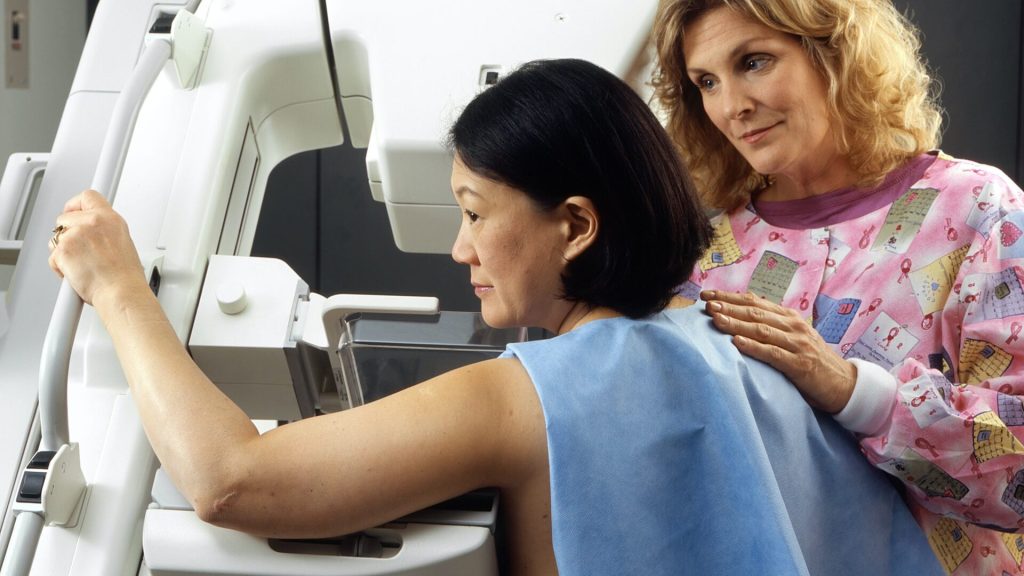
A review in The BMJ finds that humans still seem to beat AI when it comes to the accuracy of spotting possible cases of breast cancer during screening.

At this point, there is a lack of good quality evidence to support a policy of replacing human radiologists with artificial intelligence (AI) technology when screening for breast cancer, the researchers concluded.

A leading cause of death for among women the world over, mammography screening is a high volume, repetitive task for radiologists, and some cancers are not picked up.

Previous research has suggested that AI systems outperform humans and might soon be used instead of experienced radiologists. However, a recent review of 23 studies highlighted evidence gaps and concerns about the methods used.

To address this uncertainty, researchers reviewed 12 studies carried out since 2010. They found that, overall, the methods used in the studies were of poor quality, with low applicability to European or UK breast cancer screening programmes.

Three large studies involving nearly 80 000 women compared AI systems with the clinical decisions of the original radiologist. Of these, 1878 had screen detected cancer or interval cancer (cancer diagnosed in-between routine screening appointments) within 12 months of screening.

The majority (34 out of 36 or 94%) of AI systems in these three studies were less accurate than a single radiologist, and all were less accurate than the consensus of two or more radiologists, which is the standard practice in Europe.

In contrast, five smaller studies involving 1086 women reported that all of the AI systems evaluated were more accurate than a single radiologist. However, these were at high risk of bias and not replicated in larger studies.

In three studies, AI used as a pre-screen to triage which mammograms need to be examined by a radiologist and which do not screened out 53%, 45%, and 50% of women at low risk but also 10%, 4%, and 0% of cancers detected by radiologists.

The authors point to some study limitations such as excluding non-English studies, as well as the fast pace of AI development. Nevertheless, stringent study inclusion criteria along with rigorous and systematic evaluation of study quality suggests their conclusions are robust.

As such, the authors said: “Current evidence on the use of AI systems in breast cancer screening is a long way from having the quality and quantity required for its implementation into clinical practice.”

They added: “Well designed comparative test accuracy studies, randomized controlled trials, and cohort studies in large screening populations are needed which evaluate commercially available AI systems in combination with radiologists in clinical practice.”

Source: Medical Xpress
GPs Should Aim for Diabetes Remission Through Weight Loss

Photo by i yunmai on Unsplash

A large-scale review of clinical evidence concluded that achieving ‘remission’ for people with type 2 diabetes through dietary approaches and weight loss should be the primary treatment goal of GPs and healthcare practitioners.

Corresponding author Dr Duane Mellor at Aston University said: “Accounting for all the evidence, our review suggests remission should be discussed as a primary treatment goal with people living with type 2 diabetes. There are multiple dietary approaches that have been shown to bring about T2DM remission though at present meal replacements offer the best quality evidence. Low carbohydrate diets have been shown to be highly effective and should also be considered as a dietary approach for remission.”

Lead author, Dr Adrian Brown, UCL Division of Medicine said: “Traditionally T2DM has focussed on managing a person’s blood glucose with medication, however the approach doesn’t address the underlying causes of T2DM. There is now a growing body of research that shows losing significant weight, 10-15kg, either through weight loss surgery or dietary approaches, can bring about type 2 diabetes remission (non-diabetic blood sugar levels).”

Expert reviewers analysed over 90 research papers covering international clinical trials and clinical practice data of dietary methods used to treat T2DM. Their findings were published in the Journal of Human Nutrition & Dietetics.

The study found that meal-replacement diets helped 36% people successfully achieve remission, while low carbohydrate diets were able to help 17.6 % of people achieve and maintain remission for at least two years. People who lost the most weight and kept the weight off using both of these dietary approaches were able to stay in remission.

Calorie restricted and Mediterranean diets were somewhat less effective, with only about 5% of people on calorie restricted diets and 15% of people on a Mediterranean diet staying in remission after one year.

There were multiple definitions of ‘remission’: one is a return to non-diabetic blood sugar levels (glycated haemoglobin less than 48mmol/mol), without diabetes drugs. Other definitions however say weight (especially fat around the midsection) must be lost to achieve remission, and others allow medication to be used.

Some reports also suggested low-carbohydrate diets can normalise blood sugar levels even without weight loss, since carbohydrates cause blood sugar levels to rise. A low-carbohydrate diet means reduced blood sugar, leading to improved blood sugar control. However, if weight is lost without blood glucose being non-diabetic, the authors are suggesting this should instead be called mitigation, as the underlying mechanisms of T2DM are not being addressed.

Dr Brown said: “The evidence is clear that the main driver of remission remains the degree of weight loss a person achieved. Therefore, for those not achieving weight loss but achieving a non-diabetic blood glucose we are suggesting this isn’t remission per se, but rather ‘mitigation’ of their diabetes.”

The review concluded that while weight loss seems to best predict remission success, it assumes fat loss from the pancreas and liver. Future studies should compare how these diets work for different ethnic groups, as T2DM can occur at different body weights in different ethnic groups.

Dr Mellor added: “Not everyone will be able to achieve remission, but people who are younger (less than 50), male, have had type 2 diabetes for less than six years and lose more weight are more likely to be successful.”

Source: Ashton University

MMR and Tdap Vaccines May Confer Some COVID Protection

Source: Pixabay CC0

Mounting evidence shows that the Measles-Mumps-Rubella (MMR) and Tetanus-Diphtheria-Pertussis (Tdap) vaccines confer limited protection against COVID.

The MMR vaccine, given during early childhood, and Tdap vaccine, given every 10 years, elicit protective responses against the diseases they are designed for. It’s possible that they also elicit cross-reactive memory T cells that can respond to antigens that are present in other pathogens — including the viral antigens in SARS-CoV-2. The idea is that pre-existing memory T cells generated by prior MMR or Tdap vaccination and activated by SARS-CoV-2 infection give the immune system a head start in responding to SARS-CoV-2, lowering the risk of severe COVID.

To find out if the MMR and Tdap vaccines provide additional protection against COVID, researchers at Brigham and Women’s Hospital performed laboratory-based analyses with new techniques to detect and characterise T cell responses to antigens. They applied these techniques to measure T cell responses isolated from the blood of COVID convalescent patients and patients vaccinated against COVID to antigens from SARS-CoV-2 and the MMR and Tdap vaccines. They also leveraged a large, well-annotated cohort of COVID patients and found that prior MMR or Tdap vaccination was associated with decreased disease severity. Their results are published in Med.

“Our Cleveland Clinic colleagues observed an association where individuals with COVID who had either MMR or Tdap vaccines had a much lower frequency of going to the intensive care unit or dying,” said co-author Andrew Lichtman, MD, PhD, an immunologist and senior investigator in the Brigham’s Department of Pathology and professor of Pathology at Harvard Medical School. “Although previous smaller studies suggested a similar link, our in-depth epidemiological analyses, together with our basic research results, suggest that these commonly given vaccines may protect against severe disease.”

“During the COVID pandemic, we know that there was a marked decline in routine vaccinations for children and adolescents,” said corresponding author Tanya Mayadas, PhD, a senior scientist in the Brigham’s Department of Pathology and professor of Pathology at Harvard Medical School. “Our findings emphasise the importance of routine vaccination for children and adults. We know vaccines protect against devastating diseases, and we’re now seeing growing evidence that some of them provide a degree of protection against severe COVID disease.”

An unexpected observation jumpstarted the investigation. Prof Mayadas, her postdoctoral fellow Vijaya Mysore, PhD, and colleagues noted in lab experiments with COVID convalescent blood that whenever they observed a heightened T cell response to SARS-CoV-2 proteins, they also saw a heightened response to proteins from MMR and Tdap, which were controls. This was seen in both COVID convalescent and uninfected individuals vaccinated against SARS-CoV-2.

In a subsequent analysis, Prof Mayadas and colleagues teamed up with researchers at Cleveland Clinic to examine the epidemiological evidence. The Cleveland Clinic team performed a retrospective cohort study using data from more than 75 000 patients seen at the Cleveland Clinic Health System in Ohio or Florida who had tested positive for COVID between March 8, 2020, and March 31, 2021. A statistical analysis found that patients who had previously been vaccinated for MMR had a 38 percent decrease in hospitalisation and a 32 percent decrease in ICU admission/death. Patients previously vaccinated for Tdap had 23 percent and 20 percent decreased rates, for these outcomes, respectively.

“Beyond learning about the potential benefits of the MMR and Tdap vaccines in the context of COVID, this study provides a blueprint for accelerating research,” said co-author Lara Jehi, MD, MHCDS, Chief Research Information Officer of the Cleveland Clinic Health System. “Biomedical hypotheses generated in the laboratory can be explored through robust clinical and epidemiological research in well-curated, real-world data such as the Cleveland Clinic COVID Registry. Knowledge learned through this collaboration is much more than the sum of our individual parts.”

The authors note that epidemiological observations strengthen their lab findings, more work is needed to find a causal association between the MMR and Tdap vaccinations and severity of COVID disease.

“With regards to COVID vaccines, our findings predict that although MMR and Tdap are not a substitute for COVID vaccines they may afford greater and more durable protection, possibly against emerging spike variants than the COVID vaccine alone,” said Prof Mayadas. “And in areas where the COVID vaccines are not available, they could protect infected individuals from developing severe disease.”

Source: Brigham and Women’s Hospital

How Blood Vessels Change Permeability

Source: Wikimedia CC0

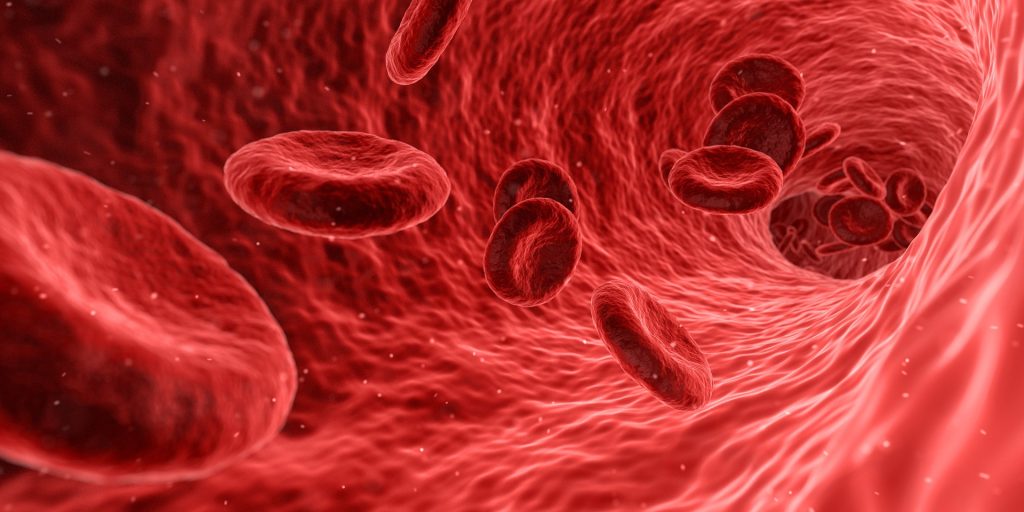
Researchers have made steps toward understanding how blood vessels change permeability, and how they might intervene to restore blood vessel integrity during sepsis, trauma or other conditions.

Sepsis occurs when a patient’s over-activated immune system harms their own tissues. As a result, blood vessels can become ‘leaky’ and can’t adequately supply major organs. The condition is notoriously difficult to treat, and there are no drugs that help stabilize the cell barrier that lines blood vessels.

A protein, HSP27, was previously found by researchers at University of California San Diego to be involved in regulating blood vessel leakage. To help break down or build up blood vessel barrier, cells add and remove chemical tags on HSP27.

The study, reported in Science Signaling, provides new potential targets for the development of drugs that shore up blood vessel barriers, preventing fluid loss.

“This new information will help us home in on the root cause of leaky blood vessels, rather than taking a broad strokes approach that may have many off-target effects,” said senior author JoAnn Trejo, Ph.D., professor of pharmacology and assistant vice chancellor of the Office of Health Sciences Faculty Affairs at UC San Diego School of Medicine.

Blood vessel barriers need to be permeable enough to allow immune cells to squeeze out to reach the site of an infection, for example, but not so much that the situation becomes life-threatening. HSP27 binds to proteins that help form the cell’s “skeleton.” Prof Trejo and colleagues suspect that’s how HSP27 affects blood vessel permeability: by reinforcing the skeleton of cells that maintain the barrier.

Prof Trejo has long studied G-protein-coupled receptors (GPCRs), proteins that are embedded in cell membranes and act as signal transducers for cells. About a third of all therapeutic drugs on the market work because they influence GPCR signals.

In their latest study, the team found that during inflammation, GPCRs tell enzymes called kinases to add chemical (phosphate) tags to HSP27. The tags perturb HSP27’s structure in a way that disrupts blood vessel barriers. When HSP27 reassembles, the barriers recover. The researchers validated their lab studies in mice, where they found that inhibiting HSP27 increases blood vessel leakage.

One problem in targeting GPCRs to treat a disease is that most act as master regulators, influencing many different cell functions. Inhibiting one GPCR may therefore have many unintended consequences. By aiming not at the master GPCR but at individual targets upon which it acts, such as HSP27, Trejo’s team is hoping to enable the development of blood vessel barrier-stabilising drugs that have greater precision and fewer side effects.

“It’s become apparent that you can develop different molecules that can bind to receptor and ‘bias’ them — make them signal in a very specific way to some pathways but not others,” Prof Trejo said. “It’s what we call biased agonism, and it’s a huge advantage for drug development. It means we can develop not just an on/off switch, but a drug that can switch a receptor ‘off’ or eight different types of ‘on.’ We want to be able to tweak which pathways are on and not touch others.”

The team plans to explore additional cell signaling pathways that helps blood vessels build resistance to injury and inflammation.

Source: UC San Diego

Traitorous Immune Cells Explain Why the Elderly Feel the Cold

Photo by Adam Birkett on Unsplash

In a new study, Yale researchers found that the immune cells within fat that are designed to burn calories to protect us from cold temperatures start to turn against us as we age, making the elderly more vulnerable to the cold.

The study, published in Cell Metabolism, found that the fat tissue of older mice loses the immune cell group 2 innate lymphoid cells (ILC2) which restore body heat in cold temperatures. However, trying to stimulate production of new ILC2 cells in aging mice actually makes them more prone to cold-induced death, showing how difficult it is to solve aging-related problems.

“What is good for you when you are young, can become detrimental to you as you age,” said Vishwa Deep Dixit, the Waldemar Von Zedtwitz Professor of Comparative Medicine and of Immunobiology and co-corresponding author of the study.

Prof Dixit and former colleague Emily Goldberg, now an assistant professor at UCSF, were curious about why there are immune cells in fat tissue, as they are usually concentrated in pathogen-exposed areas like nasal passages, lungs, and skin. When they sequenced genes from cells of old and young mice they found that older animals lacked ILC2 cells, a deficit which limited their ability to burn fat in cold conditions.

When they introduced a molecule that boosts the production of ILC2 in aging mice, the immune system cells were restored but the mice were surprisingly even less tolerant of cold temperatures.

“The simple assumption is that if we restore something that is lost, then we are also going to restore life back to normal,” Dixit said. “But that is not what happened. Instead of expanding healthy cells of youth, the growth factor ended up multiplying the bad ILC2 cells that remained in fat of old mice.”

However, when ILC2 cells were taken from younger mice and transplanted into older mice, the older animals’ cold tolerance was restored.

“Immune cells play a role beyond just pathogen defense and help maintain normal metabolic functions of life,” Dixit said. “With age, the immune system has already changed and we need to be careful how we manipulate it to restore the health of the elderly.”

Source: SciTech Daily

August Poll Results; 18-34s Upbeat on Vaccines

Photo by Mufid Majnun on Unsplash

To date, nearly 12 600 000 vaccinations have been administered in South Africa, with 23.66% of the adult population now fully vaccinated. Quicknews’ August poll revealed that 44% of site visitors felt that the government’s COVID vaccine rollout was “Acceptable”, while 51% felt it was either “Poor” or “Very Poor”. Only 5% rated it “Good” or “Very Good”.

The Department of Health’s COVID-19 and Vaccine Social Listening Report finds that the demand for vaccination had increased, with around 250 000 daily jabs, fuelled by a surge by the recent eligibility of the 18 – 34 age group. The report highlights include:

  • Social media conversations are more positive about the vaccine rollout with improved services, such as free transport and pop-up vaccination sites. Barriers to vaccination seem now to be more of an issue than vaccine hesitancy. It is noticeable that most anti-vax videos originated from other countries (especially the US), while most pro-vax are local (eg celebrating being vaccinated).
  • While vaccination is met with eagerness and discussion among the 18 – 34 age group, they also still appear to be the most vaccine-resistant age group, believing themselves to be healthy and not needing a vaccine. Discussion over whether vaccines should be mandatory is ongoing, eg to go to concerts, with some disinformation suggesting that it is already happening, and a sign of control by the state.
  • There has been increasing media coverage supportive to vaccines. The Department of Health’s vaccine demand acceleration plan has been met positively, as well as favourable coverage of the FDA’s full approval of the Pfizer vaccine. 
  • However, there are some negative views of the government’s vaccine prioritisation, and is seen as neglecting basic services such as sanitation and public transport. 
  • A WhatsApp survey run by Praekelt.org suggests that 90% of 4,000 people who had been vaccinated are willing to encourage others to do so. People reportedly have more rational concerns about vaccines (efficacy, side effects, developed so quickly, reports of deaths) and not the wilder conspiracy theories (eg tracking devices, depopulation).
  • Disinformation and problematic statements such as those from Rev Kenneth Meshoe vaccine-resistant statements and support for anti-vaxxers Dr Susan Vosloo and Prof Tim Noakes have undermined vaccine trust.
  • There is some debate over preferences over currently available vaccines or those that may be available later, eg Astra Zeneca, Sinovac. Confusion on reports that J&J second dose might be required and other booster shots.
  • The report notes some anti-vaccination sentiment in the Muslim community, with messages circulated that vaccines are haram (forbidden by Sharia law), though most Muslim authorities produce responsible evidence-based views.

Source: SA Coronavirus Portal

Suspensions of Top Health Officials are Imminent

Photo by Bill Oxford on Unsplash

An article by the Daily Maverick reveals that a wave of suspensions in the Department of Health are impending as a result of the investigation into the Digital Vibes contract, which prompted the resignation of Dr Zweli Mkhize.

Minister of Health Dr Joe Phaahla said that he received a letter from the Special Investigations Unit (SIU) which he would have to act on. 

Dr Phaahla said that “in the next few days and weeks there will unfortunately be some action and that will have some impact also on our capacity as a department”, adding that “when wrong things have happened and investigations have led to findings, then people have to be held answerable”.

However, Dr Phaahla said it was regrettable since “it will have an impact on our capacity, because from what I have seen, a number of people will have to be on suspension, pending charges.” He said it would be difficult for the vaccination programme as management staff were already stretched thin, but “it’s a consequence which must follow”. 

Drs Buthelezi and Pillay denied any knowledge of suspension, though the Daily Maverick has found out that referral for disciplinary action have been sent to the presidency.

The details of the SIU’s investigation have not been made public yet, although the Daily Maverick was able to tease out some details from an affidavit to set aside the Digital Vibes contract and to seeks to reclaim up to R150 million that was paid for the contract.

The affidavit further reveals that Dr Mkhize allegedly pressured the previous Director-General, Precious Matsoso, to employ Tahera Mather to be contracted for communication.

Precious Matsotso was replaced after an unblemished ten years by Dr Anban Pillay, who had been Deputy DG. Dr Pillay then became the active facilitator for the Digital Vibes contract, the affidavit suggests — a matter in which the DIU has also referred to the National Prosecuting Authority.

The current DG, Dr Sandile Buthelezi, who replaced Dr Pillay, is also noted as approving payments to Digital Vibes, though the DIU states it is not seeking any relief against him other than setting aside of relevant agreements.

The situation still has a way to run, with disciplinary inquiries, the Special Tribunal hearing and NPA investigations all ongoing. 

However, the Daily Maverick warns that it is clear that this critical government department is in “freefall” and will not have the capacity to deal with South Africa’s health challenges in the months and years to come.

Source: Daily Maverick

J&J HIV Vaccine Fails in Local Trials

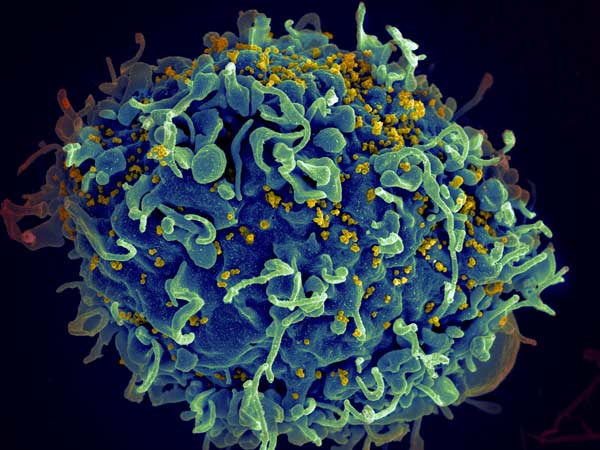
HIV invading a human cell
HIV invading a human cell: Credit NIH

Johnson & Johnson and its partners announced preliminary results showing their HIV vaccine trial failed to provide sufficient protection against HIV infection in a population of young women in sub-Saharan Africa.

The vaccine had a favourable safety profile with no serious adverse events.
The Phase 2b HIV vaccine clinical trial was known as the Imbokodo study (also known as HVTN 705/HPX2008), which will now be discontinued. Further analysis of the Imbokodo study is ongoing, and the study has provided enough data to progress with key immunological correlates research.

“The high incidence of HIV among young women in sub-Saharan Africa reminds us that, despite great progress made in treatment and prevention, HIV remains a major health challenge for the region,” said Professor Glenda Gray, President and Chief Executive Officer, South African Medical Research Council (SAMRC) and Imbokodo’s Protocol Chair. “This underscores the need to apply the knowledge that will be gained from this trial to continue to advance the pursuit of a global HIV vaccine.”A parallel, ongoing Phase 3 Mosaico study (HVTN 706/HPX3002) with men who have sex with men and transgender individuals in Europe and Americas will continue due to the different HIV strains that are circulating in the trial areas and the different HIV vaccine regimen.
The HIV regimen consisted of an adenovirus vector containing four mosaic immunogens (Ad26.Mos4.HIV) at four vaccination visits over one year. The Imbokodo regimen contains a soluble protein component (Clade C gp140, adjuvanted with aluminum phosphate) which is administered at vaccination visits three and four. The ongoing Phase 3 Mosaico study is testing a different investigational vaccine regimen that involves the administration of a mosaic-based mixture of soluble proteins (Clade C/Mosaic gp140) at vaccination visits three and four.

Imbokodo participants had four vaccination visits over one year, with the primary endpoint based on new HIV infections through month 24. These data found that 63 of 1109 placebo arm participants compared to 51 of 1079 vaccine arm participants. This analysis demonstrated a vaccine efficacy point estimate of 25.2% (95% confidence interval of -10.5% to 49.3%).

HIV is prevalent in Sub-Saharan Africa, where women and girls accounted for 63 percent of all new HIV infections in 2020. The study enrolled roughly 2600 young women across Malawi, Mozambique, South Africa, Zambia and Zimbabwe. Researchers ensured that any HIV-infected participants in Imbokodo were referred to high-quality HIV treatment and care services. 

Source: PR Newswire

Added Potassium Salt Substitute Greatly Cuts CVD Risk

Source: Pixabay CC0

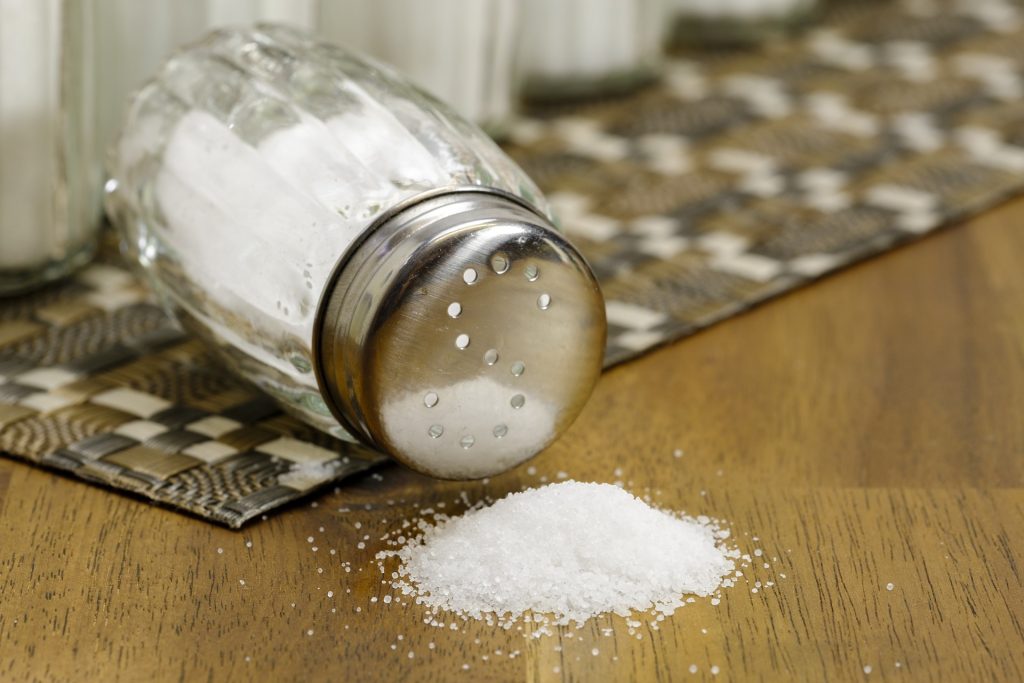
Replacing table salt with a low-sodium, added potassium ‘salt substitute’ significantly reduces rates of stroke, heart attack and death, one of the largest dietary intervention studies ever conducted.

Presented at the European Society of Cardiology Congress in Paris, and simultaneously published in the New England Journal of Medicine, the results also showed that there were no harmful effects from the salt substitute, such as hyperkalaemia.

High sodium intake and low potassium intake are widespread. Both are linked to hypertension and increased risks of stroke, heart disease and premature death. Using a salt substitute – where part of the sodium chloride is replaced with potassium chloride – addresses both problems at once. Salt substitutes are known to lower blood pressure but their effects on heart disease, stroke, and death were unclear, until now.

Lead researcher, Professor Bruce Neal of The George Institute for Global Health, said that the benefit could prevent millions of early deaths with the widespread adoption of salt substitutes.

“Almost everyone in the world eats more salt than they should.  Switching to a salt substitute is something that everyone could do if salt substitutes were on the supermarket shelves,’’ he said.

“Better still, while salt substitutes are a bit more expensive than regular salt, they’re still very low-cost – just a few dollars a year to make the switch.”

“As well as showing clear benefits for important health outcomes, our study also allays concerns about possible risks.  We saw no indication of any harm from the added potassium in the salt substitute.  Certainly, patients with serious kidney disease should not use salt substitutes, but they need to keep away from regular salt as well,” added Professor Neal.

The Salt Substitute and Stroke Study enrolled 21 000 adults with either a history of stroke or poorly controlled blood pressure from 600 villages in rural areas of China from 2014 to 2015.

Participants in intervention villages were provided enough salt substitute to cover all household cooking and food preservation requirements – a daily amount of 20g per person. Those in the other villages continued using regular salt.

Over five years’ average follow up, more than 3000 participants had a stroke. Use of salt substitute reduced stroke risk by 14 percent, total cardiovascular events (strokes and heart attacks combined) by 13 percent and premature death by 12 percent.

Professor Neal said that as salt substitutes are relatively cheap (US$1.62 per kg vs US$1.08 per kg for regular salt in China), they are likely very cost effective.

“Last year, a modelling study done for China suggested that about 400 000 premature deaths might be prevented each year by national uptake of salt substitute. Our results now confirm this. If salt was switched for salt substitute worldwide, there would be several million premature deaths prevented every year,” he said.    

“This is quite simply the single most worthwhile piece of research I’ve ever been involved with. Switching table salt to salt substitute is a highly feasible and low-cost opportunity to have a massive global health benefit.”

As a result of the study, George Institute researchers are calling for salt manufacturers to embrace salt substitution, the promotion of salt substitutes by governments, and the use of substitute salt by consumers.

Source: George Institute for Global Health

What is The C.1.2 Variant?

Image by Quicknews

A preliminary study recently uploaded on the medRxiv preprint server, researchers detail the detection and characteristics of the C.1.2 variant of SARS-CoV-2, which has not yet been assigned a variant of interest (VOI) status, but which could potentially have increased transmission and immune escape potential.

The researchers describe how they identified a new SARS-CoV-2 variant, C.1.2. The first detection of this variant was during the third wave of infections in South Africa from May 2021 onwards, and has also been detected in seven other countries around the world.

New SARS-CoV-2 variants are commonly associated with new waves of infection. Like several other variants of concern (VOCs), C.1.2 has accumulated a number of substitutions beyond what would be expected from the background SARS-CoV-2 evolutionary rate. This suggests the likelihood that these mutations arose during a period of accelerated evolution in a single individual with prolonged viral infection through virus-host co-evolution. Deletions within the N-terminal domain have been evident in cases of prolonged infection, further supporting this hypothesis.

C.1.2 contains many mutations that have been identified in all four VOCs (Alpha, Beta, Delta and Gamma) and three VOIs (Kappa, Eta and Lambda) as well as additional mutations. Many of the shared mutations have been associated with improved ACE2 binding or furin cleavage, and reduced neutralisation activity, raising concern about the transmission potential of this variant. The next step is determining the functional impact of these mutations and to find out if they give it a replication advantage over the Delta variant.

The C.1.2 lineage is continuing to grow, and as of 20 August 2021, there were 80 C.1.2 sequences in GISAID, and the variant has now been detected in Botswana and in the Northern Cape of South Africa. Note that this study is yet to have the peer review process completed.

Source: MedRxiv