Novel Nasal Spray for Migraines Approved by FDA

Impel NeuroPharma announced that the US Food and Drug Administration (FDA) approved TRUDHESA™ (dihydroergotamine mesylate) nasal spray (0.725 mg per spray) for the acute treatment of migraine with or without aura in adults.

The innovative system delivers dihydroergotamine mesylate (DHE) through the vascular-rich upper nasal space, bypasses the gut and potential absorption issues, offering rapid, sustained, and consistent symptom relief without injection or infusion, even when administered hours after a migraine attack starts. 

During the Phase 3, open-label, pivotal safety study, STOP 301, more than 5,650 migraine attacks were treated over 24 or 52 weeks during the study. The primary objective of the study was to assess the safety and tolerability of TRUDHESA. TRUDHESA was generally well tolerated and exploratory efficacy findings showed it provided rapid, sustained, and consistent symptom relief. STOP 301 reported TRUDHESA offered consistent efficacy even when taken late into a migraine attack.

“Many of my patients need more from their migraine treatment, and TRUDHESA offers a non-oral, fast-acting, reliable option that overcomes many current medication challenges,” said Stephanie J. Nahas-Geiger, MD, MSEd, Associate Professor in the Department of Neurology, and Program Director of the Headache Medicine Fellowship Program, Thomas Jefferson University. “Its upper nasal delivery circumvents the GI tract and common phenomena associated with migraine, such as nausea and gastroparesis, that can impact the effectiveness of oral treatments. And, importantly, it is a self-administered, single dose that can be taken anytime during a migraine attack, so patients don’t need to worry about missing the opportunity to benefit from using TRUDHESA within a certain timeframe. I think patients will be very receptive to this treatment, because it pairs the long-proven benefits of DHE with a patient-friendly delivery system.”

There were no serious adverse events were observed in the study, and most adverse events were mild and transient in nature.

In the STOP 301 study, patient-reported efficacy showed that 38% of patients had pain freedom, 66% had pain relief, and 52% had freedom from their most bothersome migraine symptom at two hours after their first dose of TRUDHESA. In 16% of patients, pain relief started as early as 15 minutes. Of patients who were pain free at two hours, 93 percent were still pain free at 24 hours, and 86 percent were still pain free through two days. The great majority of patients (84%) reported that TRUDHESA was easy to use10 and preferred it over their current therapy.

Source: Impel NeuroPharma

Physical Activity, Less Sitting Reduces Risk of Sleep Apnoea

Photo by Ketut Subiyanto on Pexels

Higher levels of physical activity and fewer hours sitting still have been linked with a lower risk of sleep apnoea in a new study.

Researchers studied information from three different databases. These databases had collected health information on men and women using tests and questionnaires over several years. In this study, researchers looked at cases of sleep apnoea that had been diagnosed by a doctor, the amount of physical activity a person completed each week and how much time a person sat still while watching TV or working.

Drawing on the database, the study found 8733 cases of sleep apnoea (6652 women, 2081 men). Across all three databases, it was found that higher levels of physical activity were linked to lower levels of sleep apnoea. Fewer hours of sitting while watching TV or while working was also linked with lower levels of sleep apnoea.
The study also noted that there was a strong link between low levels of activity and long hours sitting in women, as well as those who were overweight or obese.

According to its authors, this is the largest study of its kind that looks at the link between sleep apnoea and physical activity and the number of hours sitting down. The findings support the benefits of maintaining an active lifestyle, and avoiding sitting for long periods of time, to help to reduce the risk of sleep apnoea.

Source: European Lung Foundation

Low-level Air Pollution Still Linked to Higher Mortality

Photo by Kouji Tsuru on Unsplash

Long-term exposure to air pollution appears to still be linked to higher mortality despite the existence of air quality standards that restrict levels of pollution, suggests a study published online in The BMJ today.

Previous studies have found an association between long term exposure to outdoor air pollution such as those in the form of fine particles in the air (known as particulate matter or PM2.5) and nitrogen dioxide (NO2) and illness or mortality.

While air pollution concentrations have fallen substantially in Europe since the 1990s, it is unclear whether there still is a link between pollution and ill health or death at pollution levels under permitted levels.

Therefore, researchers set out to determine if there was an association between low levels of air pollution concentrations and natural and cause-specific deaths.

Low-level air pollution was defined as concentrations below current limits set by the European Union, US Environmental Protection Agency and the World Health Organization (WHO).

The researchers analysed data on eight groups of people within six European countries. Their study recruited participants in the 1990s or 2000s. Of the 325 367 participants who were followed up over an almost 20-year period, around 14.5% (47 131 people) died during the study period.

An increase of 5 µg/m3 (a concentration measure of particulate matter) in particulate matter (PM2.5) was associated with a 13% increase in natural deaths while the corresponding figure for a 10 µg/m3 increase in nitrogen dioxide was 8.6%. Associations with PM2.5 and NO2 were largely independent of each other.

Moreover, even at low to very low concentrations, associations with PM2.5, NO2, and black carbon remained significant. For people exposed to pollution levels below the US standard of 12 µg/m3, an increase of 5 µg/m3 in PM2.5 was associated with a 29.6% increase in natural deaths. People exposed to NO2at less than half the current EU standard of 40 µg/m3, a 10 µg/m3 increase in NO2 was associated with a 9.9% increase in natural deaths.

The study also has some limitations, the researchers said, such as the fact that it focused on exposure in 2010 which was towards the end of the follow-up period for most participants and, given falling air pollution, this measure might not exactly reflect the concentrations experienced during follow-up.

However, this was a large study from multiple European groups of people with detailed information provided. As such, the authors concluded: “Our study contributes to the evidence that outdoor air pollution is associated with mortality even at levels below the current European and North American standards and WHO guideline values.

“These findings are therefore an important contribution to the debate about revision of air quality limits, guidelines and standards, and future assessments by the Global Burden of Disease [study].”

Source: The BMJ

MRI and Massage Stones Help Unlock Mystery of Sensory Associations

Photo by engin akyurt on Unsplash

By using hot and cold massage stones, scientists have found that the brain’s prefrontal cortex conjures up sensations based on other sensory information, such as feeling warmth when viewing a beach.

Publishing their findings in The Journal of Neuroscience, the researchers investigated patterns of neural activity in the prefrontal cortex as well as the other regions of the brain known to be responsible for processing stimulation from all the senses and discovered significant similarities.

“Whether an individual was directly exposed to warmth, for example, or simply looking at a picture of a sunny scene, we saw the same pattern of neural activity in the prefrontal cortex,” said Dirk Bernhardt-Walther, an associate professor in the department of psychology in the Faculty of Arts & Science, and coauthor of a study published last week in the Journal of Neuroscience describing the findings. “The results suggest that the prefrontal cortex generalizes perceptual experiences that originate from different senses.”

To understand how the human brain processes the torrent of information from the environment, researchers often study the senses in isolation, with much prior work focused on the visual system. Bernhardt-Walther says that while such work is illuminating and important, it is equally important to find out how the brain integrates information from the different senses, and how it uses the information in a task-directed manner. “Understanding the basics of these capabilities provides the foundation for research of disorders of perception,” he said.

Capturing brain activity with functional magnetic resonance imaging (fMRI), the researchers conducted two experiments with the same participants, based on knowing how regions of the brain respond differently depending on the intensity of stimulation.

In the first, the participants viewed images of various scenes, such as beaches, city streets, forests and train stations, and were asked to judge if the scenes were warm or cold and noisy or quiet.

For the second experiment, participants were first handed a series of massage stones that were either heated to 45C or cooled to 9C, and later exposed to a variety of sounds such as birds, people and waves at a beach.

“When we compared the patterns of activity in the prefrontal cortex, we could determine temperature both from the stone experiment and from the experiment with pictures as the neural activity patterns for temperature were so consistent between the two experiments,” said lead author of the study Yaelan Jung, who recently completed her PhD at U of T working with Bernhardt-Walther and is now a postdoctoral researcher at Emory University.

“We could successfully determine whether a participant was holding a warm or a cold stone from patterns of brain activity in the somatosensory cortex, which is the part of the brain that receives and processes sensory information from the entire body – while brain activity in the visual cortex told us if they were looking at an image of a warm or cold scene.”

“Overall, the neural activity patterns in the prefrontal cortex produced by participants viewing the images were the same as those triggered by actual experience of temperature and noise level,” said Dr Jung.

This opens up insights into how the brain processes and represents complex real-world attributes that span multiple senses, even without directly experiencing them.

“In understanding how the human brain integrates information from different senses into higher-level concepts, we may be able to pinpoint the causes of specific inabilities to recognise particular kinds of objects or concepts,” said Bernhardt-Walther.

“Our results might help people with limitations in one sensory modality to compensate with another and reach the same or very similar conceptual representations in their prefrontal cortex, which is essential for making decisions about their environment.”

Source: University of Toronto

HPV Vaccine to Cause Drop in Oropharyngeal Cancers

Photo by Gustavo Fring at Pexels

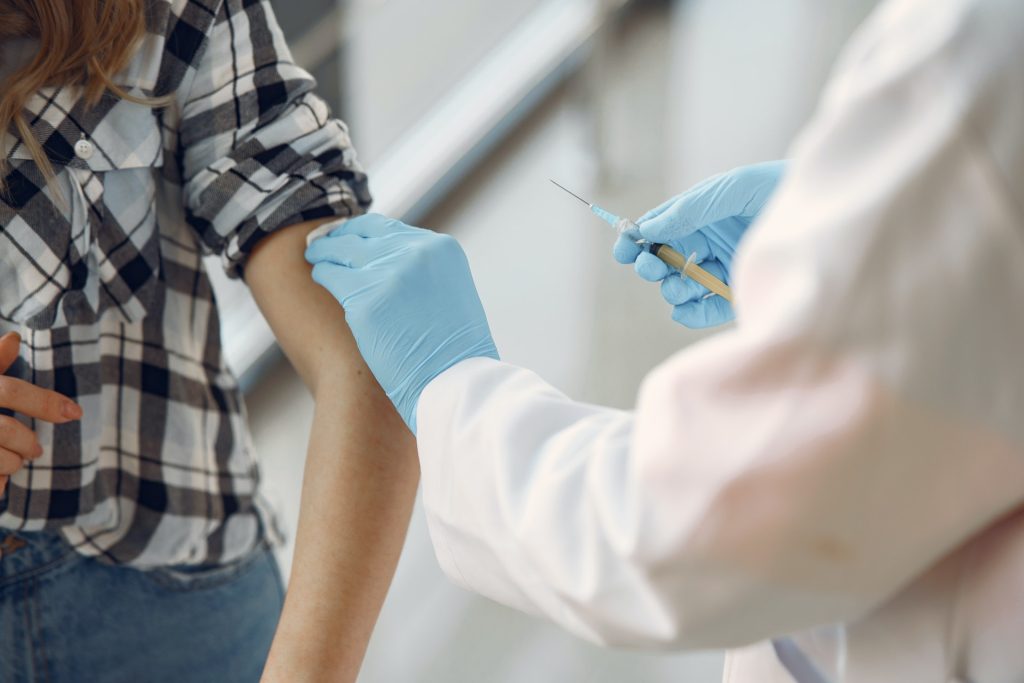
Vaccinations against human papillomavirus (HPV), a major cause of oropharyngeal cancers, are expected to yield significant reductions in the rates of these cancers in the US after 2045, according to a new study.

The most common sexually transmitted infectious virus worldwide, HPV infection is often silent, and while most infections clear, some are chronic and can trigger cancers including mouth and throat (oropharyngeal), and cervical cancer as they disrupt DNA and inhibit tumour-suppressor proteins in infected cells. While there is no cure for existing HPV infections, vaccines can prevent new infections. The study appears online in JAMA Oncology.

“We estimate that most of the oropharyngeal cancers from 2018 to 2045 will occur among people who are 55 years and older and have not been vaccinated,” said study lead author Yuehan Zhang, a PhD candidate in the research group of Gypsyamber D’Souza, PhD, professor in the Department of Epidemiology at the Bloomberg School.

“HPV vaccination is going to work to prevent oropharyngeal cancers, but it will take time to see that impact, because these cancers mostly occur in middle age,” Prof D’Souza said.

Oropharyngeal cancer is the most common HPV-related cancer. Vaccination, though effective in prevention, has no effect against established HPV infections or against cells that have been transformed by HPV and are on their way to forming tumours, therefore recommended mainly for the young not yet exposed to sexually transmitted HPV. (People who were adults when the vaccine became available mostly did not receive it and remain at risk for these cancers)

In the new study, researchers at the Johns Hopkins Bloomberg School of Public Health analysed national databases on oropharyngeal cancer cases and HPV vaccinations, and projected the impact of HPV vaccination on the rates of these cancers in different age groups. They estimated that the oropharyngeal cancer rate would nearly halve between 2018 and 2045 among people ages 36–45. However, they also projected that the rate in the overall population would stay about the same from 2018-2045, due to still-rising rates of these cancers in older people, where most of these cancers occur.

The results suggest, though, that by 2045 HPV vaccination will have begun to make a significant impact. “Our projections suggest that by around 2033, nearly 100 cases of oropharyngeal cancer will be prevented each year, but by 2045 that figure will have increased by about ten times,” Zhang said.

Source: Johns Hopkins University Bloomberg School of Public Health

Europe to Return Millions of Locally-filled J&J Vaccines

The European Union has agreed to return millions of COVID vaccines doses partially produced in South Africa back to the African continent.

South Africa’s Aspen Pharmacare operates the plant that is partially producing Johnson & Johnson vaccines, where vaccine substance from Europe is sent to be bottled and shipped.

The plant is supposed to produce 400 million doses for the AU’s African Vaccine Acquisition Trust through 2022, to be purchased by African nations using World Bank financing. Shipments started in August, with 6.4 million doses delivered to countries, but they have been limited due to the manufacturing plant’s production capacity.

The announcement came as Africa struggles to immunise its population against COVID, partly due to a lack of supply resulting from wealthier countries buying up most vaccines, and also from widespread vaccine hesitancy. 

“All the vaccines produced at Aspen will stay in Africa and be distributed to Africa,” said Strive Masiyiwa, special African Union envoy. “This issue has been corrected and corrected in a very positive way.”

The announcement came after a meeting in Berlin between South African President Cyril Ramaphosa and European Commission President Ursula Von der Leyen, he said, adding that the first supplies were expected this month.

“In addition, the Europeans committed to give us 200 million doses before the end of December,” Masiyiwa said at the briefing by the Africa Centres for Disease Control and Prevention.

About 2.93% of people who have been fully immunised against COVID, said Africa CDC director John Nkengasong. The World Health Organization meanwhile warned that eight out of 10 African countries were likely to fall short of the “crucial” goal of vaccinating the most vulnerable 10% of their populations against COVID by the end of the month.

Source: Eyewitness News

Insights into Stiffness Prognosis of Knee Replacements

Phot by Nino Liverani on Unsplash

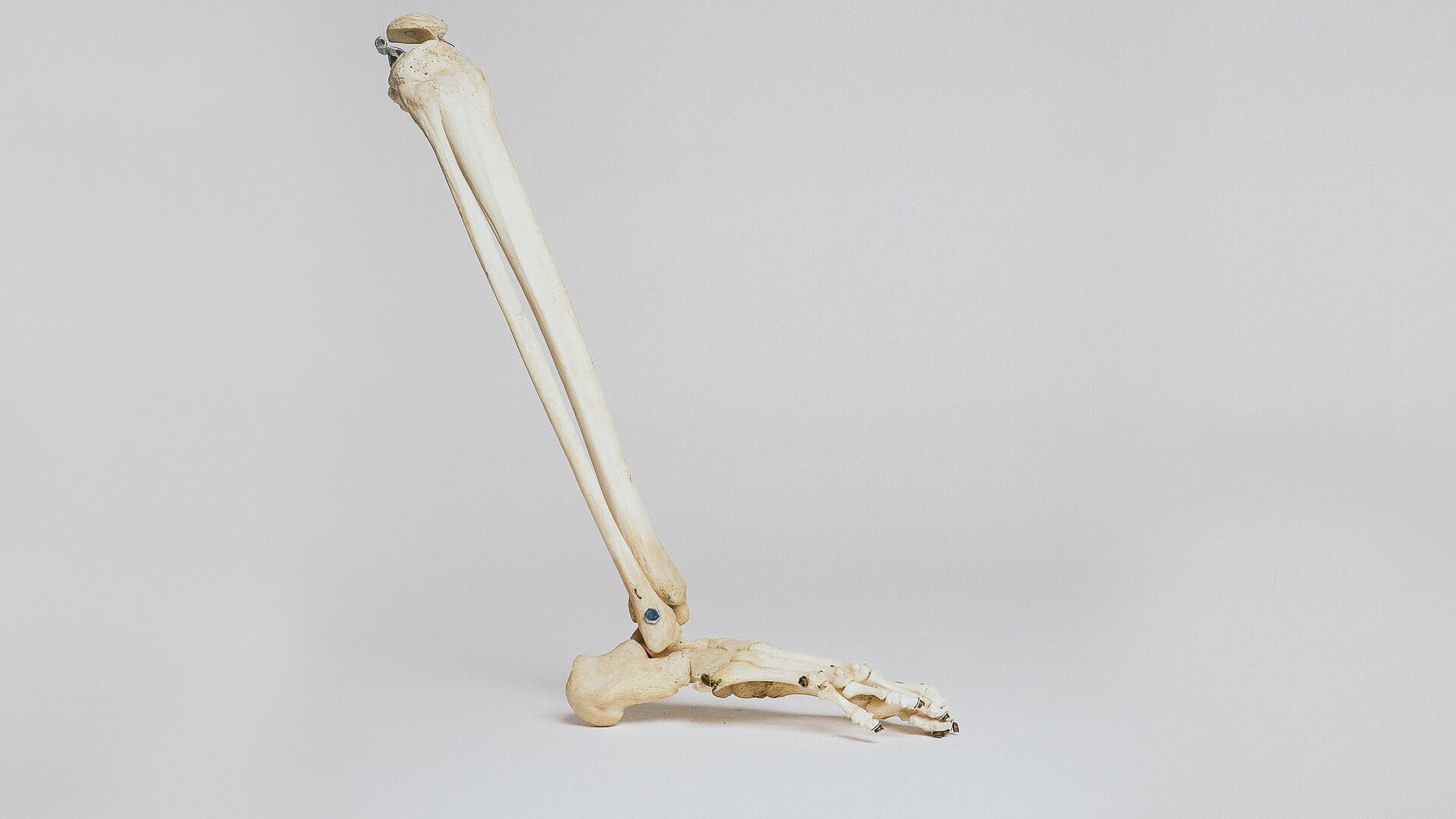
A new study could help physicians better manage patients who experience debilitating stiffness after they undergo knee replacement surgery.

Researchers at Hospital for Special Surgery (HSS) in New York City presented their findings at the American Academy of Orthopaedic Surgeons (AAOS) 2021 annual meeting

Stiffness after knee replacement surgery, or total knee arthroplasty (TKA), is a rare but frustrating complication, affecting between 1% and 7% of patients who receive the artificial joints. “Why some people and not others experience limited range of motion after TKA is unknown,” said Ioannis Gkiatas, MD, PhD, an orthopedic surgeon at the University of Ioannina, in Greece, and the first author of the new study.

“The goal of the study was to see if we can help physicians predict how patients will do following the revision surgery, using information gathered before and after the procedure, to shape their postoperative treatment plans,” said Dr. Gkiatas. The work was conducted under the supervision of Peter K. Sculco, MD, hip and knee surgeon at HSS, who is leading a large, ongoing study of patient outcomes after revision TKA for reduced range of motion after index TKA.

The researchers followed 19 men and women who underwent revision TKA at HSS to try to improve stiffness in patients with prior TKA. Patients underwent range of motion testing before the procedure and at six weeks, six months and one year after the operation.

The range of motion of healthy knees ranges from full extension (0 degrees) through the sitting position (90 degrees) to kneeling (approximately 140 degrees). All patients gained an average of 28 degrees of motion after the revision surgery. The benefit mostly appeared in the first six weeks after the operation, then gradually tapered off over time.

Patients with the least restricted mobility had the greatest gains from the revision surgery. Patients who could able to bend their affected knee more than 82 degrees before TKA revision had an 80 percent chance of maintaining that level of mobility, or gaining flexibility in the joint, after the operation and throughout the follow-up period.

However, two-thirds of patients whose range of motion was less than 64 degrees prior to surgery experienced regression in that mobility during the study, never attaining the 82-degree threshold.

“Although 82 degrees doesn’t seem much more than 64 degrees, for the patient it’s a significant difference. With 82 degrees you can perform the basic activities of everyday life,” Dr Gkiatas said. “With these new data, if at six weeks a patient reaches 82 degrees of motion in their knee, we can say they have an 80 percent chance of at least maintaining this range of motion one year after surgery.” 

The study results provide surgeons with the information needed to educate patients with stiff TKA on expected range of motion outcomes after revision surgery: Less than 60 degrees is a poor prognostic finding. Additionally, when patients return for their six-week appointment after revision TKA, and have less than 82 degrees of motion, additional pharmacologic or manual knee manipulation treatments should be done since this patient is at a high risk for range of motion regression and inferior clinical outcome at one-year post-revision.

Source: EurekaAlert!

New Antiviral Drug for COVID to Be Trialled in SA

Source: CDC

Codivir, a new antiviral drug with promising effects against COVID, will be trialled in South Africa.

Following on from the phase I study’s successful completion, Code Pharma, a Dutch pharmaceutical company developing Codiviir, is starting phase II double-blind controlled study in Spain, Brazil, South Africa and Israel.

Codivir is a short synthetic 16 amino-acid peptide, originally derived from HIV peptides. Code Pharma discovered the peptide’s direct antiviral effect against SARS-CoV-2 after in vitro studies at the British virology research laboratory, Virology Research Services in London.

Codivir was tested in a phase I trial in São Paulo, Brazil, where researchers found that Codivir had a high safety profile while significantly suppressing viral replication in most of the fully assessed patients. All treated patients recovered quickly and no side effects often associated with COVID infections were seen. The results also indicated that Codivir might have a similar beneficial effect on other RNA viruses such as influenza.

Lead researchers from the Department of Medicine at Hadassah Medical Center, Dr Yotam Kolben and Dr Asa Kesler said the antiviral drug had potential for improving the current therapies for COVID.

“The pre-clinical data and the results of the clinical trial support the safety of Codivir administration in humans and suggest its significant anti-COVID effect,” the researchers said.

Professor Shlomo Maayan, director of the Infectious Disease division at the Barzilai Medical Center, said Codivir had a very good safety profile and an impressive antiviral effect, both in the lab and in the phase I clinical trials.

“We eagerly await the results of the double-blind studies using Codivir. It may be a breakthrough in the field of antiviral therapy for COVID patients,” said Prof Maayan.

Source: Biospace

Impacts of Sleep Deprivation Linger a Week Later

Photo by Mert Kahveci on Unsplash

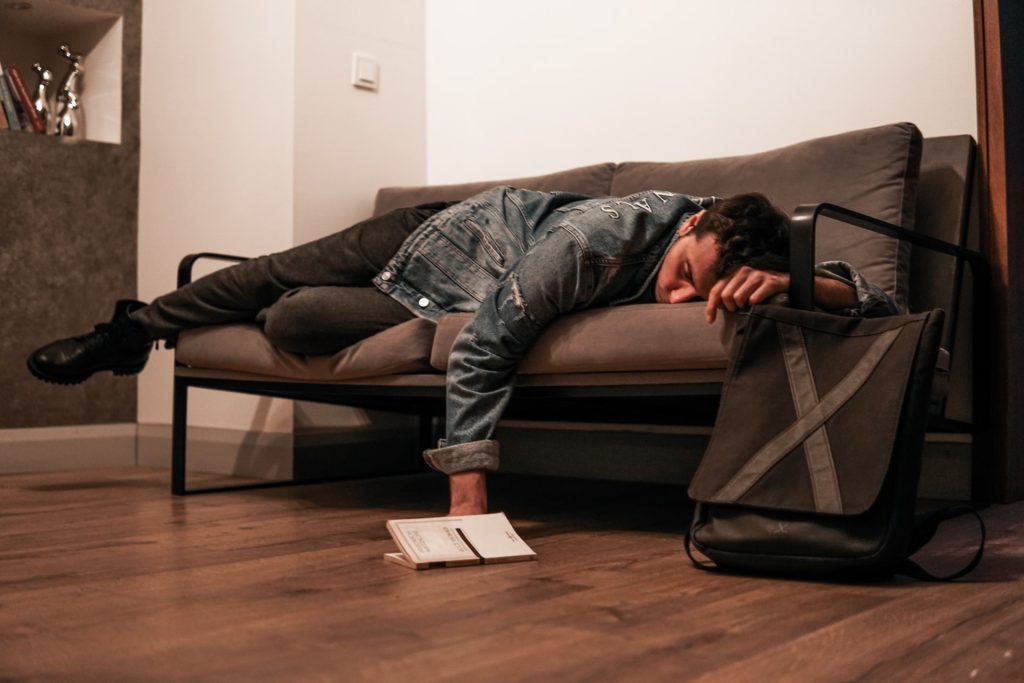
A Polish study found that, after a week-long recovery from sleep deprivation, only reaction speed is restored to baseline levels while other functions are still lacking.

The negative impacts of sleep deficiency are well known, and include deficits in attention and memory, increased risk of car accidents, heart problems, and other medical issues. However, while some research has addressed recovery after chronic sleep deprivation, it has been unclear how much time is needed to fully recover from prolonged periods of deficient sleep.

To shed more light on this topic, Jeremi Ochab of the Jagiellonian University in Kraków and colleagues conducted a small study, published in PLOS ONE, with several healthy adults who underwent 10 days of purposeful sleep restriction followed by seven recovery days with unrestricted sleep. Participants completed the study in their normal day-to-day environments, wearing wrist sensors to track sleep and activity. Daily electroencephalography (EEG) monitored their brain activity, and they answered daily questions (Stroop tasks) to measure reaction times and accuracy.

After 7 days of recovery, the participants had not yet returned to their baseline performance on most measures of functioning. These included several EEG measures of brain activity, rest-versus-activity patterns captured by wrist sensors, and accuracy on Stroop tasks. Only their reaction times had recovered to baseline levels.

While the researchers note that it is difficult to compare these results with other studies that employed different methods, the findings contribute new insights into recovery from chronic sleep loss. Future research could include more participants, investigate longer recovery periods, and determine in what order different functions return to normal.

The authors added: “The investigation of the recovery process following an extended period of sleep restriction reveal that the differences in behavioural, motor, and neurophysiological responses to both sleep loss and recovery.”

Source: SciTech Daily

New Prosthetic Arm Restores Normal Movements

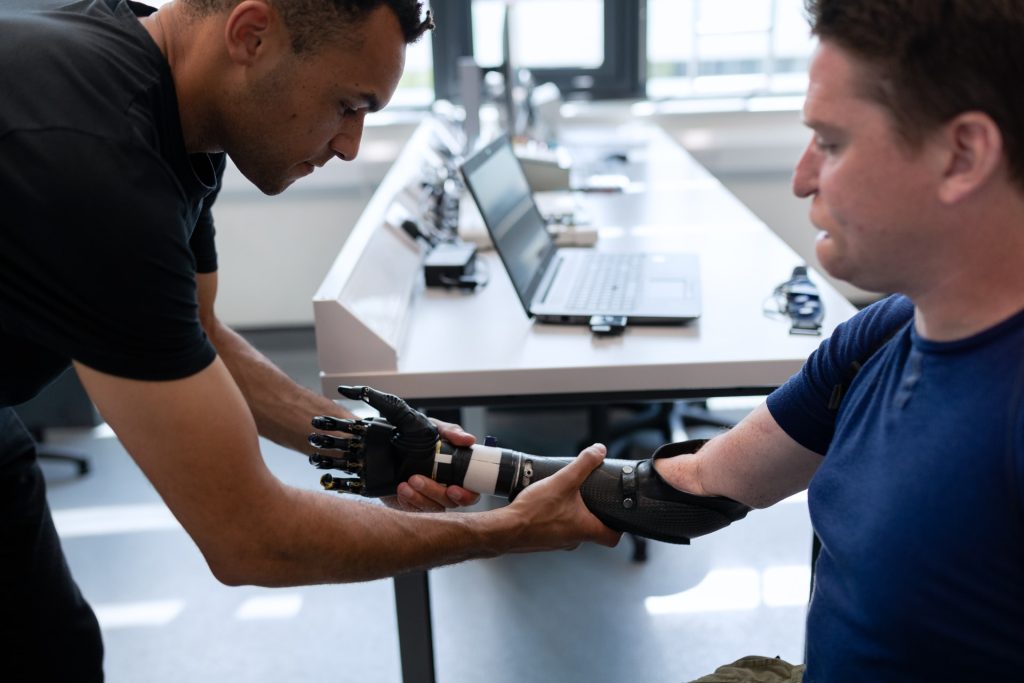
A prosthetic arm being fitted. Source: This is Engineering on Unsplash

Researchers have developed a bionic arm for patients with upper-limb amputations that allows wearers to think, behave and function like a person without an amputation.

The arm combines three important functions – intuitive motor control, touch and grip kinaesthesia, the intuitive feeling of opening and closing the hand. The developers, led by Clevelend Clinic, published their findings in Science Robotics.

“We modified a standard-of-care prosthetic with this complex bionic system which enables wearers to move their prosthetic arm more intuitively and feel sensations of touch and movement at the same time,” said lead researcher Paul Marasco, PhD, associate professor  in Cleveland Clinic Lerner Research Institute’s Department of Biomedical Engineering. “These findings are an important step towards providing people with amputation with complete restoration of natural arm function.”

The system is the first to test all three sensory and motor functions in a neural-machine interface simultaneously in a prosthetic arm. The neural machine interface sends impulses from the brain to the arm and sensory information back to the brain.

“Perhaps what we were most excited to learn was that they made judgments, decisions and calculated and corrected for their mistakes like a person without an amputation,” said Dr Marasco. “With the new bionic limb, people behaved like they had a natural hand. Normally, these brain behaviors are very different between people with and without upper limb prosthetics.
The researchers tested their new bionic limb on two study participants with upper limb amputations who had previously undergone targeted sensory and motor reinnervation -procedures that establish a neural-machine interface by redirecting amputated nerves to remaining skin and muscles. 

In targeted sensory reinnervation, touching the skin with small robots activates sensory receptors that enable patients to perceive the sensation of touch. In targeted motor reinnervation, when patients think about moving their limbs, the reinnervated muscles communicate with a computerised prosthesis to move in the same way. Additionally, small, powerful robots vibrate kinesthetic sensory receptors in those same muscles which helps prosthesis wearers feel that their hand and arm are moving. The new prosthetic arm feels grip movement sensation, touch on the fingertips, and is controlled intuitively by thinking. Cameras lets the computer see the prosthetic’s position.

While wearing the advanced prosthetic, participants performed tasks reflective of basic, everyday behaviours that require hand and arm functionality, which were compared to people with traditional prosthetics and people without amputations.

According to Dr Marasco, because the limb lacks sensation, people with traditional prosthetics behave differently than people without an amputation when performing tasks. For example, traditional prosthesis wearers must constantly watch their prosthetic while using it, and have difficulty correcting for the correct amount of force needed.

The researchers could see that the study participants’ brain and behavioural strategies changed to match those of a person without an amputation. They no longer needed to watch their prosthesis, they could locate things without looking, and they could more effectively correct mistakes.

“Over the last decade or two, advancements in prosthetics have helped wearers to achieve better functionality and manage daily living on their own,” said Dr. Marasco. “For the first time, people with upper limb amputations are now able to again ‘think’ like an able-bodied person, which stands to offer prosthesis wearers new levels of seamless reintegration back into daily life.”

Source: Cleveland Clinic