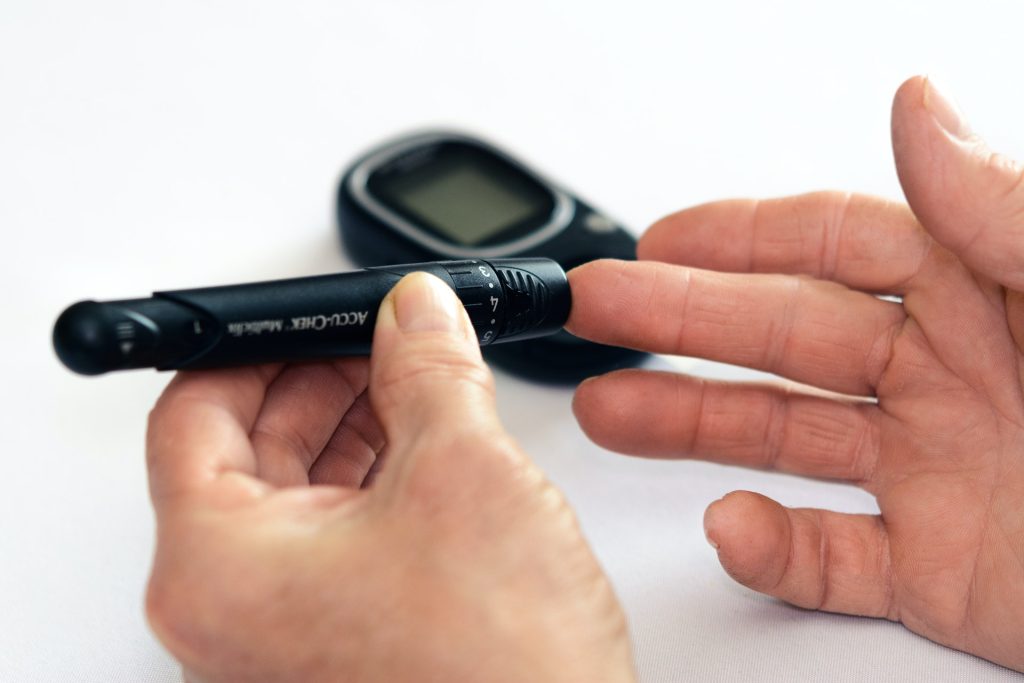
An End to The ‘Therapeutic Drought’ in Atopic Dermatitis

Source: NCI

The end of a longstanding “therapeutic drought” in atopic dermatitis (AD) is in sight as improved understanding of the pathogenesis and pathophysiology has stoked development of multiple drug candidates, according to a leading expert in the field.

“We did have treatments like cyclosporine, that are not specific as we know, and they are not treatments we can give our patients for long-term disease control,” said Emma Guttman-Yassky, MD, of the Icahn School of Medicine at Mount Sinai, during the Inflammatory Skin Diseases Summit.

She said that overcoming this drought was not easy, mostly because “we didn’t have enough understanding of the disease and its pathogenesis, really preventing therapeutic development for patients with atopic dermatitis,” she said.

New AD therapies built on the trail made for psoriasis treatment, starting with basic studies that produced insights into pathogenesis, leading to hypotheses that eventually could be tested in clinical trials, she said. Progress was accompanied by many failures in early stages of therapeutic development in psoriasis.

“One failure that I remember very vividly from psoriasis was the failure of interferon-gamma targeting,” Dr Guttman-Yassky recounted. “In atopic dermatitis, we also had our share of this type of failure, but these failures really helped shape therapeutic directions for all the diseases we are now targeting, including atopic dermatitis.”

This rocky development has led to recognition that AD is a complex disease involving multiple pathogenetic components, including barrier dysfunction, immune abnormalities, disruption of the dermal microbiome, and the peripheral and central nervous systems that play a central role in itch and other disease manifestations.

“Of all the major components involved in AD pathogenesis, immune targeting is the most tractable,” said Dr Guttman-Yassky. “Immune abnormalities are the most important because they perpetuate the disease phenotype of atopic dermatitis, from the nonlesional skin to acute disease and chronic lesions.”

In contrast to psoriasis, AD is a more heterogeneous disease with multiple clinical phenotypes that correlate with differences in immune polarisation and barrier dysfunction. All of the phenotypes exhibit activation of the type 2 inflammatory pathway as a common feature. Across the spectrum of clinical phenotypes, additional cytokine targeting may be required to achieve disease control.

Understanding that AD arises from systemic inflammation has also helped therapy development. Several studies have suggested that, compared to psoriasis, AD is associated with higher levels of immune activation. Blood samples of patients with AD have shown increased levels of activated T cells, circulatory cytokines, and cardiovascular markers.
The accumulation of new insights into AD pathogenesis added no fewer than a dozen viable therapeutic candidates to the pipeline. Dupilumab (Dupixent) led the way in providing the proof of principle that Th2-specific targeting reverses key pathogenetic factors that drive the disease process in AD.

Dr Guttman-Yassky pointed out how targeting Th2 inflammation with dupilumab led to reversal of barrier defects and lichenisation typical of AD as early as 4 weeks, and that by 16 weeks lesional and nonlesional skin looked similar. Furthermore, markers of epidermal hyperplasia and proliferation were “completely wiped out.”

Dr Guttman-Yassky highlighted several key classes of AD drug candidates with potential to build on the success of targeting inflammation: Interleukin-13 inhibition, OX40 inhibition and JAK/STAT inhibition, which showed promising results.

“With these types of response rates, our treatment goals for our patients are evolving,” said Dr Guttman-Yassky.

Source: MedPage Today

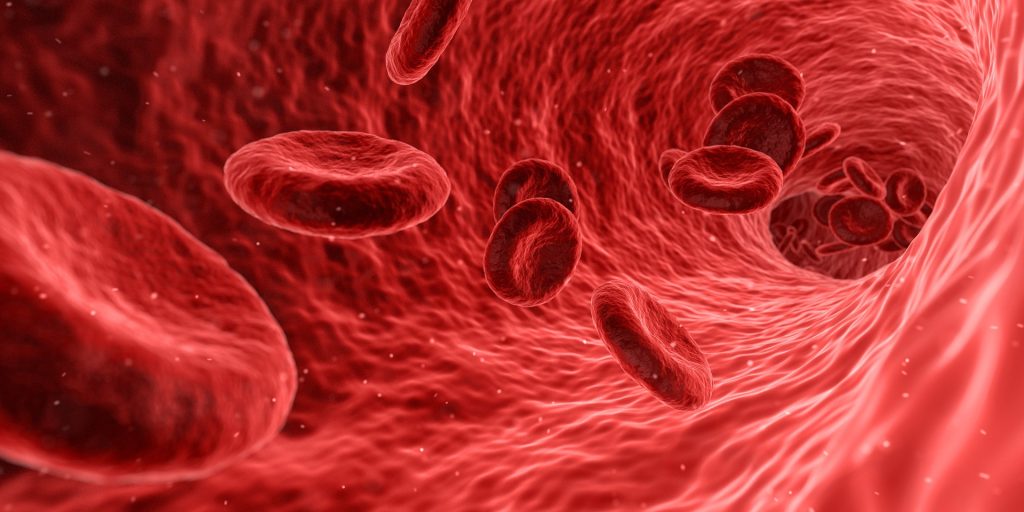
Vascular Damage in Diabetes Arises from Red Blood Cell Changes

Photo by National Cancer Institute on Unsplash

Altered function of the red blood cells leads to vascular damage in type 2 diabetes, and new research shows that this effect is caused by low levels of an important red blood cell molecule. 

Patients with type 2 diabetes have an increased risk of cardiovascular disease, and type 2 diabetes may over time damage blood vessels, raising the risk for heart attack and stroke. However, the disease mechanisms underlying cardiovascular injury in type 2 diabetes are largely unknown and treatments to prevent such injuries are lacking.

Research has shown that red blood cells become dysfunctional in type 2 diabetes and can act as mediators of vascular complications. In this study, published in Diabetes, researchers examined cells from patients with type 2 diabetes and mice to see if molecular changes in the red blood cells could explain these harmful effects in type 2 diabetes.

The researchers found that levels of the small molecule microRNA-210 were markedly reduced in red blood cells from 36 patients with type 2 diabetes compared to healthy controls. Micro-RNAs belong to a group of molecules that serve as regulators of vascular function in diabetes and other conditions. The reduction in microRNA-210 caused alterations in specific vascular protein levels, and impaired blood vessel endothelial cell function. In laboratory experiments, restoration of microRNA-210 levels in red blood cells prevented the development of vascular injury via specific molecular changes.

“The findings demonstrate a previously unrecognised cause of vascular injury in type 2 diabetes,” said Zhichao Zhou, researcher at the Department of Medicine, Solna, Karolinska Institutet. “We hope that the results will pave the way for new therapies that increase red blood cell microRNA-210 levels and thereby prevent vascular injury in patients with type 2 diabetes.”

Source: Karolinska Institutet

No Evidence of Videogame and Violence Link in the Real World

New research finds no evidence that violence increases after the release of a new video game.

Violent video games like Call of Duty are often linked by the media and public to real-life violence, although there is limited evidence to support the link. Debate on the topic generally intensifies after mass public shootings, with some commentators linking these violent acts to the perpetrators’ interests in violent video games. But different factors have been pointed out as more likely explanations, such as mental health issues and/or easy access to guns.

Before governments introduce any policies restricting access to violent video games, it is important to establish whether violent video games do indeed increase players’ violence in the real world.

Taking data from the US, Dr Agne Suziedelyte at University of London, provides evidence of the effects of violent video game releases on the violent behaviour of children. Dr Suziedelyte examined the effects of violent video games on two types of violence: aggression against other people, and destruction of objects or property.

Appearing in the Journal of Economic Behavior & Organization, the study focused on boys aged 8 to 18 years: the group most likely to play violent video games.

By using econometric methods which identify plausibly causal effects of violent video games on violence, rather than only associations, Dr Suziedelyte found no evidence that violence against other people increases after the release of a new violent video game. Parents reported, however, that children were more likely to destroy things after playing violent video games.

Dr Suziedelyte said: “Taken together, these results suggest that violent video games may agitate children, but this agitation does not translate into violence against other people — which is the type of violence which we care about most.

“A likely explanation for my results is that video game playing usually takes place at home, where opportunities to engage in violence are lower. This ‘incapacitation’ effect is especially important for violence-prone boys who may be especially attracted to violent video games.

“Therefore, policies that place restrictions on video game sales to minors are unlikely to reduce violence.

Source: City University London

Social Media Overuse Impacts Easily Distracted People Harder

Photo by Tracy le Blanc from Pexels

People who are easily distracted are more susceptible to psychological distress and mental health issues from high levels of social media use, according to a study published in the Journal of Affective Disorders. The study tracked the phone data of 69 participants ranging from 18 to 58 year-olds to see their usage of popular apps including Instagram and Reddit over a week period.

Using an eye gaze test, the researchers tracked participants’ levels of distraction and inattention. The Depression Anxiety Stress Scale, a well-known psychological scale, was used to measure and quantify measures of distress.

Lead researcher Tamsin Mahalingham, Master’s student at Curtin University, said that the results showed a strong connection with low levels of attention control and high social media use negatively impacting mental health.

“Past research has flagged concerns about the negative mental health effects from high levels of social media use, but there isn’t clear evidence about why this is, or who might be most at risk,” Miss Mahalingham said.

“Our findings suggest that if you are a very distractable person, high levels of social media use may be particularly bad for your mental health. Study results revealed that those who showed lower levels of attention control were particularly at risk of negative mental health effects of heavy social media use.”

“This inability to stay focussed may lead to exposure to more irrelevant and distracting information and potentially longer durations of social media use. On the other hand, those with higher levels of attention control may be able to more easily ignore irrelevant and potentially damaging information in news feeds such as advertising.”

Supervising researcher, Dr Patrick Clarke, said that the increased follow-on effects of greater social media use that could negatively impact emotional wellbeing.

“Social media apps are designed to draw us in and keep us engaged and the longer we spend on social media, the more we can be exposed to including negative content, or content leading to self-comparison to unattainable ideals, like those often illustrated by influencers,” Dr. Clarke said.

“More time on social media also means less time doing other, possibly more important or more productive tasks, which can also increase feelings of depression and anxiety.

“Our research helps to understand who is most at risk from the adverse mental health effects of social media use and suggests that improving attention may minimize those risks.”

Source: Curtin University

Healthcare Organisations Urge Review of Culpable Homicide Law

Photo by Tingey Injury Law Firm on Unsplash

Nine of South Africa’s leading healthcare organisations have joined together in urging the Government to begin a review of culpable homicide law and its application in a healthcare setting.

In a letter to the Minister of Justice and Correctional Services, Hon Ronald Lamola, the coalition said there is a very low threshold in South African law for blameworthiness when a patient dies while under medical care, which has resulted in errors of judgement in complex healthcare environments being criminalised, and healthcare professionals being convicted regardless of their intent.

The joint letter calls for the review to be carried out by the South Africa Law Reform Commission, due to the complexity of criminal law in a healthcare setting and the importance of achieving a long-term solution for healthcare professionals and patients alike.

The letter says: “It is hard to see who benefits from the current system. As well as families losing a loved one through tragic circumstances, doctors risk losing their career and liberty, and the fear of criminal charges also has a negative knock-on effect on patient care. The current system stands in the way of patients receiving an early apology and a full explanation of events, and thereby denies closure.

In a recent survey of 500 doctors, 88% are worried about investigations after an adverse patient outcome, and 90% think the prospect of criminal investigation affects their mental health. Due to the prospect of criminal investigation means nearly half of all doctors in South Africa have considered leaving the profession. The letter further notes that  4 in 5 doctors surveyed think the criminal justice system in South Africa has an inadequate understanding of medical practice.

Pointing out the need for a “long-term solution”, they write: “Healthcare professionals need to be held accountable, however, criminalising errors of judgement – particularly in this fast moving and complex healthcare environment – seems unreasonably severe. Criminalisation in the absence of any clear intention to cause harm is overly punitive, leaving healthcare professionals vulnerable to criminal charges. Lessons can be learned from other jurisdictions – for example, in Scotland, where charges are only brought against doctors if an act is proved to be intentional, reckless, or grossly careless.

“Our organisations are committed to the highest level of safety for all patients in South Africa. This will however require replacing the current culture of blame and fear with one of learning, where healthcare professionals feel able to apologise and learn from mistakes, which will help to reduce the number of errors and thus enable progress on improving patient safety. When healthcare professionals are allowed and supported to learn from mistakes, lessons are learnt, and patients are better protected in the future.

Highlighting the complexity of these matters, “Patients and clinicians want the same thing, for those in need to receive the best care,” the letter concludes.

The letter was signed by Medical Protection Society, Association of Surgeons of South Africa, Federation of South Africa Surgeons, Radiological Society of South Africa, South African Medical Association, South African Medico-Legal Association, South African Private Practitioners Forum, South African Society of Anaesthesiologists and South African Society of Obstetricians and Gynaecologists.

Source: Medical Protection Society

Dasatinib May Have Potential as an Antidiabetic Drug

Photo by Photomix Company from Pexels

Dasatinib, a drug that often is used to treat certain types of leukaemia, may have significant potential as an antidiabetic drug, according to new research published in Mayo Clinic Proceedings.

Dasatinib is a tyrosine kinase inhibitor used to treat tumours and malignant tissue, as well as chronic myelogenous leukaemia. Dasatinib is a senolytic drug, which target senescent cells that accumulate in many ageing tissues and at sites of pathology in chronic diseases. Senolytic drugs appear to delay, prevent or alleviate age-related changes, chronic diseases and geriatric syndromes in animal studies.

“Our findings suggest that dasatinib or related senolytic drugs may become diabetic therapies,” said senior author Robert Pignolo, MD, PhD. “More study is needed to determine whether these findings also are observed in patients with type 2 diabetes mellitus but without underlying malignant disease.”

Researchers used records for a total of 9.3 million individuals from 1994 to 2019 who were screened for use of either dasatinib or imatinib, another tyrosine kinase inhibitor that was approved for treatment of a type of leukemia in 2001 but with weak senolytic activity. Of those patients, 279 were treated with imatinib and 118 with dasatinib, and after further screening, a total of 48 patients were included in the study.
The findings show that dasatinib lowers serum glucose in patients with pre-existing type 2 diabetes to a greater extent than imatinib and comparable to first-line diabetic medications such as metformin and sulfonylureas.

More work is needed to determine whether the antidiabetic effect of dasatinib is due largely to its senolytic properties, explained Dr Pignolo. If it is, the effectiveness of combining dasatinib with another senolytic drug such as quercetin may be greater than with dasatinib alone.

“This study was really the first proof-of-concept that a senolytic drug may have substantial long-term beneficial effects in humans,” Dr Pignolo says. “According to research in animal models, it is not necessary to give senolytic drugs continuously, and so patients may need only take a drug such as dasatinib every few weeks, reducing possible side effects.”

Source: EurekAlert!

Exploring how Ischaemia-reperfusion Injuries Heal

Source: Wikimedia CC0

Researchers from Japan have discovered the role of interleukin-36 receptor antagonists in healing skin wounds from ischaemia-reperfusion injuries.

Ischaemia is a medical condition in which the blood supply is cut off to different parts of the body. In patients who are bed-ridden, ischemia can manifest as pressure ulcers. Else, it could be the Raynaud’s phenomenon in someone under severe stress. Ischaemia, from the Latin “staunching of blood”, is a condition can be rescued by blood reperfusion to the affected areas. However, ischaemia-reperfusion (I/R) injuries where tissue damage caused by blood returning to tissues after a period of oxygen deprivation, are a risk.

Skin-based I/R injuries can be exacerbated by inherited immunological mechanisms, for instance in patients who are otherwise showing signs of slow wound healing. To understand the immunological mechanisms underlying the development of this condition better, decided to narrow down their investigation to interleukin-36 receptor antagonist (IL-36Ra), a protein that plays a pivotal immunomodulatory role in wound healing.

Lead researcher Mr Yoshihito Tanaka from Fujita Health University School of Medicine explained the motivation behind the research, “We wanted to understand the immunological mechanisms involved in the healing of wounds from cutaneous ischaemia-reperfusion injuries, such as pressure ulcers and Raynaud’s phenomenon, to narrow down possible therapeutic targets. Drawing from experience, IL-36Ra appeared to be a promising candidate for kickstarting our investigation.”

The scientists used mice knocked out for the IL-36Ra receptor, and induced cutaneous I/R injuries in the knockout and control mice. Then, they studied corresponding immunological responses in both groups of animals, including wound healing time, infiltration of neutrophils/macrophages  to the site of the wounds, apoptotic skin cells, and activation of other unwanted immunological defense mechanisms. Their findings appear in the Journal of The European Academy of Dermatology and Venereology.

They found that the absence of IL-36Ra, indeed, significantly slows down wound healing in cutaneous I/R injuries, through increased apoptosis, or ‘suicide’ of useful skins cells, excessive recruitment of inflammatory cells, and employment of unnecessary proinflammatory mechanisms.

Additionally, they demonstrated the role of Cl-amidine, a protein-arginine deiminase inhibitor as effective in normalizing exacerbated I/R injury in IL-36Ra mice. Based on these observations, the scientists assert their findings are the first conclusive report of the involvement of IL-36Ra in cutaneous I/R injury.

The researchers believe IL-36Ra is a good therapeutic candidate against cutaneous I/R injuries. As Mr. Tanaka optimistically adds, “Our research may lead to the development of therapeutic agents for wound healing of various other refractory skin diseases too.”

The quest for novel therapeutic targets in skin wound healing might just have been empowered by these findings of the team and the future indeed looks brighter for alleviating the painful burden of cutaneous I/R injuries.

Source: Fujita Health University School of Medicine

A Sweet Protein Makes A Novel Sugar Substitute

Source: Breakingpic on Pexels

The European Union’s EIT Food organisation’s “Innovation Impact Award” was won by a project that developed a novel sugar substitute based on the smart enhancement of sweet proteins found in tropical fruits.

One of the project collaborators, Amai Protein, produces designer proteins using computational protein design and production through precise fermentation. Since these proteins are 4000 to 11 000 times sweeter than sugar, they can be used in tiny amounts, thereby being cheaper than sugar per sweetness unit. Furthermore, they have glycaemic value of 0 and do not adversely affect the population of intestinal bacteria (the microbiome).

The winning technology is based on adding natural food ingredient agents – termed MicroPatching agents – or other food ingredients to produce a protein flavour as close to sugar’s as possible. This should result in significantly reduced sugar consumption, and in turn its health and environmental impacts.

The researchers tackled several challenges including improving the taste and eliminating an aftertaste; protein stability; competitive pricing and adverse health effects. According to the research leader, Professor Yoav D. Livney at the Israel Institute of Technology, “winning the Impact Award will help us advance towards commercialization of the technology and consequently reduce sugar consumption in Israel and around the world.”

Source: Technion Israel Institute of Technology

Previously Infected Older People Have More COVID Antibodies

Photo by Adam Birkett on Unsplash

In a recent study published in Scientific Reports, researchers found that older people previously infected with COVID, when vaccinated, had higher antibody levels than previously infected individuals. These antibodies were also effective against the Delta variant, which wasn’t present in Canada when the samples were taken  in 2020.

Joelle Pelletier and Jean-François Masson, both professors in Université de Montréal’s Department of Chemistry, wanted to find out whether natural infection or vaccination led to more protective antibodies being generated. The focussed on an understudied group: people who have been infected but not hospitalised by SARS-CoV-2.

Consequently, 32 non-hospitalised COVID positive adults were recruited 14 to 21 days after being diagnosed through PCR testing. This was in 2020, before the Beta, Delta and Gamma variants emerged.

“Everyone who had been infected produced antibodies, but older people produced more than adults under 50 years of age,” said Prof Masson. “In addition, antibodies were still present in their bloodstream 16 weeks after their diagnosis.”

Antibodies produced after an infection by the original, “native” strain of the virus also reacted to SARS-CoV-2 variants that emerged in subsequent waves, namely Beta (South Africa), Delta (India) and Gamma (Brazil), but to a lesser extent: a reduction of 30 to 50%.

“But the result that surprised us the most was that antibodies produced by naturally infected individuals 50 and older provided a greater degree of protection than adults below 50, ” said Prof Pelletier.

“This was determined by measuring the antibodies’ capacity to inhibit the interaction of the Delta variant’s spike protein with the ACE-2 receptor in human cells, which is how we become infected,” he added. “We didn’t observe the same phenomenon with the other variants.”

When someone who has had a mild case of COVID is vaccinated, the antibody level in their blood doubles compared to an unvaccinated person who has been infected by the virus. Their antibodies are also better able to prevent spike-ACE-2 interaction.

“But what’s even more interesting,” said Prof Masson, “is that we have samples from an individual younger than 49 whose infection didn’t produce antibodies inhibiting spike-ACE-2 interaction, unlike vaccination. This suggests that vaccination increases protection against the Delta variant among people previously infected by the native strain.”

Both scientists believe more research should be conducted to determine the best combination for maintaining the most effective level of antibodies reactive to all variants of the virus.

Source: University of Montreal

Unemployed People Missed Out on Cancer Screenings

Source: National Cancer Institute

In a recent study, unemployed individuals in the US were less likely to have health insurance and be up to date on getting recommended cancer screening tests. Analyses published in the journal CANCER revealed that their lack of health insurance coverage completely accounted for their lower screening rates.

During the COVID pandemic, unemployment rates in the United States have risen to levels not seen since the Great Depression. To examine associations between unemployment, health insurance, and cancer screening, Stacey Fedewa, PhD, of the American Cancer Society, and her colleagues analysed information from adults under age 65 years who responded to a nationally representative annual survey of the general population.

Unemployed adults were four times more likely to lack insurance than employed adults (41.4% vs 10.0%). A lower proportion of unemployed adults had received up-to-date cervical (78.5% vs 86.2%), breast (67.8% vs 77.5%), colorectal (41.9% vs 48.5%), and prostate (25.4% vs 36.4%) cancer screening. These differences were eliminated after accounting for health insurance coverage.

“People who were unemployed at the time of the survey were less likely to have a recent cancer screening test and they were also less likely to be up-to-date with their cancer screenings over the long term. This suggests that being unemployed at a single point in time may hinder both recent and potentially longer-term screening practices,” said Dr. Fedewa. This can increase a person’s risk of being diagnosed with late-stage cancer, which is more difficult to treat than cancer that is detected at an early stage.

“Our finding that insurance coverage fully accounted for unemployed adults’ lower cancer screening utilisation is potentially good news, because it’s modifiable,” Dr Fedewa added. “When people are unemployed and have health insurance, they have screening rates that are similar to employed adults.”

The findings highlight insurance coverage’s importance in access to recommended cancer screening tests and indicate that insurance needs to be extended to all people, regardless of their employment status.

Source: Wiley