Multivitamins and Dietary Supplements are a ‘Waste of Time’ for Most

Vitamin C pills and orange
Photo by Diana Polekhina on Unsplash

For those who aren’t pregnant, vitamins are a waste of money because the evidence for cardiovascular disease or cancer prevention is lacking, according to researchers at Northwestern University Feinberg School of Medicine.

“Patients ask all the time, ‘What supplements should I be taking?’”

Dr Jeffrey Linder, Northwestern University

The researchers penned an editorial in JAMA that supports new recommendations from the United States Preventive Services Task Force (USPSTF), a national panel which makes evidence-based recommendations on clinical prevention. 

Based on a systematic review of 84 studies, the USPSTF’s new guidelines state there was “insufficient evidence” that taking multivitamins, paired supplements or single supplements can help prevent cardiovascular disease and cancer in otherwise healthy, non-pregnant adults. 

“Patients ask all the time, ‘What supplements should I be taking?’ They’re wasting money and focus thinking there has to be a magic set of pills that will keep them healthy when we should all be following the evidence-based practices of eating healthy and exercising,” said Dr Jeffrey Linder, one of the editorial’s authors.

“The task force is not saying ‘don’t take multivitamins,’ but there’s this idea that if these were really good for you, we’d know by now,” Dr Linder added. 

The task force is specifically recommending against taking beta-carotene supplements because of a possible increased risk of lung cancer, and is recommending against taking vitamin E supplements because it has no net benefit in reducing mortality, cardiovascular disease or cancer.

“The harm is that talking with patients about supplements during the very limited time we get to see them, we’re missing out on counselling about how to really reduce cardiovascular risks, like through exercise or smoking cessation,” Dr Linder said.

No substitute for actual fruits and vegetables

Eating fruits and vegetables is associated with decreased cardiovascular disease and cancer risk, they said, so it is reasonable to think those key vitamins and minerals in pills could prevent disease. But, they explain, whole fruits and vegetables contain a mixture of vitamins, phytochemicals, fibre and other nutrients that probably act synergistically to deliver health benefits. Micronutrients on their own may also have a different effect than when consumed with others in foods.

Dr Linder noted that individuals with vitamin deficiency can still benefit from taking dietary supplements, such as calcium and vitamin D, which have been shown to prevent fractures and perhaps falls in older adults. 

New guidelines do not apply to those who are pregnant

The new USPSTF guidelines do not apply to people who are pregnant or trying to get pregnant, said JAMA editorial co-author Dr Natalie Cameron, a physician at Northwestern. 

“Pregnant individuals should keep in mind that these guidelines don’t apply to them,” said Dr Cameron. “More data is needed to understand how specific vitamin supplementation may modify risk of adverse pregnancy outcomes and cardiovascular complications during pregnancy.” 

Source: Northwestern University

High Court Wrong about Law on Foetuses under 26 Weeks, Concourt Rules

Gavel
Photo by Bill Oxford on Unsplash

The Constitutional Court has declined to confirm the constitutional invalidity of sections of the Births and Deaths Registration Act. This comes after the Pretoria High Court found that the Act denied parents the right to bury the remains of a foetus less than 26-weeks.

The application was brought by The Voice of the Unborn Baby NPC and the Catholic Archdiocese of Durban against the ministers of Home Affairs and Health.

The applicants argued that the Act was “insensitive, hurtful and disrespectful” as it only allows for a death certificate to be issued in “stillborn” cases when the foetus is more than 26-weeks.

High Court Judge Nomonde Mngqibisa-Thusi agreed and ruled that sections of the Act are unconstitutional on the basis it “deemed a foetus less than 26-weeks to be medical waste that must be incinerated”.

However, the Constitutional Court, in a unanimous judgment, said the judge was wrong. Acting Judge Pula Tlaletsi said the applicants had submitted that the provisions of the Act had the effect that no burial order could be issued for foetuses lost through miscarriage before the 26-week mark, and that the regulations only made provision for the burial of corpses and human remains, but not foetal remains.

“While it may be true, as the applicants argued, that throughout the years the practice has been to deny parents this right in the apparent belief that this is what the law provides, matters not. The Act contains no such prohibition,” Judge Tlaletsi said.

“The relevant sections cannot be declared inconsistent with the Constitution because of such omission … the Act does not stand in the way of that burial,” he said, noting that the Act only regulated the burial of “dead human bodies or still-born children”.

The Judge said that the court was not in a position to grant the relief.

Read the judgment here

The question as to what medical staff at public hospitals must do if parents expressed the wish to bury or cremate pre-viable foetal remains was not clear, he said.

“Such a burial or cremation would no doubt require the cooperation of healthcare professionals and public hospitals would be expected to allocate the necessary resources.

“Because of the way the case was pleaded, we do not have the necessary evidence to evaluate considerations relating to how hospitals would manage this … There may be other restrictions, for example, limitations imposed by municipal regulations (regarding cemeteries and crematoriums).”

The Catholic Church, arguing that its members held “sincere religious beliefs” that they become parents from the moment of conception, said the burial right should also extend to lost pregnancies “due to human intervention”, including termination of pregnancies.

But two amici in the case — the Women’s Legal Centre Trust and the Sexual and Reproductive Justice Coalition — said this would have a profound impact on the termination of pregnancy services offered to women, and the attached confidentiality.

This burden, they said, would lead to a decrease in facilities offering termination and a diminution of sexual and reproductive rights.

However, the apex court did not comment on this.

By Tania Broughton

Republished from GroundUp under a Creative Commons Attribution-NoDerivatives 4.0 International License.

Source: GroundUp

Will NHI Mean the End of Medical Aid in South Africa?

Once again, concerns are being raised over the implementation of the proposed National Health Insurance (NHI) scheme. This time, it is over the future of private healthcare and medical aid under the contentious Section 33 of the Bill.

Many previous discussions have focused on the NHI’s affordability, accountability, the potential mass flight of healthcare professionals from the country, and even whether NHI is even possible to achieve given South Africa’s challenges.

In a new healthcare stakeholder opinion report [PDF] published by Section 27 and the Concentric Alliance on Monday, 20 June, it is noted that private healthcare is a major contributor to the economy. May public and private sector respondents believe it could play a significant role in achieving health reform thanks to its resources and capacity.

However, Section 33 of the NHI Bill states that medical schemes may only provide “cover that constitutes complementary or top-up cover and that does not overlap with the personal health care service benefits purchased by the National Health Insurance Fund on behalf of users”.

This basically means medical schemes which are not gap cover will no longer operate – something which does not sit well with the private sector respondents in the report, who argue that even in countries with the best developed public health systems, private healthcare funders still exist.

A carrot vs stick approach

An academic respondent suggested incentivising people into switching to a public healthcare funder, rather than removing private healthcare funding. A private sector respondent also suggested the idea of competition with private funders as a means to improve the NHI’s efficiency. Indeed, it may even be necessary the NHI to function well.

The report makes note of Section 33 of the NHI Bill becoming “something of a hill to die on”. The report says that “During the six-a-side engagements between Business Unity and the National Department of Health, urgent discussions on NHI were nearly derailed by demands that Section 33 be re-opened for discussion and one respondent in the NDOH stating that the Bill was now before parliament. This respondent stated that they would rather see this point litigated, than back down. The current approach to this draft provision has the potential to undermine the implementation of the NHI and delay urgent reform to the health system.”

Retinal Scans May be Able to Detect ASD and ADHD

Eye
Source: Daniil Kuzelev on Unsplash

By measuring the electrical activity of the retina in responses to a light stimulus, researchers found that they may be able to neurodevelopmental disorders such as ASD and ADHD, as reported in new research published in Frontiers in Neuroscience.

In this groundbreaking study, researchers found that recordings from the retina could identify distinct signals for both Attention Deficit Hyperactivity Disorder (ADHD) and Autism Spectrum Disorder (ASD) providing a potential biomarker for each condition.

Using the ‘electroretinogram’ (ERG) – a diagnostic test that measures the electrical activity of the retina in response to a light stimulus – researchers found that children with ADHD showed higher overall ERG energy, whereas children with ASD showed less ERG energy.

Research optometrist at Flinders University, Dr Paul Constable, said the preliminary findings indicate promising results for improved diagnoses and treatments in the future.

“ASD and ADHD are the most common neurodevelopmental disorders diagnosed in childhood. But as they often share similar traits, making diagnoses for both conditions can be lengthy and complicated,” Dr Constable says.

“Our research aims to improve this. By exploring how signals in the retina react to light stimuli, we hope to develop more accurate and earlier diagnoses for different neurodevelopmental conditions.

“Retinal signals have specific nerves that generate them, so if we can identify these differences and localise them to specific pathways that use different chemical signals that are also used in the brain, then we can show distinct differences for children with ADHD and ASD and potentially other neurodevelopmental conditions.”

“This study delivers preliminary evidence for neurophysiological changes that not only differentiate both ADHD and ASD from typically developing children, but also evidence that they can be distinguished from each other based on ERG characteristics.”

According to the World Health Organization, one in 100 children has ASD, with 5–8% of children diagnosed with ADHD.

Attention Deficit Hyperactivity Disorder (ADHD) is a neurodevelopmental condition characterised by being overly active, struggling to pay attention, and difficulty controlling impulsive behaviours. Autism spectrum disorder (ASD) is also a neurodevelopmental condition where children behave, communicate, interact, and learn in ways that are different from most other people.

Co-researcher and expert in human and artificial cognition at the University of South Australia, Dr Fernando Marmolejo-Ramos, says the research has potential to extend across other neurological conditions.

“Ultimately, we’re looking at how the eyes can help us understand the brain,” Dr Marmolejo-Ramos says.

“While further research is needed to establish abnormalities in retinal signals that are specific to these and other neurodevelopmental disorders, what we’ve observed so far shows that we are on the precipice of something amazing.

“It is truly a case of watching this space; as it happens, the eyes could reveal all.”

Source: Flinders University

Ancient Y. Pestis DNA Suggests Earlier Start to Black Death

Plague doctor costume
Photo by Peter Kvetny on Unsplash

The origin of the mediaeval Black Death pandemic (AD 1346–1353) has long been studied because of its massive impact on population and society. However, most studies have focused on surviving European records, but they provide little insight into the actual origin of this world-changing pandemic. A new study published in Nature reconstructs the DNA of Yersinia pestis from ancient burial sites, suggesting that 1338 was the date of the first outbreak which would later go on to ravage Eurasia.

Conventional thinking puts the onset of the Black Death at 1346 in the Black Sea region. Recent analysis of historical, genetic and ecological data led to the suggestion that the emergence of Y. pestis branches occurred more than a century before the beginning of the Black Death. According to the proposed model, this initial diversification was linked with territorial expansions of the Mongol Empire across Eurasia during the early thirteenth century. But in this study, the researched present ancient Y. pestis data from central Eurasia supporting a fourteenth-century emergence – putting the emergence a full century later, closer to the conventionally accepted 1346 date.

Until now, the most debated archaeological evidence on the pandemic’s initiation came from cemeteries located near Lake Issyk-Kul in modern-day Kyrgyzstan.

These sites are thought to have housed victims of a fourteenth-century epidemic as tombstone inscriptions directly dated to 1338–1339 state ‘pestilence’ as the cause of death for the buried individuals.

Researchers analysed ancient DNA data from seven individuals exhumed from two of these cemeteries, Kara-Djigach and Burana. The combination of archaeological, historical and ancient genomic data implicates Y. pestis in this epidemic event.

Two reconstructed ancient Y. pestis genomes represent a single strain and are identified as the most recent common ancestor of a major diversification commonly associated with the pandemic’s emergence, here dated to the first half of the fourteenth century. Comparing these ancient genomes present-day diversity from Y. pestis reservoirs in the Tian Shan area where China, Kazakhstan and Kyrgyzstan meet supports a local emergence of the recovered ancient strain.

Exactly how Y. pestis made it to western Eurasia is unknown, but previous research suggested that both warfare and/or trade networks were some of the main contributors in the spread of Y. pestis. However, the lack of any military campaigns in this period and the proximity of trans-Asian networks plus trade items at the site suggest trade playing a role in Y. pestis dissemination.

The authors conclude that “Although the ancient Y. pestis genomes reported in this Article offer biological evidence to settle an old debate, it is the unique historical and archaeological contexts that define our study’s scope and importance. As such, we envision that future synergies will continue to reveal important insights for a detailed reconstruction of the processes that triggered the second plague pandemic.”

Moderate Beer Consumption May Improve Gut Health

Photo by Pavel Danilyuk on Pexels

The negative effects of beer on health have long been studied, but a new research suggests that beer – both alcoholic and nonalcoholic – has a positive impact on gut health. A lucky group of adult male volunteers drank moderate amounts of beer daily for a month, and the findings on their gut health biomarkers were published in the Journal of Agricultural and Food Chemistry.

Gut microbiota modulation might constitute a mechanism mediating the effects of beer on health. However, intestinal microorganisms can use compounds present in beer. Previous work has found beneficial effects on intestinal from moderate beer drinking, mostly from butyric acid and gut bacteria changes.

In this randomised, double-blinded, two-arm parallel trial, 22 healthy men were recruited to drink 330 mL of nonalcoholic beer (0.0% v/v) or alcoholic beer (5.2% v/v) daily during a 4-week follow-up period. Blood and faecal samples were collected before and after the intervention period. To measure diversity, gut microbiota were gene sequenced to identify strains.

Drinking nonalcoholic or alcoholic beer daily for 4 weeks did not increase body weight and body fat mass, an encouraging sign. The nonalcoholic beer had 26kcal of energy and 5.9g of carbohydrates per 100mL, but the alcoholic beer had more energy (38.5kcal/100mL) despite having fewer carbohydrates (2.8g/100mL). The researchers also found no significant effect on serum cardiometabolic biomarkers.

Both types of beer increased gut microbiota diversity, something which has been associated with positive health outcomes and tended to increase faecal alkaline phosphatase (ALP) activity, a marker of intestinal barrier function.

The increase in gut microbiota may be down to phenolic compounds in the beer, chiefly from the yeast, and other types of beer besides the Lager used may have higher levels of these beneficial compounds. This benefit appears to outperform the negative effect alcohol

These results suggest the effects of beer on gut microbiota modulation are independent of alcohol and may be mediated by beer polyphenols.

Paediatric Kidney Transplants without Immunosuppressive Drugs

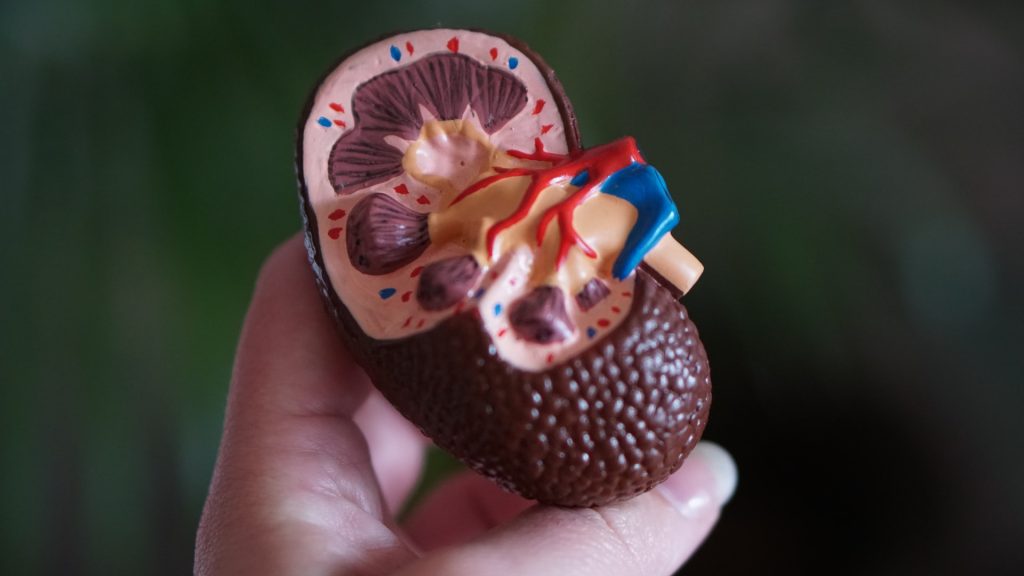
Anatomic model of a kidney
Photo by Robina Weermeijer on Unsplash

Stanford Medicine physicians have developed a way to provide paediatric kidney transplants without immunosuppressive drugs. Their key innovation is a safe method to transplant the donor’s immune system to the patient before surgeons implant the kidney.

The medical team has dubbed the two-transplant combination a “dual immune/solid organ transplant,” or DISOT. The first three DISOT cases, all performed at Lucile Packard Children’s Hospital Stanford were described in the New England Journal of Medicine, accompanied by an an editorial about the research.

The Stanford innovation removes the possibility that the recipient will experience immune rejection of their transplanted organ, the most common reason for a second organ transplant The new procedure also rids recipients of the substantial side effects of a lifetime of immune-suppressing medications, including increased risks for cancer, diabetes, infections and hypertension.

“Safely freeing patients from lifelong immunosuppression after a kidney transplant is possible.”

Alice Bertaina, MD, PhD, report’s lead author, associate professor of paediatrics, Stanford University

The first three DISOT patients were children with a rare immune disease, but the team is expanding the types of patients who could benefit. The protocol received FDA approval on May 27, 2022, for treating patients with a variety of conditions that affect the kidneys. Dr Bertaina anticipates that the protocol will eventually be available to many people needing kidney transplants, starting with children and young adults, and later expanding to older adults. The researchers also plan to investigate DISOT’s utility for other types of solid-organ transplants.

The scientific innovation from Dr Bertaina’s team has another important benefit: It enables safe transplantation between a donor and recipient whose immune systems are genetically half-matched, meaning children can receive stem cell and kidney donations from a parent.

The advance is especially meaningful for Jessica and Kyle Davenport of Muscle Shoals, Alabama. Their two children, both born with a rare and potentially deadly immune disease, are among the first recipients of DISOT: 8-year-old Kruz received transplants from Jessica, while his 7-year-old sister, Paizlee, received transplants from Kyle.

“They’ve healed and recovered, and are doing things we never thought would be possible,” said Jessica Davenport. After years of helping Kruz and Paizlee cope with severe immune deficiency and its attendant infection riskk as well as kidney dialysis, she and her husband are thrilled that their children have more normal lives.

The idea of transplanting a patient with their organ donor’s immune system has been around for decades, but it has been difficult to implement. Transplants of stem cells from bone marrow provide the patient with a genetically new immune system, as some of the bone marrow stem cells mature into immune cells in the blood. First developed for people with blood cancers, stem cell transplants carry the risk of the new immune cells attacking the recipient’s body, a potentially lethal complication called graft-versus-host disease.

Source: Stanford Medicine

Early Intervention in Spinal Muscular Atrophy is Key

Photo by National Cancer Institute on Unsplash

According to the results of a new study published in Developmental Medicine & Child Neurology, early identification and treatment of patients with spinal muscular atrophy (SMA) can greatly reduce the total financial costs associated with the condition. 

A genetic disorder, SMA is characterised by progressive muscle weakness, reduced tone with associated destruction of alpha motor units. There are four main subtypes of spinal muscular atrophy defined by the age of onset and severity with type 0 presenting in utero and causing death within the first months of life and type 4 in adulthood, causing mild weakness and no effect on lifespan. Understanding the underlying pathophysiology, subtypes, and emerging treatments is key to treating patients with spinal muscular atrophy effectively.

Analysing the data of 149 SMA patients, (93 untreated, 42 treated after symptoms arose, and 14 treated after early diagnosis), the total societal cost was lower in untreated patients (due to high drug costs in treated patients), but costs were lower for treated patients who were identified by newborn screening than for treated patients identified due to the development of symptoms. 

“These data are important as they are issued from a real-life prospective collection. They demonstrate clearly that as long as the decision to reimburse treatments for SMA has been made, newborn screening becomes a no-brainer—not only because it gives patients a much better future, but also because it saves a significant amount of money for the taxpayer,” said senior author Laurent Servais, PhD, of the University of Liege, in Belgium and the University of Oxford, in the UK. “Using these data issued from the real world, we are working currently on a model that estimates the lifetime cost of the different strategies.” 

Source: Wiley

Child Welfare NGO One of Many Defunded by Government

Photo by Chayene Rafaela on Unsplash

Christelike Maatskappy Raad Noord (CMRN), an NGO in Gauteng which focuses on children’s welfare through the use of social workers, has been defunded by the government. This amounts to just over half of its funding, according to marketing manager Anya le Cornu. Other NGOs have also had their funding cut, she said, as heard via the Auditor General’s office.

This comes in the wake of the COVID pandemic as CMNR had to cope with continuing to deliver services amidst lockdowns. If other NGOs are similarly impacted, . Founded in 1936, CMRN aims to eradicate child abuse and neglect, providing a wide range of child protection service from its 16 centres.

The NGO assists a large number of families of children: 6000 beneficiaries received material or skill support in 2020–2021, its Child Protection Awareness campaign reached 14 500 people, 622 children were protected through the legal system, and 900 children received speech or play therapy.

However, these services are obviously under threat from the significant loss of provincial government funding, which at R7 million, accounted for 53% of its income.

In order to cope, CMNR has been forced to restructure, reducing costs wherever possible. Unfortunately, it has having to slash its social workers from 28 to 17 as of 1 July.

Due to the lack of subsidy and other challenges, areas such as statutory work may be impacted.

According to le Cornu, CMRN will try and secure funding through every means possible. “We will maintain and strengthen our relationship with the NG church, our other funding partner,” she says. “We will also continue with our marketing and fundraising initiatives. Professional fees will also be applied where possible. We will also reach out to schools and other institutions where part time social work services are needed and contract these services out to generate an income stream.”

The organisation remains hopeful despite these challenges. “We do wish to have a good relationship with the Department of Social Development and would apply for government funding in specific programs where the objectives of these programs are aligned to our own and the communities we serve,” says le Cornu.

“The CMR North believes that we will survive this crisis and hope to be a beacon of light for other NGOs who might suffer the same fate. It is our passion to continue bringing hope to the vulnerable and we see these events as an opportunity to re-invent our services so that they can have a broader and positive impact in the communities we serve.”

Hopefully, additional funding can be found so that CMRN can continue to provide its services, but if this is part of a wider pattern, people in South Africa who are most in need and depend on these services will suffer the most.

A Crystal Clear Look at Rabies Opens up New Vaccines

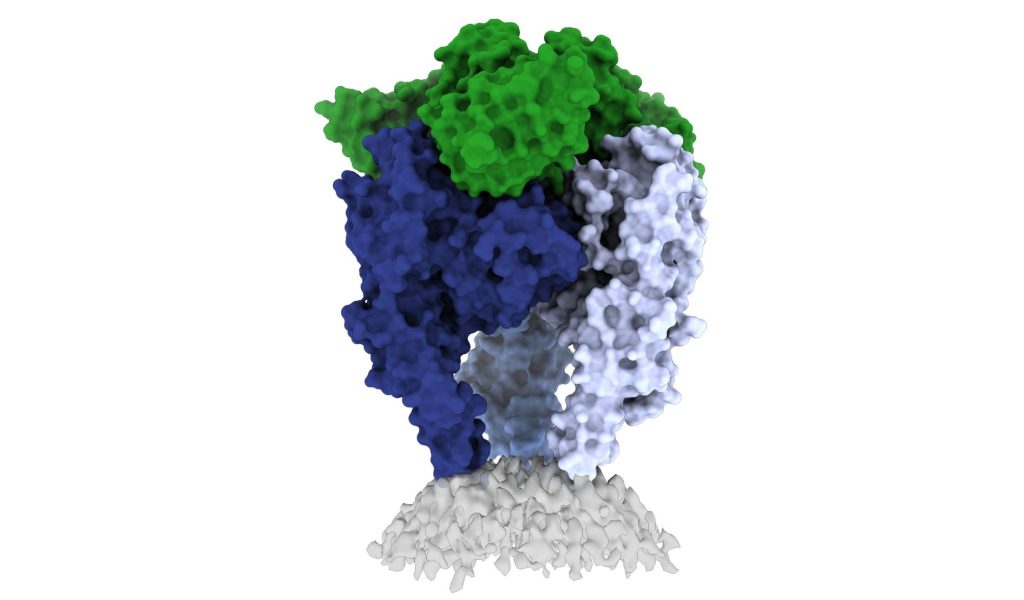
Scientists from La Jolla Institute for Immunology and the Institut Pasteur have shed light on the structure of the rabies virus glycoprotein, seen here. Credit: Heather Callaway, Ph.D., LJI

In a new study, researchers from La Jolla Institute have unveiled one of the first high-resolution looks at the rabies virus glycoprotein in its vulnerable ‘trimeric’ form. These new images, published in Science Advances, may open up a new vaccine for the deadly virus.

The CDC estimates that 59 000 people die from rabies virus every year, with 40% of those bitten by rabid animals being under 15. Some victims, especially kids, don’t realise they’ve been exposed until it is too late. The intense rabies treatment regimen is not widely available and the average $3800 is out of the reach of less well-off families.

Rabies vaccines, rather than treatments, are much more affordable and easier to administer. But according to Professor Erica Ollmann Saphire, PhD, of the La Jolla Institute, lead researcher of the new study, those vaccines also come with a massive downside.

“Rabies vaccines don’t provide lifelong protection. You have to get your pets boosted every year to three years,” she said. “Right now, rabies vaccines for humans and domestic animals are made from killed virus. But this inactivation process can cause the molecules to become misshapen – so these vaccines aren’t showing the right form to the immune system. If we made a better shaped, better structured vaccine, would immunity last longer?”

“The rabies glycoprotein is the only protein that rabies expresses on its surface, which means it is going to be the major target of neutralising antibodies during an infection,” said LJI Postdoctoral Fellow Heather Callaway, PhD, the study’s first author.

“Rabies is the most lethal virus we know. It is so much a part of our history – we’ve lived with its spectre for hundreds of years,” added Prof Saphire. “Yet scientists have never observed the organisation of its surface molecule. It is important to understand that structure to make more effective vaccines and treatments – and to understand how rabies and other viruses like it enter cells.”

Shapeshifting Rabies virus evades antibodies

Why rabies vaccines don’t provide long-term protection is still unclear, but they do know that its shape-shifting proteins are a problem.

The rabies glycoprotein has sequences that unfold and flip upward when needed, like a Swiss Army knife. The glycoprotein can shift back and forth between pre-fusion (before fusing with a host cell) and post-fusion forms. It can also come apart, changing from a trimer structure (where three copies come together in a bundle) to a monomer (one copy by itself).

This shapeshifting can make rabies invisible to human antibodies, which are built to recognise a single site on a protein. They cannot follow along when a protein transforms to hide or move those sites.

The new study gives scientists a critical picture of the correct glycoprotein form to target for antibody protection.

Capturing the glycoprotein at last

Over the course of three years, Callaway worked to stabilise and freeze the rabies glycoprotein in its pre-fusion form.

Callaway paired the glycoprotein with a human antibody, which helped her pinpoint one site where the viral structure is vulnerable to antibody attacks. The researchers then captured a 3D image of the glycoprotein using cutting-edge cryo-electron microscope equipment at LJI. 

The new 3D structure highlights several key features researchers hadn’t seen before. Importantly, the structure shows the fusion peptides, the way they appear in real life. These two important sequences link the bottom of the glycoprotein to the viral membrane, but project into the target cell during infection. Getting stable image of these sequences is challenging: other rabies researchers have had to cut them off to try to get images of the glycoprotein.

Dr Callaway solved this problem by capturing the rabies glycoprotein in detergent molecules. “That let us see how the fusion sequences are attached before they snap upward during infection,” said Prof Saphire.

Now that scientists have a clear view of this viral structure, they can better design vaccines to create antibodies with a better picture of the targt.

“Instead of being exposed to four-plus different protein shapes, your immune system should really just see one – the right one,” said Dr Callaway. “This could lead to a better vaccine.”

Preventing a family of viruses

More images are needed of rabies virus and its relatives together with neutralising antibodies, and could reveal common antibody targets for lyssaviruses, which can also infect humans and animals. According to Dr Callaway, scientists are working on solving several of these structures, which could reveal antibody targets that lyssaviruses have in common.

“Because we didn’t have these structures of the rabies virus in this conformational state before, it’s been hard to design a broad-spectrum vaccine,” Dr Callaway said.

Source: La Jolla Institute for Immunology