Researchers co-led by University of Warwick have discovered a potent new non-opioid analgesic with potentially fewer side effects compared to other potent painkillers.
Their study found that a compound called BnOCPA (benzyloxy-cyclopentyladenosine), is a potent and selective analgesic which is non-addictive. BnOCPA also has a unique mode of action and potentially opens a new pipeline for the development of new analgesic drugs.
Chronic pain has a negative impact on quality of life and many commonly prescribed analgesics come with side effects. Opioid drugs, such as morphine and oxycodone, can lead to addiction and are dangerous in overdose.
Drugs that act on G protein-coupled receptors (GPCRs) are one possibility, but their development is hampered by the propensity of GPCRs to couple to multiple intracellular signalling pathways. A unique feature of BnOCPA is that it only activates one type of GPCR, leading to very selective effects and thus reducing potential side effects.
University of Warwick’s Dr Mark Wall, who led the research said: “The selectivity and potency of BnOCPA make it truly unique and we hope that with further research it will be possible to generate potent painkillers to help patients cope with chronic pain.”
A new study of French hospital workers have challenged the widely held belief that shift workers adjust to the night shift over time, using data drawn from wearable sensors.
By monitoring groups of the hospital workers working day or night shifts during their working and free time, the researchers have shown that not only does night work significantly disrupt both sleep quality and circadian rhythms, also that workers can experience such disruption even after years of night shift work.
Their findings, reported in eBioMedicine, are the most detailed analysis of the sleep and circadian rhythm profiles of shift workers yet attempted, and the first to also monitor body temperature. This key circadian rhythm is driven by the brain pacemaker clock, and coordinates the peripheral clocks in all organs.
In addition, the research demonstrates the value of telemonitoring technology for identifying early warning signs of disease risks associated with night-shift work opening up intervention opportunities to improve the health of workers.
The study compared 63 night-shift workers, working three or more nights of 10 hours each per week, and 77 day-shifters alternating morning and afternoon shifts at a single university hospital near Paris. Both groups wore accelerometers with chest surface temperature sensors throughout the day and night for a full week.
The accelerometer measured movement intensity and served as an estimate for participants’ sleep duration, how regular were their circadian rhythms, and whether that sleep was disrupted by movement. Patterns in the chest surface temperature gave a further indication of the participants’ circadian rhythm, which coordinates rest-activity phases, varying core body temperature, and an array of other bodily rhythms.
Analysis of interruptions to sleep and rhythmic variations in core body temperature showed that night-shift workers had less than half the median regularity and quality of sleep of their day-shift colleagues. 48% of the night-shift workers had a disrupted circadian temperature rhythm.
Using information from questionnaires on the participants’ chronotypes, they also found that the centre of sleep for those working the night shift didn’t correlate with their respective chronotype, ie their morningness or eveningness orientation. This meant they were not sleeping in synch with their internal clocks.
Even workers with years of being on night shifts still showed these negative effects on circadian and sleep health. The more years of night work they had, the more severe the circadian disruption – contradicting widely held assumptions about night work adaptation.
This helps explain why previous studies have shown an association between disrupted circadian rhythms with long term health risks, such as cancer and cardiovascular disease.
Professor Bärbel Finkenstädt from the University of Warwick Department of Statistics said: “There’s still an assumption that if you do night work, you adjust at some stage. But you don’t. We saw that most workers compensate in terms of quantity of sleep, but not in terms of quality during the work time.”
Dr Julia Brettschneider of the University of Warwick Department of Statistics said: “I think there’s a misunderstanding that night shift work is just an inconvenience, whereas it can be linked to serious health risks. We can’t avoid shift work for many professions, like healthcare workers, so we should be thinking about what can be done in terms of real-world adjustments to improve working conditions and schedules of shift workers. A better understanding of the biological mechanisms helps to find answers to this question.
“Together with our PhD student Yiyuan Zhang, we have developed a statistical analysis framework that enables the discovery of patterns and predictive factors in the complex data sets created by wearable tech.”
Professor Francis Lévi from Université Paris-Saclay further added: “Nearly 20% of the night workers could not even adjust their circadian rhythms during their free time, with the severity of impairment tending to increase with the number of years of night work. The telemonitoring technology, and analysis methods we have set up make it now possible to objectively evaluate circadian and sleep health in night workers in near real time, and design prevention measures for individual workers whenever necessary.”
In future research, the team may look at more long-term outcomes, such as diseases such as cancer that have been linked to circadian disruption.
A single gene therapy injection could dramatically reduce the bleeding risk faced by people with haemophilia B, according to the results of a Phase I/II clinical trial published in the New England Journal of Medicine.
Low levels of the factor IX (FIX) protein, needed for clot formation, are behind haemophilia B. The FIX protein gene is on the X chromosome, so the severe form of haemophilia B is much more common in men, though it can occur in women due to X chromosome inactivation.
To prevent excessive bleeding, patients with haemophilia B typically need regular replacement therapy consisting of weekly injections of recombinant FIX. Despite advances in treatment, patients may continue to see debilitating joint damage.
The new treatment, from University College London, Royal Free Hospital and biotechnology company Freeline Therapeutics, is a type of adeno-associated virus (AAV) gene therapy candidate, called FLT180a, is being developed to treat severe and moderately severe cases of haemophilia B.
The Phase I/II multi-centre clinical trial, called B-AMAZE, and the related long-term follow up study found that a single treatment with FLT180a led to sustained production of FIX protein from the liver in 9 of 10 patients, across four different dose levels, removing the need for regular replacement therapy.
Out of 17 male patients aged 18 or over who underwent screening, 10 with severe or moderately severe haemophilia B took part in the 26-week trial of FLT180a, will be followed-up to assess safety and durability of FIX expression for 15 years.
Lead author Professor Pratima Chowdary of the Royal Free Hospital said: “Removing the need for haemophilia patients to regularly inject themselves with the missing protein is an important step in improving their quality of life. The long term follow up study will monitor the patients for durability of expression and surveillance for late effects.”
One patient, Elliott Mason, told the BBC: “I’ve not had any treatment since I had my therapy, it’s all a miracle really, well it’s science, but it feels quite miraculous to me.
“My life is completely normal, there’s nothing that I have to stop and think ‘how might my haemophilia affect this?’.”
AAV gene therapy works uses a packaging from the proteins found in the outer coat of the virus to deliver a functional copy of a gene directly to patient tissues. Newly synthesised proteins are released into the blood and a one-time infusion can have long-term effects.
Over several weeks to several months, patients took immunosuppressive drugs to prevent their immune systems from rejecting the therapy, and all reported known side effects.
Though the therapy was well tolerated, patients all experienced adverse events, with an abnormal blood clot in one who received the highest FLT180a dose and had the highest levels of FIX protein.
Professor Amit Nathwani, who co-authored the study, said: “Gene therapy is still a young field that pushes the boundaries of science for people with severe genetic diseases.
“The B-AMAZE long-term data add to the growing body of evidence that gene therapy has the potential to free patients from the challenges of having to adhere to lifelong therapy or could provide treatment where none exists today.”
In nine out of the ten patients, the treatment led to a sustained increase in FIX protein production, which led to a decrease in excessive bleeding. They also no longer required weekly injections of FIX protein.
After 26 weeks, five patients had normal levels of FIX protein, three had low but increased levels, and one patient treated at the highest dose had an abnormally high level.
Pamela Foulds, MD, Chief Medical Officer of Freeline, said: “The B-AMAZE long-term data continue to support our confidence that a single dose of FLT180a could protect people with haemophilia B from bleeding and the need for lifelong FIX replacement through durable expression of FIX at protective levels.”
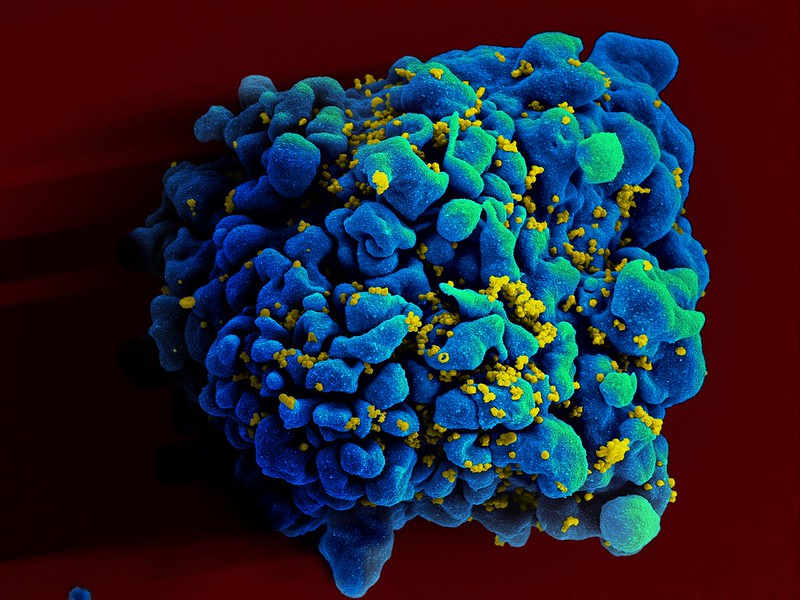
Specifically designed cocktails of broadly neutralising antibodies (bNAbs) could help treat HIV while minimising the risk of the virus escaping treatment, researchers reported in eLife.
The study shows that computational approaches to selecting combinations of bNAbs based on viral genetics could help prevent viral escape, making HIV treatment more effective. It may also offer a strategy for designing effective combinations of bNAbs for treating other rapidly evolving pathogens.
bNAbs offer a promising new tool to treat or potentially cure infections with rapidly evolving viruses such as HIV. Clinical trials using a single bNAb to treat HIV have shown that some viral strains may survive the treatment and lead to a rebound of viruses in the blood. Combinations of bNAbs may therefore be a more effective approach, but finding the best combinations is a challenge.
“For our study, we proposed using a computational approach to predict the effectiveness of bNAb combinations based on the HIV genetics,” said researcher Colin LaMont.
LaMont and colleagues analysed the genetics of HIV viruses collected over 10 years from 11 untreated patients with HIV, and used this data to predict which viral strains might be able to escape treatment with different bNAbs and whether dodging bNAbs had a survival cost. Next, using computational methods, they applied the knowledge gained to predict viral rebounds in three real-life trials of bNAbs.
Finally, the team used their computational approach to find a combination of bNAbs that is least likely to allow any virus to escape. They also found that some bNAbs, such as 10-1074, are better against diverse populations of viruses because mutations that allow viruses to escape also make the virus less likely to survive. Others, including PGT121, are more effective against less diverse viral populations because mutations that enable escape are rare. Overall, the results suggested that the optimal combination includes three bNAbs: PG9, PGT151 and VRC01.
“We’ve shown the combination of PG9, PGT151 and VRC01 reduces the chance of viral rebound to less than 1%,” LaMont said. “It does this by targeting three different regions of the virus’ protective outer wrapping, or envelope.”
“Combining bNAbs, administered via intravenous infusion every few months, with current antiretroviral therapies (ART) that require daily doses could further improve long-term HIV treatment success,” suggested senior author Armita Nourmohammad, Assistant Professor at the University of Washington.
ART hinders HIV multiplication and ability to create new variants, limiting the genetic diversity of the viral population and reducing the odds of bNAb escape variants emerging. The authors say that more studies are needed to confirm the potential benefits of combining ART and bNAbs.
“Our study shows that leveraging genetic data can help us design more effective HIV therapies,” Asst Prof Nourmohammad concluded. “Our approach may also be useful for designing therapies against other rapidly evolving agents that cause disease, such as the Hepatitis C virus, drug-resistant bacteria, or cancer tumour cells.”
Research published in the Journal of the National Cancer Institute found that menopausal hormone therapy for breast cancer survivors is not associated with breast cancer reoccurrence, despite worries among some researchers and physicians.
Hot flashes and night sweats, as well as vaginal dryness and urinary tract infections, are common in breast cancer survivors, worsening quality of life and can lead patients to discontinue therapy. These symptoms may be alleviated by vaginal oestrogen therapy or menopausal hormone therapy (MHT). However, the safety of systemic and vaginal oestrogen use among breast cancer survivors, particularly those with oestrogen receptor-positive disease, has been unclear.
Many doctors caution breast cancer survivors against using MHT following the demonstration of an increased risk of breast cancer recurrence in two trials in the 1990s. Though later studies have not shown increased recurrence, they were seriously limited, with small sample sizes and short follow-up periods.
This study compared hormonal treatment with the risk of breast cancer recurrence and mortality in a large cohort of Danish postmenopausal women treated for early-stage oestrogen receptor-positive breast cancer.
Participants were diagnosed between 1997 and 2004 with early-stage breast cancer who received no treatment or five years of hormone therapy.
Among 8461 women, 1957 and 133 used vaginal oestrogen therapy or MHT, respectively, after diagnosis. No increase was seen in the risk of recurrence or mortality for those who received either vaginal oestrogen therapy or MHT.
“This large cohort study helps to inform the nuanced discussions between clinicians and breast cancer survivors about the safety of vaginal oestrogen therapy,” said Elizabeth Cathcart-Rake, writing in an accompanying editorial. “These results suggest that breast cancer survivors on tamoxifen with severe genitourinary symptoms can take vaginal estrogen therapy without experiencing an increase in their risk for breast cancer recurrence. However, caution is still advised when considering vaginal oestrogen for breast cancer survivors on aromatase inhibitors, or when considering menopausal hormonal therapy.”
Decades of research has provided no clear evidence that serotonin levels or serotonin activity are responsible for depression, according to a major review of existing literature.
Published in Molecular Psychiatry, this new umbrella review is an overview of existing meta-analyses and systematic reviews. It suggests that depression is not likely to be caused by a chemical imbalance. It also calls into question what antidepressants do: most antidepressants are selective serotonin reuptake inhibitors (SSRIs), whose mechanism of action was supposedly to correct abnormally low serotonin levels. But there is no other accepted pharmacological mechanism by which antidepressants affect the symptoms of depression.
Lead author Professor Joanna Moncrieff, at University College London said: “It is always difficult to prove a negative, but I think we can safely say that after a vast amount of research conducted over several decades, there is no convincing evidence that depression is caused by serotonin abnormalities, particularly by lower levels or reduced activity of serotonin.
“The popularity of the ‘chemical imbalance’ theory of depression has coincided with a huge increase in the use of antidepressants. Prescriptions for antidepressants have risen dramatically since the 1990s, with one in six adults in England and 2% of teenagers now being prescribed an antidepressant in a given year.
“Many people take antidepressants because they have been led to believe their depression has a biochemical cause, but this new research suggests this belief is not grounded in evidence.”
The umbrella review aimed to capture all relevant studies, encompassing tens of thousands of participants, that have been published in the most important fields of research on serotonin and depression.
Research that compared levels of serotonin and its breakdown products in the blood or brain fluids found no difference between participants diagnosed with depression and healthy controls.
Research on serotonin receptors and the serotonin transporter, the protein targeted by most antidepressants, found weak and inconsistent evidence suggestive of higher levels of serotonin activity in people with depression. However, the researchers say the findings are likely explained by the use of antidepressants among people diagnosed with depression, since such effects were not reliably ruled out.
Some studies artificially lowered serotonin levels were by depriving participant’s diets of the necessary amino acid. These studies have been cited as demonstrating that a serotonin deficiency is linked to depression. A meta-analysis conducted in 2007 and a sample of recent studies found that lowering serotonin in this way did not produce depression in hundreds of healthy volunteers, however. There was very weak evidence in a small subgroup of people with a family history of depression, but this only involved 75 participants, and more recent evidence was inconclusive.
Very large studies involving tens of thousands of patients looked at gene variation, including the gene for the serotonin transporter, and found no difference between people with depression and healthy controls. These studies also examined stressful life events, and found these to strongly increase people’s risk of becoming depressed. A famous early study found a relationship between stressful events, the type of serotonin transporter gene a person had and the chance of depression. But larger, more comprehensive studies suggest this was a false finding.
These findings together led the authors to conclude that there is “no support for the hypothesis that depression is caused by lowered serotonin activity or concentrations.”
The researchers say their findings are important as studies show that as many as 85–90% of the public believes that depression is caused by low serotonin or a chemical imbalance. A growing number of scientists and professional bodies are recognising the chemical imbalance framing as an over-simplification. Evidence also suggests that believing that low mood is caused by a chemical imbalance leads to pessimism about recovery, and the possibility of managing moods without medical help. This is important because most people will at some point in their lives meet criteria for anxiety or depression.
A large meta-analysis provided evidence that people who used antidepressants actually had lower levels of serotonin in their blood. The researchers concluded that some evidence was consistent with the possibility that long-term antidepressant use reduces serotonin concentrations. The researchers say this may imply that the increase in serotonin that some antidepressants produce in the short term could lead to compensatory changes in the brain that produce the opposite effect in the long term.
Though antidepressants’ efficacies was not examined, the authors encourage looking into treatments such psychotherapy, alongside other practices such as exercise or mindfulness, or addressing underlying contributors such as poverty, stress and loneliness.
Professor Moncrieff said: “Our view is that patients should not be told that depression is caused by low serotonin or by a chemical imbalance, and they should not be led to believe that antidepressants work by targeting these unproven abnormalities. We do not understand what antidepressants are doing to the brain exactly, and giving people this sort of misinformation prevents them from making an informed decision about whether to take antidepressants or not.”
Co-author Dr Mark Horowitz said: “I had been taught that depression was caused by low serotonin in my psychiatry training and had even taught this to students in my own lectures. Being involved in this research was eye-opening and feels like everything I thought I knew has been flipped upside down.
“One interesting aspect in the studies we examined was how strong an effect adverse life events played in depression, suggesting low mood is a response to people’s lives and cannot be boiled down to a simple chemical equation.”
Professor Moncrieff added: “Thousands of people suffer from side effects of antidepressants, including the severe withdrawal effects that can occur when people try to stop them, yet prescription rates continue to rise. We believe this situation has been driven partly by the false belief that depression is due to a chemical imbalance. It is high time to inform the public that this belief is not grounded in science.”
Antisense oligonucleotides (ASOs), are molecules that can be used to control protein levels in cells. Researchers detail in Nature how they leveraged ASO technology to develop the first FDA-approved treatment for spinal muscular atrophy called Spinraza®. The drug has helped over 11 000 patients make more of a protein that certain neurons in the spine need.
Cold Spring Harbor Laboratory Professor Adrian Krainer, who developed the drug, has been searching for more ways ASOs can help treat other disorders. He has identified cystic fibrosis (CF), where patients produce insufficient amount of the protein CFTR. His team discovered how to use ASOs to make more of an imperfect but still functional version of CFTR. This could lead to a new treatment approach that may help alleviate CF symptoms.
The imperfect CFTR protein results from a gene mutation. The faulty instructions to produce the protein are eliminated and the protein isn’t made, since in general, imperfect proteins may be disruptive. Prof Krainer’s ASOs trick cells into following the faulty instructions and making the imperfect CFTR protein. His team found that, in this case of CF, having an imperfect version of the protein is better than having none at all. Their method improved the function of lung cells, suggesting the ASO strategy could improve symptoms in CF patients with this mutation.
The team’s discovery spotlights a new way ASOs can be used to treat disease. The study was led by Young Jin Kim, a former MD-PhD student in the Krainer laboratory. Prof Krainer hopes to continue expanding the potential of ASO technology in therapeutics. He thinks in the future ASOs may increasingly become a way to tailor therapies specific to an individual’s unique genetic mutations. “If more of this type of drug, ASOs, are approved,” Prof Krainer said, “I wouldn’t be surprised if in the not-so-distant future ASOs become a routine way to make personalised medicines.”
University of Reading scientists have shown that taking high doses of Vitamin B6 reduces feelings of anxiety and depression to a small degree. Study participants reported feeling less anxious and depressed after taking the supplements every day for a month.
The study, published in Human Psychopharmacology: Clinical and Experimental, demonstrates that certain supplements thought to modify levels of activity in the brain could be useful for preventing or treating mood disorders.
The study’s lead author, Dr David Field, explained: “The functioning of the brain relies on a delicate balance between the excitatory neurons that carry information around and inhibitory ones, which prevent runaway activity. Recent theories have connected mood disorders and some other neuropsychiatric conditions with a disturbance of this balance, often in the direction of raised levels of brain activity. Vitamin B6 helps the body produce a specific chemical messenger that inhibits impulses in the brain, and our study links this calming effect with reduced anxiety among the participants.”
While previous studies have produced evidence that multivitamins or Marmite can reduce stress levels, few studies have been carried out into which particular vitamins contained within them drive this effect. The new study focused on the potential role of Vitamins B6, which is known to increase the body’s production of GABA (Gamma-Aminobutyric Acid), the primary inhibitory neurotransmitter.
In the current trial, more than 300 participants were randomised to either Vitamin B6 or B12 supplements far above the recommended daily intake (about 50 times higher) or placebo, and took one a day with food for a month. Vitamin B12 had little effect compared to placebo, but Vitamin B6 was found to have a significant effect. Raised levels of GABA among participants who had taken Vitamin B6 supplements were confirmed by visual tests carried out at the end of the trial, supporting the hypothesis that B6 was responsible for the reduction in anxiety. Subtle but harmless changes in visual performance were detected, consistent with controlled levels of brain activity.
Dr Field notes that, while many foods contain Vitamin B6, “the high doses used in this trial suggest that supplements would be necessary to have a positive effect on mood. It is important to acknowledge that this research is at an early stage and the effect of Vitamin B6 on anxiety in our study was quite small compared to what you would expect from medication. However, nutrition-based interventions produce far fewer unpleasant side effects than drugs, and so in the future people might prefer them as an intervention.
“To make this a realistic choice, further research is needed to identify other nutrition-based interventions that benefit mental wellbeing, allowing different dietary interventions to be combined in future to provide greater results. One potential option would be to combine Vitamin B6 supplements with talking therapies such as Cognitive Behavioural Therapy to boost their effect.”
In a clinical trial, two new antibody treatments for Crohn’s disease were approximately similar in effectiveness, according to findings published in The Lancet.
This allows clinicians and patients to make treatment choices based on tolerance, according to Stephen Hanauer, MD, the Clifford Joseph Barborka Professor and a co-author of the study.
“The safety and efficacy of two agents with different mechanisms of action appears to be quite comparable over one year,” said Prof Hanauer.
Crohn’s disease (CD) is a chronic, progressive inflammatory bowel disease, causing abdominal pain, weight loss and fatigue. Treatment has usually focused on alleviating symptoms to achieve clinical remission using corticosteroids or immunomodulators, but more effective treatment is still needed, according to Prof Hanauer.
‘While there are numerous therapies and mechanisms of action for drugs approved for moderate-severe Crohn’s disease there has been a therapeutic ceiling as far as outcomes are concerned, with usually less than 50% of patients in long-term remission,” Prof Hanauer explained.
Recently, several biologic agents have been approved for use. Adalimumab is a monoclonal antibody that reduces inflammatory cytokines by inhibiting tumor necrosis factor alpha. Ustekinumab is another monoclonal antibody, though the drug targets a different set of proteins: interleukin (IL) 12 and IL-23.
Researchers recruited with Crohn’s disease, randomising 191 to receive ustekinumab and 195 to adalimumab. Patients reaching clinical remission were similar between both groups: 65% of 191 patients in the ustekinumab group versus 61% of 195 in the adalimumab group. There were no deaths through one year of study, though slightly more patients in the ustekinumab group discontinued study treatment. Disease severity measures decreased similarly over the study.
Both treatment regimens resulted in clinical remission with similar toxicity profiles.
“There are numerous options for patients with moderate-severe disease. However, the key is to treat patients with an effective regimen and treat to targets as early in the course as possible since we do not have any drugs that impact on fibrosis once it occurs,” Prof Hanauer said.
US States that legalised recreational marijuana saw a subsequent increase in traffic crashes and fatalities, researchers reported in the Journal of Studies on Alcohol and Drugs.
“The legalisation of marijuana doesn’t come without cost,” stated lead researcher Charles M. Farmer, PhD, of the Insurance Institute for Highway Safety.
Dr Farmer and colleagues’ analysis of five states that allow the recreational use of marijuana for adults age 21 and older revealed a 5.8% increase in the rate of traffic crash injuries and a 4.1% increase in fatal crash rates after legalisation and the onset of retail sales. At the same time, there was no increase in a comparison group of states which did not legalise marijuana.
The injury crash rate jumped after legalisation but before retail sales began. Traffic crash injuries rose 6.5% after legalisation but decreased slightly (-0.7%) after retail sales commenced. However, fatal crash rates increased both after legalisation (+2.3%) and after retail sales were authorised (+1.8%).
“Legalisation removes the stigma of marijuana use, while the onset of retail sales merely increases access,” explained Dr Farmer. “But access to marijuana isn’t difficult, even in places without retail sales. Users who previously avoided driving high may feel that it’s okay after legalisation.”
Marijuana legalisation’s stronger relationship with traffic crash injuries, rather than fatalities, may be due to how some drivers compensate when impaired by marijuana. Often, drivers under the influence of marijuana slow down and maintain a larger distance between themselves and other vehicles. A crash may be harder to avoid while impaired, but the lower-speed crashes that occur may be less likely to be fatal.
The authors note that earlier studies involving driving simulators have shown marijuana use to affect reaction time, road tracking, lane keeping and attention. However, Farmer notes that the current study is correlational, and increased marijuana use itself is likely not the sole cause of the increases seen.
“Studies looking for a direct causal link between marijuana use and crash risk have been inconclusive,” he says. “Unlike alcohol, there is no good objective measure of just how impaired a marijuana user has become. Until we can accurately measure marijuana impairment, we won’t be able to link it to crash risk.”
The researchers collected data on traffic crashes and traffic volume for 2009–2019 from 11 states and from the Federal Highway Administration. During the study period, five states had legalised recreational marijuana while a comparison group of six states did not. The authors statistically adjusted for factors known to contribute to crashes and fatalities, including seat belt use and unemployment rate.
In the states that legalised cannabis, changes in injury crash rates varied: Colorado had the biggest jump (+17.8%) and California the smallest (+5.7%) after both legalisation and the onset of retail sales. Nevada’s rate decreased (-6.7%). For fatal crashes, increases occurred in Colorado (+1.4%) and Oregon (3.8%), but decreases were found in Washington (-1.9%), California (-7.6%) and Nevada (-9.8%).
Farmer points out that states considering marijuana legalisation should consider a few steps to help forestall a potential increase in crashes. “First, convince everyone that driving under the influence of marijuana is not okay,” he says. “Then, enact laws and sanctions penalising those who ignore the message. Finally, make sure you have the resources (ie, staffing and training) to enforce these laws and sanctions.”