In a clinical trial, two new antibody treatments for Crohn’s disease were approximately similar in effectiveness, according to findings published in The Lancet.
This allows clinicians and patients to make treatment choices based on tolerance, according to Stephen Hanauer, MD, the Clifford Joseph Barborka Professor and a co-author of the study.
“The safety and efficacy of two agents with different mechanisms of action appears to be quite comparable over one year,” said Prof Hanauer.
Crohn’s disease (CD) is a chronic, progressive inflammatory bowel disease, causing abdominal pain, weight loss and fatigue. Treatment has usually focused on alleviating symptoms to achieve clinical remission using corticosteroids or immunomodulators, but more effective treatment is still needed, according to Prof Hanauer.
‘While there are numerous therapies and mechanisms of action for drugs approved for moderate-severe Crohn’s disease there has been a therapeutic ceiling as far as outcomes are concerned, with usually less than 50% of patients in long-term remission,” Prof Hanauer explained.
Recently, several biologic agents have been approved for use. Adalimumab is a monoclonal antibody that reduces inflammatory cytokines by inhibiting tumor necrosis factor alpha. Ustekinumab is another monoclonal antibody, though the drug targets a different set of proteins: interleukin (IL) 12 and IL-23.
Researchers recruited with Crohn’s disease, randomising 191 to receive ustekinumab and 195 to adalimumab. Patients reaching clinical remission were similar between both groups: 65% of 191 patients in the ustekinumab group versus 61% of 195 in the adalimumab group. There were no deaths through one year of study, though slightly more patients in the ustekinumab group discontinued study treatment. Disease severity measures decreased similarly over the study.
Both treatment regimens resulted in clinical remission with similar toxicity profiles.
“There are numerous options for patients with moderate-severe disease. However, the key is to treat patients with an effective regimen and treat to targets as early in the course as possible since we do not have any drugs that impact on fibrosis once it occurs,” Prof Hanauer said.
US States that legalised recreational marijuana saw a subsequent increase in traffic crashes and fatalities, researchers reported in the Journal of Studies on Alcohol and Drugs.
“The legalisation of marijuana doesn’t come without cost,” stated lead researcher Charles M. Farmer, PhD, of the Insurance Institute for Highway Safety.
Dr Farmer and colleagues’ analysis of five states that allow the recreational use of marijuana for adults age 21 and older revealed a 5.8% increase in the rate of traffic crash injuries and a 4.1% increase in fatal crash rates after legalisation and the onset of retail sales. At the same time, there was no increase in a comparison group of states which did not legalise marijuana.
The injury crash rate jumped after legalisation but before retail sales began. Traffic crash injuries rose 6.5% after legalisation but decreased slightly (-0.7%) after retail sales commenced. However, fatal crash rates increased both after legalisation (+2.3%) and after retail sales were authorised (+1.8%).
“Legalisation removes the stigma of marijuana use, while the onset of retail sales merely increases access,” explained Dr Farmer. “But access to marijuana isn’t difficult, even in places without retail sales. Users who previously avoided driving high may feel that it’s okay after legalisation.”
Marijuana legalisation’s stronger relationship with traffic crash injuries, rather than fatalities, may be due to how some drivers compensate when impaired by marijuana. Often, drivers under the influence of marijuana slow down and maintain a larger distance between themselves and other vehicles. A crash may be harder to avoid while impaired, but the lower-speed crashes that occur may be less likely to be fatal.
The authors note that earlier studies involving driving simulators have shown marijuana use to affect reaction time, road tracking, lane keeping and attention. However, Farmer notes that the current study is correlational, and increased marijuana use itself is likely not the sole cause of the increases seen.
“Studies looking for a direct causal link between marijuana use and crash risk have been inconclusive,” he says. “Unlike alcohol, there is no good objective measure of just how impaired a marijuana user has become. Until we can accurately measure marijuana impairment, we won’t be able to link it to crash risk.”
The researchers collected data on traffic crashes and traffic volume for 2009–2019 from 11 states and from the Federal Highway Administration. During the study period, five states had legalised recreational marijuana while a comparison group of six states did not. The authors statistically adjusted for factors known to contribute to crashes and fatalities, including seat belt use and unemployment rate.
In the states that legalised cannabis, changes in injury crash rates varied: Colorado had the biggest jump (+17.8%) and California the smallest (+5.7%) after both legalisation and the onset of retail sales. Nevada’s rate decreased (-6.7%). For fatal crashes, increases occurred in Colorado (+1.4%) and Oregon (3.8%), but decreases were found in Washington (-1.9%), California (-7.6%) and Nevada (-9.8%).
Farmer points out that states considering marijuana legalisation should consider a few steps to help forestall a potential increase in crashes. “First, convince everyone that driving under the influence of marijuana is not okay,” he says. “Then, enact laws and sanctions penalising those who ignore the message. Finally, make sure you have the resources (ie, staffing and training) to enforce these laws and sanctions.”
Salt restriction has long been held to be a key component of heart failure treatment, but cutting back too much may actually worsen the outcomes for people with preserved ejection fraction, suggests research published in Heart.
The findings indicate that younger people and those of black and other ethnicities seem to be most at risk.
Salt restriction is frequently recommended in heart failure guidelines, but the optimal restriction range (from less than 1.5g to less than 3g daily) and its effect on patients with heart failure with preserved ejection fraction (HFpEF) is less clear as they have often been excluded from relevant studies.
HFpEF, which accounts for half of all heart failure cases, occurs when the lower left chamber of the heart (left ventricle) isn’t able to fill properly with blood (diastolic phase), so reducing the amount of blood pumped out into the body.
In a bid to explore the association with salt intake further, the researchers drew on secondary analysis of data from 1713 people aged 50 and above with heart failure with preserved ejection fraction who were part of the TOPCAT trial.
A phase III, randomised, double-blind, placebo-controlled study, this trial was designed to find out if the drug spironolactone could effectively treat symptomatic heart failure with preserved ejection fraction.
Participants were asked how much salt they routinely added to the cooking of staples, such as rice, pasta, and potatoes; soup; meat; and vegetables, and this was scored as: 0 points (none); 1 (⅛tsp); 2 (¼tsp); and 3 (½+tsp).
They were followed up for an average of three years for the primary endpoint, a composite of death from cardiovascular disease or admission to hospital for heart failure plus aborted cardiac arrest. Secondary outcomes were all cause mortality and cardiovascular disease mortality plus hospitalisation for heart failure.
Around half the participants (816) had a cooking salt score of zero: more than half of them were men (56%) and most were of white ethnicity (81%). They weighed significantly more and had a lower diastolic blood pressure (70 mm Hg) than those with a cooking salt score above zero (897).
They had also been admitted to hospital more often for heart failure, were more likely to have type 2 diabetes, poorer kidney function, to be taking meds to control their heart failure, and to have a reduced left ventricular ejection fraction (lower cardiac output).
Participants with a cooking salt score above zero were at significantly lower risk of the primary endpoint than those whose score was zero, mainly driven by the fact that they were less likely to be hospitalised for heart failure. But all-cause mortality or CVD mortality was no higher than those whose cooking salt score was zero.
Those aged 70 or younger were significantly more likely to benefit from adding salt to their cooking than were those older than 70 in terms of the primary endpoint and admission to hospital for heart failure.
Similarly, those of black and other ethnicities seemed to benefit more from adding salt compared with white participants, although the numbers were small.
Gender, previous hospitalisation for heart failure, and the use of heart failure meds weren’t associated with heightened risks of the measured outcomes and cooking salt score.
This is an observational study, and as such, can’t establish cause. Not all relevant data from the TOPCAT trial were available, while the cooking salt score was self-reported, acknowledge the researchers. And reverse causation, whereby people with poorer health might have been advised to further restrict their salt intake, can’t be ruled out.
Lower sodium intake is usually associated with lower blood pressure and a reduced risk of cardiovascular disease in the general public and in those with high blood pressure. It is thought that it reduces fluid retention and the triggering of the hormones involved in blood pressure regulation.
But restricting salt intake to control heart failure is less straightforward, say the researchers. It may prompt intravascular volume contraction, which could, in turn, reduce congestion and the requirement for water tablets to ease fluid retention.
But the researchers pointed out that the that the volume of plasma in the blood, an indicator of congestion, wasn’t significantly associated with cooking salt score – suggesting that low sodium intake didn’t ease fluid retention in people with heart failure with preserved ejection fraction.
“Overstrict dietary salt intake restriction could harm patients with [heart failure with preserved ejection fraction] and is associated with worse prognosis. Physicians should reconsider giving this advice to patients,” they conclude.
New research published in Clinical and Experimental Allergy reveals that prescriptions of specialised infant formula have increased in recent years in England, Norway, and Australia, with rates over 10 times what would normally be expected for the number of children with milk allergies.
Increasing specialised formula use has been interpreted as evidence for milk allergy overdiagnosis, leading to the use of specialised formula for managing common infant symptoms. This is because there is little evidence in high-income countries for a change in milk allergy incidence to explain rises in specialised formula prescription. While specialised formula is reasonably well tolerated by most infants, and supports infant nutrition and growth, there are significant differences from standard cow’s milk-based infant formula or human breastmilk. In specialised formula products, the lactose found in breastmilk or cow’s milk is partially or completely replaced by alternative carbohydrate sources, often free sugars such as glucose or sucrose.
Soya milk alternatives were prevalent in the 1990s, but in the 2000s were displaced by amino-acid formulations after health concerns emerged over soya milk use in infants. Prescribed amounts of specialised formula for infants rose 2.8-fold in England from 2007–2018, with similar trends in other regions of the United Kingdom. Amounts rose 2.2-fold in Norway from 2009–2020 and 3.2-fold in Australia from 2001–2012.
In addition to added expense (specialised formula costs an average of US117 extra per birth in England), these findings are of particular concern due to their higher levels of sugar, which may promote tooth decay and obesity in young children.
“These data suggest high levels of milk allergy over-diagnosis and mark an important shift in early child nutrition,” the authors wrote.
As many men age, they lose their Y chromosome, which causes heart muscle to scar and can lead to deadly heart failure, new research from the shows. The finding, which appears in Science, may help explain why men die, on average, several years younger than women.
University of Virginia School of Medicine researcher Kenneth Walsh, PhD, says the new discovery suggests that men who suffer Y chromosome loss – estimated to include 40% of 70-year-olds – may particularly benefit from an existing drug that targets dangerous tissue scarring. The drug, he suspects, may help counteract the harmful effects of the chromosome loss – effects that may manifest not just in the heart but in other parts of the body as well.
On average, women live five years longer than men in the United States. The new finding, Prof Walsh estimates, may explain nearly four of the five-year difference.
“Particularly past age 60, men die more rapidly than women. It’s as if they biologically age more quickly,” said Prof Walsh. “There are more than 160 million males in the United States alone. The years of life lost due to the survival disadvantage of maleness is staggering. This new research provides clues as to why men have shorter lifespans than women.”
Many men begin to lose their Y chromosome in a fraction of their cells as they age, especially in smokers. The loss occurs predominantly in cells that undergo rapid turnover, such as blood cells. However, Y chromosome loss does not occur in male reproductive cells, so it is not inherited by the children of men who exhibit Y chromosome loss. It has been observed that men who suffer Y chromosome loss are more likely to die at a younger age and suffer age-associated maladies such as Alzheimer’s disease. This new research however is believed to be the first hard evidence that the chromosome loss harms men’s health.
Walsh and his team used CRISPR gene-editing technology to develop a special mouse model to better understand the effects of Y chromosome loss in the blood. The loss accelerated age-related diseases, made the mice more prone to heart scarring, leading to earlier death. But more than just the results of inflammation, there was complex series of responses in the immune system, leading to fibrosis throughout the body. This tug-of-war within the immune system, the researchers believe, may accelerate disease development.
The scientists also looked at the effects of Y chromosome loss in human men. They conducted three analyses of data compiled from the UK Biobank, a massive biomedical database, and found that Y chromosome loss was associated with cardiovascular disease and heart failure. As chromosome loss increased, the scientists found, so did the risk of death.
The findings suggest that targeting the effects of Y chromosome loss could help men live longer, healthier lives. One treatment option might be a drug, pirfenidone, approved in the US for the treatment of idiopathic pulmonary fibrosis. The drug is also being tested for the treatment of heart failure and chronic kidney disease, two conditions for which tissue scarring is a hallmark. Based on his research, Walsh believes that men with Y chromosome loss could respond particularly well to this drug, and other classes of antifibrotic drugs that are being developed, though more research will be needed to determine that.
At the moment, doctors have no easy way to determine which men suffer Y chromosome loss. Prof Walsh’s collaborator Lars A. Forsberg, of Uppsala University in Sweden, has developed an inexpensive polymerase chain reaction (PCR) test that can detect Y chromosome loss, but the test is largely confined to his and Prof Walsh’s labs. Prof Walsh, however, can foresee that changing: “If interest in this continues and it’s shown to have utility in terms of being prognostic for men’s disease and can lead to personalised therapy, maybe this becomes a routine diagnostic test,” he said.
“The DNA of all our cells inevitably accumulate mutations as we age. This includes the loss of the entire Y chromosome within a subset of cells within men. Understanding that the body is a mosaic of acquired mutations provides clues about age-related diseases and the aging process itself,” said Walsh, a member of UVA’s Department of Biochemistry and Molecular Genetics. “Studies that examine Y chromosome loss and other acquired mutations have great promise for the development of personalised medicines that are tailored to these specific mutations.”
It is not clear why women experience higher rates of depression than men, complicating treatments that are already prone to failure. Research exploring the reasons behind this found a difference in a part of the brain associated with motivation, social interactions and reward. The researchers’ findings were published in the journal Biological Psychiatry.
The study set out to understand how a specific part of the brain, the nucleus accumbens, is affected during depression. The nucleus accumbens is important for motivation, response to rewarding experiences and social interactions – all of which are affected by depression.
The nucleus accumbens (represented in blue) is a part of the brain that controls motivation. Researchers from UC Davis compared samples of the nucleus accumbens in mice and humans to find clues to how this part of the brain is affected by stress and depression in males and females.
Previous analyses within the nucleus accumbens showed that different genes were turned on or off in women, but not in men diagnosed with depression. These changes could have caused symptoms of depression, or alternatively, the experience of being depressed could have changed the brain. To differentiate between these possibilities, the researchers studied mice that had experienced negative social interactions, which induce stronger depression-related behavior in females than males.
“These high-throughput analyses are very informative for understanding long-lasting effects of stress on the brain. In our rodent model, negative social interactions changed gene expression patterns in female mice that mirrored patterns observed in women with depression,” said study leader Alexia Williams, a doctoral researcher. “This is exciting because women are understudied in this field, and this finding allowed me to focus my attention on the relevance of these data for women’s health.”
After identifying similar molecular changes in the brains of mice and humans, researchers chose one gene, regulator of g protein signaling-2, or Rgs2, to manipulate. This gene controls the expression of a protein that regulates neurotransmitter receptors that are targeted by antidepressant medications such as Prozac and Zoloft. “In humans, less stable versions of the Rgs2 protein are associated with increased risk of depression, so we were curious to see whether increasing Rgs2 in the nucleus accumbens could reduce depression-related behaviorus,” said Professor Brian Trainor, senior author on the study.
When the researchers experimentally increased Rgs2 protein in the nucleus accumbens of the mice, they effectively reversed the effects of stress on these female mice, noting that social approach and preferences for preferred foods increased to levels observed in females that did not experience any stress.
“These results highlight a molecular mechanism contributing to the lack of motivation often observed in depressed patients. Reduced function of proteins like Rgs2 may contribute to symptoms that are difficult to treat in those struggling with mental illnesses,” Williams said.
Findings from basic science studies such as this one may guide the development of pharmacotherapies to effectively treat individuals suffering from depression, the researchers said.
“Our hope is that by doing studies such as these, which focus on elucidating mechanisms of specific symptoms of complex mental illnesses, we will bring science one step closer to developing new treatments for those in need,” said Williams.
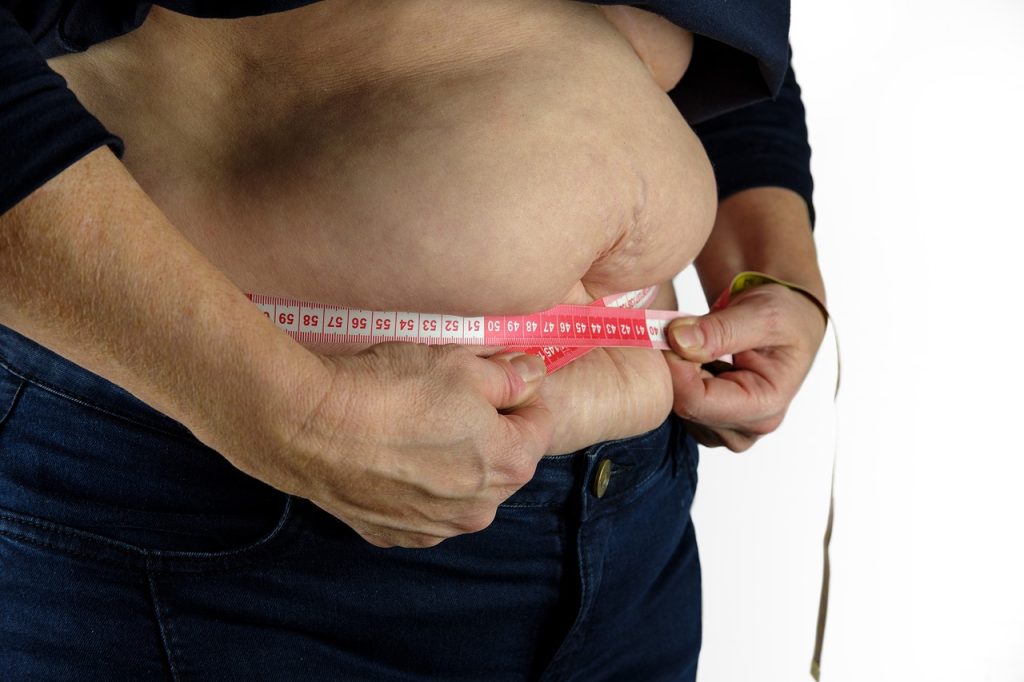
The commonly prescribed triptans, a class of migraine drugs, may be useful in treating obesity, a new study published in Journal of Experimental Medicine suggests. In studies on obese mice, a daily dose of a triptan caused them to eat less food and lose weight over the course of a month.
“We’ve shown that there is real potential to repurpose these drugs, which are already known to be safe, for appetite suppression and weight loss,” said study leader Chen Liu, PhD.
Serotonin has long been known to play a key role in appetite. However, there are 15 different serotonin receptors. Researchers have struggled to understand the role of each serotonin receptor in appetite, and previous drugs, including fen-phen and lorcaserin, that targeted certain individual receptors have been withdrawn from the market due to side effects.
Triptans, which are used to treat acute migraines and cluster headaches, work by targeting a different receptor — the serotonin 1B receptor (Htr1b) — that had not previously been well studied in the context of appetite and weight loss, said Dr Liu.
For the new study, the researchers tested six prescription triptans in obese mice that were fed a high-fat diet for seven weeks. Mice fed two of these drugs ate about the same amount, but mice fed the other four ate less. After 24 days, mice given a daily dose of the drug frovatriptan lost, on average, 3.6% of their body weight, while mice not given a triptan gained an average of 5.1% of their body weight. The researchers saw similar results when they implanted devices into the animals that gave them a steady dose of frovatriptan for 24 days.
“We found that these drugs, and one in particular, can lower body weight and improve glucose metabolism in less than a month, which is pretty impressive,” said Dr Liu.
Since triptans are generally prescribed for short-term use during migraines, Dr Liu suspects that patients would not have noticed the longer-term impacts on appetite and weight in the past.
To determine exactly how frovatriptan impacts food intake and weight, the researchers engineered mice to lack either Htr1b or Htr2c, the serotonin receptor targeted by fen-phen and lorcaserin. In mice without Htr1b, frovatriptan no longer could decrease appetite or cause weight loss, while cutting out Htr2c had no effect. This confirmed that the drug worked by targeting the serotonin 1B receptor.
“This finding could be important for drug development,” said Dr Liu. “We not only shed light on the potential to repurpose existing triptans but also brought attention to Htr1b as a candidate to treat obesity and regulate food intake.”
A new analysis of offers the most comprehensive assessment so far of menstrual changes experienced by pre- and post-menopausal individuals in the first two weeks after being vaccinated against COVID. Published in the journal Science Advances, the study adds to the growing body of evidence that significant numbers of people experience this unexpected side effect.
“Menstruating and formerly menstruating people began sharing that they experienced unexpected bleeding after being administered a COVID vaccine in early 2021,” the scientists who led the study wrote. Because vaccine trials typically do not ask about menstrual cycles or bleeding, this side effect was largely ignored or dismissed.
Early reports about post-vaccination menstrual changes were largely brushed aside, said Kathryn Clancy, a professor of anthropology who led the research with Katharine Lee, another anthropology professor. Some clinicians said it was unclear how a vaccine could trigger such changes.
However, it is known that other vaccines – including those for typhoid, Hepatitis B and HPV – are sometimes associated with changes in menstruation, Prof Clancy said. The changes are more likely to be associated with an increase in immune-related inflammatory pathways, as opposed to any hormonal changes.
“We suspect that for most people the changes associated with COVID vaccination are short-term, and we encourage anyone who is worried to contact their doctor for further care,” Lee said. “We want to reiterate that getting the vaccine is one of the best ways to prevent getting very sick with COVID, and we know that having COVID itself can lead not only to changes in periods, but also hospitalisation, long COVID and death.”
The researchers used a survey to query people about their experiences after vaccination. Launched in April 2021, the survey asked for demographic and other information but focused on respondents’ reproductive history and experiences regarding menstrual bleeding. The team downloaded the data from the surveys on June 29, 2021. Only those who had not been diagnosed with COVID were included in the analysis, as COVID itself is sometimes associated with menstrual changes. Data from people aged 45–55 years was excluded to avoid the confounding of effect menstrual changes associated with perimenopause.
“We focused our analysis on those who regularly menstruate and those who do not currently menstruate but have in the past,” Prof Clancy said. “The latter group included postmenopausal individuals and those on hormonal therapies that suppress menstruation, for whom bleeding is especially surprising.”
A statistical analysis revealed that 42.1% of menstruating survey respondents reported a heavier menstrual flow after receiving the COVID-19 vaccine. Some experienced this in the first seven days but many others saw changes 8–14 days after vaccination. Roughly the same proportion, 43.6%, reported no alteration of their menstrual flow after the vaccine, and a smaller percentage, 14.3%, saw a mix of no change or lighter flow, the researchers report.
Because the study relied on self-reported experiences logged more than 14 days after vaccination, it cannot establish causality or be seen as predictive of people in the general population, Lee said. But it can point to potential associations between a person’s reproductive history, hormonal status, demographics and changes in menstruation following COVID vaccination.
For example, the analysis revealed that respondents who had experienced a pregnancy were most likely to report heavier bleeding after vaccination, with a slight increase among those who had not given birth. A majority of non-menstruating premenopausal respondents on hormonal treatment experienced breakthrough bleeding after receiving the vaccine. This side effect was common in respondents using long-acting reversible contraception and 38.5% of those undergoing gender-affirming hormone treatments reported this side effect.
Those who were older, and those who experienced fever or fatigue as a side effect of vaccination were also more likely than other groups to report heavier menstrual flow after vaccination. White respondents were slightly less likely to report heavier menstrual flow.
Those who had experienced endometriosis, menorrhagia, fibroids or other reproductive problems also were more likely to report a heavier menstrual flow post-vaccination, the team found. The largest single increase was in those who have been pregnant without a delivery.
While the uptick in menstrual flow for some people may be transitory and quickly resolve, unexpected changes in menstruation can still cause concern, Prof Lee said.
“Unexpected breakthrough bleeding is one of the early signs of some cancers in post-menopausal people and in those who use gender-affirming hormones, so experiencing it can make people worry and require expensive and invasive cancer-screening procedures,” Prof Lee said.
“This screening is very important so we can catch cancers early,” Prof Clancy said. “For diagnostic purposes, it would be helpful to know whether there are other causes for the bleeding.”
“We’d love to see future vaccine testing protocols incorporate questions about menstruation that go beyond screening for pregnancy,” Prof Lee said. “Menstruation is a regular process that responds to all kinds of immune and energetic stressors, and people notice changes to their bleeding patterns, yet we don’t tend to talk about it publicly.”
Doctors in the US have been prescribing a unique new treatment for attention deficit hyperactivity disorder (ADHD) in children – a video game.
Designed in conjunction with neuroscientists, EndeavorRx, known in clinical trials as AKL-T01, is the first FDA-approved video game designed to treat ADHD in children. It is currently only available in the US by prescription but its creators are hoping to have it approved in other countries.
The game, which involves controlling a little alien racing across different environments to complete tasks, specifically trains users to concentrate on multitasking and to block out distractions – cognitive areas which often need a boost in ADHD.
In a randomised controlled trial published in The Lancet Digital Health, 348 patients, aged 8–12 years old and not receiving medication for ADHD, were randomised to receive the game intervention or a control.
For a control, the clinical trial made use of a different game specifically designed as a digital word game which did not target areas involved with ADHD.
Over four weeks, participants were instructed to play the intervention or placebo game for five minutes, five times a day, five days a week.
The trial found that compliance was high, with 83% of treatment session being played. Treatment-related adverse events were mild and included frustration (5 [3%] of 180) and headache (3 [2%] of 180).
ADHD was measured by Test of Variables of Attention (TOVA) Attention Performance Index (API). The mean change from baseline on the TOVA API was 0·93 in the AKL-T01 group and 0·03 in the control group.
An extension of the trial found that EndeavorRx also worked as an adjunct treatment in children with ADHD who were also receiving stimulant treatment for their condition. One hundred and thirty were enrolled in the On Stimulants cohort, and 76 in the No Stimulants cohort. Despite severe comorbidities being exclusionary, around 20% of the included participants still presented with at least one DSM-listed comorbidity. The trial involved a four week treatment period, a four week pause, and another four week treatment period. Improvements for both groups were found from the first treatment period, and continued into the pause and into the second treatment period, suggesting continuing and lasting gains.
Eddie Martucci, chief executive of Akili which produced the game, told the BBC that EandeavorRx offers something that pharmaceuticals currently cannot. “It is something that’s very difficult to get through molecular means, like taking a pill. But it turns out that sensory stimuli can actually directly stimulate parts of the brain controlling cognitive function.”
A new analysis describes how people in the UK shifted the amount of time they spent on various activities over various stages of pandemic restrictions and shifted to online versus in-person settings. The findings were published in the open-access journal PLOS ONE.
When the COVID pandemic began, the U.K. joined many countries in introducing restrictions on people’s movement and social activities to mitigate viral spread. A growing body of research reveals how such restrictions have affected people’s lifestyles worldwide. This study examined how UK residents’ habits changed over time as different restrictions were implemented and lifted.
The researchers conducted six online surveys of UK residents between April 2020 and July 2021 and were ultimately able to follow 203 people who responded to multiple surveys. The surveys included questions about 16 different types of activities respondents participated in during different phases of the pandemic, such as journalling, shopping, and getting active, and whether they participated online or in person.
Statistical analysis of the responses showed that the biggest changes in terms of amount of time spent – as well as the biggest changes in online versus in-person participation – occurred for cultural activities, spending time with others, and travelling. Changes were most pronounced in March to June 2020, corresponding with the first lockdown period, when participation in all 16 activities decreased. The biggest shift from in-person to online participation occurred from March to October 2020, which included the first lockdown followed by relaxation of restrictions.
Cultural activities, such as going to museums, and group activities were the two categories that fell the most, and did not recover to pre-pandemic levels when UK restrictions were lifted on July 19, 2021. During the restrictions, participation was mostly online in these activities. Spending time with family was among the most robust, and remained mostly in-person, though supplemented by online interaction.
These findings could help policymakers understand the impact of their pandemic restrictions. In the future, the researchers plan to investigate how demographic factors, such as age and employment, may have affected the results, as well as long-term mental health implications of the lifestyle changes.
Professor Patty Kostova, leader of the study, added: “This longitudinal research study illustrated citizens’ resilience throughout the stages of the pandemic.”
Lan Li adds: “This longitudinal study determines the frequency and way of people doing activities from Spring 2020 to Summer 2021 during different phases of the COVID pandemic in the UK. The findings provide an invaluable insight into understanding how people in the UK changed their lifestyle, including what activities they do, and how they accessed those activities in light of the COVID pandemic and related public health policy implemented to address the pandemic.”