Cardiovascular Disease Risk Factors the Same for Men and Women

Photo by Ketut Subiyanto on Pexels

For men and women, the risk factors for cardiovascular disease are largely the same, an extensive global study involving over 155 000 participants shows.

The study, published in The Lancet, includes participants from 21 countries with differing GDP. Cardiovascular disease is more widespread in low- and middle-income countries.

The 21-country study used data were taken from the Prospective Urban Rural Epidemiological (PURE) Study and comprised 155 724 participants aged 35–70 years with no history of cardiovascular disease when they joined the study. All cases of fatal cardiovascular disease, heart attack, stroke, and heart failure during the follow-up period, which averaged ten years, were registered.

The risk factors studied were metabolic (such as high blood pressure, obesity, and diabetes), behavioral (tobacco smoking and diet), and psychosocial (economic status and depression).

No clear gender or income divide

Metabolic risk factors were found to be similar in both sexes, except for high values of low-density lipoprotein (LDL, often known as bad cholesterol), where the association with cardiovascular disease was stronger in men. In the researchers’ opinion, however, this finding needs confirmation in more studies.

Depressive symptoms were another risk factor for cardiovascular disease that proved to be more significant among the men than the women. On the other hand, the link between a poor diet and cardiovascular disease was closer in women; and smoking, though markedly more frequent among men, was just as injurious a risk factor for women.

Overall, the researchers found broadly similar risk factors for cardiovascular disease for the male and female participants, irrespective of their countries’ income level. This highlights the importance of disease prevention strategies, too, being the same for both sexes.

Similarities greater than differences

The women’s lower overall risk of cardiovascular disease, especially heart attack (myocardial infarction), may be explained by the younger women’s higher tolerance to risk factors. Their estrogen makes vessel walls more compliant and affects the liver’s capacity to get rid of LDL.

Among the 90 934 women in the study, 5.0 cases of stroke, heart attack, and/or cardiovascular disease were registered per 1000 persons per year. The corresponding number in the group of men (64 790 individuals) was 8.2 cases.

Annika Rosengren, Professor of Medicine at Sahlgrenska Academy, University of Gothenburg, is the second author of the study, in charge of the Swedish part of the PURE population study of 4 000 individuals in Gothenburg and Skaraborg.

“When it comes to cardiovascular disease in men and women, the similarities in terms of risk factors are considerably greater than the differences. But men are more vulnerable to high levels of LDL, the bad cholesterol, and we know from other studies that they develop pathological changes in the coronary arteries at a lower age than women, and tend to start developing myocardial infarction quite a lot earlier. With respect to early stroke, though, the sex differences are less pronounced, as we’ve also seen in other studies,” Prof Rosengren said.

Source: University of Gothenburg
Arthritis Drug Auranofin may Improve Diabetes Symptoms

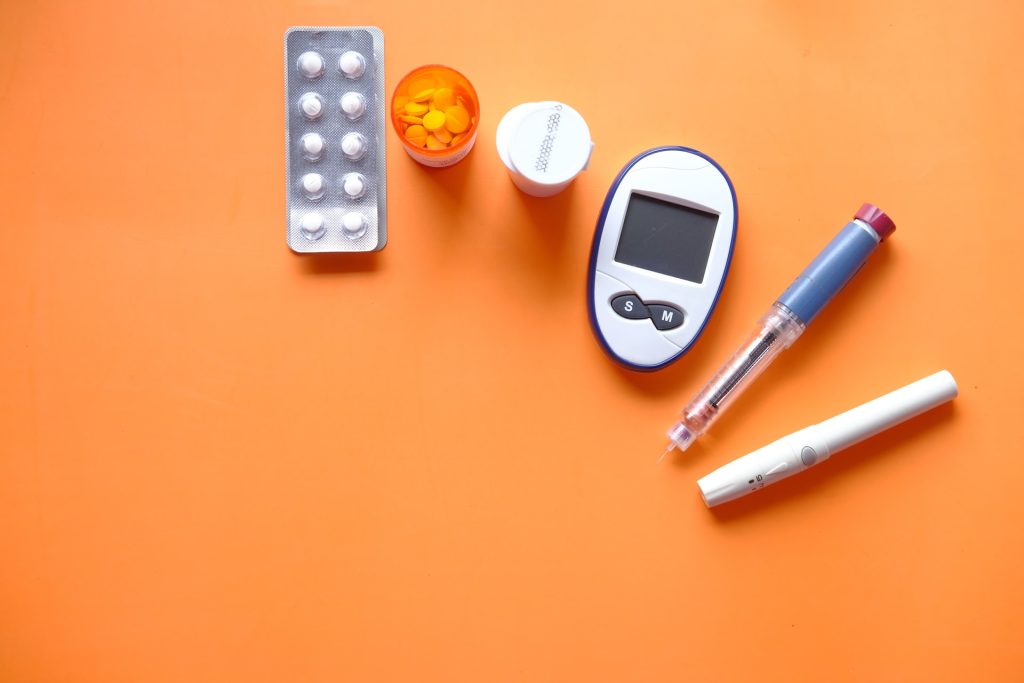
Photo by Towfiqu Barbhuiya on Unsplash

Researchers have found that rheumatoid arthritis drug auranofin can potentially be repurposed to improve diabetes-associated symptoms. The study, which used a mouse model, appeared in the journal Cell Metabolism.

Although clear links have been identified between inflammation in white adipose tissue and insulin resistance in humans and rodents, broad anti-inflammatory treatments lack durable clinical efficacy on diabetes. In the current study, the researchers delved deeper into this association between inflammation and diabetes by looking for existing drugs that might affect both conditions.

“We computationally screened a small-molecule dataset and identified auranofin, an FDA-approved drug that has been used to treat rheumatoid arthritis, a condition involving inflammation,” said first and co-corresponding author Dr Aaron R. Cox, instructor of medicine-endocrinology, diabetes and metabolism at Baylor. “Auranofin exerts anti-inflammatory properties, which many people suspected would be beneficial in obesity and diabetes; however, nothing was really known about how it might affect metabolism.”

The team evaluated the metabolic effects of auranofin in a mouse model of diabetes in which the animals consume a high-fat diet.

“We discovered that auranofin has anti-inflammatory and anti-diabetic effects that are independent from each other,” said co-corresponding author Dr Sean Hartig, associate professor at Baylor. “Auranofin improved insulin sensitivity, or the body’s ability to respond to insulin to keep blood sugar at healthy levels. The drug also normalised obesity-associated changes such as hyperinsulinaemia in the mouse model. In addition, we found that auranofin accumulation in white adipose tissue reduced inflammatory responses without altering body composition in obese mice.”

Looking into the mechanism of these metabolic changes, the team discovered that auranofin’s anti-diabetic effects involved reduction of leptin levels. Leptin is a hormone whose levels markedly increase in obesity, contributing to insulin resistance and diabetes. In addition, auranofin restored white adipose tissue’s ability to respond to catecholamines, which are signals that increase metabolic activities in adipose tissue, triggering the burning of lipids at a higher rate.

“These changes coupled together contribute to the overall improvement in insulin sensitivity of the mice, leading to blood glucose control, which is the ultimate goal of diabetes treatments,” Dr Cox said. “High levels of glucose in the blood are detrimental to many tissues in the body. Uncontrolled, diabetes can lead to organ failure.”

Source: Baylor College of Medicine

Study Finds Wastewater Monitoring can Work for Most Pathogens

Photo by Jan Antonin Kolar on Unsplash

Researchers in the American Journal of Epidemiology report that wastewater surveillance of diseases that infect humans should work in most cases. But more research is needed to apply the science for public health benefit, the research team concluded.

Led by epidemiologist David Larsen from Syracuse University, the team’s work published examined all peer-reviewed scientific articles of wastewater surveillance published through July 2020. The team identified a variety of pathogens that can be found in wastewater, including almost all infectious diseases that the World Health Organization has classified as a Public Health Emergency of International Concern (PHEIC) such as Ebola virus and Zika virus.

But despite this positive finding, few studies relate what is found in the wastewater to public health and the amount of disease that is circulating.

“Testing the wastewater is only one component of this powerful science,” said Dr Larsen, an associate professor of public health at Syracuse University. “Understanding the results and implications for public health is just as challenging. We need interdisciplinary teams working together to maximise the benefit of wastewater-based epidemiology.”

Wastewater-based epidemiology is the science of taking what is found in wastewater and using that information to understand population-level health trends. Most of the articles reviewed looked at what they could find in the wastewater and omitted the second step of relating the findings to other measures of population-level health, such as numbers of cases, test positivity, or hospitalisations.

Wastewater-based epidemiology of COVID has enjoyed substantial availability of clinical COVID data, and results from wastewater surveillance are more easily understood in terms of COVID transmission. However, the research team determined that more work is needed to be done for other pathogens, including monkeypox and polio, to increase the utility of wastewater surveillance to benefit public health.

Source: Syracuse University

Trial to Investigate Exercise with Neodjuvant Chemotherapy for Breast Cancer

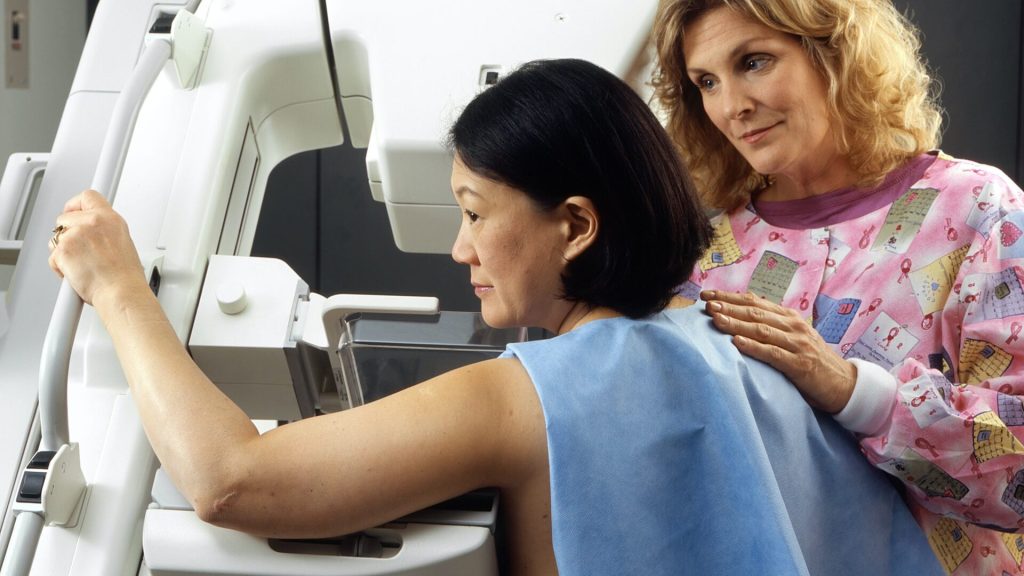
Woman receiving mammogram
Source: National Cancer Institute

The prognosis for breast cancer has improved, allowing more and more women to be cured with a combination of surgery, radiotherapy and medical treatment. A new trial led by Karolinska Institutet will investigate whether combining neoadjuvant chemotherapy with exercise will improve the outcomes of breast cancer patients.

Neoadjuvant chemotherapy (NACT) is increasingly used in breast cancer. The main benefit of NACT is its ability to downstage large tumours with a view to treatment by breast-conserving surgery, although there is a non-significant increase in the local recurrence rate. The best proof of NACT efficacy is pathological complete response (pCR), ie the absence of invasive tumour on post-NACT on surgical histopathology.

“While it is known that physical exercise can help patients to better tolerate often harsh cancer treatments, it is an emerging area of research to understand if and how exercise exerts anti-tumour effects and improves oncological outcomes”, explained Jana de Boniface, principal investigator of the trial and associate professor in the Breast Surgery Group, Department of Molecular Medicine and Surgery.

The Neo-ACT trial opened for recruitment in September 2022, and it is estimated that inclusion may be completed in December 2025.

Source: Karolinska Institutet

Another Shortage Created by COVID: Macaques for Research Purposes

The pharmaceutical industry is facing a serious challenge as it struggles to source enough non-human primates (NHPs) such as macaques for research and testing. Alongside demand created by HIV/AIDS research, the pandemic has tightened supplies of the animals further as China, a major supplier, has clamped down on exports.

Since NHPs have great genetic and physiological similarity to humans, scientists use these animals, most commonly rhesus macaques, to study medical conditions and conduct trials which are not yet possible in humans. In 2019, US scientists used 68 257 NHPs in research, according to US government data.

As a result of this shortage, many projects may not be able to be completed, according to industry insiders, with implications for medical research. Pre-pandemic prices of $11 000 per macaque have risen to $35 000.

In July last year, Nature reported that the US government pledged to increase funding to make primates available for clinical research. However, this would not do anything to address the current shortage.

To make room for more NHPs, the US National Institutes of Health (NIH) has invested about US$29 million to refurbish housing, build outdoor enclosures and making other infrastructure improvements at the US National Primate Research Centers (NPRCs), which it funds. 

“A couple of years ago, we were feeling the pinch,” Nancy Haigwood, director of the Oregon NPRC in Beaverton, which houses about 5 000 non-human primates. But because of the pandemic, “we are truly out of animals”, she told Nature. “We’re turning away everyone.”

China had been a cheap source of cynomolgus macaques (Macaca fascicularis) since 1985, but in 2013 began to prioritise local research, restricting exports. Adding to this was soaring demand was sparked by multiple NIH grants awarded in 2016 to study HIV/AIDS, according to a 2018 report. Housing and feeding NHPs is costly, and NPRCs could not expand due to budget caps. The report warned of a coming shortage of various primates in coming years.

The situation has drawn the public’s attention – and opposition. Complaints made to airlines has resulted in many no longer carrying the animals, making transportation a major challenge. Air France was one of the last holdouts, and last year said it would stop carrying NHPs for research purposes.

With the arrival of the pandemic and the need for NHP research and testing, vaccine research was naturally prioritised, while trying to supply other projects as well.

When COVID hit, China completely suspended exports of macaques, hitting pharmaceutical companies hardest, which prefer that species for drug trials. Even if the export ban were to be lifted, the Chinese demand for macaques in research is so high that there would be few available for export: of 30 000 macaques that became suitable for use in research last year, 28 000 were used.

Other restrictions constrain the supply, such as a European Union requirement that all non-human primates for research come from self-sustaining colonies by November this year. The UK also carried through this directive following its exit from the EU.

Falling Pregnant Unconsciously Curbs Smoking

pregnant woman holding her belly
Source: Anna Hecker on Unsplash

Pregnant smokers reduced their smoking by an average of one cigarette per day before becoming aware they were pregnant, according to a new study in in Addiction Biology. In the month after learning of their pregnancy, participants reduced smoking by another four cigarettes per day.

“Our findings suggest that pregnancy could curb smokers’ desire to smoke before they are even aware of having conceived,” said the study’s lead author and principal investigator, Dr Suena Huang Massey, associate professor of psychiatry and behavioural sciences and medical social sciences at Northwestern University Feinberg School of Medicine.

“While recognition of pregnancy is a common motivation to reduce or quit smoking, if biological processes in early pregnancy are also involved as suggested by this study, identifying precisely what these processes are can lead to the development of new smoking-cessation medications.”

The vast majority of research in this field focuses on the impact of a person’s smoking on the pregnancy and the baby. This study examines, instead, the impact of pregnancy on a person’s smoking behaviour.

Though it is well known that smoking is reduced in pregnancy, it was not known when it started and whether the smokers knew they were pregnant.

“Before this paper, it was largely assumed that the only thing causing pregnant smokers to cut down was a desire to protect the baby,” Dr Massey said. “While our study does support the discovery of pregnancy as a salient event, levels of pregnancy smoking began to decline before smokers suspected they were pregnant.”

These findings support a new line of research into what happens biologically during pregnancy that might be interrupting addictive behaviours, Massey said. Her hope is that the answer to this question will lead to the discovery of new and improved ways to treat addiction.

Pregnancy hormones a contributing factor?

Human chorionic gonadotropin (hCG) is a hormone produced by the placenta in early pregnancy that is linked to morning sickness (nausea and vomiting during pregnancy).

“Strikingly, we observed the steepest declines in smoking precisely when hCG levels typically peak – between five and 10 weeks of pregnancy,” Massey said. “What’s more, pregnant smokers who do not quit during the first trimester (when hCG levels are elevated) are unlikely to quit before delivery, even with assistance from medications or financial incentives.”

Study methodology

Scientists estimated changes in cigarettes per day smoked, reported retrospectively, by 416 participants from two independent cohorts (145 from 2000 to 2005 and 271 from 2006 to 2009). Every participant was a smoker prior to becoming pregnant. Women in the study were interviewed about their smoking habits at 16 weeks of pregnancy and provided urine samples, so researchers could verify their reports.

On average, participants smoked about 10 cigarettes per day before conception. Between conception and the date they realised they were pregnant (highly variable and reported by each participant), smoking fell by an average of one cigarette per day. In the month after recognising the pregnancy, smoking dropped from an average of 9 cigarettes per day to five. Importantly, these declines were seen whether pregnancies were planned or unplanned, and whether smokers quit or did not quit.

Source: Northwestern University

New Omicron Variant Escapes Antibodies and Monoclonal Therapy

Source: Fusion Medical Animation on Unsplash

The emerging Omicron variant BA.2.75.2 largely evades neutralising antibodies in the blood and resists several monoclonal antibody antiviral treatments, according to a study published in the journal The Lancet Infectious Diseases. The findings suggest a risk of increased COVID infections in the northern hemisphere’s winter, unless the new updated bivalent vaccines help to boost immunity in the population.

“While antibody immunity is not completely gone, BA.2.75.2 exhibited far more dramatic resistance than variants we’ve previously studied, largely driven by two mutations in the receptor binding domain of the spike protein,” said the study’s corresponding author Ben Murrell, assistant professor at the Department of Microbiology, Tumor and Cell Biology, Karolinska Institutet.

The study shows that antibodies in random serum samples from 75 blood donors in Stockholm were approximately only one-sixth as effective at neutralising BA.2.75.2 compared with the now-dominant variant BA.5. The serum samples were collected at three time points: in November 2021 before the emergence of Omicron, in April 2022 after a large wave of infections in the country, and at the end of August to early September after the BA.5 variant became dominant.

The researchers found that only one of the clinically available monoclonal antibody treatments that were tested, bebtelovimab, managed to effectively neutralise the new variant.

BA.2.75.2 is a mutated version of another Omicron variant, BA.2.75. Since it was first discovered earlier this fall, it has spread to several countries but so far represents only a minority of registered cases.

A possible increase in infections

“We now know that this is just one of a constellation of emerging variants with similar mutations that will likely come to dominate in the near future,” Ben Murrell says, adding “we should expect infections to increase this winter.”

Some questions remain. It is unclear whether these new variants will drive an increase in hospitalisation rates. Also, while current vaccines have, in general, had a protective effect against severe disease for Omicron infections, there is not yet data showing the degree to which the updated COVID vaccines provide protection from these new variants. “We expect them to be beneficial, but we don’t yet know by how much,” Ben Murrell says.

Source: Karolinska Institutet

Sex Differences in Post-stroke Biomarkers

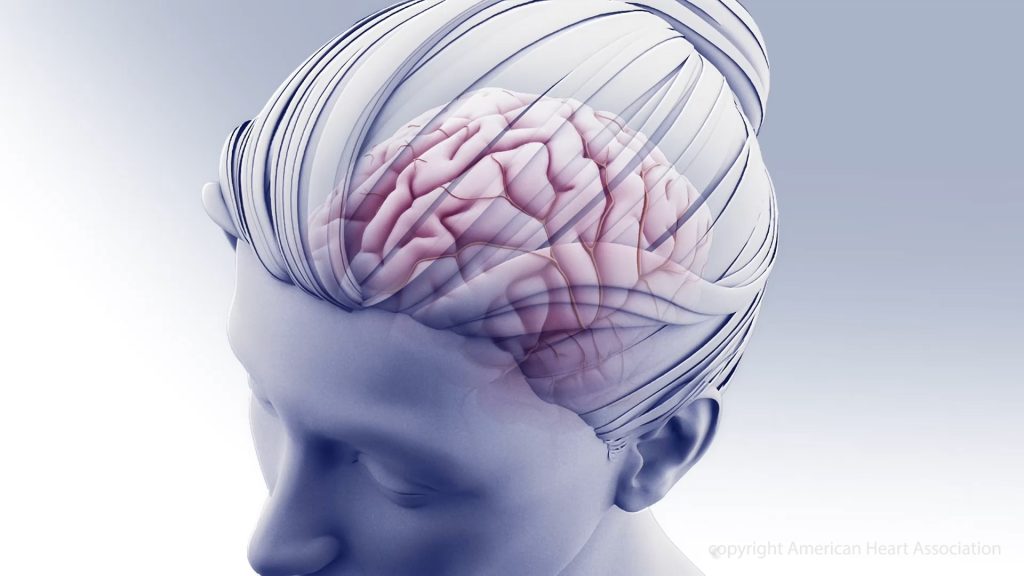
Credit: American Heart Association

Although males and females are equally affected by stroke Since oestrogen and progesterone have known neuroprotective effects, it is important to compare the size, severity and biochemical composition of the brain tissue following stroke in female and male animal models. In a paper published in IBRO Neuroscience Reports, researchers have discovered that certain biomarkers were different in the brains of male and female mice.

Stroke neurosurgeon and research coordinator Prof Nicole Sylvain and her colleagues are looking at treatments for post-stroke recovery that help supplement these energy losses. Using the Canadian Light Source (CLS) at the University of Saskatchewan (USask), the team was able to identify energy biomarkers in the brain, which could eventually inform clinicians about the effects of potential stroke treatments on brain recovery after a stroke.

The group’s recent study examined post-stroke differences between male and female mice, and found that female mice have higher amounts of glycogen in their brains. Glycogen is a sugar-like substance that circulates in our blood and nourishes our cells. When the supply of glycogen is disrupted by stroke, the brain is severely impacted.

Most pre-clinical stroke research has been performed using male lab animals, with results usually generalised to both sexes. In clinical stoke cases, females have a higher incidence of ischaemic stroke and poorer outcomes, compared to males.

“We found that, for the most part, male data can be generalised for females, however, some of the metabolic markers we measured were actually different,” Sylvain said. “It’s really important to do the research on both sexes.”

It would be impossible for the team to detect the biomarkers without to the Mid-IR beamline.

“The only way to detect them in such an accurate way across the brain is with infrared imaging, so the CLS has been absolutely vital to our research.”

Source: University of Saskatchewan

Pain-sensing Neurons Protect the Gut from Damage

Photo by Andrea Piacquadio on Pexels

Neurons that sense pain protect the gut from inflammation and associated tissue damage by regulating the microbial community living in the intestines, according to a study from Weill Cornell Medicine researchers.

The study, published in Cell, found in a preclinical model that pain-sensing neurons in the gut secrete a molecule called substance P, which appears to protect against gut inflammation and related tissue damage by boosting the population of beneficial microbes in the gut. The researchers also found that these pain-sensing nerves are diminished in number, with significant disruptions to their pain-signaling genes, in people who have inflammatory bowel disease (IBD).

“These findings reshape our thinking about chronic inflammatory disease, and open up a whole new approach to therapeutic intervention,” said study senior author Dr David Artis at Weill Cornell Medicine.

The study’s first author, DrWen Zhang, added: “Defining a previously unknown sensory function for these specific neurons in influencing the microbiota adds a new level of understanding to host-microbiota interactions.”

IBD covers two distinct disorders, Crohn’s disease and ulcerative colitis. It is typically treated with drugs that directly target elements of the immune system. Scientists now appreciate that gut-dwelling bacteria and other microbes also help regulate gut inflammation.

As Dr Artis’s laboratory and others have shown in recent years, the nervous system, which is ‘wired’ into most organs, appears to be yet another powerful regulator of the immune system at the body’s barrier surfaces. In the new study, Dr Artis and his team specifically examined pain neurons that innervate the gut.

These gut-innervating pain neurons, whose cell bodies sit in the lower spine, express a surface protein called TRPV1, which serves as a receptor for pain-related signals. TRPV1 can be activated by high heat, acid, and the chili-pepper compound capsaicin, for example – and the brain translates this activation into a sense of burning pain. The researchers found that silencing these TRPV1 receptors in gut nerves, or deleting TRPV1-expressing neurons, led to much worse inflammation and tissue damage in IBD mouse models, whereas activating the receptors had a protective effect.

The investigators observed that the worsened inflammation and tissue damage in TRPV1-blocked mice were associated with changes in the relative populations of different species of gut bacteria. When this altered bacterial population was transplanted into normal mice, it caused the same worsened susceptibility to inflammation and damage. By contrast, broad-spectrum antibiotic treatment could reverse this susceptibility even in TRPV1-blocked mice. This result demonstrated that TRPV1-expressing nerves protect the gut mainly by helping to maintain a healthy gut microbe population.

The scientists found strong evidence that a large part of this microbe-influencing effect of TRPV1-expressing nerves comes from a molecule the nerves secrete called substance P – which they observed could reverse, on its own, most of the harmful effects of blocking TRPV1. Experiments also suggested that the signaling between neurons and microbes was two-way – some bacterial species could activate TRPV1-expressing nerves to get them to produce more substance P.

To confirm the relevance to humans, the researchers examined gut tissue from IBD patients, and found abnormal TRPV1 and substance P gene activity as well as fewer signs of TRPV1 nerves overall.

“These patients had disrupted pain-sensing nerves, which may have contributed to their chronic inflammation,” Dr Zhang said.

Precisely how substance P exerts its effects on the gut microbe population, and how these microbes “talk back,” are questions that the researchers are now trying to answer in ongoing studies. But the results so far suggest that the next generation of anti-inflammatory drugs for IBD and other disorders could be compounds that target the nervous system.

“A lot of current anti-inflammatory drugs work in only some patients, and pharma companies really haven’t known why,” Dr Artis said. “Maybe it’s because, when it comes to chronic inflammation, we’ve been seeing only some of the picture – and now the rest, including the role of the nervous system, is starting to come into focus.”

Source: Weill Cornell Medicine

NASA Technology Enables Nearly Painless Kidney Stone Removal

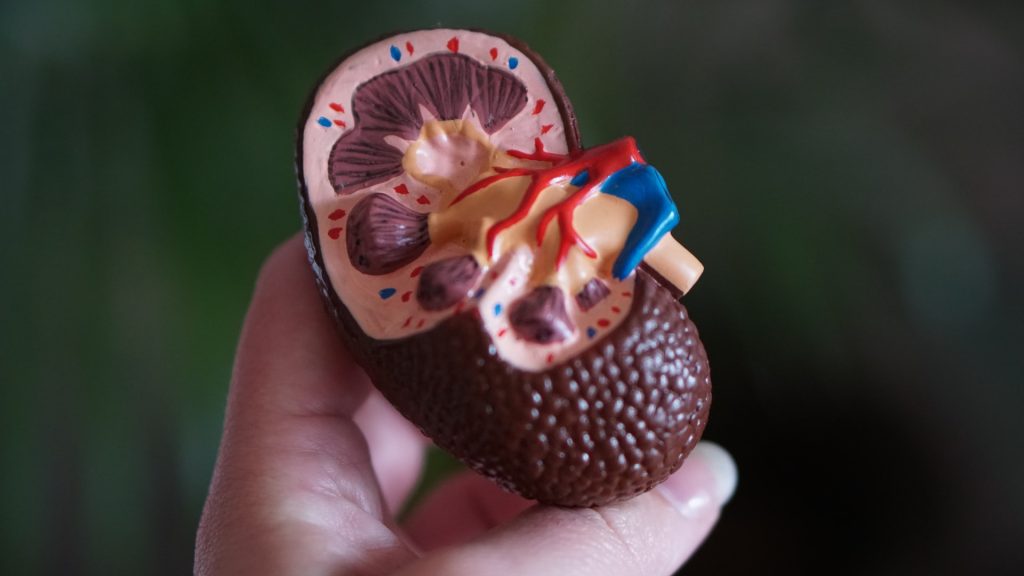
Anatomic model of a kidney
Photo by Robina Weermeijer on Unsplash

A new ultrasonic technique developed for emergency kidney stone treatments on Mars may offer an option to move kidney stones out of the ureter with minimal pain and no anaesthesia, according to a new feasibility study published in The Journal of Urology.

In the procedure, the physician uses a handheld transducer placed on the skin to direct ultrasound waves towards the stone. Using ultrasound propulsion, the stones can then moved and repositioned to promote their passage, while burst wave lithotripsy (BWL) can break up the stone.

Unlike with the standard technique of shock wave lithotripsy, there is minimal pain according to lead author Dr M. Kennedy Hall, a UW Medicine emergency medicine doctor. “It’s nearly painless, and you can do it while the patient is awake, and without sedation, which is critical.”

The researchers hope that one day the procedure of moving or breaking up the stones could eventually be performed in a clinic or emergency room setting with this technology, Dr Hall added.

Ureteral stones can cause severe pain and are a common reason for emergency department visits. Most patients with ureteral stones are advised to wait to see if the stone will pass on its own. However, this observation period can last for weeks, with nearly one-fourth of patients eventually requiring surgery, Dr Hall noted.

Dr Hall and colleagues evaluated the new technique to meet the need for a way to treat stones without surgery.

The study was designed to test the feasibility of using the ultrasonic propulsion or using BWL to break up stones in awake, unanaesthetised patients, Dr Hall said.

The study recruited 29 patients; 16 received propulsion and 13 received propulsion and BWL. In 19 patients, the stones moved. In two cases, the stones moved out of the ureter and into the bladder.

Burst wave lithotripsy fragmented the stones in seven of the cases. At a two-week follow up, 18 of 21 patients (86%) whose stones were located lower in the ureter, closer to the bladder, had passed their stones. In this group, the average time to stone passage was about four days, the study noted.

One of these patients felt “immediate relief” when the stone was dislodged from the ureter, the study stated.

The next step would a clinical trial with a control group, which would not receive either BWL bursts or ultrasound propulsion, to evaluate the degree to which this new technology potentially aids stone passage, Dr Hall said.

Development of this technology first started five years ago, when NASA funded a study to see if kidney stones could be moved or broken up, without anaesthesia, on long space flights, such as the Mars missions. The technology has worked so well that NASA has downgraded kidney stones as a key concern.

“We now have a potential solution for that problem,” Dr Hall said.

Source: University of Washington School of Medicine/UW Medicine